The Ant-Repelling Plants California Gardeners Are Planting Near Entryways
Ants have a way of making an entryway feel less welcoming fast. One tiny scout shows up near the door, then suddenly there is a whole little marching crew acting like they found the VIP entrance.
California gardeners often look for simple ways to make those spots less inviting without turning the porch into a chemical zone.
Strong scented plants can help add a natural layer of defense while making the area look prettier.
That is a nice trade, especially near steps, walkways, or pots by the front door. These plants will not solve every ant problem on their own, and they are not magic little security guards.
Still, they can make entry areas smell fresher and feel more cared for. The best part is that many of them fit easily into sunny California spaces. A front door should greet guests, not a trail of ants with big plans.
1. Santolina Brings Strong Scent To Sunny Entryways
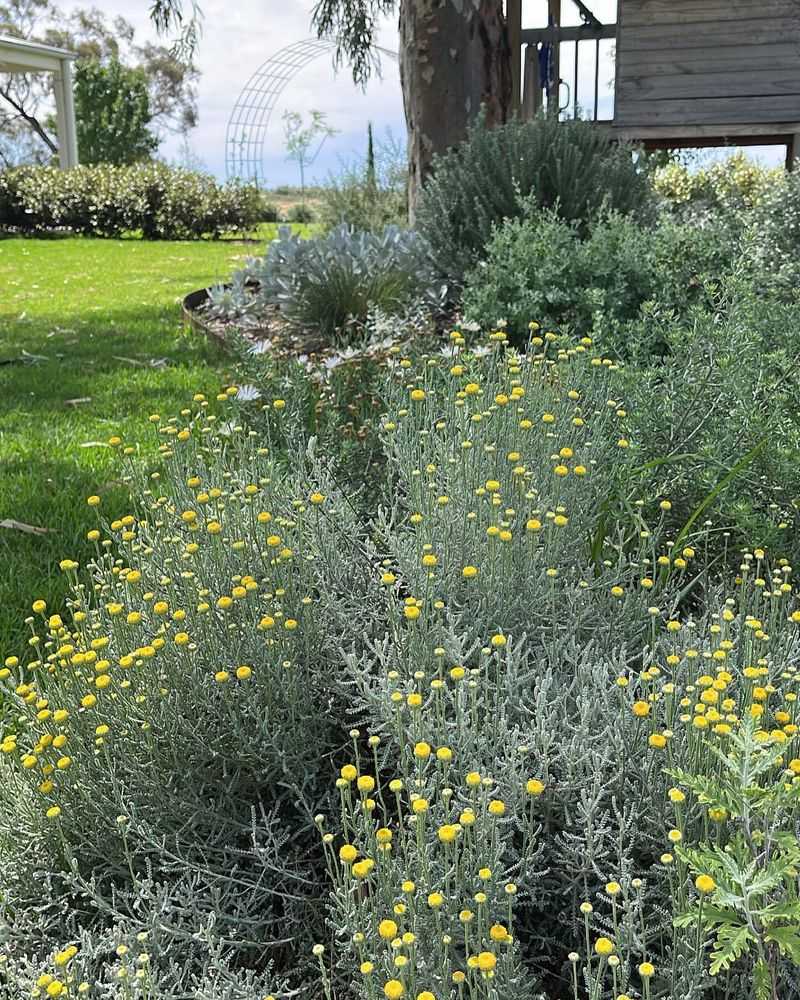
Few plants pack as much pest-fighting power into such a tidy little package as santolina. Known by its nickname “cotton lavender,” this low-growing shrub has feathery, silver-green leaves that smell sharp and herby when brushed.
Ants strongly dislike that smell, which makes it a smart pick for planting along walkways and near front doors.
It thrives in full sun and handles dry conditions really well. That makes it a great match for many gardens across our state, especially in warmer, drier areas. Once it gets established, it needs very little watering.
You can let it grow naturally into a soft mound, or trim it into a neat low hedge for a more polished look.
The bright yellow button flowers it produces in summer are a bonus. They add cheerful color to your entryway while the leaves keep doing their job below.
Santolina has been used in European herb gardens for centuries to repel insects from stored fabrics and food.
Gardeners here have caught on to that same trick and are now putting it right at the front door.
Plant it in well-drained soil, give it plenty of sun, and it will reward you with years of low-maintenance beauty and natural pest control. It is one of the easiest and most rewarding choices on this list.
2. Germander Makes A Tidy Herbal Border By The Door
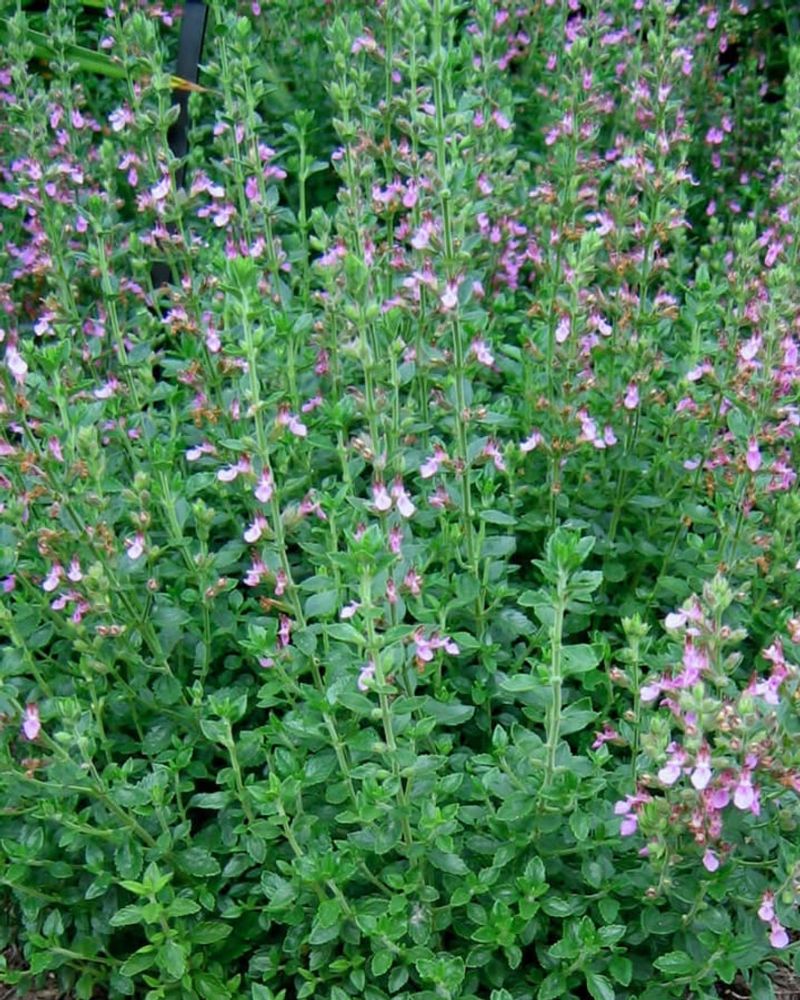
Not every plant has to shout to get noticed. Germander is a quiet but hardworking shrub that earns its place near the front door with a clean, herby fragrance and a tidy growth habit.
Its small leaves release a sharp scent that ants find off-putting, making it a reliable natural barrier along pathways and entry steps.
Wall germander, which is the most common type grown in gardens, stays low and compact. It responds very well to trimming, so you can shape it into a crisp border or let it fill in naturally as a ground cover.
Either way, it looks neat and intentional near a doorway. It also produces tiny pink or purple flowers that attract bees and butterflies, adding a bit of life to your front entrance.
Your California Garden Changes Every Week. Your Plan Should Too.
Gardening in California changes quickly throughout the season. Every Friday you’ll receive a simple weekly plan showing exactly what to plant, prune, fertilize, harvest, and protect so you never miss the right timing.
This plant does best in full sun with well-drained soil. It handles heat well and does not need a lot of water once it is settled in. That combination makes it a solid choice for the dry summers common in many parts of our state.
Germander has a long history in formal herb gardens across Europe, where it was often used to edge knot gardens and kitchen beds.
Bringing that same classic look to a California entryway is a simple way to add charm and function at the same time.
3. Society Garlic Adds Scented Leaves Without Much Fuss
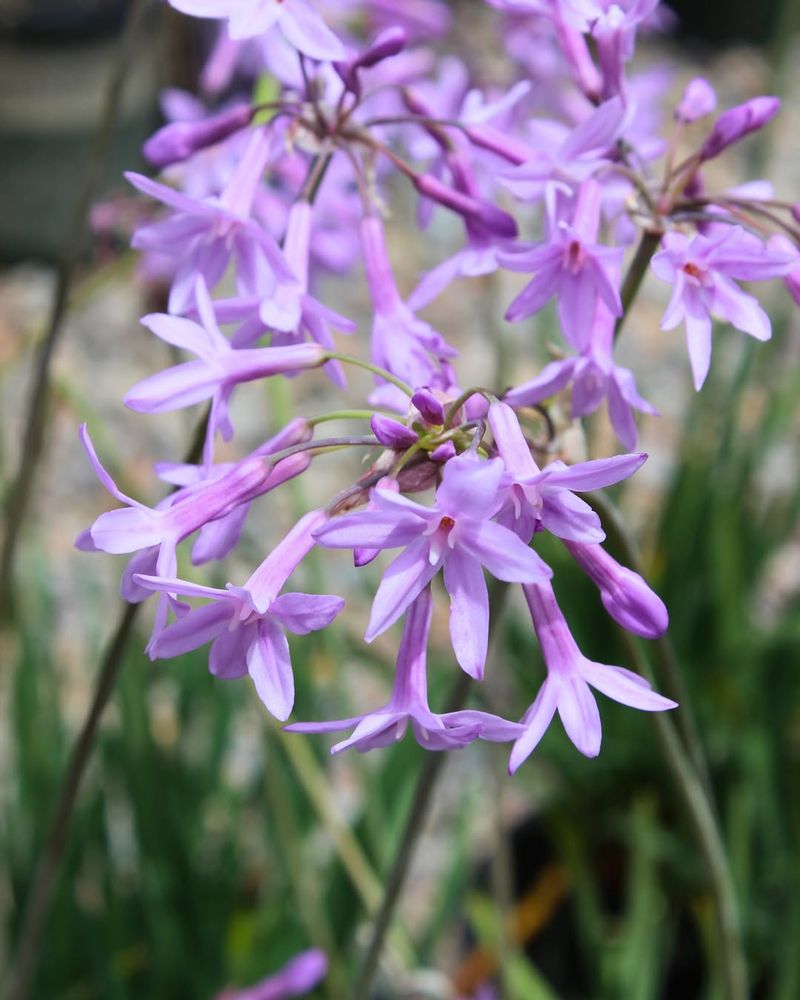
Here is a plant that pulls double duty without asking for much in return. Society garlic is not a true garlic, but its leaves carry that same pungent, garlicky smell that ants and many other insects tend to avoid.
At the same time, it produces pretty clusters of lavender-purple flowers that look great near an entryway all season long.
One reason so many gardeners love it is how little work it takes. Plant it in a sunny spot, give it average water, and it basically takes care of itself. It forms neat clumps of slender, grass-like leaves that stay green year-round in mild climates.
In our state, it grows well across a wide range of regions, from coastal gardens to inland yards.
Society garlic works well in both garden beds and containers. A pot of it placed right beside the front door makes a fragrant and decorative statement while quietly discouraging ants from crossing the threshold.
The smell of the leaves is strongest when touched or brushed, so placing it where people walk past will release that scent most often.
It is also drought-tolerant once established, which is a real bonus during dry summers. For a low-effort, high-reward plant that looks lovely and keeps ants guessing, society garlic is hard to beat. It is a true workhorse of the entryway garden.
4. Coyote Mint Gives Native Fragrance To Dry Paths
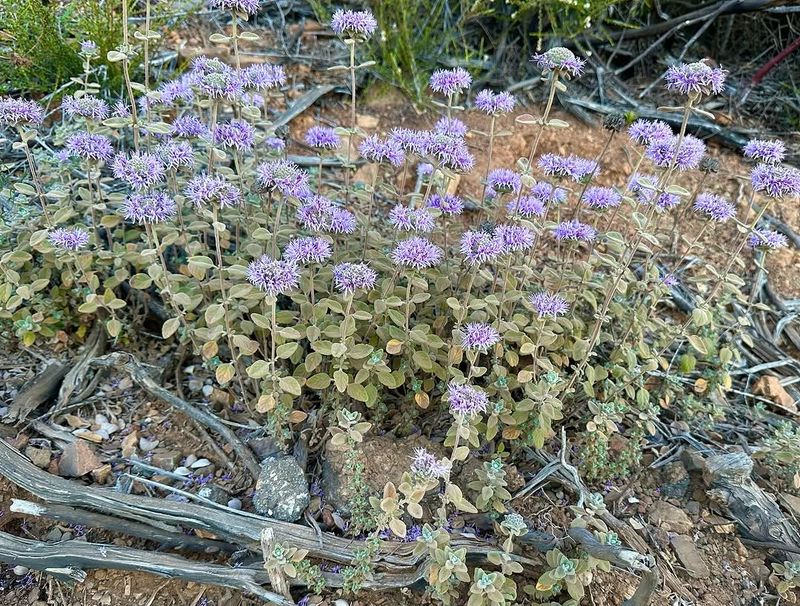
There is something special about using a plant that actually belongs here. Coyote mint is a native wildflower found naturally across our state, and it brings a strong minty fragrance that ants tend to steer clear of.
It grows well in dry, rocky soil and full sun, which makes it a natural fit for sunny entryways and gravel paths.
Unlike regular garden mint, coyote mint does not spread aggressively or take over your garden bed.
It stays in a tidy clump and blooms with small clusters of pale purple flowers in late spring and summer.
Those flowers are a magnet for native bees and butterflies, so you get pest control and pollinator support from the same plant. That is a win on two fronts.
Because it is native, it is already adapted to the local climate and soil. Once established, it needs very little water and can handle the hot, dry summers that challenge many other plants.
It is a great pick for gardeners who want to use water wisely without giving up fragrance or function.
Planting coyote mint along a dry path or near stone steps near the front door gives your entryway a wild, natural feel. It looks like it belongs there, because it truly does.
Few plants offer this much personality with this little maintenance in our warm, sun-soaked gardens.
5. Yerba Buena Works For Shady Entry Corners
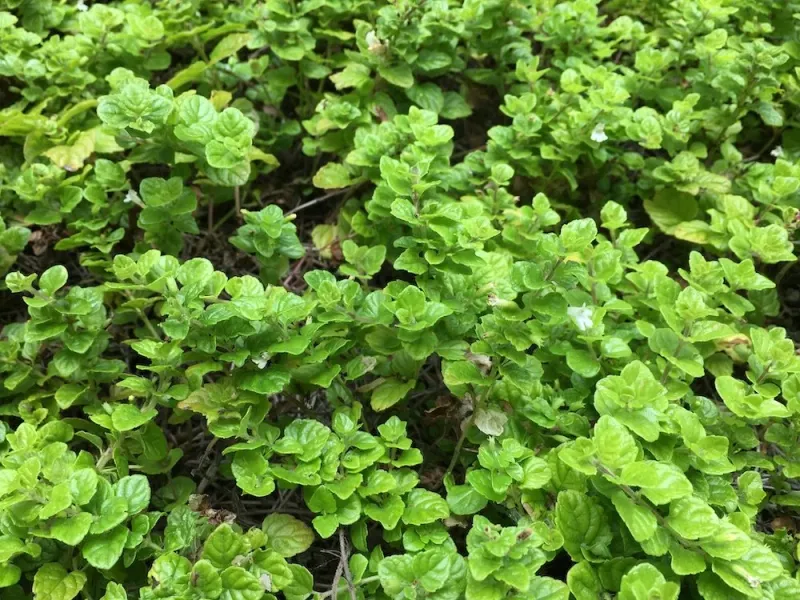
Most ant-repelling plants love the sun, but not every entryway gets full light. That is where yerba buena comes in.
This low-growing native plant thrives in partial to full shade, making it a rare and valuable find for those darker corners near the front door.
Its small, rounded leaves have a sweet, minty fragrance that is pleasant for people but not so welcome to ants.
Yerba buena was used for centuries by California’s indigenous peoples as an herbal remedy and tea.
Its name means “good herb” in Spanish, and early Spanish settlers used it widely for its soothing properties. Today, gardeners are rediscovering it as a ground cover that smells wonderful, spreads gently, and needs very little care.
It prefers moist, well-drained soil and does not like to dry out completely. In shaded spots that hold a little more moisture, it grows beautifully and fills in gaps along pathways or steps.
Because it stays low to the ground, it works well under taller shrubs or along the base of a wall.
The fragrance is released whenever someone walks past or brushes the leaves, creating a subtle but pleasant sensory experience at the entryway.
For shady corners that need a functional and fragrant ground cover, yerba buena is one of the smartest native choices available to gardeners in our state.
6. Sweet Bay Makes A Polished Pot Near The Door
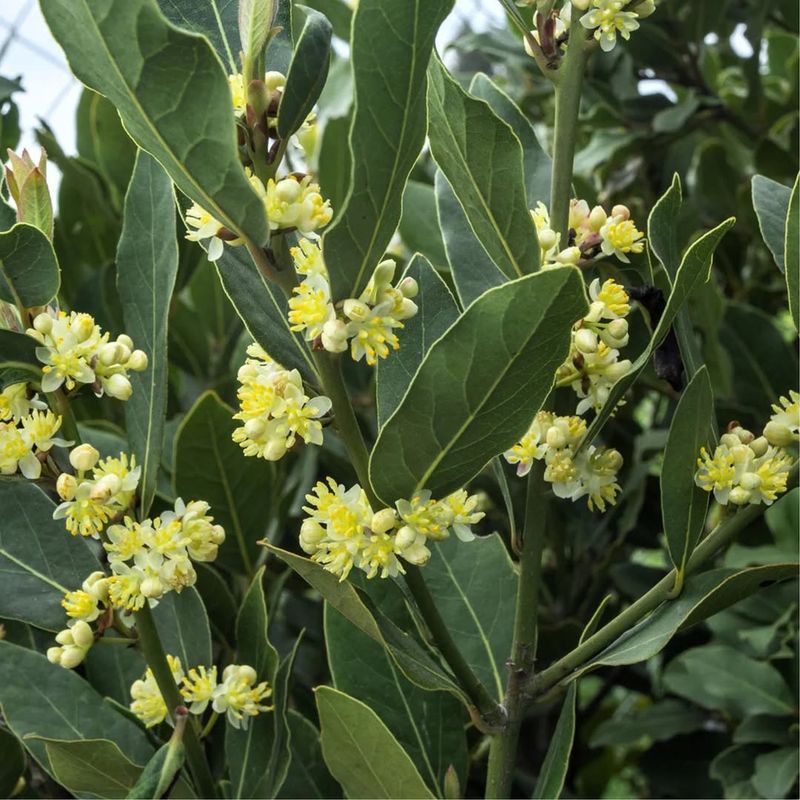
Bold, classic, and surprisingly useful, sweet bay is the herb behind the bay leaves you find in soups and stews.
The same strong, spicy fragrance that makes it a kitchen staple also happens to be something ants dislike. Placing a potted sweet bay tree near the front door gives your entryway a formal, elegant look while serving as a natural ant deterrent.
Sweet bay grows slowly and tolerates being shaped, so it is often trained into a neat ball or cone form. That makes it perfect for a decorative pot beside the door, where it looks intentional and polished.
It prefers full sun to partial shade and does well in containers as long as it gets regular watering. In our mild coastal climates, it can grow quite large over time if left unpruned.
One fun detail about this plant is its history. Bay laurel was used in ancient Greece and Rome to crown champions and scholars, and it has been prized in Mediterranean gardens for thousands of years.
Bringing that same plant to your front doorstep connects you to a long tradition of both beauty and practical use.
The leaves can even be harvested for cooking, so it truly earns its spot. For gardeners who want a formal, fragrant, and functional plant near the door, sweet bay is a timeless option that never goes out of style.
7. Southernwood Has A Sharp Scent Ants May Avoid
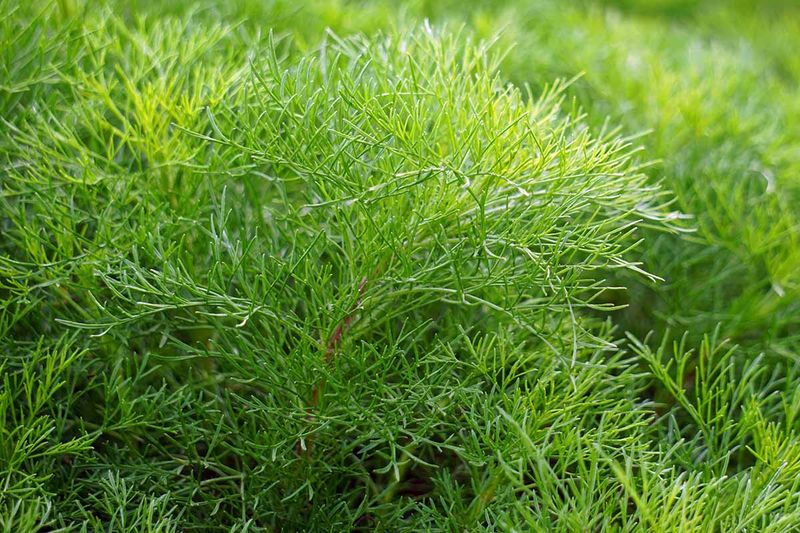
Some plants earn their reputation the old-fashioned way, through centuries of practical use.
Southernwood is one of those plants. Related to wormwood and artemisia, it has feathery, silver-green leaves that release a sharp, camphor-like scent when touched.
That smell has long been used to repel insects, and ants are no fans of it either.
In old European cottage gardens, southernwood was tucked into borders and hung in closets to keep moths and bugs away from clothing and linens.
Gardeners today are bringing that same idea outdoors, planting it near entryways to create a fragrant barrier that pests prefer to avoid.
It grows into a loose, airy shrub that looks soft and feathery in the garden, adding texture without taking up too much space.
It does best in full sun and well-drained soil. Dry summers do not bother it much, which makes it a practical choice for many gardens in our warmer inland regions. Cutting it back in early spring keeps it looking full and tidy rather than woody and sparse.
The scent is strongest in warm weather, right when ant activity tends to peak, so the timing works out perfectly.
Southernwood may not be as well-known as lavender or mint, but for gardeners who discover it, it quickly becomes a favorite for its unusual texture, easy care, and reliable pest-deterring qualities.
8. Feverfew Adds Daisy-Like Flowers With Bitter Foliage
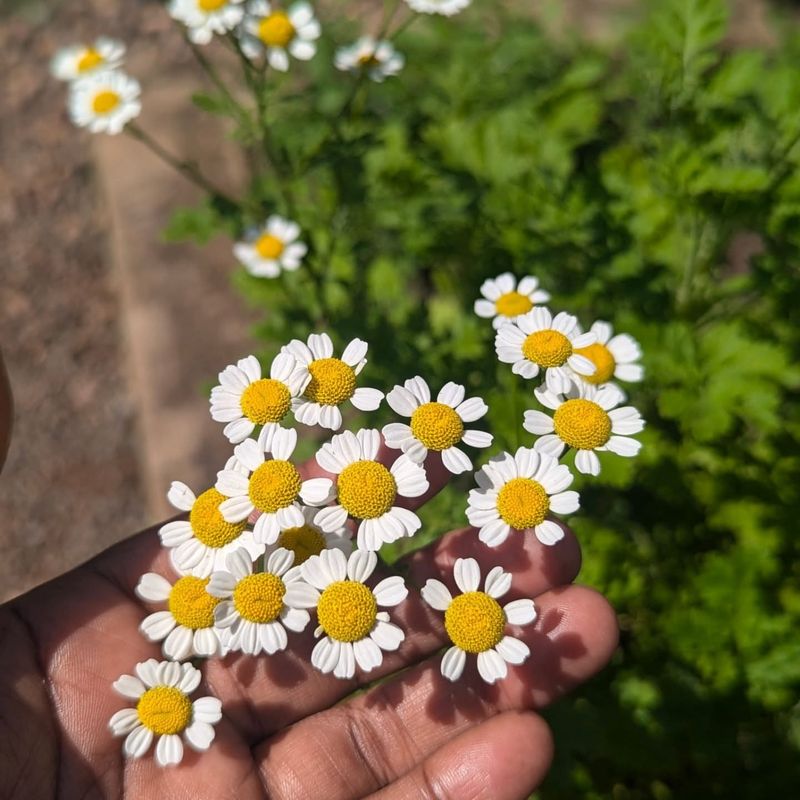
Pretty flowers and pest-fighting power make quite a combination. Feverfew is a cheerful herb that produces clusters of small white flowers with bright yellow centers, looking like tiny daisies scattered across the plant.
But beneath that charming appearance is a set of leaves so bitter and strongly scented that ants and many other insects want nothing to do with them.
The leaves have a sharp, almost medicinal smell that most people find interesting rather than unpleasant.
When planted near a front door, that scent drifts gently into the air and creates a subtle but effective deterrent for crawling insects.
Feverfew has a long history in herbal medicine, where it was used to treat headaches and fevers. Its name actually comes from the Latin word for fever-reducer.
It grows well in full sun to partial shade and does not need rich soil to thrive. In fact, it often self-seeds freely, meaning it will come back year after year without much help from you.
That can be a wonderful bonus if you want a low-maintenance plant that keeps renewing itself near the entryway.
Just remove extra seedlings if it starts to spread beyond where you want it. For a plant that offers so much color, fragrance, and history in such a compact form, feverfew deserves a spot near the front door of any garden where ants are a regular problem.
9. Mexican Marigold Brings A Bold Herbal Smell
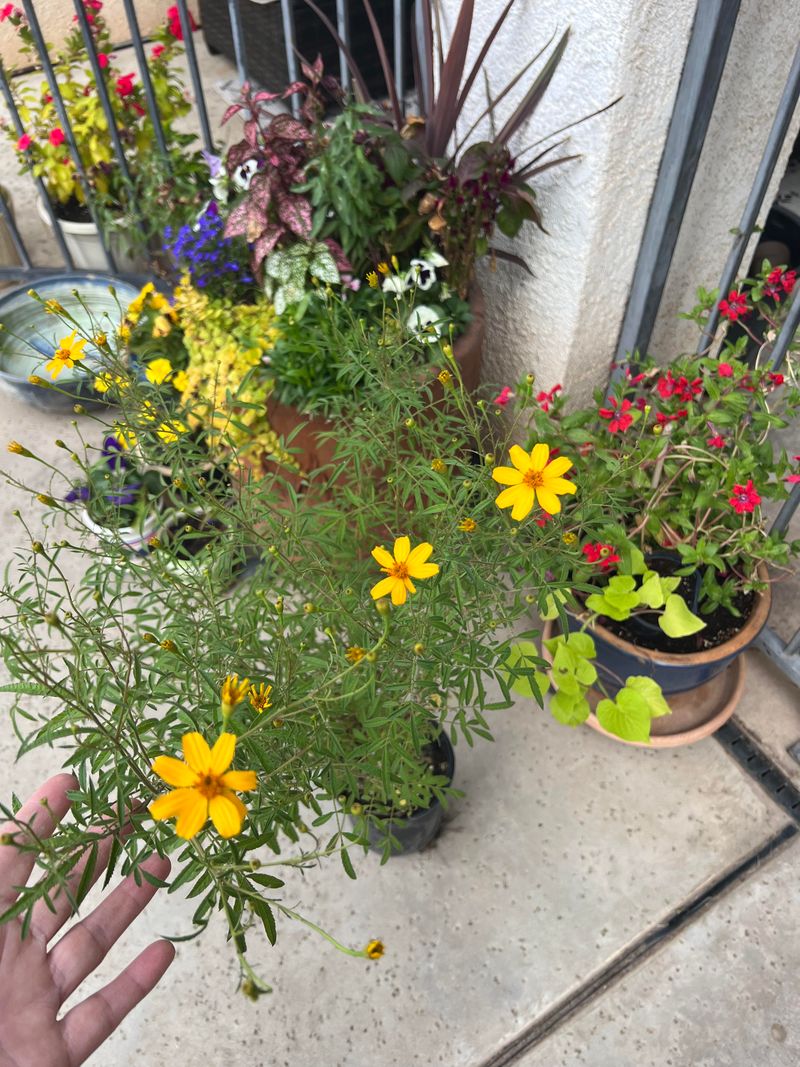
Not all marigolds are created equal. Mexican marigold, also called Mexican mint marigold or Mexican tarragon, has a scent that goes well beyond the familiar floral smell of common marigolds.
Its leaves carry a powerful anise-like fragrance that is bold enough to stop ants in their tracks.
Gardeners across our state have discovered that planting it near entryways creates a fragrant and effective natural barrier.
The plant blooms in late summer and fall with golden-yellow flowers that brighten up any front yard.
It can grow two to four feet tall, making it a good choice for filling in taller spots in a border or planting against a wall near the door.
The leaves can also be harvested and used in cooking as a substitute for French tarragon, which adds a kitchen bonus to its garden value.
Mexican marigold handles heat and dry conditions quite well, which suits the warm summers found in many parts of our state.
It prefers full sun and does not need a lot of fussing over once established. Cutting it back after flowering keeps it tidy and encourages fresh growth the following season.
The strong herbal scent is most noticeable in warm weather, which is also when ants are most active. That makes this plant especially well-timed as a natural deterrent. It is bold, beautiful, and hardworking all at once.
10. Lemon Verbena Adds Citrus Scent Near Walkways
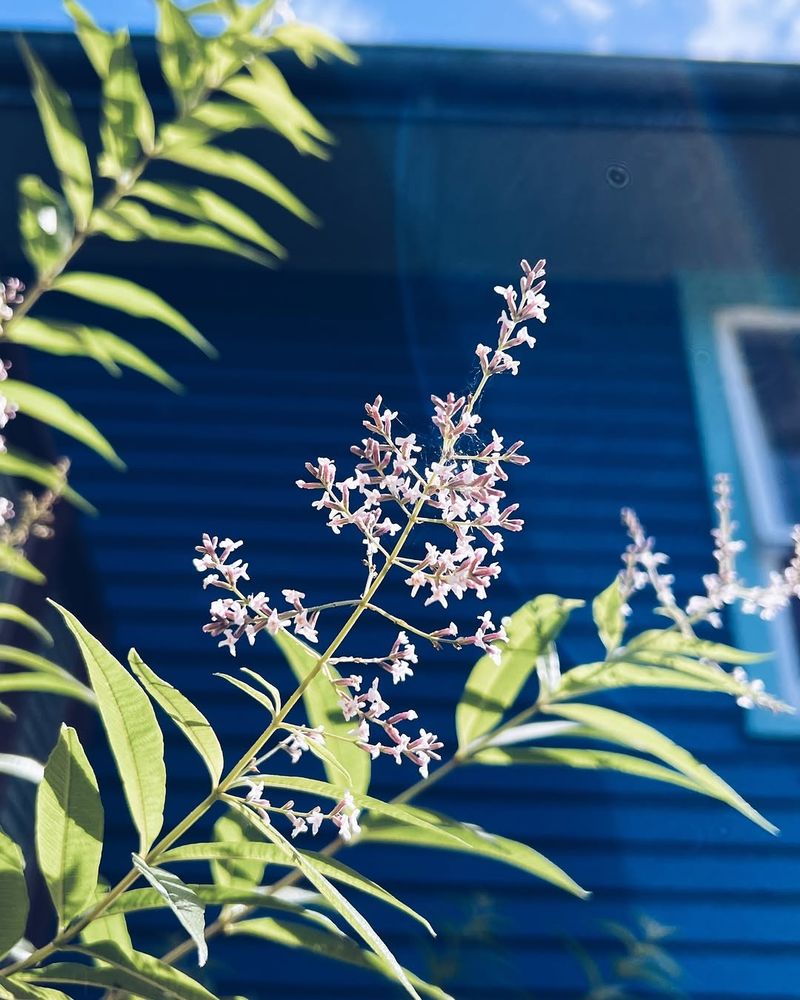
Few scents are as instantly uplifting as lemon verbena. The moment you brush one of its long, pointed leaves, a burst of fresh, bright citrus fills the air.
That lemon fragrance is a delight for people walking up to the front door, but for ants, it is a signal to go somewhere else.
Planting it near walkways and entry steps puts that scent exactly where it is most needed.
Lemon verbena grows as a shrub and can reach several feet tall in mild climates. It thrives in full sun and warm temperatures, which makes it a natural match for many gardens across our state.
In cooler areas or during colder winters, it may drop its leaves and go dormant, but it usually bounces back in spring with fresh, fragrant growth.
Growing it in a pot gives you the option to move it indoors if temperatures drop.
Beyond keeping ants away, the leaves have plenty of other uses. They can be dried for sachets, steeped into tea, or used to flavor desserts and cocktails. That makes lemon verbena one of the most versatile plants on this list.
Every time someone walks by and brushes the leaves, that citrus scent is released, creating a welcoming sensory moment at the front door.
For gardeners who want fragrance, function, and flexibility all in one plant, lemon verbena is a genuinely wonderful choice worth trying this season.