Fragrant Ohio Plants That Help Keep Ticks Away From Patios And Yard Edges
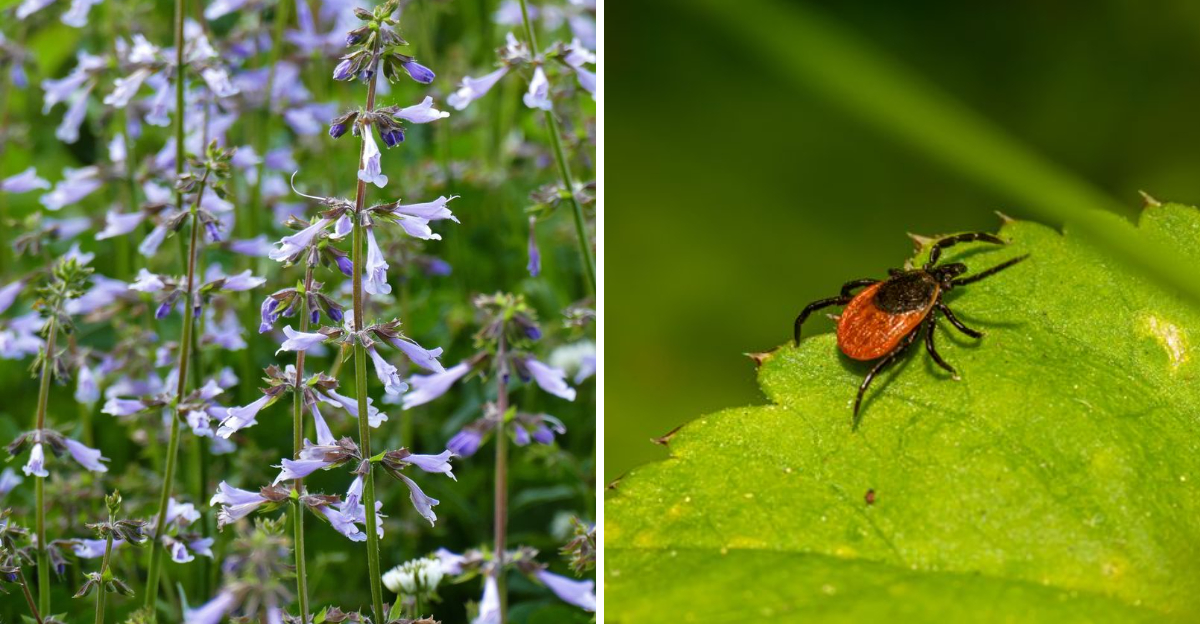
Ticks have turned outdoor living in Ohio into a calculation. A walk through the backyard, an evening on the patio, time near any grassy edge now requires a level of vigilance that wasn’t part of the conversation a generation ago.
Sprays help but come with their own concerns, especially where children play and pets roam. What’s worth knowing is that certain fragrances register very differently to a tick than to a person standing nearby.
Scents that smell pleasant to people can disrupt the signals ticks rely on to locate a host. Ohio gardeners are putting that to practical use, placing specific fragrant plants along patio edges and yard borders where ticks tend to concentrate.
The plants earn their spot on appearance alone. The tick deterrence is a dividend.
1. Lavender Adds Fragrance To Sunny, Well-Drained Patio Borders
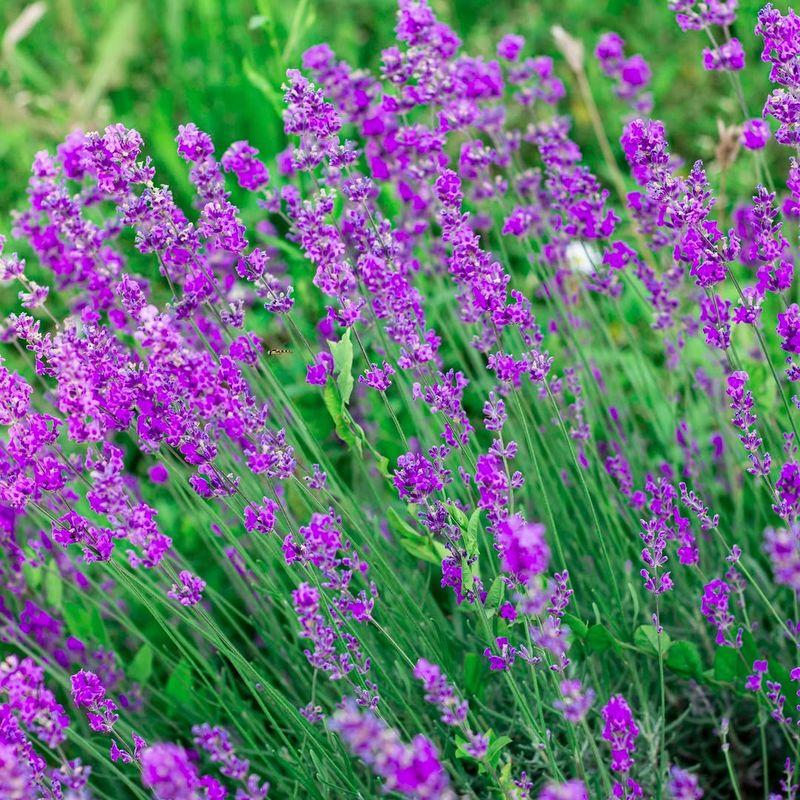
Few plants earn their place in a patio border quite like lavender. Its silvery stems, purple flower spikes, and sharp, clean scent make it a favorite for sunny edges.
It fits naturally along walkways, steps, and seating areas where you want a little sensory reward every time you brush past.
Lavender needs full sun and excellent drainage to perform well. In many parts of this state, heavy clay soil can hold too much moisture and cause the roots to rot over winter.
Raised beds, gravel-filled borders, or amended planting spots with added perlite or coarse sand can make a real difference. Avoid planting lavender in low spots where water collects after rain.
From a tick-prevention standpoint, lavender contributes to the right kind of border: open, dry, and easy to inspect. Ticks prefer damp, sheltered spots with leaf litter and tall grass.
A tidy lavender edge does not create that kind of habitat. That said, lavender is not a tick shield.
Mowing nearby grass short, removing leaf litter, and checking yourself after outdoor time still matter most.
Trim lavender lightly after flowering to keep it from getting woody and sprawling. A compact, well-maintained plant in a sunny, dry border supports good air circulation and keeps the area tidy.
That tidiness, more than the scent alone, is what makes it a genuinely useful patio plant.
2. Rosemary Brings A Sharp Herbal Scent To Containers

Rosemary has one of the sharpest, most recognizable herbal scents in any garden. Placing a pot of it near your patio seating area makes the space feel immediately more alive.
The piney, resinous fragrance is pleasant for people and less appealing to a range of common pests, though it is not a guaranteed tick deterrent on its own.
In much of this state, rosemary is not reliably hardy through a full winter. Northern regions especially can see temperatures cold enough to finish off an in-ground plant.
Growing rosemary in containers is the practical solution. Use a fast-draining potting mix, choose a pot with drainage holes, and bring it indoors before hard frost hits.
A sunny windowsill or a cool, bright garage spot can keep it alive until spring.
Your Ohio Garden Changes Every Week. Your Plan Should Too.
Gardening in Ohio changes quickly throughout the season. Every Friday you’ll receive a simple weekly plan showing exactly what to plant, prune, fertilize, harvest, and protect so you never miss the right timing.
Containers also give you flexibility. You can move a rosemary pot right next to a seating area, near a grill, or along steps where you want the scent most.
Unlike a sprawling groundcover, a potted rosemary stays exactly where you put it and does not become a hiding place for ticks or other pests.
Keep the plant trimmed and the pot elevated if possible. A tidy, contained rosemary plant near a sunny, open patio contributes to a clean, dry, well-maintained environment.
That kind of space is naturally less tick-friendly than a damp, overgrown edge.
3. Catmint Softens Yard Edges With Aromatic Foliage
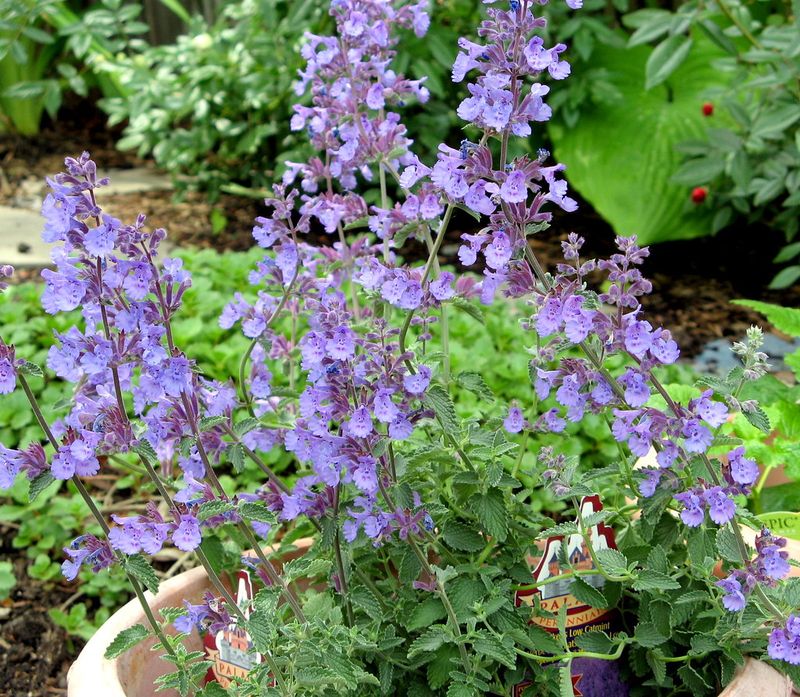
Catmint is one of those plants that earns admiring looks from neighbors and visits from bees and butterflies all summer long. Its soft lavender-blue flowers and gray-green aromatic foliage make it a natural choice for yard edges and patio borders.
It brings color, fragrance, and pollinator value without a lot of fuss.
Unlike some aggressive herbs, catmint tends to stay in a reasonable clump and does not run underground the way mint does. It prefers full sun and well-drained soil, and it blooms heavily in late spring before settling into a tidy mound through summer.
Cutting it back by about half after the first flush of flowers often triggers a second bloom later in the season.
From a tick-awareness perspective, catmint fits the right kind of border. It stays relatively open and airy, especially when trimmed.
Dense, floppy, or overgrown plantings create the kind of sheltered, humid spots that ticks find comfortable. A well-maintained catmint edge avoids that problem.
Pair it with short surrounding grass and clear borders rather than letting it tumble into leaf litter or unmowed areas.
Catmint is also a better-behaved option than catnip for most gardeners. It is less likely to attract intense cat attention and more likely to stay where you planted it.
For sunny, open yard edges that need fragrance without chaos, it is a genuinely reliable choice worth planting this season.
4. Mint Belongs In Pots Where Its Scent Can Stay Contained
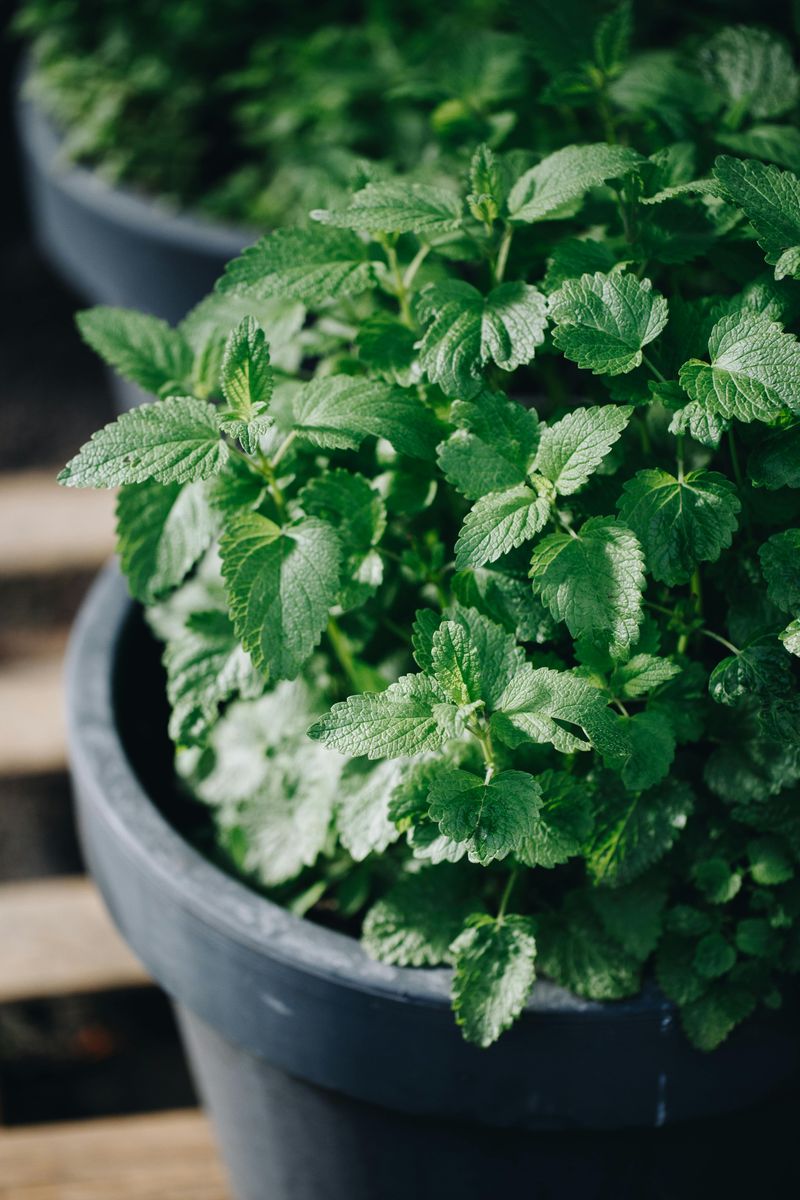
Mint might be the most talked-about pest-discouraging herb in any garden conversation, and its bold, cool scent is genuinely strong. The problem is that mint planted directly in a garden bed will spread fast and far.
It sends runners underground until it has taken over a far larger area than you ever intended.
Letting mint run loose along a yard edge actually works against tick-prevention goals. A thick, spreading mat of mint can create exactly the kind of dense, sheltered groundcover that ticks and other pests find comfortable.
Tall grass, brushy edges, and tangled low growth are prime tick habitat, and a mint patch that gets out of hand starts to look similar from a pest’s point of view.
The smarter move is keeping mint in containers. A good-sized pot near your patio, steps, or garden path lets you enjoy the fragrance without the takeover.
Use a potting mix that drains well and water regularly since mint likes moisture but should not sit in standing water. You can even tuck a pot of mint near a seating area and brush the leaves occasionally to release the scent.
Mint scent alone does not replace mowing, clearing brush, or doing tick checks after time outdoors. But a contained mint plant near a tidy, sunny patio contributes to a fresher-smelling space without creating a new habitat problem.
Keep it in the pot and enjoy it on your terms.
5. Lemon Balm Adds Citrus Scent Without Running Loose
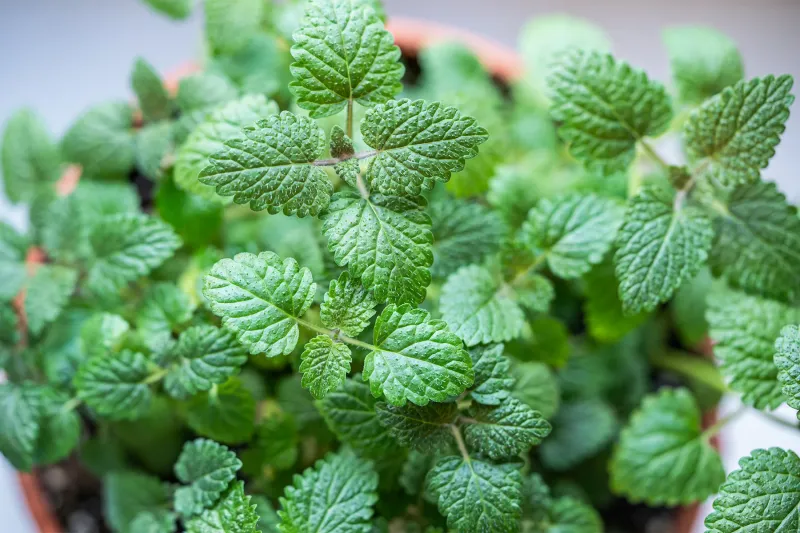
Crush a leaf of lemon balm and you get a bright, clean citrus scent that is surprisingly refreshing for a plant that looks so much like a plain green herb. It belongs to the mint family, which means it carries that same aggressive spreading tendency if you are not careful about where and how you plant it.
In a garden bed without any boundaries, lemon balm can reseed freely and spread into areas you did not plan for. Before the plant sets seed, trim the flower heads off.
That one habit alone can keep lemon balm from becoming a maintenance headache. Even better, grow it in a container near your patio so the spreading issue never comes up in the first place.
Lemon balm does well in containers with decent drainage and regular watering. It tolerates some shade better than most herbs on this list, which makes it useful for patios that do not get full sun all day.
Place the pot where you will brush past the leaves occasionally and enjoy the citrus fragrance it releases.
Do not count on lemon balm as a magic tick repellent. Its scent is pleasant, and the plant itself is low-risk when managed properly.
But ticks are stopped by habitat reduction, short grass, cleared edges, and personal protection, not by a fragrant pot of herbs. Use lemon balm as part of a tidy, enjoyable patio planting, not as your only line of defense.
6. Sage Keeps Sunny Edges Open, Dry, And Fragrant
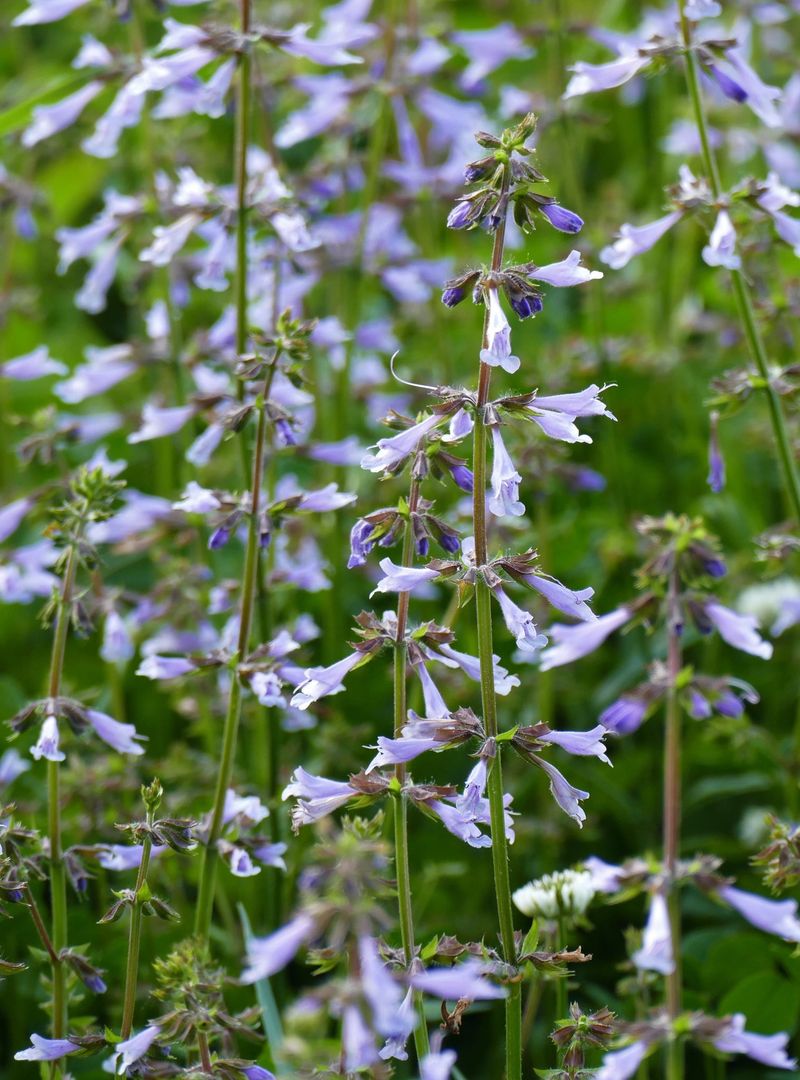
Sage brings a bold, earthy fragrance to any sunny border, and its silvery-green leaves hold their color and scent even through dry summer stretches. For gardeners who want a fragrant herb along a patio edge or path without a lot of fuss, sage is a dependable option that also looks good from early spring through fall.
Common culinary sage prefers full sun and fast-draining soil. It does not perform well in wet, heavy clay or in spots where water pools after a heavy rain.
If your yard has drainage challenges, a raised bed or a gravel-mulched border can give sage the dry conditions it needs. Avoid planting it in low areas near downspouts or where water lingers.
From a tick-habitat standpoint, sage fits the right profile. It stays relatively compact, especially when trimmed once or twice a season.
An open, dry, well-maintained sage border is the opposite of the damp, brushy, overgrown edges where ticks are most likely to be found. Defining a patio edge or garden path with tidy sage plants also makes the area easier to inspect and mow around.
Trim sage back lightly in spring before new growth takes off, and again after it flowers if it starts to get woody. A neat, open sage planting near a sunny patio adds fragrance and visual structure.
It also supports the kind of tidy, low-cover environment that is genuinely less comfortable for ticks to move through.
7. Marigolds Add Strong Scent Near Garden Paths
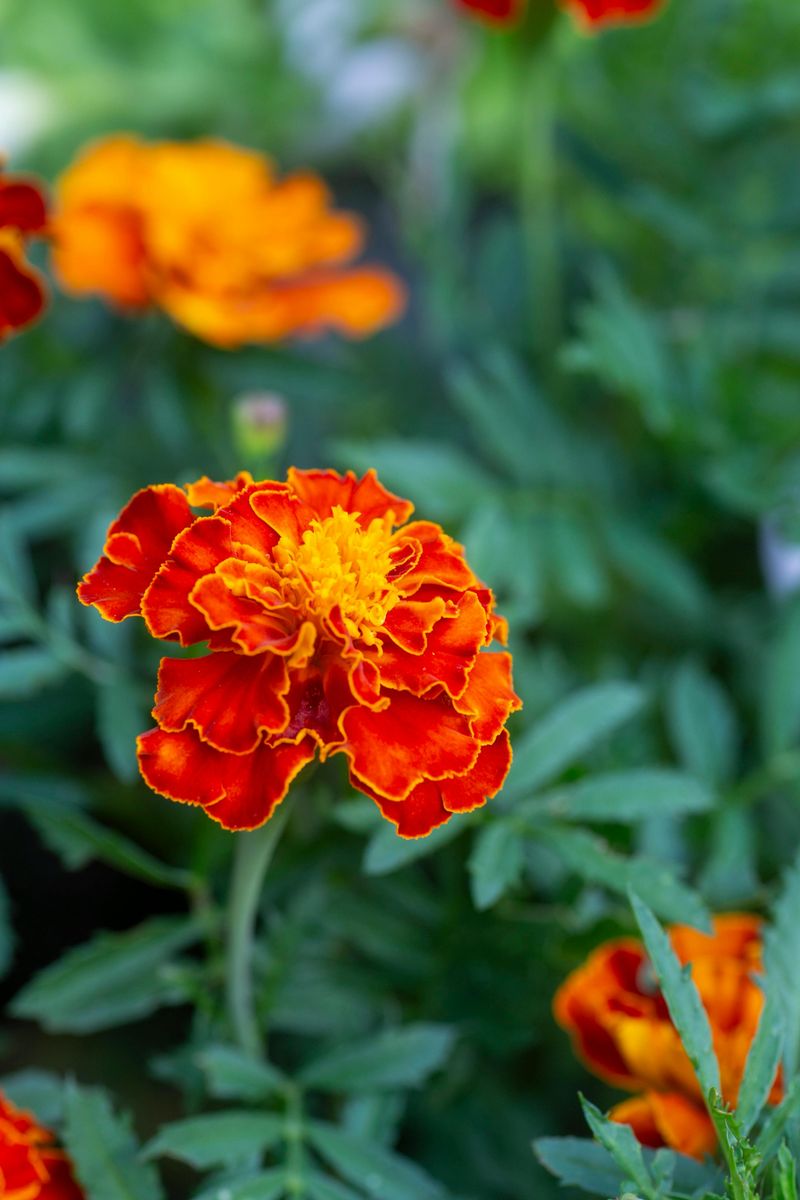
Marigolds are one of the most familiar flowers in any home garden, and their sharp, almost peppery scent is strong enough to notice from several feet away. Gardeners have grown them near vegetable beds, along paths, and around patio edges for generations.
That is partly for their cheerful color and partly because of their reputation for discouraging certain pests.
That reputation has some basis in garden tradition, but marigolds are not a proven tick-control solution on their own. Their scent may contribute to a less inviting patio border, but ticks are not reliably stopped by any single flowering annual.
The real benefit of marigolds in a tick-aware garden is that they encourage you to keep edges sunny, open, and maintained. Those conditions are less friendly to ticks than tall grass or brushy cover.
Plant marigolds in full sun and keep them trimmed through the season. Removing spent blooms keeps the plants flowering longer and prevents them from becoming a dense, faded tangle by late summer.
Avoid planting them so thickly that the center of the bed stays damp and shaded. Open spacing and good air circulation keep the planting healthy and easy to inspect.
French marigolds tend to stay compact and tidy, making them a practical choice for path edges and container plantings. African marigolds grow taller and make a bolder statement along a fence line or vegetable bed edge.
Either way, combine them with mowed grass and cleared borders for the best results.
8. Keeping Grass Short Matters More Than Any Plant
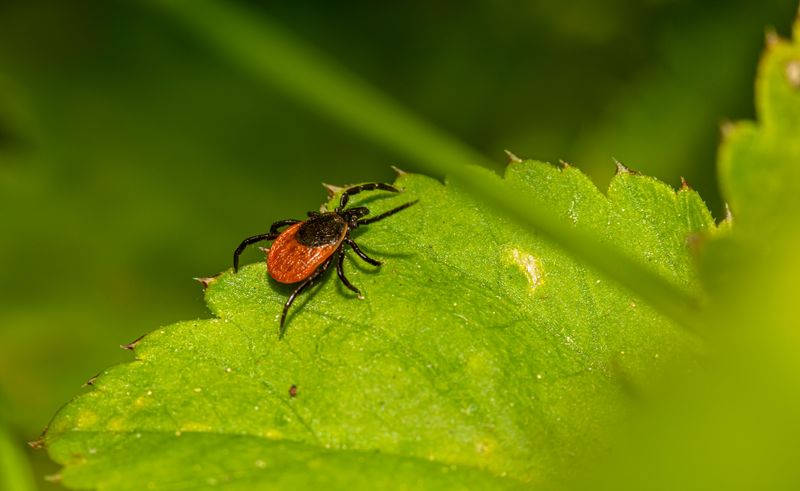
All the fragrant herbs and flowers on this list are genuinely useful additions to a patio garden. But none of them come close to the tick-prevention value of simply keeping your grass short and your edges clear.
Ticks move through tall grass, brushy borders, leaf litter, and wooded edges to reach people, pets, and open lawn areas. Removing that habitat is the most direct way to reduce your exposure.
Mow regularly during warm weather and keep the grass nearest your patio and paths cut short. Clear leaf litter away from seating areas and high-use zones, especially in fall and spring when ticks are most active.
Brush and overgrown borders near fence lines or wooded edges should be trimmed back as much as possible. Wood piles should be stacked neatly and kept away from the house and patio.
A mulch or gravel barrier between a wooded or brushy edge and your lawn can help create a physical separation that ticks are less likely to cross. Ohio State University Extension and the CDC both note that a three-foot wide wood chip or gravel strip along wooded borders can reduce tick movement into yard areas.
That kind of barrier, combined with short grass and cleared edges, does more than any potted herb.
After spending time outdoors, check yourself, your children, and your pets for ticks. Wear light-colored clothing and use an EPA-registered repellent when working near brushy or wooded edges.
Fragrant plants are a pleasant part of a smart yard plan, but personal habits and habitat management are where real tick prevention starts.