Why Michigan Gardeners Get Moles In Spring And How To Stop Them

There is a specific kind of Michigan spring morning that starts with coffee, ends with a long stare at the lawn, and somewhere in the middle involves the slow realization that moles have been very, very busy.
The once-smooth grass is suddenly all ridges and mounds and raised tunnels that definitely were not there last fall.
It feels like it happened overnight, but the truth is moles never really stopped. They kept moving through the soil all winter, and spring just pulls back the curtain on everything they accomplished while nobody was paying attention.
Annoying? Absolutely.
But understanding what is actually driving mole activity in a Michigan yard makes it a lot easier to come up with a plan that has a real shot at working.
1. Spring Makes Mole Damage Much Easier To Notice
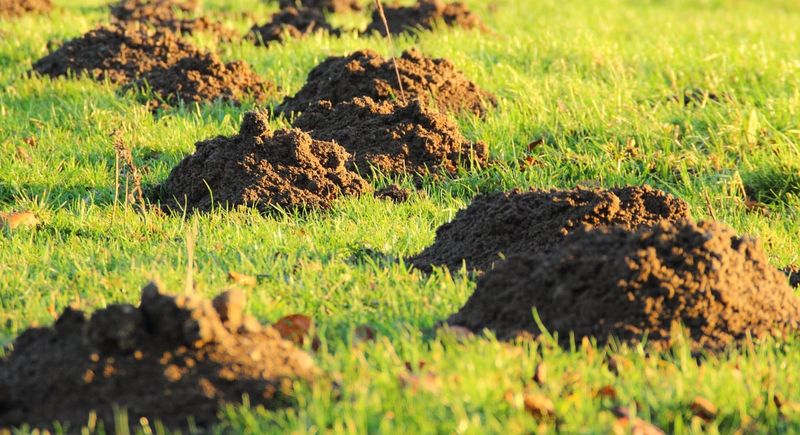
Raised ridges cutting across a greening Michigan lawn are one of the most recognizable signs of spring for homeowners who deal with moles each year. The tunnels were there before the snow melted, but the white ground cover kept them hidden.
Once temperatures climb and grass begins to green up, those surface runs become obvious, sometimes stretching across entire sections of a yard in winding, irregular lines.
Homeowners often notice the damage all at once, which creates the impression that moles moved in overnight.
The reality is that a single mole can dig an impressive length of shallow tunnel in a short amount of time, and those runs were accumulating quietly under the snow.
Spring just pulls back the curtain on months of underground activity.
Michigan lawns are especially vulnerable in early spring because the soil is soft from frost thaw and moisture from snowmelt. That combination makes it easy for moles to push just below the surface.
Garden borders and lawn edges near flower beds are common spots where fresh tunnel ridges show up first, since those areas often hold moisture longer.
Catching the damage early and understanding what caused it helps gardeners respond with the right approach rather than wasting time on fixes that do not address the real problem.
2. Moles Stay Active Through Winter In Michigan
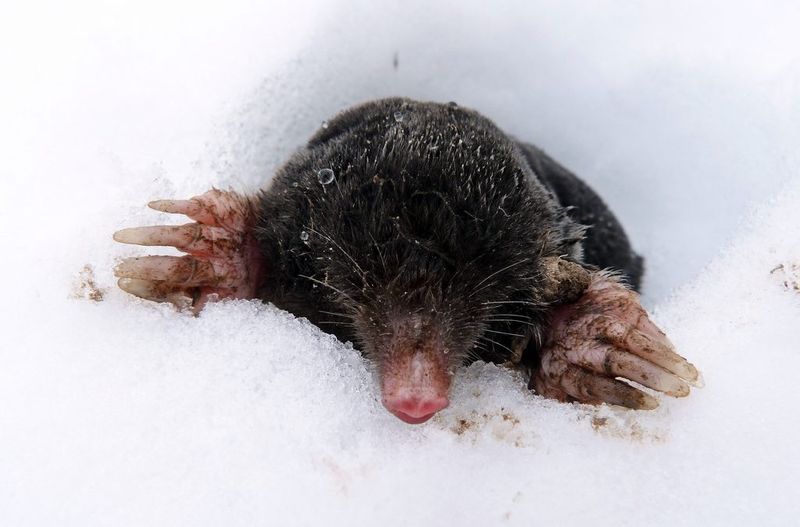
Most Michigan homeowners picture moles as warm-weather visitors, but these animals do not hibernate. They stay active year-round, adjusting their behavior based on soil temperature and where their food supply moves.
When the ground surface freezes, moles shift their digging deeper to follow earthworms and other invertebrates into the warmer soil layers below the frost line.
This means that by the time spring arrives and lawns start thawing, moles may have already spent several months building an extensive underground network.
The shallow surface tunnels that appear in spring are often new feeding runs created as moles follow food sources back toward the warmer upper soil.
The deeper tunnel systems they used during winter connect to these fresh surface runs and can extend surprisingly far beneath a yard.
Understanding that moles are not new arrivals in spring changes how homeowners think about control timing. Waiting until the first warm week to respond means the mole has already had months to establish itself.
Your Michigan Garden Changes Every Week. Your Plan Should Too.
Gardening in Michigan changes quickly throughout the season. Every Friday you’ll receive a simple weekly plan showing exactly what to plant, prune, fertilize, harvest, and protect so you never miss the right timing.
Gardeners who notice surface tunnels in early spring should act relatively quickly, since fresh activity is easier to address than a long-established tunnel network.
Trapping is most effective when runs are actively being used, and newly appeared surface tunnels in spring are often a reliable sign that a mole is working that area regularly.
3. Softening Spring Soil Makes Surface Tunnels More Visible
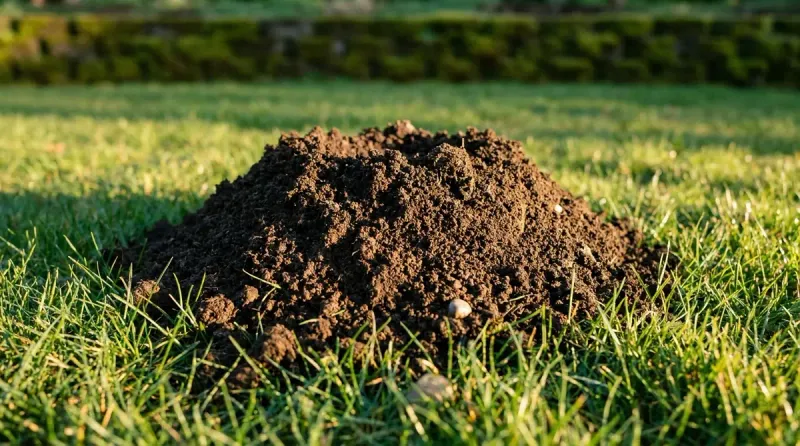
Fresh ridges seem to appear almost overnight after a warm spring rain in Michigan, and soft soil is a big part of the reason.
When frost thaws and moisture saturates the upper layers of a lawn, the ground becomes easy for moles to push through just below the surface.
Those shallow feeding tunnels lift the soil upward as the mole moves, creating the raised lines that homeowners spot from across the yard.
Lawn edges near garden beds, borders along driveways, and areas near downspout runoff tend to hold moisture longer in spring.
These spots often show mole activity first because the soil stays soft and workable even when drier sections of the lawn are still firming up.
Gardeners with raised beds or heavy mulch layers near their lawns may notice tunnels appearing along those borders regularly each spring.
Soft soil also makes damage look worse than it sometimes is. A mole pushing through loose, moist ground leaves a more dramatic raised ridge than the same animal moving through firmer turf later in the season.
That visual impact can be alarming, especially when several runs appear close together.
Pressing the raised tunnels back down with a foot and watching for new activity over the next day or two is a simple way to confirm whether the run is still being actively used before setting traps or trying other approaches.
4. Worms And Other Invertebrates Keep Moles Feeding
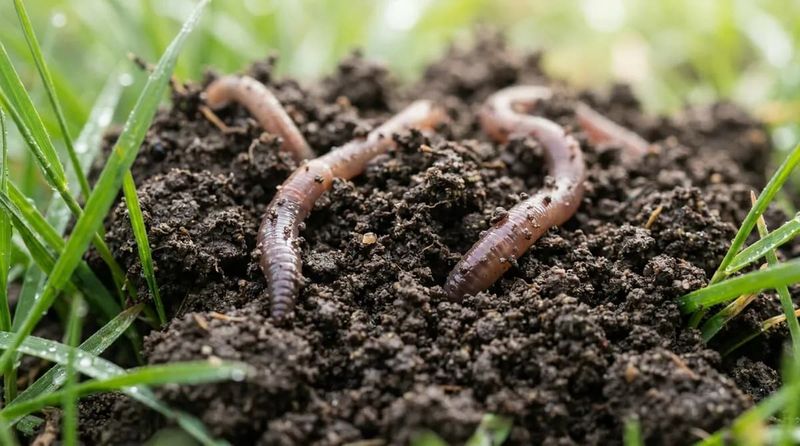
Plenty of Michigan homeowners assume grubs are the reason moles show up in their yards, but earthworms are actually the main food source that keeps moles active and digging.
Moles are insectivores with a strong preference for earthworms, and they will follow worm populations through the soil wherever conditions are favorable.
Soil invertebrates like beetle larvae, centipedes, and other small organisms also contribute to the food supply that keeps moles working a particular area.
Spring is a productive feeding season for moles in Michigan because worm populations move closer to the surface as soil warms and moisture increases.
That upward shift in food availability pulls moles into the shallow tunnel zone where their activity becomes visible.
A well-watered lawn with healthy organic soil tends to support a larger worm population, which can make those yards more attractive to moles throughout the season.
This feeding behavior explains why some yards seem to attract moles repeatedly while neighboring properties stay clear. Soil health, moisture levels, and organic matter all influence how many earthworms a lawn supports.
Moles are following food, not randomly tunneling through yards.
Knowing that worms are the primary driver of mole activity helps homeowners understand why removing grubs alone does not eliminate a mole problem.
The most effective control strategies focus on targeting the mole directly rather than adjusting the food supply.
5. Trapping Is The Main Control Method That Works Best
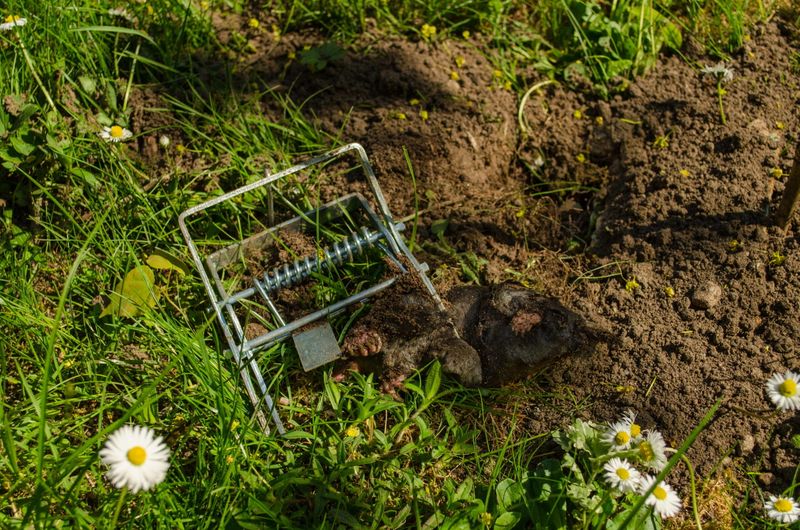
Walk through any Michigan garden center in spring and you will find a range of mole control products, but trapping consistently stands out as the most reliable approach for removing active moles.
Scissor-jaw traps and harpoon-style traps are both commonly used and can be effective when placed correctly in active surface tunnels.
The key is confirming that the run is being used before setting a trap, since placing one in an old or abandoned tunnel wastes time.
Pressing down a short section of a surface tunnel and checking it after 24 to 48 hours is a standard way to test activity. If the soil has been pushed back up, the run is active and worth targeting.
Traps should be set in straight sections of the tunnel rather than at curves or intersections, and they need to be positioned so the trigger sits at the right depth to catch the mole as it moves through.
Patience matters with trapping. Homeowners sometimes give up after a day or two without results, but moles do not follow predictable schedules.
Checking traps daily and relocating them if there is no activity after two or three days improves results. Wearing gloves when handling traps reduces human scent transfer, which some pest-control professionals suggest may affect trap acceptance.
Trapping one mole does not guarantee the yard is clear, since neighboring moles can move in over time.
6. Certain Mole Baits Need Careful Use Around Pets
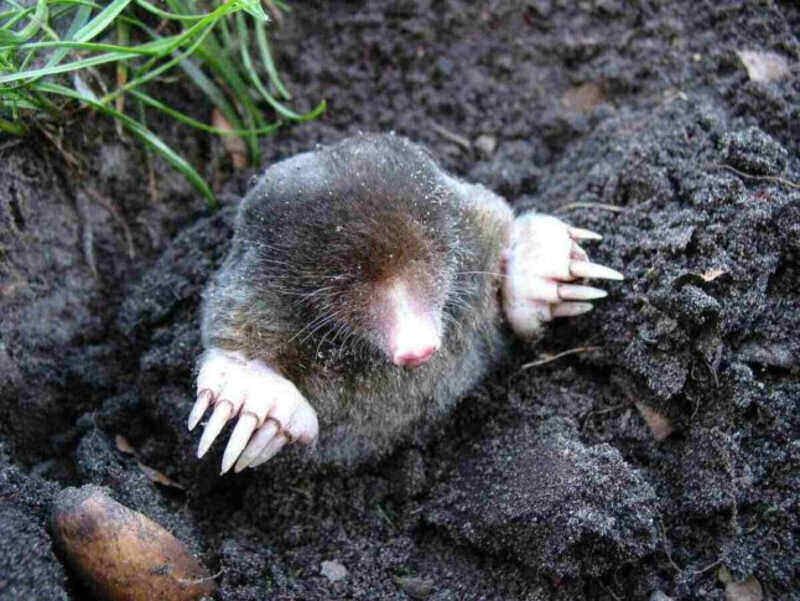
Worm-shaped poison baits designed for moles have become more widely available in recent years and can be a useful option when used correctly.
These products are designed to mimic the feel and smell of earthworms, encouraging moles to consume them as they move through tunnels.
When placed properly in active runs, they can reduce mole activity in a yard without the setup required for mechanical trapping.
The concern with these baits involves household pets, particularly dogs that spend time in the yard.
Some mole bait products contain active ingredients that are toxic to dogs if ingested, and curious dogs may dig into soil near a tunnel or find a bait that has been partially displaced.
Michigan homeowners with dogs should read product labels carefully, follow placement depth guidelines, and monitor treated areas closely after application.
Keeping pets away from treated sections of the yard for the recommended period is an important precaution. Bait placed too shallow or left exposed can increase the risk of accidental contact.
Homeowners with multiple pets or young children may prefer mechanical trapping as a lower-risk alternative.
Mole baits are not a shortcut that bypasses the need for identifying active tunnels, since placement accuracy matters just as much with bait as it does with traps.
Used carefully and according to label instructions, these products can be part of a reasonable mole control plan.
7. Grub Control Alone Will Not Stop Moles
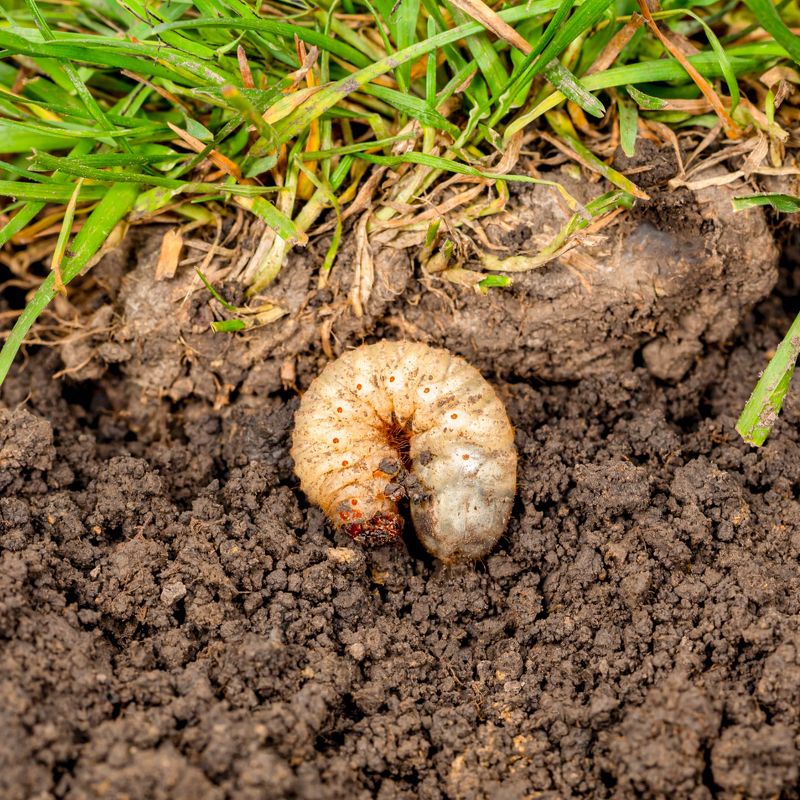
One of the most common mistakes Michigan gardeners make is treating their lawn for grubs and expecting the moles to leave.
The logic seems reasonable on the surface since grubs are a food source for many yard pests, but moles rely far more heavily on earthworms than on beetle larvae.
Eliminating grubs from a lawn does not remove the primary food source that keeps moles tunneling through the yard.
Grub treatments can be a worthwhile investment for protecting turf from grub damage, which is a separate problem from mole activity. A lawn with a significant grub population may benefit from treatment regardless of whether moles are present.
The issue arises when homeowners apply grub control specifically to address moles and then feel confused when the tunneling continues or gets worse after treatment.
Some Michigan yards that have very low grub populations still experience regular mole activity because the worm population in the soil is healthy and consistent.
Moles are opportunistic feeders and will work a yard as long as earthworms and other invertebrates are available in sufficient numbers.
Grub control does not reduce worm populations, so it does not make the yard less attractive to moles.
Focusing on direct mole control methods rather than trying to manage their food supply indirectly tends to produce more realistic results for homeowners dealing with active tunnel damage.
8. The First Step Is Identifying The Type Of Mole Damage
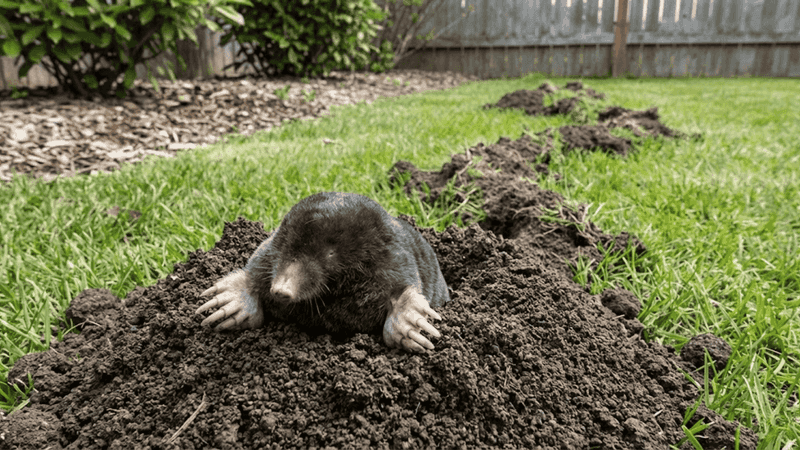
Odd mounds near the yard edge or raised lines crossing the lawn can come from more than one source, and correctly identifying the type of damage saves time and money.
Moles create raised surface tunnels that look like ridges pushed up from below, along with deeper main tunnels marked by volcano-shaped mounds of soil.
Voles, which are small rodents sometimes confused with moles, leave narrow runways on the surface and can cause similar-looking damage in some Michigan yards.
Mole damage tends to follow irregular winding paths across a lawn, while vole runways often track closer to lawn edges, garden borders, or areas with ground cover.
Checking whether the tunnel is a raised ridge with no entry hole or a surface path with visible openings helps distinguish between the two.
Moles do not leave open runways since they move through closed tunnels just below the soil.
Taking a few minutes to look closely at the damage before purchasing products or setting traps is a practical first step. Treating for the wrong pest wastes effort and does not solve the actual problem.
Homeowners who are unsure about what they are dealing with can contact their local cooperative extension office for guidance, since extension resources in Michigan offer reliable identification help for common yard pests.
Starting with an accurate identification makes every following step more effective and reduces the chances of spending money on the wrong solution.