Why Texas Bougainvillea Stops Blooming And How To Fix It
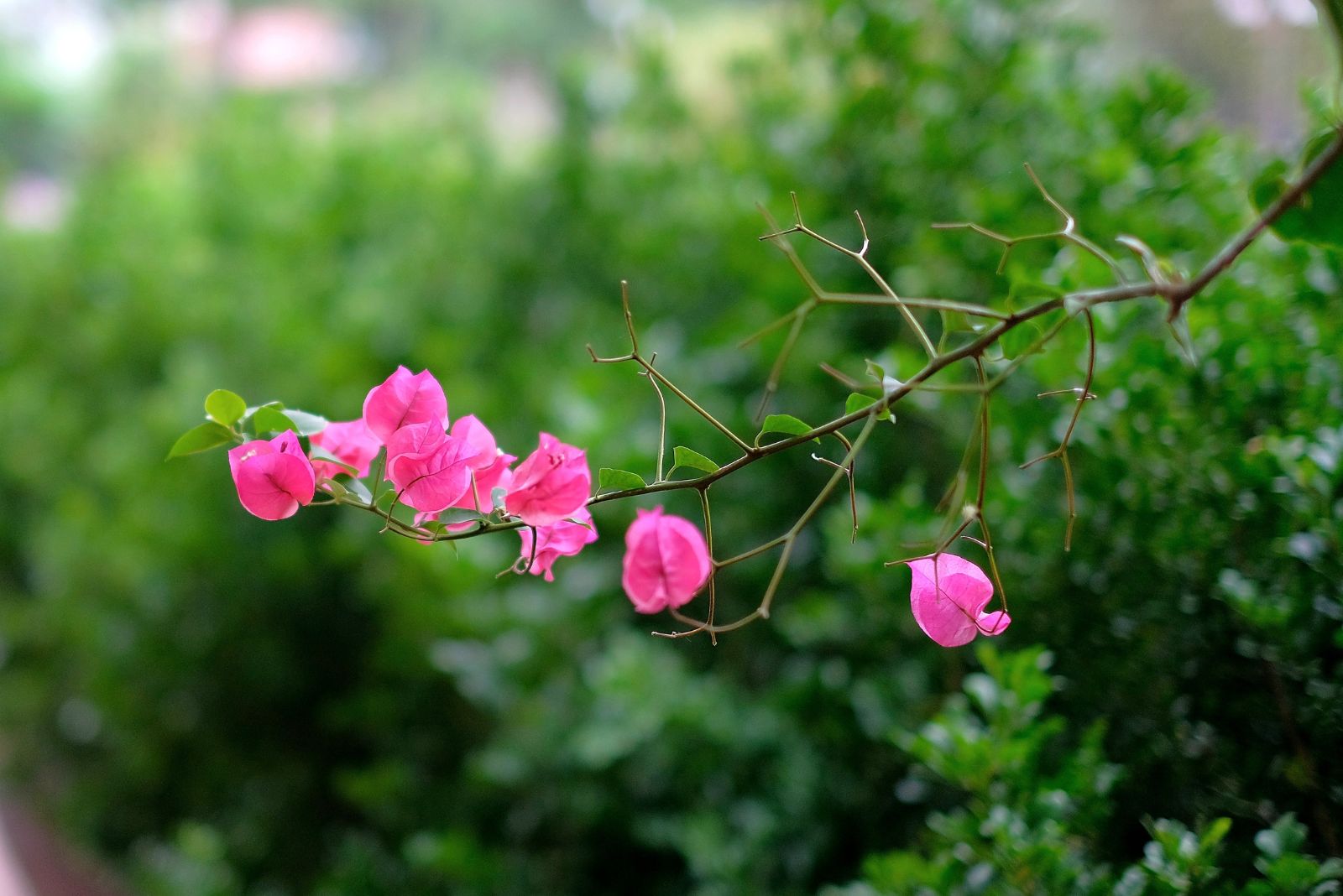
What is the point of growing one of the most visually striking plants available in Texas if it refuses to actually bloom? Bougainvillea is supposed to be a showstopper, producing waves of bold color that hold up through conditions most plants cannot handle.
When it stops blooming, the plant still takes up the same space and demands the same attention, but delivers none of what made it worth growing in the first place.
The frustrating part is that bloom failure in bougainvillea almost always comes down to something specific and correctable, not some mysterious decline or irreversible damage.
Watering habits, fertilizer choices, pruning timing, and sun exposure are the usual suspects, and getting any one of them wrong can shut down flowering for an entire season.
The good news is that bougainvillea responds quickly when the right adjustments are made, and understanding what went wrong is more than half the battle toward getting it blooming again.
1. It Isn’t Getting Enough Direct Sun
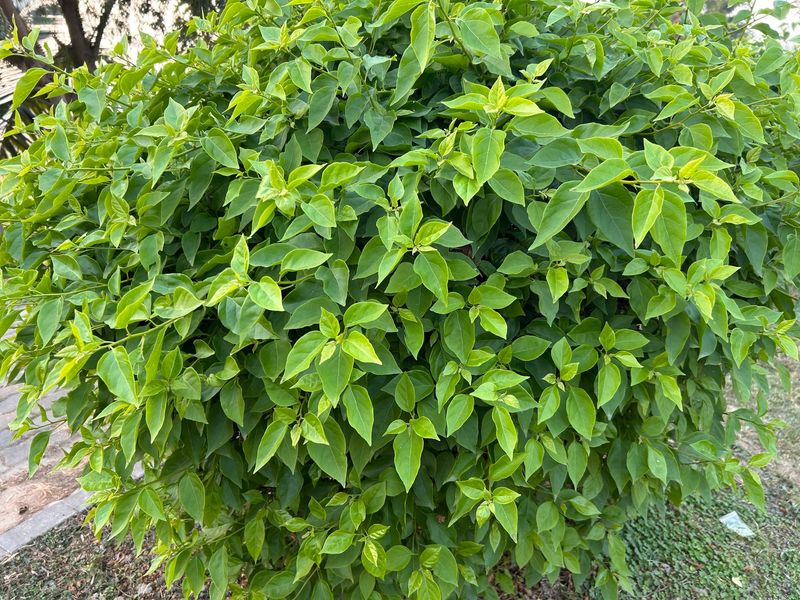
Sunlight is everything to a bougainvillea. Without enough of it, the plant simply will not put energy into making flowers.
Many Texas gardeners are surprised to learn just how much direct sun this plant actually craves every single day.
Bougainvillea needs at least six to eight hours of direct, unfiltered sunlight daily to bloom heavily. Partial shade might keep the plant alive and green, but it will rarely produce the colorful bracts that make it so eye-catching.
Even a few hours of shade from a nearby fence or overgrown shrub can make a noticeable difference in flower production.
Take a good look at where your bougainvillea is planted or placed. Walk around your yard at different times of the day and watch where the sun actually hits.
You might be surprised to find that a tree, roofline, or neighboring structure is blocking more light than you realized.
If your plant is in a container, the fix is pretty straightforward. Move it to a sunnier spot, ideally a south or west-facing location where Texas sun hits hardest.
If it is planted in the ground, consider trimming back any nearby plants or trees that are casting shade onto it.
Also, avoid placing bougainvillea near structures that reflect cold or create pockets of shade during key growing hours. The plant truly thrives in hot, bright conditions.
More sun almost always means more blooms, and in Texas, you have plenty of sunshine to work with, so use it to your advantage.
2. Too Much Water Is Encouraging Leaves Instead Of Flowers
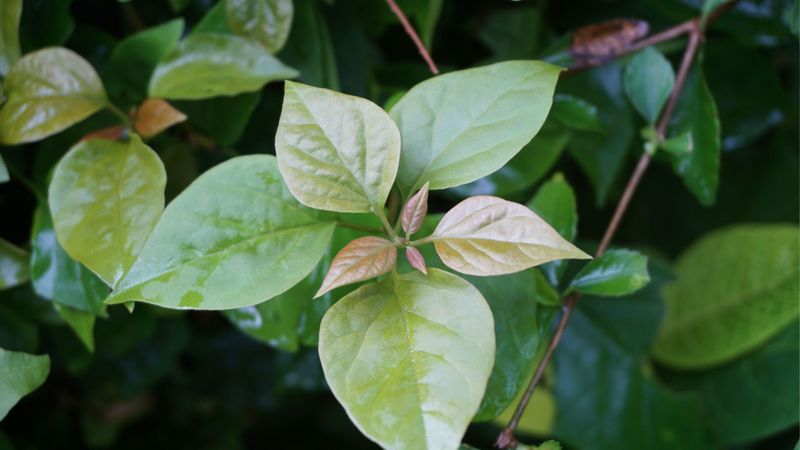
Here is something that surprises a lot of gardeners: bougainvillea actually blooms better when it is a little stressed.
Giving it too much water tells the plant that conditions are perfect, so it focuses on growing leaves instead of producing flowers. It sounds backward, but it is completely true.
When the soil stays constantly moist, the roots are comfortable and well-fed. The plant responds by pushing out lots of green, leafy growth.
Flowers, on the other hand, are a response to mild stress. A slightly dry period signals to the plant that it should reproduce, which means making blooms.
Your Texas Garden Changes Every Week. Your Plan Should Too.
Gardening in Texas changes quickly throughout the season. Every Friday you’ll receive a simple weekly plan showing exactly what to plant, prune, fertilize, harvest, and protect so you never miss the right timing.
In Texas summers, it can feel wrong to hold back on watering, especially when temperatures are extreme. But bougainvillea is native to dry, tropical climates and is built to handle dry spells.
Overwatering is actually one of the most common reasons Texas bougainvillea stops blooming.
The fix is simple but takes a little patience. Let the top inch or two of soil dry out between waterings.
When you do water, water deeply so moisture reaches the roots, then hold off until the soil dries again. Avoid light, frequent watering because that keeps the surface moist without encouraging deep root growth.
If your plant is in a pot, make sure the container has drainage holes. Sitting in standing water is harmful and discourages blooming fast.
Cut back on watering frequency and watch for signs of new flower buds forming within a few weeks. This one change alone often brings dramatic results for Texas gardeners who have been overwatering without knowing it.
3. Excess Fertilizer Is Producing Green Growth Only
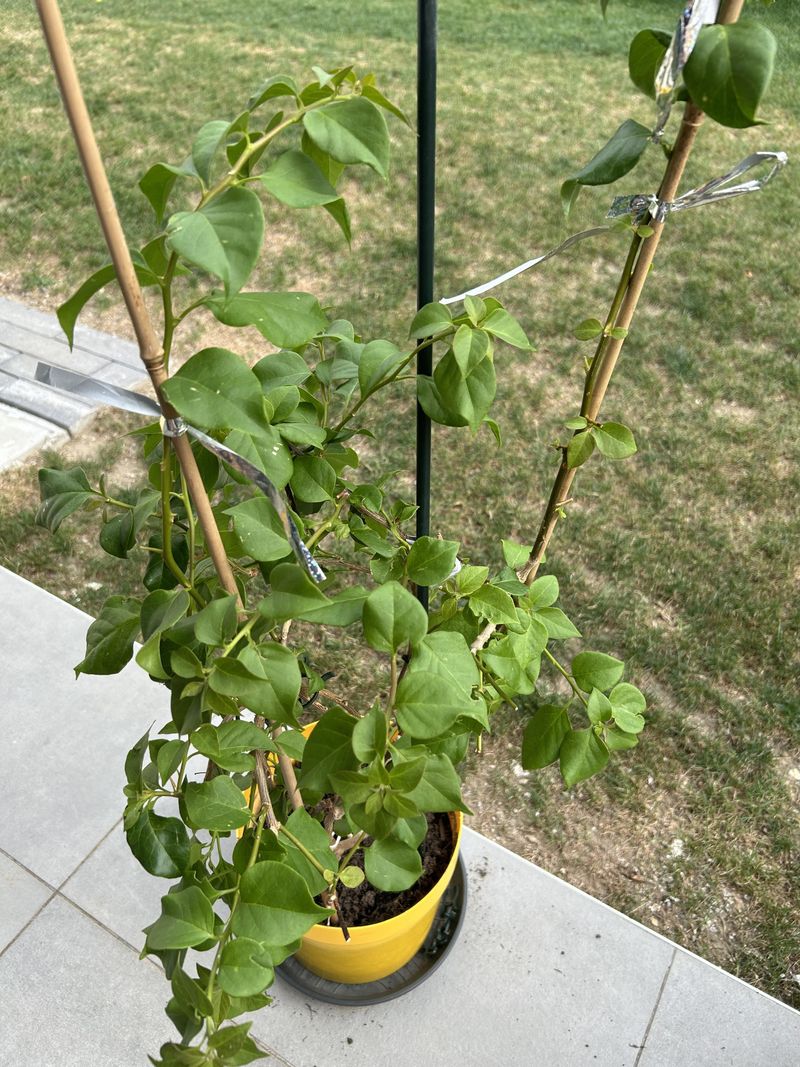
Fertilizer is supposed to help plants grow better, right? Well, with bougainvillea, the wrong kind of fertilizer can actually work against you.
If you have been feeding your plant a standard all-purpose or lawn fertilizer, that could be exactly why the blooms have disappeared.
Most general-purpose fertilizers are high in nitrogen. Nitrogen is great for promoting lush, leafy green growth, but it is not what bougainvillea needs to bloom.
When nitrogen levels are too high, the plant puts all its energy into growing bigger leaves and longer stems instead of developing colorful flower bracts. The result is a big, green, leafy plant that looks healthy but never flowers.
Fun fact: bougainvillea actually blooms best when it is slightly nutrient-stressed. It does not need heavy feeding at all.
Many experienced gardeners feed it sparingly and focus on using the right type of fertilizer rather than applying large amounts.
Switch to a bloom-boosting fertilizer that is lower in nitrogen and higher in phosphorus and potassium. Look for products labeled specifically for flowering plants or those with a formula like 6-8-10 or similar.
These ratios support root strength and flower development without pushing excessive leafy growth.
Apply fertilizer lightly and only during the active growing season, which in Texas is typically spring through early fall. Avoid fertilizing heavily right before or during cool spells.
Give the plant a few weeks after switching fertilizers to start showing new bud development. Patience is key here, but making this swap is one of the most effective fixes for a non-blooming bougainvillea.
4. The Plant Was Pruned At The Wrong Time
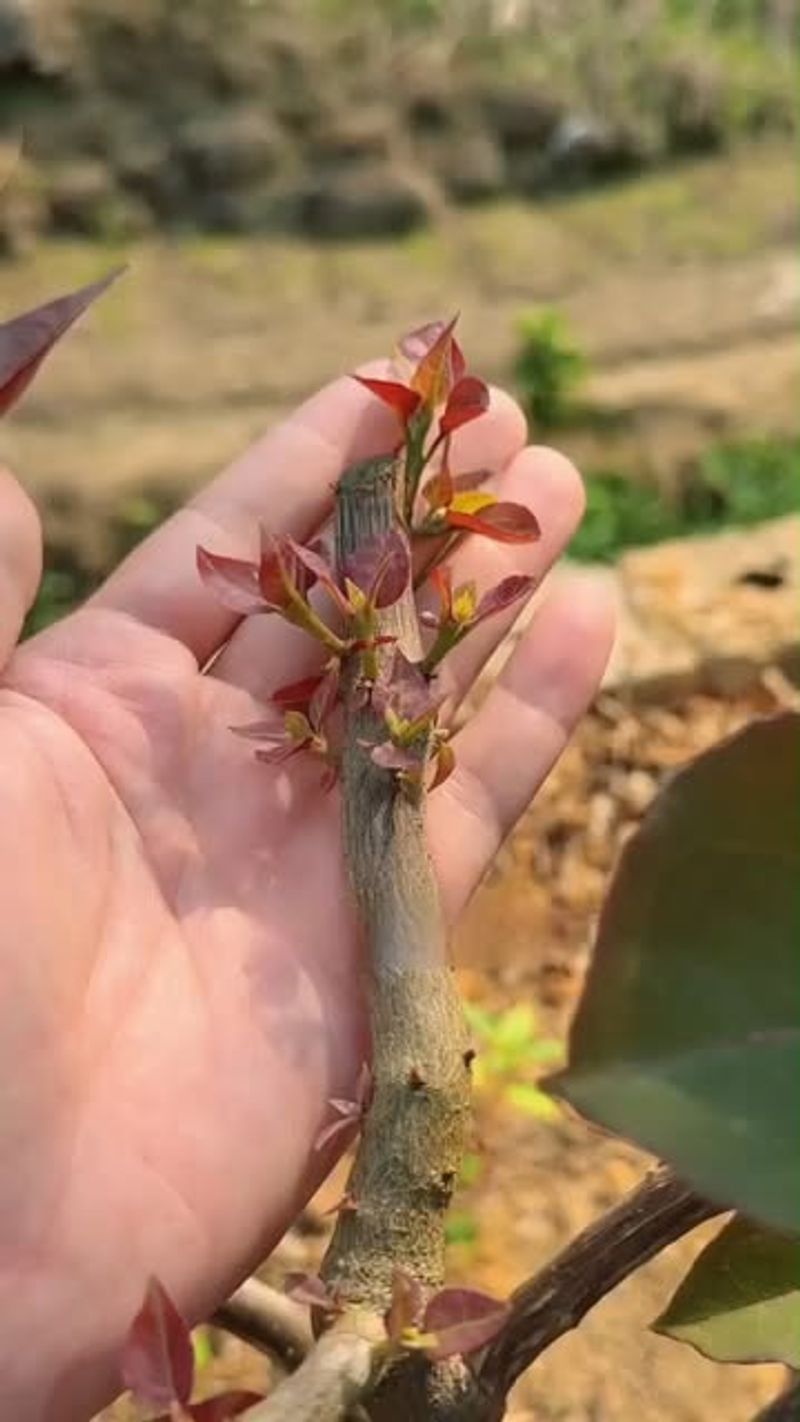
Pruning bougainvillea feels satisfying. Cleaning up long, wild branches makes the plant look tidy and well-cared for.
But if you prune at the wrong time, you could be cutting off the very growth that would have given you a beautiful flush of blooms.
Bougainvillea produces its flowers on new growth that develops from older woody stems. When you prune heavily, especially right before or during a blooming cycle, you remove all that promising new growth.
The plant then has to start over from scratch, which pushes back your bloom time significantly. Heavy pruning at the wrong moment can mean waiting months for flowers to return.
Many Texas gardeners make the mistake of pruning in late summer or early fall, not realizing that the plant is gearing up for a fall bloom cycle.
Cutting back at that point removes the developing flower tips and leaves you with a bare, flowerless plant heading into the cooler months.
The best time to prune bougainvillea is right after a bloom cycle finishes. Light trimming at that point encourages the plant to branch out and develop new growth that will carry the next round of flowers.
Avoid cutting back more than one-third of the plant at a time. Think of pruning as a reward system. Let the plant bloom, enjoy the show, then do a light cleanup afterward.
Skip the heavy, dramatic cuts unless absolutely necessary. With a little timing awareness, you can keep your bougainvillea blooming in beautiful, repeating cycles all through the Texas growing season without long gaps in flower production.
5. Cool Weather Delayed Flower Production
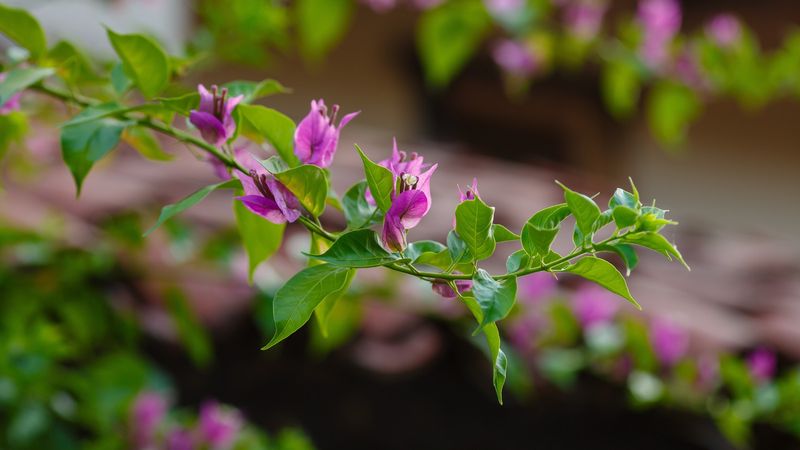
Bougainvillea is a warm-weather plant through and through. It was originally from South America and thrives in hot, tropical-style climates.
When temperatures drop, even briefly, the plant can pump the brakes on flower production and go into a kind of waiting mode.
In Texas, unexpected cold snaps or long stretches of mild spring weather can delay blooming more than most people expect. The plant is not damaged, it is just not warm enough to trigger that flowering response.
Bougainvillea needs consistent warmth, ideally daytime temperatures in the 70s and above, to really push out blooms.
Cool nights paired with mild days can also confuse the plant. It might start developing buds and then stall out when temperatures dip again.
This back-and-forth can make it seem like the plant is refusing to bloom when it is really just waiting for stable warm conditions to arrive.
The best approach during cool spells is patience. Avoid the temptation to overwater or over-fertilize while the weather is still unpredictable.
Extra watering during cool periods can actually make things worse by keeping the roots cold and wet for longer than they need to be.
Once Texas heat kicks in consistently, typically by late spring, bougainvillea tends to respond quickly and enthusiastically.
You can help the process along by placing potted plants in the warmest, sunniest spot available and making sure they are not sitting in the shade of a wall or fence during morning hours.
Warm soil, warm air, and bright sun are the combination this plant has been waiting for all along.
6. Roots Are Too Comfortable In Oversized Pots
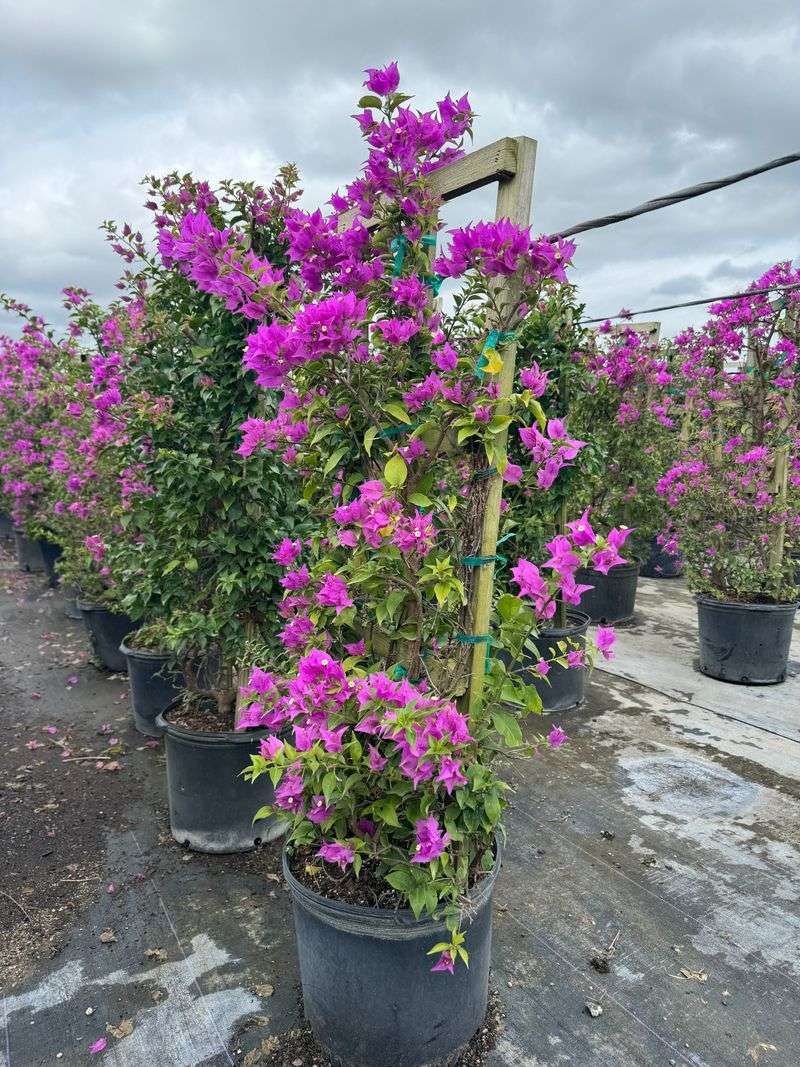
Most plants love having plenty of room to spread their roots. Bougainvillea is a bit of a rebel in that way.
Give it too much space in a pot, and it will spend all its time filling that space with roots instead of putting energy into blooming. A slightly snug pot is actually ideal for this plant.
When bougainvillea roots are slightly cramped, the plant feels a gentle pressure that triggers its survival instincts. It responds by producing flowers, which are essentially its way of reproducing before conditions potentially get worse.
This is the same stress-response principle that explains why mild water restriction also encourages blooming.
Many Texas gardeners repot their bougainvillea into a much larger container thinking they are doing the plant a favor. The plant then spends an entire season, sometimes longer, filling that extra root space before it even thinks about flowering.
It can look perfectly healthy the whole time, just stubbornly green and bloomless. When choosing a pot, go only one size up from the current container. For example, if your plant is in a 10-inch pot, move it to a 12-inch pot, not a 16-inch one.
The roots should fill the container fairly comfortably without being completely jammed. Also, avoid disturbing the root ball more than necessary during repotting. Bougainvillea roots are sensitive and do not love being handled roughly.
Keep the root system as intact as possible when making the move. A little root-bound stress combined with full sun and the right watering schedule is the sweet spot that gets Texas bougainvillea blooming beautifully again.