These 9 Popular Plants Are Being Replaced By Natives In Pennsylvania Yards
A noticeable shift is happening in Pennsylvania yards, and it goes beyond a passing gardening trend.
Plants that have been standard landscape choices for decades are being pulled out and replaced with natives, and the people making that switch are not doing it for purely environmental reasons.
They are doing it because the math finally stopped working in favor of the old choices.
Non-native ornamentals that demand consistent watering, regular feeding, and recovery time after difficult winters are losing ground to Pennsylvania natives that handle all of those challenges on their own.
The local ecosystem responds to natives in ways it simply does not respond to imported plants, bringing in more pollinators, more birds, and more of the natural activity that makes a yard feel genuinely alive.
Once Pennsylvania gardeners experience the difference firsthand, going back to the old plant list starts to seem like a lot of unnecessary effort for a lot less in return.
1. English Ivy Replaced With Wild Ginger
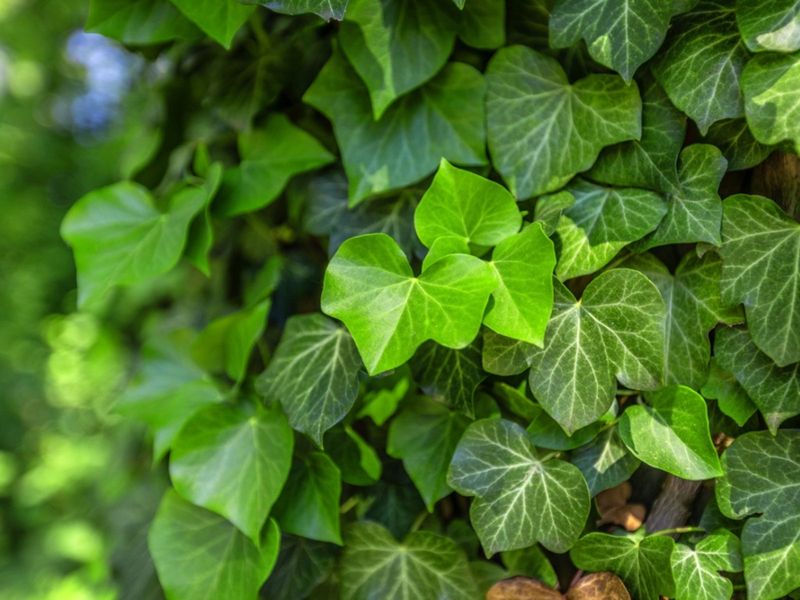
English ivy looks pretty climbing up walls and covering the ground, but it has a sneaky side. It spreads fast and can choke out trees by wrapping around their trunks. Many Pennsylvania gardeners have realized it causes more problems than it solves.
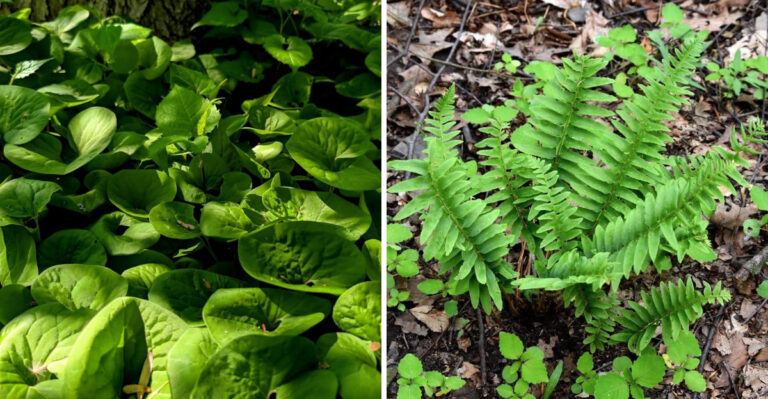
Wild ginger is a fantastic native groundcover that stays where you plant it. Its broad, heart-shaped leaves create a rich green carpet that looks beautiful under trees and in shaded spots.
It grows slowly and never tries to take over the whole yard. Another big bonus is that wild ginger supports local insects and fits naturally into Pennsylvania’s forest ecosystems. It handles shade very well, which makes it perfect for spots where grass struggles to grow.
Deer tend to leave it alone too, which is a huge plus for many homeowners. Switching from English ivy to wild ginger is one of the smartest moves a Pennsylvania gardener can make.
Your trees will thank you, your yard will look more natural, and you will spend less time pulling out unwanted vines. It is a simple swap with a big payoff.
2. Liriope Replaced With Pennsylvania Sedge
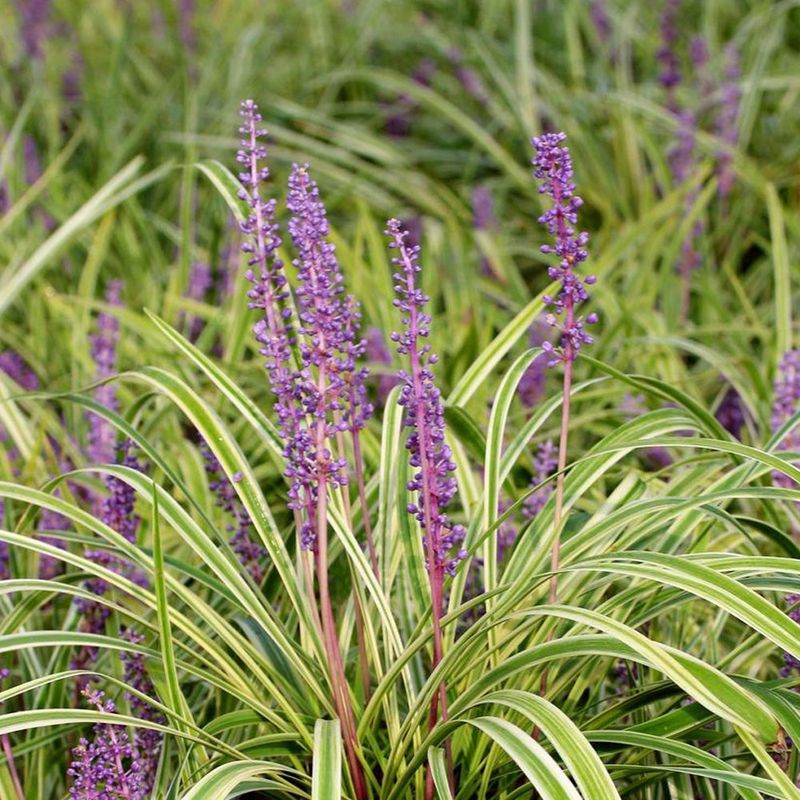
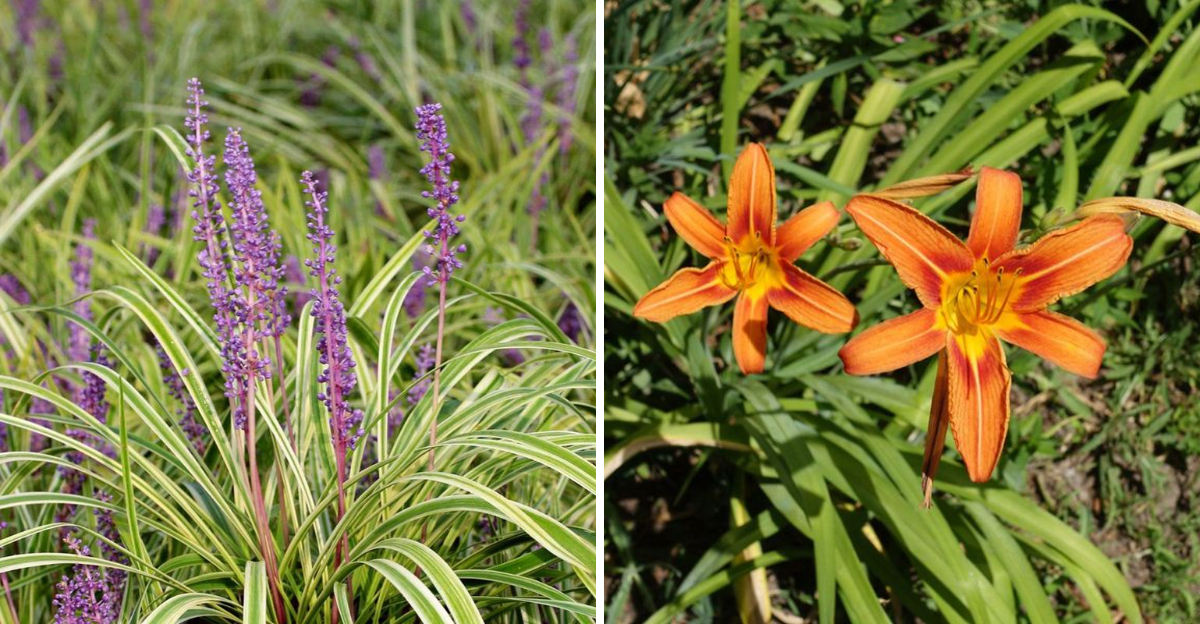
Liriope, also called monkey grass, has been a go-to border plant for years. It looks neat and stays green through tough conditions. But it is not native to Pennsylvania, which means it offers little value to local wildlife.
Pennsylvania sedge is a native grass-like plant that gives your yard a softer, more natural look. It grows in gentle, arching clumps that feel right at home in a woodland-style garden.
Birds and small insects use it for shelter, making your yard more alive with activity. One of the best things about Pennsylvania sedge is how low-maintenance it really is.
Once it gets established, it barely needs any attention. It handles shade beautifully and does not need much water after its first growing season.
Gardeners who have made the switch say their yards feel calmer and more connected to nature. The soft texture of Pennsylvania sedge pairs well with ferns, native wildflowers, and shade trees.
Your Pennsylvania Garden Changes Every Week. Your Plan Should Too.
Gardening in Pennsylvania changes quickly throughout the season. Every Friday you’ll receive a simple weekly plan showing exactly what to plant, prune, fertilize, harvest, and protect so you never miss the right timing.
If you want a tidy edge along a path or garden bed without the fuss, this native plant is a wonderful choice that rewards you season after season.
3. Burning Bush Replaced With Virginia Sweetspire
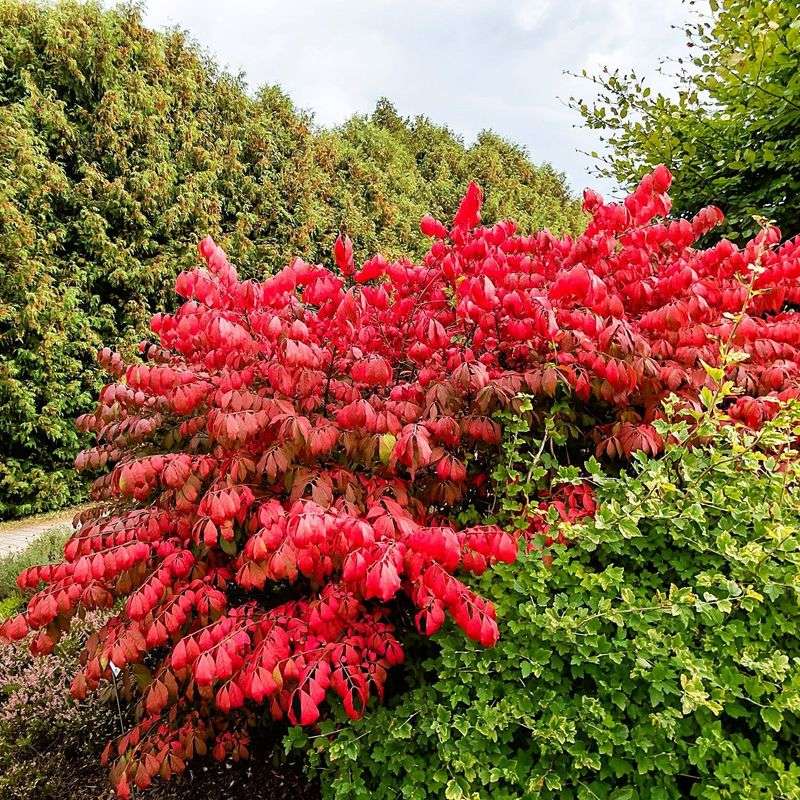
Burning bush is famous for its blazing red fall color, and for years it was a must-have for autumn gardens.
The problem is that birds eat its berries and spread its seeds into wild areas, where it crowds out native plants. Several states have already restricted or banned it.
Virginia sweetspire brings that same stunning fall color without any of the invasive baggage. Its leaves turn shades of red, orange, and purple in autumn, making it just as eye-catching as burning bush.
In summer, it produces clusters of small white flowers that smell wonderful and attract bees.
This native shrub is also incredibly adaptable. It grows well in wet or dry soil, sun or part shade, which makes it flexible for many different yard situations. Once established, it is very tough and requires little care to keep looking great.
Wildlife love Virginia sweetspire too. Butterflies visit the flowers, and birds use the dense branches for cover.
If you have been holding onto your burning bush because of its fall show, Virginia sweetspire will absolutely win you over. It checks every box and does it all without causing harm to Pennsylvania’s natural areas.
4. Japanese Pachysandra Replaced With Allegheny Spurge
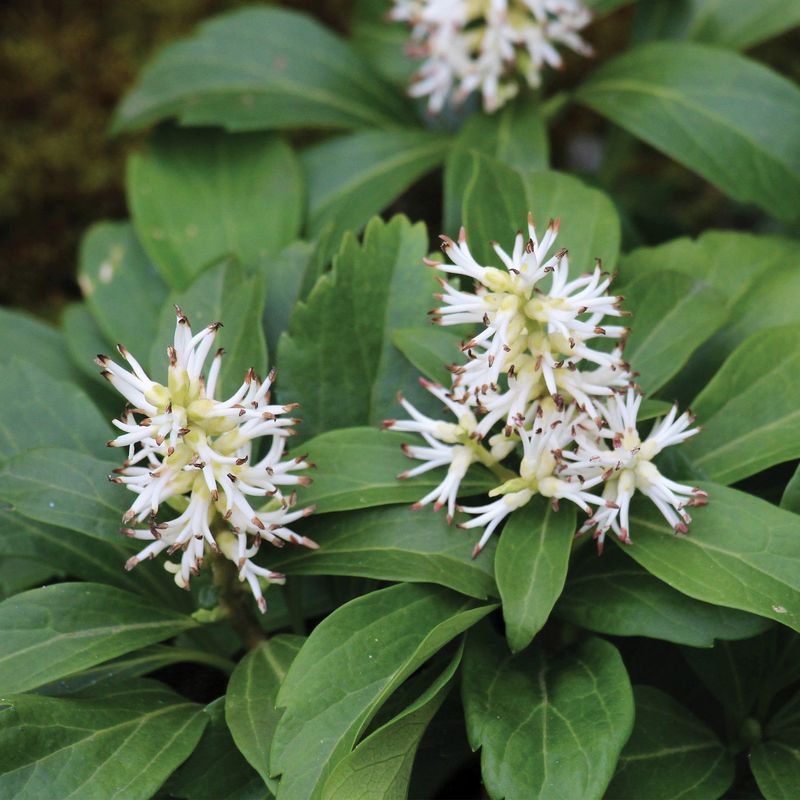
Japanese pachysandra has been a popular groundcover for shady spots for a long time. It grows thick and stays evergreen, which makes it look tidy year-round. But because it is not native, it does almost nothing to support local insects or wildlife.
Allegheny spurge is its native cousin, and it performs just as well in shaded areas. The leaves have a beautiful silvery pattern on them, giving the plant an elegant, detailed look.
In spring, it produces small white flowers that attract early pollinators looking for food. One thing gardeners appreciate about Allegheny spurge is that it spreads slowly and politely. It fills in a space without running wild into areas where it is not wanted.
That makes it much easier to manage than many other groundcovers. Supporting local ecosystems is another reason to make this swap.
Native insects recognize Allegheny spurge as part of their natural environment and use it in ways they simply cannot use Japanese pachysandra.
Making the switch means your shady garden spots will look just as good while also doing something meaningful for Pennsylvania’s native wildlife. It is a quiet change that makes a real difference over time.
5. Bradford Pear Replaced With Serviceberry
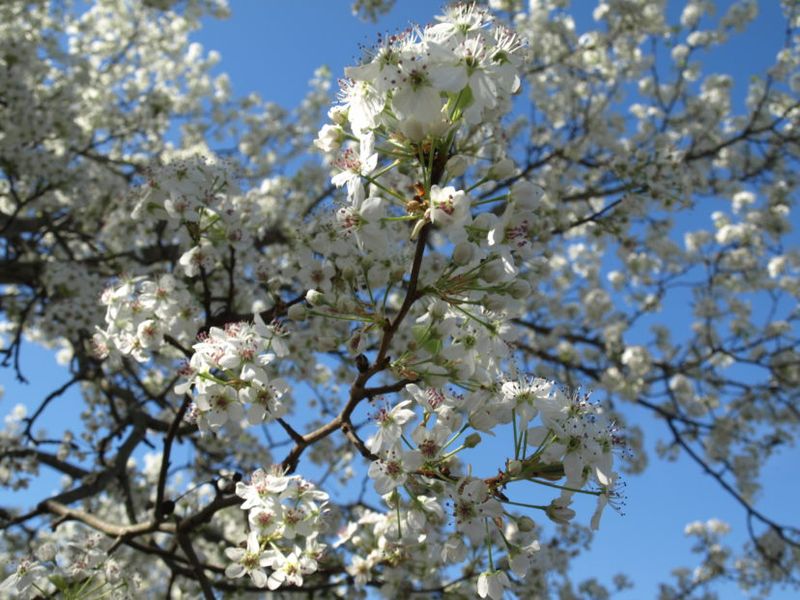
Bradford pear trees put on a gorgeous white flower show every spring, and neighborhoods across Pennsylvania are full of them. But these trees have a serious dark side.
They are invasive, their branches break easily in storms, and they crowd out native trees in natural areas.
Serviceberry is a native tree that blooms just as beautifully in early spring with clouds of delicate white flowers. After the blooms fade, it produces small berries that birds absolutely go crazy for.
Watching birds flock to a serviceberry in summer is one of the best parts of having one in your yard.
The fall color on serviceberry is another major selling point. Leaves turn shades of orange and red, giving you three seasons of visual interest from one tree. It stays at a manageable size, so you do not have to worry about it outgrowing your space.
Many Pennsylvania municipalities are now encouraging homeowners to remove Bradford pears and plant native trees in their place. Serviceberry is always at the top of the recommended list.
It is beautiful, wildlife-friendly, and genuinely built for Pennsylvania’s climate. Once you see one in full bloom, you will wonder why you ever planted a Bradford pear in the first place.
6. Daylily Replaced With Purple Coneflower
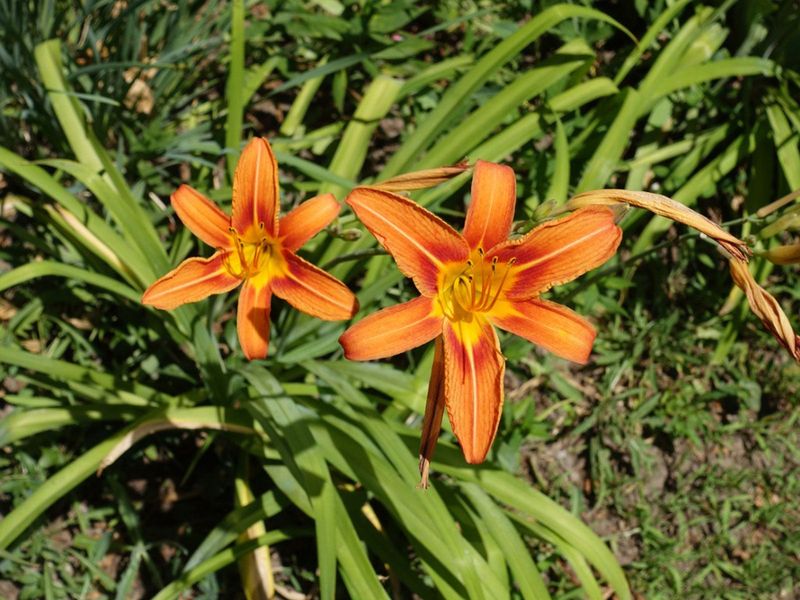
Daylilies are cheerful and tough, and many gardeners have grown them for years without a second thought.
The common orange daylily, though, has spread far beyond garden borders and now shows up along roadsides and in natural areas across Pennsylvania. It pushes out native wildflowers as it goes.
Purple coneflower, also known as echinacea, is a stunning native alternative that brings serious pollinator power to your yard.
Bees, butterflies, and even hummingbirds are drawn to its bold purple petals and spiky orange centers. It blooms from midsummer into fall, giving you a long season of color.
After the flowers fade, the seed heads stay on the plant and become a food source for goldfinches and other birds through the winter.
That means purple coneflower keeps working for wildlife long after its blooming season ends. Very few plants offer that kind of year-round value.
Growing purple coneflower in Pennsylvania is easy because it is already adapted to the local climate and soil. It tolerates summer heat and dry spells without much fuss.
Plant it in a sunny spot and watch your yard transform into a buzzing, fluttering hub of activity that daylilies could never match.
7. Butterfly Bush Replaced With Buttonbush
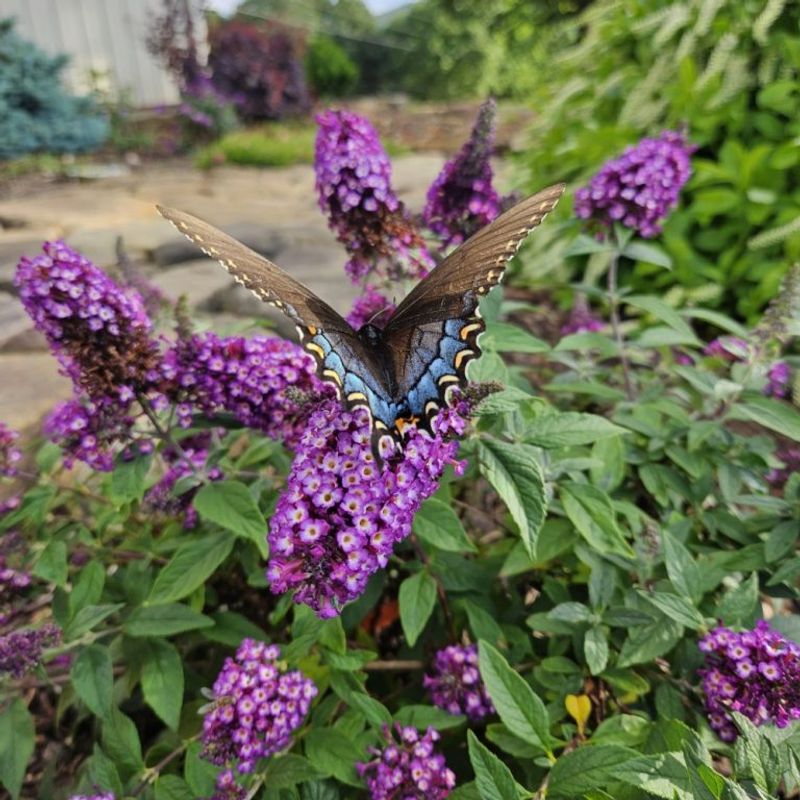
Butterfly bush has a reputation for attracting butterflies, and that part is actually true. The problem is that it acts like a junk food restaurant for pollinators.
It provides nectar but does not support butterfly caterpillars, which need specific native plants to grow and develop.
Buttonbush is a native shrub that does the whole job properly. Its round, spiky white flowers are a magnet for bees, butterflies, and hummingbirds.
But unlike butterfly bush, it also provides habitat and food sources that support the full life cycles of native insects.
Another standout feature of buttonbush is its ability to handle wet or soggy soil with ease. If you have a low spot in your yard that stays damp after rain, buttonbush will thrive where other plants struggle.
It is one of the few attractive shrubs that actually enjoys having wet feet. Birds love buttonbush too, feeding on its small round seed clusters through fall and winter. It grows into a full, rounded shrub that provides cover and nesting spots for wildlife.
Swapping out butterfly bush for buttonbush means your yard becomes a real working habitat instead of just a pretty pit stop. That is a trade worth making.
8. Japanese Barberry Replaced With Ninebark
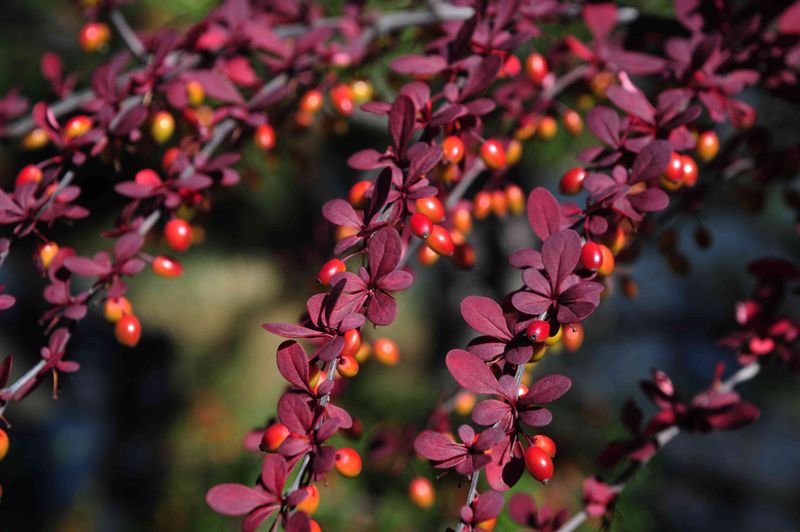
Japanese barberry has been used in Pennsylvania landscapes for decades because of its colorful foliage and tough nature.
But it is highly invasive and has spread into forests across the state, where it creates dense thickets that crowd out native plants. It is now on Pennsylvania’s invasive species watch list.
Ninebark is a native shrub that offers everything barberry does, but without the ecological harm. It comes in varieties with deep burgundy, golden, or green foliage, so you have real design options to work with.
In late spring, it produces clusters of small white or pink flowers that pollinators love. The peeling, layered bark of ninebark adds interesting winter texture to the yard after the leaves fall.
That makes it a plant with four-season appeal, which is exactly what most gardeners want. Birds also nest in its branches and eat its seed clusters through the colder months.
Ninebark grows vigorously and fills in a space quickly, making it great for hedges or mixed borders. It handles a range of soil types and does well in both sun and partial shade.
If you are looking for a colorful, carefree shrub that actually belongs in Pennsylvania, ninebark is the clear winner over Japanese barberry every single time.
9. Hosta Replaced With Foamflower
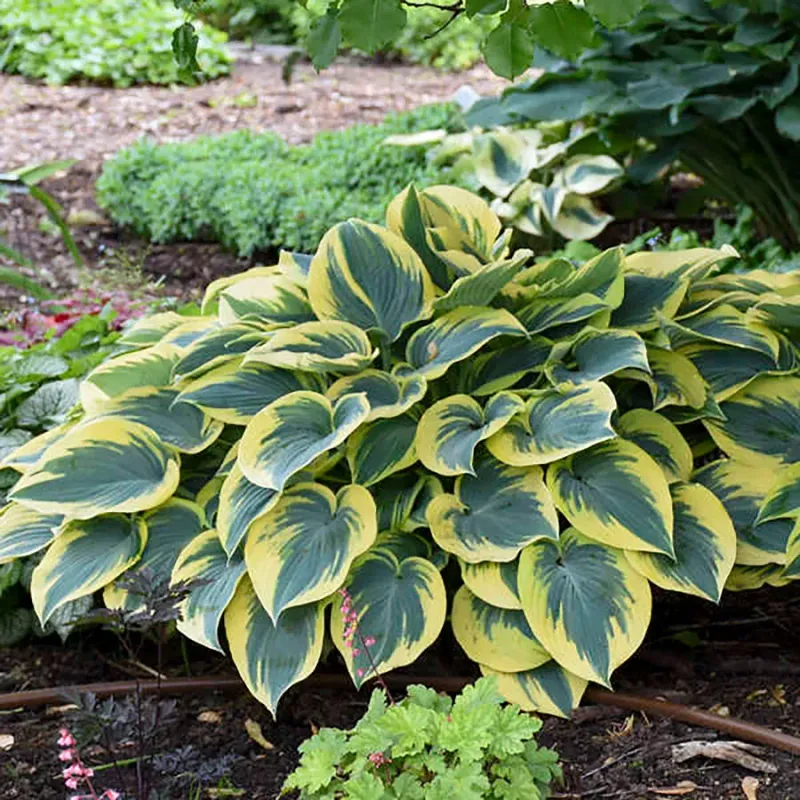
Hostas are the kings and queens of the shade garden, and almost every Pennsylvania yard has at least a few. They are reliable, attractive, and come in hundreds of varieties.
But hostas come from Asia, and while they are not invasive, they do not give back much to local wildlife.
Foamflower is a native woodland plant that brings something hostas simply cannot offer. In spring, it sends up airy spikes of tiny white or pink flowers that look like little bursts of foam floating above the foliage.
Native bees are especially fond of these early blooms when other flowers are still scarce. The leaves of foamflower are also quite attractive, with interesting lobed shapes and sometimes reddish markings along the veins.
They stay low and spread gradually to form a lush groundcover that feels like a natural forest floor. It is the kind of plant that makes a shaded corner feel truly magical.
Foamflower handles dry shade better than many native plants, which makes it incredibly useful in spots under large trees where little else wants to grow. Pairing it with ferns, wild ginger, or native coral bells creates a layered, woodland-style garden that feels alive.
Replacing hostas with foamflower is one of the most rewarding native plant swaps you can make in a Pennsylvania yard.