If Your Burning Bush Looks Thin And Patchy, Try These Native Michigan Plants Instead
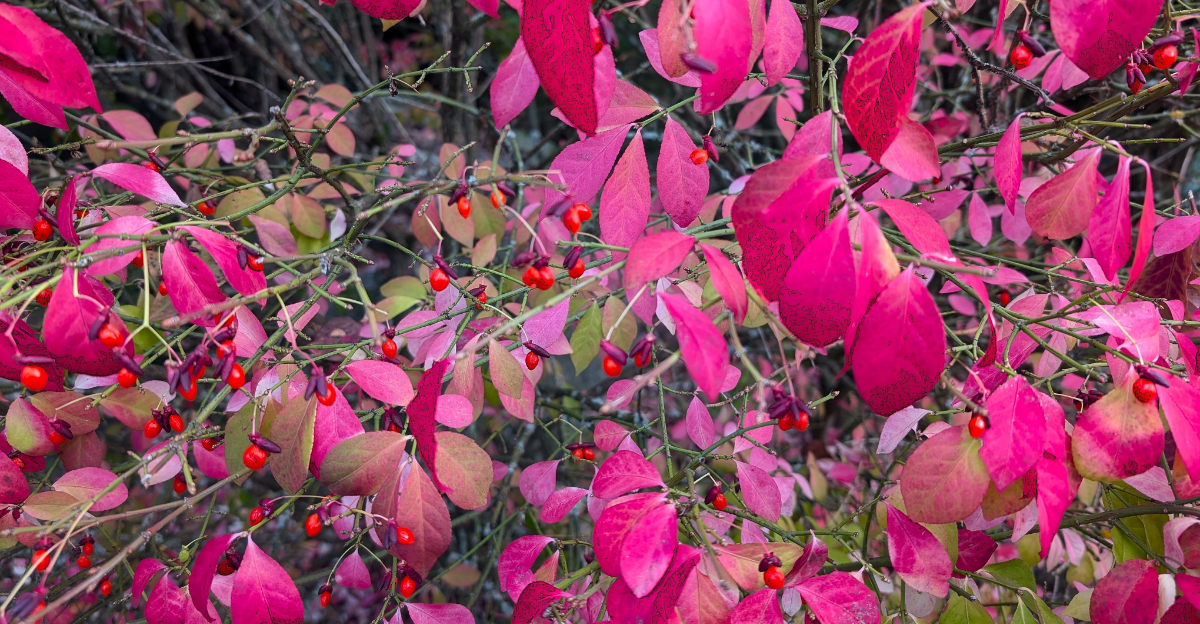
Burning bush was planted in Michigan yards for one reason: the fall color. For a few weeks in October it is genuinely hard to match.
The rest of the year it sits in the landscape offering very little, and the problems associated with it have become increasingly difficult to overlook.
It spreads into natural areas through bird-dispersed seeds, crowds out native understory plants, and has been flagged by conservation groups across the state.
A burning bush that is already looking thin and patchy is giving you a natural opening to make a change.
Michigan has native shrubs that produce fall color just as vivid, perform better through the full growing season, and contribute to the local ecosystem in ways that burning bush never did and never will.
1. Black Chokeberry
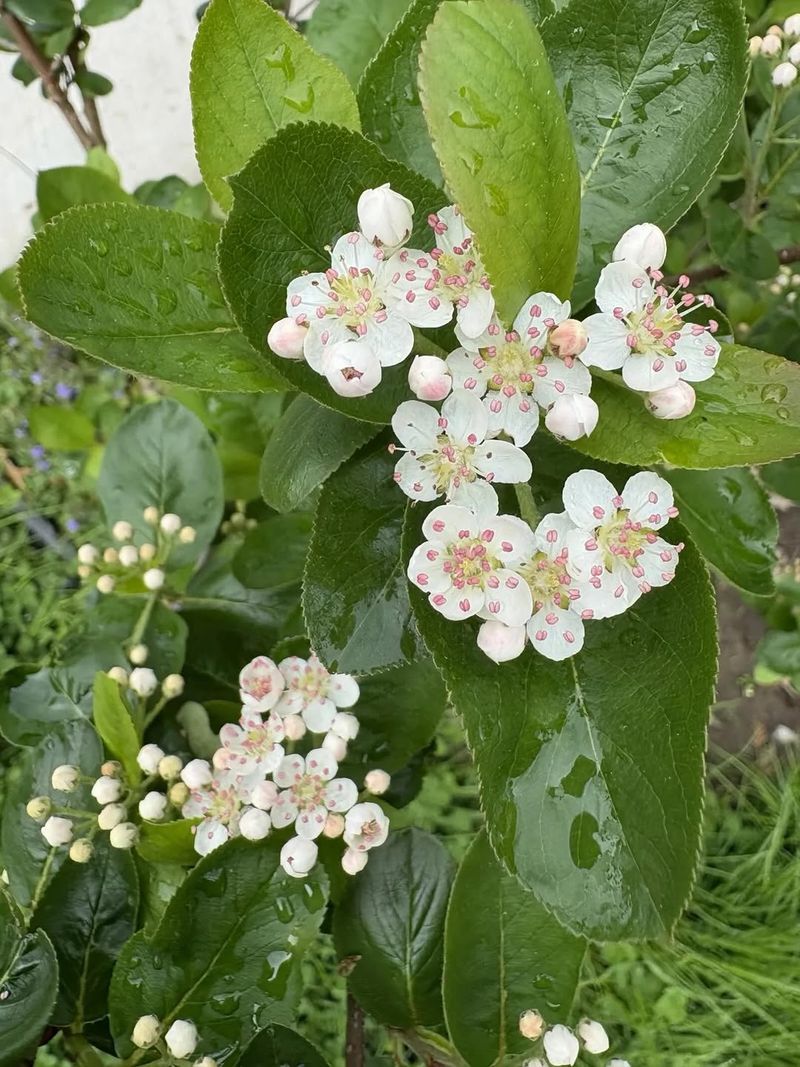
Most people overlook black chokeberry at the garden center, but that is honestly their loss. This tough, adaptable shrub delivers four full seasons of interest without demanding much in return.
White flower clusters appear in spring, glossy green foliage fills summer, rich red fall color takes over in autumn, and dark berries cling to the branches well into winter.
Aronia melanocarpa grows naturally across Michigan, which means it already knows how to handle the climate. It thrives in both wet and average soils, making it a smart pick for low spots in the yard where other plants struggle.
Mature plants reach about three to five feet tall and wide, giving you a nice, tidy shrub without constant pruning.
Birds absolutely love the berries, so expect regular visits from cedar waxwings, robins, and other native species. The berries are also edible for people and are packed with antioxidants, though they are quite tart eaten fresh.
Many gardeners use them in jams, juices, and baked goods. Plant black chokeberry in full sun to partial shade, and give it a little room to spread naturally.
It also works beautifully as a hedge or mass planting along a fence line or property edge.
2. Red Chokeberry
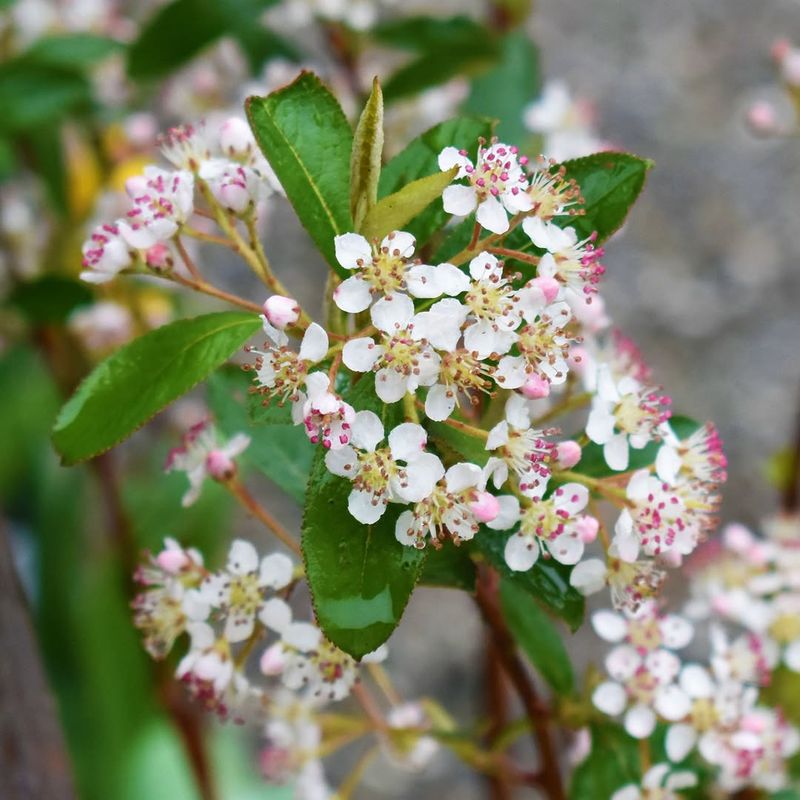
Red chokeberry brings some of the most vivid fall color you will ever see in a Michigan garden. The leaves turn a blazing red-orange that honestly rivals burning bush, so you are not sacrificing any of that wow factor when you make the switch.
White flower clusters show up in mid-spring, adding a soft, cheerful look before the summer heat sets in.
Aronia arbutifolia is slightly taller than its black-berried cousin, typically reaching four to eight feet at maturity. It prefers moist, well-drained soil and does well in full sun or partial shade.
One thing that makes this shrub stand out is how well it handles wet feet, which is great news for yards with drainage issues or spots near downspouts.
The bright red berries that follow the flowers are a major draw for wildlife. Songbirds, game birds, and small mammals all feed on them through fall and winter, giving your yard real ecological value.
Planting red chokeberry in groups creates a dense, naturalistic hedge that provides cover and food for local wildlife all year long. It also spreads gradually by suckering, which helps it fill in a bed over time without becoming aggressive.
Your Michigan Garden Changes Every Week. Your Plan Should Too.
Gardening in Michigan changes quickly throughout the season. Every Friday you’ll receive a simple weekly plan showing exactly what to plant, prune, fertilize, harvest, and protect so you never miss the right timing.
For a low-maintenance, high-impact swap, red chokeberry checks every box a gardener could want.
3. Dwarf Bush Honeysuckle
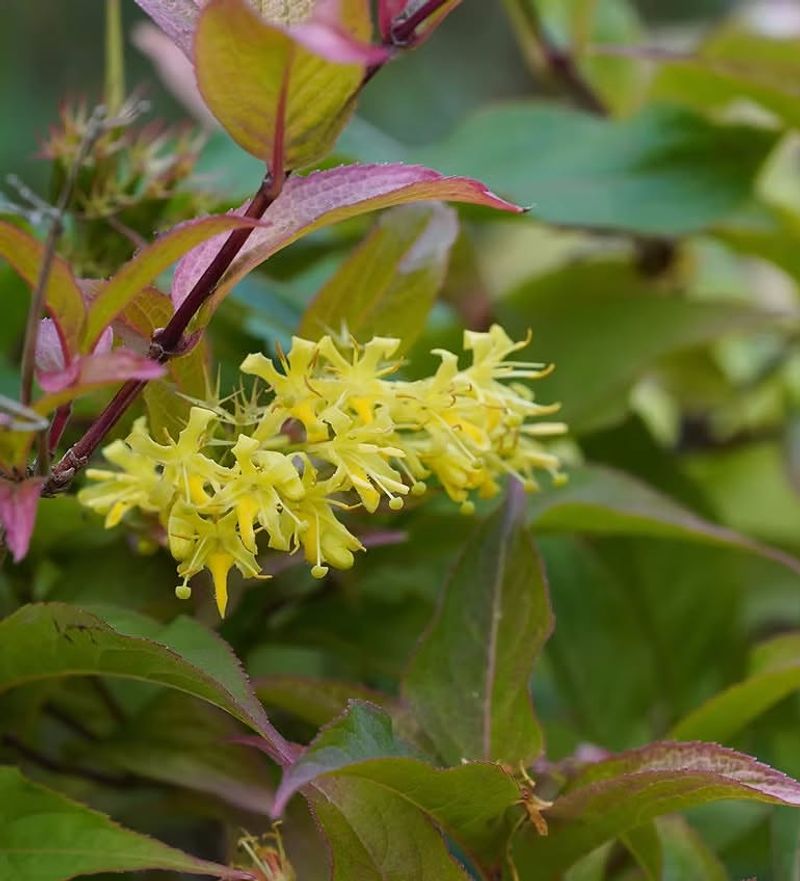
Here is a plant that does not get nearly enough credit. Dwarf bush honeysuckle is a compact, cheerful native shrub that blooms in summer when most other shrubs have already finished their show.
The small yellow flowers are tubular and super attractive to hummingbirds and native bees, making your yard a buzzing, fluttering hotspot from July through August.
Diervilla lonicera grows one to four feet tall, which makes it an excellent choice for foundation plantings, slopes, or any spot where you want a low, tidy shrub.
It handles poor soils, dry conditions, and even deep shade better than most native shrubs, which is pretty remarkable.
This adaptability makes it one of the most versatile replacements for burning bush in challenging spots around the yard.
The foliage has a nice bronzy-green color when it first emerges in spring, maturing to medium green through summer, then turning reddish in fall. It spreads slowly by underground stems, gradually filling in an area without taking over.
Regular trimming is not required, but a light cutback in early spring keeps it looking fresh and encourages vigorous new growth.
For shady foundation beds or dry slopes where other plants give up, dwarf bush honeysuckle steps up and delivers. It is a genuinely underrated gem of the Michigan native plant world.
4. Fragrant Sumac
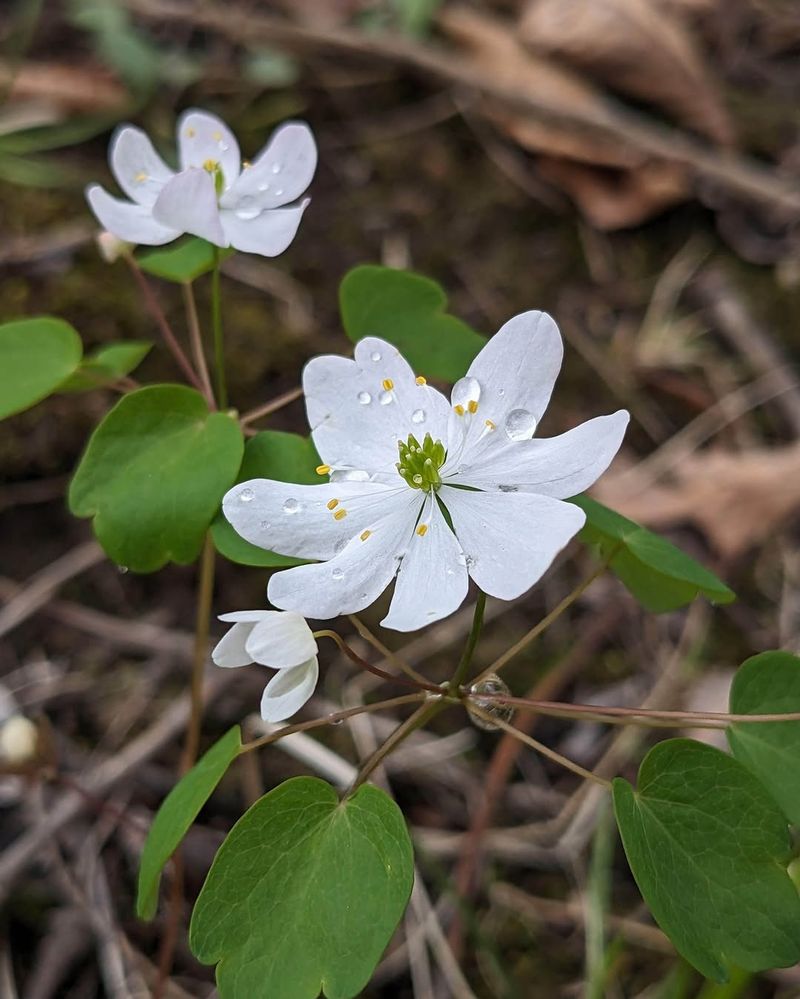
Fragrant sumac is one of those plants that surprises everyone who tries it. Crush a leaf and you get a pleasant, citrusy scent that is completely unexpected from a tough, drought-tolerant shrub.
It spreads in a low, mounding form that works perfectly along driveways, slopes, or sunny beds where you want ground-level color without a lot of upkeep.
Rhus aromatica typically grows two to six feet tall and spreads wider than it is tall, creating a dense carpet of foliage that smothers weeds naturally.
Small yellow flower clusters appear very early in spring, often before the leaves fully open, providing one of the earliest nectar sources for native pollinators.
The fall color is spectacular, shifting through shades of orange, red, and purple all at once on the same plant.
This shrub thrives in full sun and dry to average soils, making it a perfect fit for the sandy, well-drained conditions found across much of Michigan. It handles slopes and erosion-prone areas especially well because its spreading root system holds soil firmly in place.
The red berries that ripen in late summer attract birds and were historically used by Indigenous people to make a tart, lemonade-like drink.
Fragrant sumac is also deer resistant, which is a real bonus in neighborhoods where deer browse through garden beds regularly.
5. Ninebark
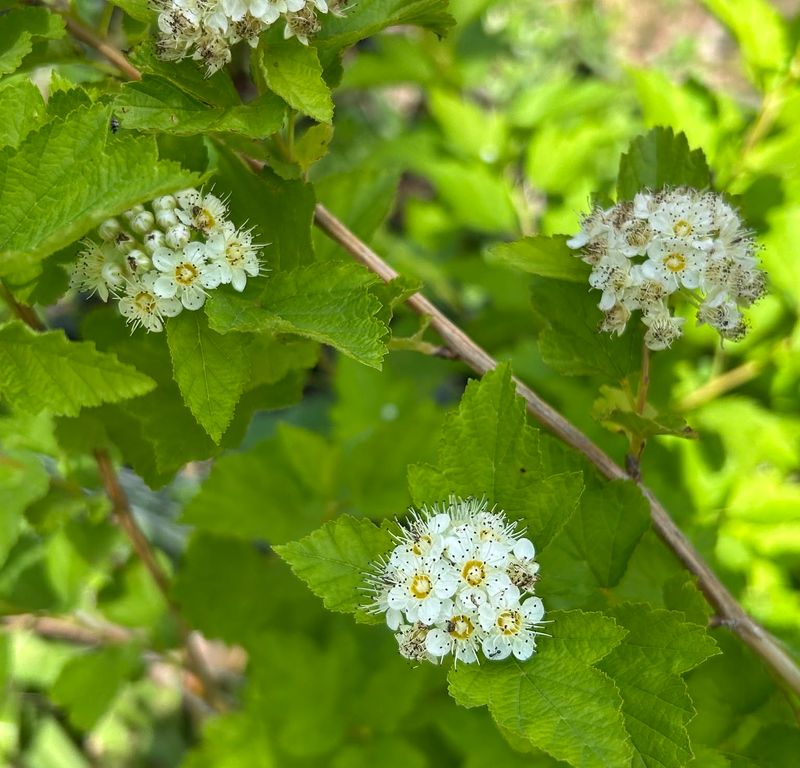
Ninebark has a name that sounds like a riddle, but the plant itself is straightforward and absolutely stunning. The name comes from its habit of peeling back in layers, revealing cinnamon-colored inner bark that adds winter interest long after the leaves have dropped.
It is one of those rare shrubs that looks good in every single season.
Physocarpus opulifolius is a Michigan native that grows five to ten feet tall and wide, so it makes a bold statement in the landscape. White or pale pink flower clusters appear in late spring to early summer, drawing in a wide variety of native bees and butterflies.
The foliage comes in a range of cultivated varieties, from deep burgundy to golden chartreuse, giving you plenty of options to match your garden style.
One of the best things about ninebark is its toughness. It grows in full sun to partial shade, tolerates clay soils, wet conditions, and even occasional drought once established.
That kind of flexibility is hard to find in any shrub, native or otherwise. The reddish seed capsules that follow the flowers add another layer of visual interest through summer and fall, and birds feed on them enthusiastically.
Plant ninebark as a backdrop shrub, a privacy screen, or a bold focal point, and it will reward you with very little effort for years to come.
6. American Hazelnut
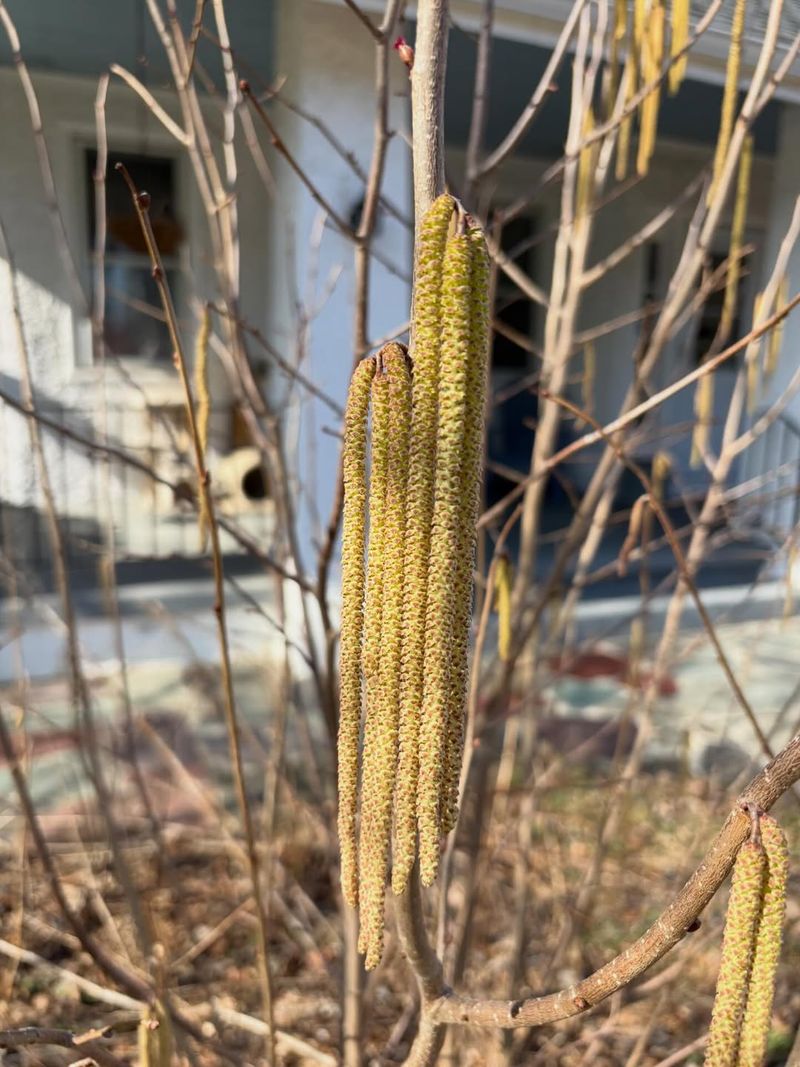
Few native shrubs give you as much as American hazelnut does. You get wildlife habitat, edible nuts, attractive foliage, and a natural hedge all in one plant.
Squirrels, deer, turkeys, woodpeckers, and over a dozen other species rely on hazelnut as a food source, so planting it is basically setting up a free wildlife buffet in your backyard.
Corylus americana grows eight to twelve feet tall and spreads into a multi-stemmed, rounded form that works beautifully as a screen or border shrub. The large, textured leaves are rich green through summer and turn soft yellow in fall.
In late winter, the dangling male catkins appear before the leaves and add a delicate, interesting look to the bare stems.
You will need two or more plants for good nut production since hazelnut relies on cross-pollination. The nuts ripen in late summer inside leafy husks and are completely edible, tasting similar to commercial hazelnuts you find at the store.
Growing them yourself means fresh nuts straight from the yard, which is a pretty fun perk. American hazelnut prefers full sun to partial shade and adapts well to a range of soil types, including the sandy soils common across lower Michigan.
It is also relatively fast-growing compared to many native shrubs, so you will see results quickly after planting.
7. Mapleleaf Viburnum
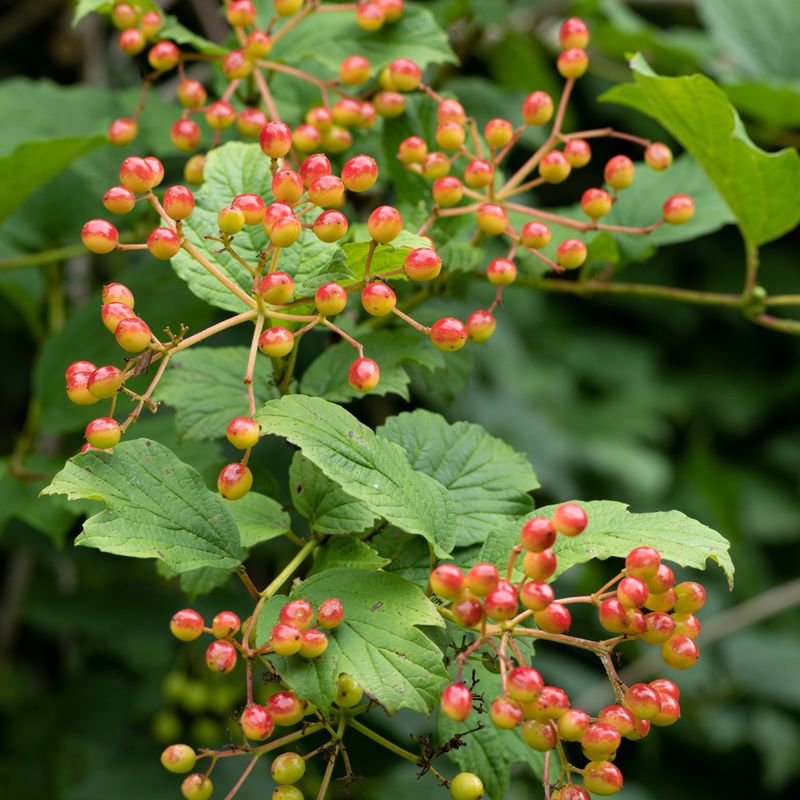
Mapleleaf viburnum is the go-to native shrub for shady spots where most plants simply refuse to perform. Named for its distinctive maple-shaped leaves, it brings a woodland elegance to shaded beds and garden edges that is hard to replicate with other plants.
When fall arrives, the foliage transforms into a patchwork of pink, lavender, and deep purple tones that look almost unreal.
Viburnum acerifolium grows three to six feet tall and tolerates deep shade better than almost any other flowering shrub in the Michigan native plant palette.
It blooms in late spring with flat-topped clusters of small white flowers that attract a range of native pollinators.
By late summer, those flowers turn into clusters of dark blue-black berries that songbirds devour enthusiastically.
This shrub spreads slowly by suckering, gradually filling in a shaded area with a natural, layered look. It works especially well under large trees where lawn grass struggles and other shrubs look scraggly.
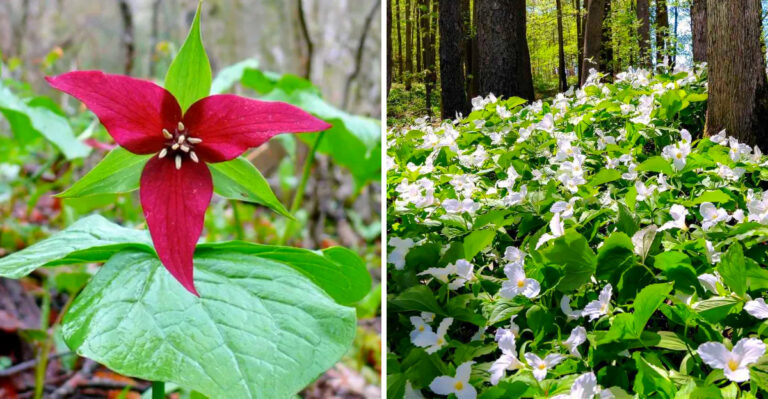
The soil should be well-drained but does not need to be particularly fertile, which makes it easy to establish in typical woodland-edge conditions. Mapleleaf viburnum pairs beautifully with ferns, wild ginger, and trillium for a full native understory planting.
If your yard has a shady corner that has been giving you trouble, this shrub is very likely the answer you have been looking for.
8. Arrowwood Viburnum
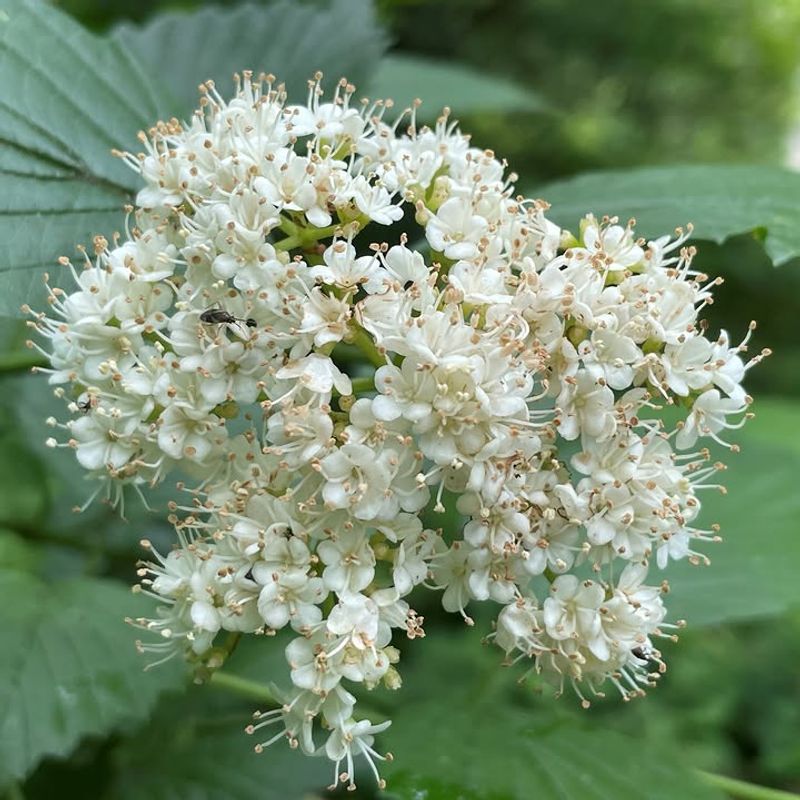
Arrowwood viburnum earned its name from Native Americans who historically used its straight young stems to make arrow shafts, and that same straightforward reliability carries over into its garden performance.
This is a shrub that consistently looks great, supports wildlife, and asks for almost nothing in return. It is a true workhorse of the Michigan native landscape.
Viburnum dentatum grows six to ten feet tall with a rounded, multi-stemmed form that fills in borders and screening areas beautifully. Flat-topped clusters of creamy white flowers appear in late spring, attracting native bees and other pollinators in impressive numbers.
By late summer, clusters of blue-black berries ripen and become a critical food source for migrating birds, including cedar waxwings and thrushes passing through Michigan.
The fall foliage ranges from yellow to glossy red-purple, adding another strong seasonal display to its already impressive resume. Arrowwood viburnum grows in full sun to partial shade and adapts to a wide range of soils, from moist clay to average garden soil.
It is more drought tolerant than many viburnums once established, which is a real advantage during dry summers. Planting several together creates a dense, layered hedge that provides both privacy and habitat.
For a shrub that looks polished in a formal border but also fits naturally in a wildlife garden, arrowwood viburnum genuinely delivers on both fronts.
9. Serviceberry
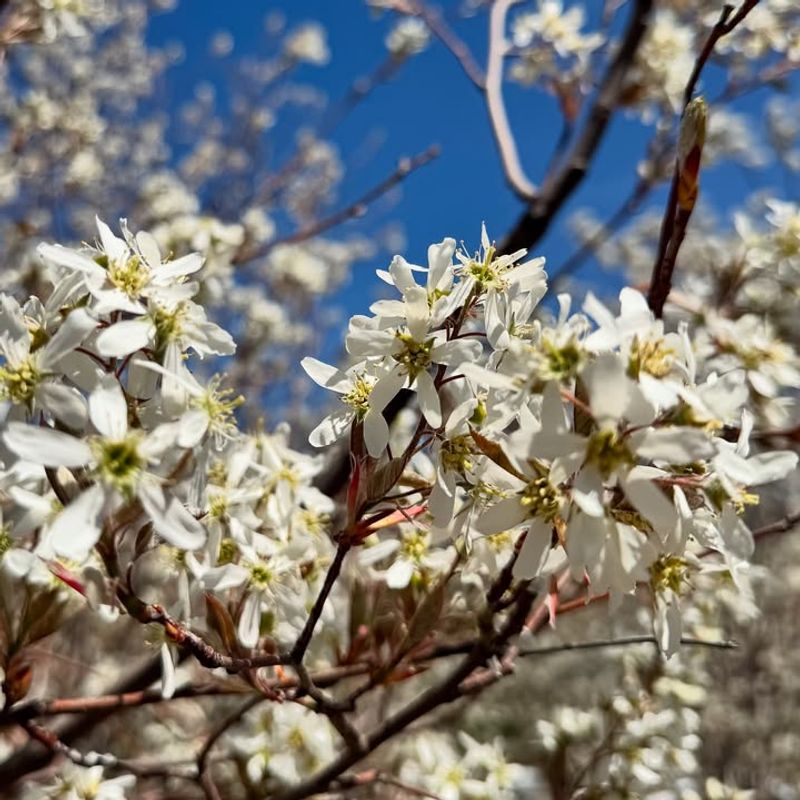
Serviceberry is the plant that makes spring feel official in Michigan. Before most trees even think about leafing out, serviceberry bursts into a cloud of white blossoms that stop people in their tracks.
It is one of the earliest flowering native plants in the state, and that early bloom is critically important for queen bumblebees and other native pollinators waking up after a long winter.
Amelanchier laevis can grow as a large multi-stemmed shrub or a small tree, reaching fifteen to twenty-five feet at maturity. The smooth gray bark is attractive year-round, and the new foliage emerges with a beautiful bronze-purple blush before maturing to green.
In early summer, sweet, blueberry-like fruits ripen and disappear quickly because birds are absolutely obsessed with them.
If you want to beat the birds to the harvest, you can pick the berries yourself and use them in pies, pancakes, and jams. They are genuinely delicious and have been a valued food source for Indigenous communities across the Great Lakes region for thousands of years.
Serviceberry grows in full sun to partial shade and prefers moist, well-drained soil with slightly acidic pH, conditions that are easy to find across the state. It also provides excellent fall color in shades of orange and red.
As a multi-season ornamental with real ecological value, serviceberry might be the most rewarding native swap on this entire list.
10. New Jersey Tea
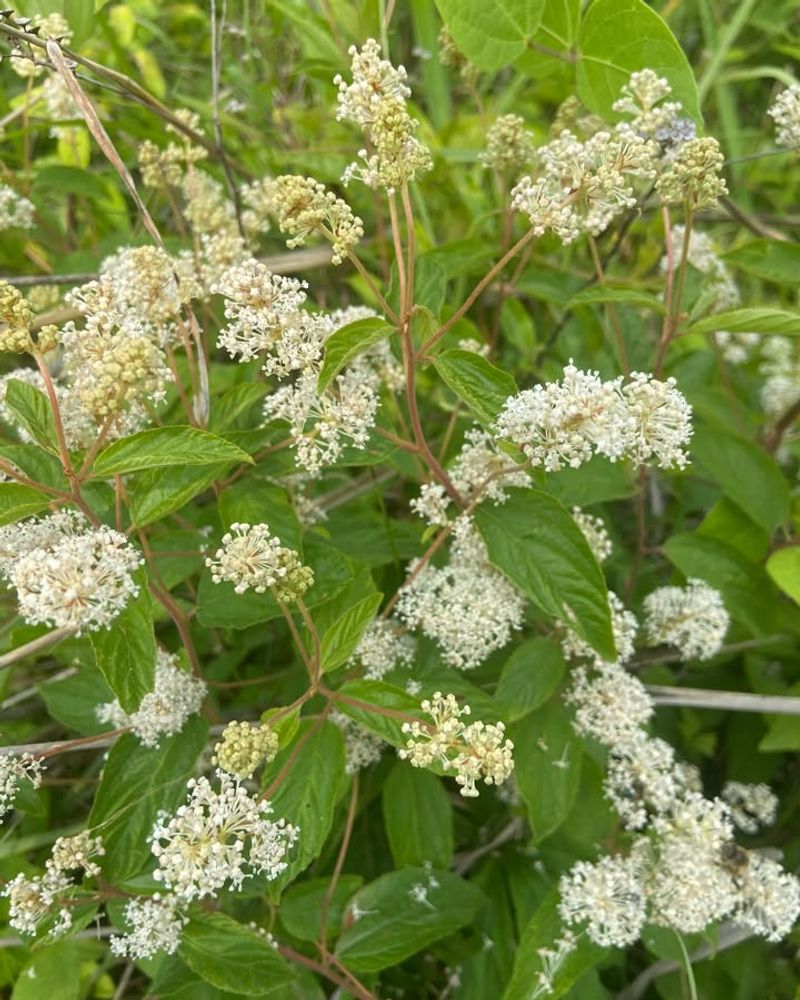
New Jersey tea is one of those native plants that garden experts rave about but most homeowners have never tried.
During the American Revolution, colonists brewed tea from its leaves as a substitute for imported British tea, which is where the quirky name comes from.
Today it is valued more for its extraordinary pollinator appeal and its ability to thrive in dry, sandy soils where other shrubs fail.
Ceanothus americanus grows two to four feet tall with a mounding form and produces fluffy white flower clusters from late June through August. Those blooms are exceptional for native bees, especially specialist species that depend on Ceanothus as a pollen source.
Butterflies and skippers also visit regularly, making this shrub a genuine pollinator magnet during the height of summer.
One of its most remarkable features is its root system, which fixes nitrogen in the soil and actually improves soil quality over time. This makes it a great choice for tough spots with poor, sandy, or depleted soil.
New Jersey tea prefers full sun and excellent drainage, so raised beds and sunny slopes suit it well. It is also notably deer resistant, which is a significant advantage in suburban Michigan where deer pressure on garden plants can be intense.
Once established, it requires almost no supplemental watering and handles drought conditions with ease, making it one of the most self-sufficient native shrubs available.
11. Smooth Hydrangea
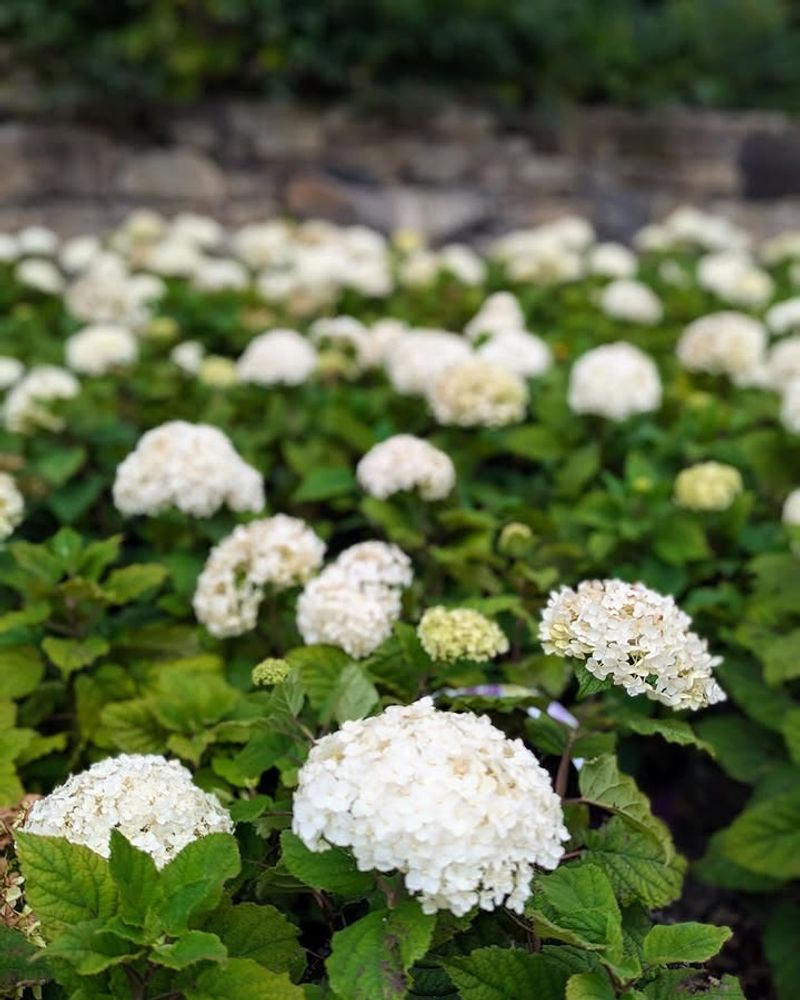
Smooth hydrangea is the native answer to every gardener who loves a big, bold flower display but does not want to fuss with finicky plants.
Native to eastern North America and perfectly at home in Michigan, this shrub produces enormous domed flower heads in pure white that bloom from July through September, long after most spring shrubs have finished.
The flowers start out greenish-white, mature to bright white, and then fade to a papery tan that looks beautiful in dried arrangements.
Hydrangea arborescens grows three to five feet tall and wide with a rounded, relaxed form. It performs well in full sun to full shade, though it tends to produce the most abundant blooms with at least a few hours of morning sun.
Moist, rich soil suits it best, making it a natural choice for shaded foundation beds or spots near downspouts where water collects.
The native species is an excellent pollinator plant, supporting bumble bees and other native insects with its accessible flower structure.
Popular cultivars like Annabelle and Incrediball are widely available, but the straight species also performs beautifully in naturalistic garden settings.
Cut stems back to about six to twelve inches in late winter to encourage strong new growth and the biggest flower heads. For a shade-tolerant, long-blooming, low-drama shrub that makes a real statement, smooth hydrangea is a top-tier choice for gardens.
12. Shrubby Cinquefoil
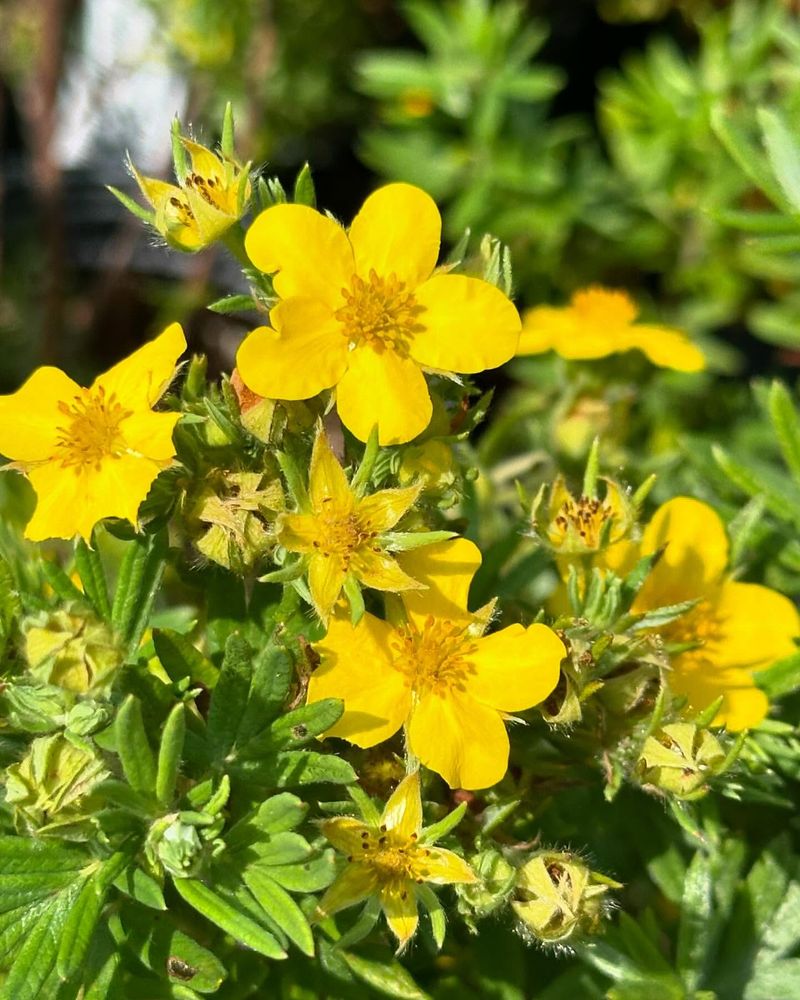
Shrubby cinquefoil might be the longest-blooming native shrub you can plant in a Michigan yard.
Bright yellow flowers open in late spring and keep on coming steadily all the way through early fall, covering the compact, rounded plant in cheerful color for months at a time.
Very few shrubs can match that kind of staying power, which is exactly what makes it such a smart swap for a struggling burning bush.
Dasiphora fruticosa grows one to four feet tall depending on the cultivar, with a dense, twiggy structure and fine-textured foliage that looks tidy without any formal shearing. It is incredibly cold-hardy, surviving Michigan winters without any protection.
Full sun and well-drained soil are all it needs to thrive, and once established it handles drought conditions surprisingly well.
Native bees, including several specialist species, visit the flowers regularly throughout the long blooming season.
The plant also has a long history of traditional use among Indigenous communities across North America, with its leaves and bark used medicinally and the fibrous bark used in weaving.
Deer tend to avoid it, which is always welcome news in gardens around here. Modern cultivars come in shades of yellow, white, pink, and orange, so there are options to fit just about any color scheme.
For a front-yard bed that needs reliable, season-long color with almost zero maintenance, shrubby cinquefoil is a genuinely outstanding choice.