Seeds Michigan Gardeners Should Start Indoors In April For Summer Gardens
April is a key time for Michigan gardeners to start some seeds indoors, especially if you want a strong, productive summer garden. With outdoor temperatures still unpredictable, starting seeds inside gives plants a head start in a warm, controlled space.
By the time the last frost passes, these seedlings are already well on their way, ready to grow faster and produce earlier. This extra time can make a big difference in Michigan’s shorter growing season.
Some plants need that early boost to reach their full potential before fall arrives. From vegetables to flowers, choosing the right seeds to start now can set the tone for the entire season.
It is also a great way to stay active in the garden while waiting for consistent warm weather. With a little planning, April seed starting can lead to a fuller, more rewarding garden all summer long.
1. Tomatoes (Solanum lycopersicum)
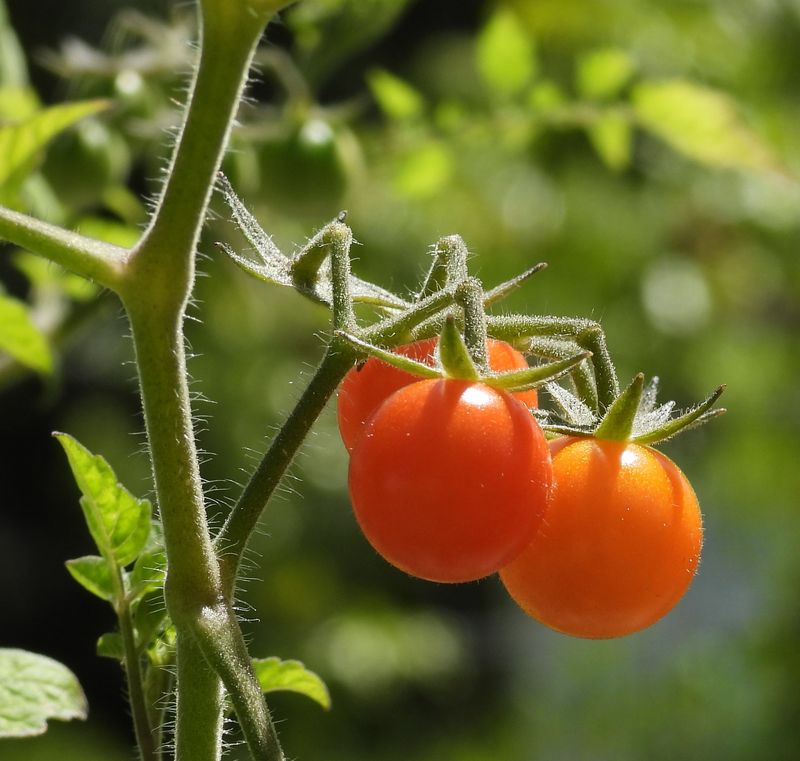
Nothing beats the taste of a homegrown tomato pulled fresh from a Michigan summer garden. Starting tomato seeds indoors in April gives them that critical six to eight week head start they need before transplanting outside after the last frost.
Michigan’s growing season simply does not allow enough time for tomatoes to thrive if you wait to direct-sow them outdoors.
Tomatoes love warmth from the very start, so placing seed trays on a heat mat keeps soil temperatures around 70 to 80 degrees Fahrenheit for the best germination.
Once sprouts appear, move them to your brightest south-facing window or place them under grow lights for at least 14 to 16 hours of light each day. Leggy, weak seedlings almost always come from not enough light in those early weeks.
Water your tomato seedlings from the bottom to keep roots healthy and avoid damping off, a fungal problem that can wipe out young plants fast. Fertilize lightly once true leaves appear, using a balanced liquid fertilizer diluted to half strength.
Before transplanting outdoors in late May or early June in Michigan, harden off your seedlings over 7 to 10 days by setting them outside in a sheltered spot for increasing amounts of time each day.
2. Peppers (Capsicum annuum)
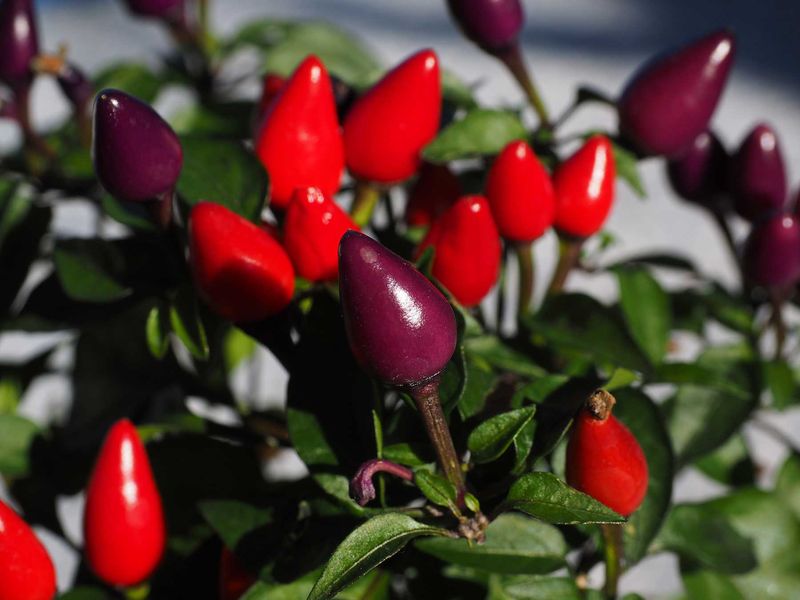
Peppers are slow starters, and Michigan gardeners know that patience really pays off with this crop. Sowing pepper seeds indoors in April, ideally eight to ten weeks before the last frost, sets you up for plants that are strong, bushy, and ready to produce all summer long.
Without that indoor head start, peppers often struggle to ripen fully before Michigan’s cooler fall weather rolls in.
Pepper seeds need soil temperatures between 80 and 85 degrees Fahrenheit to germinate well, so a seedling heat mat is almost a must-have tool. Germination can take anywhere from ten days to three weeks, so do not get discouraged if nothing pops up right away.
Once those tiny seedlings emerge, consistent warmth and bright light become their best friends for the rest of their indoor life.
Both sweet bell peppers and hot varieties like jalapeños and habaneros respond well to this indoor April start in Michigan. Pinching off any early flower buds before transplanting encourages the plant to put more energy into root and stem development instead.
Your Michigan Garden Changes Every Week. Your Plan Should Too.
Gardening in Michigan changes quickly throughout the season. Every Friday you’ll receive a simple weekly plan showing exactly what to plant, prune, fertilize, harvest, and protect so you never miss the right timing.
By the time you move them to your Michigan garden in late May, your pepper plants will already look like seasoned little veterans ready to produce an impressive harvest all the way through September.
3. Eggplant (Solanum melongena)
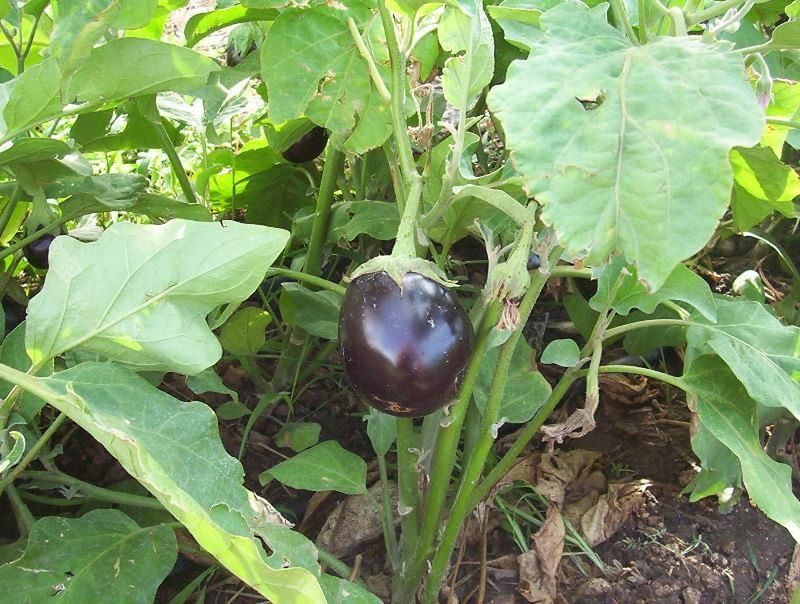
Eggplant is one of those crops that rewards the patient Michigan gardener who plans ahead. It needs one of the longest indoor growing periods of any vegetable, typically eight to ten weeks before transplanting, which makes an April start absolutely perfect.
Without that extra indoor time, eggplants in Michigan rarely produce enough fruit before the season wraps up in early fall.
Warmth is the number one key to successful eggplant germination. Soil temps of 80 to 90 degrees Fahrenheit speed things up considerably, and a seedling heat mat placed under the trays works wonders.
Once seedlings are up and growing, keep them in a bright, warm spot and water consistently, never letting the soil dry out completely between waterings.
Eggplant varieties like Black Beauty, Ichiban, and Fairy Tale all do well when started indoors in Michigan and transplanted after all frost risk has passed, usually around late May in most parts of the state.
Rich, well-drained garden soil and a full-sun location will help eggplants thrive once they move outside.
One fun fact worth knowing: eggplant is actually a fruit, botanically speaking, closely related to tomatoes and peppers.
Adding it to your Michigan summer garden brings both beautiful deep purple color and a versatile harvest you can roast, grill, or bake all season long.
4. Broccoli (Brassica oleracea var. italica)
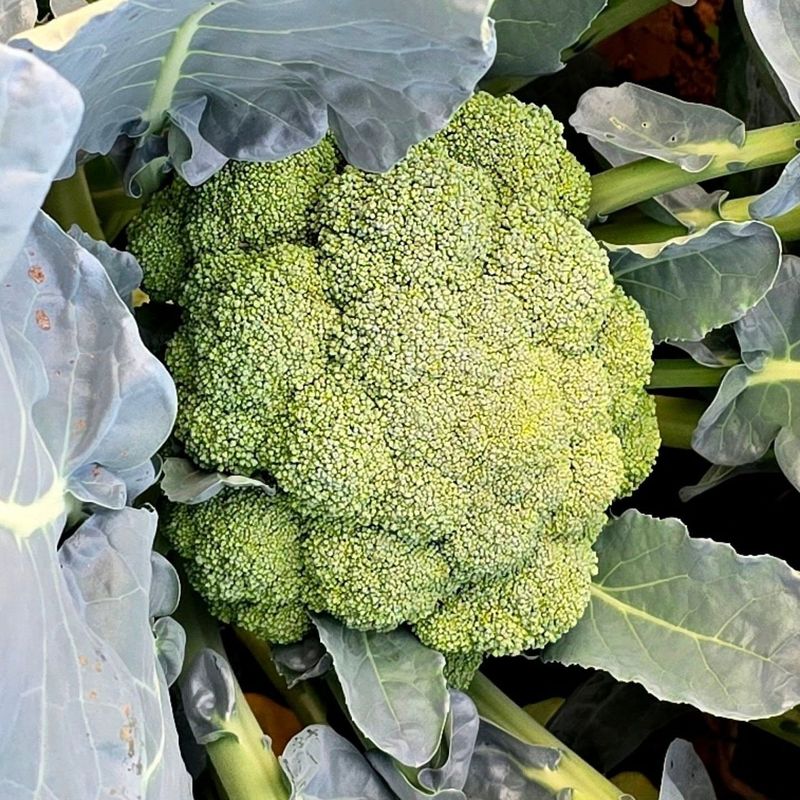
Broccoli is a cool-season superstar, and starting it indoors in April is one of the smartest moves a Michigan gardener can make.
Sowing seeds six to eight weeks before transplanting gives you sturdy little plants that are ready to go outside in late April or early May, when Michigan soil is still cool enough for broccoli to absolutely love life.
Broccoli actually produces better heads when it matures in cooler temperatures rather than summer heat.
Fill seed trays with a good quality seed-starting mix, plant seeds about a quarter inch deep, and keep the soil consistently moist but not soggy. Broccoli seeds germinate quickly, often within five to ten days, and the seedlings grow vigorously once they get going.
Thin seedlings to one per cell once they have their first true set of leaves so each plant has plenty of room to develop a strong root system.
Michigan gardeners can often get two broccoli harvests in a single year by starting one batch indoors in April for early summer and then direct-sowing a second batch in midsummer for a fall crop.
Varieties like Waltham 29, Belstar, and Green Magic perform reliably well across Michigan’s varied climate zones.
A little planning now means you will be harvesting gorgeous green heads from your garden just weeks after your neighbors are still waiting for their first outdoor seedlings to sprout.
5. Cabbage (Brassica oleracea var. capitata)
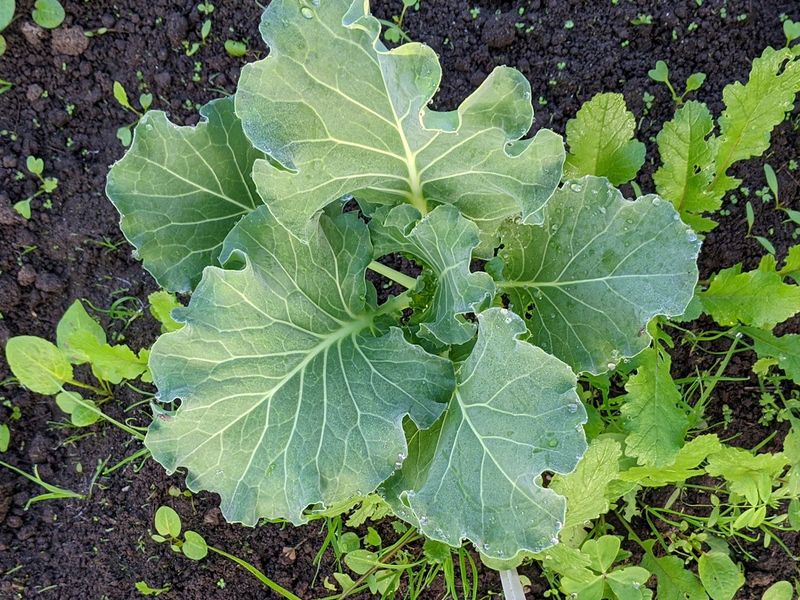
Cabbage has been a garden staple for centuries, and Michigan gardeners who start it indoors in April are set up for some seriously impressive heads by early summer.
Like broccoli, cabbage is a cool-season crop that thrives when it matures before the hottest weeks of July and August arrive.
Starting seeds indoors six to eight weeks before outdoor planting gives you transplants that hit the ground running as soon as conditions outside are right.
Sow cabbage seeds about a quarter inch deep in a good seed-starting mix and keep the trays in a spot that stays around 65 to 70 degrees Fahrenheit.
Germination usually happens within a week, and the seedlings are remarkably easy to care for with regular watering and decent light.
One thing to watch for is cabbage getting too warm indoors, as it prefers cooler temperatures compared to tomatoes or peppers.
Green, red, and savoy cabbage varieties all respond well to an indoor April start in Michigan. Early Jersey Wakefield and Copenhagen Market are two classic varieties that Michigan gardeners have relied on for generations.
Once transplanted outdoors in late April or early May, cabbage can handle a light frost without any trouble, which makes it one of the most forgiving crops in your spring lineup.
Rich garden soil and consistent moisture are the two biggest keys to growing tight, flavorful heads you will be proud to harvest.
6. Brussels Sprouts (Brassica oleracea var. gemmifera)
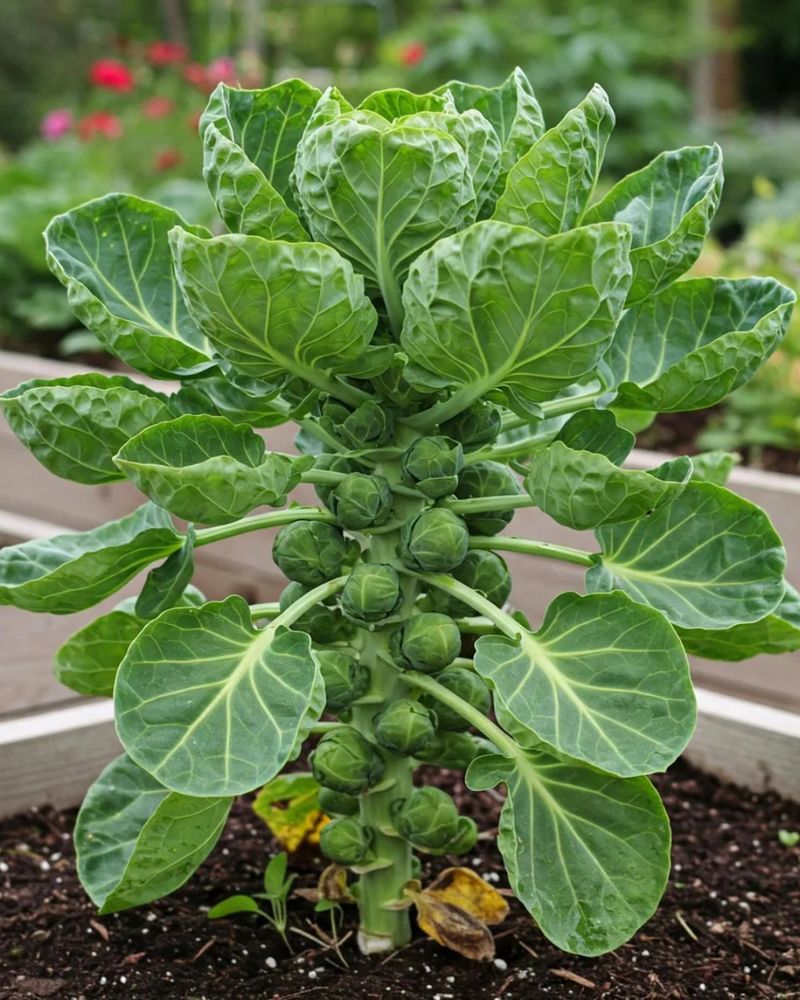
Brussels sprouts are the long-game vegetable of the Michigan garden, and starting them indoors in April is absolutely essential for a successful harvest.
These plants need the longest growing season of all the brassicas, often 80 to 100 days from transplant to harvest, which means an April indoor start is not optional but truly necessary in Michigan.
Without that early boost indoors, most Michigan gardeners will not see mature sprouts before the season ends.
Start seeds about six to eight weeks before your planned outdoor transplant date, which in most of Michigan falls in mid to late May.
Use a quality seed-starting mix, keep the soil moist, and place trays in a spot with good light and moderate temperatures around 65 to 70 degrees.
Brussels sprouts seedlings are tough and grow steadily once they get established, making them fairly low-maintenance during their indoor phase.
Jade Cross and Long Island Improved are two varieties that perform well in Michigan’s climate and are worth tracking down at local garden centers or seed suppliers.
One interesting thing about Brussels sprouts is that a light frost in fall actually improves their flavor, making them taste sweeter and nuttier.
So starting them in April means you will be harvesting right around the time Michigan nights start cooling down in September and October, which is honestly the perfect timing for this unique and underrated vegetable.
7. Basil (Ocimum basilicum)
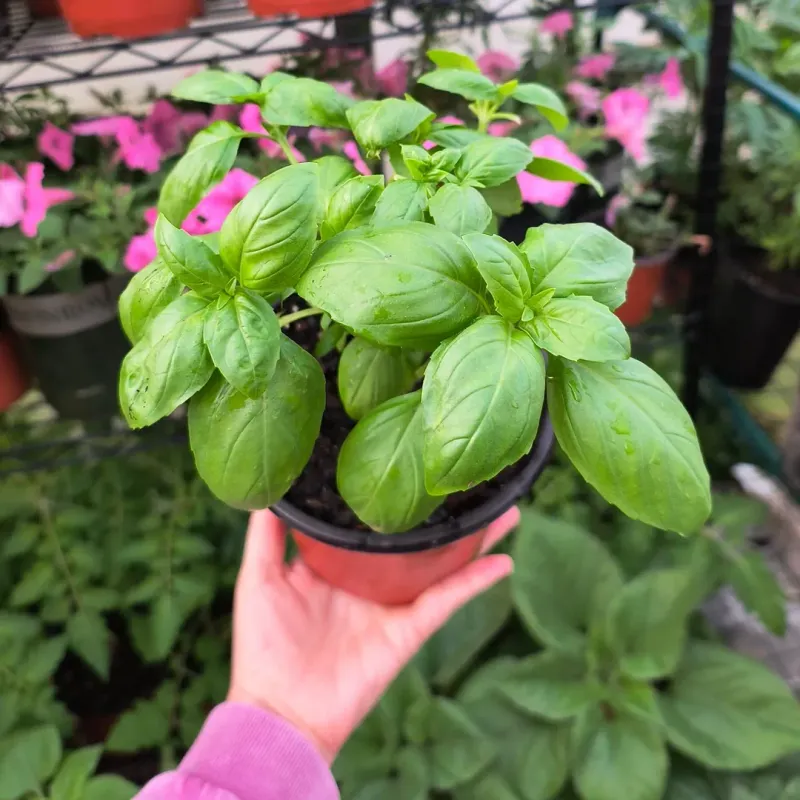
Few smells in the garden world beat fresh basil on a warm Michigan summer afternoon, and starting it indoors in April is the best way to guarantee a lush, abundant harvest.
Basil is extremely frost-sensitive and cannot go outside until Michigan temperatures stay reliably above 50 degrees Fahrenheit, even at night.
An April indoor start gives plants four to six weeks of protected growing time before they are ready to move into the garden or outdoor containers.
Basil seeds are easy to germinate, typically sprouting within five to seven days when soil temperatures are between 70 and 75 degrees. Sow seeds just on the surface of the seed-starting mix or barely cover them, as they need light to germinate well.
Once seedlings emerge, place them in the sunniest window you have or under grow lights to keep them from stretching and becoming weak.
Sweet Genovese basil is the classic choice, but Michigan gardeners also enjoy growing Thai basil, lemon basil, and purple basil for variety in the kitchen and in the garden.
Pinching off the growing tips early encourages a bushier, more productive plant that keeps producing leaves all summer.
Pair basil in your Michigan garden with tomatoes, and you will have everything you need for fresh caprese salads and homemade pesto from July straight through to September. It is truly one of the most rewarding herbs to grow from seed.
8. Zinnias (Zinnia elegans)
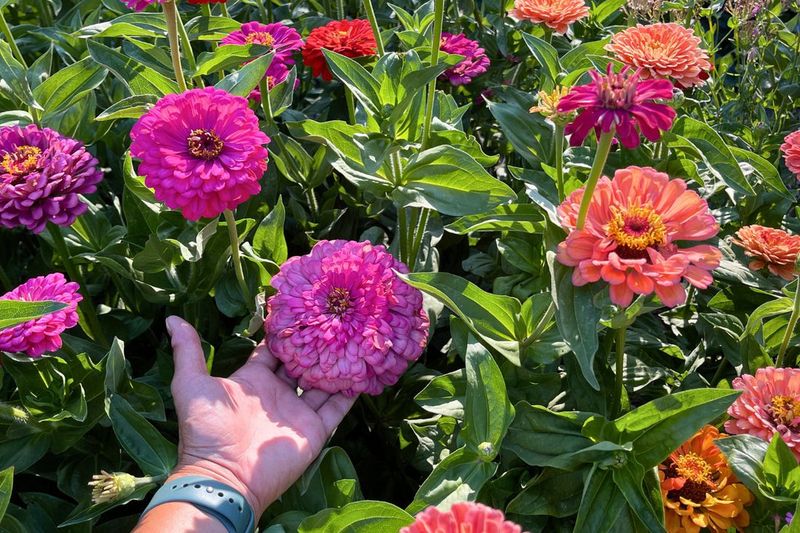
Zinnias are the confetti of the summer garden, bursting with bold color in shades of red, orange, pink, yellow, and white, and starting them indoors in April gives Michigan gardeners a significant head start on those cheerful blooms.
While zinnias can be direct-sown outdoors, starting them inside four to six weeks before the last frost means you will see flowers weeks earlier than your neighbors who waited. In Michigan, that earlier bloom window is genuinely worth celebrating.
Zinnia seeds germinate quickly and easily, often sprouting within five to seven days in warm soil around 70 to 75 degrees Fahrenheit.
Use individual small pots or cell trays rather than crowding them together, since zinnias do not love having their roots disturbed at transplant time.
Keep the seedlings in a bright, sunny spot and water at the base to keep leaves dry and healthy.
Varieties like Benary Giant, Profusion, and State Fair produce large, showstopping blooms that look stunning in Michigan summer gardens and work beautifully as cut flowers.
Zinnias also attract butterflies and pollinators, making them a fantastic choice for anyone who wants a garden that buzzes with life all summer.
Once transplanted outdoors after Michigan’s last frost in late May, zinnias grow fast and reward you with nonstop color from June right through the first cold snap of fall. Few flowers give you more bang for your gardening effort.
9. Marigolds (Tagetes spp.)
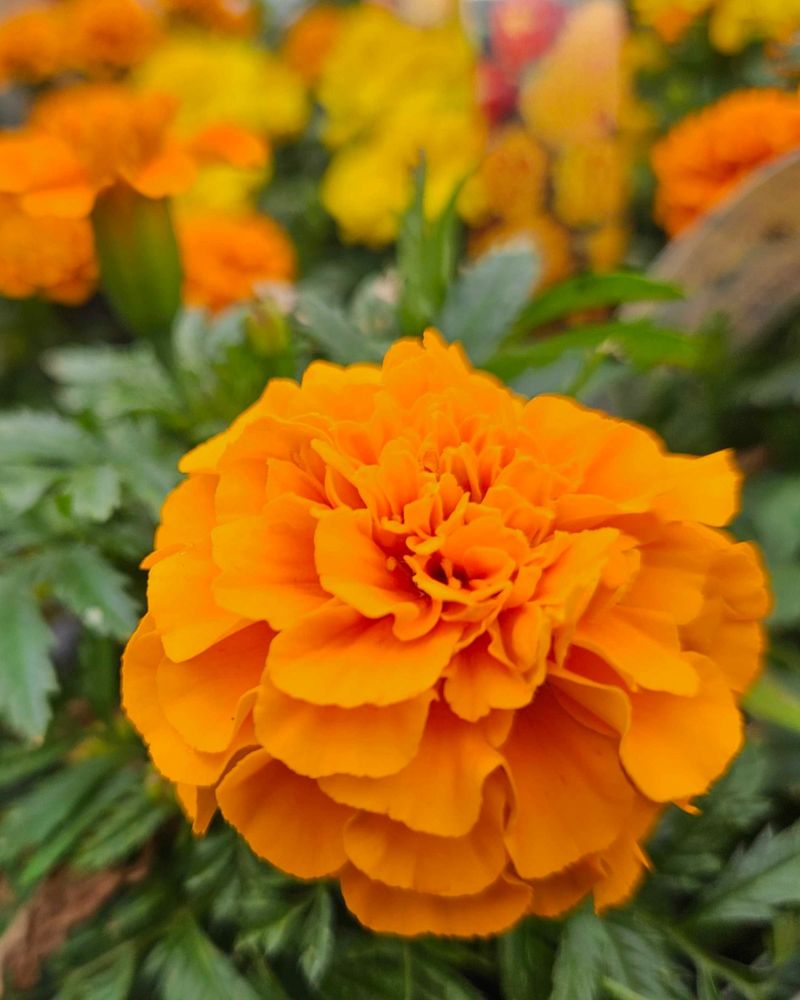
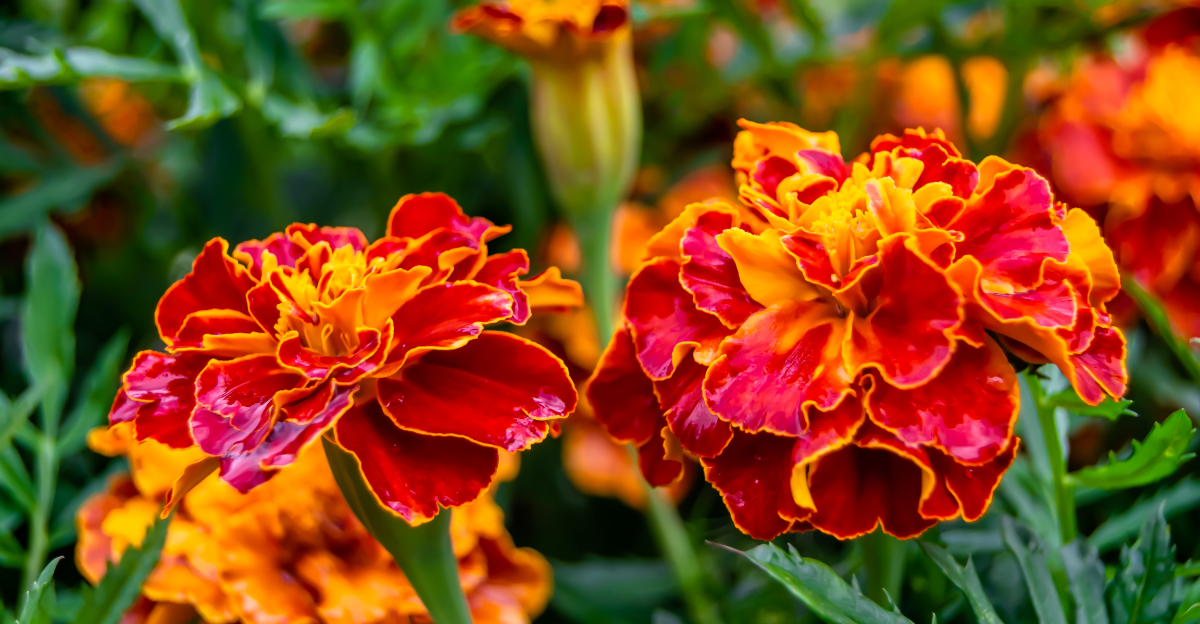
Marigolds are one of the most hardworking flowers you can grow in a Michigan garden, and starting them indoors in April sets you up for a summer full of vibrant orange and yellow blooms.
Beyond their cheerful good looks, marigolds are well known for repelling common garden pests like aphids and nematodes, making them a smart companion plant for tomatoes, peppers, and other vegetables.
Starting seeds indoors four to six weeks before the last frost gives you blooming plants ready to go the moment outdoor conditions are right.
Marigold seeds germinate fast, usually within five to seven days in warm soil between 70 and 75 degrees Fahrenheit, making them one of the most satisfying seeds to start indoors.
Sow seeds about a quarter inch deep, keep the mix moist but not waterlogged, and place trays in a warm, bright location.
Grow lights work especially well for marigolds since they crave strong, consistent light throughout their early weeks indoors.
French marigolds like Bonanza and Hero are compact and ideal for border planting, while African marigold varieties like Crackerjack grow tall and make bold statements in Michigan summer garden beds.
One fun gardening fact: marigolds have been used as companion plants for centuries, with farmers across the world relying on them to protect crops naturally.
Once established in your Michigan garden, marigolds practically take care of themselves, blooming generously from June all the way through October with very little fuss.