Why Texas Lantana Gets Leggy And Stops Blooming Mid-Summer
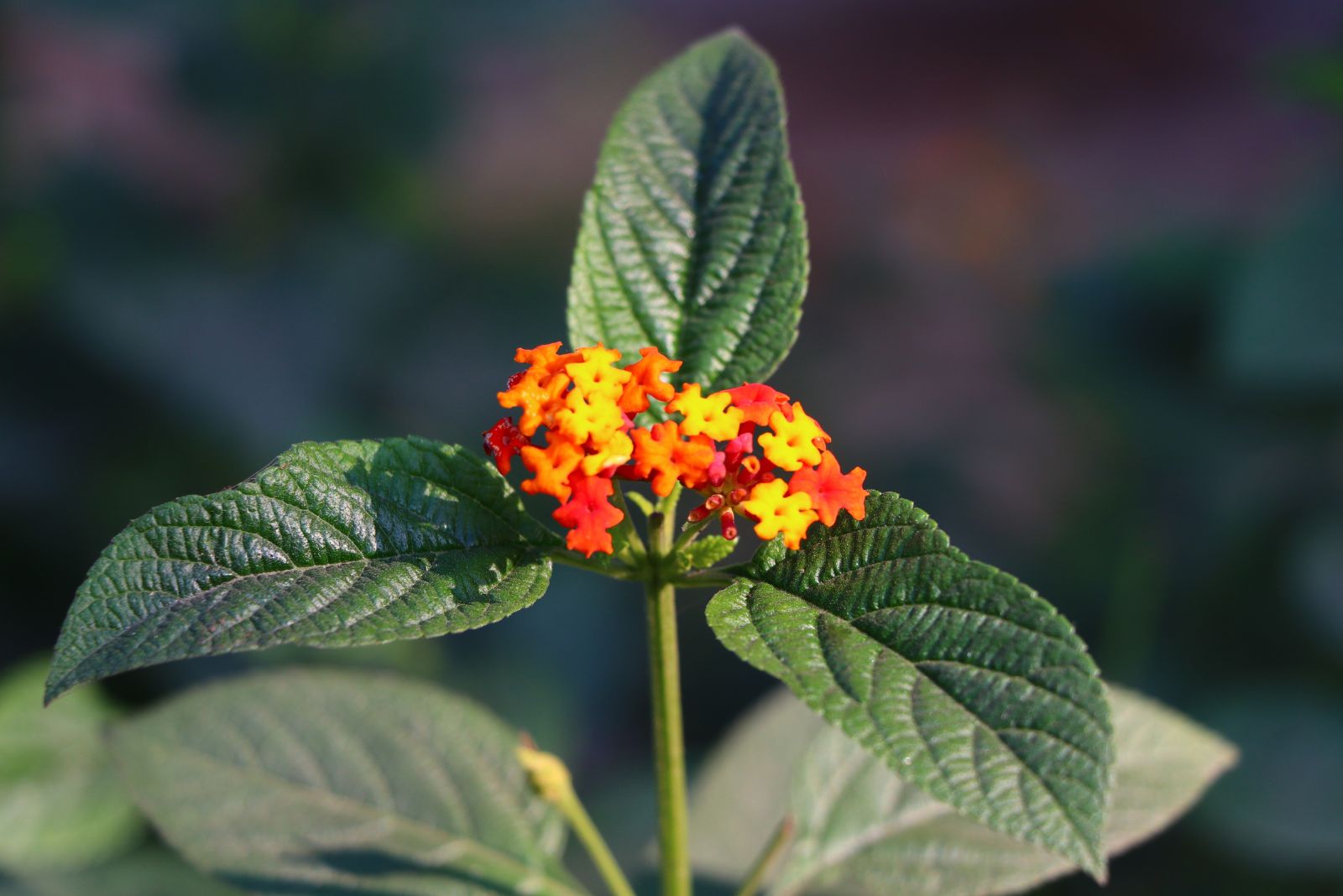
Lantana going leggy and losing its blooms by midsummer is one of the most common complaints in Texas gardening, and it is especially frustrating because this plant is supposed to be one of the toughest performers through the hottest months.
When it starts looking stretched out and flowering less by July or August, most gardeners assume the heat is the problem.
The heat is almost never the problem. Lantana is built for Texas summers, and when it underperforms during those months, there is almost always a specific and fixable reason behind it.
The most common causes are things that seem reasonable on the surface, watering habits, pruning timing, feeding schedules, and placement decisions that quietly work against the plant’s ability to keep pushing new blooms.
Understanding what actually causes lantana to stall out mid-season is the first step toward making sure it does not happen again.
1. It Isn’t Being Trimmed Back Lightly
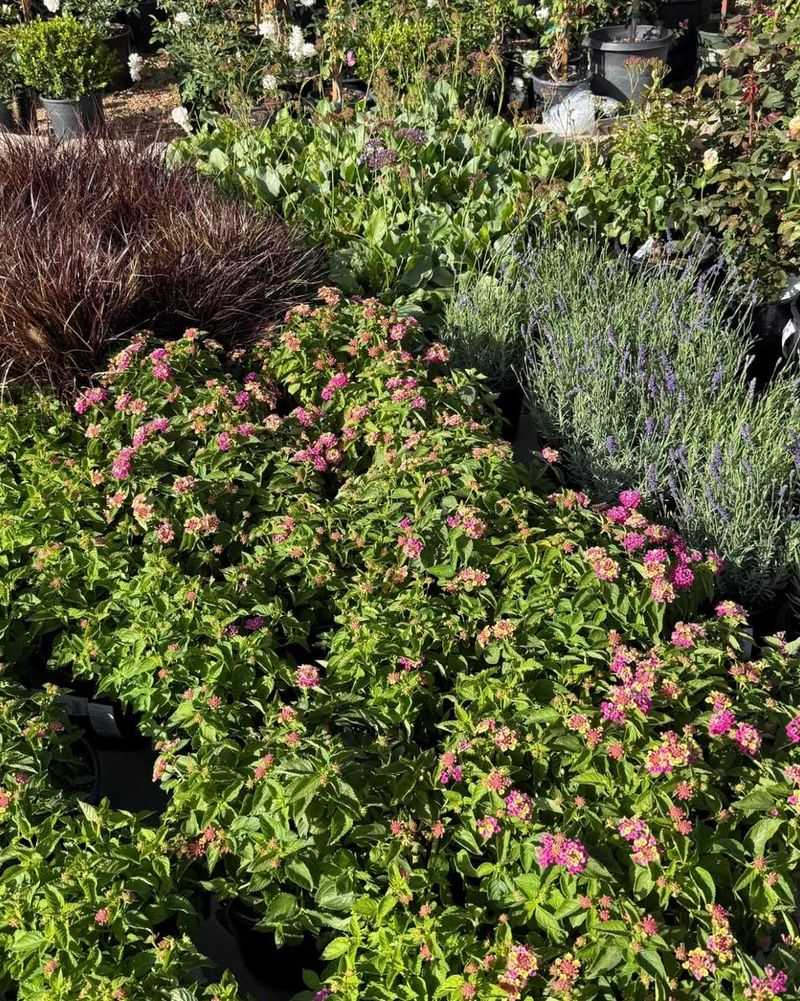
Grab a pair of pruning shears and take a good look at your lantana. If it has been growing all season without a single trim, that is likely why it looks more like a wild tangle of stems than a neat, blooming shrub.
Lantana grows fast, especially in Texas heat, and without some guidance, it stretches upward instead of filling out.
Pruning does not have to be complicated or scary. A light trim of the outermost stems, cutting back about one-third of the plant, is usually all it takes to wake things up.
When you remove those long, leggy stems, the plant responds by pushing out new side shoots. Those new shoots are what carry the fresh flower clusters you want to see.
Many gardeners skip pruning because they do not want to remove what looks like healthy growth. But leaving those long stems in place actually slows blooming over time.
The plant puts energy into growing taller rather than producing flowers. A quick trim every four to six weeks during the growing season keeps the shape tight and the blooms coming.
The best time to prune is in the morning before the heat of the day sets in. Use clean, sharp shears so you get a smooth cut without tearing the stems.
After trimming, water the plant lightly and give it a few days. You will likely notice new growth starting to appear within a week or two, and blooms should follow shortly after that.
2. Too Much Shade Is Reducing Flowering
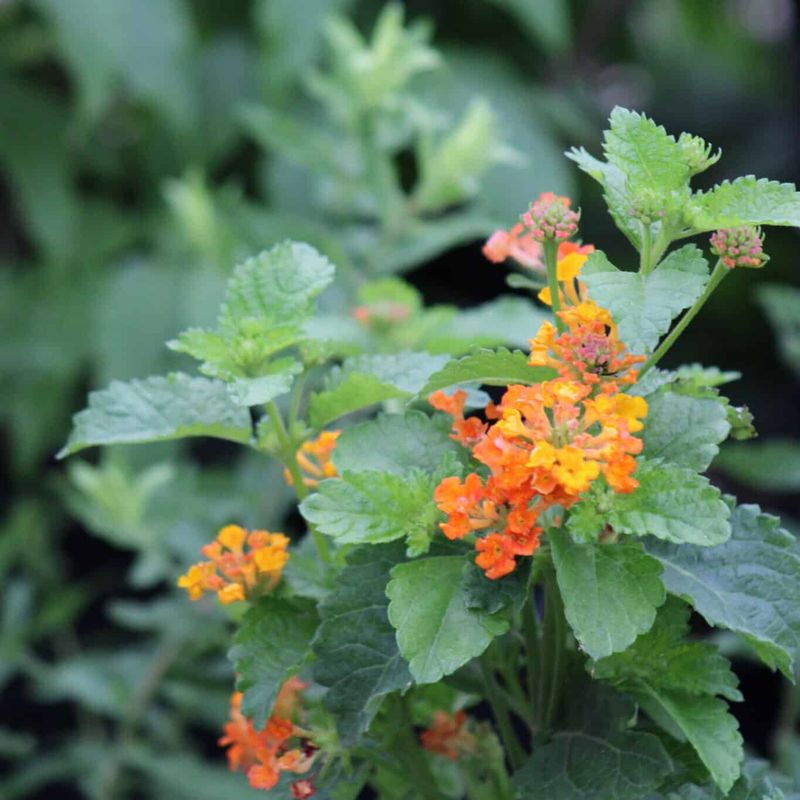
Lantana is a full-sun plant through and through. It was practically built for the blazing Texas summer, and it performs best when it gets at least six to eight hours of direct sunlight every single day.
When shade creeps in, whether from a growing tree, a fence, or a nearby structure, the plant starts to change in ways you might not expect.
Less sunlight means the plant has to reach and stretch toward whatever light it can find. That stretching is exactly what causes those long, bare stems with very few flowers at the tips.
Your Texas Garden Changes Every Week. Your Plan Should Too.
Gardening in Texas changes quickly throughout the season. Every Friday you’ll receive a simple weekly plan showing exactly what to plant, prune, fertilize, harvest, and protect so you never miss the right timing.
The plant is not sick, it is just working overtime trying to find the sun it needs. Moving it to a sunnier spot, or trimming back whatever is blocking the light, can make a big difference quickly.
Sometimes the shade issue sneaks up on you. A tree that was small last year might now be big enough to cast a shadow over your lantana bed for several hours each afternoon.
Checking where your sun hits throughout the day is a smart habit, especially in mid-summer when the sun angle shifts compared to spring.
If moving the plant is not an option, consider trimming the nearby tree or bush that is casting shade. Even opening up the canopy a little can let in enough extra light to help.
Lantana that gets full sun stays compact, blooms heavily, and handles the Texas heat without complaint. Shade is one of the quietest reasons flowering slows down, and fixing it is often simpler than most gardeners realize.
3. Overwatering Is Weakening Growth
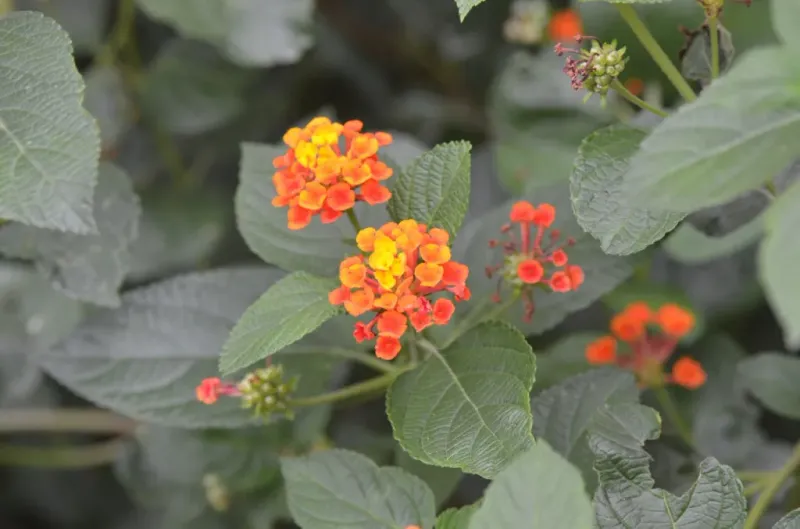
Here is something that surprises a lot of gardeners: lantana actually prefers dry conditions. It is native to warm, dry regions and has adapted to thrive with very little water once it is established.
When you water it too often, the roots sit in wet soil for too long, and that causes more problems than most people realize.
Floppy, soft stems are one of the first signs of overwatering. When the soil stays constantly moist, the plant does not need to build strong, sturdy stems to survive.
Instead, it produces weak, watery growth that flops over and stretches out rather than standing upright and producing flowers. The plant basically gets lazy when it has too much water available all the time.
A good rule of thumb is to water established lantana deeply but infrequently. Let the soil dry out completely between waterings.
In the heat of a Texas summer, that might mean watering once a week or even less, depending on your soil type. Sandy soils drain faster and may need slightly more frequent watering, while clay soils hold moisture much longer.
Check the soil before you reach for the hose. Stick your finger about two inches into the ground near the base of the plant. If it still feels damp, wait another day or two.
Letting the soil dry out between waterings encourages the roots to grow deeper in search of moisture, which actually makes the plant stronger and more drought-tolerant over time. Less water often means more blooms with lantana.
4. Too Much Fertilizer Is Producing Leaves Instead Of Blooms
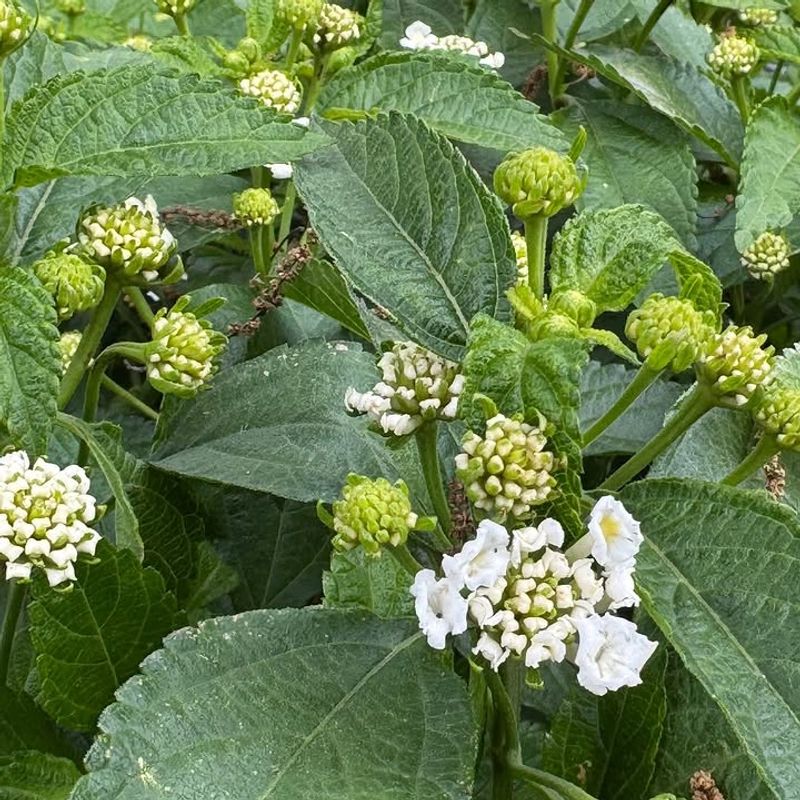
More fertilizer does not always mean better plants. With lantana, it can actually work against you in a big way.
When you feed lantana too much, especially with a fertilizer that is high in nitrogen, the plant puts almost all of its energy into producing leaves and stems instead of flowers. The result is a big, leafy plant that looks healthy but barely blooms.
Nitrogen is the nutrient that drives leafy, green growth. Plants need some of it, but lantana is naturally adapted to grow in poor, low-nutrient soils.
When you give it a rich diet of nitrogen, it responds the way any plant would: it grows fast. But that fast growth tends to be weak, stretched out, and flower-free.
The plant simply has no reason to bloom when it is busy pushing out all that soft green growth.
If you have been fertilizing your lantana regularly, try cutting back or stopping altogether for the rest of the summer. You might be surprised at how quickly blooming picks back up once the excess nitrogen works its way out of the soil.
If you do want to fertilize, choose a product that is low in nitrogen and slightly higher in phosphorus, which encourages flowering rather than leafy growth.
Lantana planted in average garden soil usually does not need much feeding at all. A light application of a balanced fertilizer once in early spring is often plenty for the entire season.
Letting the plant work a little harder in leaner soil tends to produce tighter growth and far more colorful blooms throughout the summer months.
5. Old Flower Clusters Aren’t Being Removed
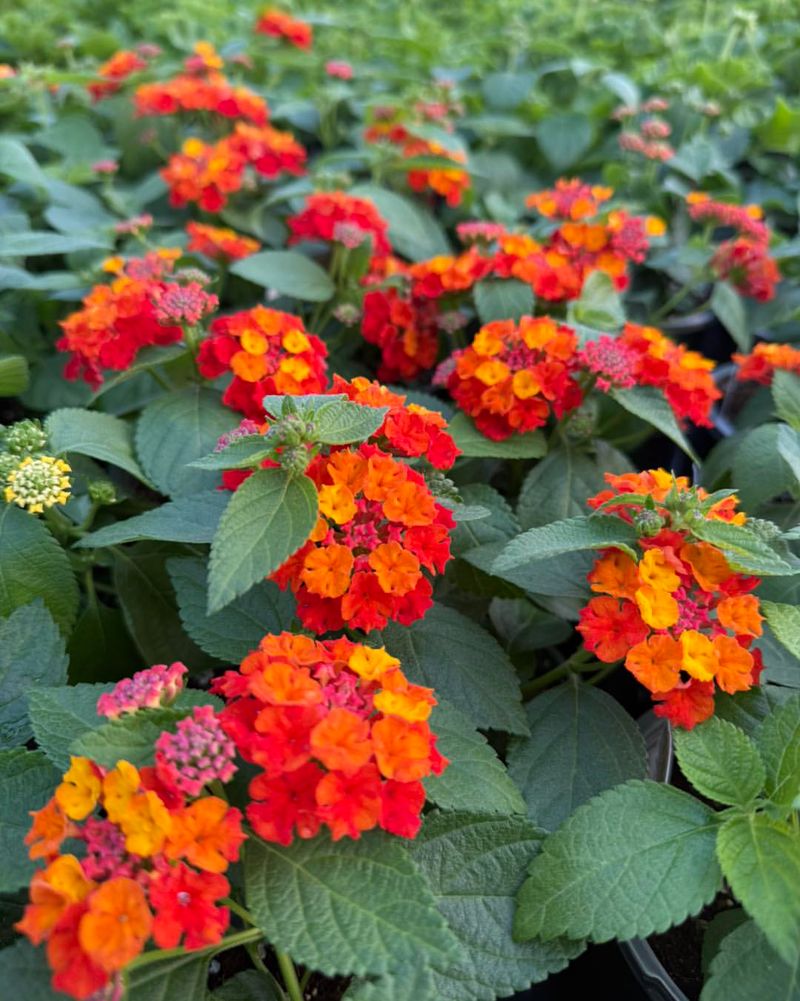
Spent flower clusters might not look like a big deal, but leaving them on the plant can actually slow down blooming more than most people expect.
Once a flower cluster fades and starts to form a seed, the plant shifts its energy toward finishing that seed instead of producing new flowers.
Removing those old clusters before seeds form sends a clear message to the plant to keep blooming.
Deadheading, which is just a fancy word for removing old flowers, is one of the simplest ways to keep lantana blooming through the long Texas summer. You do not need any special tools.
Just pinch off the faded flower heads with your fingers or use a small pair of scissors. Focus on the clusters that have already turned brown or started to form small dark berries, which are the developing seeds.
Some gardeners combine deadheading with a light trim, which is a great way to tidy up the plant and encourage new growth at the same time.
After deadheading, you might notice a flush of new flower buds appearing within one to two weeks. The plant responds quickly when it is no longer putting energy into seed production.
During the peak of summer when lantana is growing fast, checking the plant every week or two for spent blooms is a smart habit. It only takes a few minutes and makes a noticeable difference in how many flowers the plant produces.
Consistent deadheading paired with occasional light pruning can keep a Texas lantana looking full and colorful from late spring all the way through the first cool days of fall.
6. Spider Mites Are Stressing The Plants
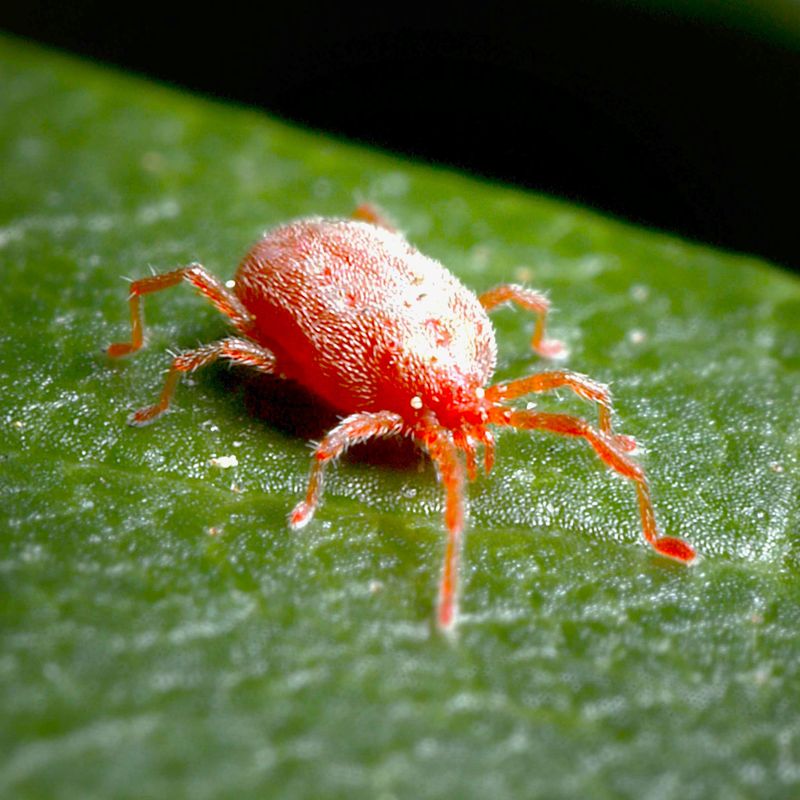
Spider mites are tiny, but they can cause serious trouble for lantana during hot, dry Texas summers. These pests are barely visible to the naked eye, but the damage they leave behind is easy to spot.
Leaves start to look dusty, faded, or speckled with tiny yellow dots, and you might notice fine webbing on the undersides of leaves or between stems.
Hot and dry conditions are exactly what spider mites love. When temperatures climb and humidity drops, their populations can explode in just a few days.
A plant that looks fine on Monday can be heavily infested by Friday. Stressed plants are especially vulnerable, and if your lantana is already struggling from heat or lack of water, spider mites can move in fast and make things worse.
The good news is that spider mites are not impossible to manage. Start by spraying the plant with a strong stream of water, focusing on the undersides of the leaves where mites tend to gather.
Doing this every few days can knock back the population significantly. For heavier infestations, neem oil or insecticidal soap sprays work well and are safe to use around most garden plants and pollinators.
Keeping your lantana healthy is the best defense against spider mites. A plant that is well-pruned, getting enough sun, and not overwatered is much better at resisting pest pressure.
Check the undersides of leaves regularly during the hottest part of summer. Catching a spider mite problem early makes it much easier to handle before it gets out of control and causes lasting damage to your plant.