Why Michigan Gardeners Are Replacing Ground Ivy With These Tick-Deterring Alternatives
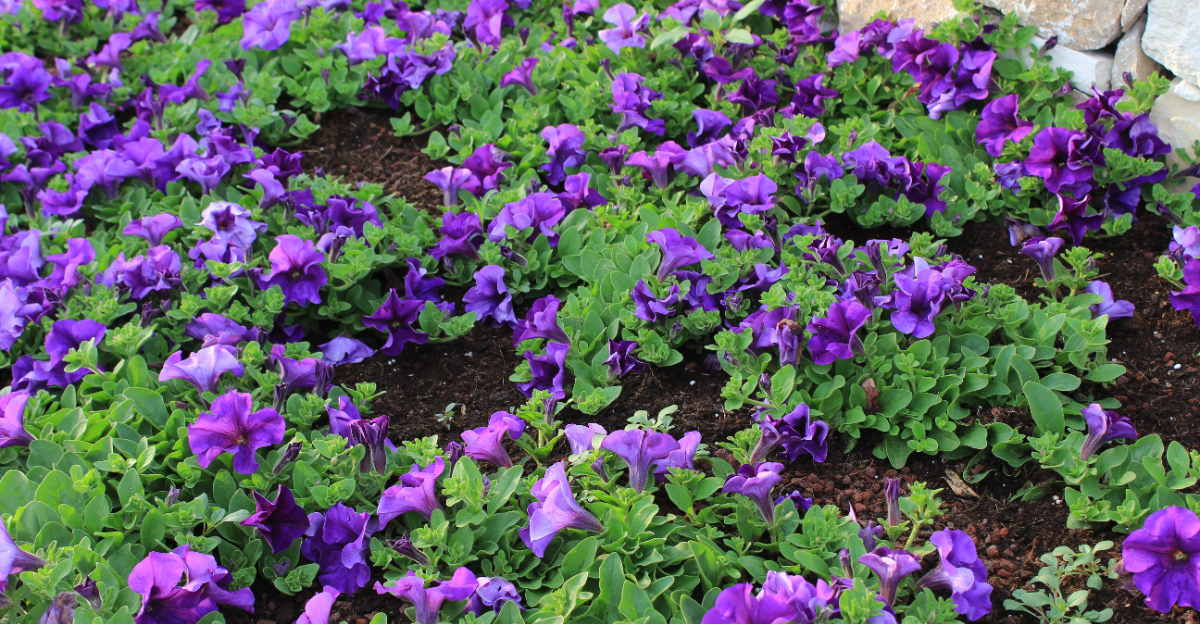
Ground ivy has been creeping through Michigan yards for a long time, filling in shady spots where grass won’t grow and spreading without much encouragement.
It looks harmless enough, but it creates exactly the kind of low, dense ground cover that ticks prefer for shelter and humidity.
More Michigan gardeners are starting to make that connection and looking for something better, not just a different weed, but a ground cover that actually works against tick habitat instead of supporting it.
The alternatives that are gaining traction aren’t just practical either. Several of them bloom, attract pollinators, and look far more intentional than a mat of ivy ever did.
Swapping out ground ivy takes a little effort upfront, but the yards that have made the switch are noticeably more functional heading into the height of tick season.
1. Pennsylvania Sedge
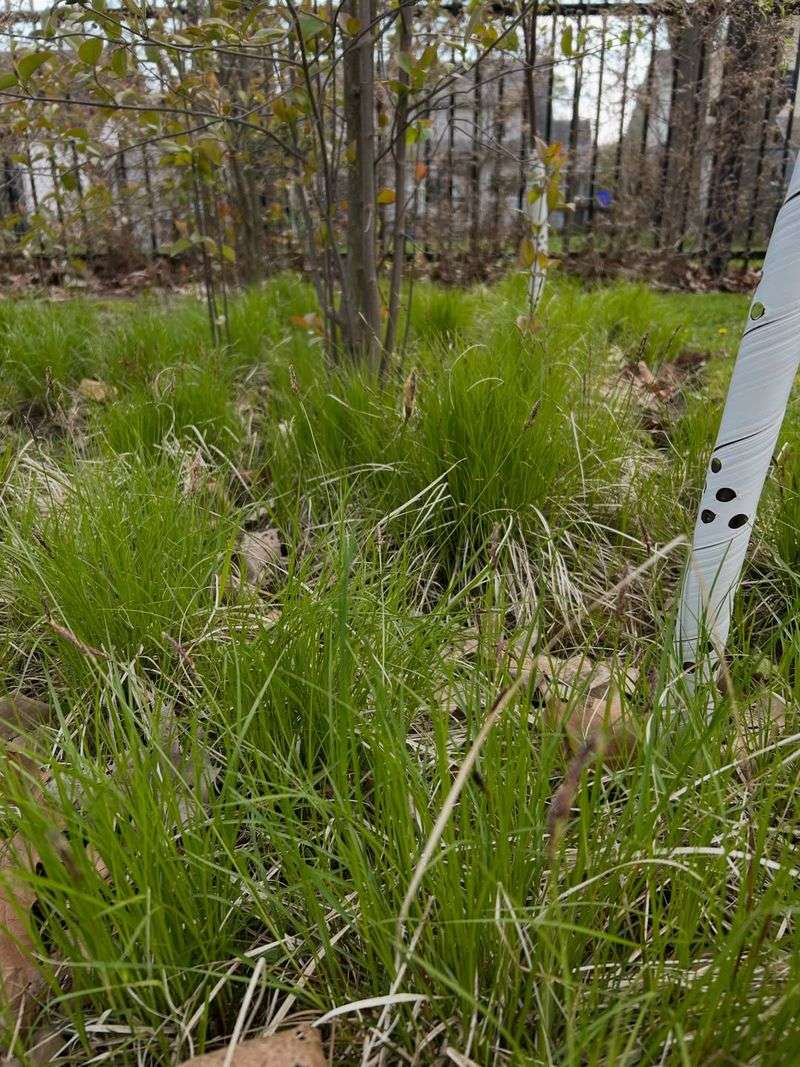
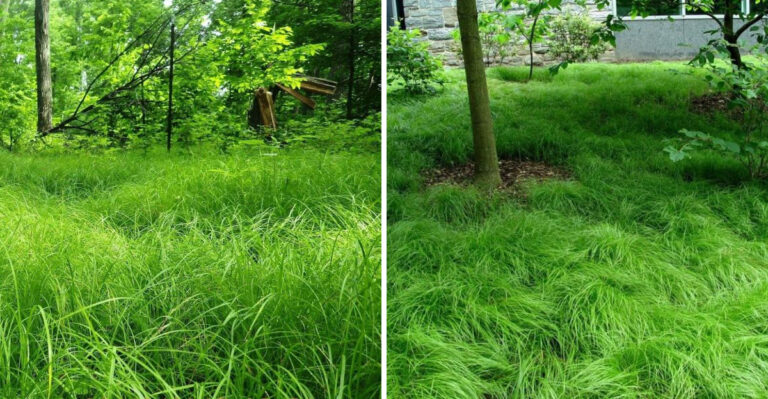
Soft, arching blades and a naturally tidy look make Pennsylvania Sedge one of the most underrated native plants in Michigan. It forms a low, grass-like carpet that stays around six to twelve inches tall without much help from you.
Unlike ground ivy, its open, airy growth habit does not create the dense, moisture-trapping mats that ticks love to hide in.
This sedge thrives in shaded and partly shaded spots, making it a go-to choice for areas under trees where other plants struggle. It handles dry shade remarkably well, which is a tough combination for most ground covers.
Once established, it requires very little watering and virtually no fertilizing, saving you time and money every season.
Pennsylvania Sedge is also a host plant for several native butterfly species, adding real ecological value to your yard. It stays green through most of Michigan’s milder winters, giving your garden a polished look even in the off-season.
Planting it in clusters or drifts creates a natural, woodland feel that looks intentional and beautiful. If you want a low-effort, tick-conscious alternative that actually improves your local ecosystem, this quiet little sedge deserves a serious spot in your planting plan.
2. Wild Strawberry
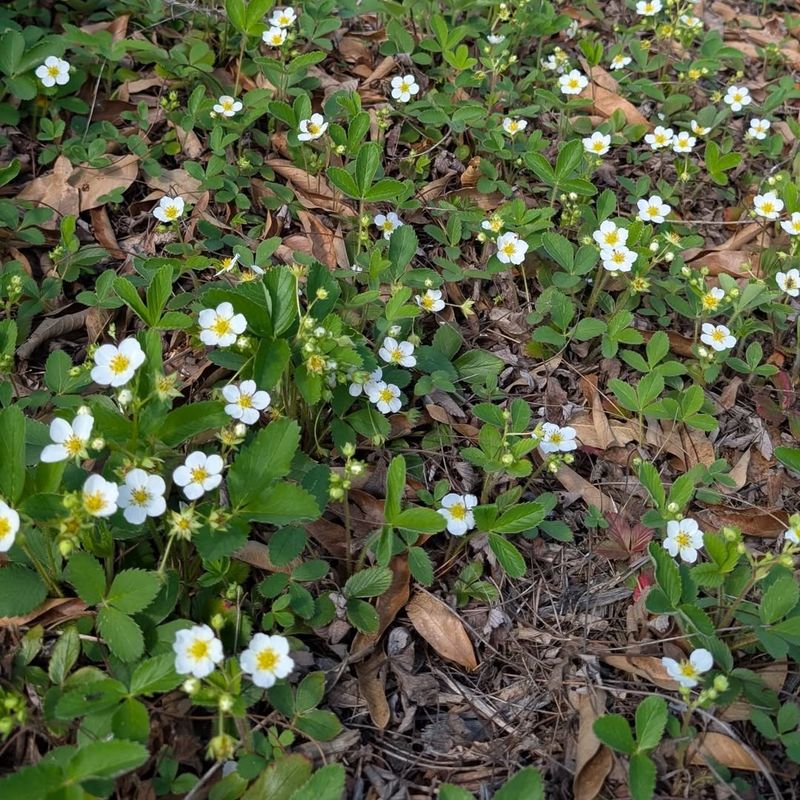
Imagine a ground cover that rewards you with tiny, sweet berries while also keeping your garden looking neat and natural. Wild Strawberry does exactly that, and Michigan gardeners are noticing.
It spreads through runners just like its grocery store cousin, but it stays low and open rather than piling up into the thick, shadowy mats that make ground ivy such a problem for tick control.
The white spring flowers are cheerful and attract pollinators early in the season when bees and butterflies are just waking up. After blooming, it produces small red fruits that birds and wildlife absolutely love, turning your yard into a little habitat hub.
The foliage stays relatively sparse and well-ventilated, which naturally reduces the kind of humid, sheltered microclimate that ticks prefer.
Wild Strawberry grows best in sunny to partly shaded spots with decent drainage, which makes it ideal for lawn edges, slopes, and open garden beds across Michigan. It is surprisingly tough once rooted, handling both heat and cold without much fuss.
Your Michigan Garden Changes Every Week. Your Plan Should Too.
Gardening in Michigan changes quickly throughout the season. Every Friday you’ll receive a simple weekly plan showing exactly what to plant, prune, fertilize, harvest, and protect so you never miss the right timing.
Gardeners who have made the switch often say they were amazed by how quickly it filled in bare spots while keeping things feeling light and breathable. For a ground cover with personality and practical benefits, this native berry plant is hard to beat.
3. Common Violet
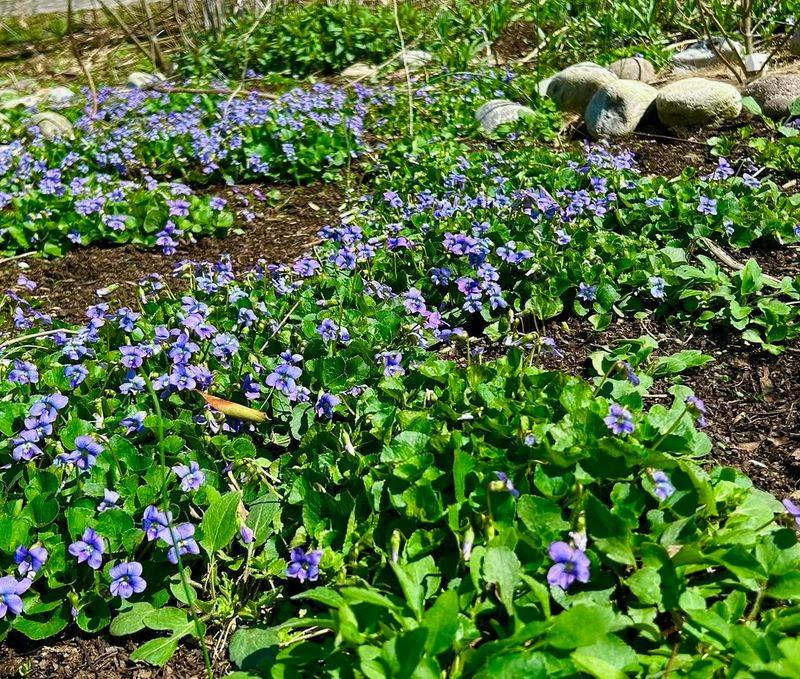
Few spring sights in a Michigan garden are as satisfying as a patch of Common Violet bursting into bloom. Those deep purple flowers pop up in early spring before most other plants even think about waking up, giving pollinators a valuable early food source.
Beyond the beauty, this native violet offers something ground ivy simply cannot: a more open, breathable growth pattern that does not roll out the welcome mat for ticks.
Common Violet handles shade beautifully, settling comfortably under trees and along fence lines where sunlight is limited.
It spreads at a moderate pace through seeds and short rhizomes, filling in gaps without the aggressive takeover that makes ground ivy such a headache to manage.
The heart-shaped leaves stay relatively low, and the plant does not build up the kind of thick, layered mat that creates cozy tick habitat.
One fun fact that surprises many gardeners: the leaves and flowers of Common Violet are actually edible and have been used in salads and teas for centuries.
Beyond that, it serves as a host plant for several native fritillary butterfly species, which makes it a true wildlife powerhouse in a small package.
If you have a shady corner that needs a low-care, ecologically rich ground cover, Common Violet brings color, character, and real environmental value all at once.
4. Wild Geranium
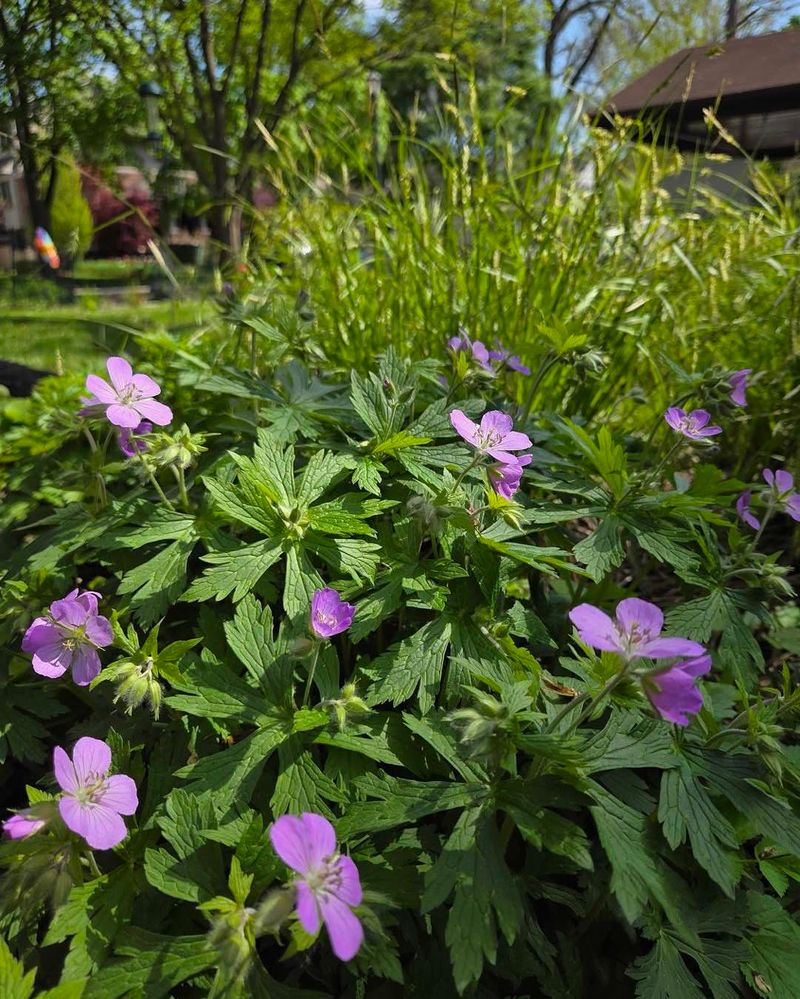
Walk through any Michigan woodland in May and you might spot Wild Geranium lighting up the forest floor with its lavender-pink blooms.
This native perennial is not just pretty to look at; it is also a smart, practical choice for gardeners who want beauty without the tick-harboring risks that come with ground ivy.
Its upright, open growth keeps air moving through the planting, which is exactly the opposite of what ticks are looking for.
Wild Geranium reaches about one to two feet tall during blooming season and then settles back into a tidy, lower mound of deeply lobed leaves through summer.
It prefers partial to full shade and moist, well-drained soil, thriving in the same woodland-edge conditions where ground ivy tends to take over.
Unlike many garden plants, it actually improves over time as it slowly spreads into natural-looking clumps.
Pollinators are huge fans of Wild Geranium, with bumblebees, mining bees, and several butterfly species visiting the flowers regularly throughout spring.
The plant also has a long history in traditional Native American herbalism, adding a layer of cultural richness to its story.
Gardeners who plant it often find it becomes one of their favorite parts of the spring garden, offering reliable color and texture year after year with almost no maintenance required.
5. Foamflower
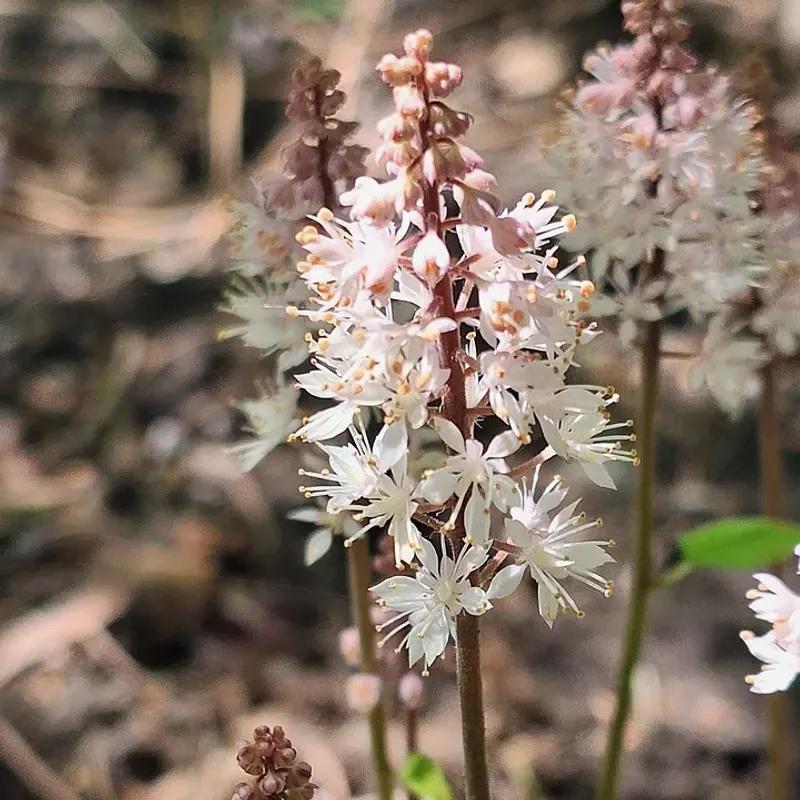
There is something almost magical about Foamflower when it blooms in spring. Delicate white flower spikes rise above a carpet of attractive, maple-shaped leaves, creating a look that feels both wild and refined at the same time.
Michigan gardeners who have swapped ground ivy for Foamflower often say the transformation is stunning, and the bonus is a ground cover that does not create the dense, humid hiding spots that ticks seek out.
Foamflower spreads through stolons, forming a low, connected mat that stays breathable and well-spaced compared to the suffocating carpet of ground ivy.
It thrives in moist, shaded conditions, making it an excellent fit for the shadier parts of Michigan yards, especially near rain gardens or spots that stay consistently damp.
The foliage often develops attractive reddish tones in fall, extending its visual appeal well beyond the spring blooming season.
Native bees and early spring pollinators visit the flowers enthusiastically, making Foamflower a genuinely useful plant for local ecosystems.
It pairs beautifully with Wild Ginger, Ferns, and Pennsylvania Sedge, allowing you to create a layered, naturalistic planting that looks like it belongs there.
Choosing Foamflower is not just a swap; it is an upgrade that brings more beauty, more wildlife value, and a noticeably more tick-unfriendly environment to your garden beds.
6. Wild Ginger
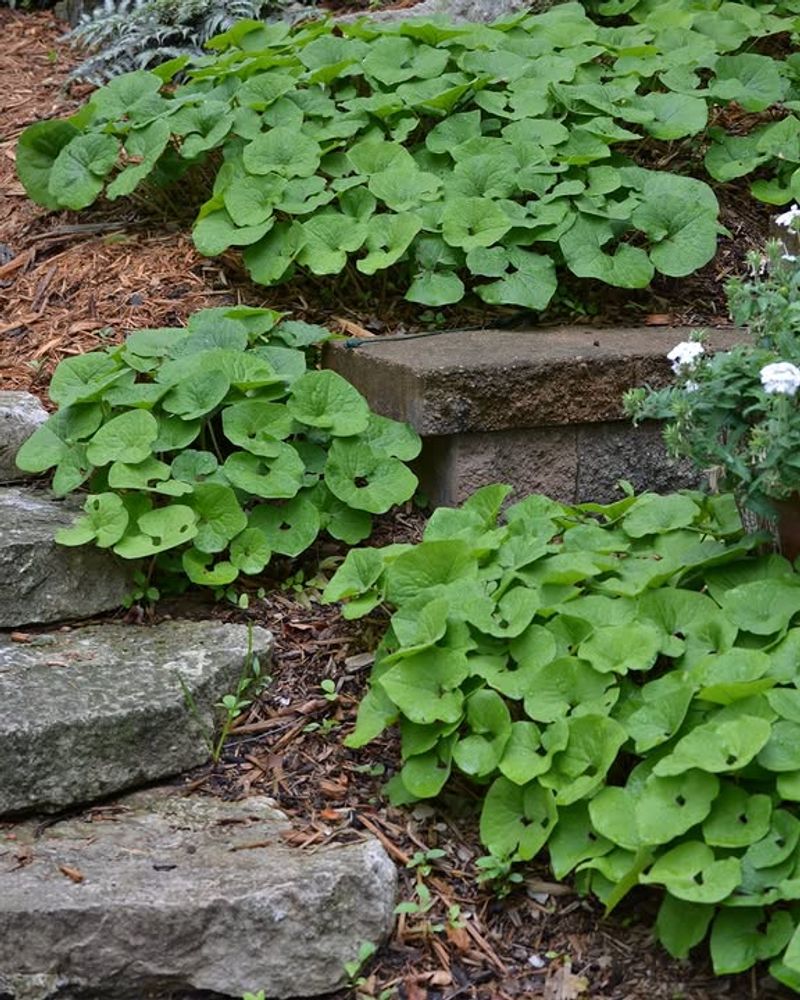
Bold, heart-shaped leaves and a surprisingly tough attitude make Wild Ginger one of the most distinctive native ground covers available to Michigan gardeners.
It forms a lush, low carpet in shaded spots that looks intentional and polished, without the invasive tendencies that make ground ivy such a problem.
The key difference is in how it grows: Wild Ginger spreads slowly and steadily through rhizomes, creating a manageable, breathable layer rather than a suffocating tangle.
Ticks prefer environments with high moisture retention, dense leaf litter, and thick plant cover close to the ground.
Wild Ginger’s growth habit, while covering the ground nicely, does not trap the same level of heat and humidity, especially when kept tidy with occasional edge maintenance.
It handles deep shade exceptionally well, filling in under large trees where few other plants are willing to go.
Interestingly, Wild Ginger does produce small, hidden flowers at ground level in early spring, though they are often missed because the leaves cover them so completely. Despite sharing a name with culinary ginger, it is not the same plant and is not used as a food spice.
Its rhizomes do have a pleasant ginger-like scent when bruised, which is a fun discovery for anyone new to this plant. For shaded Michigan gardens, Wild Ginger is a reliable, beautiful, and ecologically valuable choice that holds its own across all four seasons.
7. Woodland Phlox
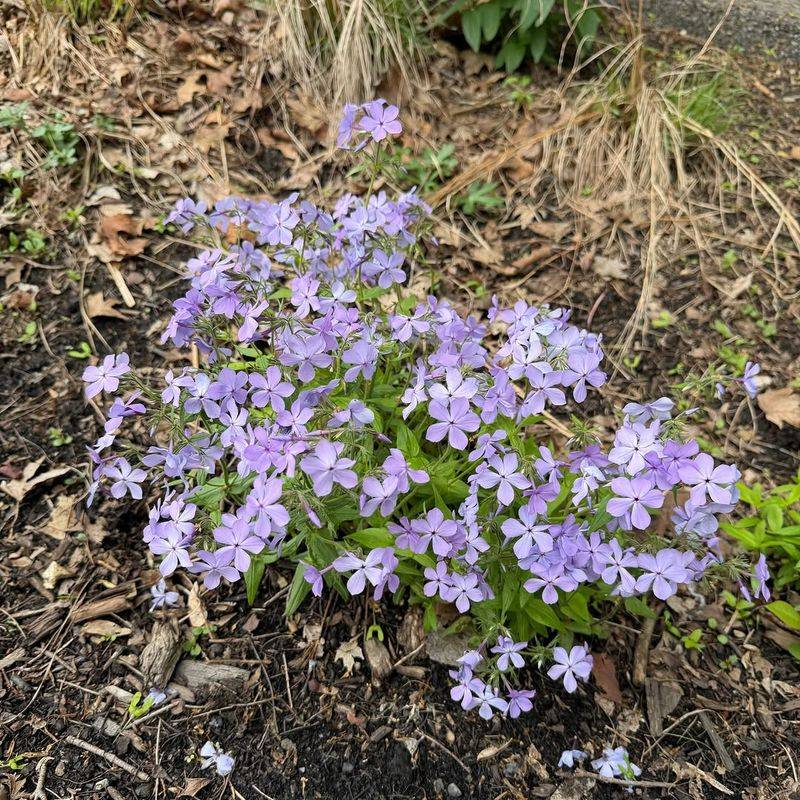
Pale blue flowers drifting across a shaded garden bed in May is one of those spring moments that makes Michigan gardeners genuinely excited to be outside.
Woodland Phlox creates that moment, and it does it while offering a growth habit that is far friendlier from a tick-deterrence standpoint than ground ivy.
The plant spreads loosely and openly, never building up the kind of thick, layered mass that provides shelter for ticks at ground level.
Woodland Phlox grows best in part shade with moist, well-drained soil, settling comfortably into the same woodland-edge environments where ground ivy tends to take over.
It reaches about eight to fourteen inches tall when blooming, then settles into a lower, semi-evergreen mat through the warmer months.
The semi-open texture of its foliage allows airflow and light to reach the soil, which is a natural deterrent to the humid conditions ticks favor.
Hummingbirds, sphinx moths, and native butterflies are strongly attracted to the nectar-rich flowers, making this plant a standout performer for pollinator gardens.
It combines beautifully with Wild Geranium, Ferns, and Foamflower for a layered spring display that looks professionally designed.
Gardeners who plant Woodland Phlox for the first time often find themselves ordering more the following season, because the combination of easy care, stunning spring color, and ecological value is genuinely hard to find in a single plant.
8. Green And Gold
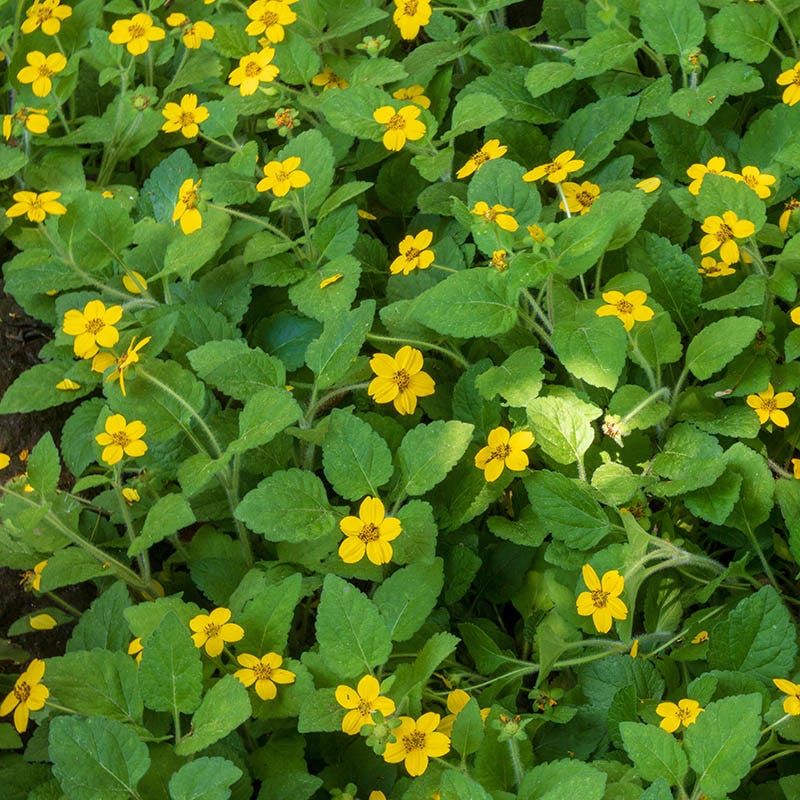
Bright yellow flowers against deep green foliage give Green and Gold an energy that most ground covers simply cannot match.
This cheerful native perennial blooms from spring into early summer and then often produces a second flush of flowers in fall, giving your garden a long season of color.
Michigan gardeners are discovering that it fills in bare spots quickly while maintaining the kind of open, airy structure that does not create ideal tick habitat the way ground ivy does.
Green and Gold adapts well to a range of light conditions, tolerating everything from full sun to fairly deep shade, which makes it unusually versatile for Michigan landscapes.
It stays low, typically reaching just six to nine inches, and spreads through both stolons and seeds at a manageable pace. The plant handles drought reasonably well once established, reducing the need for regular watering after the first growing season.
Native bees visit the sunny flowers enthusiastically, and the dense but breathable foliage provides light ground cover that supports soil health without trapping excessive moisture.
One thing gardeners particularly appreciate is how tidy it looks along walkway edges and in formal-style beds, where ground ivy tends to look messy and uncontrolled.
If you want a ground cover that works hard, looks good, and keeps your garden feeling open and fresh rather than overgrown, Green and Gold earns a permanent spot in your planting rotation.
9. Partridgeberry
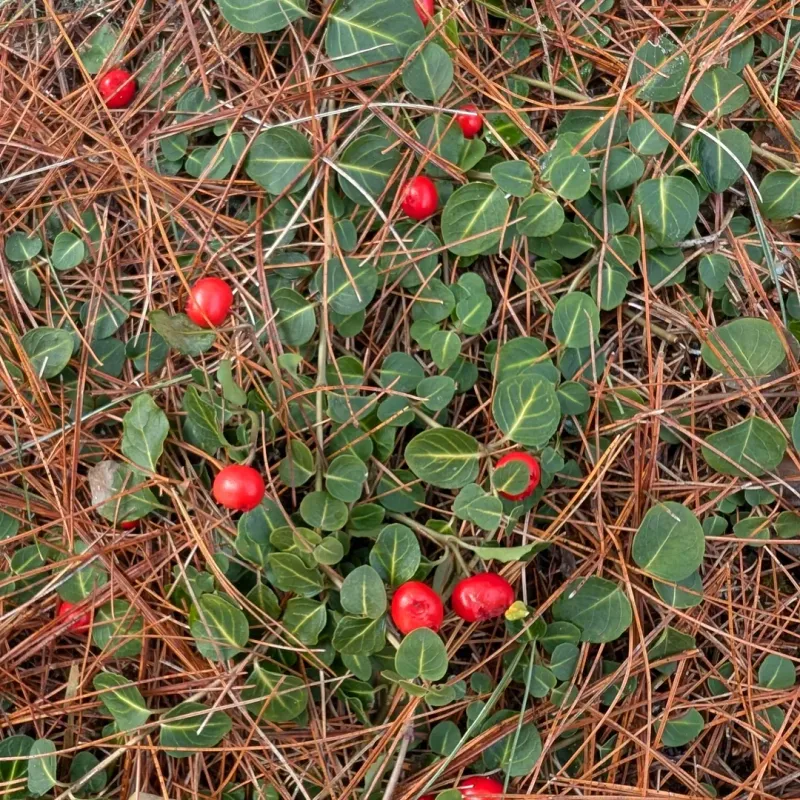
Tiny, glossy leaves and bright red winter berries make Partridgeberry one of the most charming native ground covers you can grow in Michigan.
It hugs the ground closely, forming a dense but delicate-looking mat that stays evergreen through the winter, giving your garden color and life even when everything else has gone dormant.
Unlike ground ivy, Partridgeberry grows slowly and stays relatively thin, which means it does not build up the moist, layered environment that ticks rely on for shelter.
Partridgeberry thrives in shaded, woodland conditions with acidic, well-drained soil, making it a natural fit under pine trees, oaks, and along the edges of wooded areas in Michigan backyards.
It is a slow grower, so patience is key, but once established it is remarkably resilient and virtually maintenance-free. The plant rarely needs trimming, fertilizing, or extra watering once it has settled into its spot.
Small white tubular flowers appear in late spring and early summer, and these eventually develop into the red berries that persist well into winter, attracting birds like thrushes and grouse. The berries are edible for humans too, though they are fairly bland on their own.
Beyond the aesthetics, Partridgeberry plays a quiet but meaningful role in supporting native woodland ecosystems.
For shaded Michigan gardens where you want something truly low-effort, evergreen, and ecologically connected, Partridgeberry is a hidden gem worth seeking out.