The Most Underrated Michigan Native That Helps Keep Japanese Beetles Away From Roses And Fruit Trees
Japanese beetles in Michigan follow very predictable preferences, and roses and fruit trees sit near the top of their target list every single summer without exception. Gardeners who grow both are used to spending significant time and energy managing beetle pressure on these plants through the peak of the season.
What rarely comes up in those conversations is a native plant with documented repellent properties that works as a strategic companion when placed near vulnerable roses and fruit trees. It is not a complete solution on its own, but as part of a broader planting strategy it reduces beetle activity in ways that are noticeable and repeatable season after season.
For Michigan gardeners tired of losing ground to beetles every July, this plant belongs in the conversation immediately.
1. Dense Foliage Deterrent
Picture your roses standing tall in midsummer, completely unbothered by Japanese beetles, while the neighbor’s garden looks like a buffet. That’s the kind of protection a well-placed Chokeberry shrub can help provide.
The secret lies in the plant’s dense, upright leaf structure, which creates a unique microenvironment that beetles tend to find unappealing.
Japanese beetles are picky about where they gather and feed. They prefer open, sun-soaked plants with soft foliage that’s easy to chew through.
Chokeberry’s thick, waxy leaves and tightly packed growth habit simply don’t match what beetles are looking for in a meal. When you plant Chokeberry nearby, it essentially shifts the local environment in a way that disrupts beetle feeding patterns.
Strategically placing Chokeberry shrubs around the perimeter of your rose beds or fruit trees creates a kind of living buffer zone. Beetles that land in the area are more likely to move on rather than settle in.
This isn’t a guaranteed force field, but many gardeners suggest noticeable reductions in beetle damage near established Chokeberry plantings.
For best results, plant Chokeberry within five to ten feet of your most vulnerable plants. A grouping of two or three shrubs creates a denser microenvironment than a single plant.
Over time, as the shrubs fill in and mature, their protective effect becomes even more pronounced, making your garden a much less inviting destination for hungry beetles season after season.
2. Pollinator-Friendly Flowers
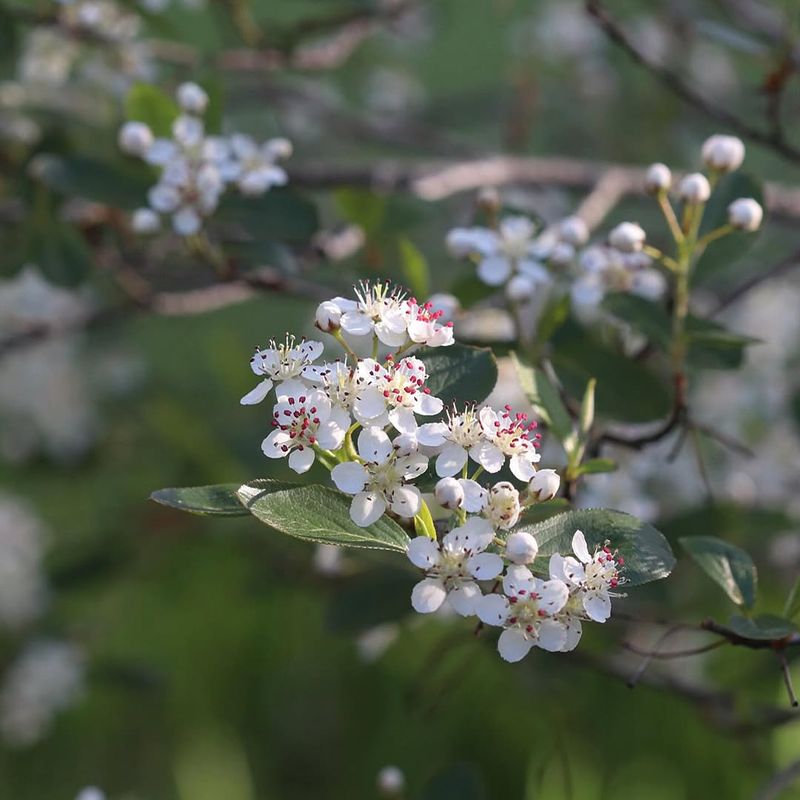
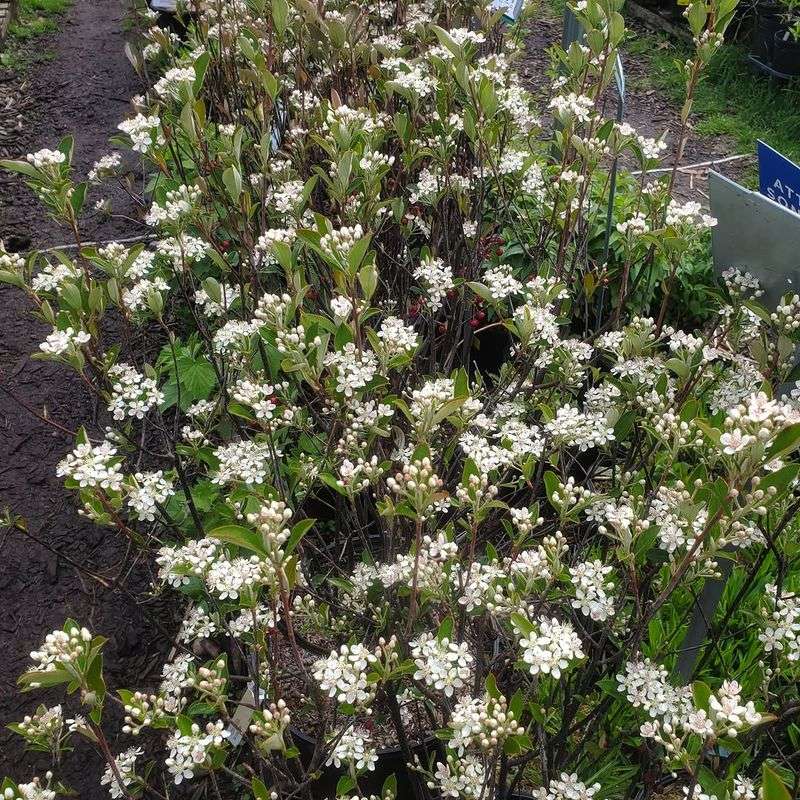
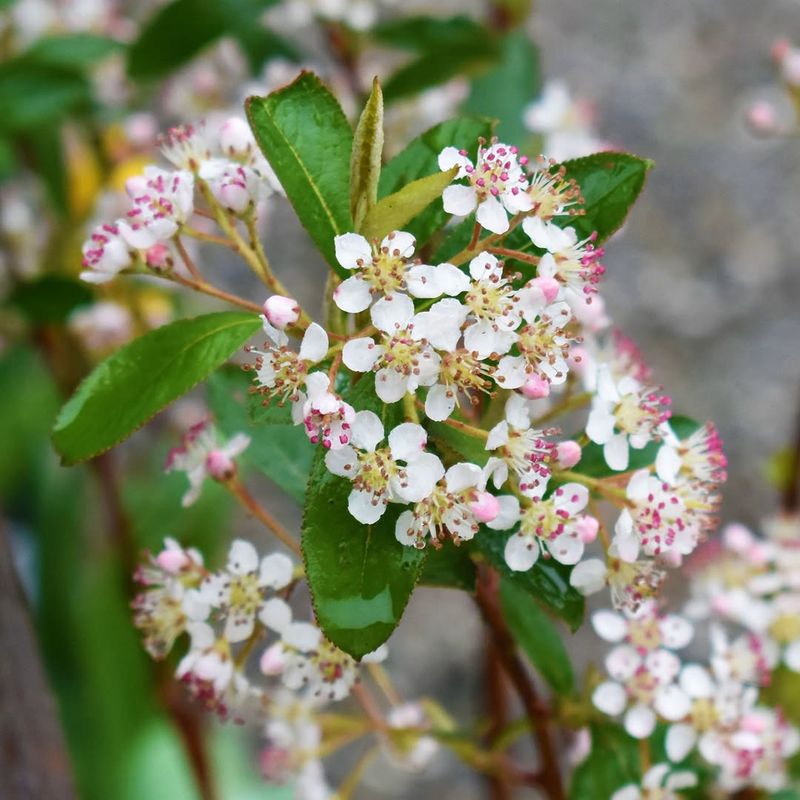
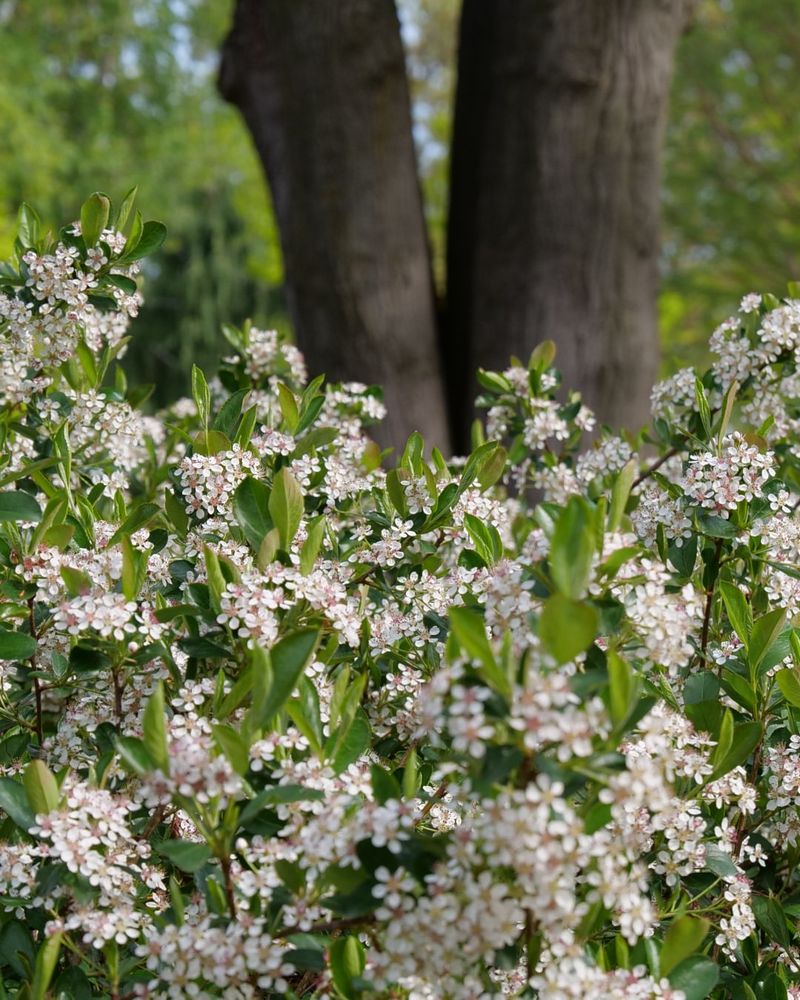
Every spring, Chokeberry puts on a show that pollinators simply cannot resist. Clusters of small, bright white flowers appear in May, right when bees, butterflies, and native insects are waking up and searching for reliable food sources.
This timing is no accident. It makes Chokeberry one of the most valuable early-season plants you can grow in a Michigan landscape.
Those visiting pollinators don’t just enjoy the flowers and leave. They stick around your garden, moving from the Chokeberry blooms to your roses, fruit trees, and vegetable beds.
More pollinator activity means better fruit set on your apple, cherry, and peach trees. It also means healthier, more robust rose blooms throughout the season.
One native shrub quietly boosts the productivity of your entire backyard ecosystem.
Bumblebees especially love Chokeberry flowers. Since bumblebees are among the most effective pollinators for fruit crops, having them visit your garden regularly gives your harvest a real boost.
Your Michigan Garden Changes Every Week. Your Plan Should Too.
Gardening in Michigan changes quickly throughout the season. Every Friday you’ll receive a simple weekly plan showing exactly what to plant, prune, fertilize, harvest, and protect so you never miss the right timing.
Monarch butterflies and native sweat bees also frequent the blooms, adding beautiful movement and color to your yard during spring.
Beyond the pollination benefits, a garden buzzing with beneficial insects tends to have better natural balance overall. When good insects thrive, pest populations face more natural competition and pressure.
Planting Chokeberry isn’t just about adding a pretty shrub. It’s about building a garden environment where helpful creatures feel welcome, and where your roses and fruit trees get the consistent pollination support they need to truly flourish throughout the growing season.
3. Bird-Attracting Berries
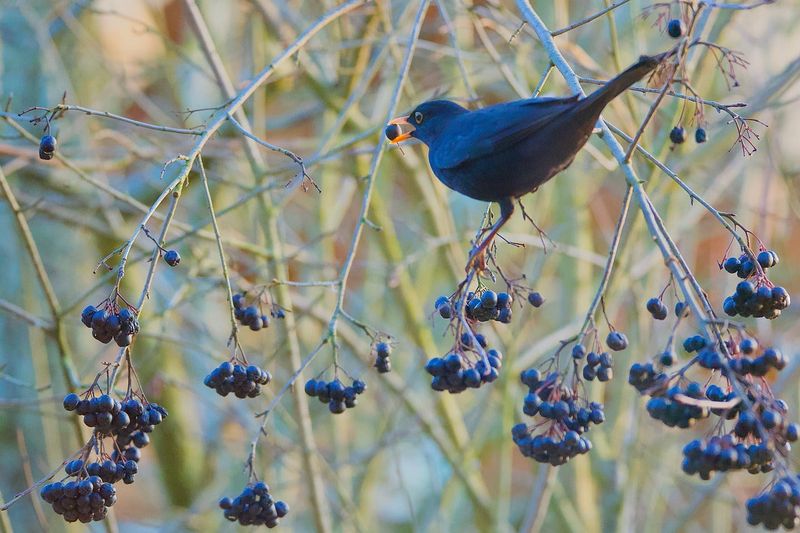
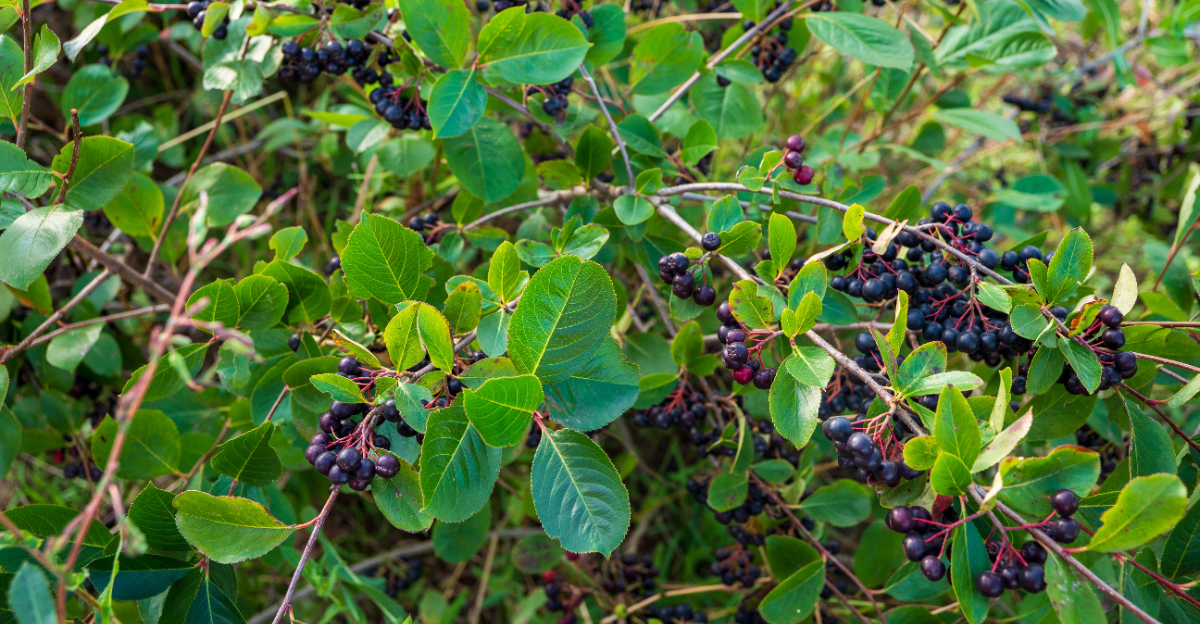
By late summer and into fall, Chokeberry transforms into something truly spectacular. The shrub becomes loaded with small, glossy black berries that practically glow against the plant’s deep green foliage.
What happens next is one of the most rewarding parts of growing this native plant. Birds descend on the berries in waves, turning your backyard into a lively, natural feeding station.
Cedar waxwings, robins, catbirds, and thrushes are among the most frequent visitors drawn in by Chokeberry’s fruit. These birds are not just pretty to watch.
Many of them actively feed on soft-bodied garden pests, including larvae and insects that damage ornamental plants and fruit trees. Welcoming them into your yard creates a natural pest management team that works around the clock without any effort from you.
One thing gardeners appreciate about Chokeberry berries is that birds consume them quickly and cleanly. Unlike some fruiting shrubs that drop messy, fermenting berries onto walkways and lawns, Chokeberry fruit tends to get eaten before it has a chance to create any mess.
That makes it an easy, low-drama addition to any landscape.
Increasing bird diversity in your garden also improves biodiversity in a broader sense. A yard that supports multiple bird species creates a richer, more balanced habitat for all kinds of wildlife.
Over several seasons, you’ll likely notice a wider variety of birds visiting regularly, each one contributing to the health and vitality of your Michigan garden in its own unique and fascinating way.
4. Low Maintenance Growth
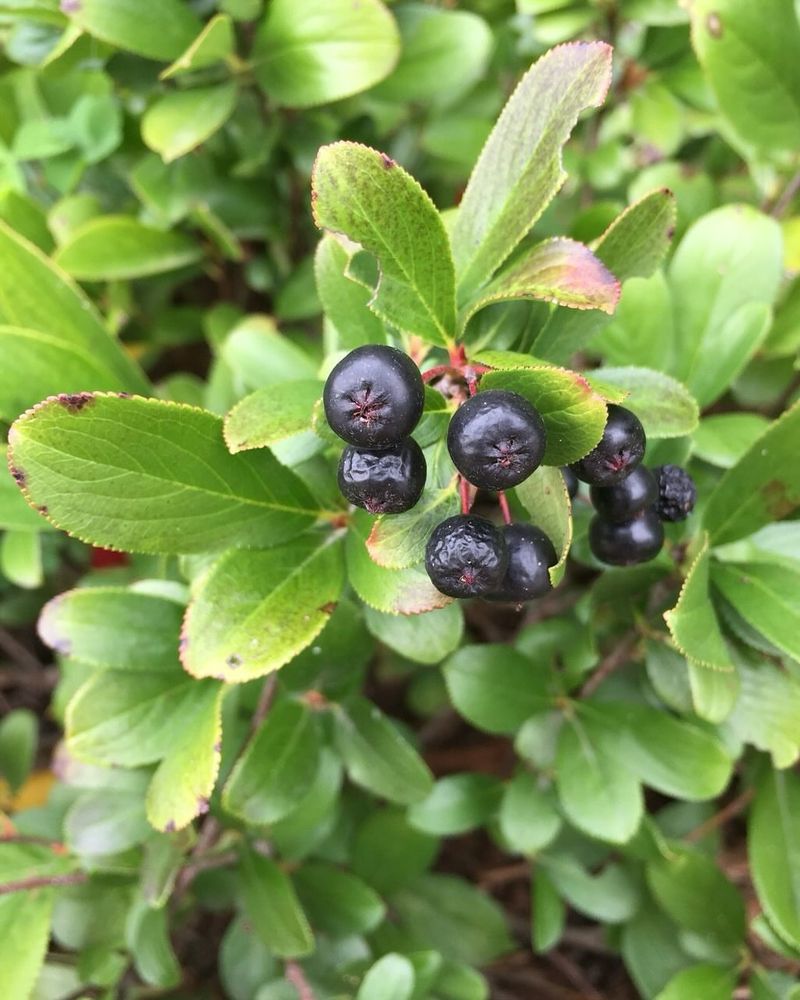
Not every gardener has hours to spend on plant care, and that’s perfectly fine when Chokeberry is part of your landscape. This shrub is genuinely one of the easiest native plants you can grow in Michigan, requiring far less attention than roses, fruit trees, or ornamental grasses.
Once it gets established in its first season, it largely takes care of itself.
Watering needs are minimal after the first year. Chokeberry has deep roots that seek out moisture efficiently, making it surprisingly drought-tolerant once settled in.
During dry spells in the first growing season, water deeply once or twice a week to help the root system establish. After that, rainfall alone is usually enough to keep the plant healthy and thriving through Michigan summers.
Pruning is simple and infrequent. Once every two to three years, cut out any old, woody stems at the base to encourage fresh growth from the center of the shrub.
This keeps the plant looking tidy and ensures it continues producing flowers and berries at its best. You don’t need special tools or timing tricks.
A clean pair of loppers and about fifteen minutes of work is genuinely all it takes.
Fertilizing is rarely necessary. Chokeberry thrives in average garden soil without added nutrients, which saves you both time and money over the long run.
No spraying, no staking, no complicated seasonal rituals. For gardeners who want a plant that delivers real benefits year after year without demanding constant attention, Chokeberry is honestly hard to beat in any Michigan yard.
5. Soil Versatility
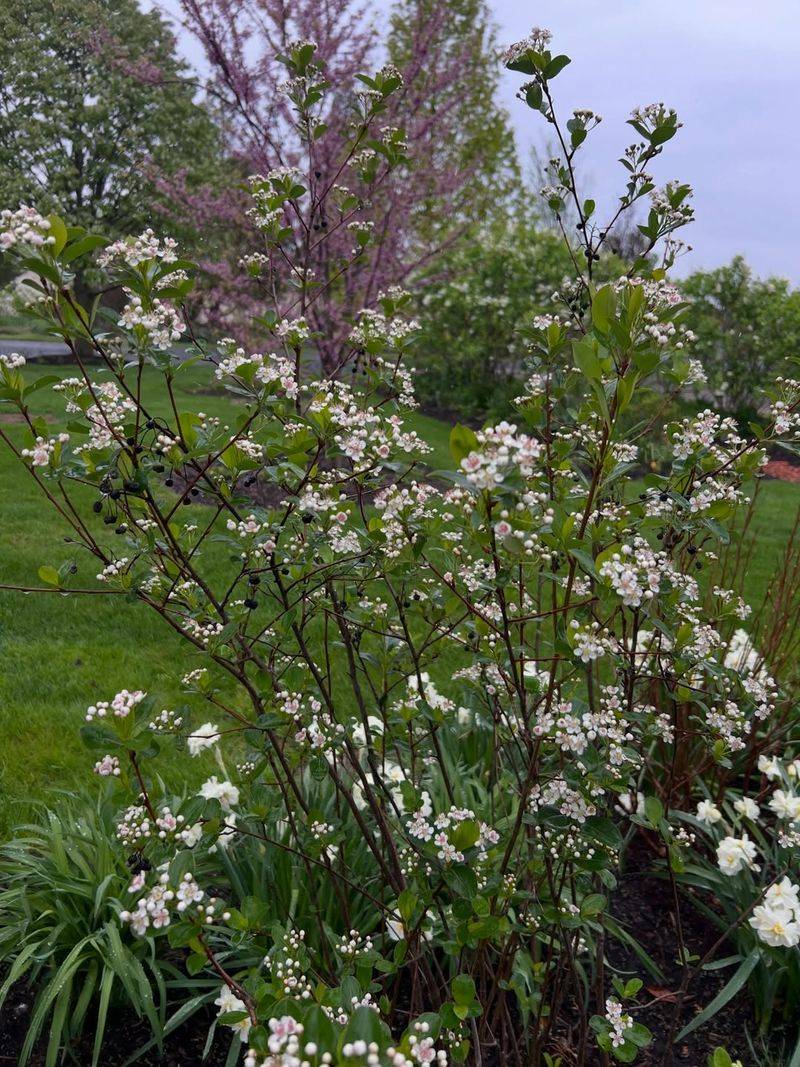
Michigan soil is famously inconsistent. Drive ten miles in any direction and you might go from heavy clay to sandy loam to rich, dark topsoil.
Most ornamental shrubs struggle when planted in the wrong soil type, but Chokeberry handles the full range with impressive ease. That adaptability alone makes it one of the most practical native plants available to Michigan homeowners.
Clay soils, which are common in many parts of southeast and west Michigan, can suffocate the roots of plants that need good drainage. Chokeberry tolerates clay remarkably well, partly because it naturally grows near wetlands and stream edges where moisture levels are high and soil is often dense.
It doesn’t just survive in clay. It actually produces healthy growth and fruit even when drainage is less than ideal.
Sandy soils present the opposite challenge, draining too quickly and holding very little moisture or nutrition. Again, Chokeberry handles this with ease.
Its efficient root system pulls water from deeper layers and adapts to nutrient-light conditions without complaint. Adding a layer of mulch around the base helps retain moisture in sandy spots and gives the plant an extra boost during dry stretches.
Loam soils, the gardener’s dream, are where Chokeberry truly thrives and grows most vigorously. But the real value here is knowing that wherever your Michigan yard sits on the soil spectrum, this shrub will grow well without requiring expensive amendments or extensive soil preparation.
Plant it, water it in, mulch around the base, and watch it adapt beautifully to whatever conditions your yard throws at it.
6. Cold Hardy
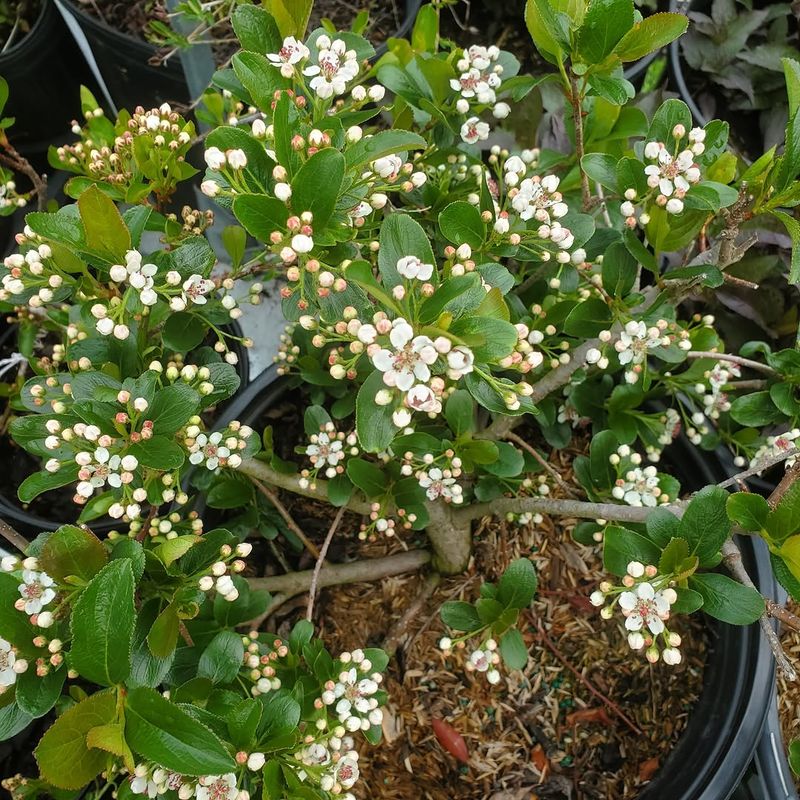
Michigan winters are not for the faint of heart, and neither are Michigan gardeners. After months of freezing temperatures, heavy snow, and brutal wind chills, the last thing you want is to discover that your carefully planted shrubs didn’t make it through the season.
Chokeberry eliminates that worry entirely. It is rated hardy to USDA Zone 3, which means it handles temperatures well below what Michigan winters typically deliver.
Even in the Upper Peninsula, where winters are among the harshest in the continental United States, Chokeberry comes through reliably. The plant goes dormant in late fall after a beautiful display of red and purple fall foliage, storing energy in its root system throughout the winter months.
When spring arrives, it wakes up quickly and resumes growth without skipping a beat.
That cold hardiness directly supports its role as a Japanese beetle deterrent. A plant that survives and returns strong every spring provides consistent, year-after-year protection around your roses and fruit trees.
You won’t need to replant it, baby it through winter, or worry about losing it to a late-season cold snap. It simply comes back, stronger and more established each growing season.
Another bonus is that Chokeberry’s fall color is genuinely stunning. As temperatures drop, the leaves shift from green to brilliant shades of orange, red, and burgundy.
So while the plant is winding down for winter, it’s also putting on one of the best color displays in the garden. Cold hardiness and seasonal beauty in one tough, reliable native package is a combination that’s hard to argue with.
7. Non-Invasive
One of the biggest concerns gardeners have about planting shrubs that spread by suckers is losing control of their landscape over time. Nobody wants a plant that starts as a tidy accent shrub and ends up taking over the flower beds within a few seasons.
Fortunately, Chokeberry spreads slowly and predictably, making it one of the most manageable native shrubs you can add to a Michigan yard.
Chokeberry does produce offshoots, or suckers, from its root system. But these spread gradually, staying close to the parent plant rather than racing outward aggressively.
Most gardeners find that a clump of Chokeberry expands only a few inches per year, giving you plenty of time to manage its footprint before it ever becomes an issue. A simple pass with a spade in spring keeps everything exactly where you want it.
When planning where to plant Chokeberry, give each shrub about four to five feet of space from neighboring plants and structures. This allows the plant to reach its natural size, typically five to eight feet tall and four to six feet wide, without crowding anything nearby.
In tighter spaces, you can keep it smaller with light annual pruning without stressing the plant at all.
For gardeners who want a formal look, Chokeberry responds well to shaping. It holds a neat, upright form naturally, but you can trim it to fit a more structured landscape design if needed.
The combination of slow spread, manageable size, and easy containment makes Chokeberry a genuinely stress-free addition to Michigan gardens of all sizes and styles.
8. Companion Planting Benefits
Smart gardeners know that plants work better together than they do alone. Companion planting is the practice of grouping plants strategically so they support each other’s health and growth.
Chokeberry fits into this approach beautifully, especially when you’re trying to protect roses and fruit trees from Japanese beetles while also building a more vibrant, biodiverse Michigan garden.
Planted alongside roses, Chokeberry creates a layered border that disrupts beetle movement through the garden. Beetles that encounter the dense Chokeberry foliage are less likely to push through to the softer, more appealing rose petals behind it.
Meanwhile, the pollinators drawn in by Chokeberry’s spring flowers move directly onto the roses, improving bloom quality and overall plant health in the same season.
Near fruit trees like apples, cherries, and pears, the benefits stack up even further. Chokeberry’s pollinator activity supports better fruit set, while its berry crop attracts insect-eating birds that help keep pest populations in check naturally.
Pairing Chokeberry with native Michigan plants like serviceberry, ninebark, or wild bergamot deepens these benefits by creating a multi-layered habitat that supports an even wider range of helpful insects and birds.
Think of companion planting with Chokeberry as building a team rather than relying on a single player. Each plant contributes something different, and together they create an environment where your garden thrives with far less intervention from you.
Over time, a thoughtfully layered Michigan garden anchored by Chokeberry becomes more resilient, more productive, and honestly more beautiful than any single-species planting ever could be.