7 Low-Maintenance Georgia Plants That Clean Up Sloped Yards
A sloped yard in Georgia is one of those problems that looks simple until you try to solve it. Mowing at an angle is awkward at best and dangerous at worst. Every heavy rain takes a little more soil downhill. The bare patches spread.
The weeds move in. And the whole hillside starts looking like something nobody is in charge of.
Many Georgia homeowners try to fix slopes the same way they fix flat ground, and that is exactly where things go wrong. Slopes have different rules.
Moisture, erosion, and sun all shift, and a flat-bed plant can fail completely just feet away on a hill. But some plants were practically designed for this situation.
They spread aggressively, root deeply, and ask for very little once established. The right plant on a slope does not just solve the erosion problem.
It eliminates the maintenance problem entirely. What does that combination look like in a Georgia yard? Well, it’s more interesting than many people expect.
1. Plant Creeping Juniper To Tidy Sunny Slopes
Sunny slopes have a reputation for being almost impossible to tame. Creeping juniper has spent decades proving that reputation wrong.
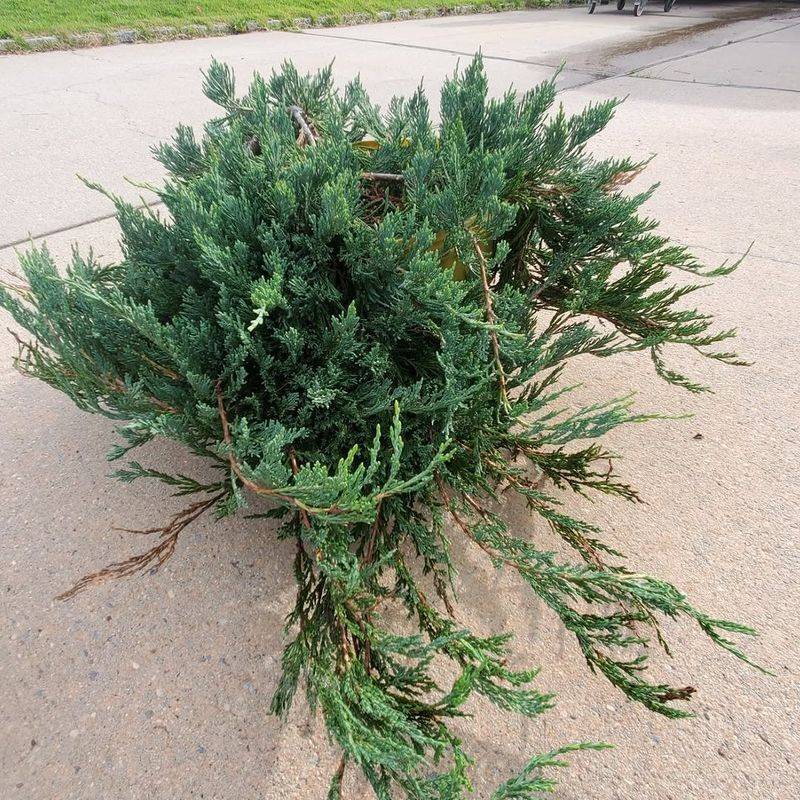
Juniperus horizontalis is a low-growing evergreen that spreads outward rather than upward, forming a dense mat that shades the soil below and makes weed germination genuinely difficult.
The flat growth habit is exactly what a sunny hillside needs. It covers ground without creating a maintenance situation of its own.
Typical height stays under two feet while spread reaches several feet wide, depending on variety and conditions. That ratio, wide and low, is what gives it value on a slope.
The foliage holds its blue-green or steel-blue color through winter, with some varieties taking on a purple tint in colder months. Functional and visually interesting year-round.
Establishment requires patience and consistent watering through the first season. Roots need time to anchor properly into the hillside before the plant can handle dry periods on its own.
After that first season, supplemental irrigation becomes largely unnecessary across most Georgia regions.
Heavy clay soil without amended drainage causes problems. Standing water around the roots does more damage than drought ever would. A well-drained site is the non-negotiable part of the equation.
Space plants according to mature spread and coverage fills in within a few seasons. Once rooted in, creeping juniper runs the slope independently.
An occasional edge trim is about the full extent of what it asks for in return. That is a reasonable trade for a permanently covered hillside.
2. Use Asiatic Jasmine For Evergreen Slope Coverage
Asiatic jasmine is the groundcover that rewards patience with permanence. It starts slowly, builds steadily, and eventually blankets a slope so thoroughly that bare soil becomes a distant memory.
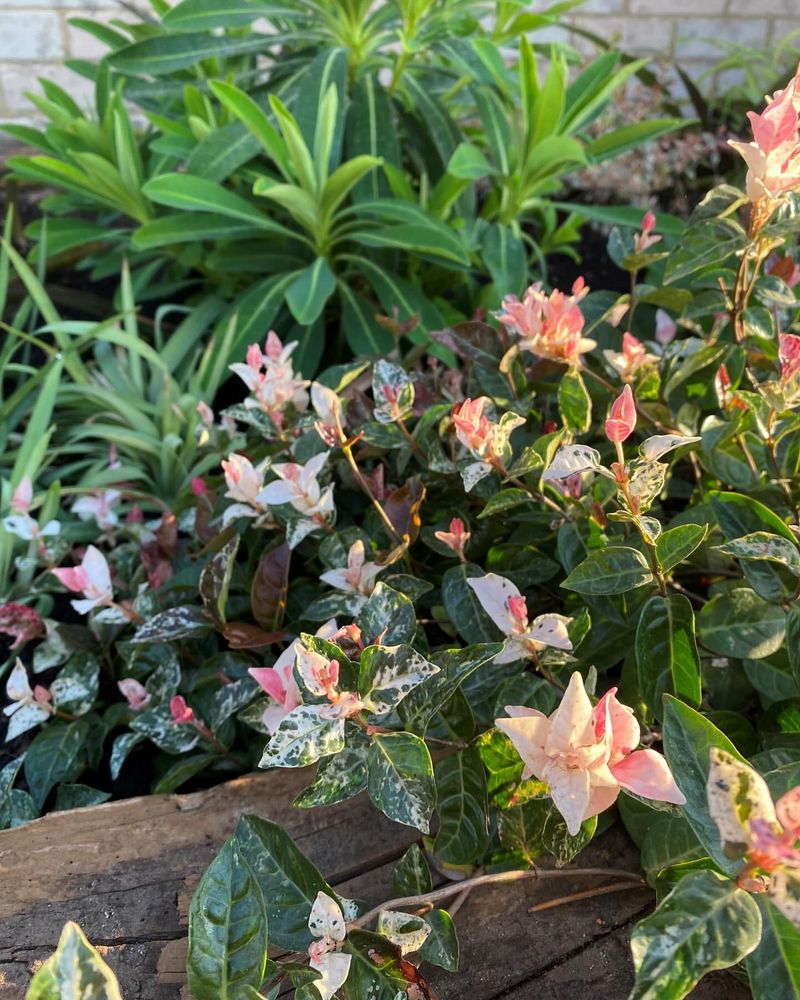
Trachelospermum asiaticum is a woody, vining groundcover that roots as it spreads. The glossy, dark green leaves stay on the plant year-round, which means the slope looks covered and intentional in every season.
It handles heat, humidity, sun, and partial shade with equal composure. That flexibility makes it genuinely useful across a range of slope situations that other groundcovers would find limiting.
Your Georgia Garden Changes Every Week. Your Plan Should Too.
Gardening in Georgia changes quickly throughout the season. Every Friday you’ll receive a simple weekly plan showing exactly what to plant, prune, fertilize, harvest, and protect so you never miss the right timing.
However, the establishment period is where most people lose faith. Asiatic jasmine can look frustratingly slow in its first year.
First year it sleeps, second year it creeps, third year it leaps. Consistent moisture and mulch around new plants during establishment keeps that timeline on track.
Once coverage kicks in, a single annual mowing or shearing keeps the planting from going woody and encourages fresh, dense growth. That one session per year is the full maintenance commitment.
Avoid spots with poor drainage or heavy shade with no air movement. Give it a workable site and it will hold that slope for years without asking for much in return.
3. Grow Liriope To Edge Sloped Garden Beds
Liriope does something many plants on a slope can’t manage. It makes the whole thing look like it was planned.
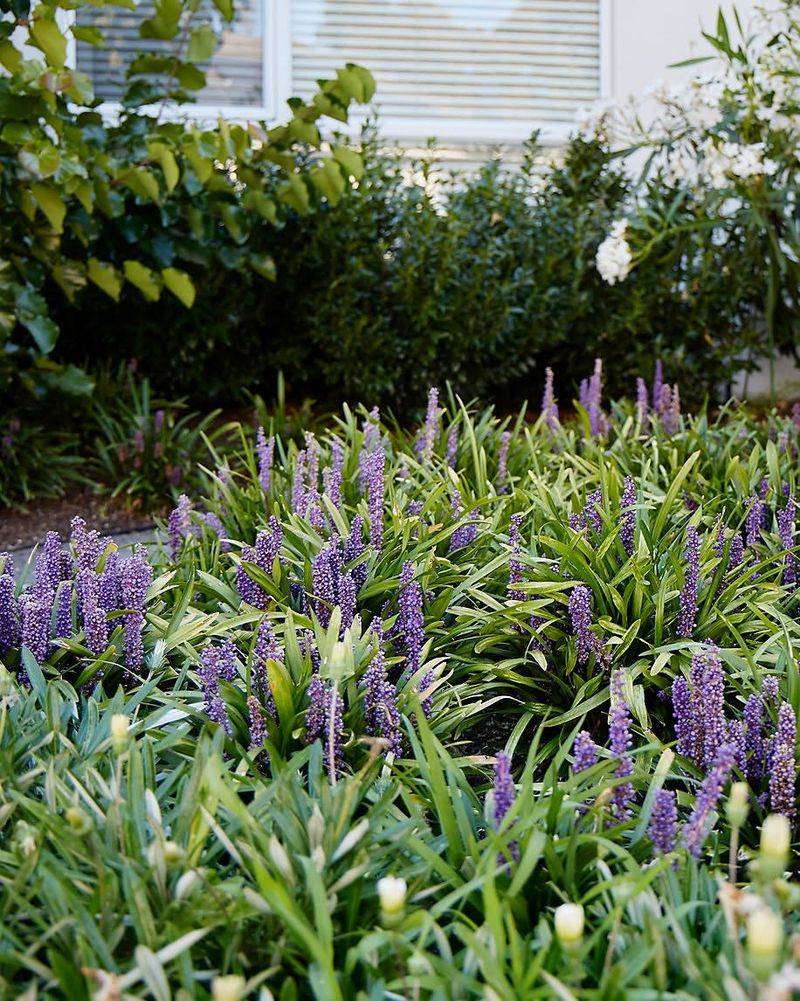
Those arching, strap-like leaves form tidy clumps that define edges clearly even on uneven ground. When a hillside bed starts looking ragged between larger shrubs, liriope fills the gaps without overwhelming the surrounding planting.
Liriope muscari handles heat, moderate drought after establishment, and partial shade without complaint. That combination of tolerances makes it practical across a wide range of Georgia slope conditions.
Purple flower spikes appear in late summer and add a genuine pop of seasonal color before giving way to dark berries. Even when it is not blooming, the foliage holds its structure and keeps the edge looking sharp.
The fibrous root system grips soil along slope borders and reduces surface erosion where beds meet open lawn or mulched areas. That erosion control is quiet and invisible until a heavy rain makes the difference obvious.
Clumps spread slowly over time and thicken without becoming invasive in most Georgia settings. Dividing established clumps every few years keeps them full and productive.
Late winter cutback, a single pass with a mower set high, removes old foliage before new growth pushes through. Ten minutes of work sets up a full season of clean edges.
Few plants offer that return on investment.
4. Try Mondo Grass For Clean Low Borders
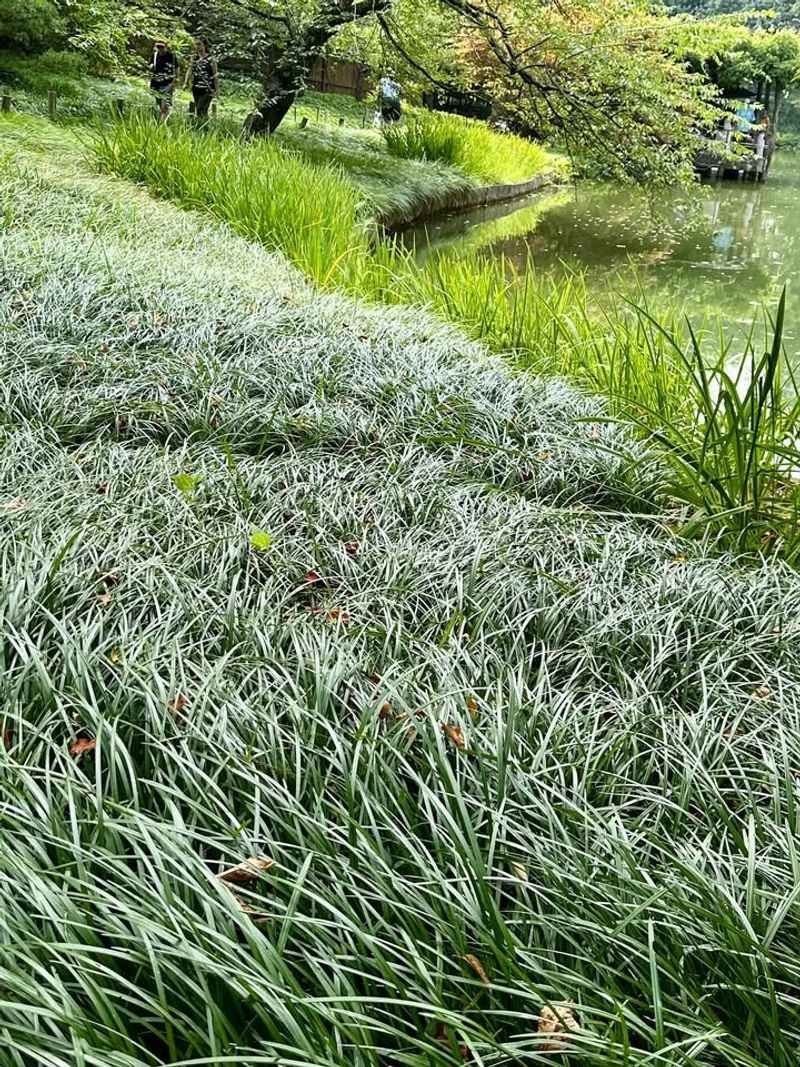
Some plants stay exactly where they are supposed to stay. Mondo grass is one of them, and that reliability is worth more than it sounds on a sloped yard.
Ophiopogon japonicus grows slowly, stays low, and forms a neat, uniform carpet that holds its shape without constant intervention. The growth habit is genuinely tidy in a way that other groundcovers require regular shearing to mimic.
Standard varieties reach six to ten inches tall. Dwarf selections stay even shorter, sometimes topping out at two or three inches.
Shaded hillsides under tree canopies are where mondo grass genuinely performs at its best. The fine-textured foliage creates a soft, lawn-like appearance without the mowing.
Full sun slopes that dry out quickly are a tougher assignment, since it lacks the drought resilience of creeping juniper or daylilies.
Moderate to consistent moisture is part of the site requirement. Get that right and it rewards the garden with years of clean, consistent coverage that asks almost nothing in return.
Establishment is slow. Planting at closer spacing speeds up coverage, and mulching between plants through the first season prevents weeds from taking advantage of the gaps.
Once filled in, the border maintains itself with minimal attention season after season.
5. Add Daylilies For Color On Gentle Slopes
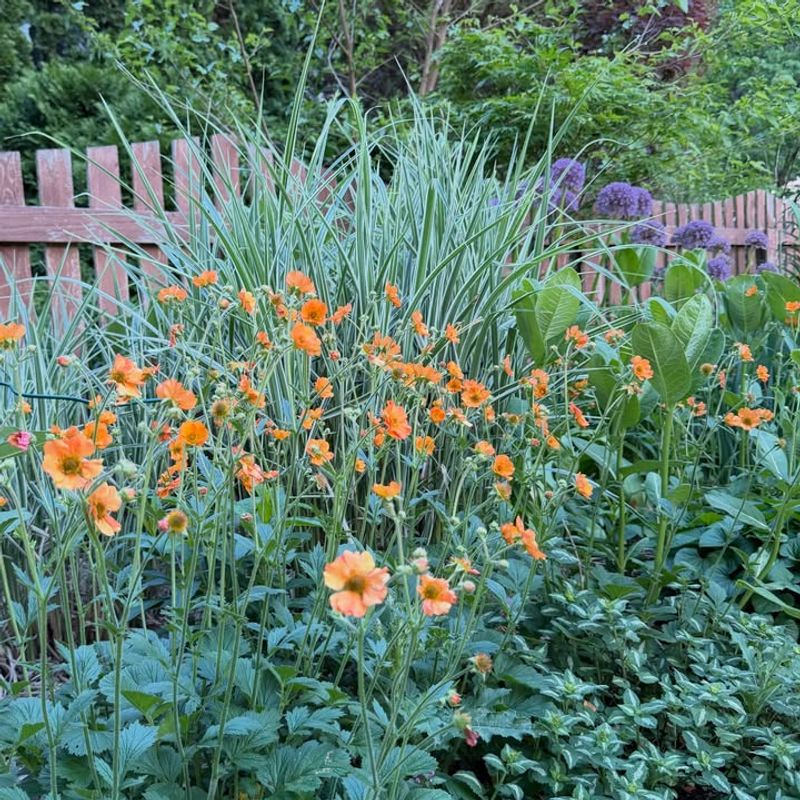
Slopes don’t have to be purely functional. Daylilies make the argument for beauty and erosion control at the same time, and they make it convincingly.
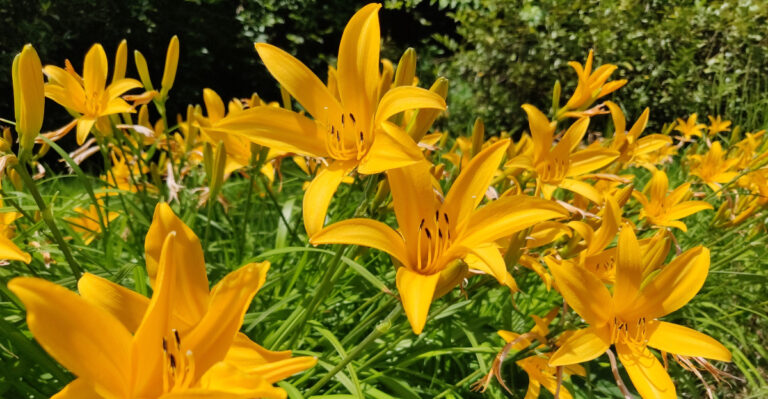
Dense clumps of strap-like foliage cover the ground well between bloom cycles. When the flowers open in summer, the effect across a gentle slope is genuinely hard to argue with.
Bright color, natural movement in the breeze, and a look that takes far less effort to maintain than it appears to require.
Hemerocallis species and cultivars have a strong track record across Georgia. They handle heat, tolerate a range of soil types, and spread steadily by expanding clumps and short rhizomes.
The common tawny daylily is particularly vigorous and has naturalized across the state in roadside and slope situations that get minimal care. Placement still matters. Six or more hours of sun per day brings out the best performance.
Gentle slopes suit them better than steep, actively eroding banks where individual plants may shift before establishing a proper root hold.
Well-drained soil and consistent watering through the first season set up strong establishment. After that, tapering irrigation as roots settle in is the right move.
Foliage dies back in winter, which leaves the slope looking bare for a few months. Pairing daylilies with an evergreen groundcover handles that gap without complicating the maintenance picture.
Dividing crowded clumps every few years keeps bloom production strong and the planting looking full. Color and coverage, both handled by one plant.
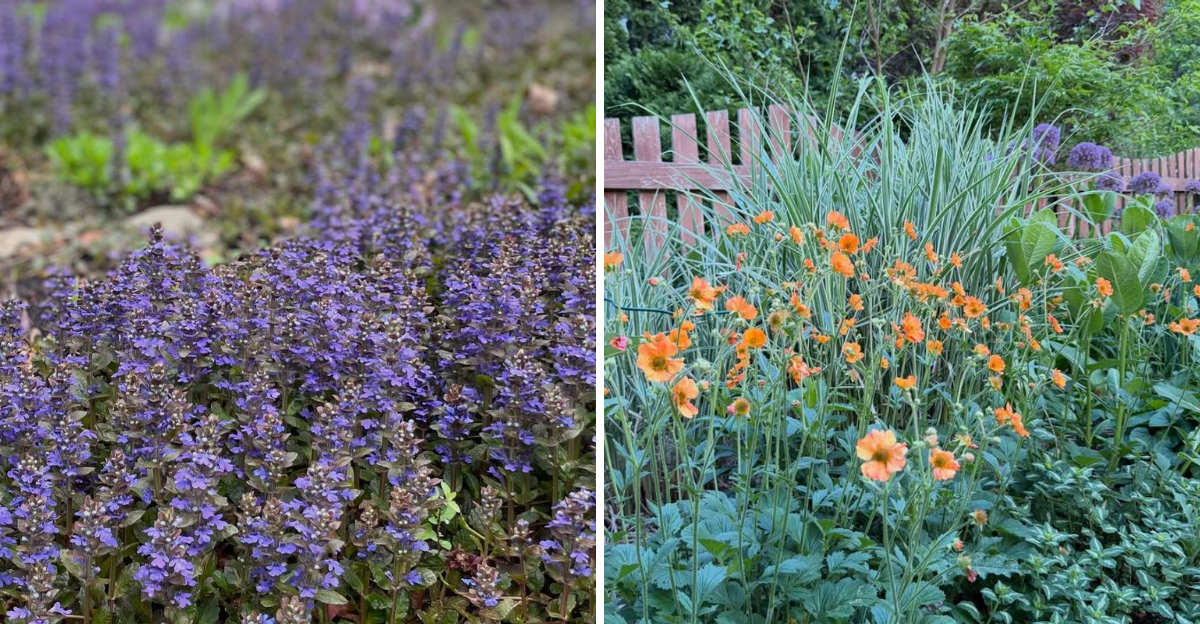
6. Use Ajuga To Cover Shady Slope Gaps
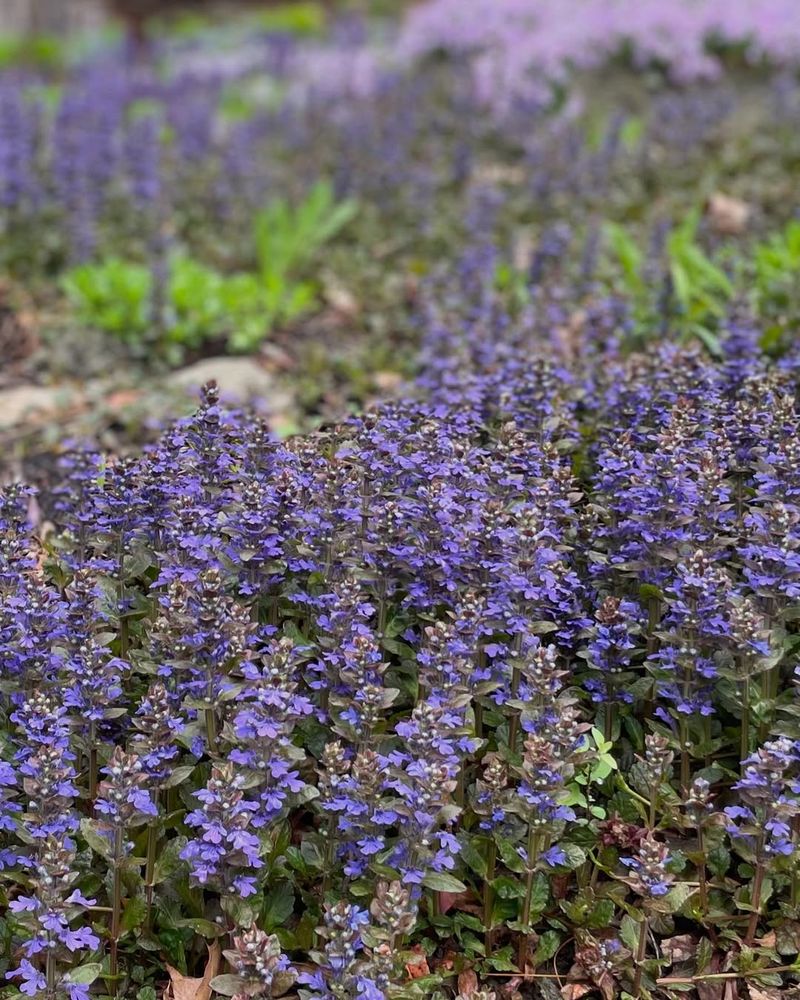
Shady slope gaps have a way of becoming the most stubborn bare patches in the yard. Ajuga has a talent for disagreeing with that outcome.
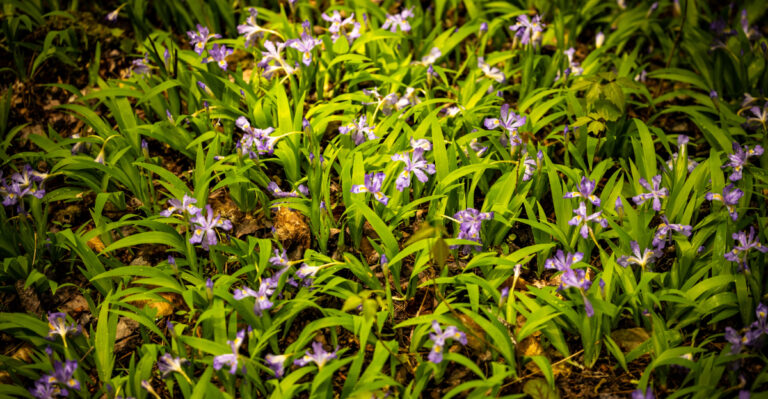
Ajuga reptans thrives in part-shade to full-shade conditions that send other plants into decline. That makes it genuinely useful for those frustrating spots under tree canopies or along north-facing banks where the usual groundcover options give up early.
It spreads by runners that root as they travel across the soil surface. The creeping habit fills in gaps steadily without needing much encouragement from the gardener.
Blue-purple flower spikes in spring add a welcome burst of color before summer heat arrives. For a shade groundcover that earns its spot visually as well as functionally, that spring show makes a real difference.
Moist, well-drained soil is the site requirement. Ajuga does not handle prolonged drought well, particularly in full sun exposure.
Slopes with consistent moisture and overhead shade from established trees are the ideal fit.
One practical note worth remembering: ajuga spreads into adjacent lawn areas if nothing stops it. Edging along borders keeps it where it belongs.
Crown rot can appear in spots with poor air circulation or waterlogged soil. Avoid low areas that collect standing water and the plant stays healthy and spreading in exactly the direction intended.
7. Plant Sedges To Soften Damp Slope Edges
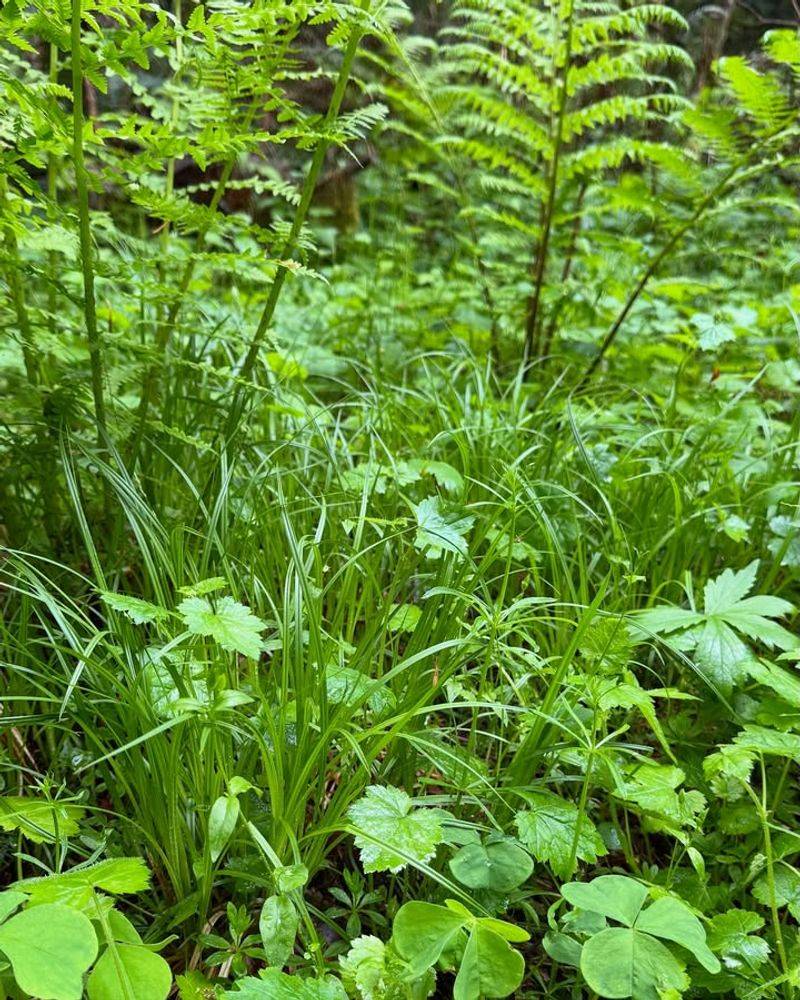
Wet slope edges are the specific problem that many groundcovers fail to solve. Water runs downhill, collects along lower edges, and creates soggy conditions that cause root rot in plants that prefer drier conditions.
Meanwhile, sedges were practically designed for exactly this situation.
Native Carex species adapted to the Southeast handle moist, partly shaded slope conditions with a composure that most plants cannot replicate.
Their fine, arching foliage creates a soft, naturalistic look that suits drainage swales, stream edges, and the lower portions of slopes where water accumulates and sits longer than the rest of the hillside.
Dense root systems grip soil along those wet edges and slow runoff effectively. That erosion control function is the practical core of what makes sedges worth planting on damp slope situations.
Species selection matters considerably. Some tolerate seasonal flooding while others prefer consistent moisture without prolonged standing water.
Most perform best in shade or dappled light and lose their composure on hot, dry, sun-baked exposures.
Matching the species to the actual site conditions produces dramatically better results than picking any sedge and hoping for the best.
Once established, care requirements drop to nearly nothing. No mowing in most settings.
Minimal fertilizing. A light cutback in late winter before new growth emerges keeps the planting looking fresh heading into spring.
For damp, shaded slope edges that need softening without ongoing maintenance demands, sedges are a perfect solution. And before wrapping up, there is one more thing worth knowing that ties everything on this list together.
8. Mulch New Groundcovers Until Roots Spread
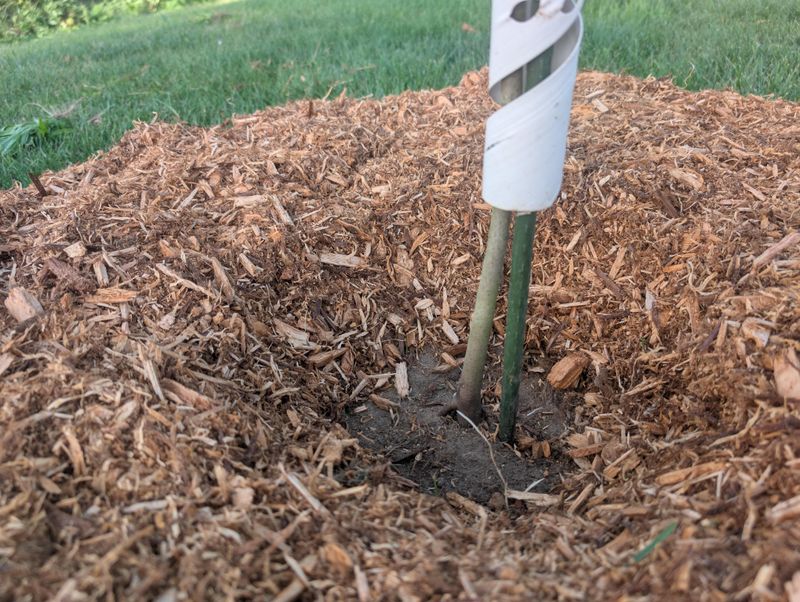
Planting groundcovers on a slope handles half the problem. The stretch between planting day and the moment roots finally knit the soil together is when slopes are most vulnerable to everything.
Mulch bridges that gap and gives new plants a legitimate chance to get established before the slope works against them.
A two to three-inch layer of shredded bark or pine straw applied between new plants does several things simultaneously. It slows surface runoff, so water soaks in rather than washing soil downhill.
It keeps soil temperatures stable, which helps roots establish faster. It shades out weed seeds that would otherwise sprout into the bare ground between young plants.
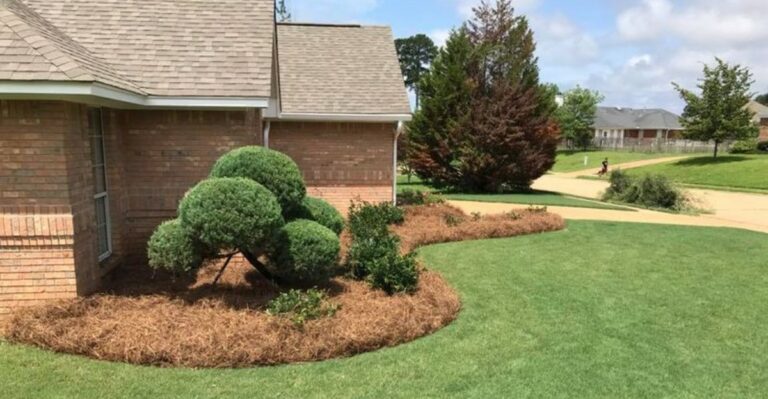
Pine straw is a practical and popular choice in Georgia. It is widely available, affordable, and stays in place on slopes better than heavier mulches that can shift in heavy rain.
Keep mulch a few inches clear of plant stems. Piling it against the crown traps moisture and invites rot at exactly the point where the plant is most vulnerable.
Refresh the mulch layer each season until plants fill in enough to shade the soil on their own. At full coverage, Asiatic jasmine, liriope, and creeping juniper all shade the ground well enough to make the mulch layer less critical.
Getting through establishment with mulch protection means fewer weeds, less erosion, and stronger plants rooting into the hillside from the very beginning. The payoff for that early investment compounds across every season that follows.