What To Do With Georgia Crepe Myrtles Before Summer To Get More Blooms And Less Regrowth
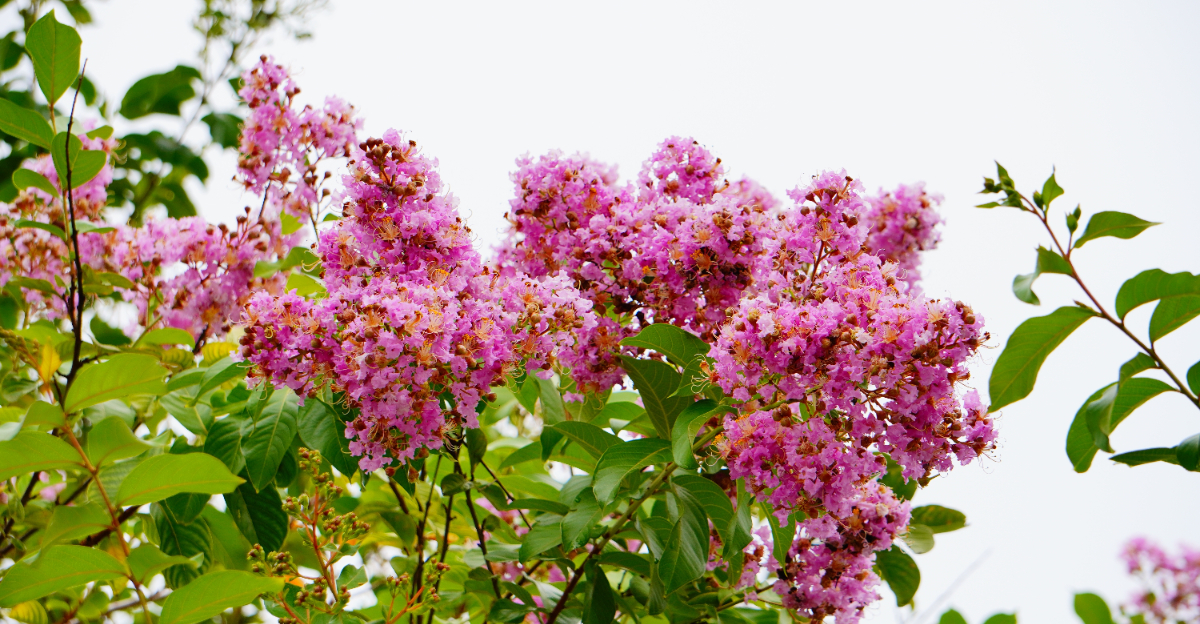
Few plants put on a summer show quite like a crepe myrtle. When covered in blooms, they become one of the most noticeable features in a yard, drawing attention long before many other trees and shrubs reach their peak.
The trouble is that not every crepe myrtle performs the same way.
Some fill with flowers and keep looking tidy for months, while others produce excessive new shoots, uneven growth, and far fewer blooms than expected.
The difference is often not the variety itself but what happens before the hottest part of the season arrives. That timing matters more than many people realize.
Small decisions made during late spring can influence how a crepe myrtle looks for the rest of summer and determine whether energy goes into flowers or unwanted growth.
Across Georgia, gardeners who get the best results tend to focus on a few key tasks before summer settles in. Those steps can make a noticeable difference once blooming season begins.
1. Remove Seed Pods Left From Last Year
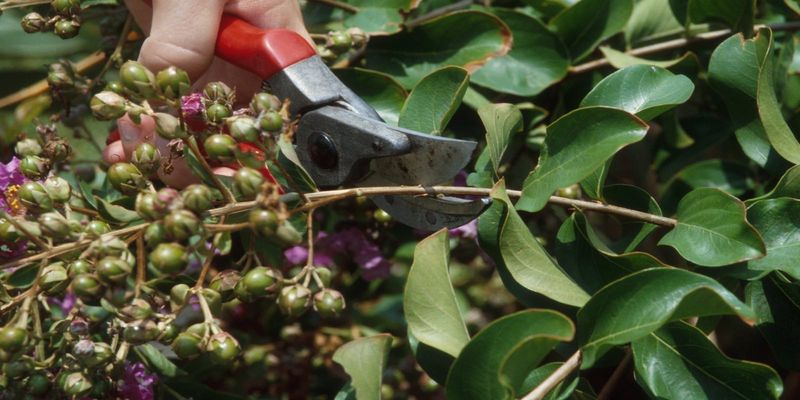
Dried seed pods hanging on your crepe myrtle branches are not just an eyesore. Left in place, they signal to the tree that reproduction is already handled, which can actually reduce how aggressively it puts energy into new blooms.
Snapping or clipping off last year’s pods before summer is a quick but meaningful step. You do not need special tools for smaller branches.
A clean pair of hand pruners works fine for most of the removal.
Start at the outer tips and work inward. Pods tend to cluster at the ends of branches, so focus your attention there first.
Once you clear them, you will notice the branch structure looks much cleaner right away.
Removing seed pods also helps redirect the tree’s energy. Instead of putting resources into maturing leftover seeds, the tree focuses on producing fresh flower buds.
That shift matters a lot once summer temperatures push into the upper 80s and 90s across the region.
Do not worry about getting every single pod. Even removing most of them makes a noticeable difference.
A partial cleanup is still far better than leaving everything in place and hoping for the best.
2. Clear Out Weak Interior Growth
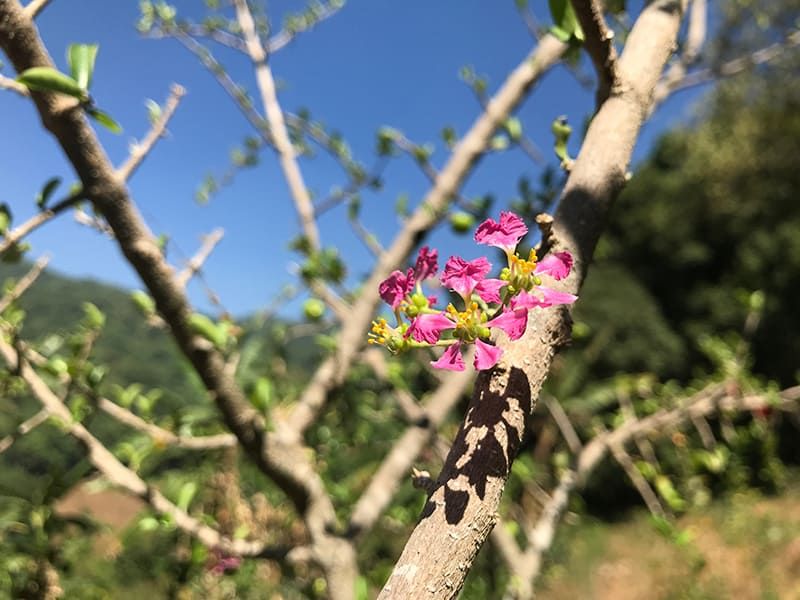
Weak interior branches are one of the most overlooked problems on crepe myrtles. Twiggy, crossing, or rubbing growth inside the canopy steals resources without producing meaningful blooms.
Clearing out that weak growth improves airflow through the center of the tree. Better airflow means less moisture sitting on leaves and branches, which lowers the chance of fungal issues during humid Southern summers.
Focus on branches that are thinner than a pencil and growing inward toward the center. These rarely produce strong flower clusters.
Removing them pushes the tree’s energy toward the stronger outer branches where blooms actually develop.
Use clean, sharp pruners. Dull blades crush tissue instead of cutting cleanly, and that slows the tree’s recovery.
Do not go overboard. Removing too much interior growth at once stresses the tree unnecessarily.
Your Georgia Garden Changes Every Week. Your Plan Should Too.
Gardening in Georgia changes quickly throughout the season. Every Friday you’ll receive a simple weekly plan showing exactly what to plant, prune, fertilize, harvest, and protect so you never miss the right timing.
A light, thoughtful thinning is all that is needed before summer arrives.
Stand back occasionally while you work. Getting a wider view helps you spot problem areas you might miss while working up close.
It also keeps you from accidentally over-thinning one side.
3. Cut Away Suckers At The Base
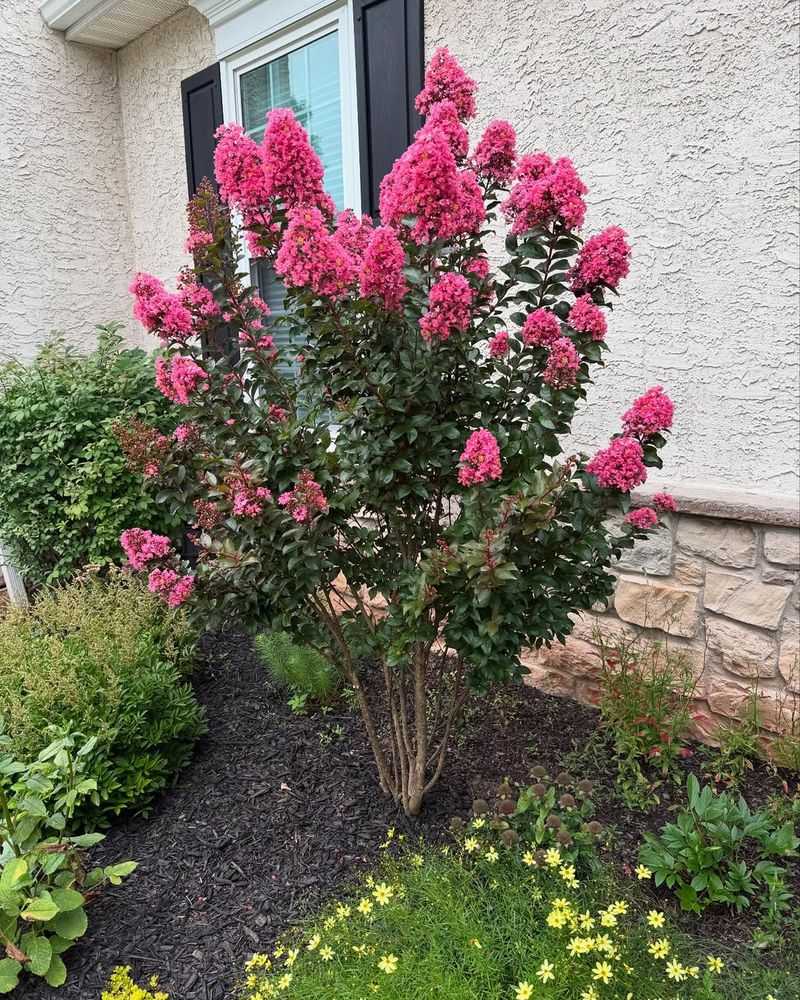
Suckers at the base of a crepe myrtle are sneaky. They look harmless at first, just small green shoots poking up near the roots, but they pull energy away from the main tree without adding anything useful.
Left unchecked, suckers can develop into a cluttered thicket around the trunk. That messy growth makes the tree harder to manage, looks untidy, and competes directly with the branches that produce your summer flowers.
Cut suckers as close to the ground as possible. Snipping them higher up just encourages more to sprout back quickly.
Getting low to the soil and removing the shoot at its base slows regrowth considerably.
Check around the base of your trees every few weeks during spring and early summer. Suckers tend to push up fast when temperatures warm.
Staying on top of them early keeps the problem from snowballing.
Some suckers emerge from the root system a foot or two away from the trunk. Those need attention too.
Follow them back toward the root and remove them as close to the source as you can reach.
Consistent sucker removal over a season or two actually trains the tree to produce fewer of them over time. Persistence matters here more than any single heavy-handed removal session.
4. Water Deeply Before Summer Stress Arrives
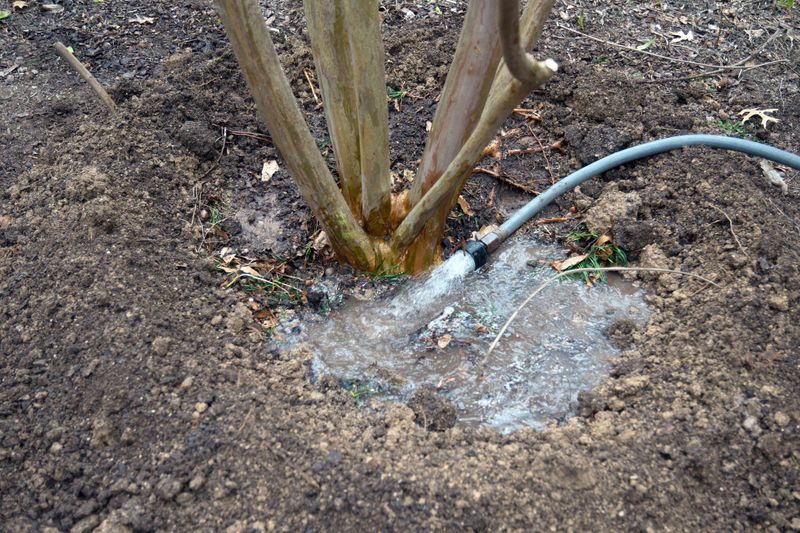
Crepe myrtles are tough once established, but even tough trees benefit from a good deep watering before summer heat locks in. A thorough soak before the hottest weeks arrive helps roots extend deeper into the soil.
Shallow, frequent watering trains roots to stay near the surface. Deep, infrequent watering pushes roots downward, where soil moisture stays more consistent even during dry stretches.
Water slowly at the base of the tree rather than spraying the foliage. Wet leaves in humid conditions invite fungal problems, and crepe myrtles in the South already deal with enough humidity without added moisture on their canopies.
One deep watering session per week is usually enough for established trees during late spring. Newly planted trees need more attention, closer to two or three times per week until their root systems get established.
Sandy soils drain fast and may need more frequent watering. Clay-heavy soils hold moisture longer but can become waterlogged if overdone.
Knowing your soil type helps you water smarter, not just more often.
A simple test works well here. Push a screwdriver or finger about six inches into the soil near the tree.
If it feels dry at that depth, it is time to water. If it still feels moist, wait another day or two.
5. Skip Heavy Fertilizer Applications
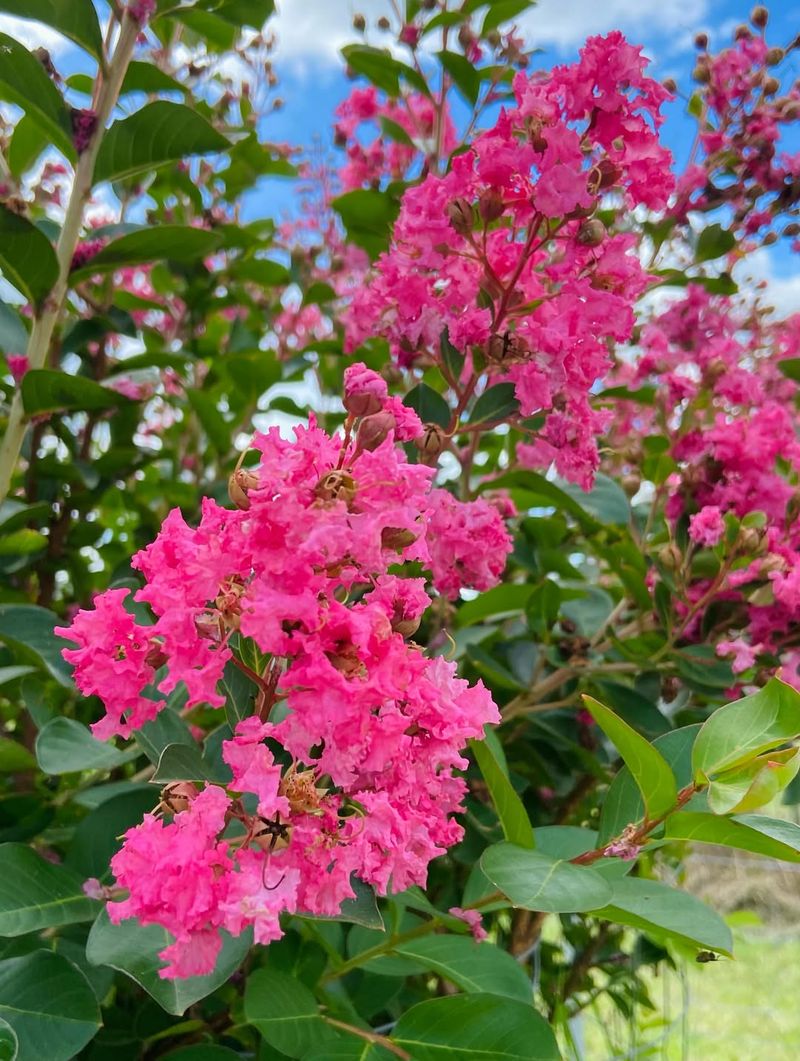
Piling on fertilizer before summer sounds like a good idea, but it often backfires with crepe myrtles. Heavy nitrogen applications push a surge of leafy green growth at the expense of flower production.
Crepe myrtles bloom on new wood, so some feeding makes sense. A light application of a balanced, slow-release fertilizer in early spring is usually plenty.
By late spring, the tree should be able to rely on its own resources and the soil around it.
Overdoing fertilizer also encourages the kind of soft, fast growth that attracts aphids. Aphid infestations on crepe myrtles are common enough without extra encouragement.
Keeping feeding moderate is one of the easiest ways to reduce pest pressure.
If your trees were fertilized in early spring, skip another application before summer. Adding more at this stage does not improve blooms and often creates problems that last through the hottest months.
Soil testing is worth considering if your trees consistently underperform. A test reveals actual nutrient gaps rather than guessing.
Treating a real deficiency is far more effective than applying fertilizer on a general schedule.
Mature, established crepe myrtles often need very little fertilizer at all. Trees growing in decent soil with good mulch coverage can thrive with minimal supplemental feeding year after year.
6. Refresh Mulch Before Temperatures Climb
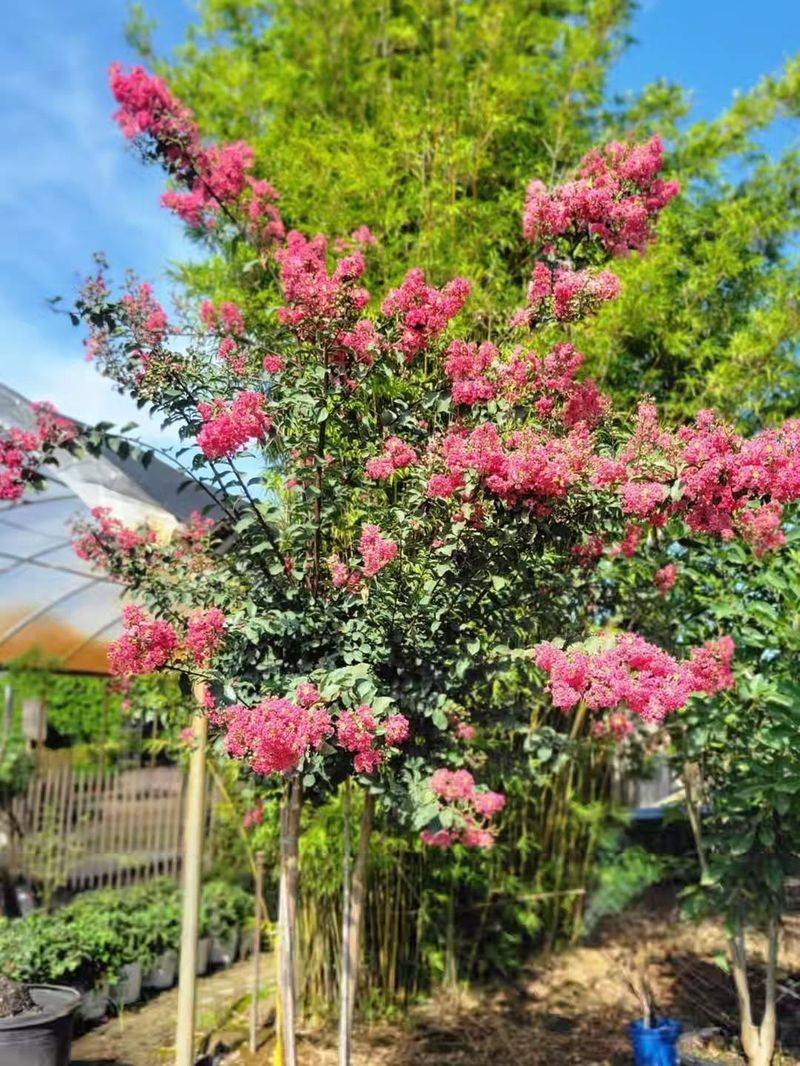
Fresh mulch around your crepe myrtles before summer does more work than most people realize. A proper mulch layer regulates soil temperature, slows moisture evaporation, and suppresses weeds all at once.
Pull back any old, compacted mulch first. Matted layers can actually repel water instead of holding it, which defeats the whole purpose.
Loosening old material before adding new keeps the ring functional.
Apply two to three inches of fresh mulch in a ring around the base of the tree. Keep it a few inches away from the actual trunk.
Mulch piled against bark holds moisture against the wood and can cause rot over time.
Wood chips, shredded bark, or pine straw all work well in Southern yards. Pine straw is especially common and easy to find locally.
Any of these materials will do the job if applied at the right depth.
Refreshing mulch in late spring, just before temperatures push into the 90s, gives your trees a buffer against soil heat. Roots stay cooler and more active, which supports stronger bloom production through the summer months.
Mulch also breaks down slowly and adds organic matter back into the soil. Over several seasons, consistent mulching improves soil structure and microbial activity around the root zone.
7. Leave Major Pruning For The Right Season
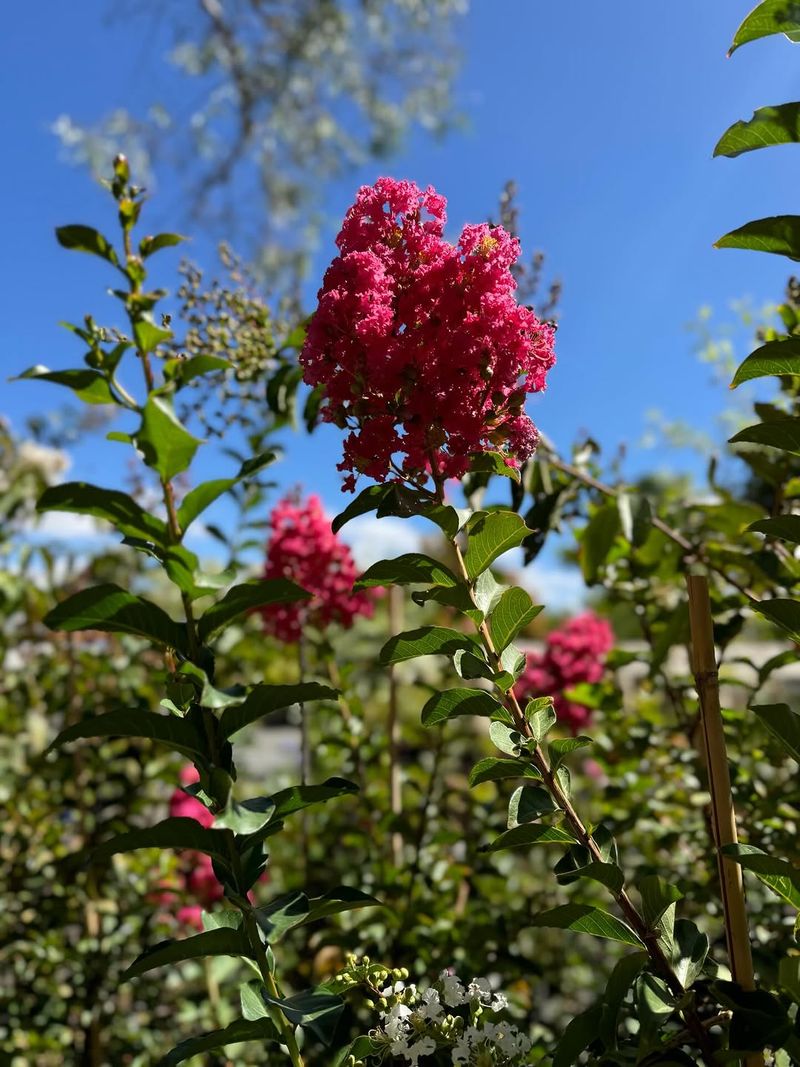
Heavy pruning right before summer is one of the fastest ways to set your crepe myrtles back. Late spring cuts remove the new growth that is already developing flower buds, which means fewer blooms for the entire season.
Major structural pruning belongs in late winter or very early spring before new growth begins. At that point, the tree is dormant or just waking up, and cuts heal faster with less disruption to the bloom cycle.
Cutting large limbs in late spring also triggers aggressive regrowth. Crepe myrtles respond to heavy cuts by pushing out clusters of weak, fast-growing shoots.
That regrowth looks messy and rarely produces quality blooms in the same season.
Topping, which means cutting the main branches back to thick stubs, is a widespread mistake in many Southern neighborhoods. Topped trees develop ugly knobby growth points and become harder to manage every year.
Avoid it entirely.
If a branch needs to come off for safety or clearance reasons, make the cut clean and at a natural junction point. That kind of selective removal is far less disruptive than wholesale cutting.
Light touch-ups are fine in late spring. Removing a crossing branch or cleaning up a few awkward stems will not hurt anything.
Just keep those adjustments minor and targeted.