These Are The Georgia Garden Pests That Show Up Every June And How To Stop Them Before They Spread
June can be one of the most rewarding months in the garden. Plants are filling out, vegetables are growing fast, and everything seems to be moving in the right direction.
Then a few holes appear in a leaf. New growth starts looking distorted.
A plant that looked perfectly healthy days ago suddenly seems off.
That is what makes garden pests so frustrating. They rarely announce themselves right away.
Many stay hidden until their numbers grow large enough to leave visible damage behind.
Georgia gardens face pressure from several pests during June, and some become active at exactly the time plants are putting on their strongest growth.
Missing the early warning signs can give them a chance to spread much farther than expected. Knowing which pests show up this month is the first step toward staying ahead of them.
1. Aphids Can Cover Tender New Growth Very Quickly
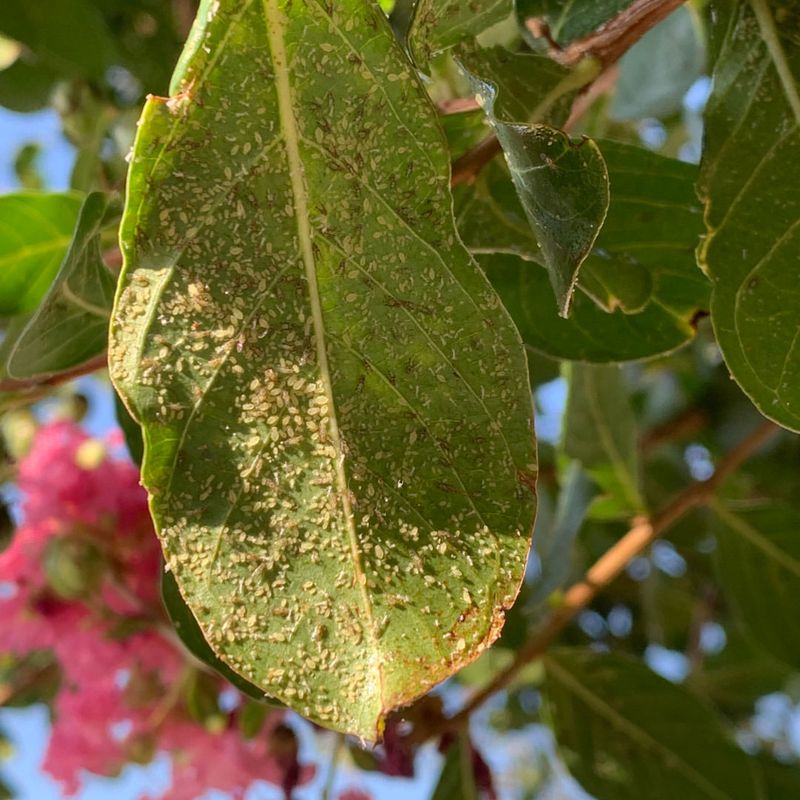
Soft, tiny, and fast-moving, aphids can coat new plant growth before you even notice them. They cluster on stems, leaf undersides, and fresh buds.
A small group can multiply into thousands within just a few days.
Aphids suck sap from plants, which causes leaves to curl, yellow, and look stunted. They also leave behind a sticky substance called honeydew.
That residue attracts ants and encourages mold growth on leaves.
Check plants every few days in June, especially roses, tomatoes, and peppers. Catch colonies early and spray them off with a strong stream of water.
Repeat this daily until numbers drop significantly.
Neem oil spray works well when applied in the early morning or late evening. Avoid spraying in full afternoon sun, since it can stress plants.
Insecticidal soap is another solid option and breaks down quickly without leaving heavy residue.
Encouraging natural predators helps a lot. Ladybugs and lacewings feed heavily on aphids.
Planting dill, fennel, or marigolds nearby attracts those beneficial insects to your garden naturally.
Row covers can protect vulnerable seedlings during peak aphid season. Remove them when plants start flowering so pollinators can access the blooms.
Staying consistent with checks is the most reliable way to stay ahead of aphid pressure.
Aphids are especially active in warm, dry weather when new plant growth is tender and full of sap.
2. Whiteflies Gather Fast On Heat-Stressed Plants
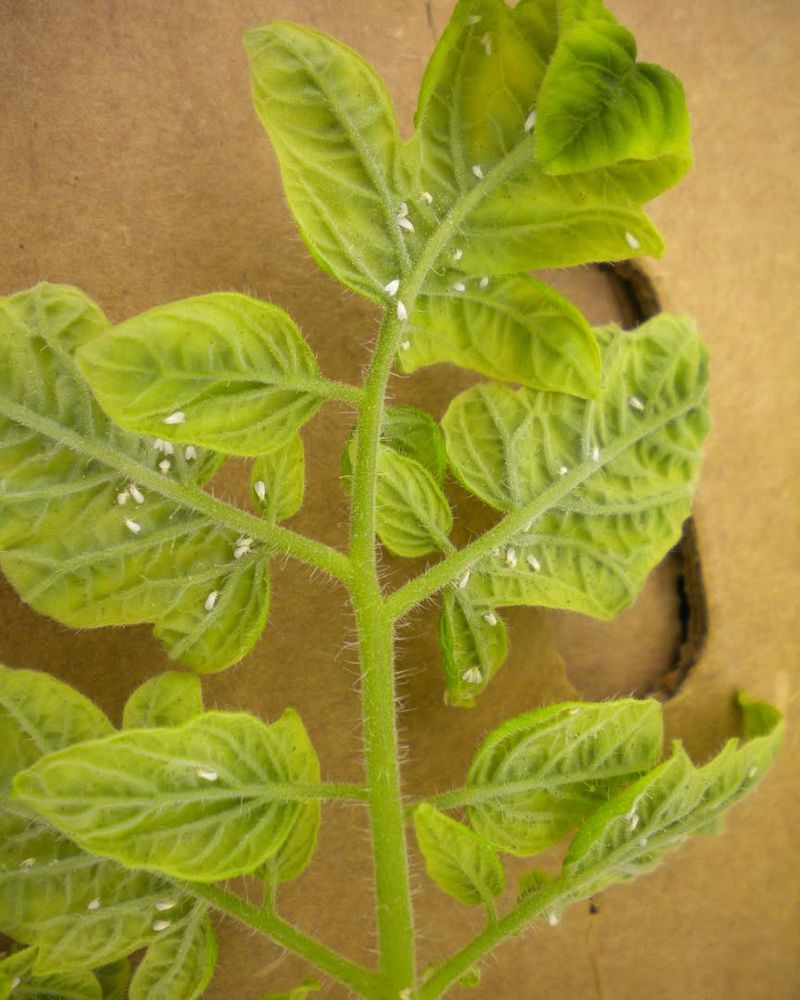
Shake a tomato plant in June and a cloud of tiny white insects might fly up. That is whiteflies doing what they do best.
They love heat, and Georgia summers give them exactly what they need to multiply rapidly.
Whiteflies feed on plant sap from the undersides of leaves. Affected leaves turn pale, yellow, and drop early.
Heavy infestations weaken plants so much that fruit production drops off noticeably.
Check leaf undersides regularly. Sticky yellow traps hung near plants help monitor how bad the population is getting.
Once you see adults, there are likely eggs already laid nearby.
Reflective mulch placed around plant bases confuses whiteflies and reduces their landing rates. Silver or metallic mulch works especially well during the hottest months.
Pair it with yellow sticky traps for better overall control.
Your Georgia Garden Changes Every Week. Your Plan Should Too.
Gardening in Georgia changes quickly throughout the season. Every Friday you’ll receive a simple weekly plan showing exactly what to plant, prune, fertilize, harvest, and protect so you never miss the right timing.
Neem oil applied weekly helps disrupt whitefly reproduction cycles. Insecticidal soap sprays work on direct contact, so thorough coverage of leaf undersides matters.
Do not skip the undersides, since that is where most of the action happens.
Avoid over-fertilizing with nitrogen, since lush, soft growth attracts whiteflies even more. Healthy but not overly pampered plants tend to handle pressure better.
Keeping plants well-watered during heat also reduces the stress that makes them more vulnerable to attack.
3. Spider Mites Become More Active During Hot Weather
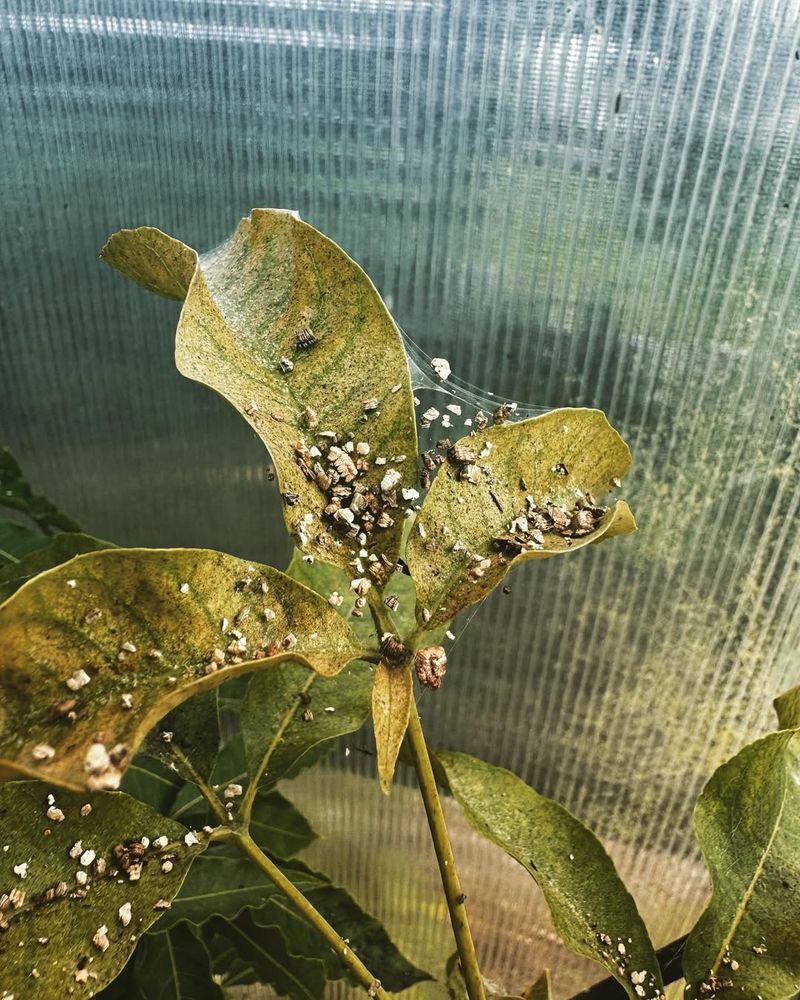
Spider mites are not insects. They are arachnids, and that distinction matters when choosing treatments.
Standard insecticides often do nothing to stop them, and some can actually make populations worse by removing natural predators.
Hot, dry June weather is exactly when spider mites explode in numbers. They thrive in heat above 85 degrees and reproduce extremely fast under those conditions.
A small colony can cover a plant in webbing within a week or two.
Look for tiny dots on leaves, fine webbing, and a dusty or bronzed look to foliage. Heavily affected leaves eventually dry out and drop.
Beans, cucumbers, and squash are especially susceptible in summer gardens.
Misting plants with water in the morning helps reduce mite activity since they prefer dry conditions. Keeping garden beds mulched holds moisture in the soil and lowers the heat stress that invites mites in.
Consistent watering matters more than most gardeners expect.
Miticides are available for severe cases, but start with less aggressive options first. Neem oil and insecticidal soap both work when applied directly to affected areas.
Repeat applications every five to seven days to catch newly hatched mites.
Predatory mites can be purchased and released into gardens. They feed on spider mites without harming plants.
This biological approach works well when combined with regular watering and monitoring throughout the summer season.
4. Squash Bugs Can Weaken Cucumbers And Squash Plants
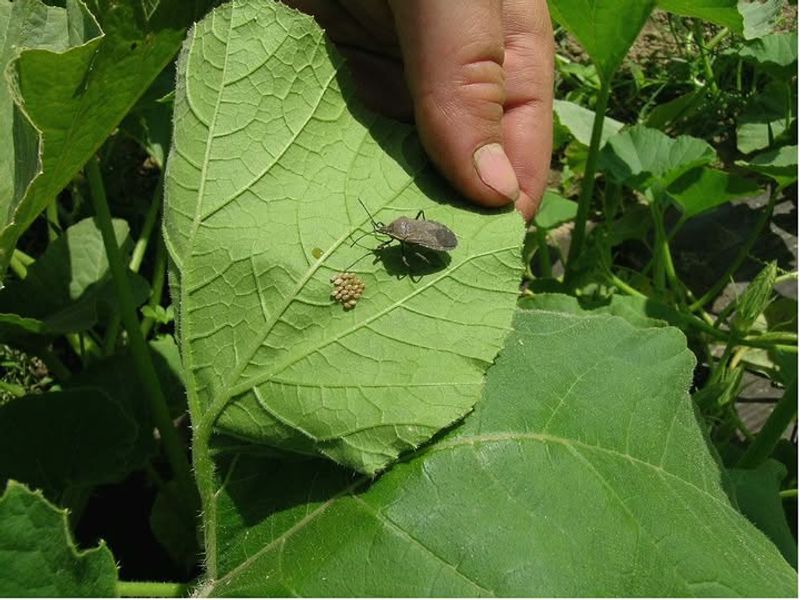
Squash bugs are stubborn. Once they settle into a garden bed, getting rid of them takes real effort and consistency.
They blend in well with stems and soil, which makes early detection harder than most people expect.
Adults are flat, brownish-gray, and about half an inch long. They feed in groups on stems and leaves, injecting a toxin that causes plants to wilt rapidly.
Leaves turn yellow, then brown, and entire vines can collapse within days of a heavy infestation.
Check the undersides of squash and cucumber leaves starting in early June. Squash bug eggs are bronze-colored, oval, and laid in tight clusters along leaf veins.
Removing egg clusters by hand is one of the most effective early-season tactics available.
Place boards or cardboard near plants in the evening. Squash bugs gather underneath overnight.
Collect and drop them into a bucket of soapy water each morning to reduce adult populations steadily over time.
Kaolin clay applied to plant surfaces creates a barrier that deters feeding. Spinosad-based sprays work on nymphs but are less effective on adults.
Neem oil can help slow egg hatching when applied directly to egg clusters.
Rotating crops each season reduces squash bug pressure significantly. Avoid planting cucurbits in the same spot two years in a row.
Cleaning up old plant debris after harvest removes overwintering sites that fuel next season’s populations.
5. Tomato Hornworms Hide Well Until Damage Appears
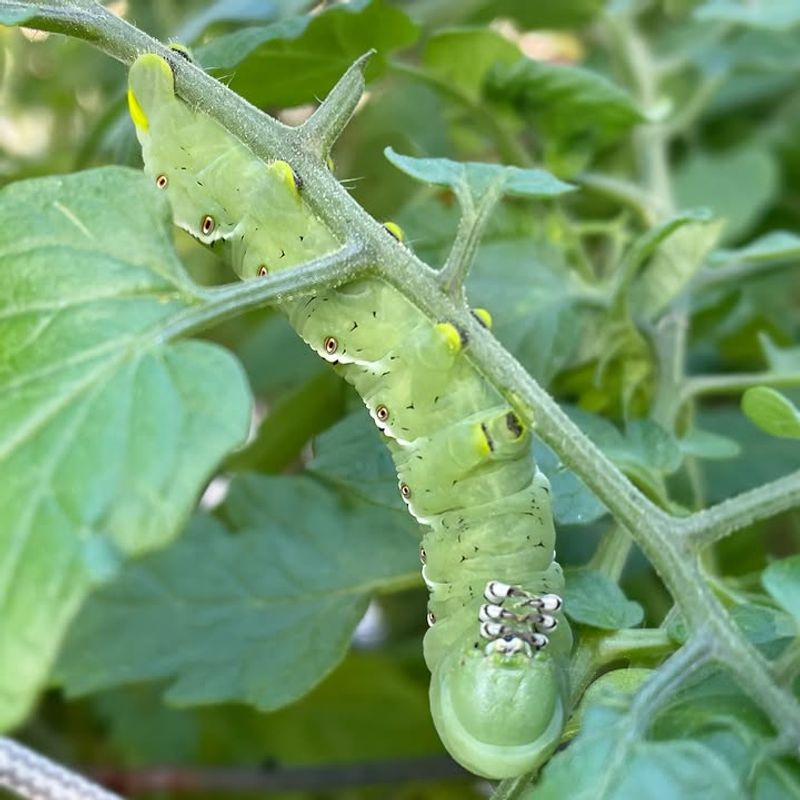
Finding a tomato hornworm before it has already eaten half your plant feels like winning a small battle. These caterpillars are masters of camouflage.
Their bright green color matches tomato foliage almost perfectly, which makes spotting them genuinely tricky.
Hornworms grow fast. They can reach up to four inches long and consume enormous amounts of foliage in a short time.
Defoliated stems, missing fruit chunks, and dark green droppings on leaves below are the clearest signs of their presence.
Inspect plants in the early morning or evening when light angles differently and shadows help reveal their outline. Look for frass, which are the small dark pellets they leave behind on leaves.
Follow the frass upward to find the caterpillar feeding above.
Hand-picking is the most reliable removal method for light infestations. Drop them into soapy water or relocate them far from the garden.
Check plants every two to three days in June since new hornworms can appear quickly after adults lay eggs.
Bacillus thuringiensis, commonly called Bt, is a natural soil bacteria that works well on young caterpillars. Apply it in the evening and reapply after rain.
It does not affect birds, bees, or beneficial insects.
Parasitic wasps naturally control hornworm populations over time. If you see white rice-like cocoons attached to a hornworm, leave it alone.
Those cocoons are wasp eggs that will hatch and help manage future generations naturally.
6. Japanese Beetles Feed On Leaves And Flower Buds
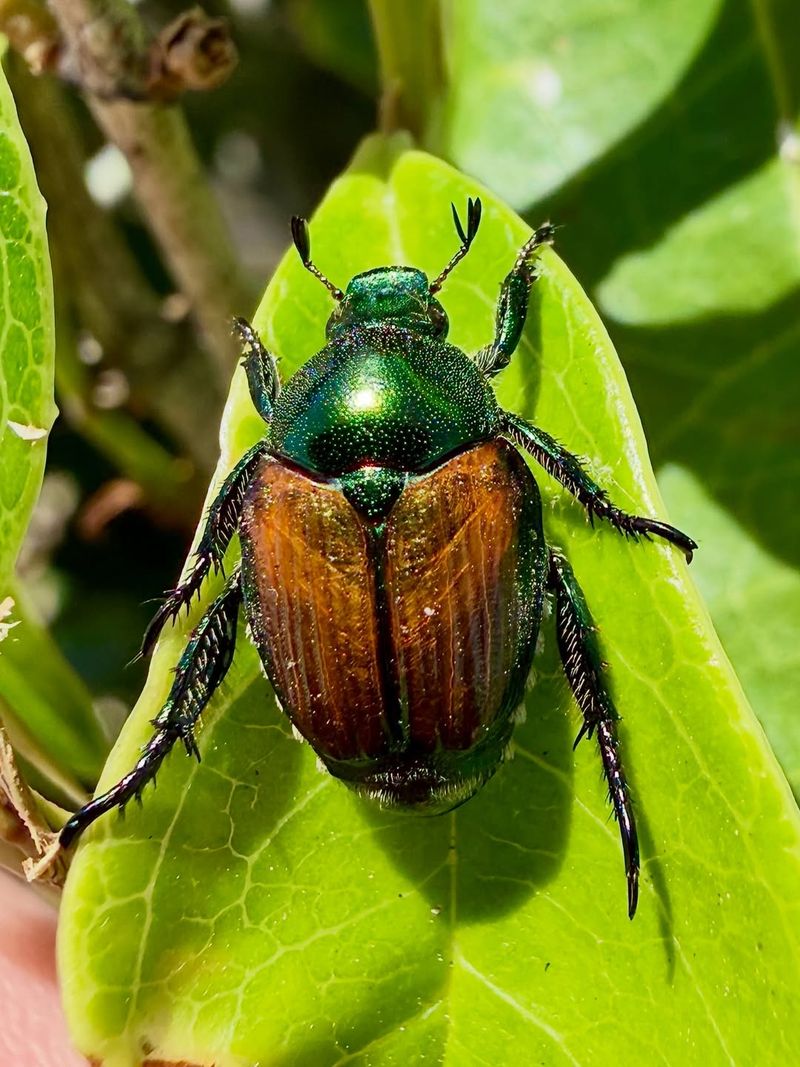
Japanese beetles hit gardens like a wrecking crew. They feed in groups, which amplifies damage quickly.
Roses, grapes, basil, and beans are among their favorite targets, and they do not hold back once they start feeding.
Adults are easy to identify. They have shiny green bodies with copper-brown wing covers and small white tufts along their sides.
Feeding damage looks like skeletonized leaves, where only the veins remain after the soft tissue is consumed.
Peak activity in Georgia runs through June and into July. Adults are most active on warm, sunny days between 9 a.m. and 3 p.m.
Catching them in early morning when temperatures are cooler makes removal easier since they move more slowly.
Shake plants over a bucket of soapy water to knock beetles off in the morning. Check daily during peak season.
Consistency matters more than any single treatment when dealing with Japanese beetle pressure.
Avoid Japanese beetle traps sold at garden centers.
Neem oil applied to leaves deters feeding and disrupts the beetle life cycle. Spinosad sprays also work but should be used sparingly to protect pollinators.
Treating soil with beneficial nematodes in late summer can reduce grub populations and lower adult numbers in future seasons.
Japanese beetles are most active in warm, sunny weather, which is why outbreaks can spread so quickly in midsummer gardens.
7. Stink Bugs Can Damage Fruits Before Harvest
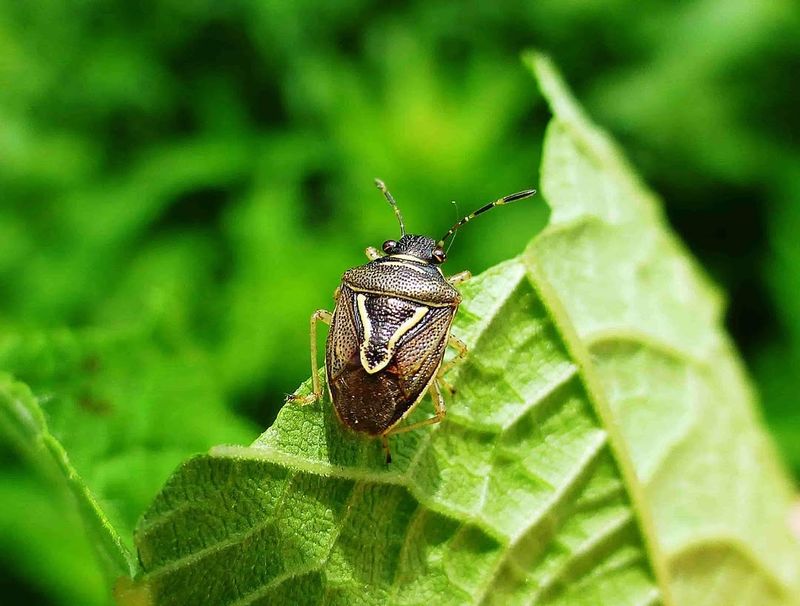
Stink bugs are sneaky. By the time you notice the damage they cause, the fruit is already ruined underneath the skin.
Tomatoes, peaches, peppers, and figs are all prime targets once summer heat arrives.
Feeding punctures leave hard, discolored spots just beneath the fruit surface. Affected areas become corky and bitter-tasting.
From the outside, the fruit may look nearly perfect, which makes stink bug damage especially frustrating at harvest time.
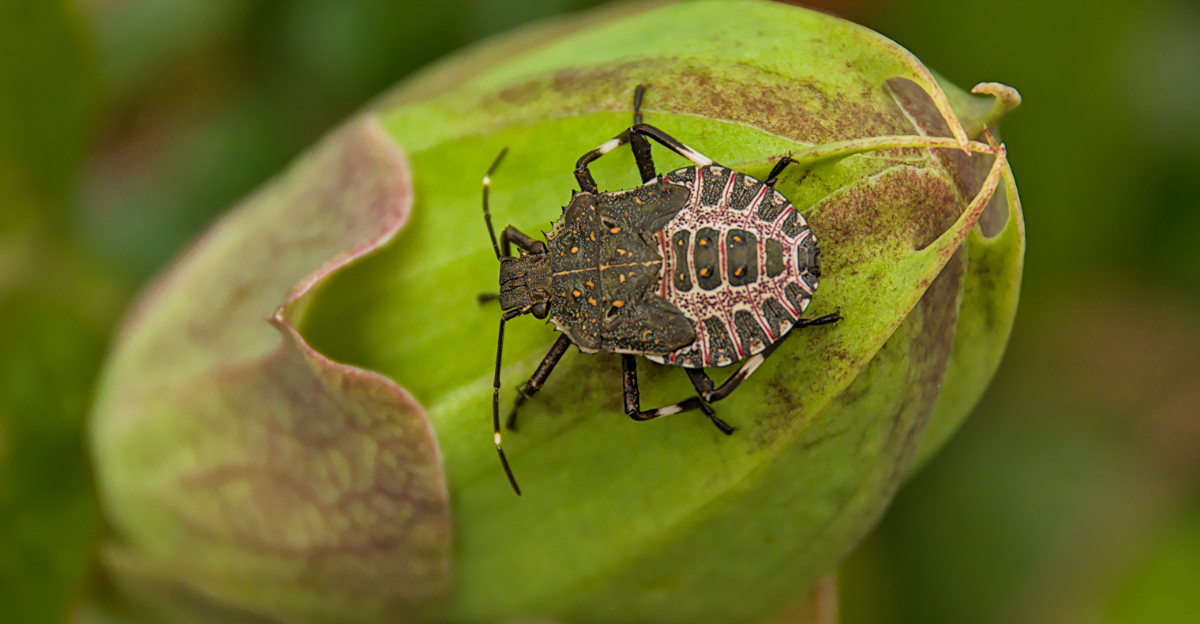
Adults are shield-shaped and brownish with a mottled pattern. They release a strong, unpleasant odor when disturbed, which is how they got their name.
Nymphs are smaller but cause similar feeding damage and develop quickly during warm months.
Inspect fruit closely starting in early June. Look for small feeding punctures and check stems and leaf undersides for egg masses.
Eggs are pale green, barrel-shaped, and laid in neat rows, usually about 20 to 30 at a time.
Kaolin clay sprayed on fruit surfaces creates a physical barrier that interferes with feeding. Reapply after rain or irrigation since it washes off easily.
Row covers over fruiting plants offer strong protection but must be removed during flowering.
Perimeter trap crops like sunflowers or mustard greens can draw stink bugs away from main garden beds. Check trap crops daily and remove any bugs you find.
Keeping garden edges clear of weeds and debris also reduces harborage spots where stink bugs shelter between feedings.
8. Flea Beetles Leave Tiny Holes Across Young Leaves
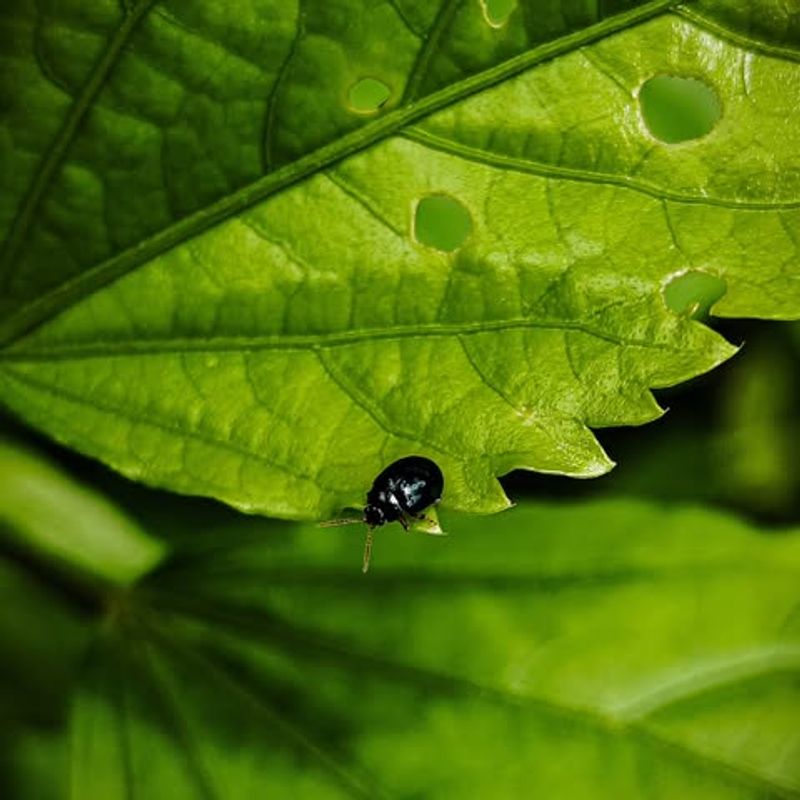
Flea beetles punch hundreds of tiny holes through young leaves so fast it looks like the foliage was hit with fine buckshot. Seedlings and transplants are the most vulnerable.
Established plants can usually handle some damage, but young starts can struggle badly under heavy pressure.
These beetles are small, shiny, and black or dark brown. They jump like fleas when disturbed, which makes them hard to catch by hand.
Several species are active in southeastern gardens, and all of them prefer warm weather and tender growth.
Eggplant, kale, arugula, radishes, and tomatoes are among the most frequently targeted crops in June. Cotyledons and first true leaves often take the worst damage.
Seedlings with heavily perforated leaves may stall out or fail to establish properly.
Floating row covers placed over transplants right after planting create an effective barrier. Keep edges sealed to the ground.
Remove covers once plants are larger and better able to tolerate minor feeding pressure.
Diatomaceous earth dusted along plant stems and soil surfaces deters flea beetles without chemicals. Reapply after rain since moisture reduces its effectiveness.
Apply in the early morning when dew helps it stick to plant surfaces initially.
Delaying transplanting by even a week or two lets seedlings grow larger and tougher before flea beetle pressure peaks. Stronger plants tolerate feeding damage far better than fresh transplants.
Consistent soil moisture also helps plants recover more quickly from early-season flea beetle activity.