How To Save Newly Planted Ohio Shrubs From June Heat Stress
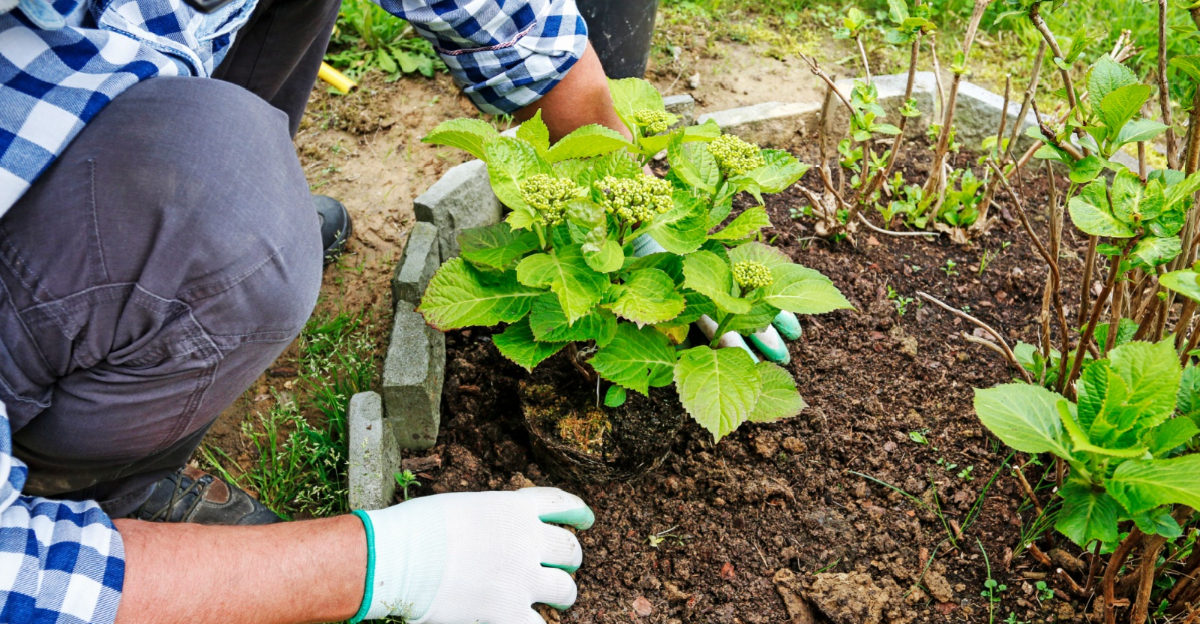
June in Ohio does not ease you in gently. One week it’s a pleasant spring day and the next the temperatures have jumped and the sun is doing the absolute most.
For established plants, no big deal. For a shrub you just put in the ground last week, that’s a whole different situation.
Newly planted shrubs are essentially running on borrowed time until their roots get properly settled into the surrounding soil, and that process takes longer than most people expect.
One good watering after planting and walking away? Unfortunately, that’s not quite how it works.
The root ball and the backfill soil around it can dry out at completely different rates, which makes June a surprisingly tricky month for new shrubs in Ohio.
The good news is that a little extra attention now saves a lot of headaches later.
1. Check Soil Moisture First
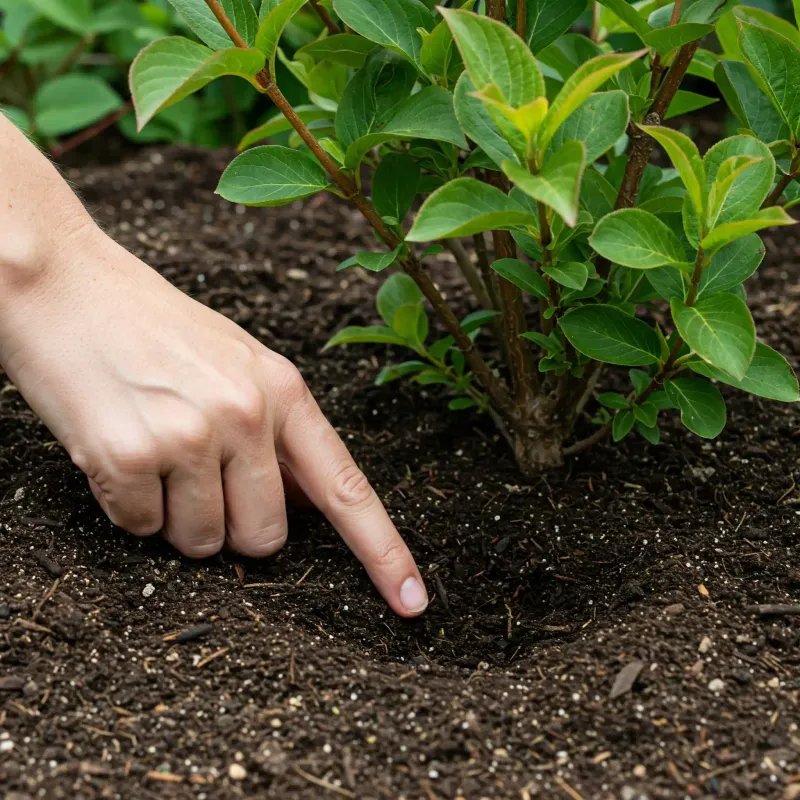
Feeling the soil before reaching for the hose is one of the smartest habits an Ohio gardener can build during June. Soil near a newly planted shrub can look fine on the surface while being bone dry just a few inches down.
That gap between appearance and reality is exactly where new shrubs run into trouble during early summer heat.
Push a finger two to three inches into the soil right next to the root ball. If it feels dry or barely damp at that depth, watering is likely needed.
If it still feels cool and moist, hold off, because overwatering a shrub that already has enough moisture can stress roots just as much as drought can.
One tricky detail Ohio homeowners often miss is that the original root ball and the surrounding backfill soil can dry at completely different rates. The root ball may still hold some moisture while the soil just outside it is already parched, or vice versa.
Checking both zones separately gives a much more accurate picture of what the shrub actually needs. A simple wooden dowel or moisture meter can also help if you want a more consistent reading throughout the season.
2. Water The Root Ball Slowly
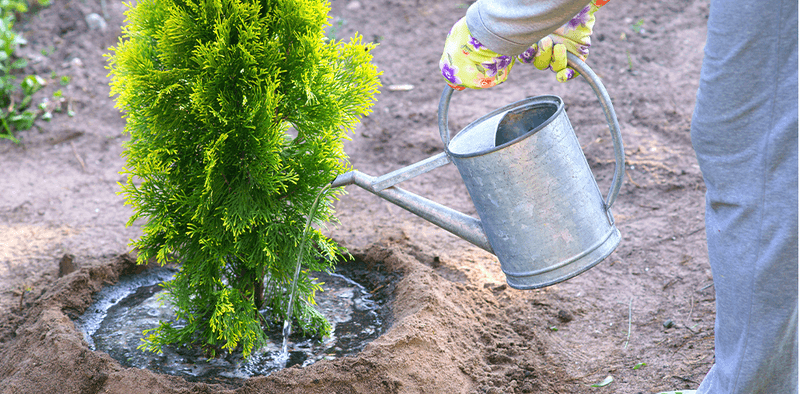
Rushing the watering process is one of the most common errors people make when caring for new shrubs during Ohio’s June heat.
When water hits the soil too fast, it runs off the surface or moves sideways through the top layer without ever reaching the depth where the root ball actually sits.
The result is a shrub that looks watered but is still thirsty where it counts most.
Slow, steady watering gives moisture the time it needs to soak downward into the root zone rather than evaporating or running off into the surrounding landscape.
Try holding a hose at low pressure directly over the base of the shrub for several minutes, moving it slightly around the root ball area to encourage even penetration.
This method works especially well for shrubs planted in clay-heavy Ohio soils, where water tends to pool or run before it can absorb properly.
Your Ohio Garden Changes Every Week. Your Plan Should Too.
Gardening in Ohio changes quickly throughout the season. Every Friday you’ll receive a simple weekly plan showing exactly what to plant, prune, fertilize, harvest, and protect so you never miss the right timing.
New shrubs often need water directed to both the original root ball and the soil just outside it, since roots may not yet be growing into the backfill.
Watering only the surface around the shrub without targeting the root ball itself can leave the plant under-hydrated even when the surrounding soil feels wet.
Taking an extra few minutes to water slowly pays off during long dry stretches in early summer.
3. Follow A New Shrub Watering Schedule
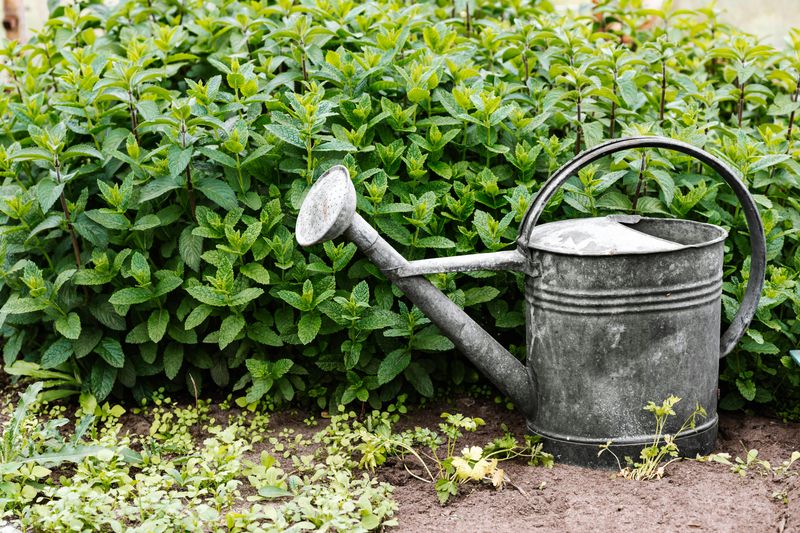
Watering by feel alone can lead to inconsistent care, especially during Ohio’s unpredictable early summer weather when temperatures and rainfall shift from week to week.
Setting up a loose watering schedule helps take the guesswork out of the process and makes it easier to notice when a shrub is getting too much or too little moisture over time.
Most newly planted shrubs benefit from deep watering every two to three days during hot, dry June weather, though that frequency should shift based on recent rainfall and soil conditions.
After a soaking rain, skip the next scheduled watering and check the soil before resuming.
Ohio gardeners who water on a rigid schedule regardless of recent precipitation sometimes end up adding stress to shrubs that are already sitting in saturated soil.
Keeping a simple log of when you water and how much rain has fallen in your area can help you make smarter decisions as the season progresses. Even a basic note on your phone or a sticky note on the back door is enough to track patterns.
New shrubs generally need this closer attention for their first full growing season, and having a loose plan in place makes it easier to stay consistent without overdoing it.
4. Water Deeply When Soil Feels Dry
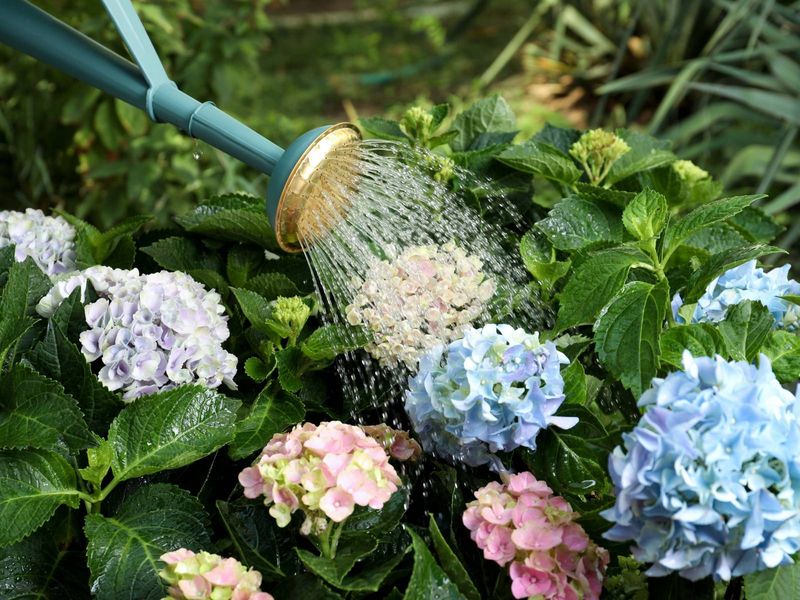
Shallow watering can actually work against a new shrub by encouraging roots to stay near the surface rather than pushing deeper into cooler, more stable soil.
During June heat in Ohio, surface soil dries out quickly, so roots that stay shallow are exposed to more stress than roots that have moved deeper into the ground.
Deep watering encourages downward root growth, which helps the shrub become more resilient over time.
When the soil around a new shrub feels dry two to three inches down, it is time to water thoroughly rather than briefly. Apply enough water to soak down at least six to eight inches into the root zone, which may take longer than expected depending on soil type.
Ohio’s clay-heavy soils in particular can be slow to absorb water, so patience during the watering process matters more than most gardeners realize.
Watering deeply but less frequently tends to produce stronger root development than watering lightly every single day.
Light daily watering keeps only the top inch or two of soil moist, which does not support the kind of deep root establishment that helps shrubs handle heat and dry spells.
Checking soil moisture before each watering session ensures that deep watering happens when it is actually needed rather than on a guesswork schedule.
5. Water Early In The Morning
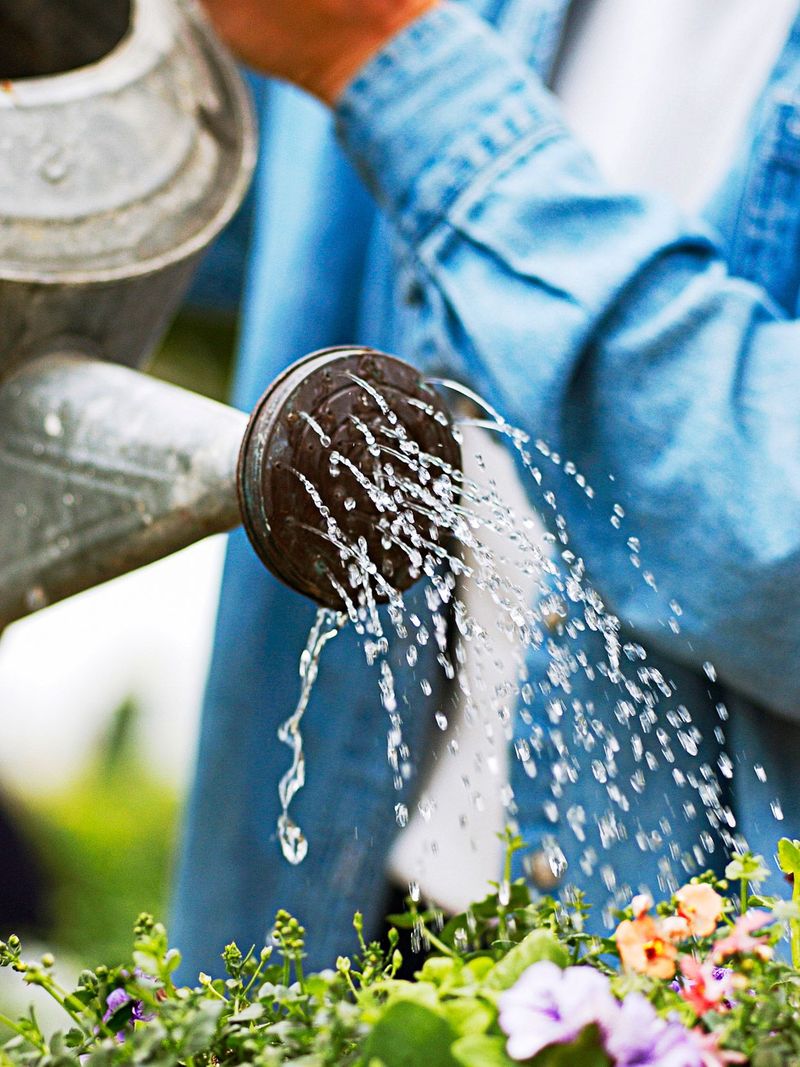
Timing matters more than most people expect when it comes to keeping new shrubs healthy through Ohio’s June heat.
Watering in the middle of the day means a significant portion of that moisture evaporates before it ever reaches the root zone, especially on hot afternoons when temperatures can climb quickly.
Morning watering gives the soil time to absorb moisture before the heat of the day sets in.
Early morning is also a good time because foliage that gets accidentally wet during watering has time to dry before nightfall.
Wet leaves sitting overnight can sometimes encourage fungal issues, which is an added concern when shrubs are already under heat stress.
Getting into a morning watering routine during June is one of the more practical adjustments Ohio gardeners can make for new plantings.
Watering in the evening is a common habit, but it leaves moisture sitting on leaves and in the upper soil layer through cooler overnight hours without the benefit of morning sun to help the shrub use that water efficiently.
If morning watering is not always possible, late afternoon watering is a reasonable backup, but try to avoid soaking foliage at that time.
Consistency with timing helps the shrub develop a more predictable pattern of water uptake during its first Ohio summer.
6. Use Drip Irrigation Or A Soaker Hose
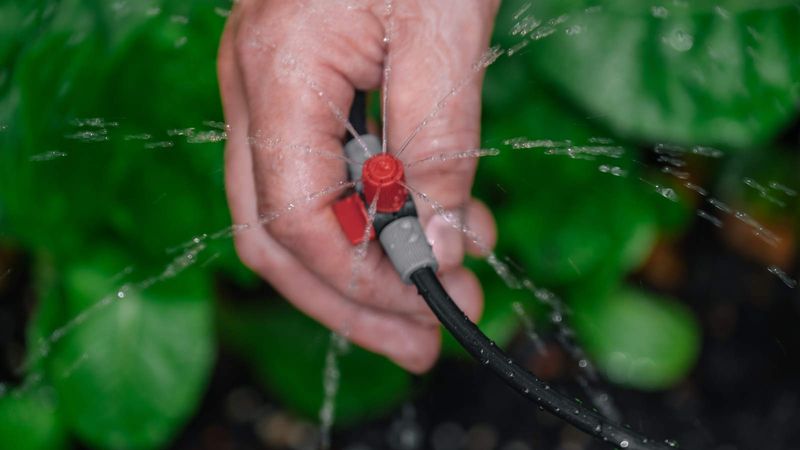
Drip irrigation and soaker hoses are two of the most effective tools for keeping new shrubs hydrated through Ohio’s early summer heat without wasting water or creating runoff.
Both methods deliver moisture slowly and directly to the root zone, which is exactly where new shrubs need it most during hot, dry stretches in June.
Soaker hoses are especially practical for foundation plantings and mixed landscape beds because they can be laid around multiple shrubs at once and left in place throughout the season.
Running a soaker hose at low pressure for thirty to sixty minutes delivers moisture deeply and evenly without saturating the surface.
That slow delivery rate also works well in Ohio’s clay soils, where water needs extra time to penetrate without puddling.
Drip emitters offer a bit more precision if you want to target specific plants in a mixed bed, and they can be connected to a simple timer for more hands-off care during busy weeks.
Either system reduces the risk of overwatering because the slow delivery rate makes it easier to control how much moisture the soil actually receives.
Pairing one of these methods with regular soil moisture checks gives new shrubs a strong foundation for surviving their first Ohio summer with far less stress.
7. Mulch Without Covering The Stems
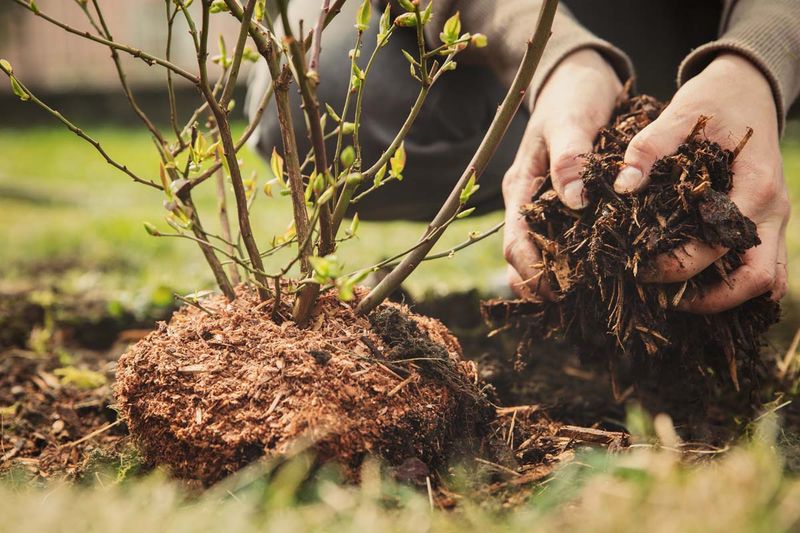
A fresh layer of mulch is one of the most helpful things an Ohio gardener can do for new shrubs heading into June heat, but placement matters just as much as the mulch itself.
Piling mulch directly against the stems of a shrub traps moisture and heat right at the base of the plant, which can lead to bark softening and root problems that show up weeks or even months later.
Spread two to three inches of organic mulch, such as wood chips or shredded bark, in a wide ring around the base of the shrub, keeping a gap of two to three inches between the mulch and the actual stems.
That small open space allows air to circulate around the base of the plant while still letting the surrounding soil benefit from the mulch’s moisture-retaining and temperature-moderating effects.
In Ohio’s June sun, mulch can reduce soil temperature noticeably, which helps protect shallow roots from heat stress.
Organic mulch also breaks down slowly over time and adds organic matter to the soil, which improves moisture retention in future seasons.
Refreshing mulch that has thinned out or shifted over the course of the spring is a simple task that pays off significantly during dry summer stretches.
Keeping the mulch ring wide rather than deep and narrow gives the shrub the best coverage across the root zone.
8. Pause Fertilizer And Heavy Pruning
When a newly planted shrub starts looking stressed in June, the instinct for many homeowners is to add fertilizer, as if extra nutrients will snap the plant back to health.
Unfortunately, fertilizing a shrub that is already struggling with heat and limited root establishment can make things worse.
Fertilizer encourages new top growth, which puts additional demand on a root system that is not yet equipped to support it.
Ohio’s June heat is not the right time to push new growth on a recently planted shrub. Holding off on fertilizer until the shrub shows signs of stable establishment, usually later in the growing season or the following spring, is a more measured approach.
If fertilizer was applied at planting time using a slow-release formula, additional feeding during the first summer is generally not necessary.
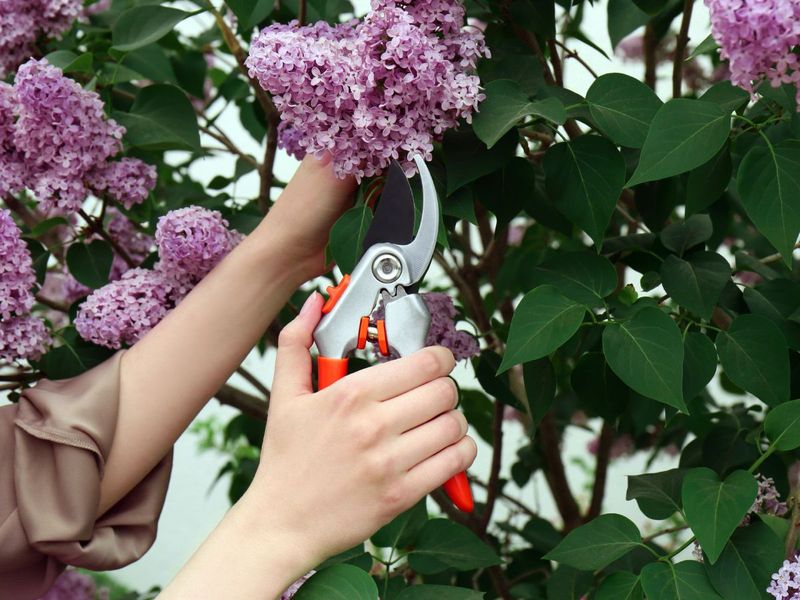
Heavy pruning during heat stress is equally worth avoiding for similar reasons.
Cutting back large portions of a shrub removes the foliage that the plant uses to generate energy, and a stressed shrub with a limited root system has little reserves to fall back on during recovery.
Light shaping to remove visibly damaged or broken branches is fine, but saving significant pruning work for cooler weather in late summer or early fall gives the shrub a better chance to recover on its own terms.
9. Add Temporary Afternoon Shade
Full afternoon sun in Ohio during June can be relentless, and for a shrub that was recently planted in a sun-exposed spot, that direct heat can push an already stressed plant closer to its limits.
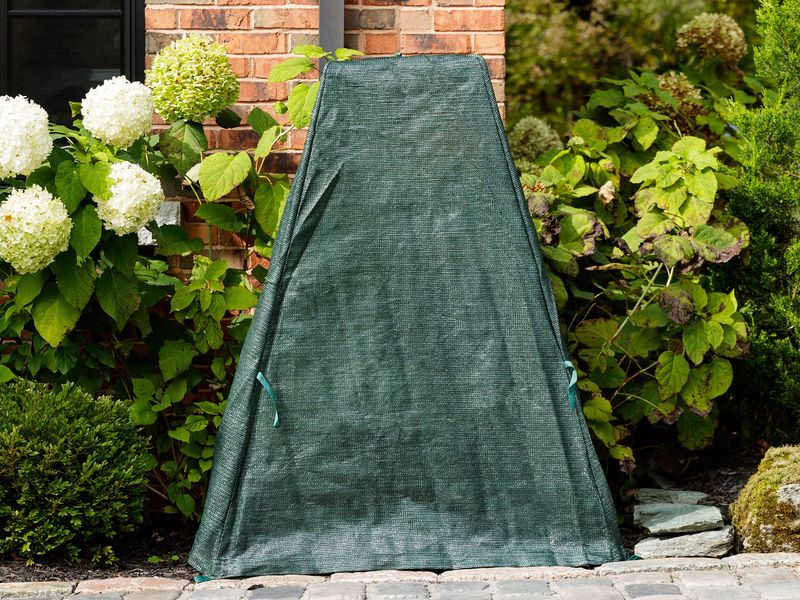
Providing a bit of temporary shade during the hottest part of the day, roughly between noon and four in the afternoon, can reduce leaf stress and slow moisture loss while the shrub works on getting established.
A lightweight shade cloth supported by a few garden stakes is a practical and inexpensive way to block some of that intense afternoon sun without creating too much of a barrier.
Look for shade cloth that filters around thirty to forty percent of sunlight rather than blocking it entirely, since the shrub still needs light to function.
Removing the cloth in the morning and replacing it in the early afternoon is an easy routine that can make a meaningful difference during a stretch of unusually hot June weather.
This approach works especially well for shade-tolerant shrubs that were planted in a sunnier spot than they prefer, or for any new shrub installed during a particularly warm spring.
Temporary shade is not a long-term solution, but as a short-term tool during Ohio’s most intense early summer heat, it gives new shrubs a chance to recover and push roots deeper before being left to handle full sun on their own.