Arizona Plants That Attract Dragonflies And Reduce Mosquito Activity
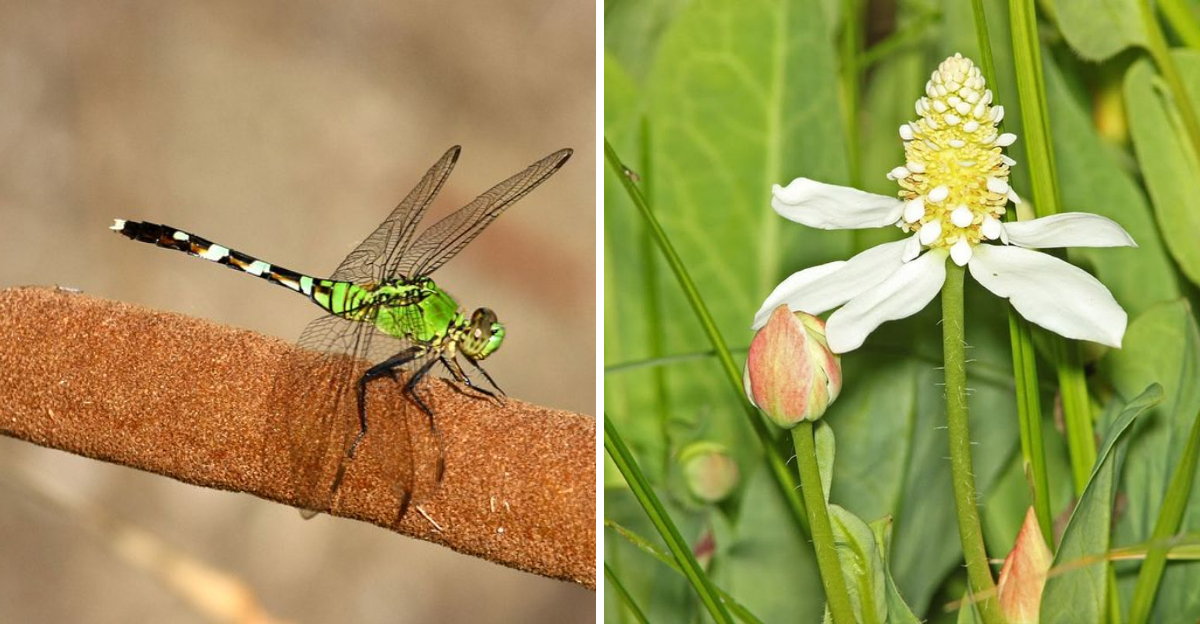
Dragonflies rarely stay where they do not find what they need. When they start appearing around a yard more often, there is usually a reason.
Some landscapes seem to attract them naturally, while others see very little dragonfly activity all season.
One of the biggest differences is the type of plants growing in the area. Certain plants provide better habitat and create conditions that encourage dragonflies to spend more time nearby.
The result is a yard that feels more active and full of life during the warmer months.
Arizona offers ideal growing conditions for a number of plants that dragonflies are drawn to. Some also bring colorful blooms and seasonal interest to the garden.
Choosing the right plants can help attract more dragonflies while creating a landscape that stays attractive through the hottest part of the year.
1. Desert Willow Creates The Right Setting For Dragonflies
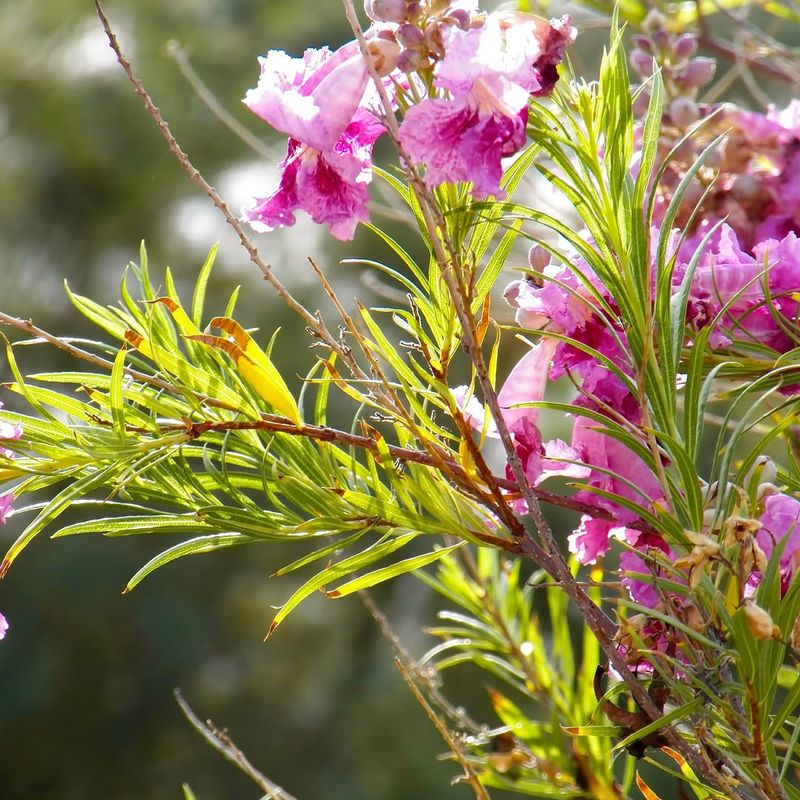
Few trees do as much quiet work in a southwestern garden as the desert willow. It blooms from late spring all the way into fall, producing tubular flowers that hum with activity.
Hummingbirds love it, but so do the flying insects that dragonflies hunt.
Dragonflies need food nearby to stick around. When your garden attracts gnats, midges, and small flies, dragonflies follow.
Desert willow flowers pull in those smaller insects, which keeps predators like dragonflies patrolling close by.
Plant it near a water source if you can. A birdbath, a small pond, or even a shallow dish of water nearby gives dragonflies a reason to linger.
Desert willow handles heat and dry soil well, so it fits naturally into low-water landscapes across the region.
Pruning is minimal. Let it grow in its natural arching shape and it will reward you with blooms season after season.
It tops out around 15 to 25 feet, giving your yard some welcome shade without crowding smaller plants underneath.
Locals who garden in hot, dry climates often overlook this tree in favor of showier options. That is a missed opportunity.
Desert willow earns its place not just for looks but for the layered ecosystem it quietly builds around it.
The flowers are typically fragrant in the evening, which helps attract nighttime pollinators as well.
2. Chuparosa Encourages More Dragonfly Visits
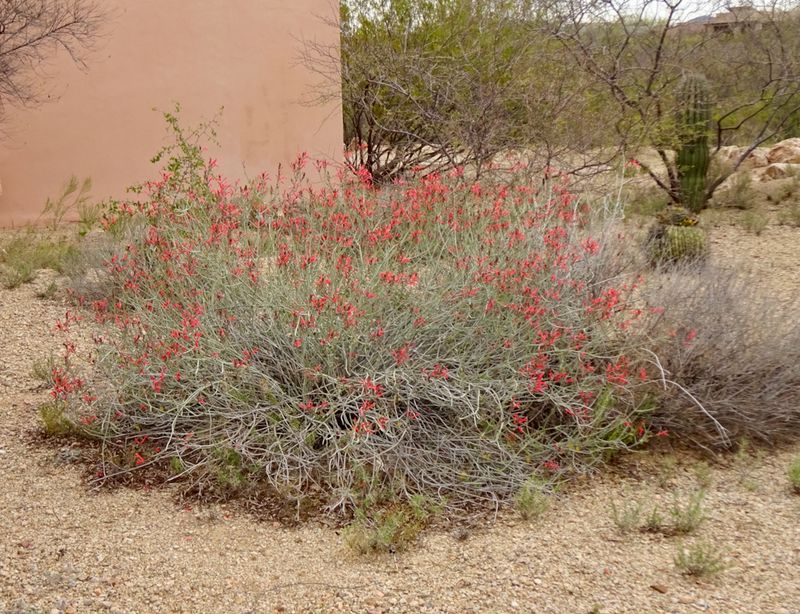
Chuparosa is a scrappy, drought-tough shrub that earns respect fast. It pumps out small red tubular flowers almost year-round in warmer parts of the Sonoran region, which makes it one of the most consistent insect magnets you can grow.
Gnats and small flies cluster around its blooms. That kind of consistent insect traffic is exactly what draws dragonflies into a yard.
More prey means more predators, and dragonflies are efficient enough that just a few of them can noticeably reduce mosquito pressure near your home.
Chuparosa stays under six feet tall in most garden settings. It spreads wide and looks great along borders or near a patio edge.
Plant it in full sun with well-draining soil and mostly leave it alone. Overwatering is the fastest way to stress it out.
Your Arizona Garden Changes Every Week. Your Plan Should Too.
Gardening in Arizona changes quickly throughout the season. Every Friday you’ll receive a simple weekly plan showing exactly what to plant, prune, fertilize, harvest, and protect so you never miss the right timing.
It goes semi-deciduous during cold snaps but bounces back reliably when temperatures rise again. In milder microclimates, it may hold its leaves all winter.
Either way, it rarely needs much intervention to keep performing.
Pairing chuparosa with a nearby water feature amplifies its value. Dragonflies patrol water edges and hunt in open sunny areas.
A chuparosa planted within view of a small pond or fountain creates a natural hunting corridor that keeps them active in your yard through the warm months.
Flowering is strongest when the plant receives full sun for most of the day, with reduced bloom production in partial shade conditions.
3. Baja Fairy Duster Adds Diversity To The Garden
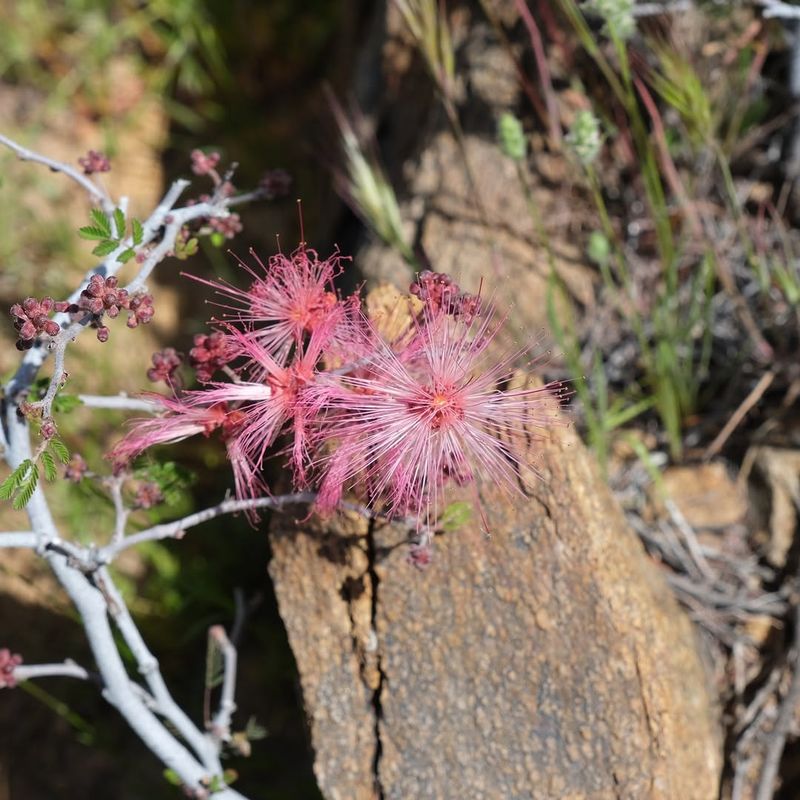
Bright, feathery, and almost impossible to ignore when it blooms, Baja fairy duster brings a burst of color that also happens to serve a practical purpose.
Its powder-puff flowers attract a wide range of small insects, which creates a reliable food chain that benefits dragonflies working the area.
Diversity in a garden matters more than most people realize. When you grow several plant types that bloom at different times, you maintain insect activity across more of the year.
Baja fairy duster fills a gap in late winter and early spring when fewer plants are flowering.
It stays compact, usually reaching three to five feet. Baja fairy duster handles reflected heat well, which makes it a solid pick for spots near walls, driveways, or south-facing beds where other plants struggle.
Full sun and gritty, well-draining soil keep it healthy without much effort.
Minimal pruning after bloom cycles helps it stay tidy and encourages fresh growth. Skip heavy fertilizing since it performs best in lean, native-style soil conditions.
Overfeeding leads to leggy growth with fewer flowers.
Combine it with plants that bloom later in the season to extend your garden’s insect activity window. Dragonflies are more likely to establish a regular patrol route when food sources stay consistent from spring through fall rather than peaking all at once.
It is also highly drought-tolerant once established, needing only occasional deep watering during long dry periods.
4. Arizona Milkweed Supports The Conditions Dragonflies Prefer
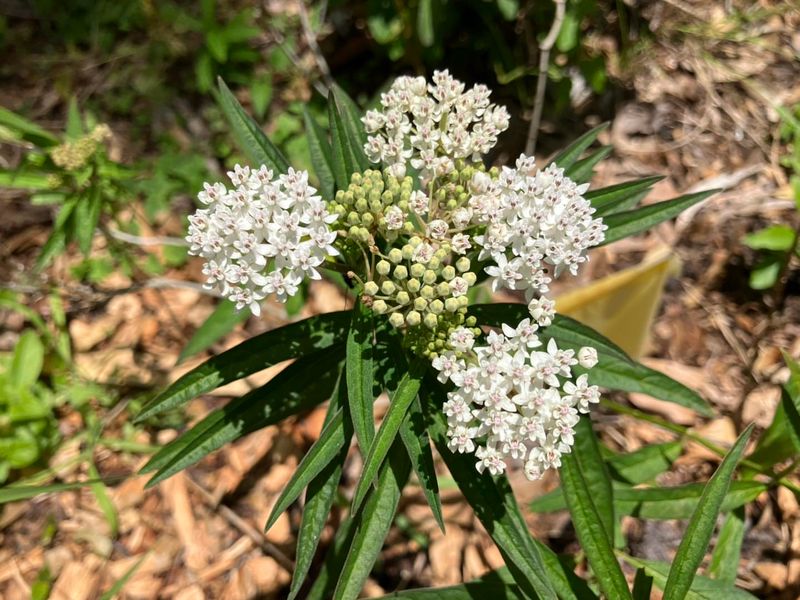
Most gardeners know milkweed as a monarch butterfly plant, but its role in a dragonfly-friendly garden runs deeper than that.
Arizona milkweed thrives near washes, drainage areas, and moist low spots, which are exactly the kinds of conditions dragonflies prefer for hunting and resting.
Dragonflies do not need milkweed for food directly. What they need is an environment that draws small flying insects consistently.
Milkweed flowers deliver that by attracting aphids, small wasps, beetles, and flies that form the base of the dragonfly food web.
Plant it near a water source or in a low-lying area that collects some runoff. Seasonal moisture is enough to keep it going in most cases.
It grows between two and three feet tall and spreads slowly from the root zone over time.
Unlike its more aggressive cousins from other regions, native milkweed species in the Southwest tend to stay put without taking over. It also goes dormant in winter and comes back reliably each spring, which means less replanting and less maintenance over time.
Grouping several plants together creates a denser insect hub that holds dragonfly attention longer.
A single plant helps, but a small cluster is much better at attracting dragonflies through the warmest months.
5. Blue Porterweed Extends Bloom Time Through The Warm Season
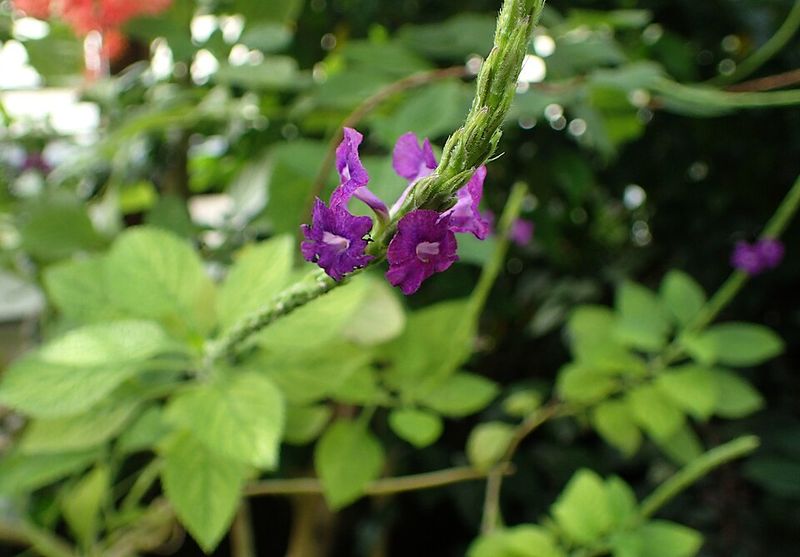
Not many plants bloom as persistently through brutal summer heat as blue porterweed. It keeps pushing out small violet-blue flower spikes from late spring into fall.
That long bloom period makes it one of the most reliable insect magnets for a warm-climate garden bed.
Consistent bloom time is a huge advantage. When flowers are always present, small insects stay active around that plant throughout the season.
Dragonflies learn patrol routes based on where prey concentrates, and a plant like blue porterweed that never really goes quiet keeps them coming back.
It grows low and spreads wide, usually staying under two feet tall. Use it along garden edges, between stepping stones, or at the front of a border where it can sprawl without crowding taller plants.
Full sun and moderate water are all it asks for.
Cutting it back by about a third mid-season refreshes the plant and encourages a second flush of vigorous new growth. Without occasional trimming, it can get woody and produce fewer flowers.
A light haircut keeps it performing through the back half of the season.
Pair it with a small water feature nearby and blue porterweed becomes part of a highly effective dragonfly zone. Insects gather near the blooms, dragonflies hunt those insects, and your mosquito population takes a real hit without any sprays or traps involved.
6. Frogfruit Thrives In The Damp Conditions Dragonflies Favor
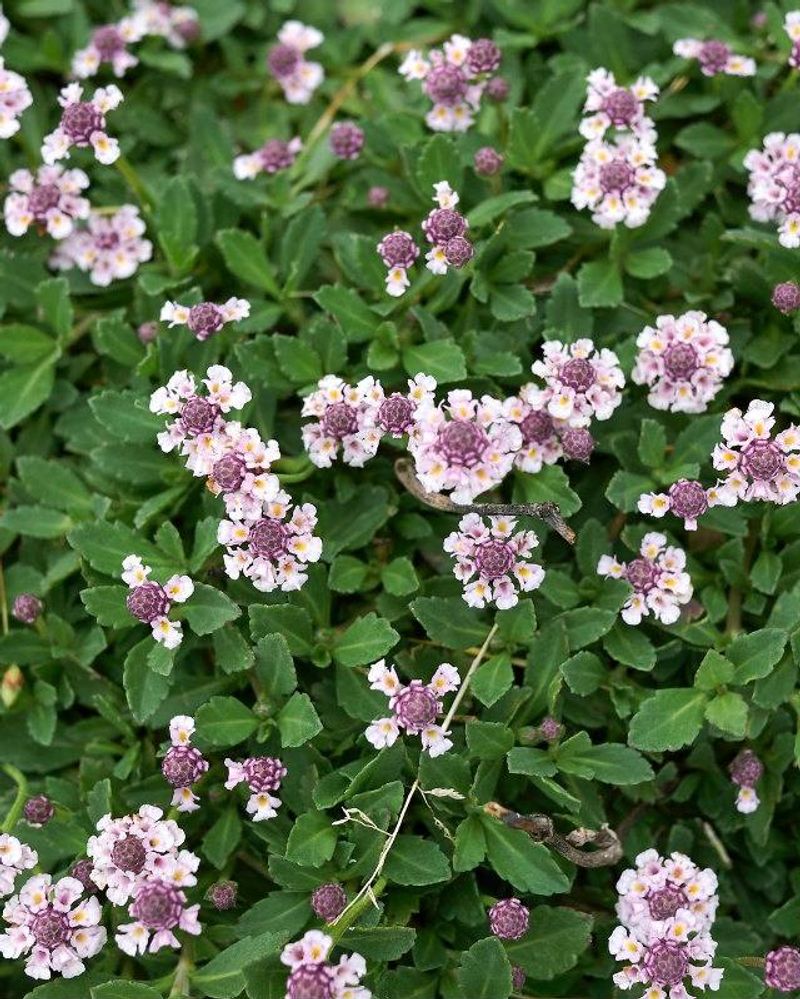
Frogfruit might have the best name in native plant gardening, and it backs up the personality. It creeps low across the ground, hugs moist soil, and produces tiny white flowers almost continuously through the growing season.
That combination makes it a prime insect destination.
Damp edges are prime dragonfly territory. Dragonflies spend their early life stages in water and continue to hunt near moisture as adults.
Frogfruit planted along the margins of a rain garden, pond edge, or low drainage area puts it right in the middle of that activity zone.
Small butterflies, bees, and flies work frogfruit blooms constantly. That steady stream of small insects creates reliable hunting grounds.
Dragonflies are opportunistic hunters, and they will return repeatedly to spots where prey is predictably present.
Frogfruit tolerates light foot traffic, which makes it a practical choice between pavers or along a path that leads to a water feature. It spreads by runners and fills in gaps without needing much help.
Water it moderately and it will handle the rest.
In shaded or semi-shaded moist spots where other plants struggle, frogfruit often performs better than expected. It is one of the few low-growing natives that handles fluctuating moisture levels without losing its footing.
Plant it where water tends to collect and let it work quietly through the season.
7. Yerba Mansa Belongs Near Ponds And Water Features
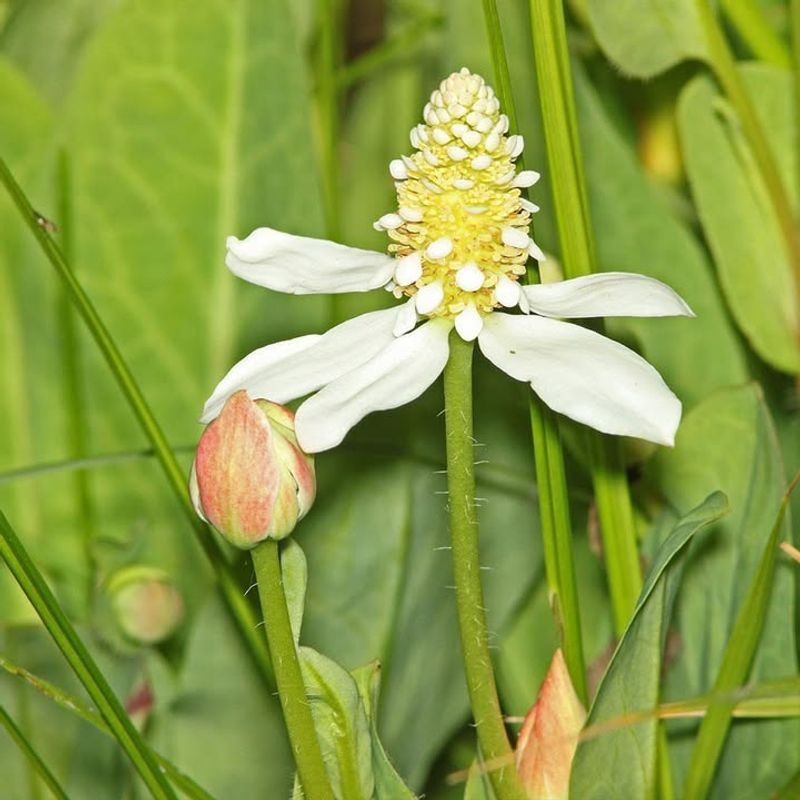
Yerba mansa has been growing along desert streams and irrigation ditches in the Southwest for centuries. It is built for wet feet and shady margins, which puts it in exactly the right place to support dragonfly activity around backyard water features.
Dragonflies lay eggs in or near standing and slow-moving water. Plants that stabilize pond edges and keep the surrounding soil moist extend the usable habitat.
Yerba mansa does that job naturally while also adding a distinctive, cone-shaped white flower to the garden from spring through early summer.
It spreads by rhizomes and forms dense mats in moist conditions. Once established near a pond or fountain, it rarely needs supplemental water.
Give it partial shade and consistent moisture and it will fill in steadily over a couple of growing seasons.
Beyond its habitat value, yerba mansa has a long history of use in traditional medicine throughout the region. That background is worth knowing, but in a garden context, its real value is structural.
Dense, low mats of foliage give dragonfly nymphs places to emerge from the water safely.
Pair it with narrowleaf cattail or other water-edge plants to create a layered pond margin. A diverse edge planting supports more insect life overall, which strengthens the entire dragonfly food chain.
A well-planted pond edge can make a measurable difference in how many dragonflies visit your yard each season.
8. Narrowleaf Cattail Gives Dragonflies A Place To Gather
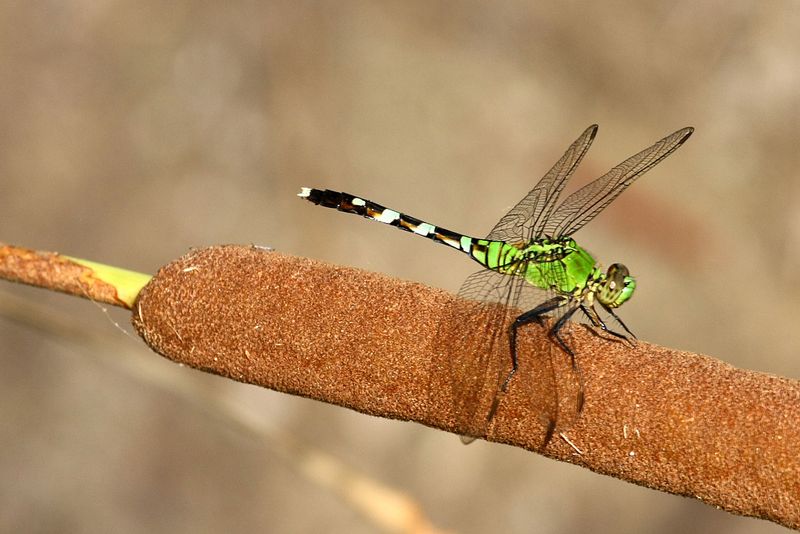
Cattails and dragonflies go together like a natural pairing that has existed for thousands of years.
Narrowleaf cattail is the slimmer, more manageable version of the common cattail, making it a smarter choice for smaller backyard ponds and container water gardens.
Dragonfly nymphs live underwater for months before emerging as adults. Cattail stems give those nymphs a vertical surface to climb when they are ready to emerge.
Without that kind of structure at the water’s edge, fewer nymphs complete their transition successfully.
Adult dragonflies also use cattail stalks as perches. From there, they watch for prey and dart out to hunt.
A pond with cattails becomes a genuine dragonfly hub rather than just a decorative feature. The difference in dragonfly activity between a bare pond and one with emergent plants is significant.
Narrowleaf cattail stays under six feet tall in most conditions, which is much more manageable than its wider relative. Plant it in a submerged pot to control its spread if your pond is small.
That one step prevents it from taking over while keeping its ecological function fully intact.
Combine cattails with yerba mansa, frogfruit, or other moisture-loving plants to build a complete water-edge habitat. A layered planting that includes tall, mid-height, and low-growing species supports more insect diversity.
More insect diversity means more consistent dragonfly presence through the entire warm season in your outdoor space.