Why California Fig Trees Stop Producing In Summer And How To Turn It Around
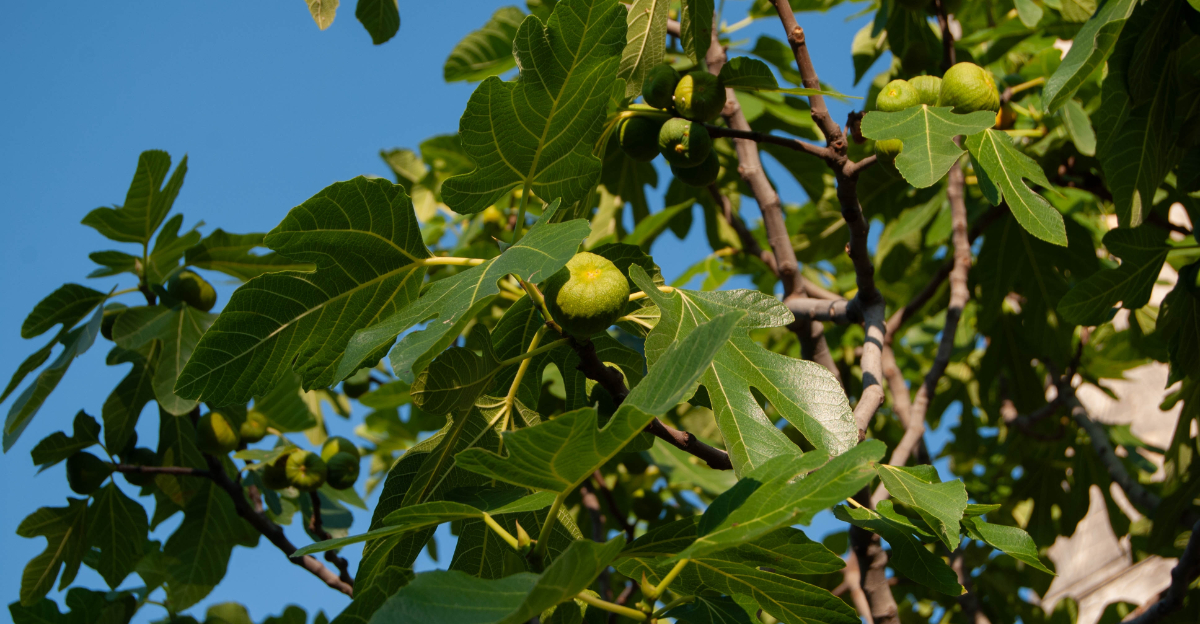
A fig tree with plenty of leaves but no summer fruit can feel like a garden mystery. In California, the cause is often hiding in plain sight.
Heat, water stress, poor pruning, young trees, and the wrong variety can all slow fruit production. Some trees look healthy on the outside while dropping tiny figs before they size up.
Others pour energy into leafy growth and leave you waiting for a harvest that never really comes. The good news is that fig trees are tough, and many problems can be turned around with a few smart changes.
A steady watering routine, better timing, and careful pruning can help your tree shift back into fruit mode.
Once you understand what your fig tree is trying to tell you, summer does not have to end with bare branches and disappointment. A better harvest may be closer than it looks.
1. Summer Heat Can Shut Fig Trees Down
When temperatures climb past 95 degrees Fahrenheit, fig trees can go into a kind of survival mode.
Instead of putting energy into fruit, the tree focuses on staying alive. This is actually a smart move by the plant, but it is terrible news for your harvest.
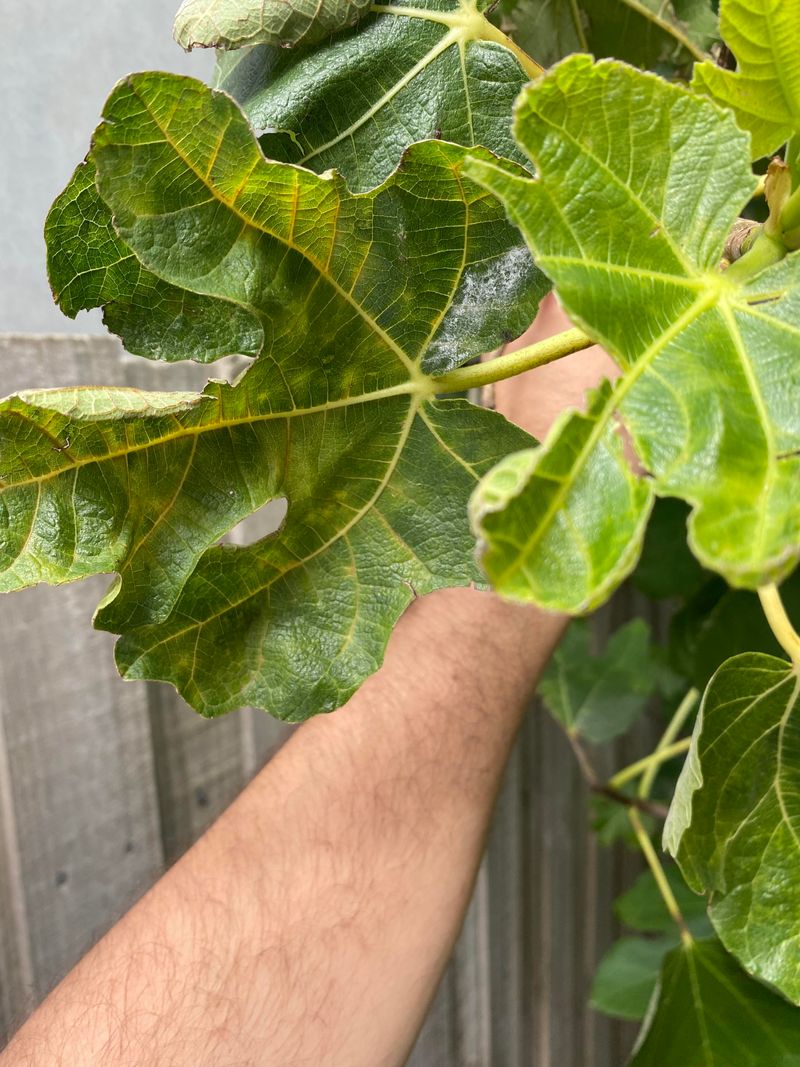
Hot, dry winds make the problem even worse. The leaves start to curl, and small figs that were just forming may drop off before they ever get a chance to ripen.
Many growers in our state see this happen during heat waves in July and August. The fix is not complicated, but it does take some planning.
Shade cloth rated at 30 to 40 percent can be draped over the tree during the hottest part of the day, usually between noon and 4 p.m.
Even a bedsheet works in a pinch. You can also plant the tree near a wall that faces east so it gets morning sun but stays cooler in the afternoon heat.
Mulching around the base of the tree is another simple trick. A thick layer of wood chips or straw keeps the soil cooler and reduces water evaporation. When the roots stay cool, the tree handles heat much better.
Giving your tree the right kind of protection during peak summer heat can make a big difference in how many figs actually make it to your table.
2. Dry Soil Makes Young Figs Drop Early
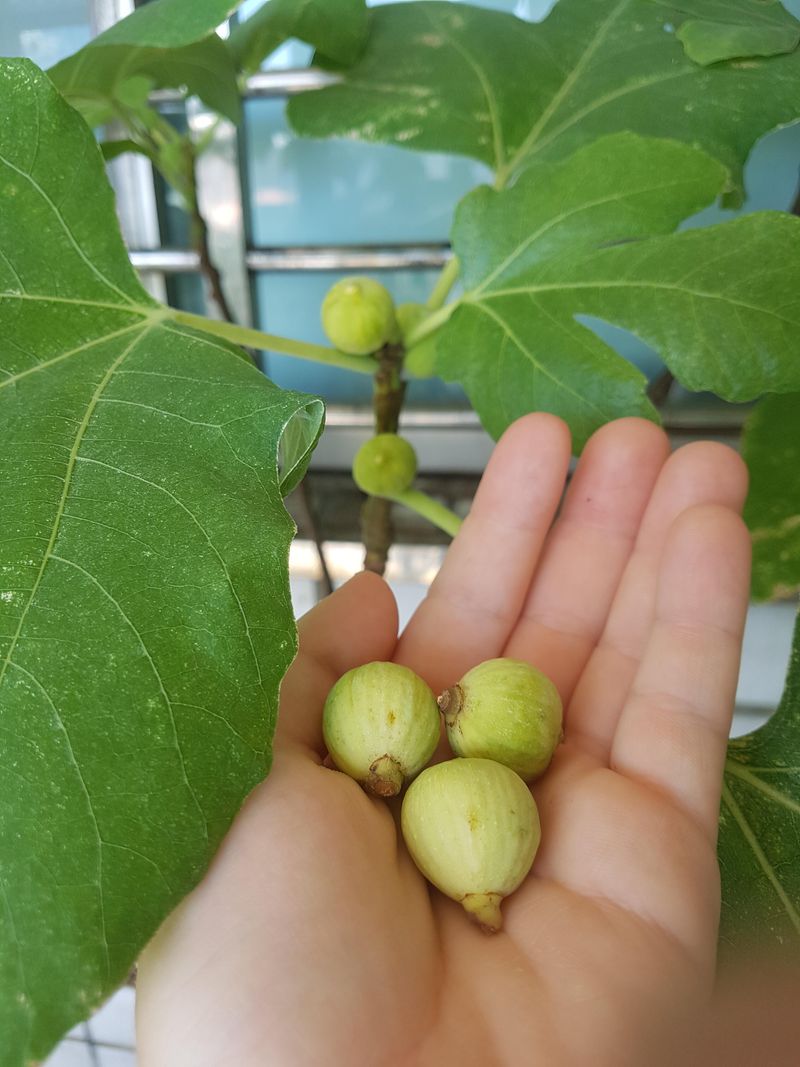
Young figs are surprisingly sensitive to dry conditions. When the soil dries out too quickly, the tree sends a signal to drop its immature fruits.
It sounds harsh, but the tree is just trying to reduce its workload during tough conditions. This is one of the most common reasons growers find little green figs on the ground instead of on the tree.
It happens fast, sometimes within just a day or two of the soil drying out. The figs look perfectly fine from the outside, which makes it even more confusing.
Keeping the soil consistently moist, but not soggy, is the key. A slow, deep watering two to three times a week works much better than a quick daily sprinkle.
Your California Garden Changes Every Week. Your Plan Should Too.
Gardening in California changes quickly throughout the season. Every Friday you’ll receive a simple weekly plan showing exactly what to plant, prune, fertilize, harvest, and protect so you never miss the right timing.
Deep watering encourages the roots to grow downward, where the soil stays cooler and holds moisture longer.
Checking the soil about two inches below the surface is a good habit to build. If it feels dry at that depth, it is time to water.
A drip irrigation system set on a timer takes a lot of the guesswork out of the process. Adding a two to three inch layer of mulch around the base of the tree also slows down evaporation dramatically.
With steady soil moisture, young figs have a much better chance of staying on the tree and growing into the sweet, ripe fruit you are waiting for.
3. Inconsistent Watering Confuses The Tree
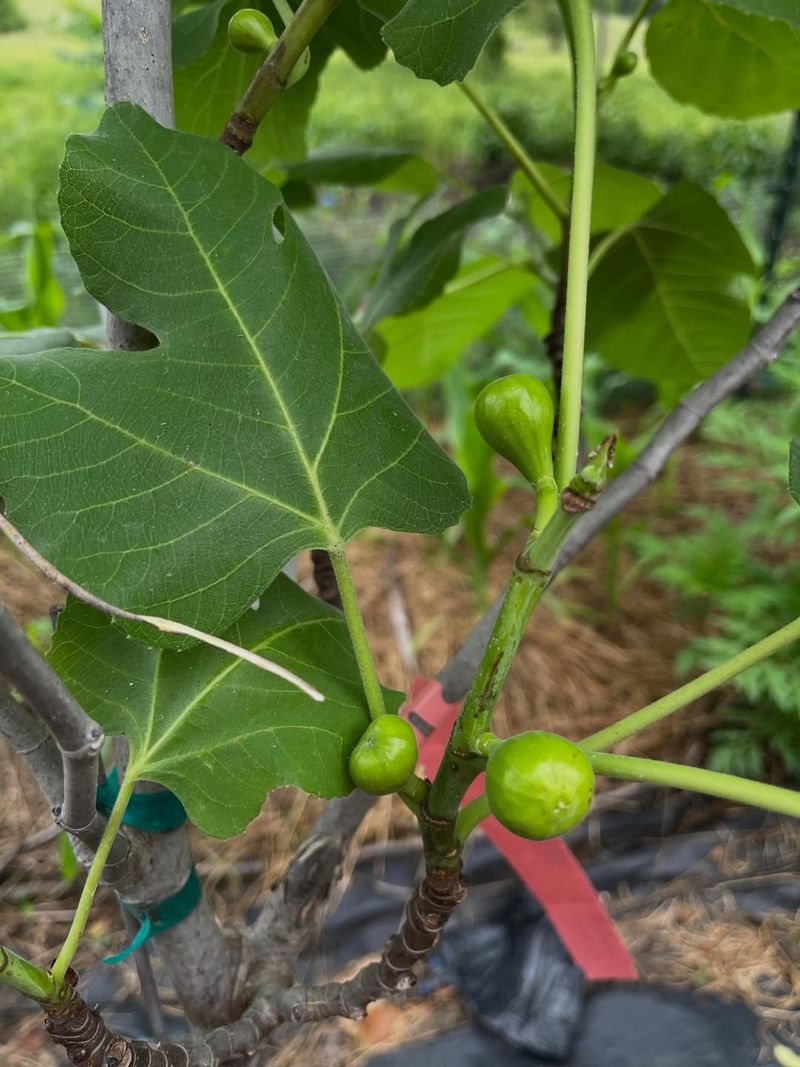
Watering a fig tree on and off is one of the sneakiest ways to hurt its fruit production. The tree gets used to a certain routine, and when that routine changes, it gets stressed.
Stress leads to dropped fruit, cracked figs, or a tree that puts all its energy into leaves instead of fruit.
Many gardeners water heavily after a dry spell to make up for lost time. That sudden flood of water after a drought can cause figs to split open right on the branch.
Split figs attract insects and mold quickly, which ruins the whole batch. Setting a watering schedule and sticking to it is one of the best things you can do for your tree.
A drip system or soaker hose on a timer makes this easy. During the hottest months, most fig trees in our state need a deep watering every three to four days.
Checking the weather forecast also helps. If rain is coming, skip a watering session. If a heat wave is on the way, water a little more deeply to prepare the tree.
The goal is to keep the soil moisture as steady as possible throughout the season.
Consistent watering gives the tree confidence, and a confident tree puts its energy into growing and ripening fruit instead of dealing with the stress of unpredictable conditions.
4. Too Much Water Can Hurt The Roots
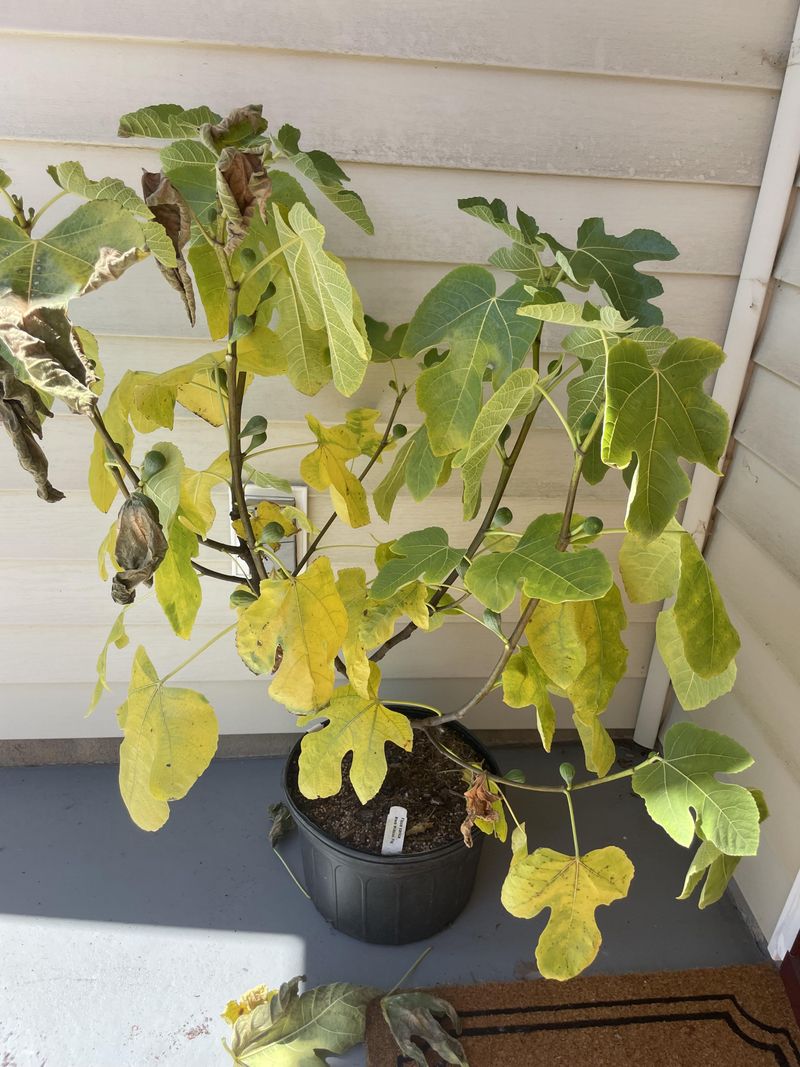
Overwatering is just as problematic as underwatering, and it is a mistake that even experienced gardeners make.
Fig trees actually prefer slightly dry conditions over soggy soil. When water sits around the roots for too long, the roots cannot get the oxygen they need.
Root rot is a real concern with overwatered fig trees. The roots start to break down, and the tree loses its ability to pull nutrients and water up into the branches.
Ironically, the tree may start to look like it needs more water, even though it is drowning. Yellowing leaves and wilting are common signs.
Well-draining soil is essential for fig trees. If your yard has clay-heavy soil, consider mixing in some coarse sand or perlite to improve drainage.
Raised beds are another great option because they naturally drain better than in-ground planting spots.
Before watering, always check the soil first. Stick your finger about two inches into the soil near the base of the tree.
If it still feels moist, wait another day or two. Fig trees grown in containers need even more attention because pots can hold water longer than garden beds.
Make sure your pots have drainage holes and that water flows freely out the bottom after each watering.
Giving roots the right balance of water and air is one of the most powerful ways to keep your tree healthy and productive all season long.
5. Heavy Pruning Can Remove Fruiting Wood
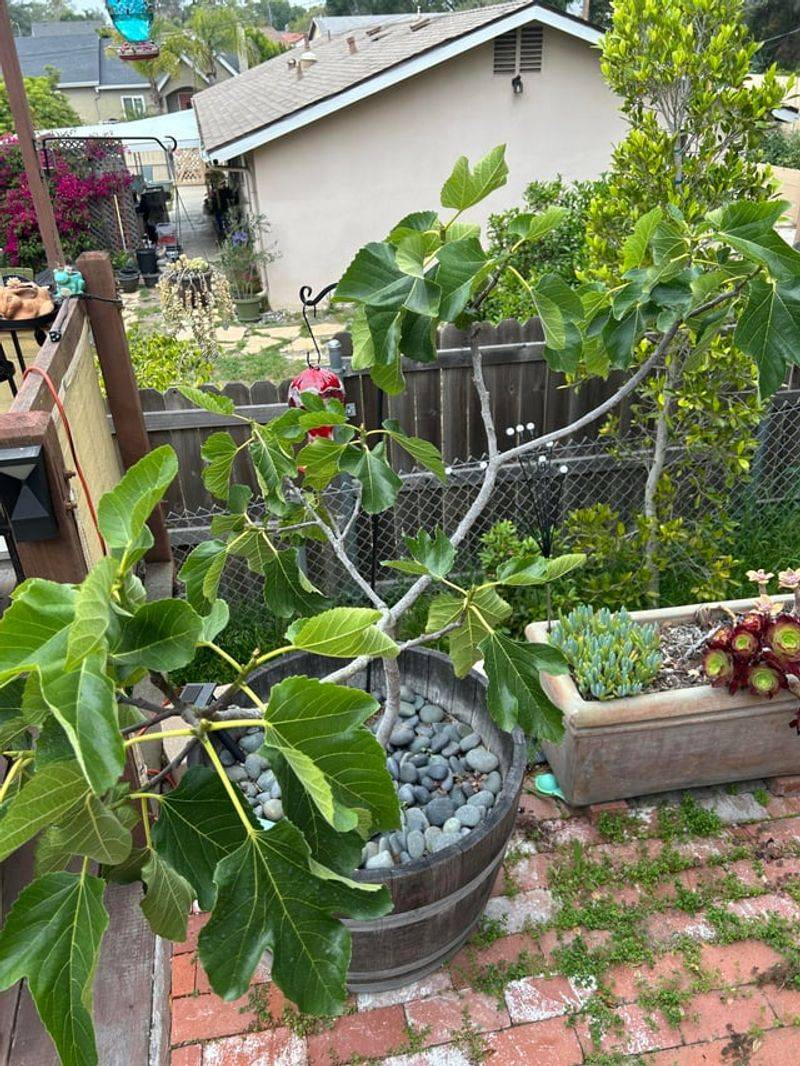
Pruning a fig tree feels satisfying, especially when the branches are getting long and tangled. But cutting too much at the wrong time can seriously set back your harvest.
Fig trees produce fruit on wood that grew the previous year, so when you remove too many of those branches, you are removing next season’s figs along with them.
A lot of growers prune their trees hard in late spring or early summer without realizing the damage they are doing.
By the time summer arrives, there is simply not enough mature wood left to support a good crop. The tree spends all its energy growing new branches instead of ripening fruit.
The best time to prune a fig tree is in late winter or very early spring, just before new growth begins.
At that point, you can see the structure of the tree clearly and make smart decisions about which branches to keep.
Remove damaged and crossing branches, but leave as much healthy one-year-old wood as possible.
Light shaping throughout the growing season is fine, but avoid removing more than 20 percent of the canopy at one time.
If you are not sure which branches are the fruiting ones, look for small, swollen buds along the sides of the stems.
Those buds are where your figs will come from. Treat them carefully, and your tree will reward you with a much fuller harvest in the seasons ahead.
6. Too Much Nitrogen Grows Leaves Instead Of Figs
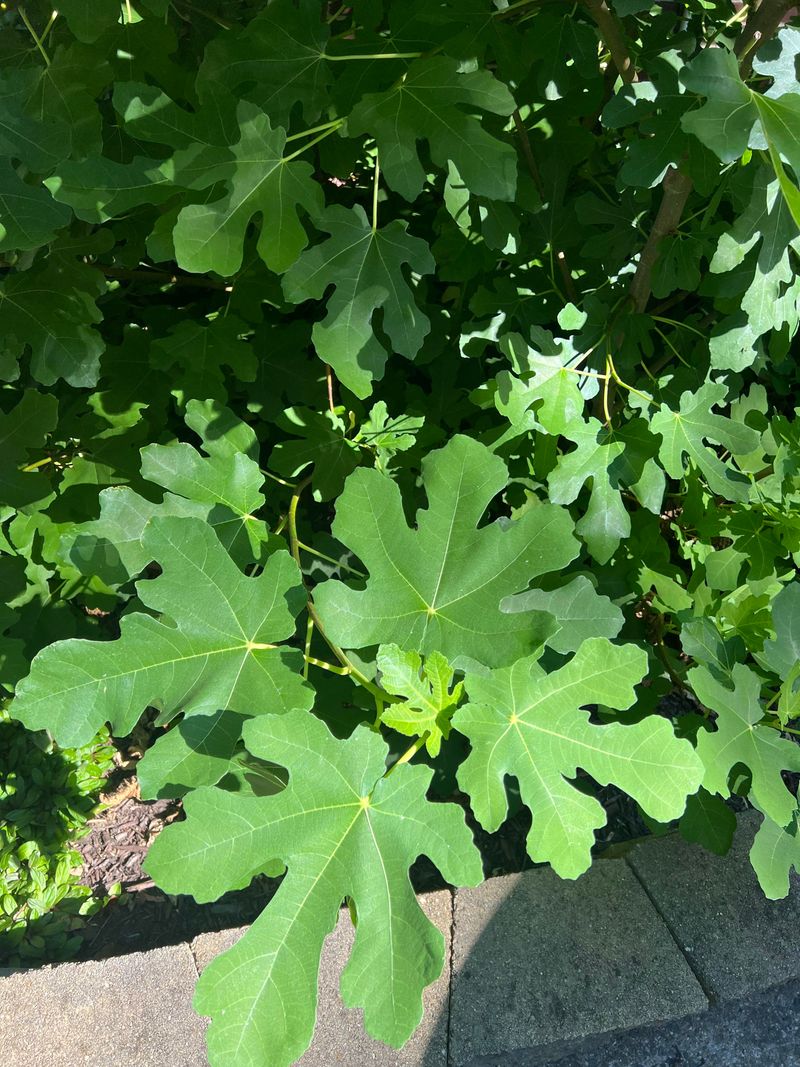
Fertilizer is supposed to help plants grow, but the wrong kind can actually work against your fig harvest. Nitrogen is the nutrient that pushes leafy, green growth.
When a fig tree gets too much of it, the tree responds by going into full leaf-growing mode and ignoring fruit production almost completely.
You might end up with the most beautiful, lush tree on the block, but with almost no figs to show for it.
This is especially common when gardeners use a general-purpose lawn fertilizer near their fig trees.
Lawn fertilizers are very high in nitrogen because grass loves it, but fig trees do not need nearly that much.
For fig trees, a low-nitrogen or balanced fertilizer works much better. Look for a fertilizer where the first number in the N-P-K ratio is lower than the other two.
Something like a 5-10-10 blend encourages root development and fruit production rather than leafy growth.
Feeding your tree in early spring gives it the nutrients it needs to start the season strong. A second, lighter application in early summer can help support fruit development.
After midsummer, hold off on fertilizing altogether. Late-season fertilizing pushes new growth that will not have time to harden before cooler weather arrives.
Getting your fertilizer routine right is one of the simplest and most effective ways to shift your tree’s focus from growing leaves to growing the figs you actually want.
7. Potted Fig Trees Dry Out Faster Than Gardeners Expect
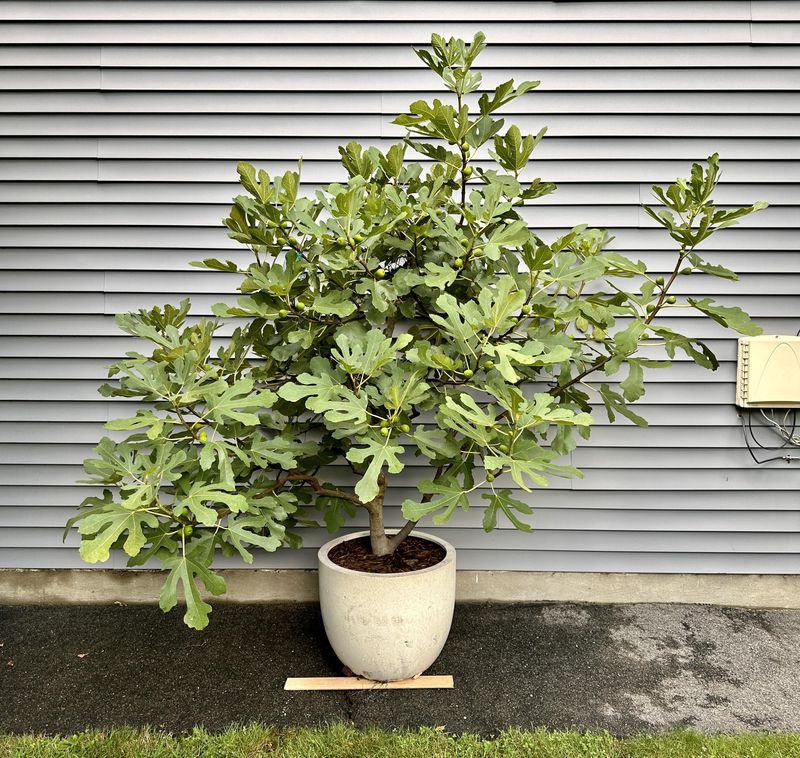
Growing a fig tree in a container is a popular choice, especially for people with smaller yards or patios. Container trees are flexible, easy to move, and can produce excellent fruit.
But they come with one big challenge that catches many gardeners off guard: they dry out incredibly fast.
A potted fig tree sitting on a sunny patio in the middle of summer can go from properly moist to bone dry in less than 24 hours.
When the roots run out of water, the tree starts dropping fruit and curling its leaves almost immediately. It can happen so fast that by the time you notice, the damage is already done.
Watering a potted fig tree once a day during peak summer heat is not unusual. Some gardeners water twice a day when temperatures are extreme.
The key is to water deeply each time until water flows freely from the drainage holes at the bottom of the pot.
Choosing the right pot also makes a difference. Dark-colored pots absorb more heat and dry out faster than light-colored ones.
A large pot holds more soil and stays moist longer than a small one. Wrapping the outside of a dark pot in burlap or moving it to a slightly shaded spot in the afternoon can help keep the roots from overheating.
Staying on top of watering is the single most important thing you can do for a container fig tree in summer.
8. Some Fig Varieties Need More Time To Ripen
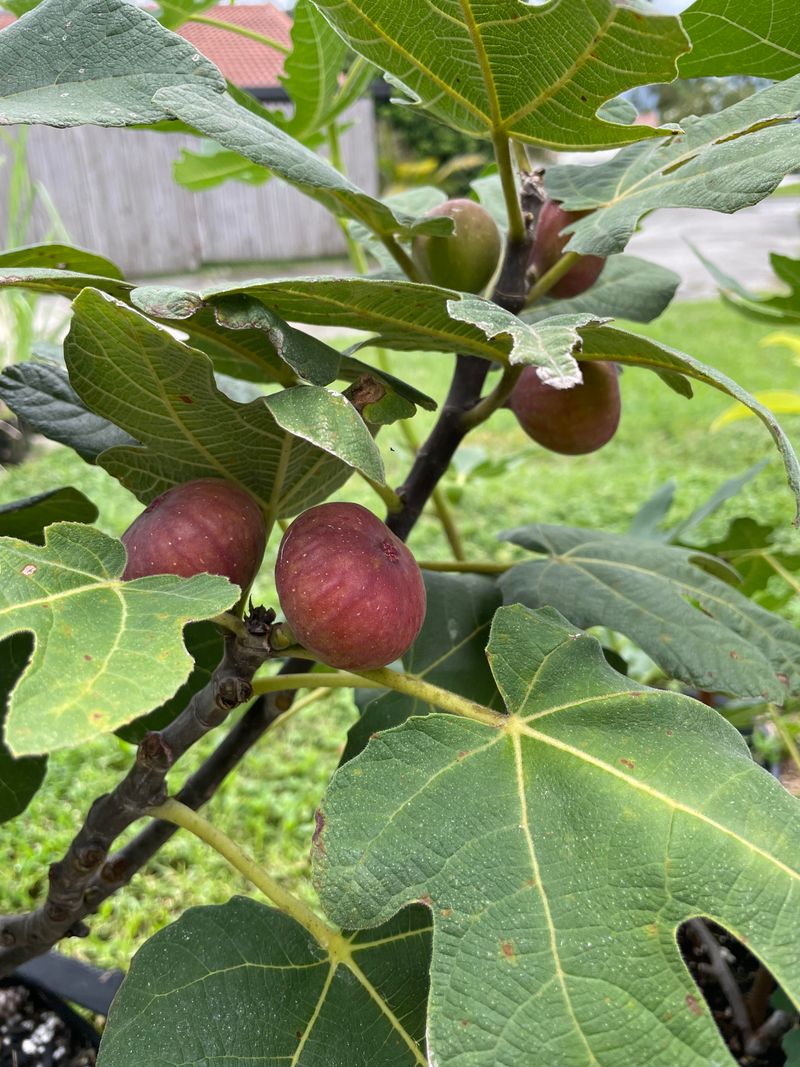
Not all fig trees operate on the same schedule, and choosing a variety that does not suit your local climate can lead to a summer full of waiting and very little eating.
Some varieties produce two crops a year, while others produce just one. Some ripen quickly in the heat, while others need a longer, cooler stretch to fully develop their flavor.
Brown Turkey and Black Mission are two popular varieties that tend to do well in warmer parts of our state. They ripen reliably and are forgiving of heat.
But varieties like Kadota or some imported Mediterranean types may struggle to ripen fully during a short or unusually cool summer season.
If your tree consistently produces fruit that never seems to fully ripen before the season ends, it might be a variety mismatch rather than a care problem.
Talking to a local nursery professional is a great starting point. They can recommend varieties that are well suited to your specific area and climate zone.
Grafting a better-suited variety onto an established rootstock is one option for serious growers.
For most home gardeners, simply planting the right variety from the start is the easier path. Do a little research before you buy.
Check the expected ripening window and make sure it fits with the number of warm days your area typically gets.The right variety in the right spot can make everything else fall into place naturally.