How To Know If An Opossum Is Visiting Your New Jersey Yard At Night (And How To Discourage It)
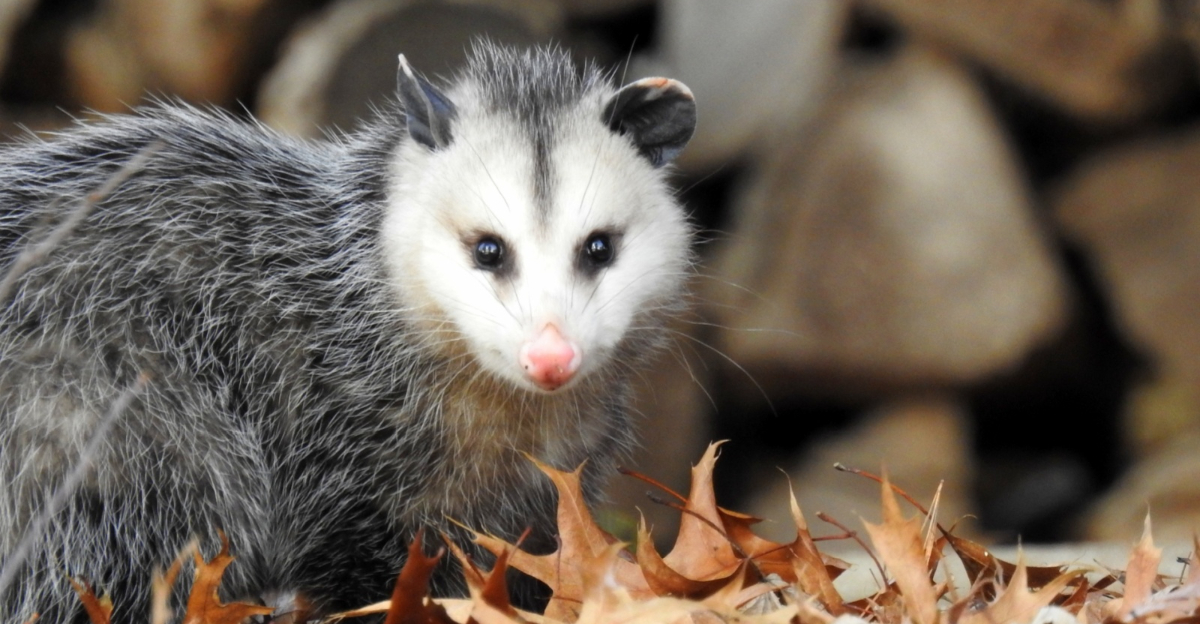
Something is out there. Every morning, you step outside and notice the trash can lid is askew, the cat food bowl is empty, and the garden looks like it hosted a midnight party.
You are not imagining things. Sneaky nighttime visitors are surprisingly common across New Jersey neighborhoods, and most homeowners never realize one has settled nearby until the damage piles up.
Last spring, I spotted a small creature waddling across my back porch like it owned the place, bold as ever under the porch light. These mysterious marsupials are masters of staying hidden, but they always leave behind clues.
Knowing what signs to look for can save you from lost pet food, roughed-up garden beds, and toppled trash cans. A few smart changes around your New Jersey property can send them searching for an easier meal elsewhere.
So, are you ready to uncover what has been sneaking through your yard and finally take back the night?
Tracks With A Sideways Thumb
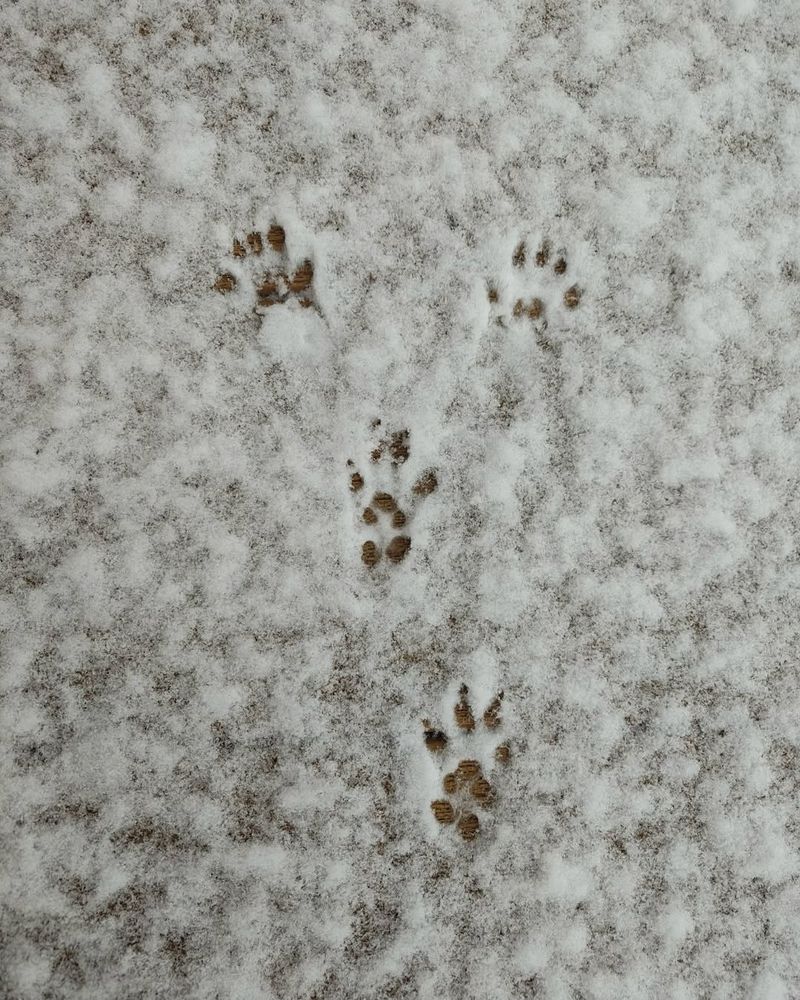
No other backyard animal leaves a print quite like this one. That wide, sideways-pointing thumb on their hind foot makes their tracks instantly recognizable once you know what to look for.
No other common backyard creature leaves a print quite like it. Check soft soil, muddy patches near water sources, or dusty areas along your fence line after a rainy night.
The front paws leave five small claw marks arranged in a loose star shape. The back paws show four forward-facing toes plus that unmistakable thumb sticking out to the side, almost like a tiny hand.
Spotting these tracks near your garden beds, compost area, or under your deck is a strong sign a opossum has been making regular nighttime rounds in New Jersey.
They tend to follow the same routes each night, so finding fresh prints in the same spot more than once confirms you have a repeat visitor.
A opossum visiting your New Jersey yard will often leave a trail of prints leading straight toward a food or water source.
Once you identify the tracks, you can trace the path back to figure out exactly where this critter is entering your New Jersey property. Knowing the entry point is your first step toward discouraging future visits.
Raided Or Tipped Trash Cans

Nothing starts a morning off worse than trash scattered across your driveway before you’ve had your coffee.
Opossums are dedicated scavengers, and a poorly secured trash can is basically a free buffet to them. They are strong enough to tip lightweight cans and clever enough to pry open lids that do not latch tightly.
Unlike raccoons, opossums tend to leave a messier scene because they are less dexterous and more focused on eating than tidying up.
You might notice food scraps, torn bags, and scattered wrappers spread in a rough circle around the tipped container.
If this keeps happening even after you right the can, a opossum has almost certainly added your trash stop to its nightly route. The smell of food waste can travel a surprising distance on a warm night, drawing animals from nearby areas.
Your New Jersey Garden Changes Every Week. Your Plan Should Too.
Gardening in New Jersey changes quickly throughout the season. Every Friday you’ll receive a simple weekly plan showing exactly what to plant, prune, fertilize, harvest, and protect so you never miss the right timing.
Even a small gap between the lid and the rim of the can is enough to let odors escape and attract attention. A opossum visiting your yard for trash will return every single night as long as the reward is there.
Switching to cans with locking lids or storing them in a garage overnight is one of the fastest ways to break this habit before it becomes a nightly routine.
Pet Food Gone By Morning
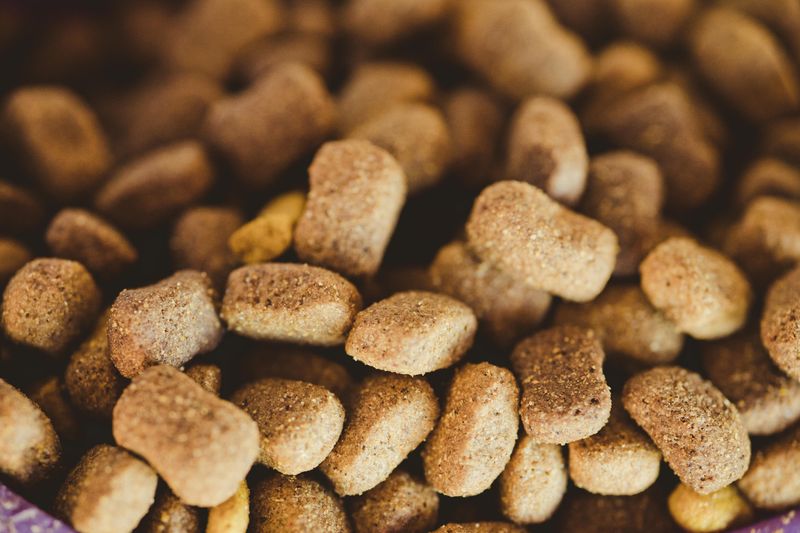
Leaving pet food outside overnight is basically sending a personal invitation to every hungry animal within sniffing distance.
Opossums have an extraordinary sense of smell, and a bowl of kibble left on the porch might as well be a neon sign saying “free meal here.”
If your cat or dog’s outdoor dish keeps coming up empty by morning, a opossum is a prime suspect in New Jersey.
These animals are opportunistic feeders, meaning they eat just about anything they can find without much effort.
Dry kibble, wet food, birdseed, and even water bowls attract them regularly. They are not picky, and once they discover a reliable food source on your New Jersey property, they will show up at roughly the same time every night.
Check around the dish for those distinctive paw prints with the sideways thumb, and look for small droppings nearby. Opossums often leave behind both signs close to wherever they have been eating.
A opossum visiting your New Jersey yard for pet food is one of the easiest problems to solve, simply because removing the food source removes the motivation entirely. Bring all pet bowls inside before sunset, and store any bags of kibble in sealed containers.
That one small habit change can make your yard dramatically less appealing to nocturnal visitors almost overnight.
Droppings Near Food Sources

Small, scattered droppings across your yard tell a story, and the details point straight to your nighttime visitor.
Opossum droppings are roughly one to two inches long, tapered at the ends, and often slightly twisted or curled.
They are sometimes confused with cat droppings, though opossum droppings tend to have a rougher, more irregular texture and less uniform shape.
You will most often find them clustered near wherever the animal has been eating or resting. Check around your trash cans, compost bin, garden beds, pet food area, and under your deck or porch.
Fresh droppings are dark brown or almost black, while older ones dry out and turn gray or pale over time.
Unlike some wildlife, opossums do not designate a single bathroom area, so finding scattered droppings across multiple spots means the animal is spending significant time on your property.
This is also a health consideration worth being aware of, as wild animal waste can carry parasites and bacteria.
Always wear gloves and wash your hands thoroughly when cleaning up any wildlife droppings in your yard. Consistent droppings near the same food source tell you exactly what is drawing the opossum in.
Address that food source, and the visits, along with the mess they leave behind, should taper off quickly.
Disturbed Garden Or Compost Pile

Your garden looked fine at sunset, so why does it look ransacked by morning? Opossums root through garden soil in search of grubs, beetles, fallen fruit, and soft vegetables like tomatoes or strawberries.
They are not aggressive diggers the way armadillos are, but they do enough damage to be noticeable.
Compost piles are especially attractive to these animals because they contain a mix of food scraps, insects, and warm decomposing material.
A opossum will dig through an open compost bin regularly if given the chance, scattering material and creating a messy situation.
You might notice disturbed layers, pulled-out food scraps, and those telltale paw prints pressed into the softer compost surface.
In the New Jersey garden itself, look for partially eaten low-hanging fruit, shallow digging near plant roots, and bite marks on ripe vegetables closest to the ground.
Opossums tend to eat what is easiest to reach rather than climbing or working hard for a meal.
A opossum visiting your New Jersey yard for garden food is motivated by convenience, so making access harder goes a long way.
Covering compost bins with a secure lid and protecting New Jersey garden beds with a simple wire barrier can stop the nightly raids without much effort or expense.
Scratching Sounds Under Decks Or Sheds
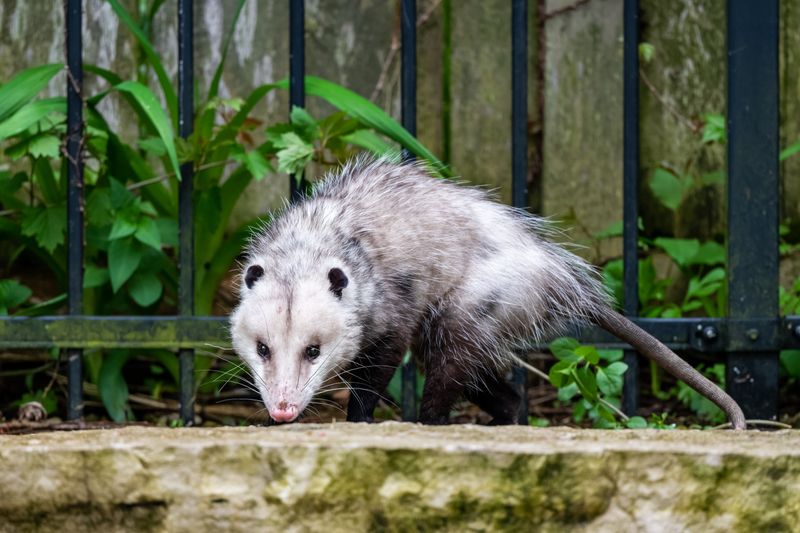
That scratching beneath your deck after dark is not your imagination. Opossums frequently use these sheltered spaces as temporary resting spots or even short-term dens, especially during cold or wet weather.
The sounds are usually most noticeable in the early morning hours before dawn or just after dusk when the animal is most active.
The scratching you hear is often the opossum settling into bedding material it has dragged underneath, or simply moving around in the tight space.
You might also catch a faint musky odor coming from beneath the structure, which is another strong indicator that something has taken up residence.
Opossums are generally solitary animals, so you are likely dealing with just one individual rather than a group, though a female with young joeys is an exception worth keeping in mind.
Shining a flashlight under the deck or shed during the day can reveal disturbed soil, flattened vegetation, or even a small nest of leaves and debris.
Look for those distinctive tracks in the dust or dirt near the opening. A opossum visiting your yard and choosing to rest beneath a structure means it feels safe and comfortable on your property, which is exactly the situation you want to change.
Sealing off access points with hardware cloth is the most effective long-term solution, but always confirm the space is empty before closing it off permanently.
A Motionless Animal Playing Opossum
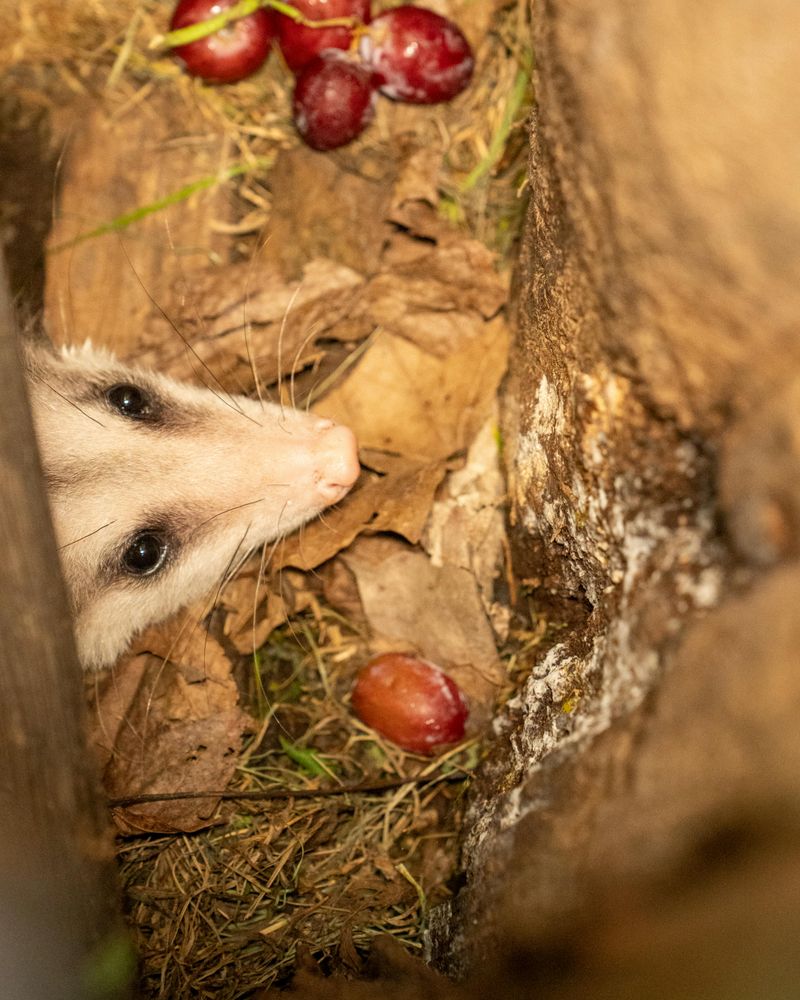
One moment your yard is quiet, the next there is a completely motionless animal lying in the grass. But if the creature is a opossum, there is a good chance it is not actually in trouble at all.
Playing opossum is a real, involuntary survival response where the animal goes completely limp, slows its breathing, and even produces a foul-smelling secretion to mimic the smell of decay.
This response is triggered by extreme stress or fear and is not something the opossum consciously controls.
The animal can stay in this state for anywhere from a few minutes to several hours before snapping out of it on its own.
Trying to move or handle it during this time can extend the episode and cause additional stress to the animal.
If you spot a motionless opossum in your yard, the best approach is to leave it alone and give it space. Check back after an hour or two, and in most cases it will have recovered and moved along.
A opossum visiting your yard and going into this state was likely startled by your presence, a pet, or a sudden noise.
Seeing this happen confirms an active opossum presence on your property, making it a good time to start thinking about the discouragement steps outlined later in this guide.
Lock Down Your Trash
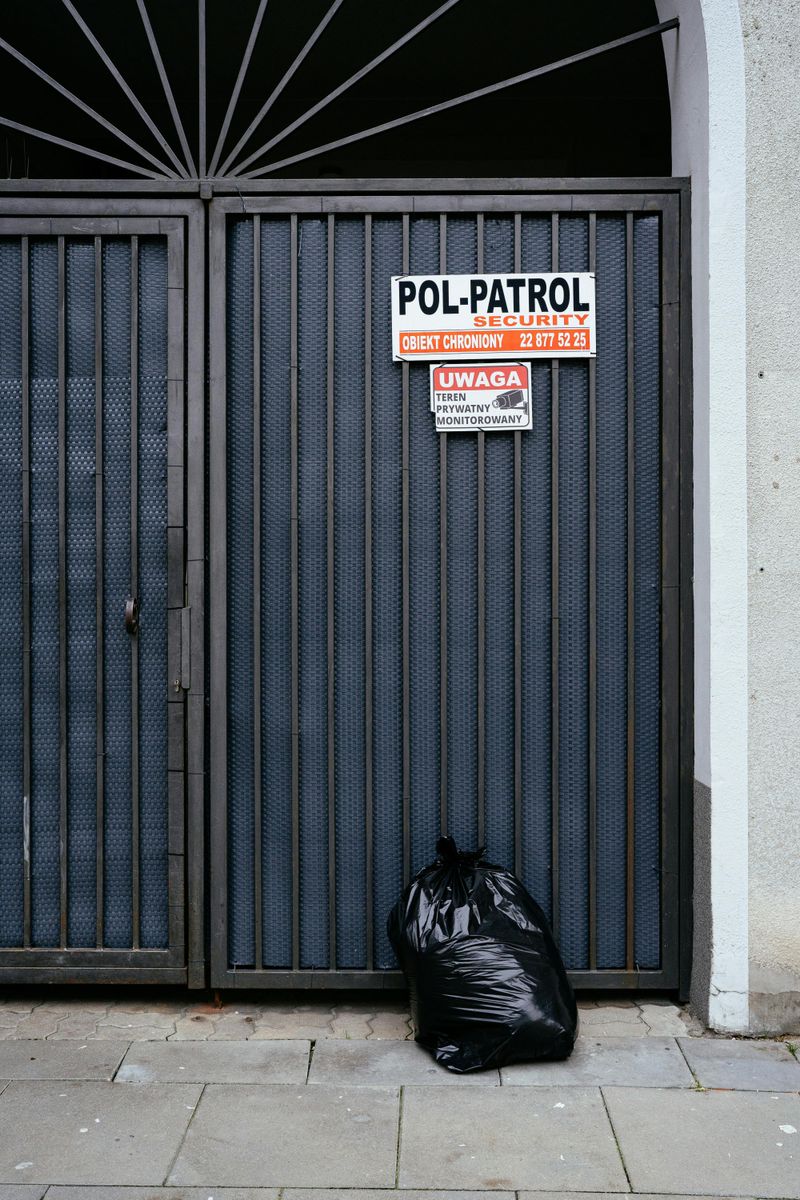
If food is what brings them in, cutting off the supply is what sends them packing. Opossums are motivated almost entirely by food, and unsecured garbage is one of the most reliable food sources available in any residential neighborhood.
Switch to trash cans that feature a locking lid mechanism, or use a heavy-duty bungee cord looped through the handles to keep lids firmly in place.
If your current cans are lightweight plastic, consider upgrading to thicker, heavier models that are harder to tip. Metal cans with clamp-down lids are especially effective because they are difficult to pry open and do not absorb odors the way plastic does.
Storing cans inside a garage or shed overnight is the most foolproof option if space allows. Even small things like rinsing out food containers before tossing them can reduce the odor that attracts animals in the first place.
A bag of trash that smells strongly of meat or fruit scraps will draw animals from a wider area than a bag of clean, dry waste. Reducing the scent signal cuts down on the number of animals that even bother investigating your property.
Once a opossum loses access to your trash consistently for a week or two, it will redirect its nightly route toward easier pickings elsewhere, and your mornings will be significantly less messy.
Remove All Food Sources By Dusk
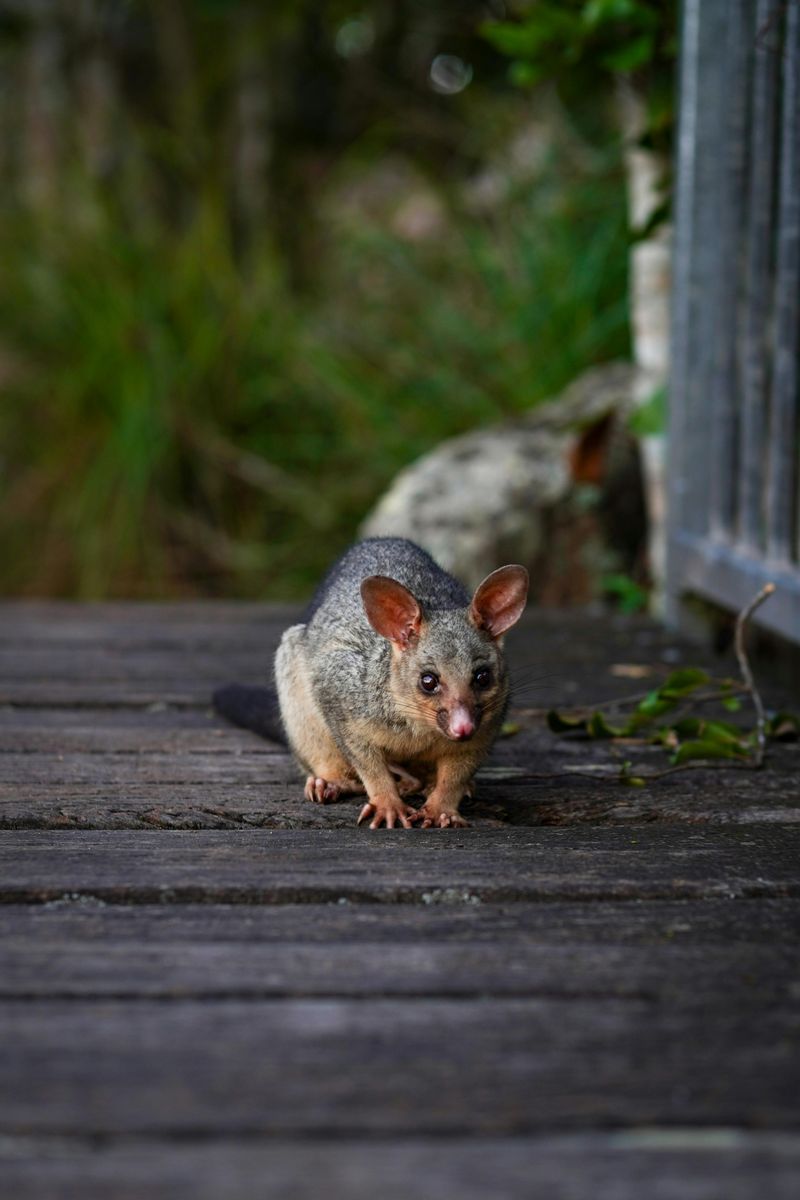
Opossums are creatures of habit, and they learn quickly which yards offer a reliable meal after dark. Removing every possible food source before the sun goes down is one of the most straightforward ways to make your yard invisible to nighttime foragers.
This means pet bowls, birdfeeders, fallen fruit, and even accessible compost all need to be addressed before dusk.
Birdfeeders are a surprisingly common attractant that many homeowners overlook entirely.
Seed that falls to the ground during the day sits there waiting to be eaten after dark, drawing not just opossums but a whole range of wildlife.
Bringing feeders inside at night or switching to tube-style feeders with catch trays that minimize spillage can make a noticeable difference. Fallen fruit from trees is another food source that often goes unnoticed until it is too late.
Check under fruit trees daily during harvest season and pick up anything that has dropped to the ground. A opossum visiting your yard for fallen peaches or apples will return every single night until the fruit is gone or unavailable.
Water sources also matter more than most people realize, since wildlife seeks hydration alongside food.
Emptying decorative bowls, birdbaths, and low-sitting containers in the evening removes one more reason for an opportunistic opossum to linger on your property after dark.
Install Motion-Activated Lights Or Sprinklers
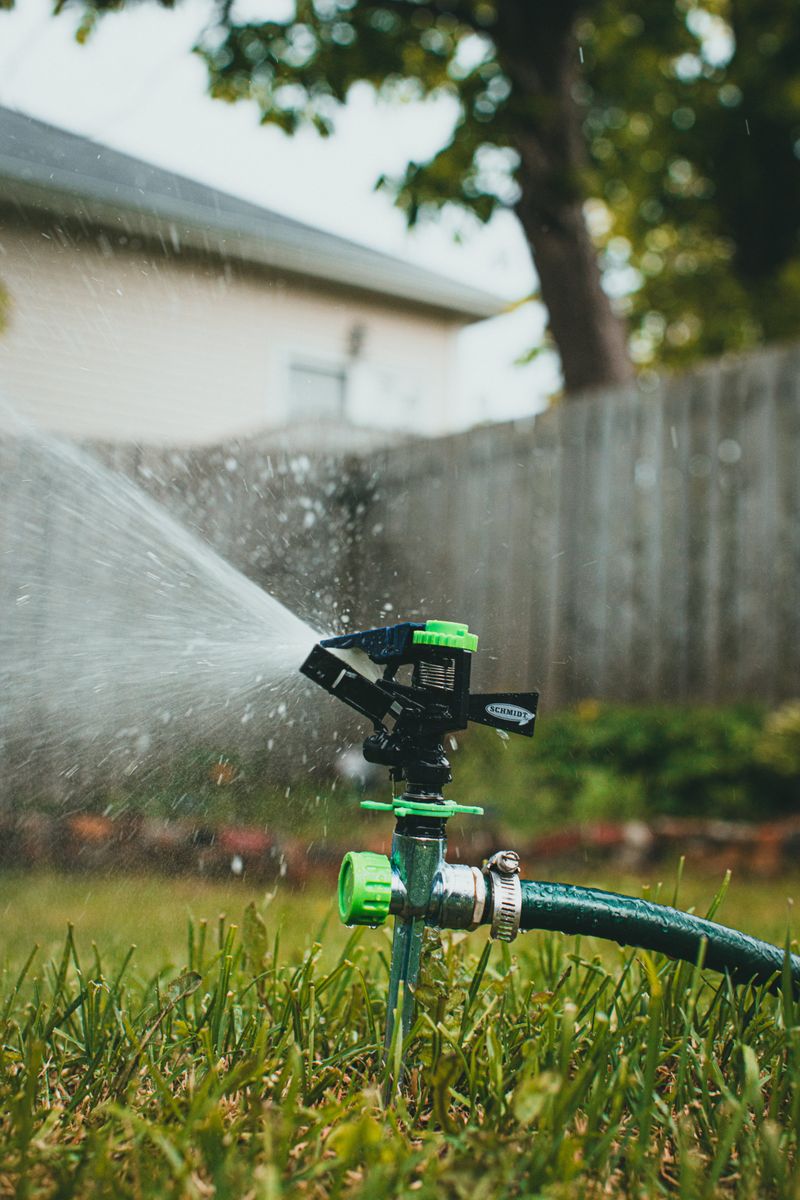
Nocturnal animals hate surprises, and that is exactly what motion-activated lights and sprinklers deliver.
Motion-activated lights and sprinkler systems are two of the most effective and humane tools available for discouraging a opossum visiting your yard on a regular basis.
They require minimal upkeep, work automatically while you sleep, and cause no harm to the animal.
Motion-activated floodlights placed at entry points along your fence line, near the garden, or under deck overhangs can startle a opossum mid-approach and send it retreating.
Over time, the repeated interruptions train the animal to associate your yard with discomfort rather than reward.
Models with adjustable sensitivity settings let you customize the detection range so you are not triggering lights every time a leaf blows across the yard.
Sprinkler-based deterrents work on the same principle but add the element of an unexpected blast of cold water.
These devices connect to a standard garden hose and activate when the infrared sensor detects movement within a set range. Most opossums want nothing to do with a sudden soaking, especially during cooler months.
Combining both light and water deterrents at different spots around your property creates multiple layers of discouragement.
A yard that keeps surprising an animal in unpleasant ways quickly stops being worth the effort of visiting.
Seal Gaps Under Decks And Sheds
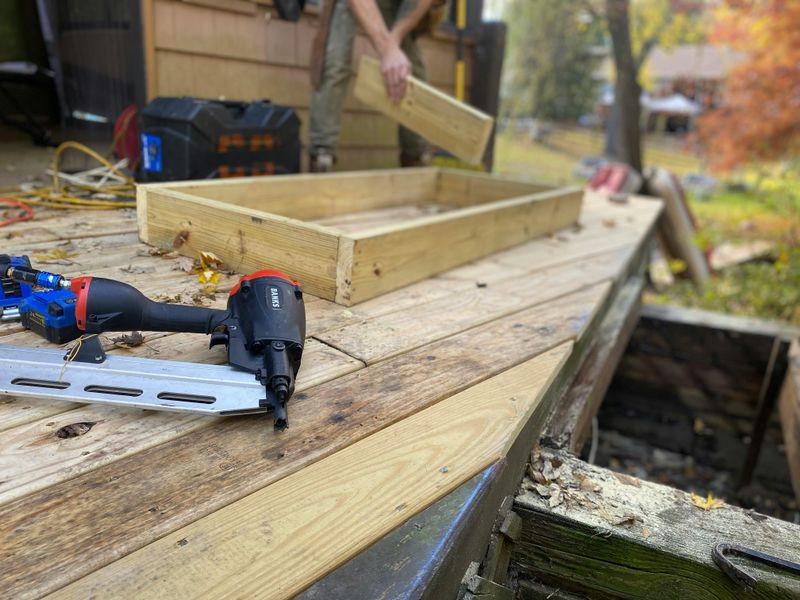
Shut the door on their favorite hideout, and opossums will have little reason to stick around. Once an animal finds a warm, dark, protected space to rest, it will return to that spot repeatedly unless the entry point is physically closed off.
Hardware cloth, also called welded wire mesh, is the most effective material for this job because it is rigid, rust-resistant, and nearly impossible for a opossum to chew or push through.
Choose a mesh with openings no larger than half an inch, and bury the bottom edge between six and twelve inches into the ground to prevent animals from digging underneath it.
Attach it securely to the base of the deck or shed frame using staples or screws, making sure there are no gaps at the corners where a determined animal could squeeze through.
The goal is a continuous barrier with no weak spots. Before sealing any space, check thoroughly to make sure no animal is currently nesting inside.
A opossum trapped beneath a sealed structure becomes a much bigger problem than one that simply has access.
Spend a few evenings watching the opening at dusk to confirm the space is vacant before closing it off for good.
Once sealed, your New Jersey deck and shed become far less appealing to any wandering opossum searching for a safe resting spot, and your New Jersey yard takes a major step toward being a no-opossum zone.
Hardware cloth is widely available at home improvement stores across New Jersey, making this a straightforward weekend project for most homeowners.