These Are The Plants California Gardeners Should Never Prune In June
June pruning can feel productive, but the wrong cut can cost you flowers, fruit, or healthy new growth. Many California plants are already working hard by this point in the season.
Buds may be forming, fruit may be sizing up, and tender stems may be dealing with rising heat.
Grab the pruners too quickly and you may remove the best part of the plant before it has a chance to show off.
This is especially true for spring blooming shrubs, certain fruit trees, and plants that struggle when trimmed during hot weather. A smarter move is to know which plants need a break right now.
Save the big cuts for the right season, and your garden will look better with less stress. Sometimes the best June garden task is simply putting the pruners down.
1. Camellias May Already Be Setting Next Year’s Buds
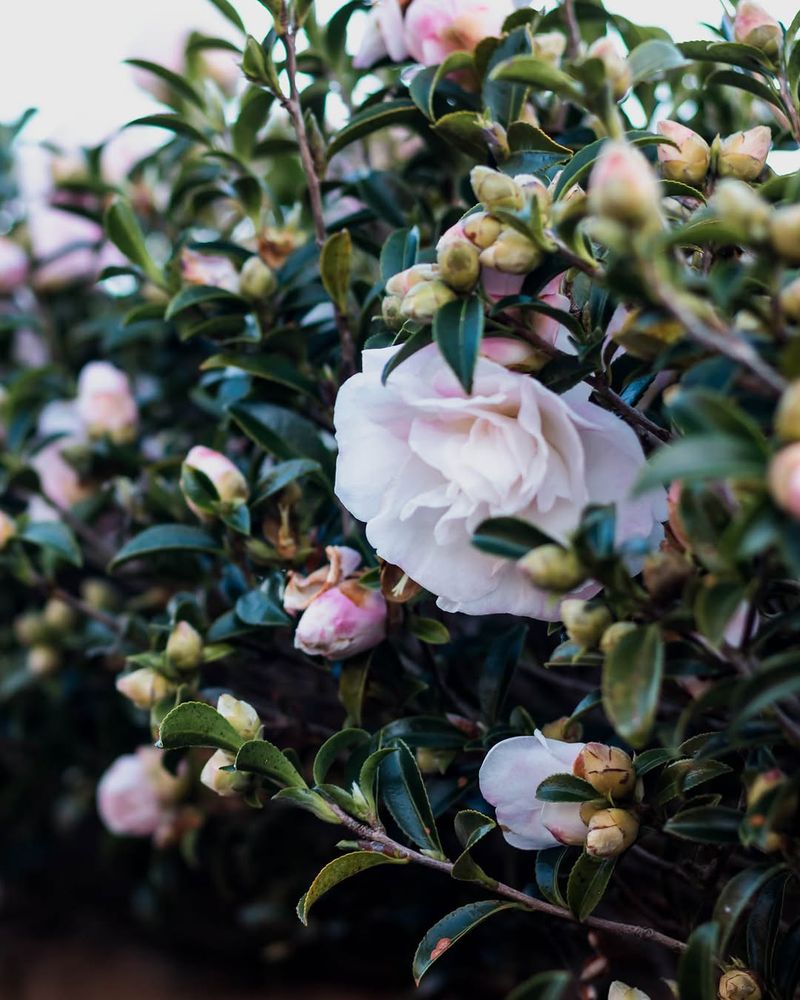
Most people do not realize that camellias are already thinking about next year while this year’s blooms are barely finished.
By June, many camellia varieties in our state have started forming the buds that will open into those gorgeous flowers next winter or spring.
If you prune now, those tiny buds come right off with the branches you remove.
Camellias bloom on old wood, which means the flower buds grow on branches that developed the previous season. Cutting those branches in June removes the very wood that holds next year’s show.
You will not see the damage right away, but come February or March, your plant will be oddly bare while your neighbor’s camellia is covered in color.
The best window for pruning camellias is right after they finish blooming, usually in late winter or very early spring. That gives the plant the entire growing season to push out new branches and set fresh buds.
If you missed that window this year, just leave them alone until next time. Camellias are tough and forgiving shrubs.
They do not need much shaping anyway. Focus on removing any damaged or crossing branches only when the timing is right.
Healthy camellias with good airflow and well-timed pruning will reward you with a stunning flower display year after year.
2. Azaleas Can Lose Next Spring’s Flowers
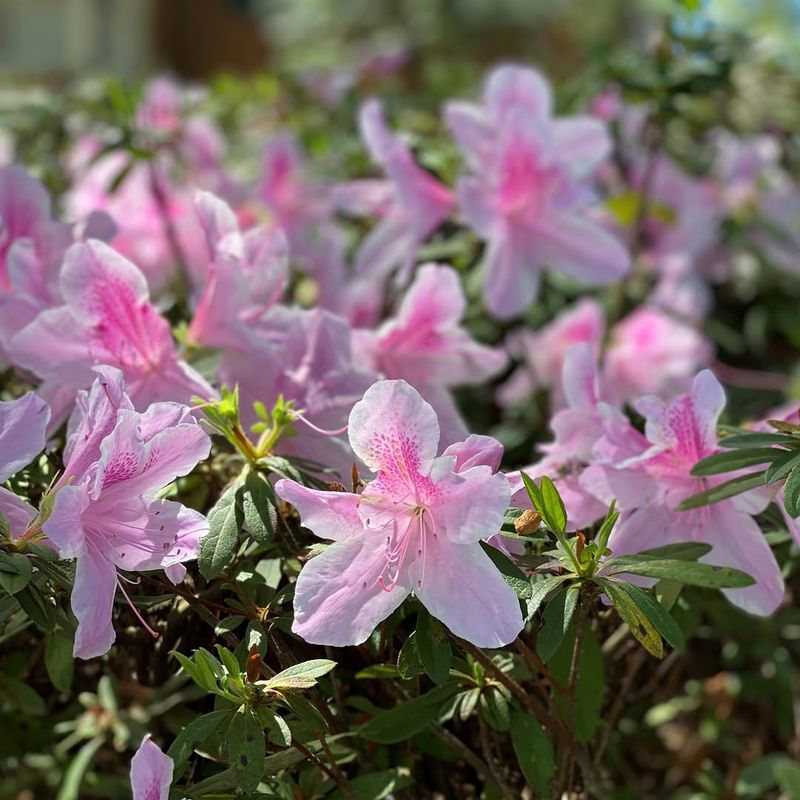
Few things are more disappointing than waiting all winter for your azaleas to bloom and then getting almost nothing. That is exactly what happens when gardeners prune them at the wrong time of year.
June is one of the worst months to touch an azalea with a pair of shears.
Right after their spring bloom, azaleas get to work fast. Within just a few weeks, they start forming the buds that will become next year’s flowers.
By June, that process is already well underway. Pruning now means you are snipping off buds that have not yet become visible to the naked eye.
You will not know the damage is done until spring arrives and the flowers simply are not there.
Azaleas should be pruned no later than three to four weeks after they finish blooming in spring. That short window gives the plant enough time to bounce back and set new buds before summer heat kicks in.
Your California Garden Changes Every Week. Your Plan Should Too.
Gardening in California changes quickly throughout the season. Every Friday you’ll receive a simple weekly plan showing exactly what to plant, prune, fertilize, harvest, and protect so you never miss the right timing.
Our state’s warm temperatures speed up this process, so the last minute comes faster here than in cooler parts of the country. If you want to shape your azalea, do it right after bloom.
Otherwise, leave it completely alone through summer and fall. A little patience in spring will pay off with a full and colorful bloom display the following year.
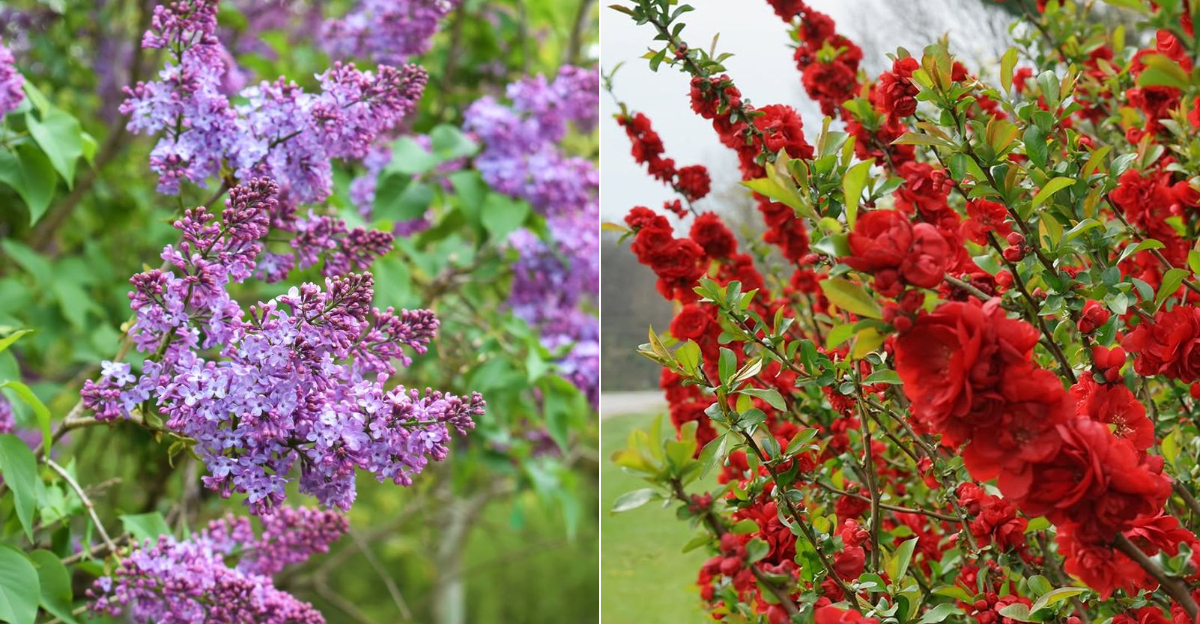
3. Lilacs Should Be Pruned Right After Bloom, Not Later
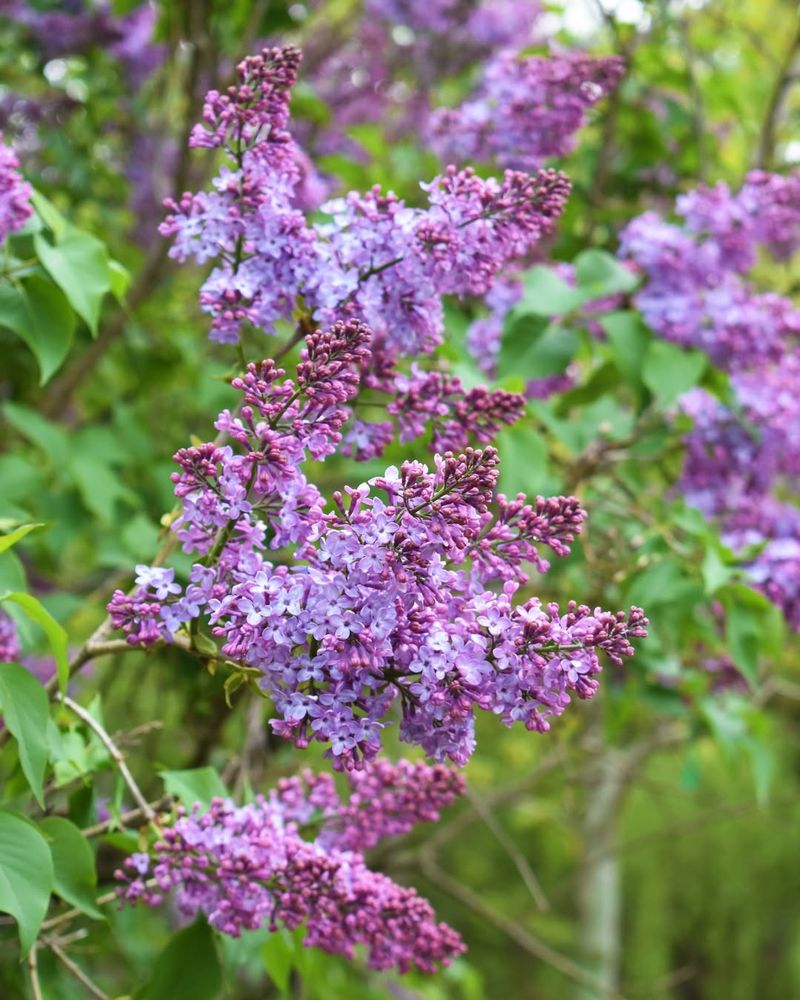
There is something almost magical about a lilac in full bloom. The fragrance alone is worth every bit of effort it takes to grow one in our state’s sometimes-challenging climate.
But lilacs are also one of the most commonly mistreated shrubs when it comes to pruning timing, and June is right at the heart of that problem.
Lilacs set their flower buds on old wood shortly after their spring bloom ends. By June, bud formation is already happening inside the plant, even if you cannot see anything on the outside.
Pruning at this stage removes the wood that carries those developing buds. The result is a lilac that puts out plenty of leafy growth but almost no flowers the following spring.
The golden rule for lilacs is simple: prune within two to three weeks of the last bloom fading. That window usually falls in late April or May in most parts of our state.
Stick to removing spent flower clusters, withered wood, and any suckers coming up from the base. Avoid heavy reshaping unless the plant is truly overgrown.
If you missed the post-bloom window this year, just let it grow freely until next spring. Skipping one year of pruning will not hurt a lilac.
Pruning at the wrong time, though, will cost you a full season of those beloved fragrant blooms.
4. Spring Spirea Can Lose Its Next Flower Show
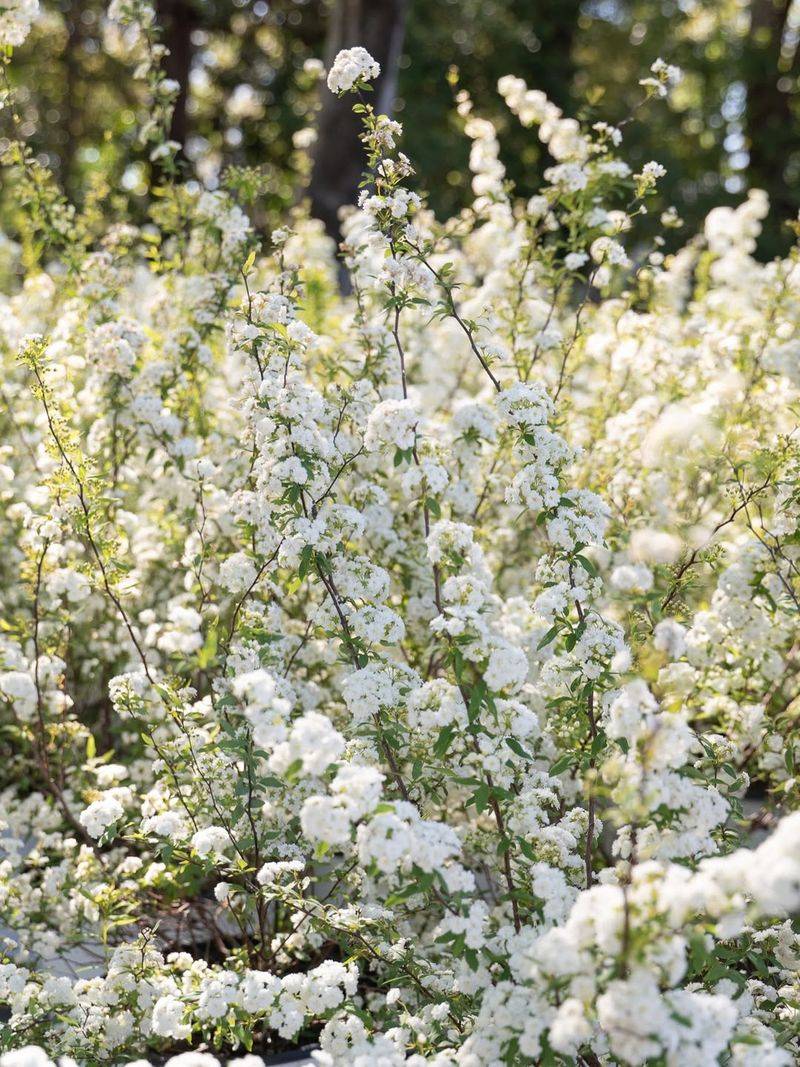
Spring spirea is one of those shrubs that earns its place in any yard with a breathtaking explosion of white or pink flowers each spring. Those arching branches loaded with tiny blooms are hard to beat.
But if you reach for the pruning shears in June, you might be trading next year’s flower show for a plain green bush.
Spring-blooming spirea varieties, like Bridal Wreath, bloom on old wood from the previous season.
After the flowers fade, the plant quickly gets to work pushing out new growth and quietly starting to form buds for the following year.
By June, that process is in full swing. Cutting branches now removes the wood that carries those developing buds.
The right time to prune spring spirea is immediately after it finishes blooming, usually in late April or May in our state. Cut the oldest, woodiest stems down to the base to encourage fresh new growth.
This keeps the plant looking full and healthy without sacrificing next year’s blooms. If your spirea already bloomed and you have not pruned it yet, wait until next spring right after the flowers drop.
Summer spirea varieties, like Anthony Waterer, bloom on new wood and can be pruned in late winter or early spring.
Knowing which type you have makes all the difference in keeping your shrub blooming beautifully every single year.
5. Flowering Quince Sets Buds On Older Wood
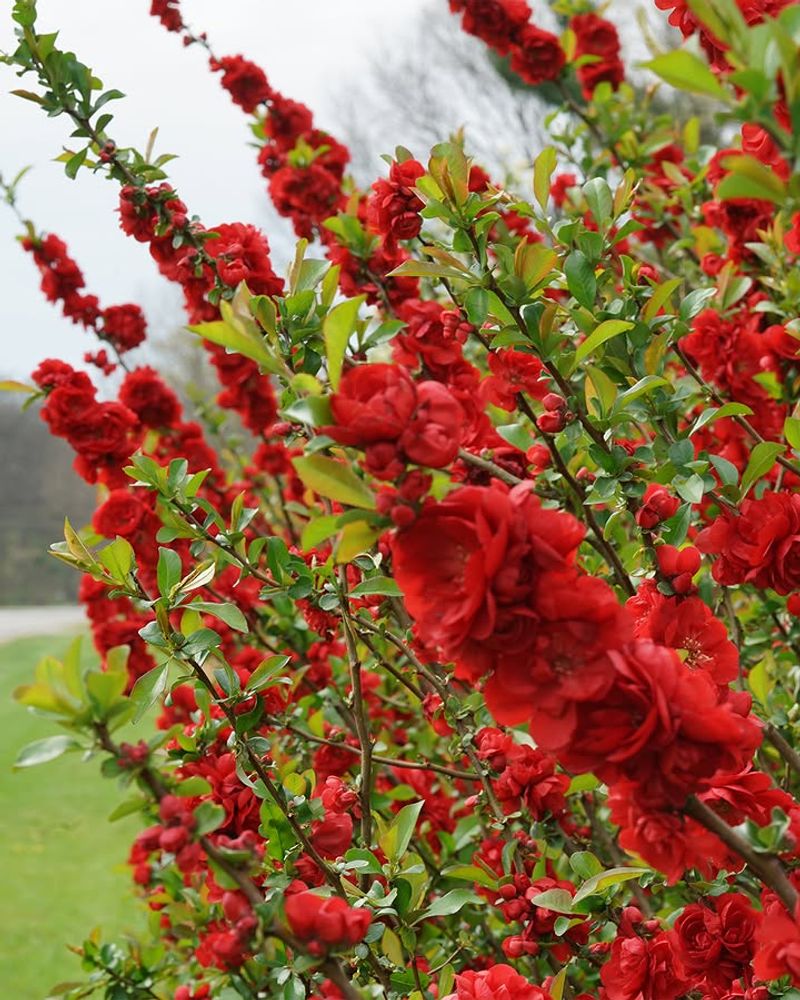
Flowering quince is one of the earliest and most striking bloomers in the garden. Those vivid red, orange, or coral flowers appearing on bare branches in late winter or early spring are a real showstopper.
However, this plant has a specific pruning window, and June is not it.
Like many spring bloomers, flowering quince sets its flower buds on older wood from the previous season.
After the spring bloom ends, the plant starts building energy and quietly forming buds along those older branches for the next cycle.
Pruning heavily in June strips away the very wood that holds those future blooms. You end up with a reshaped plant that will not put on much of a flower display the following year.
Flowering quince is best pruned right after it finishes blooming in spring. At that point, you can remove any damaged branches, thin out congested areas, and lightly shape the plant without losing bud wood.
In our state, this usually falls sometime in March or April depending on your location. One thing to keep in mind is that flowering quince has sharp thorns, so always wear thick gloves when working with it.
Light cleanup is fine during summer, but hold off on any serious pruning until next spring. Letting this plant grow on its own schedule is the easiest way to enjoy its bold color year after year.
6. Wisteria Needs Careful Summer Training, Not Hard Pruning
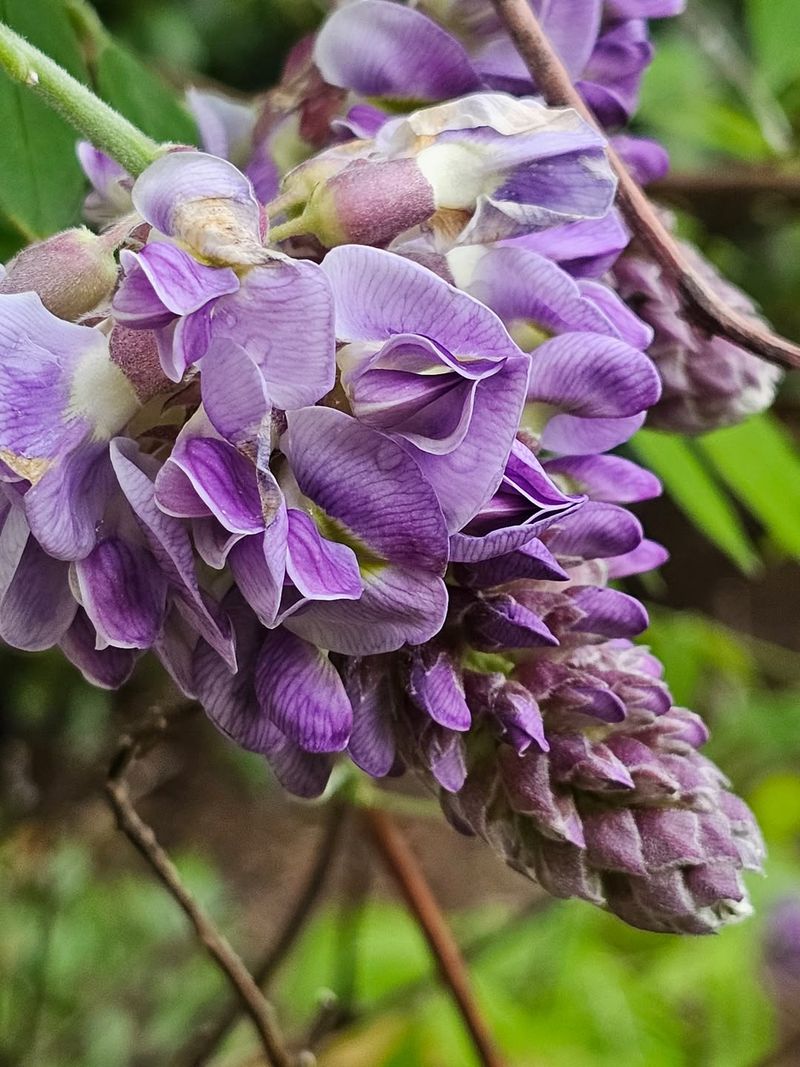
Wisteria is one of the most dramatic vines you can grow, and it takes a little know-how to keep it blooming reliably.
Many gardeners make the mistake of cutting it back hard in summer, thinking they are keeping it under control.
But heavy pruning in June can actually reduce next year’s flower production significantly.
Wisteria blooms on short spurs that develop on older wood. During summer, the plant pushes out long, whippy new shoots that can grow several feet in just a few weeks.
These shoots look wild and unruly, but they are important. Rather than cutting them off entirely, gardeners should train them along their support structure or shorten them to about five or six leaves.
This light summer pruning encourages the plant to form flowering spurs instead of just more leafy growth.
Hard pruning, meaning cutting back into the main structure, should be saved for late winter when the plant is dormant.
That is when you can see the framework clearly and make smart decisions about shape and size.
In our state, wisteria can grow aggressively thanks to the mild climate, so it does need regular attention. But the key is guiding the growth in summer rather than chopping it down.
Keep the long shoots tied and trimmed lightly, and you will be rewarded with those breathtaking flower clusters every spring without fail.
7. Citrus Can Sunburn If You Open The Canopy Too Much
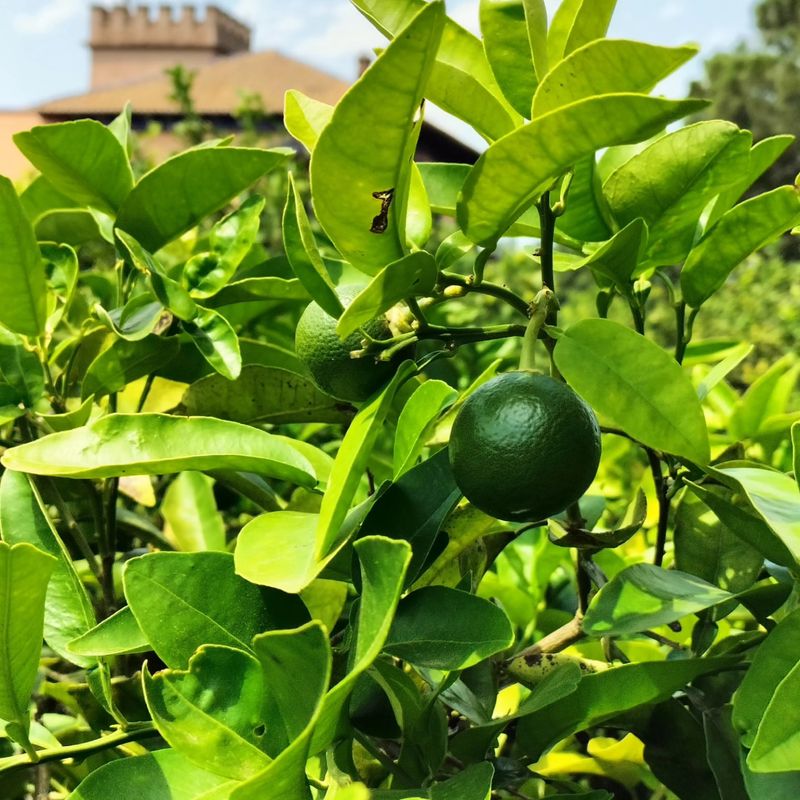
Citrus trees are a beloved staple in yards all across our state, and it is easy to see why. Fresh oranges, lemons, and limes practically growing in your backyard is a wonderful thing.
But June is a risky month to do any significant pruning on these trees, and the reason has everything to do with our intense summer sun.
The dense canopy of a citrus tree is not just for looks. Those layers of leaves act as natural sunscreen for the branches and trunk underneath.
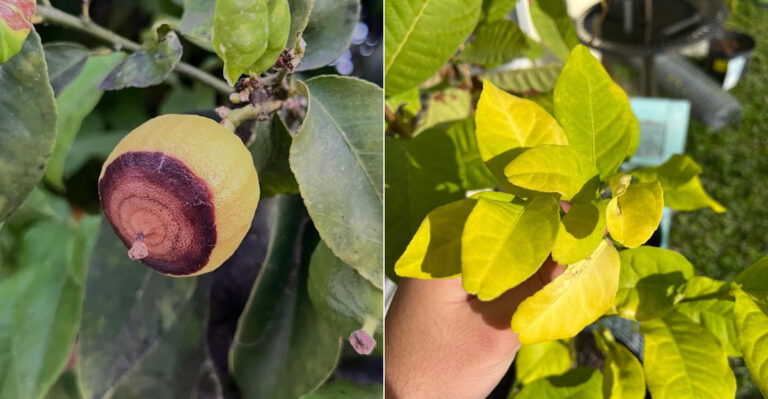
When you remove too many branches at once, you expose the inner bark to direct sunlight. In our state’s hot summer conditions, that exposed bark can sunburn badly.
Sunburned bark cracks, peels, and becomes an entry point for pests and disease.
Minor cleanup, like removing damaged branches or crossing limbs, is generally fine year-round on citrus.
However, any significant reshaping or thinning should wait until late winter or very early spring, just before new growth begins.
At that point, the tree can quickly push out new leaves to cover and protect itself before the heat sets in.
If you notice any frost damage from winter, wait until new spring growth appears before cutting anything away.
Keeping the canopy full and intact through summer is one of the simplest ways to protect your citrus tree and keep it producing a generous harvest season after season.
8. Avocados Hate Harsh Pruning During Heat
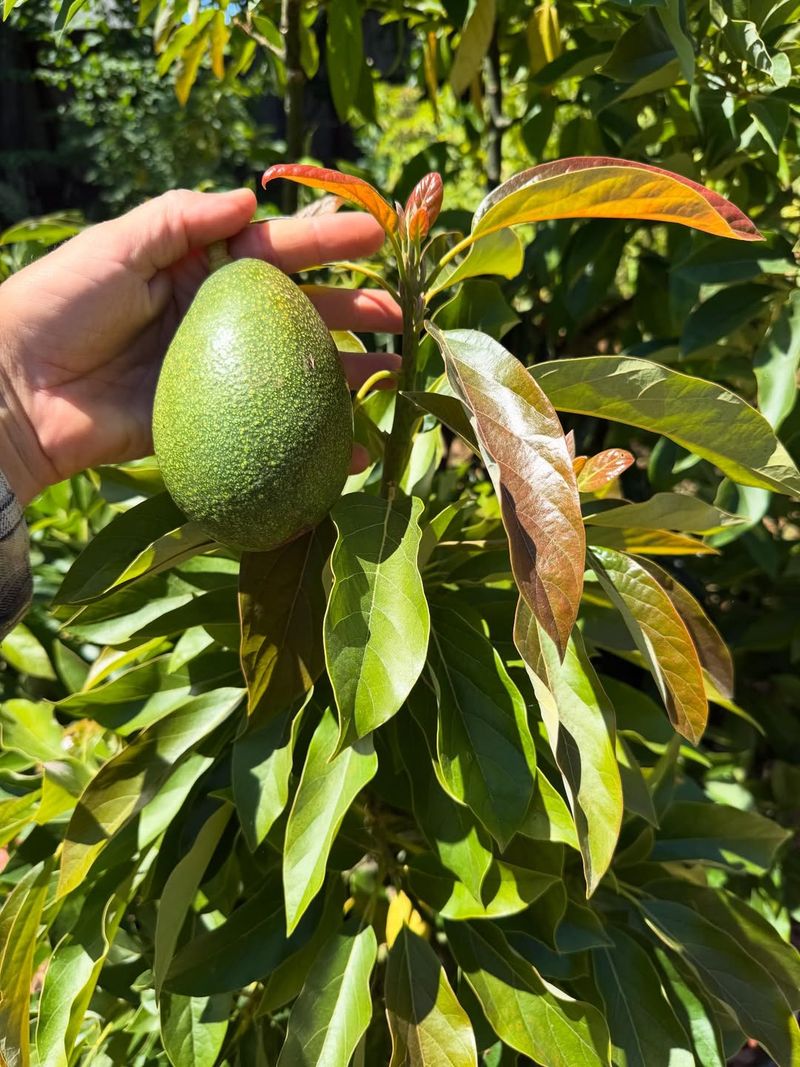
Avocado trees are both a practical and beautiful addition to any yard in our state, but they are more sensitive than they look.
These trees have thin bark and large, moisture-rich leaves that work together to keep the tree cool during hot weather.
Disrupting that balance in June can cause real problems.
When you prune an avocado tree heavily during summer, you remove the leafy cover that shields the branches and trunk from direct sun.
Avocado bark is particularly prone to sunscald, which happens when exposed bark heats up rapidly and the cells underneath get damaged.
Once the bark is sunburned, it can crack and become a target for fungal issues and insects. The tree then has to spend energy on recovery instead of growing fruit.
Heavy pruning of avocados is best done in late winter or very early spring before the tree enters its active growing period. That timing allows the tree to heal quickly and push out new protective growth before the heat arrives.
Light pruning, such as removing clearly withered wood or a single wayward branch, is usually fine at any time of year. But any major reshaping should be planned carefully and done in the cooler months.
Avocados also respond well to being left fairly natural in shape. The less you interfere with their canopy during summer, the better they tend to perform come harvest time.