The Signs Your California Garden Soil Needs Help Before Summer
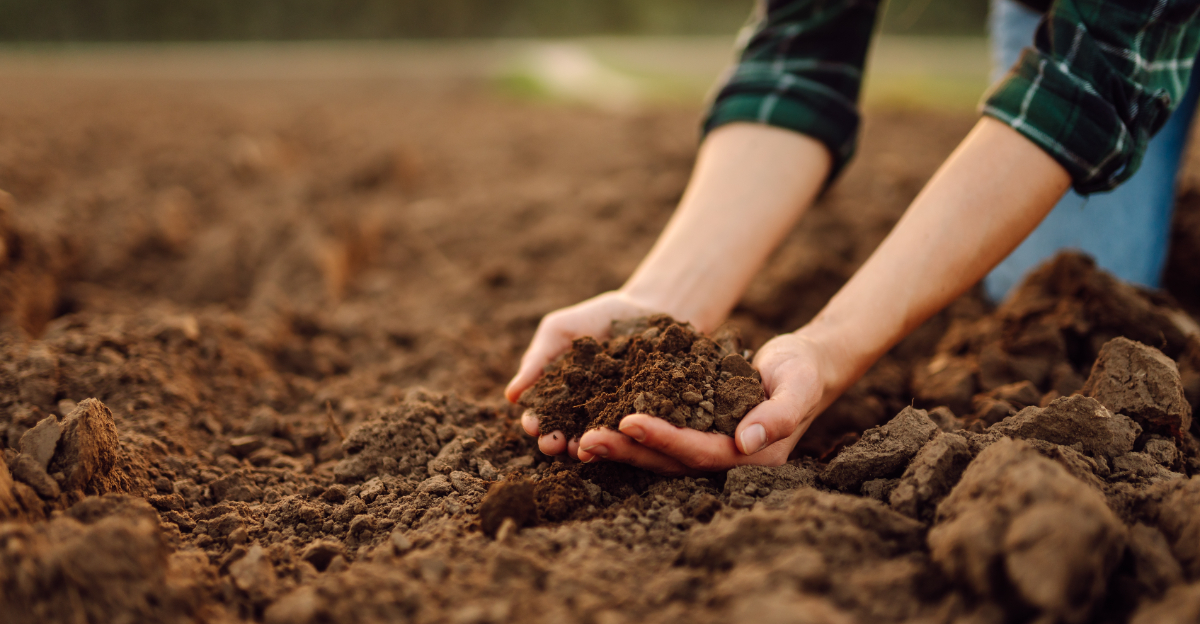
Soil does not fail all at once. It sends signals first, and now is one of the best times to catch them before summer heat turns a fixable problem into a season-long headache.
California gardens are coming out of a dry spring in most areas, and the soil is telling a story right now that is worth paying attention to.
Slow drainage after watering, seedlings that stall out for no obvious reason, crusty surface soil that cracks before it even dries completely.
Each one of those is a clue. The tricky part is that bad soil and good soil can look almost identical on the surface.
You have to know what to actually look for. California’s summer heat amplifies every soil problem that already exists, so the window to fix things is right now, before the ground bakes hard and your options get limited.
A few targeted fixes made in the next few weeks can completely change how your garden performs through the hottest months.
1. Water Running Off Is Your First Warning Sign
Have you ever watered your garden and watched the water slide right off the soil like it hit a piece of plastic? That is a classic sign that your soil has become hydrophobic, which means it actually repels water instead of soaking it in.
Hydrophobic soil often develops after long dry periods, which are very common in our state. When soil dries out completely, a waxy coating can form around soil particles.
Once that coating sets in, even a heavy rain will not fully penetrate the ground.
Your plants end up thirsty even though you are watering them regularly. The roots never get what they need because the water is not reaching them.
This is especially common in sandy or heavily organic soils that have been left dry for too long.
To fix this, try working in a wetting agent or a layer of compost before summer arrives. Wetting agents help break down that waxy barrier so water can move through the soil again.
You can also try watering slowly and deeply to give the soil time to absorb moisture little by little. Fixing this issue now will save you a lot of frustration once summer temperatures peak.
2. Soil That Dries Out Too Fast Will Struggle In Summer
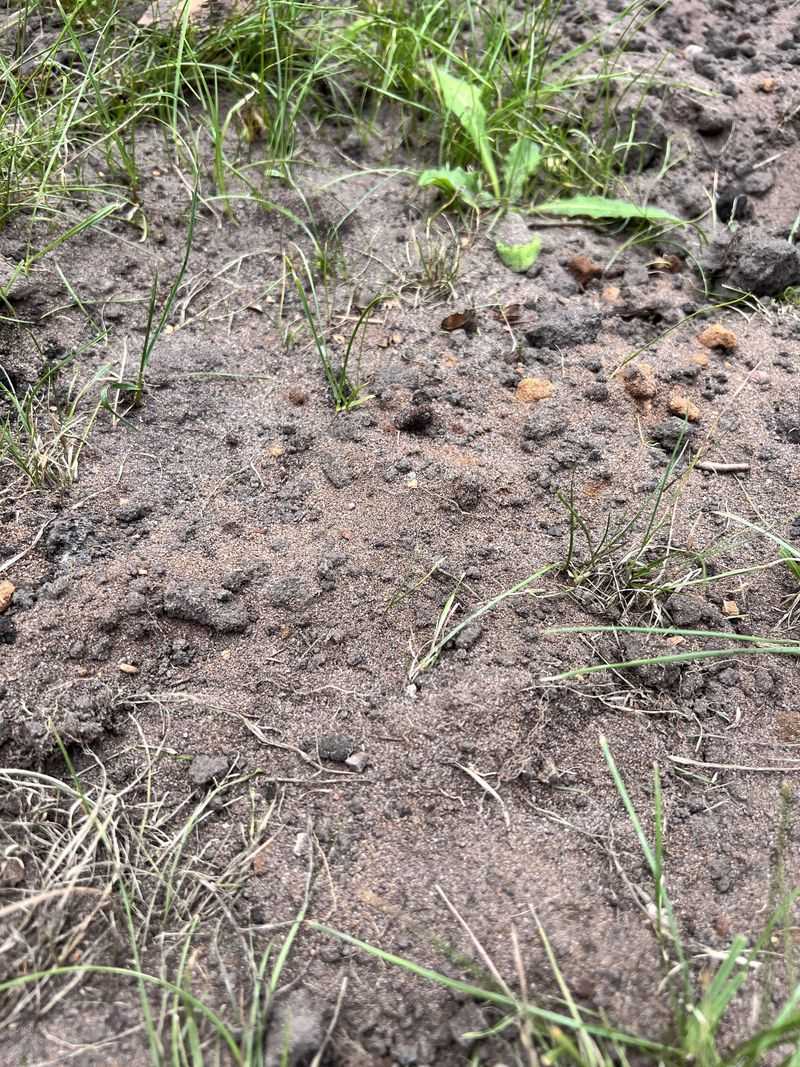
Some soils just cannot hold onto water long enough for plants to use it. If you water your garden in the morning and the soil looks bone dry by noon, that is a serious red flag heading into summer.
Sandy soils are the most common culprit here. Water moves through sandy particles quickly and does not hang around near the roots where it is needed most.
In our state’s warmer inland regions, this problem gets worse as temperatures rise and evaporation speeds up.
Plants growing in fast-draining soil often look stressed even when they are being watered often. You may notice wilting in the afternoon even after a morning watering session.
The roots are simply not getting enough time to pull in moisture before it drains away.
Your California Garden Changes Every Week. Your Plan Should Too.
Gardening in California changes quickly throughout the season. Every Friday you’ll receive a simple weekly plan showing exactly what to plant, prune, fertilize, harvest, and protect so you never miss the right timing.
Adding organic matter like compost, aged wood chips, or coconut coir can dramatically improve your soil’s ability to hold water. These materials act like tiny sponges, soaking up moisture and releasing it slowly over time.
Mixing a generous layer into your garden beds before summer is one of the best investments you can make. Mulching the surface also helps slow evaporation and keeps the soil cooler during hot days.
3. Standing Water Means Roots May Be In Trouble
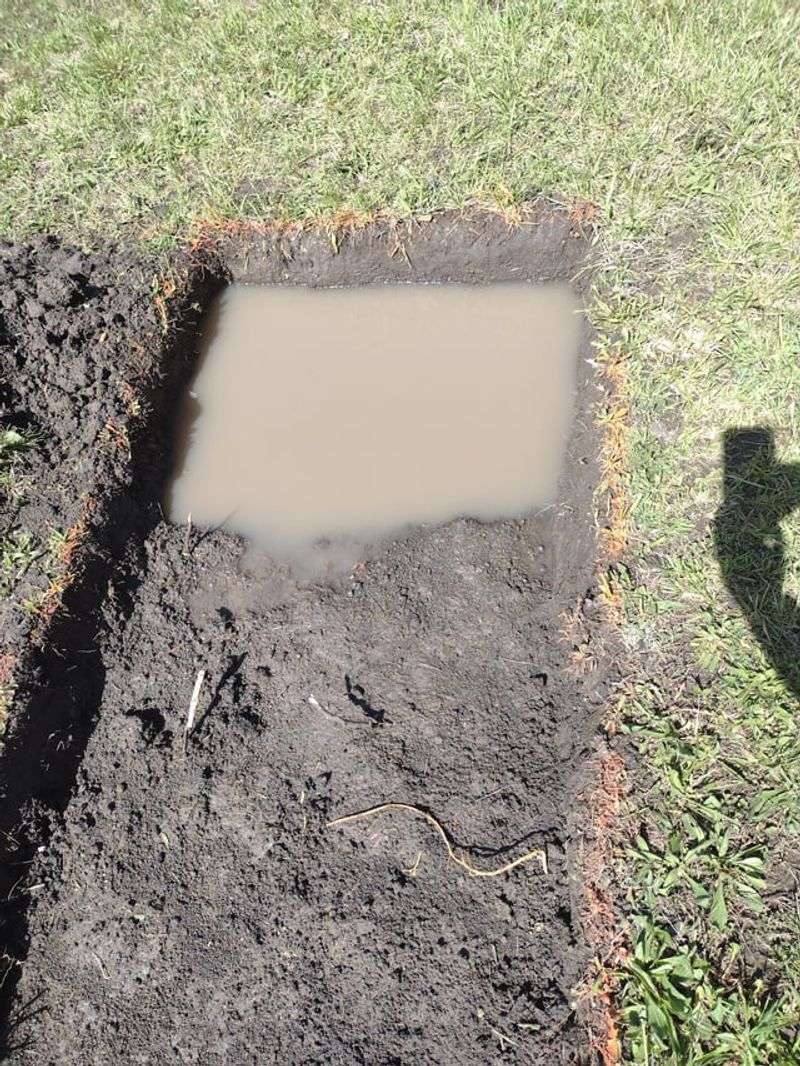
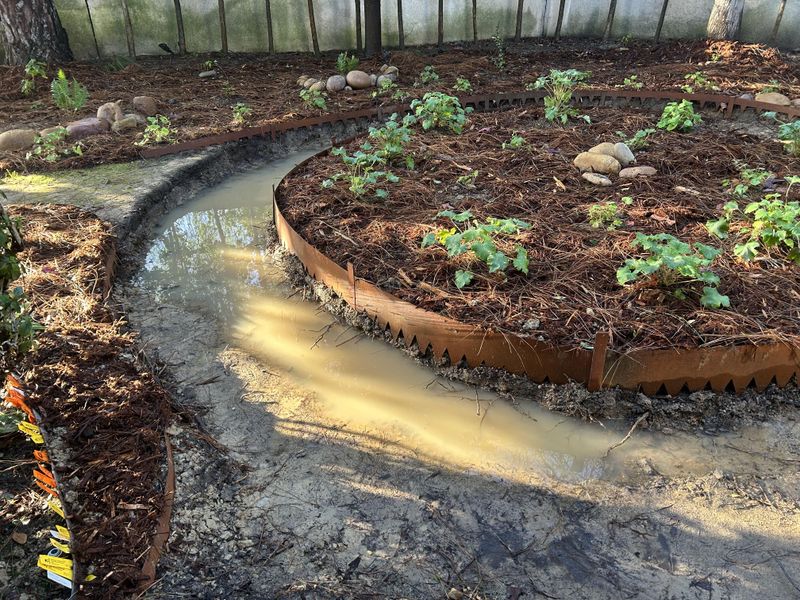
Puddles that stick around for hours after watering are not just a nuisance. They are a warning that your soil is not draining properly, and that spells trouble for almost every plant you are trying to grow.
Clay-heavy soils are often responsible for this problem. Clay particles pack tightly together, leaving little room for water to move through.
Our state has large regions with heavy clay soil, especially in valley areas and older suburban neighborhoods.
When roots sit in water for too long, they cannot breathe. Plant roots need oxygen just as much as they need moisture.
Waterlogged soil pushes oxygen out and replaces it with standing water, which stresses roots and makes them more vulnerable to rot and disease.
Before summer, check your garden after watering and note how long puddles last. If water is still sitting after 30 to 60 minutes, your drainage needs attention.
Breaking up compacted layers with a garden fork can help. Adding coarse sand and compost to clay soil also improves its structure over time.
For seriously waterlogged areas, raised beds filled with well-draining soil mix can be a game-changer. Getting drainage right before summer protects your plants when heat and watering frequency both increase.
4. A Crusty Surface Can Keep Seeds And Water Out
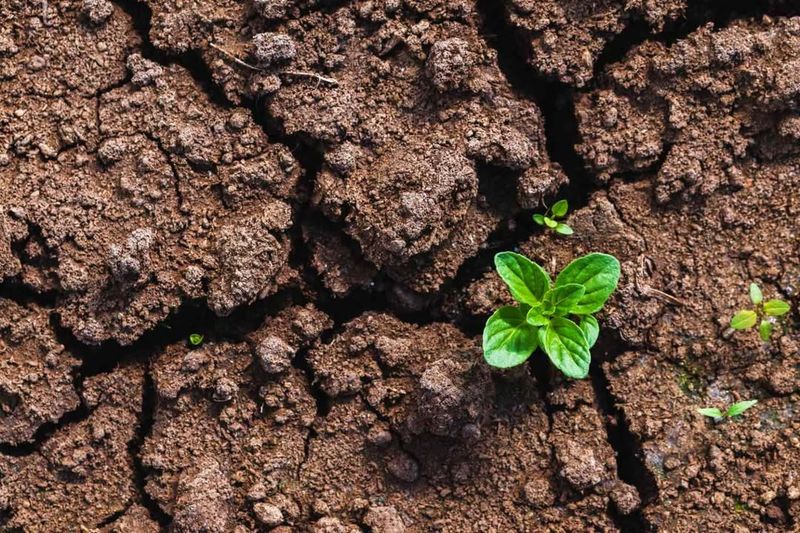
A soil surface that looks like a dried-up riverbed is more than just an eyesore. That hard, crusty layer is called a soil crust, and it forms when the top layer of soil dries out rapidly after watering or rain.
Soil crusts are especially common in our state’s drier regions where the sun is intense and humidity is low. When bare soil gets wet and then bakes in the sun, the surface particles fuse together into a thin but surprisingly tough shell.
This crust blocks seeds from sprouting through the surface and stops water from soaking in.
If you have been struggling to get seeds to germinate this spring, a crusty surface layer might be the reason. Seeds need both moisture and loose soil to push through as they sprout.
A hard crust can trap them right below the surface and prevent healthy growth from ever starting.
Breaking up the crust with a hand cultivator or light hoeing before planting makes a big difference. Covering bare soil with a thin layer of fine compost or mulch helps prevent the crust from forming again after watering.
Adding organic matter to your soil over time also improves its overall structure, making it less likely to crust up. Doing this before summer is key to giving seeds and young plants the best possible start.
5. Stunted Plants Are Telling You Something Belowground
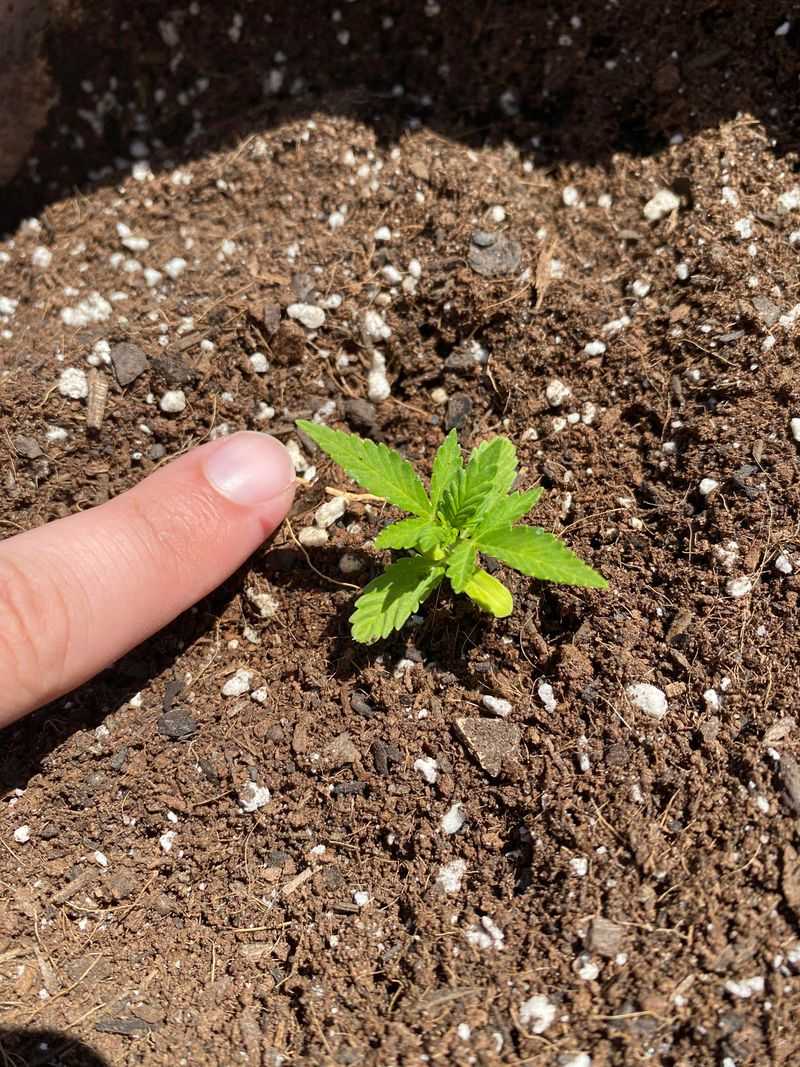
When plants just refuse to grow the way they should, it is easy to blame the weather or pests. But slow, stunted growth is often a sign that something is wrong with the soil itself, not just what is happening above ground.
Compacted soil is one of the biggest reasons plants stop growing properly. When soil particles are pressed too tightly together, roots cannot push through easily.
They end up staying shallow and weak instead of spreading deep where moisture and nutrients are more stable.
Nutrient deficiencies also cause stunted growth. If your soil is low in nitrogen, phosphorus, or other key minerals, plants simply do not have the building blocks they need to grow strong stems and leaves.
In our state, soils that have been heavily planted season after season often become depleted over time without regular amendments.
Before summer, try doing a simple soil test. You can find inexpensive test kits at most garden centers.
A test will tell you what your soil is missing so you can add the right amendments before planting. Loosening compacted areas with a garden fork and mixing in compost will also help roots spread more freely.
Healthy roots mean healthier plants that can handle summer heat with much less stress.
6. Yellow Leaves May Point To Soil Trouble
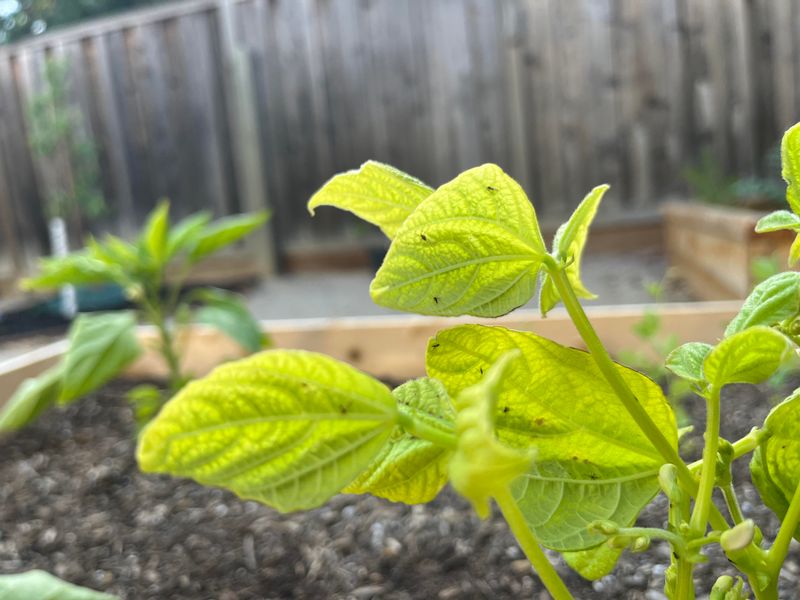
Yellow leaves can mean a lot of things, but one of the most overlooked causes is poor soil health. When your garden plants start showing yellow or pale green leaves, your soil may be struggling to deliver the nutrients plants need.
Iron deficiency is a common issue in our state, especially in soils with a high pH level. When soil becomes too alkaline, iron and other micronutrients get locked up and become unavailable to plant roots, even if those nutrients are physically present in the soil.
The result is yellowing leaves, especially on new growth.
Nitrogen deficiency is another frequent cause of yellowing. Nitrogen is the nutrient most responsible for leafy green growth.
Without enough of it, older leaves turn yellow first as the plant pulls nitrogen from them to feed newer growth. Soils that have not been amended in a while often run low on nitrogen by late spring.
Testing your soil pH is a great first step. Most garden plants prefer a slightly acidic to neutral pH between 6.0 and 7.0.
If your soil is too alkaline, sulfur can help bring it down. Adding compost and balanced fertilizer before summer will also replenish nutrients and give your plants the fuel they need to stay green and healthy through the hottest months of the year.
7. Weak Roots Mean The Soil Needs Work
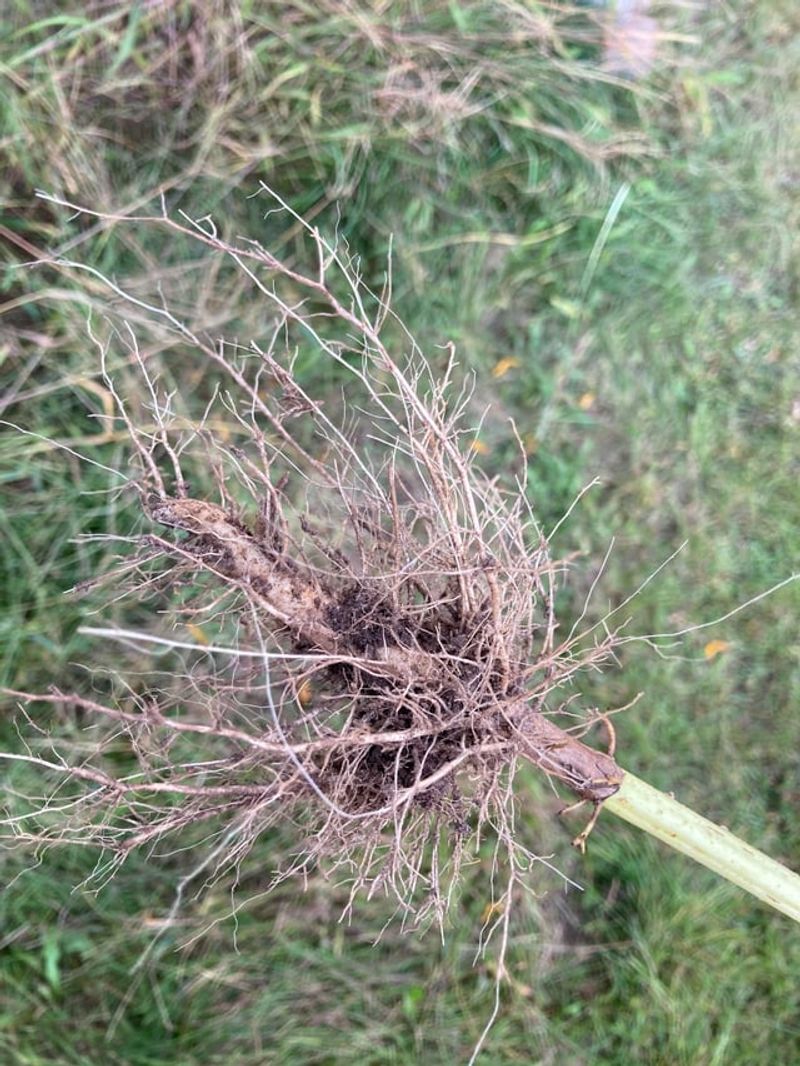
Roots are the engine of every plant. When they are weak, thin, or barely developed, the whole plant suffers.
You may not see the roots every day, but they are doing the most important work happening in your garden.
Pulling up a plant that has not been thriving can be very revealing. Healthy roots should be white or light tan, firm to the touch, and spread out in multiple directions.
If the roots you find are brown, slimy, short, or barely there, your soil is likely the problem.
Poor soil structure, lack of oxygen, or too much moisture can all lead to root problems. In our state’s heavy clay soils, roots often hit a dense layer just a few inches down and cannot go any deeper.
This leaves plants dependent on the very top layer of soil, which dries out fastest in summer.
Working compost deeply into your garden beds helps break up dense layers and gives roots room to explore. Adding perlite or coarse sand to clay-heavy areas improves aeration so roots can breathe properly.
Raised beds are another excellent solution for gardens where native soil is just too challenging to fix quickly. Strong roots built before summer arrives mean your plants will be far better equipped to handle heat, drought, and stress.
8. Concrete-Hard Soil Won’t Help Summer Crops
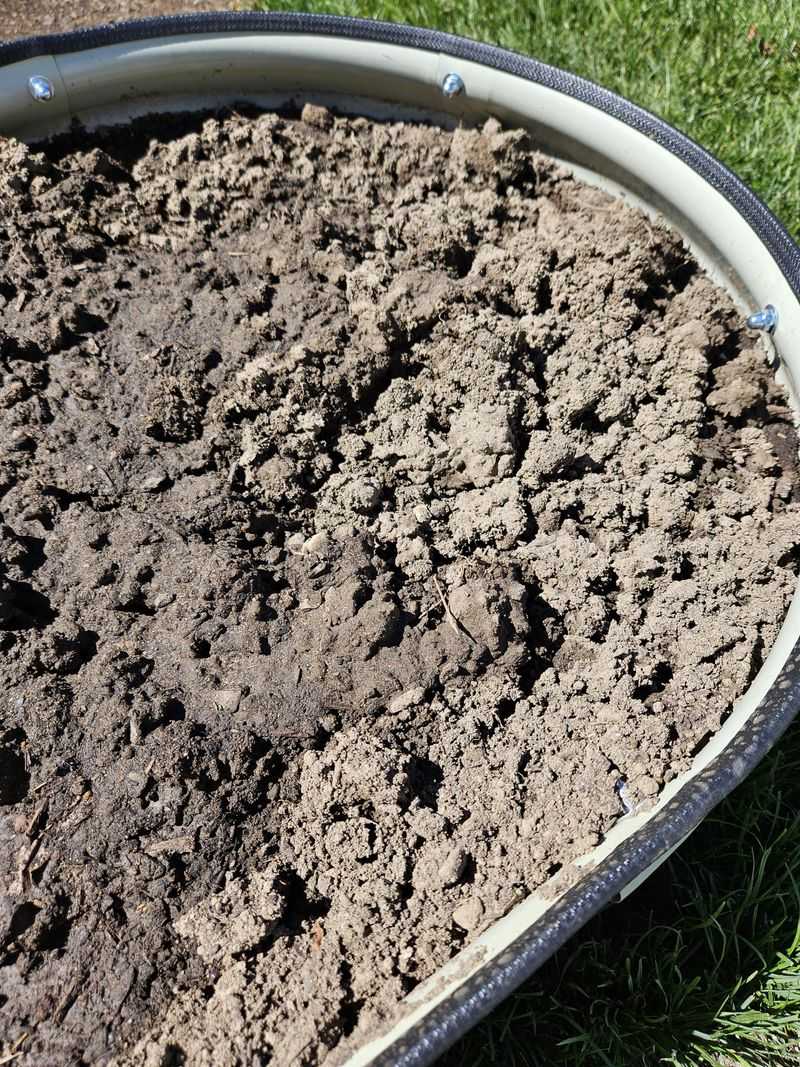
If your garden tool bounces off the soil when you try to dig, that is a very clear message. Soil that has hardened like concrete is one of the most common problems gardeners across our state face heading into summer.
Compaction happens when soil is walked on repeatedly, worked when it is wet, or simply left without any organic material added over time. Heavy clay soils are especially prone to compaction.
Once they dry out in the warm months, they can become almost impossible to work without serious effort.
Hard soil makes life very difficult for summer crops. Roots cannot push through it, water cannot soak into it, and air cannot circulate within it.
Plants end up fighting their own soil just to survive, which leaves them weaker and less productive all season long.
The best time to tackle hard soil is right now, before summer sets in. Use a broadfork or sturdy garden fork to break up the surface and loosen deeper layers.
Work in several inches of compost to add organic matter and improve soil texture. Avoid walking on your garden beds to prevent re-compaction.
Covering your soil with mulch will also help it stay loose and moist as temperatures rise. Taking action in spring gives your summer crops the healthy, workable soil they need to truly thrive.