Michigan Gardeners Are Getting More Strawberries Per Plant By Avoiding These Common Mistakes
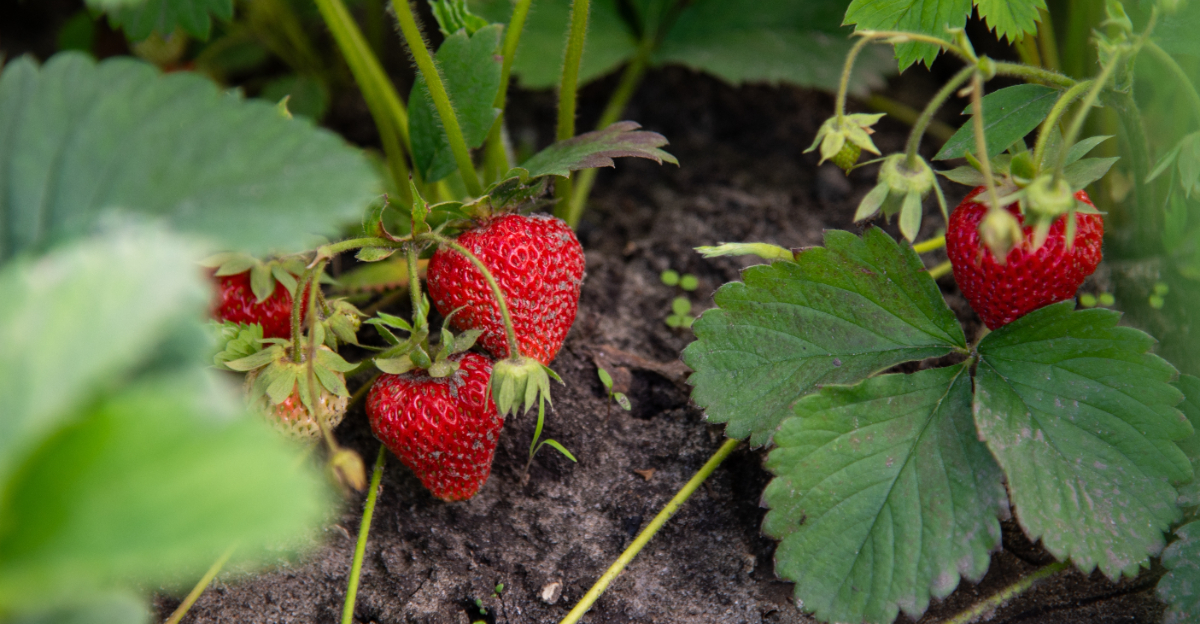
Strawberries seem straightforward until you actually grow them and realize the gap between an average harvest and a genuinely impressive one is wider than expected.
Michigan’s climate is well suited to strawberries, with enough cold in winter to satisfy their dormancy needs and enough warm season to ripen fruit properly.
But climate alone doesn’t explain why some gardeners pick bowls full of berries while others get a handful from the same number of plants.
The difference usually comes down to a set of recurring mistakes that are easy to make and rarely obvious in the moment.
Some of them happen at planting time. Others creep in during the growing season when the garden gets busy and attention shifts elsewhere.
Fixing even two or three of these tends to produce a noticeable jump in how much each plant actually delivers by harvest time.
1. Planting Too Closely Together
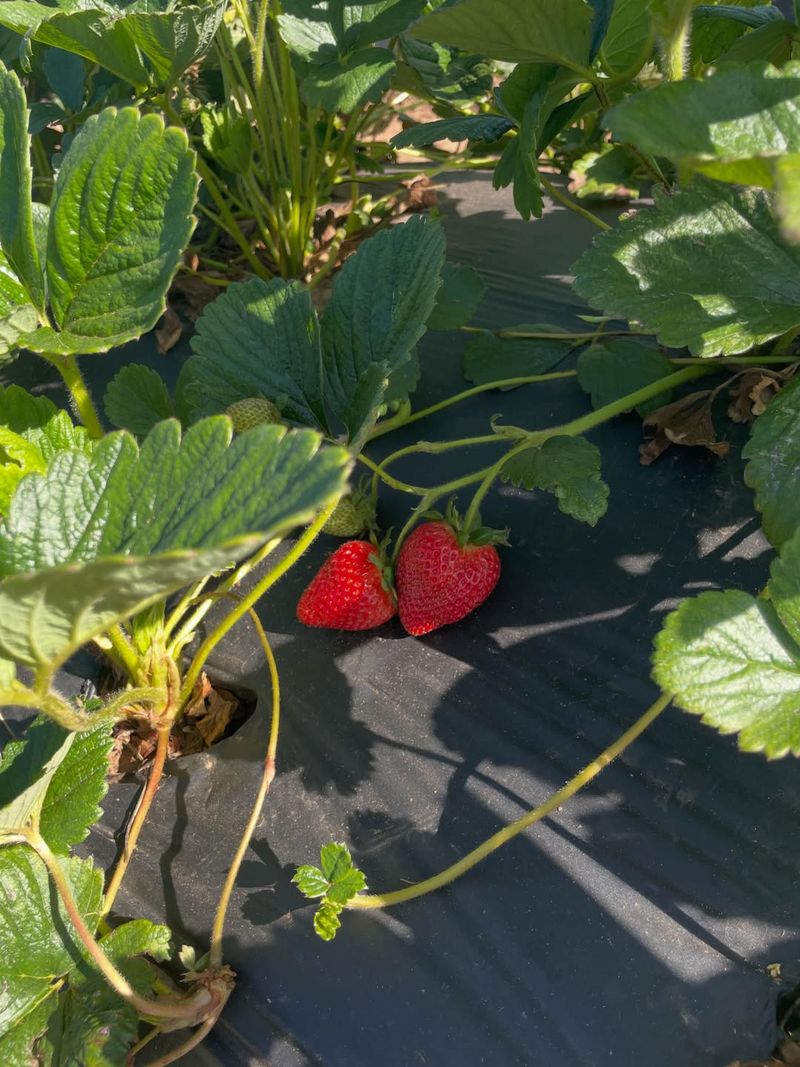
Crowded strawberry plants are one of the most common reasons Michigan gardeners end up with a disappointing harvest. When plants grow too close together, air cannot move freely between them.
That trapped moisture creates the perfect environment for fungal diseases like gray mold and leaf spot to spread quickly. Sunlight is another big issue.
Without enough light reaching every part of the plant, flowers struggle to develop fully, and the fruit that does form tends to be smaller and less flavorful.
Proper spacing allows each plant to soak up the sun it needs to produce big, sweet berries.
For June-bearing strawberry varieties, which are the most popular type grown in Michigan, aim for about 18 inches between plants in rows spaced 3 to 4 feet apart.
This spacing gives each plant room to spread its leaves, develop a strong root system, and send out runners without fighting its neighbors for resources.
Taking the time to measure and space properly at planting may feel tedious, but it pays off significantly come harvest time.
Well-spaced plants are also much easier to inspect for pests and diseases, making your overall garden maintenance simpler. Give your strawberries the breathing room they deserve and watch your yields climb.
2. Ignoring Soil Preparation
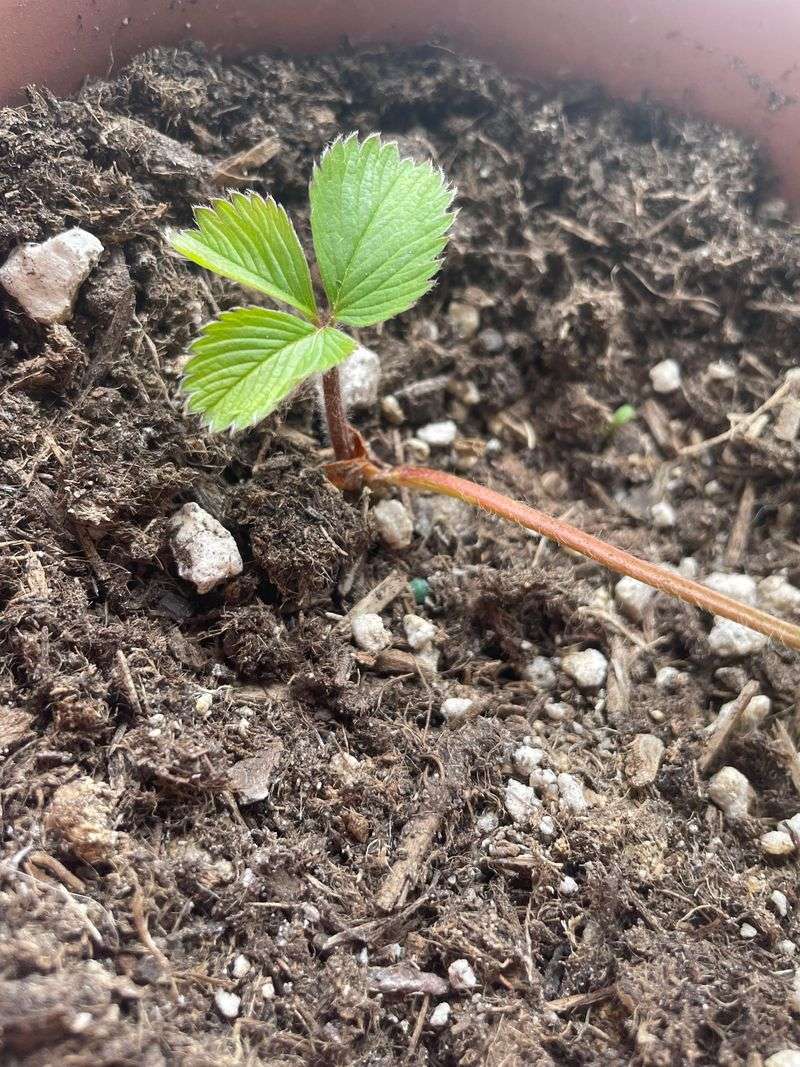
Soil is everything when it comes to growing strawberries, and skipping proper preparation is a shortcut that costs you at harvest time.
Strawberries thrive in loose, well-drained, slightly acidic soil with a pH between 5.5 and 6.5.
Michigan soils vary widely, ranging from heavy clay in some regions to sandy loam in others, so knowing what you are working with matters a lot.
A simple soil test from your local Michigan State University Extension office can reveal exactly what nutrients are lacking and whether your pH needs adjusting.
If your soil is heavy clay, it holds too much water around the roots, which can lead to root rot.
Adding compost, aged manure, or peat moss loosens clay soils and improves drainage dramatically.
Sandy soils, on the other hand, drain too quickly and do not hold nutrients well.
Working in several inches of compost before planting helps sandy soil retain both moisture and the nutrients strawberry plants need to produce fruit generously.
Your Michigan Garden Changes Every Week. Your Plan Should Too.
Gardening in Michigan changes quickly throughout the season. Every Friday you’ll receive a simple weekly plan showing exactly what to plant, prune, fertilize, harvest, and protect so you never miss the right timing.
Tilling the soil to a depth of about 10 to 12 inches before planting gives roots the loose, workable environment they love.
Raised beds are also a great option for gardeners dealing with difficult native soils.
Starting with great soil means your plants will spend their energy producing fruit rather than struggling to survive in poor conditions.
3. Overwatering Or Underwatering
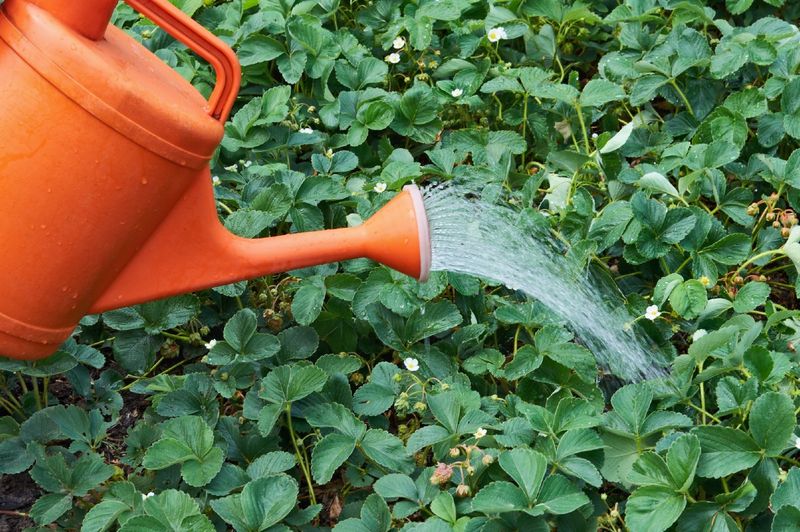
Water is a balancing act with strawberries, and getting it wrong in either direction hurts your harvest more than most gardeners realize.
Too much water saturates the soil and suffocates the roots, creating conditions where root rot spreads rapidly and the plant cannot absorb the nutrients it needs.
Too little water during flowering and fruit development results in small, dry, poorly flavored berries that nobody wants to eat.
Strawberries generally need about one to two inches of water per week, especially during the critical weeks when fruit is forming.
In Michigan, summer rain can be unpredictable, so checking soil moisture regularly is a smart habit.
Stick your finger about two inches into the soil near the base of the plant. If it feels dry, it is time to water.
Drip irrigation is one of the best tools strawberry growers can use because it delivers water directly to the root zone without wetting the foliage.
Wet leaves encourage fungal disease, which is already a concern in our humid summers. A drip system paired with a timer takes the guesswork out of watering entirely.
Applying a two to three inch layer of straw mulch around your plants helps the soil hold moisture between waterings, reducing how often you need to water while also keeping the soil temperature stable.
Consistent moisture equals bigger, juicier strawberries every single time.
4. Failing To Remove Runners Properly
Strawberry plants are remarkably productive, but they are also ambitious in ways that do not always benefit your harvest.
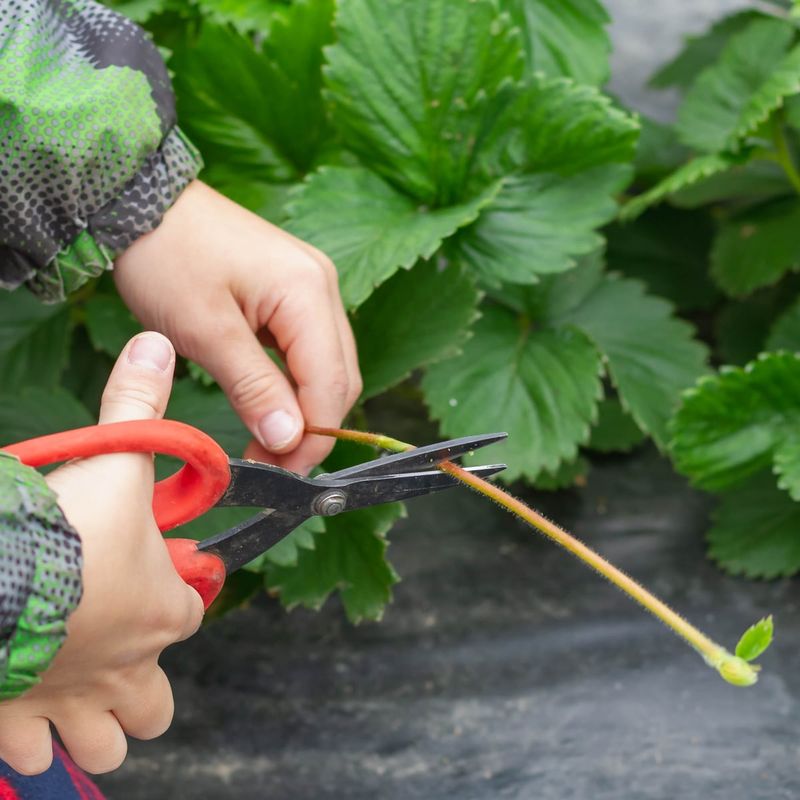
Runners, those long horizontal stems that shoot out from the mother plant and try to root nearby, are the plant’s way of spreading and reproducing.
The problem is that every runner the plant sends out takes energy away from flower and fruit production.
Leaving too many runners in place essentially tells your plant to focus on making more plants instead of making more strawberries.
For gardeners who want maximum fruit per plant, regularly removing runners throughout the growing season is one of the most effective strategies available.
It sounds simple, and it really is. The best approach for Michigan gardens is to start checking for runners in late spring and continue monitoring through summer.
Snip runners close to the mother plant using clean garden scissors. If you want to expand your strawberry bed, you can allow one or two runners per plant to root in a designated spot, then remove the rest.
For established beds in their second or third year, managing runners becomes even more important because the plants are more vigorous and send out more growth.
Keeping the bed tidy and focused on fruit rather than vegetative spread consistently rewards gardeners with noticeably larger berries and heavier harvests per plant throughout the growing season.
5. Neglecting Mulch
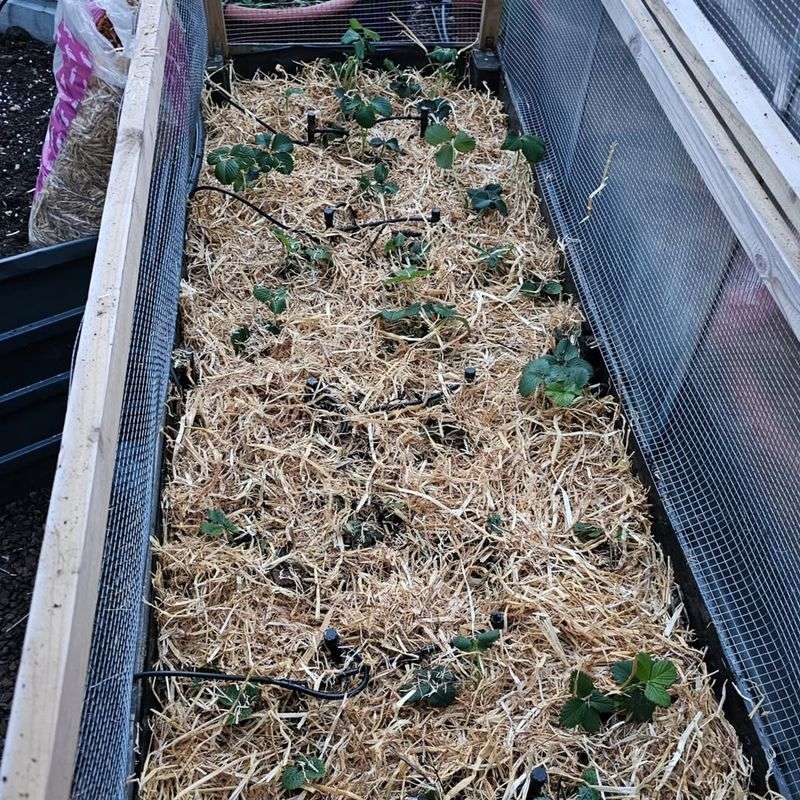
Mulch might be the most underrated tool in a strawberry gardener’s toolkit.
A good layer of straw mulch does several important jobs at once, and skipping it means your plants are working harder than they need to while your yields quietly suffer.
The benefits of mulching go well beyond just keeping things tidy. First, mulch locks soil moisture in, which means your plants stay consistently hydrated between waterings.
In Michigan’s warm summers, uncovered soil can dry out quickly on sunny days, stressing the plants right when they need steady moisture most.
A two to three inch layer of straw mulch acts like a protective blanket that keeps the soil temperature stable and reduces evaporation significantly.
Mulch also suppresses weeds that compete with strawberry plants for nutrients and water. Fewer weeds mean less time pulling them and more energy going into your fruit.
On top of that, straw mulch keeps developing berries off the bare soil, which reduces the risk of rot and keeps fruit cleaner at harvest time.
Apply mulch in late spring after your plants have started growing actively. Pull the mulch slightly away from the crown of each plant so moisture does not collect right at the base.
In Michigan, gardeners also use mulch in late fall to protect plants from freezing temperatures, making it a year-round investment in healthier, more productive strawberry plants overall.
6. Ignoring Pest Management
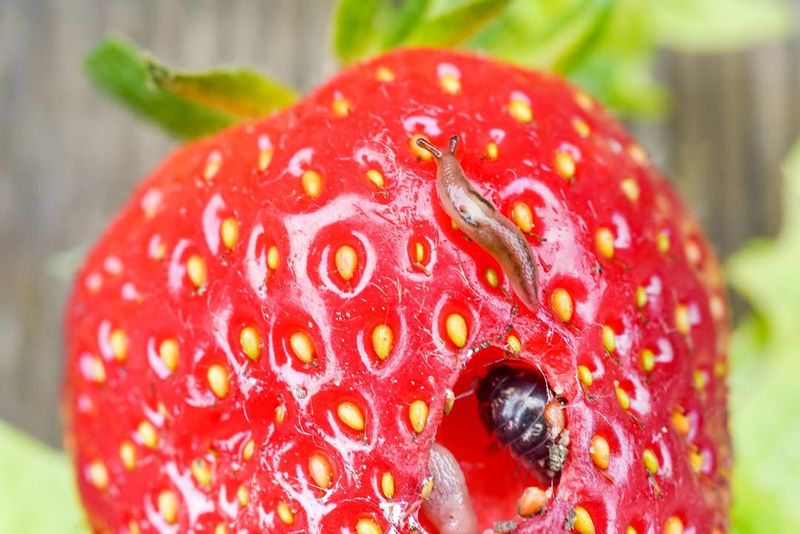
Pests are sneaky, and by the time you notice obvious damage on your strawberry plants, they have often already been feeding for days.
In Michigan gardens, the most common troublemakers include slugs, aphids, tarnished plant bugs, and spotted wing drosophila.
Each of these pests targets strawberries differently, but they all share one thing in common: they reduce your harvest if left unchecked.
Spotted wing drosophila is particularly problematic for strawberry growers because it lays eggs inside ripening fruit, making berries unusable before they even get picked.
Monitoring for this pest starting in early June using simple vinegar traps gives you an early warning before populations build up.
Acting early is always easier and more effective than reacting to a full infestation. Slugs love the moist, shaded conditions that mulched strawberry beds create.
Checking under leaves and along the soil surface in the morning helps you catch them before they cause serious damage.
Iron phosphate bait is a safe and effective option that works well in organic gardens. Aphids cluster on the undersides of leaves and weaken plants by feeding on their sap.
A strong spray of water can knock small colonies off, while insecticidal soap handles larger infestations without harming beneficial insects.
Building a regular inspection habit into your weekly garden routine is the simplest and most reliable form of pest management any strawberry grower can practice.
7. Overfertilizing With Nitrogen
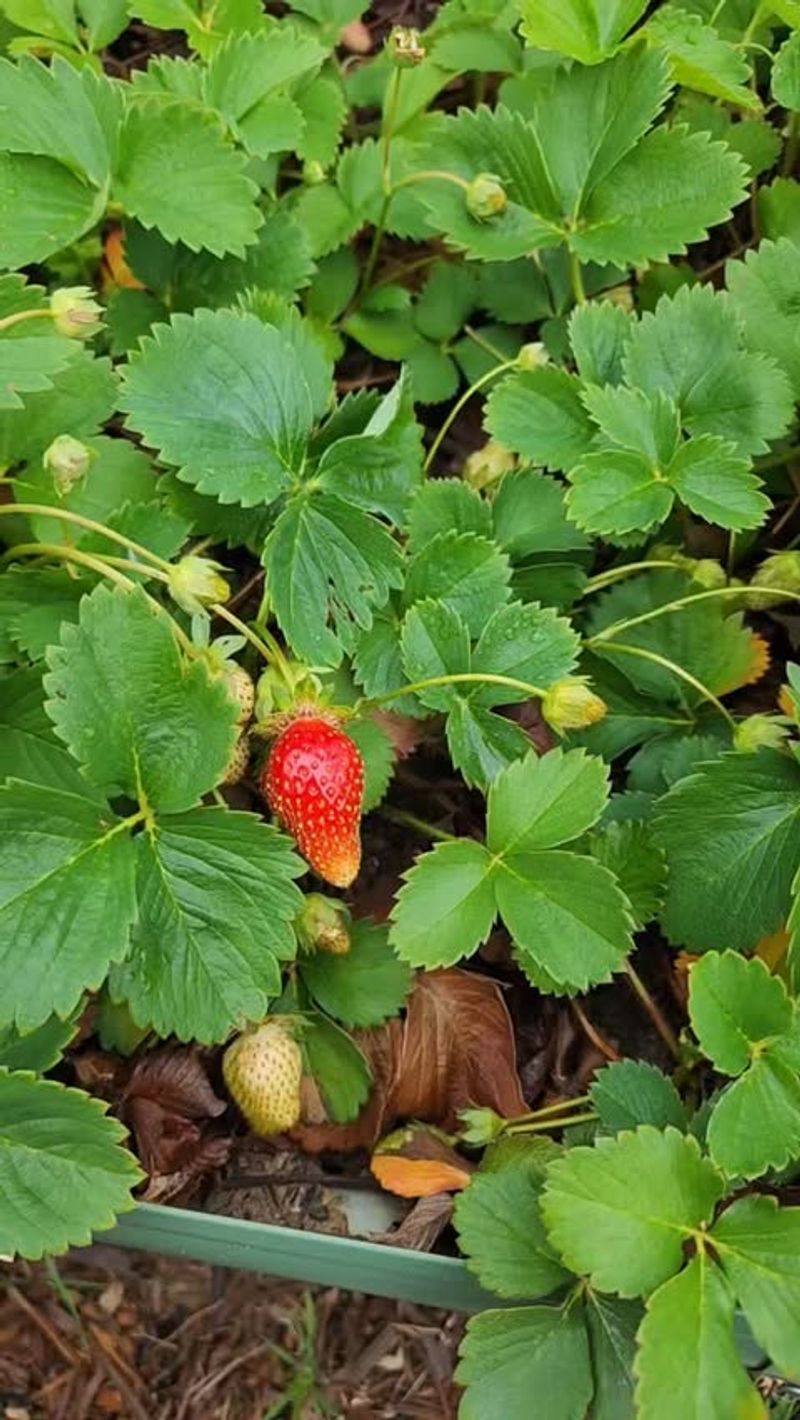
More fertilizer does not always mean more strawberries, and nitrogen is the nutrient that most commonly gets overdone in home gardens.
Nitrogen is the element that drives leafy, green growth, and strawberry plants respond to an excess of it by producing big, beautiful leaves at the direct expense of flowers and fruit.
It looks impressive at first glance, but a leafy plant with few berries is a frustrating outcome.
Michigan gardeners often make this mistake early in the season, applying high-nitrogen fertilizers in hopes of giving their plants a strong start.
The result is fast vegetative growth that delays or reduces flowering. Strawberries actually need a more balanced nutritional approach, with phosphorus and potassium playing equally important roles in root strength and fruit development.
A soil test is the smartest way to know exactly what your garden needs before adding any fertilizer.
Michigan State University Extension offers affordable soil testing that gives you specific recommendations rather than guesswork.
In general, a balanced granular fertilizer with roughly equal parts nitrogen, phosphorus, and potassium applied lightly in early spring and again after the first harvest works well for most Michigan strawberry beds.
Avoid fertilizing heavily in midsummer because this encourages soft, weak growth that is more vulnerable to disease and pests.
A light, well-timed feeding schedule keeps your plants healthy, productive, and focused on doing exactly what you want them to do: producing plenty of large, flavorful strawberries all season long.
8. Ignoring Sunlight Needs
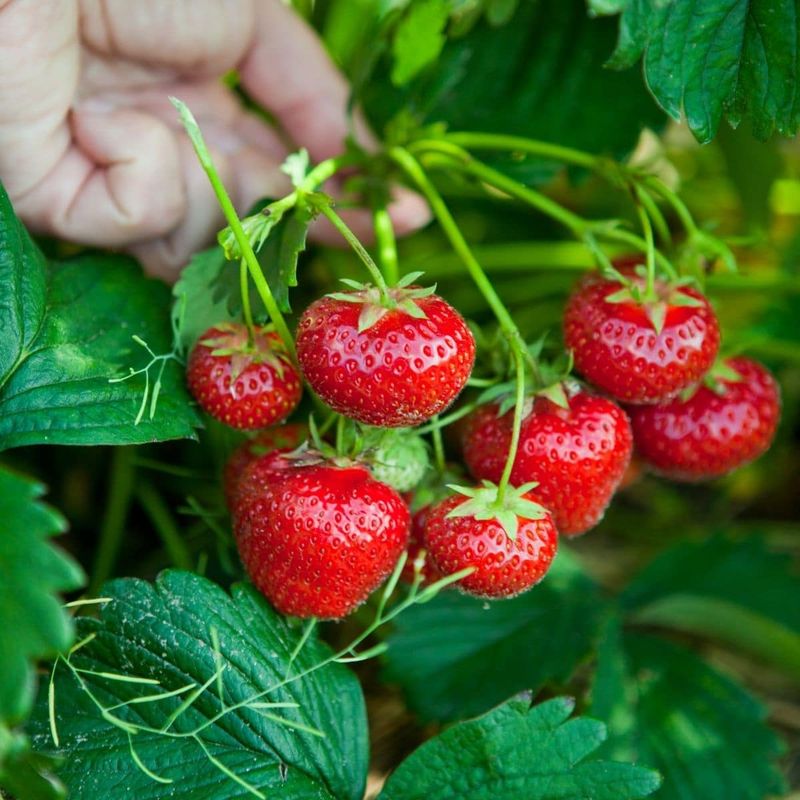
Strawberries are sun-loving plants, and there is no way around it.
Without at least six to eight hours of direct sunlight each day, your plants simply cannot produce the energy needed for strong flowering and full fruit development.
Shaded strawberry beds are one of the most overlooked reasons Michigan gardeners end up with fewer berries than expected.
Sunlight drives photosynthesis, which is the process plants use to create the sugars that make strawberries sweet and flavorful. Less sun means less sugar, and it also means fewer flowers forming in the first place.
A plant growing in partial shade may look healthy but will consistently underperform compared to one growing in a full-sun location.
When choosing a spot for your strawberry bed, look for a location that gets unobstructed morning and afternoon sun. South-facing or west-facing spots typically work best in Michigan.
Avoid planting too close to tall structures, fences, or large trees that cast shade during peak sunlight hours. Even neighboring garden plants can shade strawberries if they grow tall enough.
If your current bed is shaded by a tree that has grown larger over the years, consider relocating your strawberry plants to a sunnier spot.
Strawberry beds benefit from being moved every three to four years anyway to prevent soil-borne disease buildup.
Choosing the sunniest available location is one of the easiest and most impactful decisions a Michigan strawberry grower can make for a bigger, sweeter harvest.