Native Groundcovers That Actually Work In West Texas’s Dry, Rocky Soil
What if the most difficult growing conditions in your West Texas yard turned out to be exactly what the right plants have been waiting for?
Dry, rocky soil is not a problem to be fixed before gardening can happen. For the right groundcovers, it is simply home.
West Texas presents a set of growing challenges that defeat most conventional landscaping choices quickly, shallow soil with little organic matter, relentless sun, low rainfall, and the kind of drainage that standard groundcovers cannot handle without rotting out or drying to nothing.
Native groundcovers that evolved in this region have sorted all of that out already. They root into rocky soil, hold the ground against wind and erosion, spread without supplemental water, and come back stronger each year without any encouragement.
If your West Texas yard has bare, difficult ground that nothing seems to cover, the answer has been growing in this landscape all along.
1. Woolly Stemodia
Woolly Stemodia is not a plant you hear about every day, but once you see it in person, you will wonder why more people are not growing it.
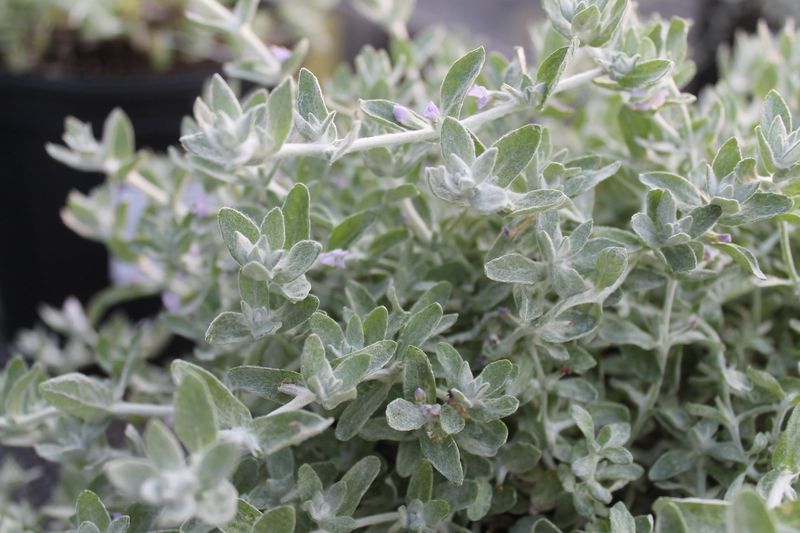
Its leaves are covered in soft, silvery-white fuzz that makes the whole plant look like it is dusted with frost, even in the middle of a blazing West Texas summer.
This low-growing groundcover stays just a few inches tall and spreads slowly outward, making it ideal for filling gaps between rocks or lining the edges of garden paths. The fuzzy texture is not just for looks, either.
Those tiny hairs help the plant reflect sunlight and hold onto moisture, which is exactly what you need in a hot, dry climate.
Woolly Stemodia produces small purple flowers that appear throughout the warmer months. They are not flashy, but they add a quiet charm to the plant’s already interesting texture.
Pollinators do visit the blooms, so it contributes to your local ecosystem in a small but meaningful way.
Grow it in full sun and well-drained soil, and it will reward you with steady, low-maintenance coverage.
It handles rocky, alkaline soils without complaint, which is a big deal in West Texas where the soil chemistry can challenge even tough plants. Once established, it needs very little supplemental water.
Pairing Woolly Stemodia with darker green plants or bright-flowered natives creates a striking contrast that makes your landscape look intentional and thoughtfully designed. It is a hidden gem that deserves far more attention from West Texas gardeners.
2. Blackfoot Daisy
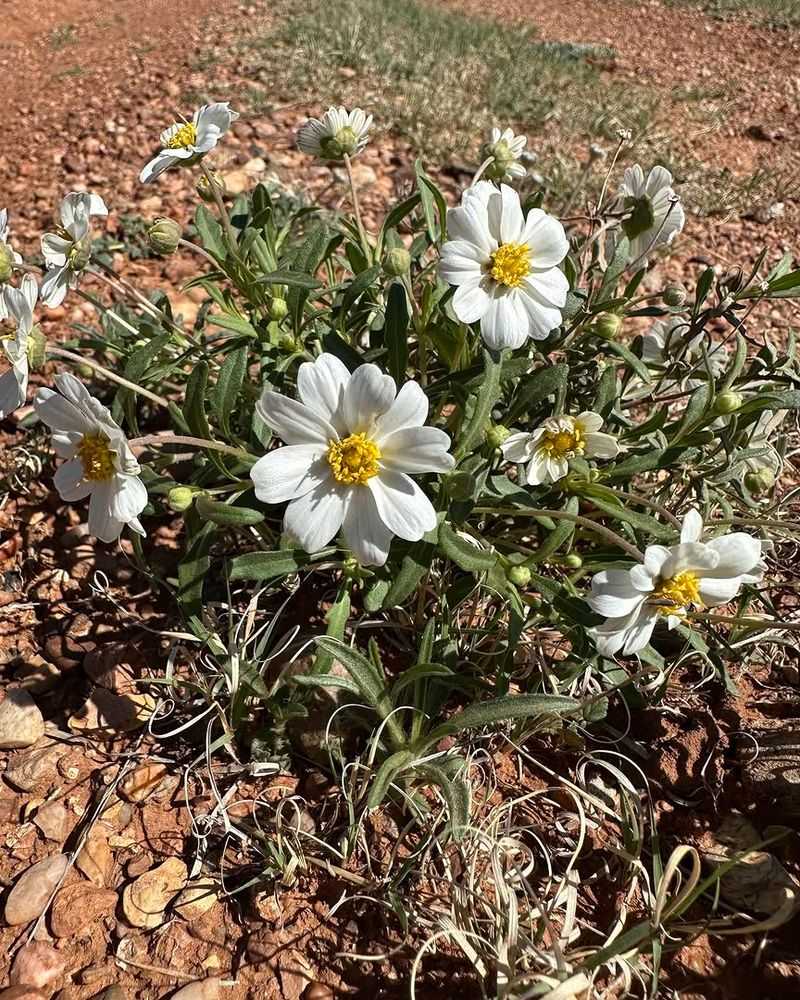
Few plants put on a show quite like the Blackfoot Daisy. This little wildflower looks delicate, but do not let that fool you.
It is one of the toughest groundcovers you can plant in West Texas, and it blooms for months at a time, even in the driest stretches of summer.
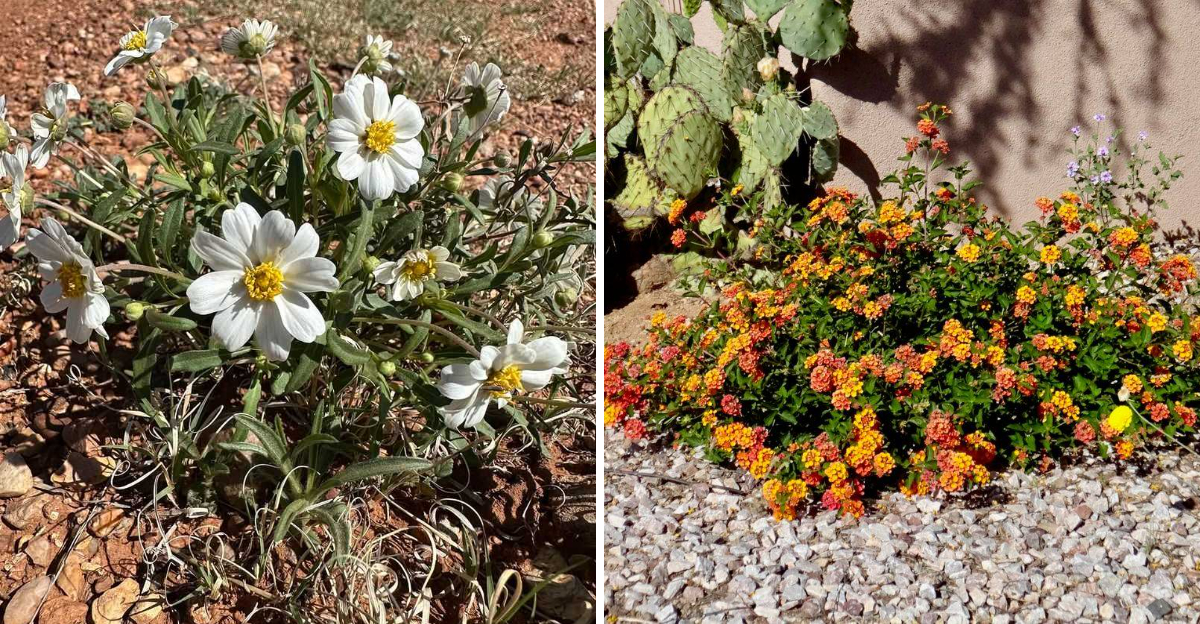
Blackfoot Daisy grows low to the ground, spreading about one to two feet wide. It produces cheerful white flowers with bright yellow centers that look almost like tiny suns dotting your landscape.
The plant stays evergreen in mild winters, which means you get color and coverage year-round in most parts of West Texas.
Your Texas Garden Changes Every Week. Your Plan Should Too.
Gardening in Texas changes quickly throughout the season. Every Friday you’ll receive a simple weekly plan showing exactly what to plant, prune, fertilize, harvest, and protect so you never miss the right timing.
One of the best things about this plant is how little it needs. Plant it in full sun and well-drained, rocky or sandy soil, and it will practically take care of itself.
Overwatering is actually the biggest mistake people make with Blackfoot Daisy. Too much water causes root rot, so water sparingly and let the soil dry out completely between waterings.
Blackfoot Daisy is also a magnet for pollinators. Bees and butterflies love its nectar-rich flowers, so planting it helps support local wildlife too.
It grows naturally across the Chihuahuan Desert and surrounding areas, which means West Texas is basically its home turf.
You can plant it along rocky borders, on slopes, or even in gravel gardens. It pairs beautifully with other native plants like desert marigold or purple sage. Once established, expect very little maintenance and a whole lot of blooms.
3. Trailing Lantana
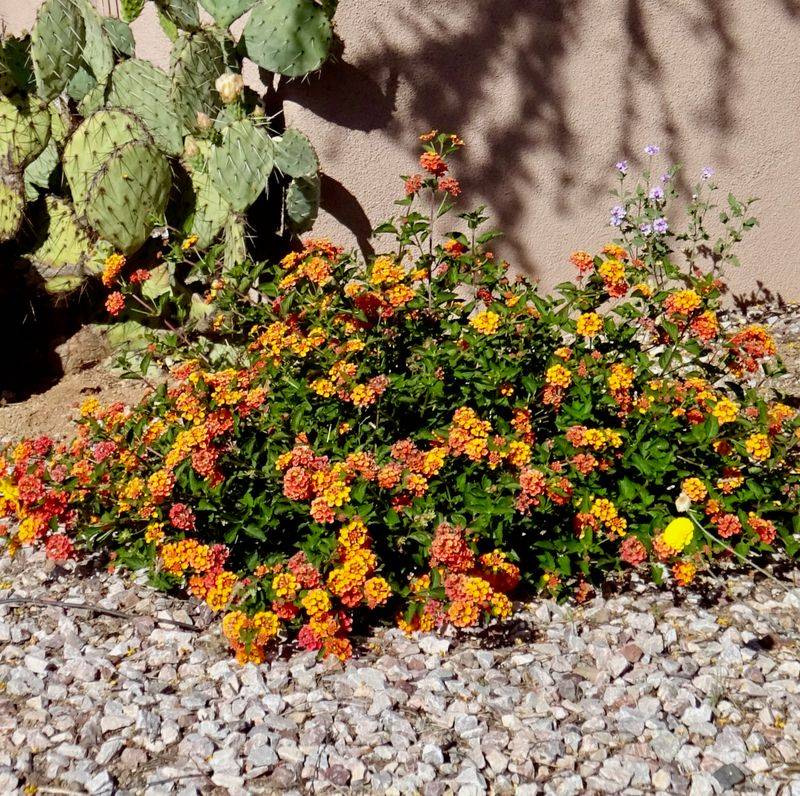
Trailing Lantana is the kind of plant that makes neighbors stop and ask, “What is that?” It spreads low and wide, covering rocky ground with a carpet of tiny colorful flowers in shades of purple, pink, and lavender.
And it does all of this in some of the hottest, driest conditions West Texas can throw at it.
Unlike the upright shrubby lantana you might see in pots, Trailing Lantana hugs the ground and spreads outward, making it perfect for slopes, rock gardens, or any spot where you need coverage without height.
It can spread three to six feet wide, which means one plant can cover a surprising amount of ground over time.
Plant it in full sun and forget about babying it. Trailing Lantana is drought-tolerant once established and actually prefers poor, well-drained soil.
Rich soil and too much fertilizer will cause it to grow leafy and produce fewer flowers, so less is more here.
Did you know that Trailing Lantana is a native of the Chihuahuan Desert region? That means it evolved right alongside West Texas’s climate, making it a natural fit for local landscapes.
It blooms from spring all the way through fall, giving you months of reliable color. Hummingbirds, bees, and butterflies are big fans of this plant, so you are also inviting wildlife into your yard.
Trim it back lightly in late winter to keep it tidy and encourage fresh new growth in spring. It is truly one of the most rewarding groundcovers for this region.
4. Silver Ponyfoot
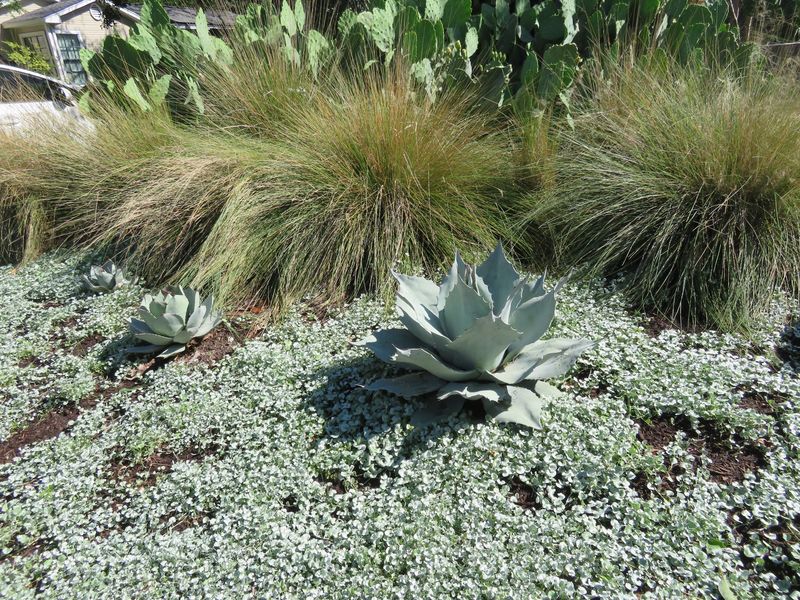
If you have ever wished for a plant that looks like it belongs in a fairy tale but can also survive a West Texas summer, Silver Ponyfoot is your answer.
Its small, round, silvery leaves shimmer in the sunlight, creating a soft, flowing carpet that looks almost magical as it spills over rocks and down slopes.
Silver Ponyfoot spreads quickly and stays low, usually reaching only two to four inches in height. But do not let its small stature fool you.
This plant is a powerhouse when it comes to covering bare ground. It can spread several feet in a single growing season under the right conditions, making it one of the fastest-spreading native groundcovers in the region.
It thrives in full sun to partial shade, which gives it a bit more flexibility than some other groundcovers on this list.
The silvery color comes from tiny hairs on the leaves that reflect heat and sunlight, helping the plant stay cool even when temperatures climb past 100 degrees. Alkaline, rocky, or sandy soil suits it just fine.
Water it occasionally while it is getting established, then back off. Once it has settled in, Silver Ponyfoot is remarkably drought-tolerant and requires almost no attention. It does not bloom in a showy way, but its textural beauty more than makes up for that.
Use it between stepping stones, along borders, or as a living mulch around larger shrubs. It fills in beautifully and helps suppress weeds at the same time, which is a practical bonus any West Texas gardener will appreciate.
5. Winecup
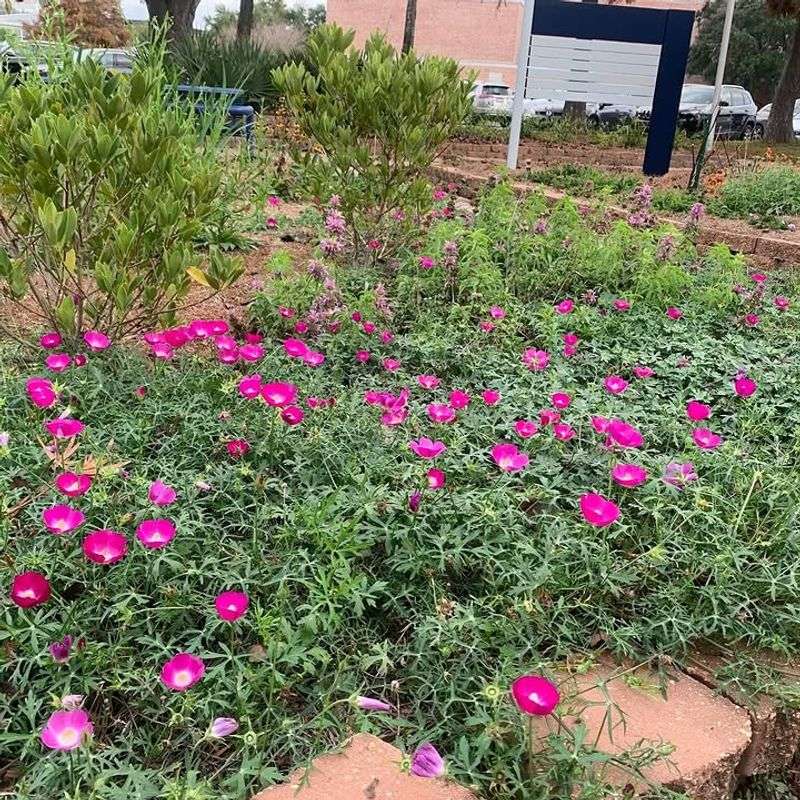
Winecup is one of those plants that stops you in your tracks. Its deep magenta, cup-shaped flowers are bold and striking, and they sit right at ground level on sprawling stems that can stretch two to three feet in every direction.
When it is in full bloom, a patch of Winecup looks like someone scattered jewels across the rocky soil.
Native to Texas and much of the southern Great Plains, Winecup has a deep taproot that allows it to reach moisture buried far below the surface. That taproot is what makes it so tough.
Even during extended dry spells, the plant keeps going because it knows how to find water on its own. This also means it does not like to be transplanted once it is established, so choose your planting spot carefully.
Winecup grows best in full sun and rocky or sandy, well-drained soil. It blooms heavily in spring and continues producing flowers off and on through summer and fall.
The flowers close at night and reopen in the morning, which is a charming detail that makes the plant even more interesting to watch.
Pollinators absolutely love Winecup. Bees in particular are drawn to its wide-open blooms, and you will often see them buzzing around the flowers on warm spring mornings.
Planting Winecup is a simple way to support your local bee population while adding serious visual impact to your yard.
It works beautifully as a sprawling accent plant among boulders or along fence lines. Give it space, good drainage, and sunshine, and it will reward you generously every year.
6. Trailing Dalea
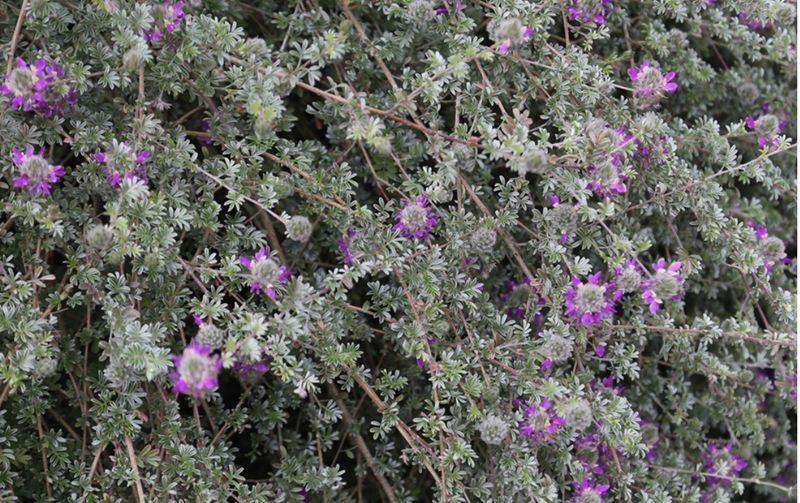
Trailing Dalea has a quiet confidence about it. It does not scream for attention with giant blooms or dramatic foliage, but once you notice its fine-textured leaves and delicate purple flower spikes, you realize just how elegant this plant really is.
It is a slow and steady performer that earns its place in any West Texas landscape. Also known as Black Dalea or trailing prairie clover, this plant spreads low across the ground, hugging rocky or sandy surfaces and forming a dense mat over time.
It typically stays just a few inches tall, making it ideal for areas where you want coverage without visual clutter.
The purple flowers appear in late summer and fall, offering color right when many other plants are winding down for the season.
Trailing Dalea is a legume, which means its roots fix nitrogen in the soil. That is a fancy way of saying it actually improves the soil it grows in, which is a huge benefit in West Texas where soil quality is often poor.
Over time, it helps create better growing conditions for surrounding plants. Full sun and excellent drainage are non-negotiable for this plant.
It handles rocky, alkaline soils with ease and becomes very drought-tolerant once established. Water it regularly for the first season, then pull back and let it fend for itself.
Native bees are especially attracted to Trailing Dalea’s flowers, making it a smart choice for pollinator-friendly gardens. Use it on slopes, in rock gardens, or anywhere you need a tough, low-maintenance groundcover that quietly improves everything around it.
7. Purple Threeawn
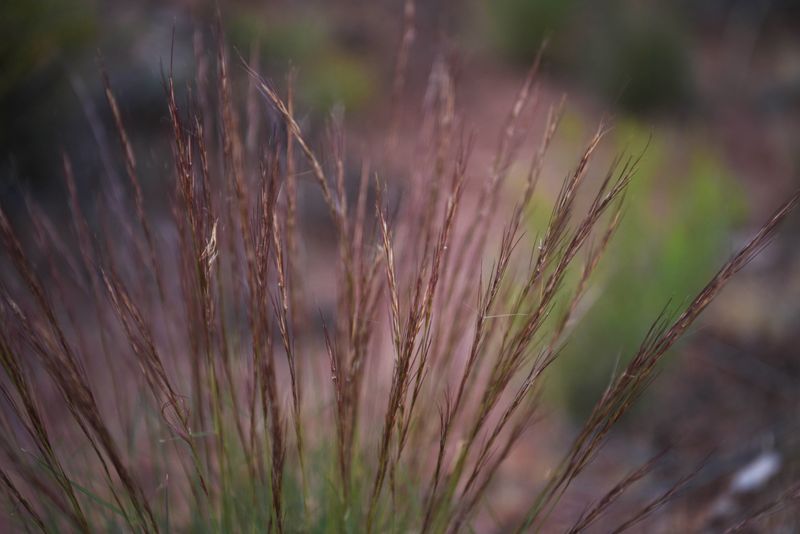
Not every groundcover has to be a flowering plant. Purple Threeawn is a native grass that brings movement, texture, and subtle color to West Texas landscapes, and it does it all without needing much help from you.
When the light hits its feathery purple seed heads just right, the whole plant seems to glow. Purple Threeawn grows in tight clumps and reaches about one to two feet tall, with wispy seed heads that wave in the breeze from late summer into fall.
It is one of the most common native grasses in the Chihuahuan Desert, which tells you everything you need to know about how well it handles West Texas conditions. Rocky, shallow, alkaline soil is exactly where it wants to be.
Established plants are extremely drought-tolerant and require almost no supplemental watering. They handle full sun without flinching, even during the hottest part of summer when the thermometer seems stuck above 100 degrees.
Mowing or cutting it back in late winter encourages fresh new growth in spring and keeps the clumps looking tidy and full.
Purple Threeawn is a valuable plant for wildlife too. Several species of birds eat its seeds, and it provides cover for small ground-nesting insects.
Using native grasses like this one supports the broader ecosystem in ways that ornamental plants simply cannot.
Try mixing Purple Threeawn with flowering groundcovers like Winecup or Blackfoot Daisy for a layered, naturalistic look that feels completely at home in the West Texas landscape. It is a low-effort, high-reward plant that fits beautifully into any water-wise garden plan.