These Texas Ground Covers Create A Natural Tick Barrier Around Your Property
Ticks in Texas are a year-round concern in many parts of the state, and the edges of a property where maintained yard meets natural vegetation are where they tend to concentrate most heavily.
Standard tick management involves treatments, barrier sprays, and a lot of vigilance, but those approaches require ongoing effort and cover only a limited area at a time.
A more permanent layer of protection comes from what actually grows across the ground along those perimeter zones.
Certain groundcovers produce scents and compounds that ticks navigate away from rather than through, and when established along the edges of a Texas property, they create a living barrier that works every day without any maintenance once the plants are in place.
Texas heat and dry conditions can actually intensify the aromatic properties of some of these plants, making them more effective here than in cooler climates.
Solving a tick problem while improving the ground coverage along your property line at the same time is a practical outcome worth pursuing.
1. Horseherb
Walk through almost any shaded Texas yard and you might already have Horseherb growing without even knowing it.
This tough little native plant has been quietly spreading across lawns and garden beds across the state for centuries, and it turns out it is one of the best natural tools you have for managing your landscape.
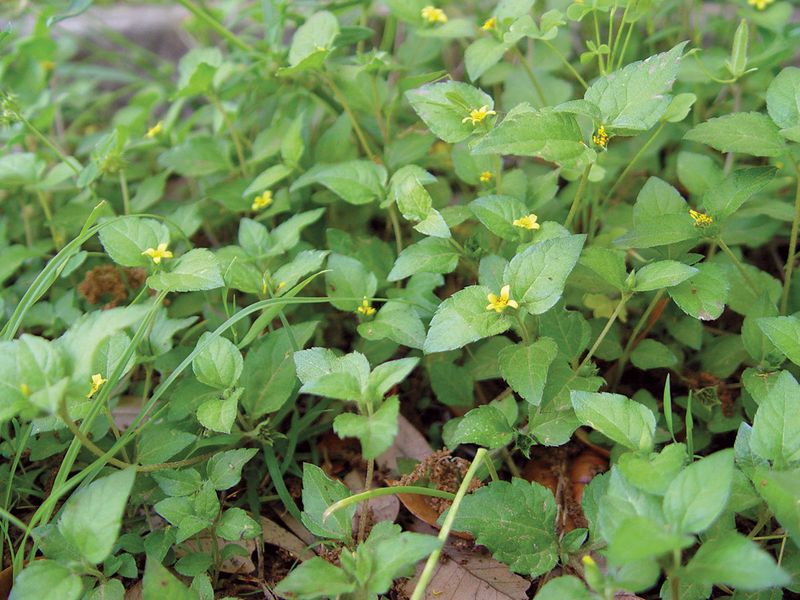
Horseherb, also known as Calyptocarpus vialis, forms a thick, low-growing green carpet that stays close to the ground. That dense mat of foliage is exactly what you want when trying to replace weedy, overgrown patches where ticks love to hide.
Tall weeds and tangled vegetation create shady, humid spots that ticks seek out. Horseherb takes over those spaces and keeps things tidy and open.
One of the best things about this plant is how well it handles shade. Most ground covers struggle under tree canopies, but Horseherb thrives there. It also tolerates full sun, making it incredibly flexible for different parts of your property.
It spreads on its own through runners, so once you get it started, it does the work for you. You do not need to replant it every season.
Small yellow flowers appear throughout the growing season, adding a little color while pollinators enjoy the blooms.
Horseherb needs very little water once established and handles foot traffic reasonably well.
It is a true workhorse of the Texas native plant world, and planting it strategically around your yard is one of the simplest steps you can take toward a more natural tick barrier.
2. Frogfruit
If you have ever seen a fast-spreading, low-growing plant taking over a sunny patch of ground near a creek or open field in Texas, there is a good chance it was Frogfruit.
This native plant is a quiet overachiever, and it deserves a spot in your yard if you are serious about reducing tick habitat.
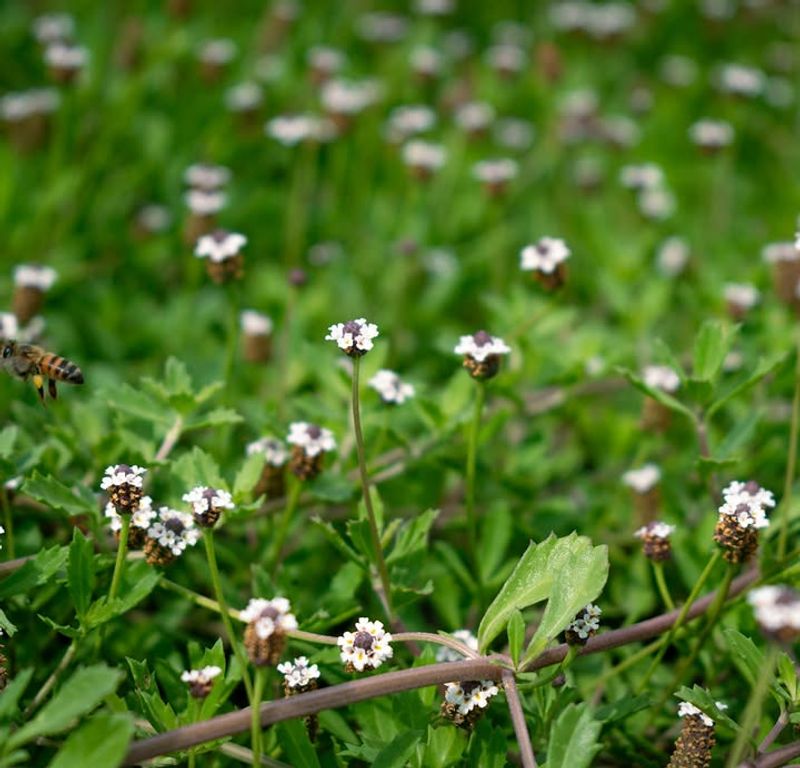
Frogfruit, or Phyla nodiflora, spreads quickly by sending out horizontal stems that root as they go. That spreading habit is exactly what makes it so useful.
Your Texas Garden Changes Every Week. Your Plan Should Too.
Gardening in Texas changes quickly throughout the season. Every Friday you’ll receive a simple weekly plan showing exactly what to plant, prune, fertilize, harvest, and protect so you never miss the right timing.
It fills in bare soil and crowds out weeds before they get a chance to establish. Fewer weeds mean a cleaner, more open landscape where ticks have fewer places to wait for a host.
The plant stays very low to the ground, usually only a few inches tall. That low growth habit is key because ticks typically climb grass blades and low vegetation to latch onto passing animals or people.
A dense, short mat of Frogfruit keeps the landscape manageable and less hospitable to these pests.
Frogfruit also produces tiny white flowers that attract butterflies and bees, so you are supporting pollinators while improving your yard. It handles heat and drought well, which makes it perfect for Texas summers that can be brutal on less-adapted plants.
You can plant Frogfruit from plugs or transplants, and it establishes relatively quickly. Give it a little water during its first season and it will reward you with years of low-maintenance coverage that keeps your yard looking neat and controlled.
3. Texas Sedge
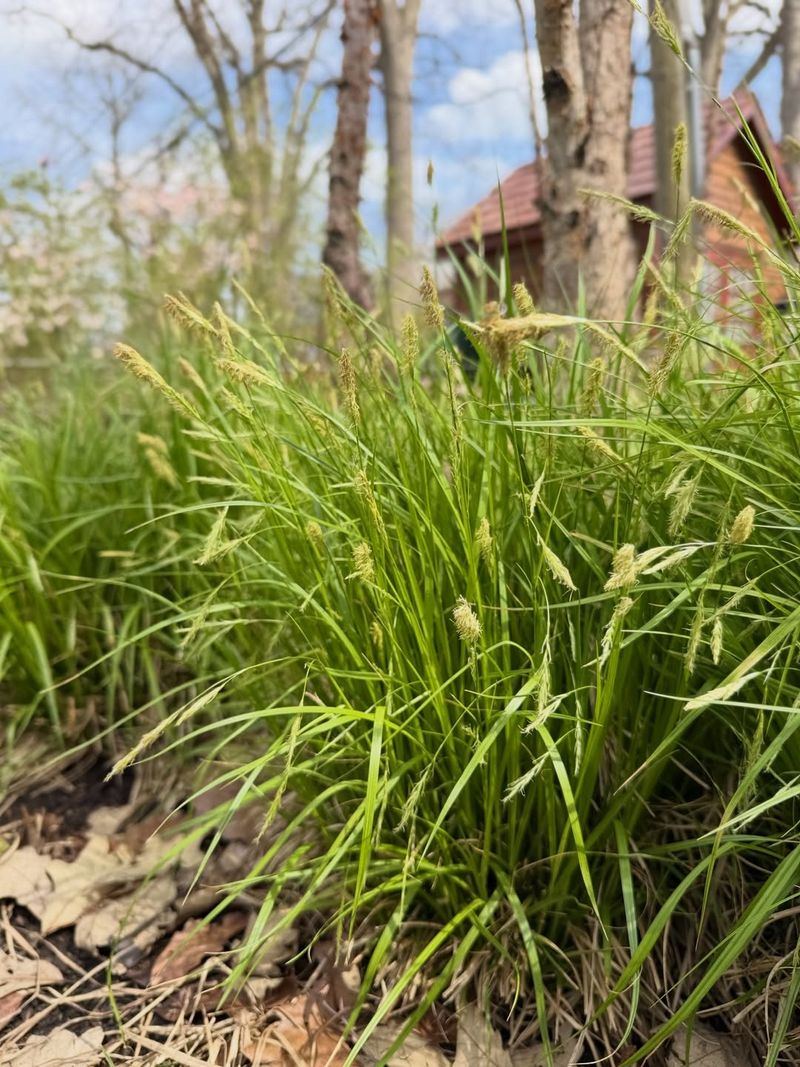
Not every corner of your yard gets full sun, and that is where Texas Sedge really earns its place.
Shaded areas under trees and along fence lines are often the spots where weeds and tall grass take hold, creating exactly the kind of environment that ticks prefer. Texas Sedge steps in and changes that equation.
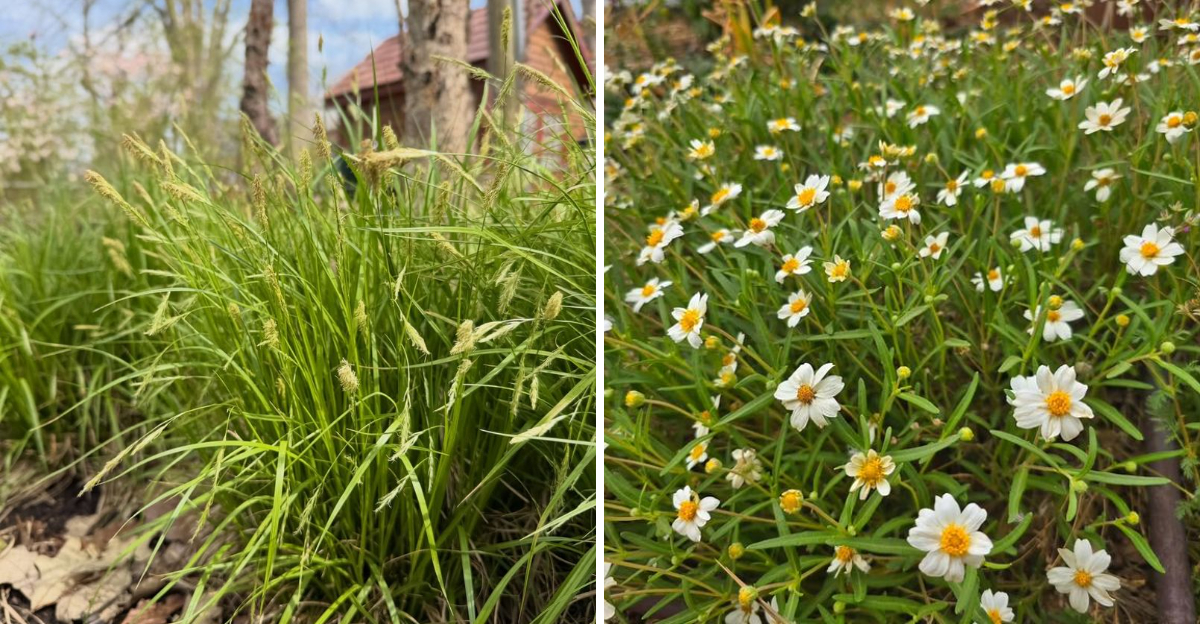
Texas Sedge, known scientifically as Carex texensis, is a fine-textured, grass-like native plant that stays low and forms neat, attractive clumps.
It thrives in partial to full shade, which makes it one of the few good options for those tricky spots under your oak or pecan trees where nothing else wants to grow cleanly.
When you fill those shaded edges with Texas Sedge, you are replacing wild, unmanaged vegetation with something intentional and tidy.
A well-covered ground surface discourages the buildup of leaf litter and tall weedy growth that ticks use as cover. The plant essentially tidies up the edges of your property in a natural way.
Texas Sedge is also evergreen in mild winters, meaning it keeps doing its job year-round in most parts of Texas. It is slow to spread compared to some other ground covers, so it works best when planted in larger groupings or masses along borders and beneath tree canopies.
Water needs are low once established, and it rarely needs mowing. For homeowners who want a clean, native solution for shaded property edges, Texas Sedge is one of the most reliable choices available anywhere in the state.
4. Silver Ponyfoot
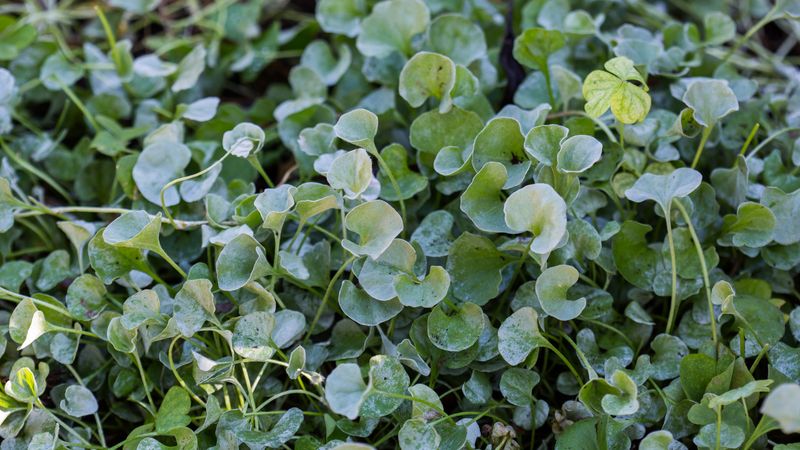
There is something almost magical about the way Silver Ponyfoot looks in a garden. Its small, round leaves shimmer with a soft silvery-green color that catches the light beautifully.
But beyond its good looks, this plant is a genuinely practical solution for covering bare soil and reducing the kinds of open, weedy patches where ticks tend to settle in.
Silver Ponyfoot, or Dichondra argentea, forms a dense, trailing mat that hugs the ground closely. It works especially well on slopes, along borders, or in spots where erosion is a concern.
The thick foliage covers soil quickly, leaving little room for weeds to push through. That weed suppression is a big deal when it comes to tick management, because weeds create height and shade at ground level that ticks use to their advantage.
This plant is incredibly tough. It handles full sun and reflected heat from driveways and sidewalks without missing a beat.
In fact, it often looks its best in the hottest, driest spots where other plants struggle. That resilience makes it a great choice for Texas properties that face intense summer conditions.
Silver Ponyfoot spreads at a moderate pace and stays relatively low, usually under six inches tall. You can use it as a standalone ground cover or mix it with other natives for a layered, textured look that is both attractive and functional.
Once established, it needs very little supplemental watering. It is a low-effort, high-reward plant that quietly improves your landscape while helping reduce conditions that favor tick activity near your home.
5. Blackfoot Daisy
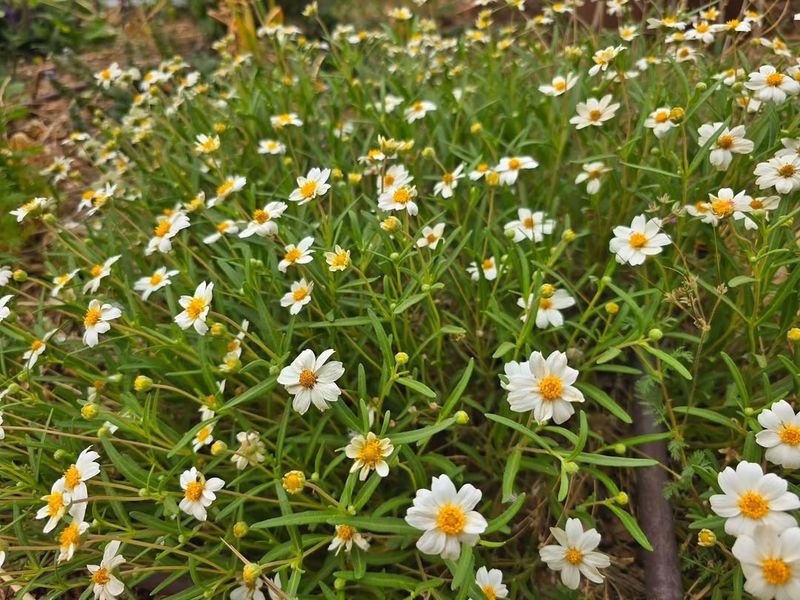
Few native plants in Texas pack as much charm into such a tidy package as the Blackfoot Daisy.
Cheerful white flowers with bright yellow centers bloom from spring all the way through fall, giving your yard a polished, cared-for look while serving a very practical purpose in your overall tick management strategy.
Blackfoot Daisy, or Melampodium leucanthum, grows in a neat, compact mound that stays low to the ground. It naturally fills in open, weedy spaces without taking over or becoming invasive.
That tidy growth habit matters because open weedy areas are prime real estate for ticks looking for a shaded place to rest and wait. Replacing those spots with a well-behaved, blooming native plant is a smart move for any Texas homeowner.
This plant is built for Texas conditions. It thrives in rocky, well-drained soil and handles drought like a champion.
Overwatering is actually more of a concern than underwatering with Blackfoot Daisy, so it fits perfectly into a low-maintenance, water-conscious landscape plan.
Pollinators go absolutely wild for the blooms. Bees and butterflies visit regularly throughout the growing season, which adds life and movement to your garden in the best possible way.
Deer tend to leave it alone, which is a bonus for rural and suburban Texas properties. Plant Blackfoot Daisy in full sun along borders, driveways, or anywhere weedy growth tends to creep back in.
It holds its ground season after season with very little intervention, making it one of the most reliable and attractive options on this entire list.
6. Woolly Stemodia
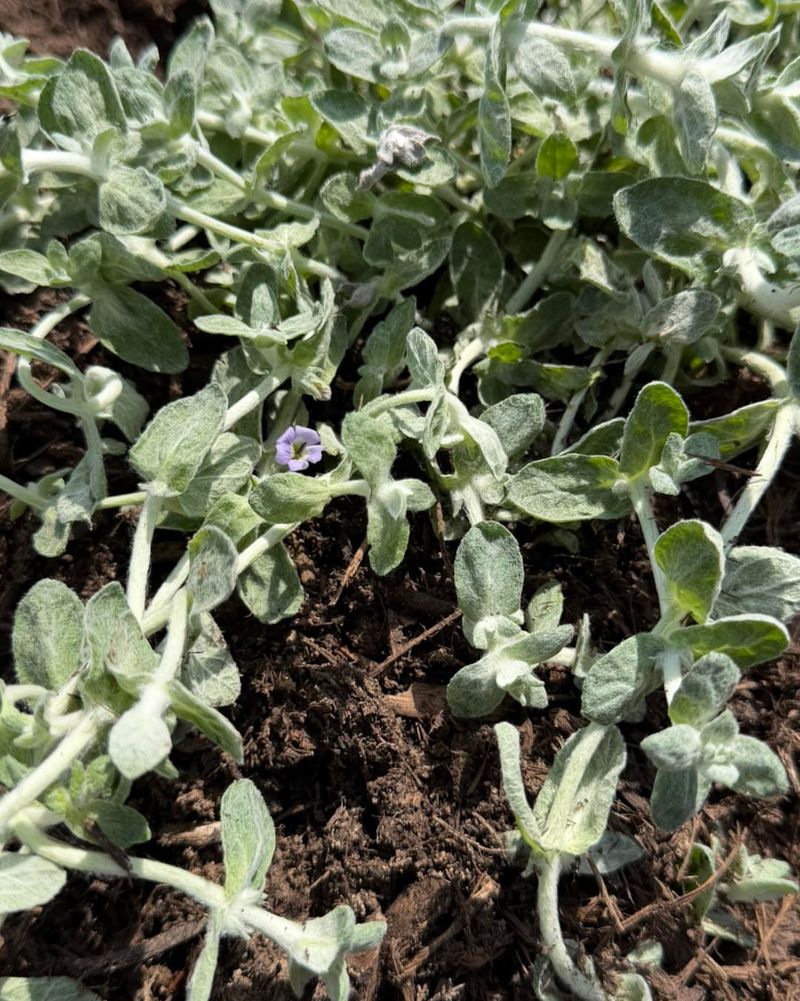
Hot, dry, and brutally sunny spots in a Texas yard can feel impossible to plant. Most ground covers wilt, fade, or simply refuse to perform when temperatures climb past 100 degrees.
Woolly Stemodia is a different story entirely, and it might just be the toughest low-growing plant you have never heard of.
Woolly Stemodia, or Stemodia lanata, forms a compact, spreading mat of soft, fuzzy gray-green foliage that looks almost like something from a desert garden. That dense mat stays close to the soil surface and covers bare ground efficiently.
Bare soil is a problem in tick management because it often gives way to weedy growth, and weedy growth creates the layered, shaded habitat that ticks prefer. Woolly Stemodia fills those gaps and keeps things tight and low.
The woolly texture of its leaves is not just for looks. That fuzz actually helps the plant reflect heat and retain moisture at the leaf level, which is one reason it survives conditions that would stress out most other plants.
It is a native to the Chihuahuan Desert region and is fully adapted to the extremes of Texas weather.
It spreads at a steady pace and requires almost no care once it gets going. No regular mowing, no heavy watering, and no complicated fertilizing schedules. Just plant it, give it a little water during establishment, and let it do its thing.
For the hottest, most exposed corners of your property, Woolly Stemodia is the ground cover that shows up and stays. It earns its spot every single season without complaint.
7. Trailing Lantana
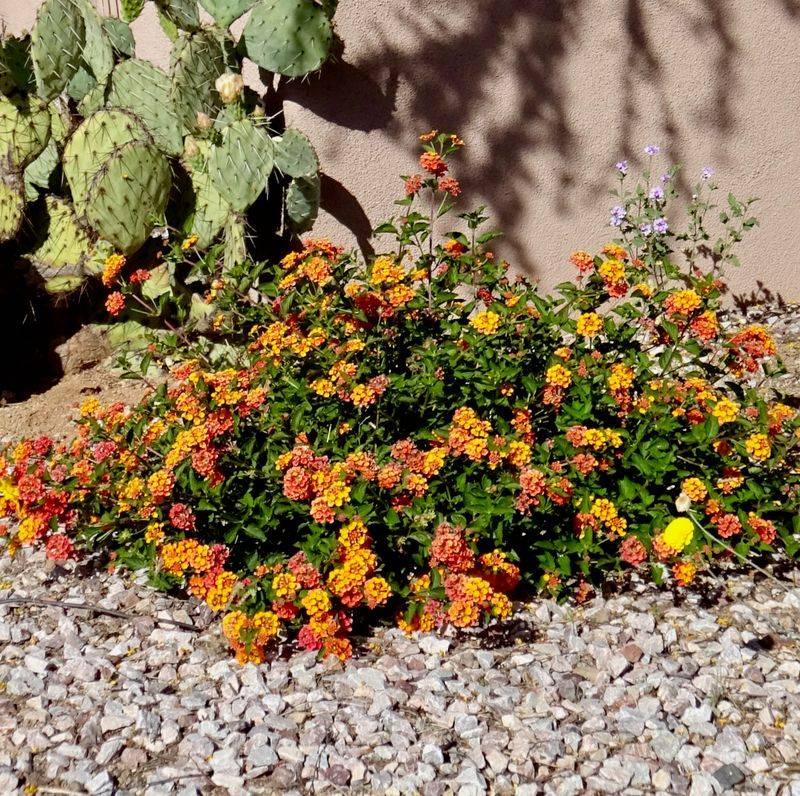
Color, coverage, and toughness all in one plant sounds almost too good to be true, but Trailing Lantana delivers all three without much effort on your part.
This low-growing sprawler is a powerhouse in the Texas landscape, and it plays a surprisingly important role in reducing the kind of dense, tall vegetation where ticks like to set up camp.
Trailing Lantana, or Lantana montevidensis, spreads aggressively across sunny areas, sending stems outward in every direction. That spreading habit is the key to its value as a tick barrier plant.
Taller weeds and grasses provide height and humidity at ground level, which ticks use to reach passing hosts. When Trailing Lantana takes over those sunny spots, it replaces unmanaged vegetation with a dense, low-growing mat that keeps things open and exposed.
The plant produces clusters of small, vivid flowers in shades of purple, lavender, and yellow throughout the warm months.
Those blooms attract butterflies by the dozens, turning your yard into a lively, colorful space that feels intentional and cared for. It is a beautiful plant that happens to be incredibly functional.
Trailing Lantana is drought-tolerant, heat-loving, and nearly indestructible once established in well-drained soil.
It does best in full sun and can spread several feet wide in a single growing season. That fast coverage is exactly what you want when trying to reclaim overgrown sunny areas.
Planting Trailing Lantana along fence lines, sunny slopes, and open borders gives you season-long blooms while steadily reducing the habitat that makes your property attractive to ticks year after year.