How To Water Tomato Plants In Florida In June For Bigger, Healthier Harvests
Watering tomatoes in Florida in June sounds straightforward until your plants start showing you otherwise. Blossom drop, cracked fruit, yellowing leaves, roots rotting in soil that never fully drains.
June in Florida is not a forgiving month for tomatoes and watering habits that worked fine in spring stop working fast once the summer rain pattern kicks in. The tricky part is that overwatering and underwatering look almost identical on a stressed tomato plant.
Gardeners guessing between the two usually guess wrong at least once a season. June also brings afternoon storms that seem like they solve the watering problem but rarely do what you think.
Inconsistent moisture is one of the biggest harvest problems tomato growers deal with. Most of it traces back to a watering approach that was never dialed in for this specific month and climate.
1. Water Deeply Before June Heat Dries The Root Zone
Tomato leaves drooping in the afternoon heat is one of the most familiar sights in local vegetable gardens during June.
Sometimes that wilting is a natural response to intense midday sun, but other times it signals that the root zone has dried out faster than the plant can handle.
Knowing the difference starts with checking the soil, not just eyeing the leaves.
According to UF/IFAS, tomatoes generally need about 1 to 2 inches of water per week, counting rainfall. That amount supports steady growth without overloading roots or washing nutrients out of the soil.
Shallow, frequent splashing does not deliver water where it matters most. Deep watering encourages roots to reach further down, where moisture stays a little longer even on the hottest days.
Before you water, push a finger or a wooden dowel about 3 to 4 inches into the soil near the base of the plant. If it comes out dry or barely damp, the plant likely needs water.
If it comes out cool and moist, skip the hose for now. This simple check takes about ten seconds and saves you from both under-watering and over-watering in the same week.
Avoid setting a strict daily watering schedule and sticking to it no matter what. Rainfall, cloud cover, and soil type all change how fast moisture leaves the root zone.
Sandy soils drain faster than heavier mixes, so gardens in sandy spots may need water sooner. Adjust based on what the soil actually tells you, not just the calendar.
2. Count Rainfall Before You Add More Water
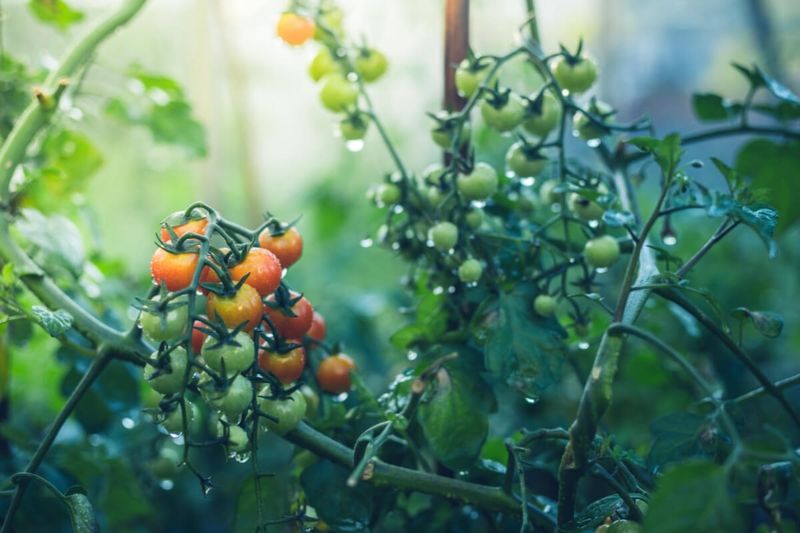
A heavy afternoon storm rolls through, drops nearly an inch of rain in thirty minutes, and leaves the garden looking thoroughly soaked. Then the gardener walks out an hour later and reaches for the hose out of habit.
This is one of the most common watering mistakes made in June, and it can stress roots just as much as letting the soil go completely dry.
Tracking rainfall before you irrigate is one of the smartest habits you can build this month. A basic rain gauge, or even a straight-sided container like a tuna can, placed in the open near your garden gives you a real number to work with each week.
Your Florida Garden Changes Every Week. Your Plan Should Too.
Gardening in Florida changes quickly throughout the season. Every Friday you’ll receive a simple weekly plan showing exactly what to plant, prune, fertilize, harvest, and protect so you never miss the right timing.
Since tomatoes need roughly 1 to 2 inches of water per week including rainfall, a single good storm can cover a large portion of that need in one afternoon.
Rainfall in this state is famously uneven. Coastal areas may get drenching storms while neighborhoods just a few miles inland stay dry.
Central regions often see frequent afternoon downpours that come and go quickly, and northern regions can go several days between storms during certain stretches of June. Never assume your garden got the same rain your neighbor mentioned.
Too much water is a real problem. Soggy soil pushes oxygen out of the root zone, stresses the plant, and can leach nutrients like calcium and magnesium out of reach.
Poorly drained Florida beds are especially vulnerable. Let the rain gauge be your guide before you add a single extra drop.
3. Keep Moisture Steady To Help Prevent Blossom End Rot
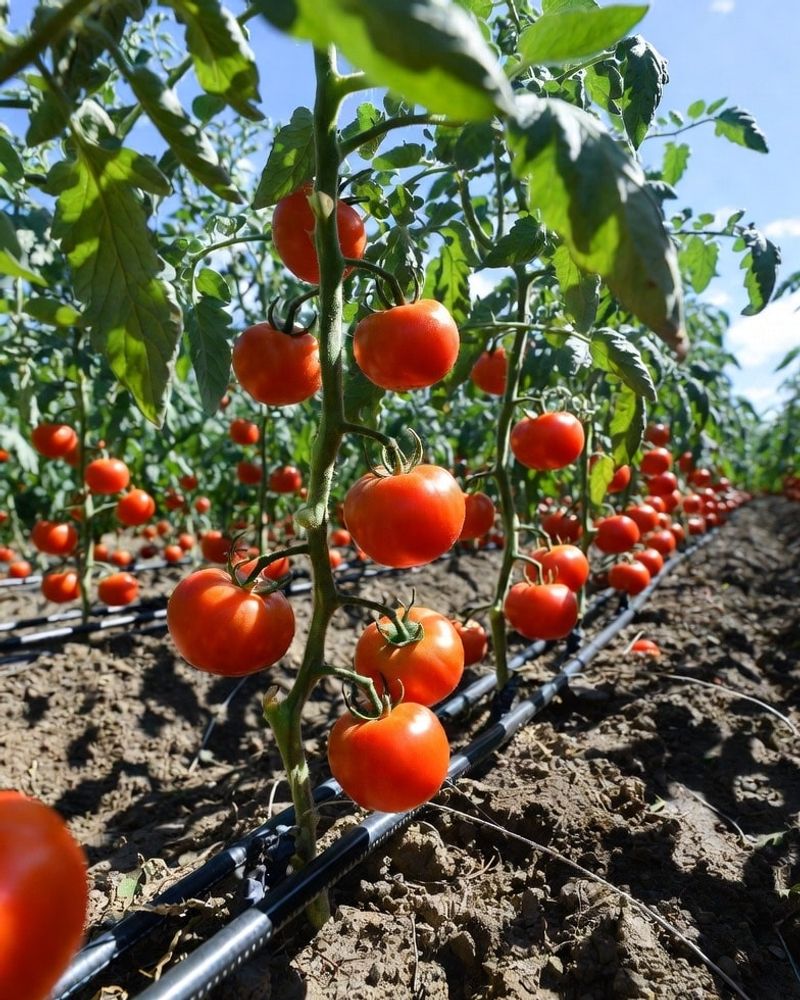
Spotting a dark, sunken patch on the bottom of a tomato you have been watching for weeks is genuinely discouraging.
That leathery brown spot is blossom end rot, and while it looks like a nutrient problem, the root cause is almost always connected to how water moves through the plant.
Uneven moisture is the main driver, not simply a shortage of calcium in the soil.
Calcium moves through tomato plants in water. When the soil swings between bone dry and waterlogged, the plant cannot take up water steadily, and calcium transport breaks down.
The developing fruit at the blossom end suffers first. UF/IFAS Extension notes that keeping moisture consistent throughout fruit set is one of the key steps in managing this problem.
Adding calcium fertilizer without fixing the watering pattern often produces disappointing results. The soil may already have enough calcium, but if water uptake is irregular, the plant still cannot move it where it needs to go.
Focus first on steady moisture, good drainage, and a layer of mulch to buffer soil moisture swings between storms and dry spells.
Pay close attention to your plants during flowering and early fruit development, because that is when moisture stress does the most damage. The symptoms may not show up until the fruit is nearly full size, which makes it easy to miss the connection.
Consistent soil moisture, not just heavy watering after a dry spell, is what keeps blossom end rot from becoming a recurring problem in your garden.
4. Water At The Base To Keep Tomato Leaves Drier
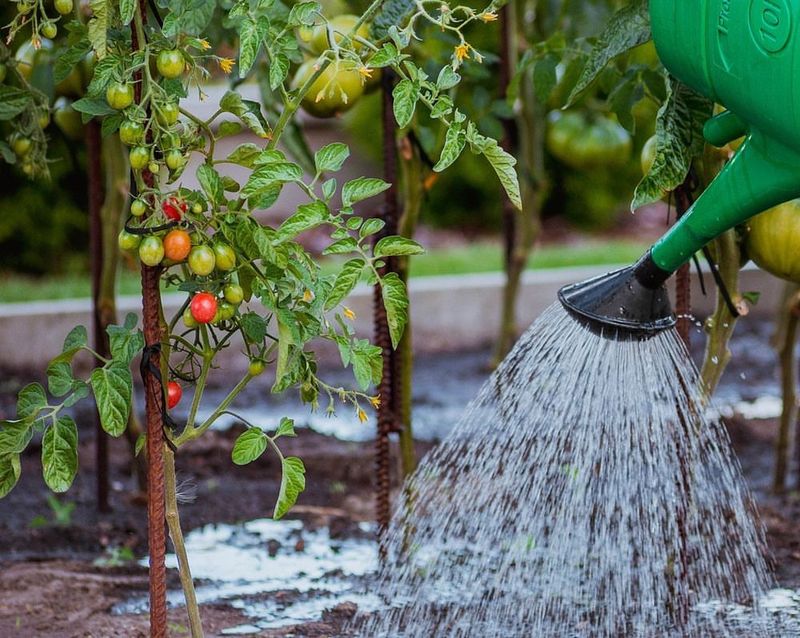
Picture a sprinkler sending a wide arc of water across a row of tomato plants, soaking the leaves and splashing muddy water up onto the lower stems. In dry climates, that might not cause much trouble.
In the heat and humidity of June in this state, wet foliage and soil splash create exactly the conditions that fungal diseases and bacterial problems love to settle into.
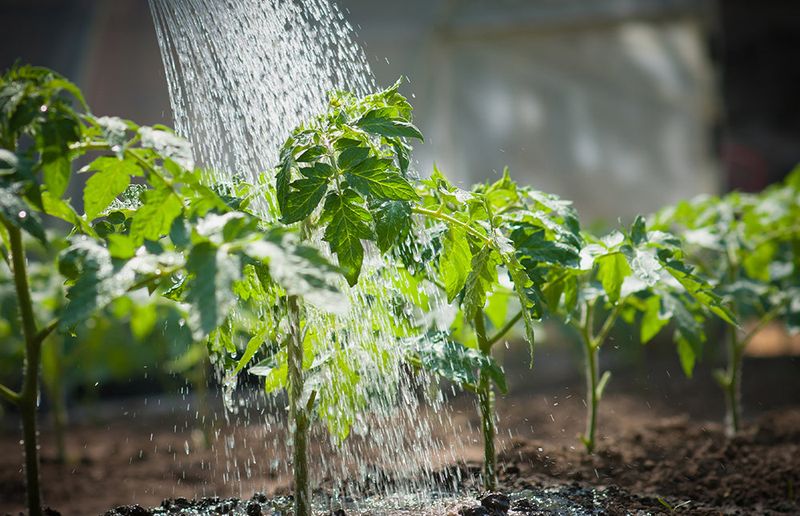
Watering at the soil line instead of overhead keeps tomato leaves much drier, which matters a great deal in humid weather. UF/IFAS recommends directing water to the base of plants rather than spraying over the top.
Wet foliage in warm, humid conditions can encourage diseases like early blight and bacterial speck. Both of those problems are common in local gardens during the rainy season.
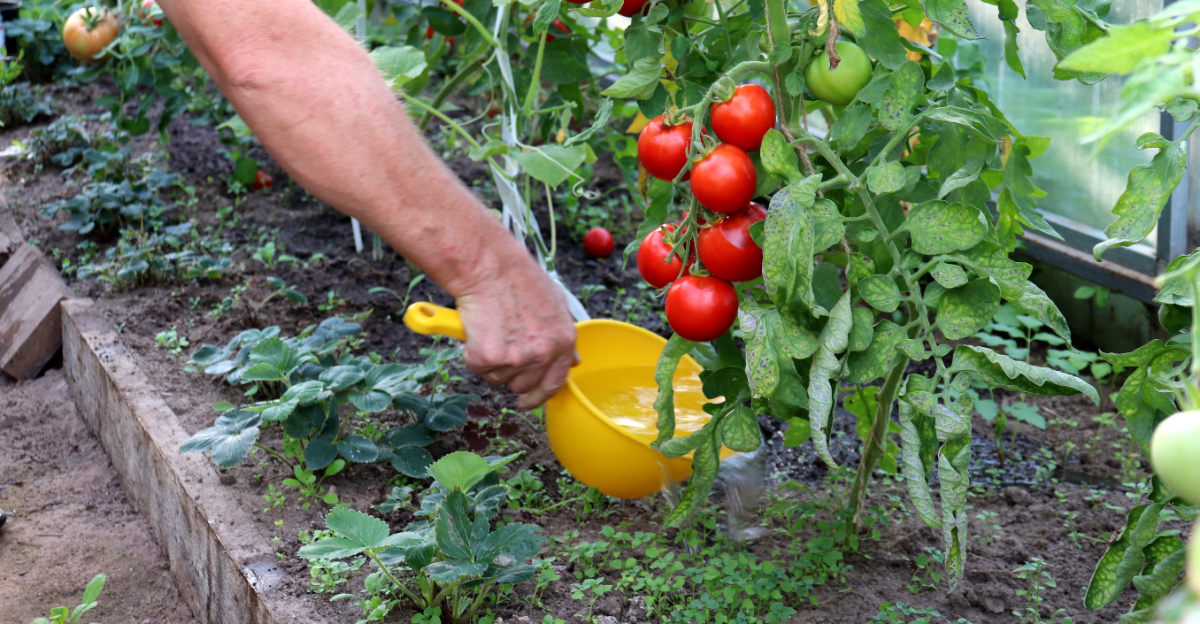
Practical tools make base watering easy. A watering wand with a gentle head lets you direct water right to the root zone without disturbing the soil.
Drip irrigation and soaker hoses are even more efficient, delivering moisture slowly and directly to the roots while keeping the rest of the plant completely dry. These options also reduce how much water evaporates before it reaches the roots.
Try to avoid blasting the soil hard enough to splash it upward onto lower leaves and stems. Soil particles can carry pathogens, and once they land on foliage, rainy, humid conditions help those problems spread quickly.
A gentle, focused stream at the base is always a better choice than a heavy spray across the whole plant.
5. Use Mulch To Hold Moisture In Sandy Soil
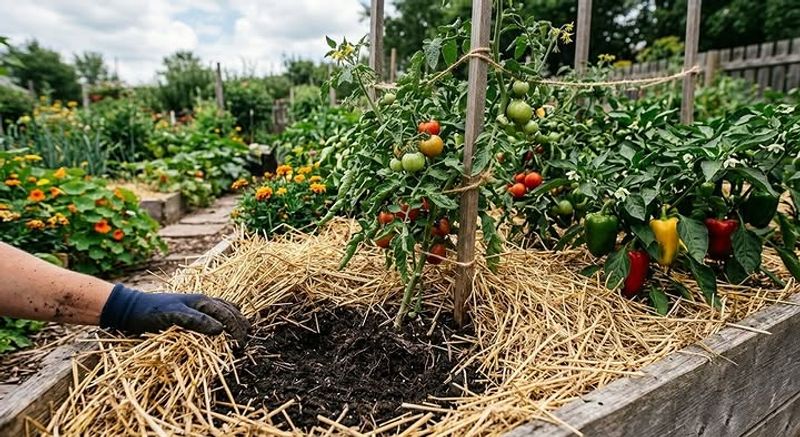
Bare sandy soil in a sunny June garden can feel almost hot to the touch by mid-morning. That same soil drains fast after rain and dries out even faster under direct sun.
The moisture your tomato roots need can disappear before the plant has a chance to use it. Mulch is one of the most practical tools you have for slowing that process down.
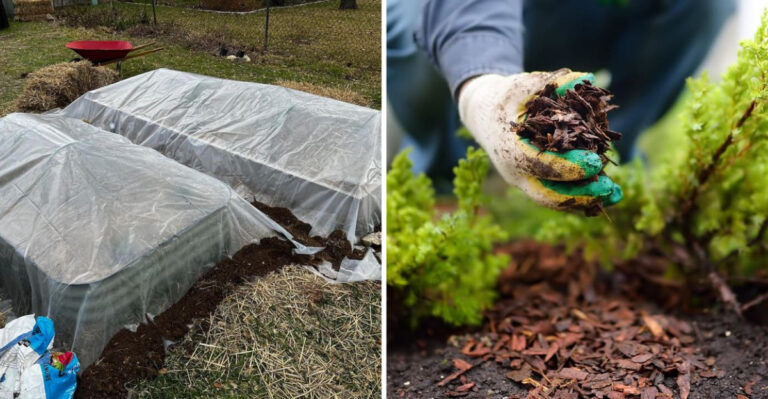
A layer of organic mulch, such as straw, shredded leaves, or wood chips, slows evaporation from the soil surface and helps keep root-zone temperatures from spiking.
UF/IFAS Extension recommends mulching vegetable beds to conserve moisture and moderate soil temperature.
Both are especially useful in sandy soils that drain quickly and heat up fast. Even a 2 to 3 inch layer makes a noticeable difference in how long the soil stays moist after watering or rain.
Apply mulch after the soil has warmed and your plants are established. Keep the mulch pulled slightly away from the main stem of each tomato plant to allow air circulation at the base.
After a heavy June storm, check for spots where the mulch has washed thin or clumped, and redistribute it to keep coverage even across the whole bed.
Mulch does not remove the need to water, but it does reduce how often you need to. In sandy spots where moisture disappears quickly, that difference can decide whether a plant stays productive.
It can also determine whether the plant struggles through the hottest weeks with inconsistent moisture.
6. Check Container Tomatoes More Often Than Garden Beds
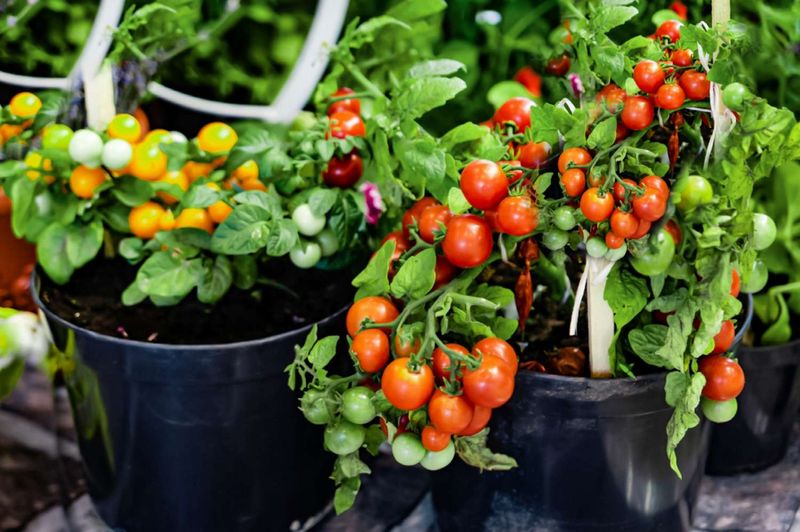
A potted tomato can look perfectly healthy at breakfast and show clear signs of stress by the time the afternoon sun swings around to the patio. Containers dry out dramatically faster than in-ground beds.
This is especially true in June, when temperatures climb quickly and coastal breezes pull moisture from the soil.
The smaller the container, the faster it dries. Tomatoes grown in pots, grow bags, or compact raised planters need to be checked more frequently than garden beds.
During the hottest stretches of June, check them once or even twice a day. Press your finger about an inch into the soil.
If it feels dry at that depth, water thoroughly until it drains from the bottom holes. If it still feels damp, wait and check again in a few hours.
Drainage holes are not optional for container tomatoes. After a heavy rain, water can pool inside a pot without drainage, leaving roots sitting in soggy soil.
If your containers are sitting on solid surfaces like a concrete patio, make sure water can actually flow freely out the bottom and is not blocked by the surface below. Elevating pots slightly on feet or bricks helps.
Southern regions with hotter nights and more intense reflected heat from pavement can dry containers even faster than central or northern regions.
If your pots sit in full sun all day on a dark surface, consider moving them to a spot that gets some afternoon shade.
That one change can reduce how often you need to water and lower stress on the plant during the hottest part of the day.
7. Water Early Before Afternoon Storms And Humidity Build
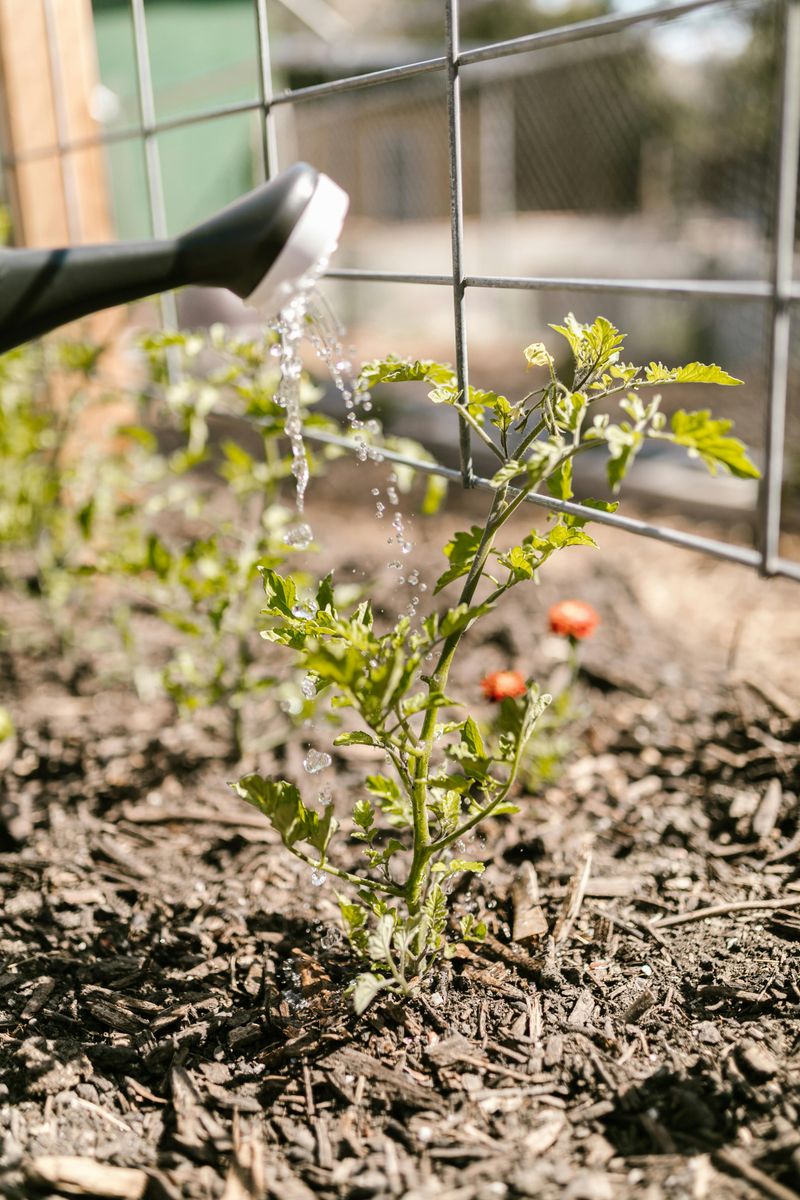
There is something satisfying about watering the garden before the day turns hot and the clouds start building on the horizon. Morning watering is not just a pleasant habit.
It gives tomato plants time to take up moisture before peak heat arrives. It also allows any water on the foliage to dry before afternoon humidity settles in.
June afternoons in this state follow a familiar pattern across much of the region. Temperatures rise, humidity builds, and storms often roll through between early and late afternoon.
Watering in the morning means your plants are already hydrated when that heat peaks. If an afternoon storm adds more water on top of that, you can simply note the rainfall and skip your next irrigation session rather than doubling up.
Late-evening watering is worth avoiding when possible. Wet soil and damp foliage overnight in warm, humid conditions can encourage fungal problems that spread quickly during the rainy season.
Morning watering gives the garden several hours of drying time before nightfall, which helps reduce that risk without requiring any extra effort on your part.
This is not a rigid rule that applies to every situation. If your container tomato is wilting at three in the afternoon and no rain is coming, water it.
Plants under serious heat stress need relief regardless of the time. The goal is to build a morning routine that reduces how often you face that emergency.
Do not follow a schedule so strictly that you let a struggling plant wait until sunrise. Adjust as needed and check local watering restrictions before irrigating.
City, county, and water management district rules can limit when and how much you irrigate, especially during dry spells.