10 Places In California Where Cucumbers Struggle To Grow (Plus Alternatives That Work)
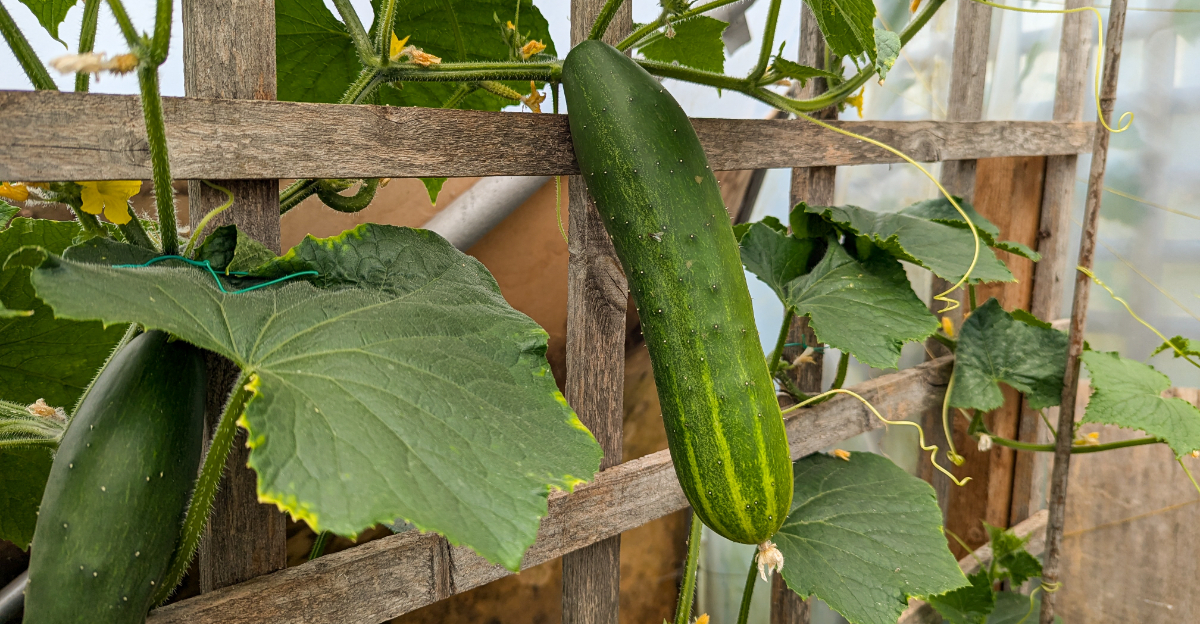
Cucumbers can be surprisingly picky for such a common garden crop. Give them the wrong spot, and they may sulk, wilt, or produce far less than expected.
Across California, the challenge is not always the seed or the gardener. It is often the location.
A windy balcony, a foggy coastal yard, a scorching inland bed, or a shady corner can make cucumbers harder to grow than they should be. That does not mean the space is useless.
It just means a better crop may fit it more naturally. Plenty of vegetables can handle tough garden spots with less drama and better results.
Once you know where cucumbers tend to struggle, you can stop forcing them into the wrong place and start growing something that actually wants to be there.
1. Foggy Coastal Gardens Keep Cucumbers Too Cool
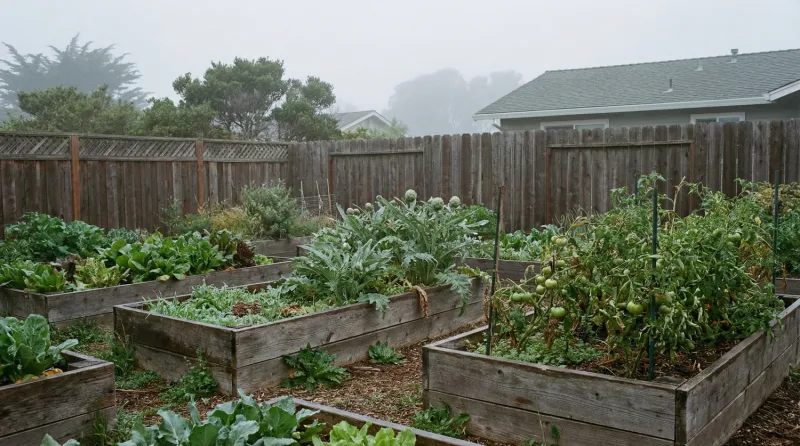
Cool, gray mornings along the coast might feel refreshing to you, but cucumbers absolutely hate them. These vines need soil temperatures of at least 60 degrees Fahrenheit to germinate and grow well.
In many coastal areas of our state, the soil stays too cold for too long, even in summer.
The constant fog blocks sunlight for hours each morning. Without enough direct sun, cucumbers grow slowly, produce fewer flowers, and often drop their blooms before fruit can set.
The humidity from the fog also encourages fungal problems on the leaves.
Many coastal gardeners try planting cucumbers in raised beds to warm the soil faster. Black plastic mulch can also help trap heat.
But even with those tricks, the results are often disappointing compared to what warmer inland gardens can produce.
A smarter move is to plant crops that actually love cool, foggy conditions. Leafy greens like kale, spinach, and Swiss chard thrive in these spots.
Broccoli and cauliflower also do really well along the coast. Herbs like cilantro and parsley prefer cooler air and will grow lush and full where cucumbers would struggle.
Peas are another fantastic choice because they love mild, moist weather.
Shifting your focus to these plants means you spend less time fighting your climate and more time enjoying a productive, healthy garden full of food you actually grew yourself.
2. Windy Hillsides Dry Out Vines Before They Set Fruit
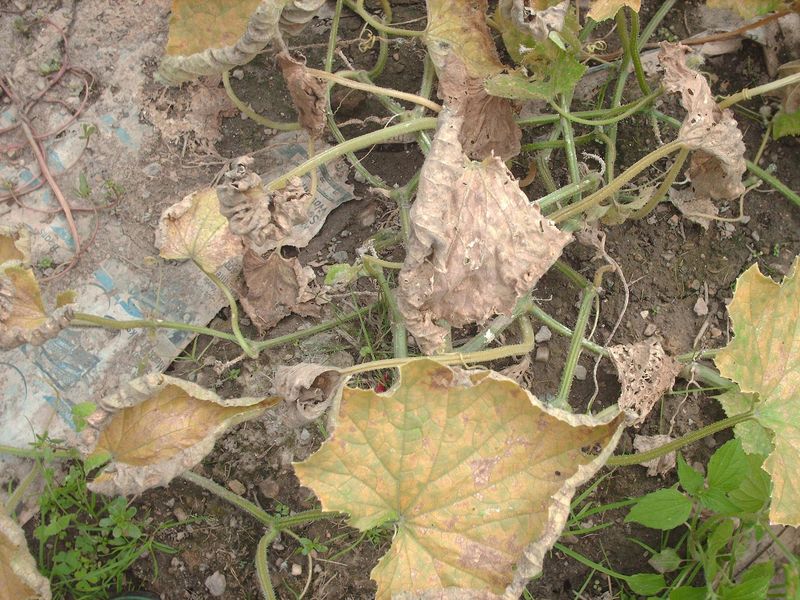
Wind is one of the most underrated enemies of a cucumber plant. On exposed hillsides across our state, strong afternoon winds can pull moisture right out of leaves and soil faster than you can water.
Cucumber vines are mostly water, so they feel that stress quickly.
When vines get wind-stressed, they stop putting energy into fruit production. You might notice the edges of leaves turning brown and crispy.
Flowers may drop off without forming cucumbers. The plant is simply trying to survive, not thrive.
Windbreaks like fences, hedges, or even tall companion plants can help a little. But on a true hilltop with steady wind exposure, you are always playing catch-up with hydration and protection.
Hardy herbs and drought-tolerant vegetables are a much better fit for windy hillside spots. Rosemary is practically built for these conditions.
Your California Garden Changes Every Week. Your Plan Should Too.
Gardening in California changes quickly throughout the season. Every Friday you’ll receive a simple weekly plan showing exactly what to plant, prune, fertilize, harvest, and protect so you never miss the right timing.
It loves good drainage and handles wind without complaint. Lavender is another strong performer on exposed slopes.
Thyme and oregano also root deep and stay low, making them naturally wind-resistant.
If you want vegetables, try bush beans or cherry tomatoes with a short cage for support. These plants are tougher and more forgiving than cucumbers on a breezy hill.
Matching your plant choices to what the land actually offers will save you time, water, and a lot of frustration in the long run.
3. Shady Side Yards Don’t Give Cucumbers Enough Sun
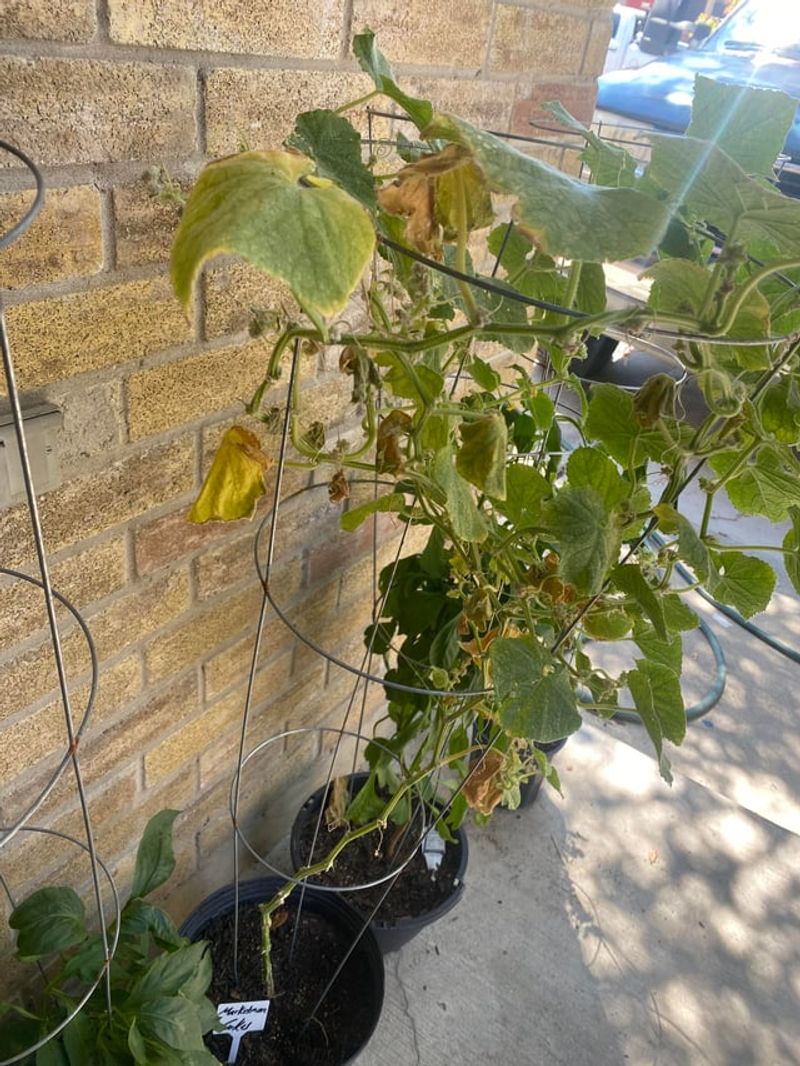
Cucumbers are sun lovers through and through. They need a minimum of six to eight hours of direct sunlight every day to produce well.
Side yards tucked between houses or fences often get far less than that, making them one of the trickiest spots in any home garden.
Low light causes cucumber plants to grow tall and spindly as they stretch toward the sun.
The stems get weak, the leaves stay small, and the plant rarely produces more than a handful of sad, underdeveloped fruits.
Even if you water and fertilize perfectly, the lack of sun holds everything back.
Some gardeners try reflective materials or mirrors to bounce light into shaded spots. While that can help slightly, it rarely gives cucumbers the intense sun they need to really produce.
The better approach is to embrace the shade and plant accordingly. Lettuce thrives with just three to four hours of light and actually prefers protection from harsh afternoon sun.
Spinach, arugula, and mustard greens all do well in partial shade. Mint grows aggressively in shady spots and smells amazing too.
For something more substantial, try growing chard or parsley along the shaded fence line. These plants do not need blazing sun to produce a generous harvest.
Leaning into what your side yard naturally offers means you get fresh food without the struggle of forcing the wrong plant into the wrong place.
4. Heavy Clay Beds Can Suffocate Cucumber Roots
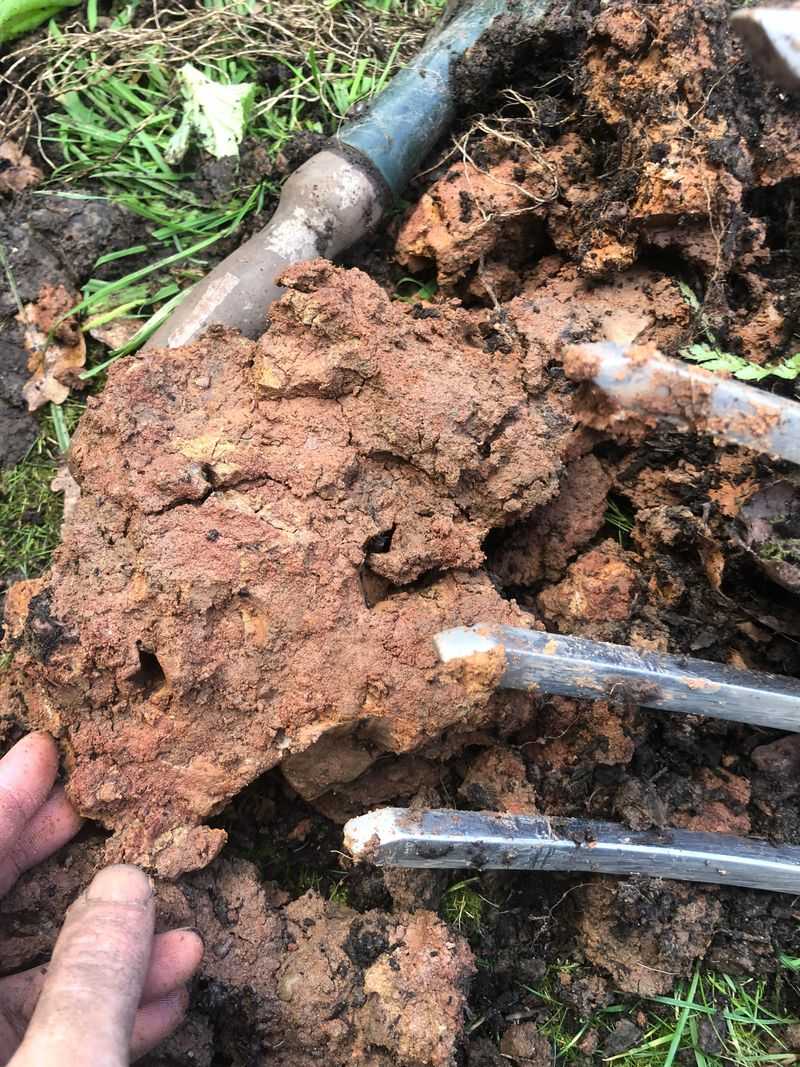
Clay soil looks rich and dark, but it can be a real trap for cucumbers. When clay gets wet, it becomes dense and compact.
Air pockets disappear, and roots have a hard time pushing through. Cucumbers need loose, well-draining soil to spread their roots and pull in nutrients efficiently.
In clay beds, water pools on the surface instead of draining away. Roots sitting in soggy clay can develop rot quickly.
Even when the weather is warm and sunny, cucumbers in clay often look yellow, stunted, and stressed. The problem is underground, where you cannot easily see it.
Amending clay with compost, sand, and perlite can improve drainage over time. Raised beds filled with quality garden mix are often the fastest solution.
But if you are working directly in native clay, the battle is constant.
Some vegetables actually handle clay soil much better than cucumbers. Squash is a great example.
Its roots are tougher and more forgiving of compacted conditions. Beans also do surprisingly well in clay, especially once you loosen the top layer a bit.
Kale and collard greens push their roots deep and can handle heavier soils with ease.
Potatoes are another clay-tolerant crop worth trying. They grow in chunky soil better than most.
Choosing plants that work with your soil type instead of against it makes gardening feel much less like a battle and a lot more like a reward.
5. Low Wet Spots Make Roots Struggle Fast
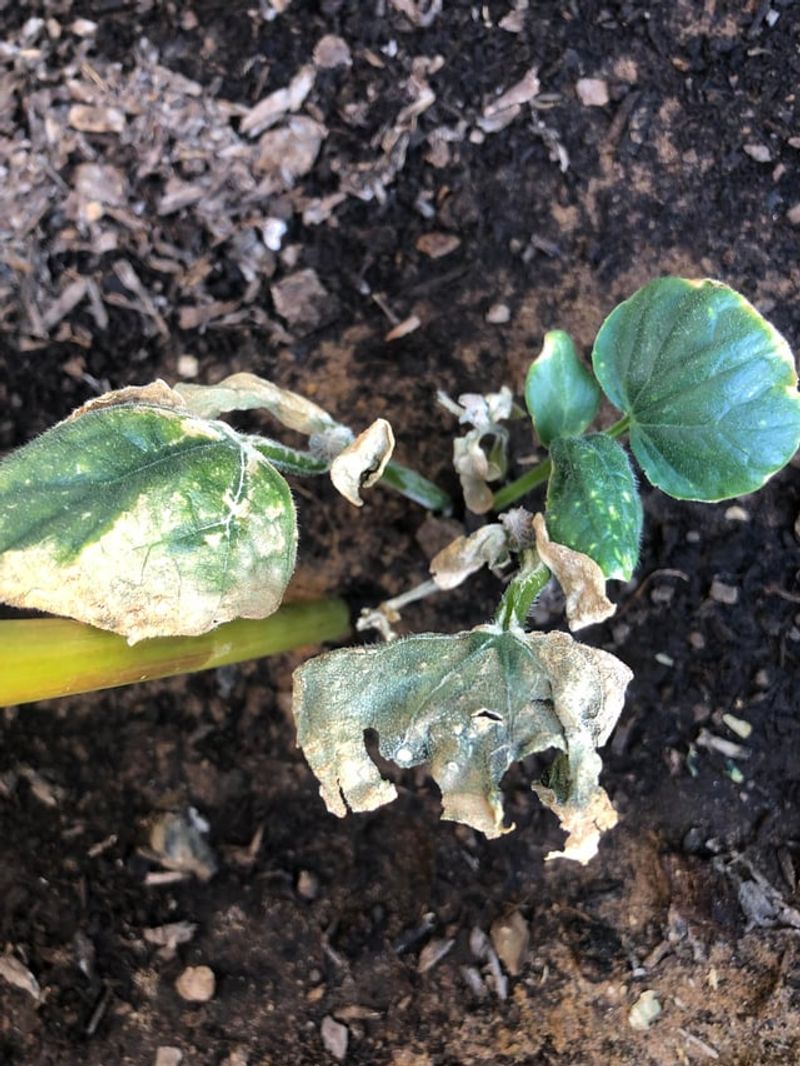
Every yard has that one low spot where water collects after rain or irrigation. It might look like a perfect place to grow something lush, but cucumbers will tell you otherwise in a hurry.
Waterlogged roots cannot breathe, and cucumbers are especially sensitive to that kind of stress.
When roots sit in standing water for even a day or two, they begin to break down. The plant above ground starts showing signs fast.
Leaves turn yellow, growth stalls, and the whole vine looks limp even when the weather is warm. The damage often happens before you even realize there is a drainage problem.
Raising the bed is the most reliable fix. Even a few inches of elevation can make a big difference in how well water drains away from roots.
French drains or gravel trenches can also redirect water flow in problem areas.
But if you want to work with that wet spot instead of fighting it, several plants love extra moisture. Watercress is a natural fit and grows beautifully in consistently damp conditions.
Mint also thrives in wet soil and spreads quickly to fill a space. Taro and water celery are less common but very well suited to wet garden areas.
For something more familiar, try growing chard or bog-tolerant herbs like lemon balm. These plants use the extra moisture as a resource rather than a burden, turning a problem spot into a productive part of your garden.
6. Inland Heat Swings Can Turn Cucumbers Bitter
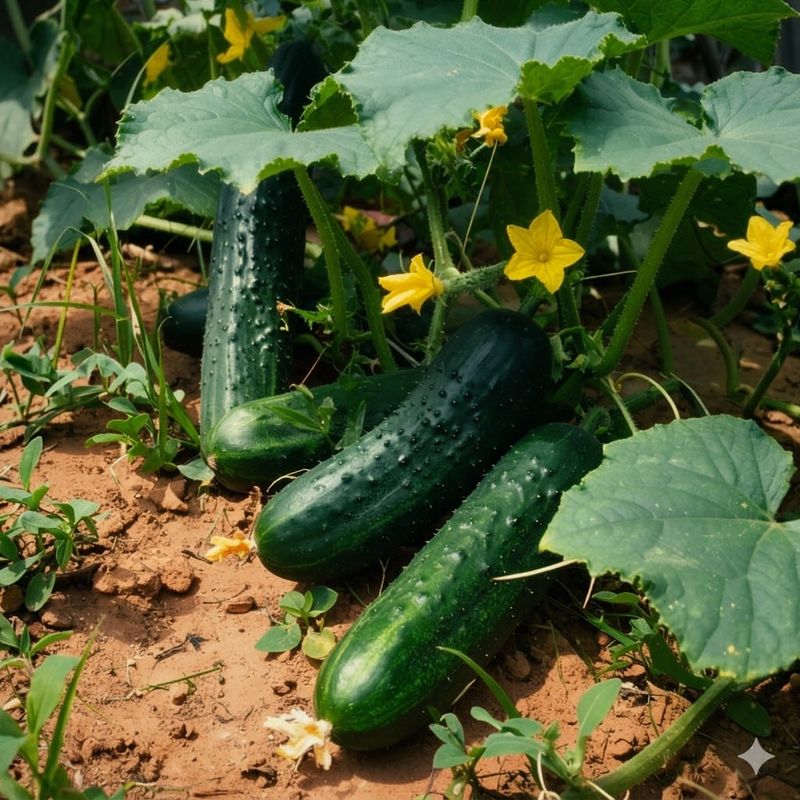
Inland valleys in our state are famous for their blazing summers, but the temperature swings can be just as damaging as the heat itself.
Cucumbers prefer steady warmth, not dramatic shifts between cool nights and scorching afternoons.
When temperatures swing by 40 degrees or more in a single day, the fruit quality takes a serious hit.
Bitter cucumbers are a common complaint from inland gardeners. That bitterness comes from a compound called cucurbitacin, which the plant produces under stress.
Extreme heat, inconsistent watering, and wild temperature swings all trigger that stress response. The cucumbers grow, but nobody wants to eat them.
Shade cloth and deep mulching can moderate soil temperature a bit. Consistent drip irrigation also helps smooth out moisture fluctuations.
But the temperature swings themselves are hard to control, and cucumbers remain finicky no matter what you try.
Tomatoes and peppers are much better suited to inland heat swings. They were practically designed for hot days and warm nights.
Sweet corn also handles high inland heat without producing bitter results. Armenian cucumber, which is technically a melon, handles heat far better than standard cucumber varieties and gives you a similar texture in the kitchen.
Eggplant is another inland-friendly crop that thrives in the heat.
Switching to plants that embrace the climate rather than suffer through it makes your garden far more productive and more enjoyable to tend through the long summer months.
7. Desert Afternoon Sun Can Shut Vines Down
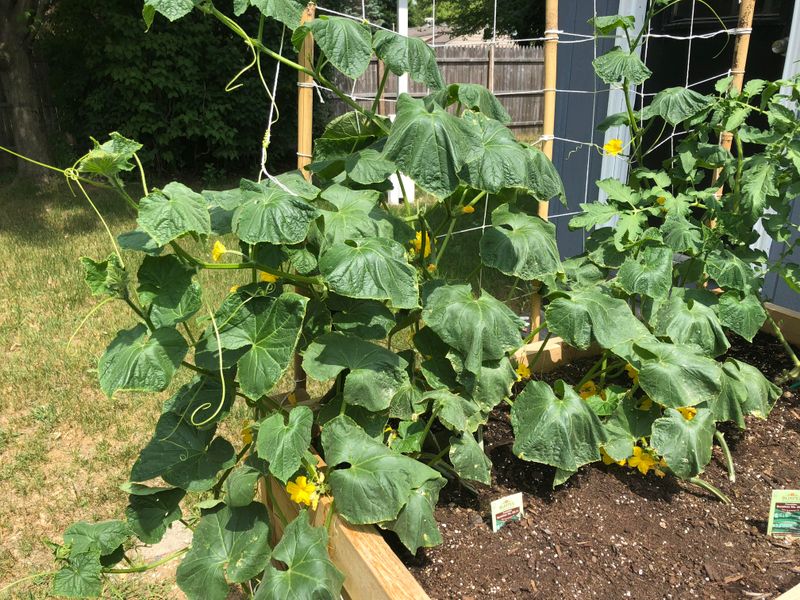
Desert regions of our state get sunshine in abundance, but the afternoon hours can be brutal.
Temperatures regularly climb above 105 degrees Fahrenheit, and the sun hits with an intensity that most vegetables simply cannot handle.
Cucumbers are no exception. They go into a kind of heat shutdown during the hottest part of the day.
When cucumber plants get too hot, they stop photosynthesizing efficiently. Flowers drop, vines curl, and fruit production stalls.
Even if you water heavily, the plant is spending all its energy trying to cool down rather than growing. The result is usually a weak harvest that barely justifies the effort.
East-facing beds that get morning sun but afternoon shade are the sweet spot in desert gardens. Shade cloth rated at 30 to 50 percent can extend the productive window for cucumbers.
But even with those protections, the desert is a tough environment for these vines.
Heat-adapted plants like Armenian cucumber, yard-long beans, and Malabar spinach are strong alternatives.
These crops were developed in tropical and arid climates, so they handle desert heat with ease.
Okra is an outstanding desert crop that loves the intense sun and keeps producing even in triple-digit temperatures.
Sweet potatoes also thrive in sandy desert soil with good heat tolerance.
Choosing crops that were bred for heat-stressed environments means you spend less time rescuing struggling plants and more time actually harvesting food from your desert garden.
8. Small Containers Dry Out Too Fast For Cucumbers
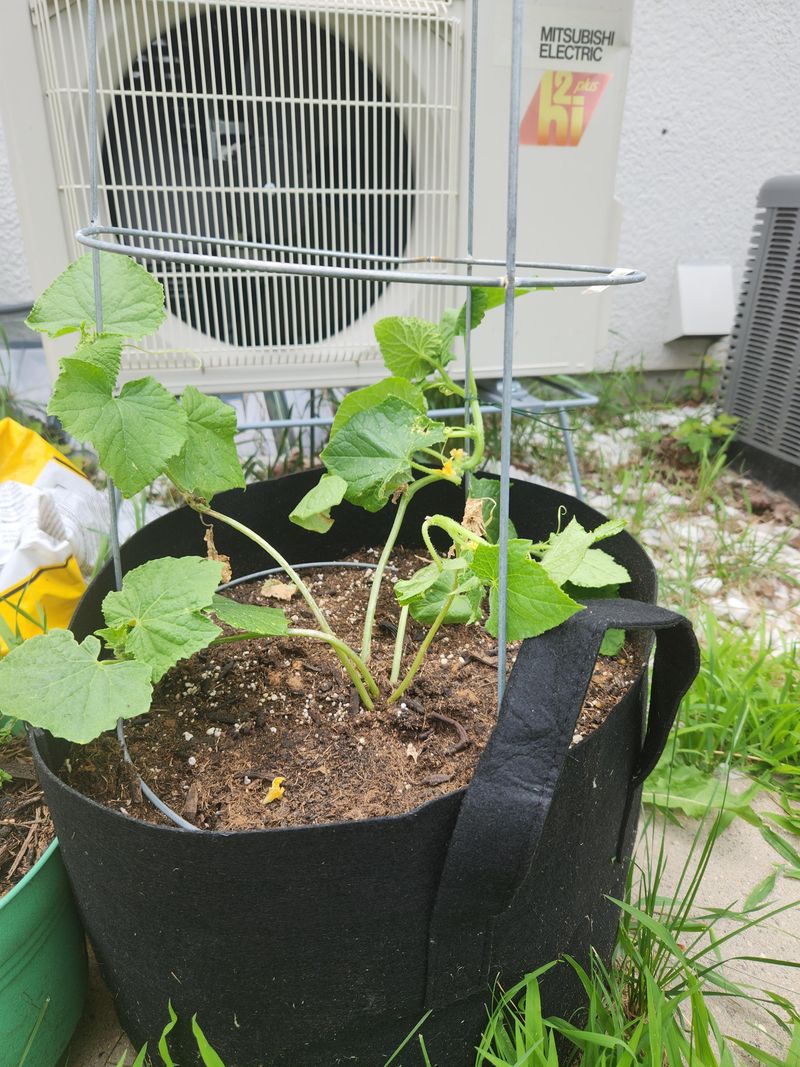
Container gardening is popular in apartments and small patios across our state, but cucumbers are a poor match for small pots. These vines have an aggressive root system and a constant thirst for water.
A small container simply cannot hold enough moisture or space to keep up with their demands.
On a warm day, a small pot can dry out completely within a few hours. Cucumber roots sitting in dry soil even briefly will cause the plant to stress and drop its flowers.
You end up watering multiple times a day just to keep the plant alive, and even then, fruit production is usually disappointing.
Larger containers, at least five gallons per plant, give cucumbers a fighting chance. Self-watering planters with reservoirs are also a smart upgrade.
But for truly small containers on a sunny balcony, the daily watering demand becomes exhausting fast.
Compact herbs are the real stars of small container gardening. Basil, chives, and thyme all grow well in pots and do not need constant watering to stay healthy.
Cherry tomatoes in a large enough container can also thrive on a sunny patio without the drama cucumbers bring.
Dwarf pepper plants are another excellent patio container option. They stay compact, produce generously, and handle the heat of a sun-baked balcony without wilting by noon.
Matching your container size and plant choice makes patio gardening genuinely enjoyable rather than a daily rescue mission.
9. Crowded Beds Invite Mildew And Weak Growth
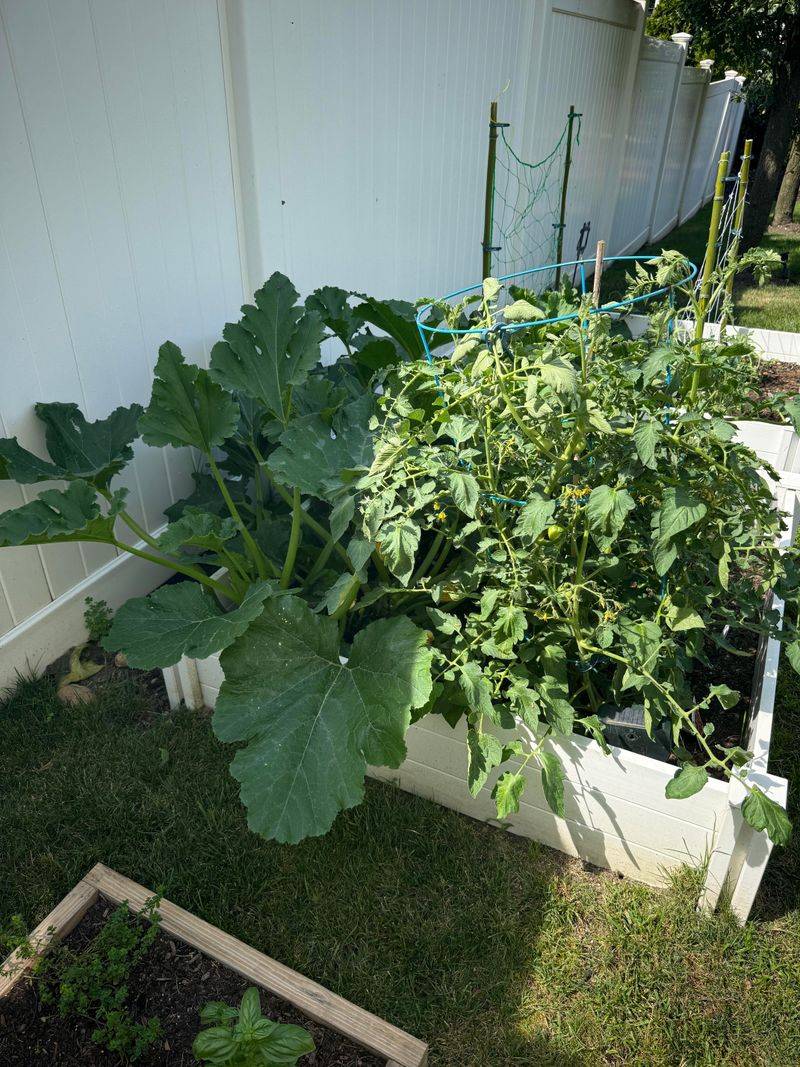
Packing too many plants into one bed is a tempting mistake, especially when you are excited about your garden. But cucumbers need room to breathe.
When vines are crowded together, air cannot circulate properly between the leaves. That trapped moisture creates the perfect environment for powdery mildew, one of the most frustrating cucumber problems around.
Powdery mildew shows up as a white, chalky coating on the leaves. It spreads fast in warm, humid conditions with poor airflow.
Once it takes hold in a crowded bed, it is very hard to stop. Affected plants grow weakly, produce less fruit, and look terrible by midsummer.
Proper spacing, usually 12 to 18 inches between cucumber plants, is essential. Vertical trellising also helps by lifting vines off the ground and improving airflow.
But when a bed is already overcrowded with other crops, giving cucumbers the space they need becomes nearly impossible.
If your beds tend to run crowded, consider switching to plants that handle tight spacing more gracefully. Garlic and onions grow upright and narrow, making them perfect for dense planting.
Radishes mature fast and can be harvested before crowding becomes a problem. Bush beans are naturally compact and do not sprawl like cucumbers do.
Herbs like basil and cilantro also grow well in tight clusters without the mildew risk.
Rethinking your bed layout with space-efficient plants means healthier growth, better harvests, and far fewer fungal headaches all season long.
10. Cold Spring Soil Can Stop Seeds Before They Start
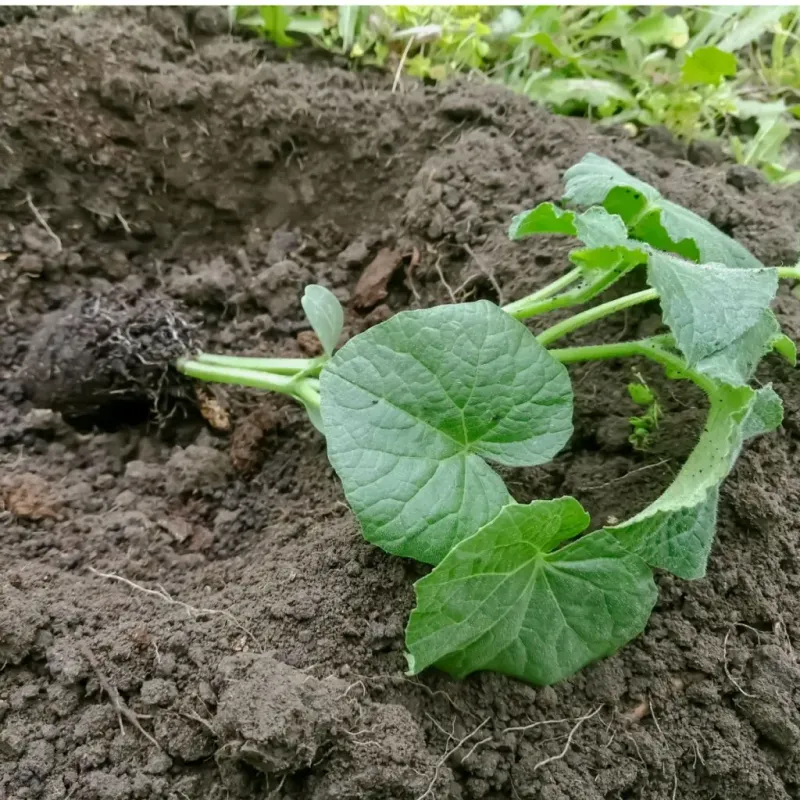
Spring planting excitement is real, but jumping the gun with cucumber seeds can lead to weeks of waiting and nothing to show for it.
Cucumber seeds need soil that is consistently above 60 degrees Fahrenheit to germinate.
In many parts of our state, especially in northern regions and higher elevations, spring soil stays cold well into May.
Cold soil does not just slow germination. It can actually cause seeds to rot in the ground before they ever sprout.
You plant, you wait, and eventually you realize nothing is coming up. Then you replant, losing valuable growing time.
It is one of the most discouraging early-season gardening experiences there is.
Soil thermometers are inexpensive and incredibly useful for avoiding this problem. Black plastic mulch laid over beds a week or two before planting can warm soil noticeably.
Cold frames and row covers also protect early plantings from overnight temperature drops.
But if cold spring soil is a recurring challenge in your garden, fast-maturing cool-season crops are a smarter early-season investment.
Peas and spinach can be planted in soil as cold as 40 degrees and will actually outperform cucumbers in those conditions.
Lettuce, radishes, and beets all germinate readily in cool soil and mature quickly.
Starting cucumber seeds indoors under grow lights three to four weeks before your last frost date is a reliable workaround.
Transplanting established seedlings into warmed soil gives them a strong head start and skips the cold-soil germination gamble entirely.