How To Plant Roses In California For Stunning Blooms That Last For Years
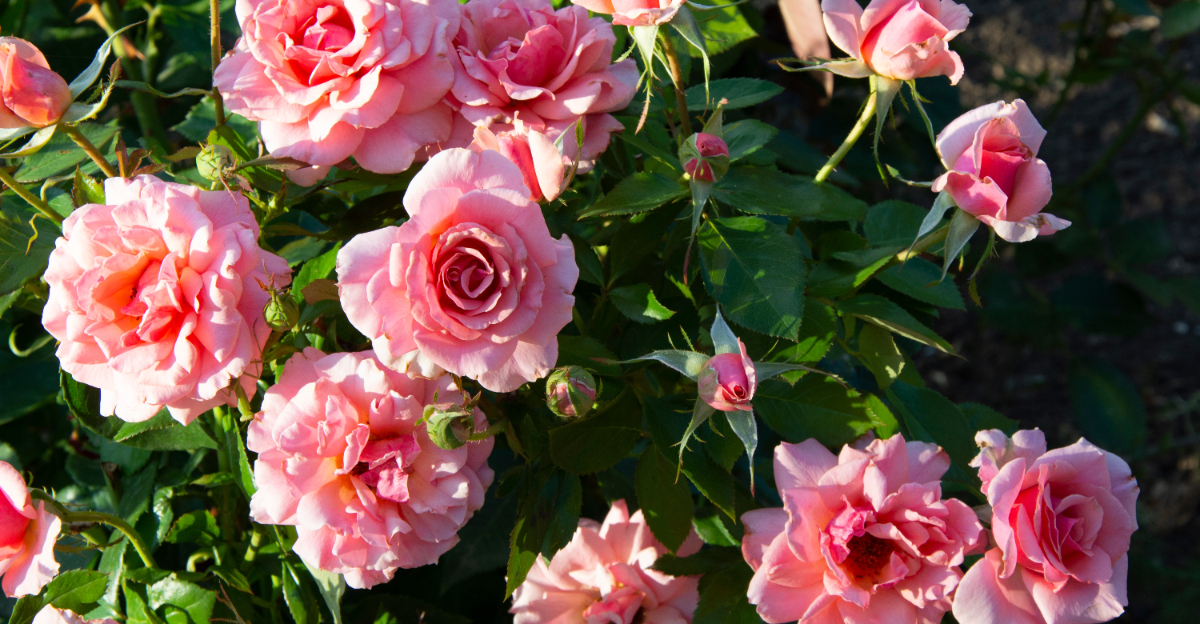
Roses have a reputation for being demanding, and honestly, they earned some of it. Plant them wrong and they’ll remind you of that mistake every single season.
Weak growth, disease problems, disappointing blooms that never quite live up to what the nursery tag promised.
But plant them right and California roses become some of the most spectacular, long-lived plants in the entire garden.
The difference almost always comes down to what happens on planting day. California’s climate is genuinely one of the best places in the world to grow roses.
The long season, the sunshine, the mild winters in most regions. The potential is enormous.
But potential only becomes performance when the foundation is solid. Soil preparation, planting depth, spacing, orientation, initial watering.
These early decisions shape how a rose grows for years, sometimes decades. Getting them right from the start is not complicated.
It just takes knowing exactly what you’re doing before the shovel goes into the ground.
1. Pick A Heat-Smart Rose
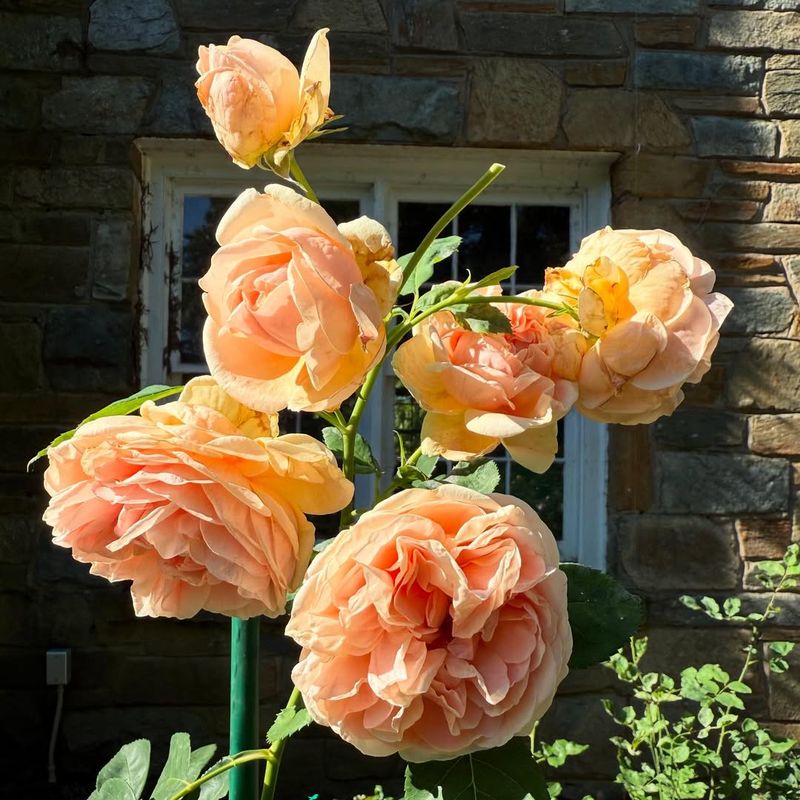
Not every rose can handle the California heat, and choosing the wrong variety is one of the most common mistakes new gardeners make. California summers can be intense, especially in inland areas like the Central Valley or the Inland Empire.
The good news is that many rose varieties were practically made for this kind of climate.
Look for roses labeled as heat-tolerant or drought-resistant. Some great choices for California include Knock Out roses, hybrid teas like Mr. Lincoln, and floribundas like Iceberg.
These varieties hold up well in high temperatures and still push out blooms even during the hottest months of the year.
Local nurseries in California often carry varieties that are already suited to your specific region. Ask the staff which roses perform best in your area.
They will know which plants thrive in coastal fog versus dry desert-like heat.
Bare-root roses are also a smart choice in California because they are sold during the dormant season, usually from December through February. This gives the roots time to settle in before the heat arrives.
Starting with the right rose sets the whole season up for success.
2. Plant Before Summer Hits
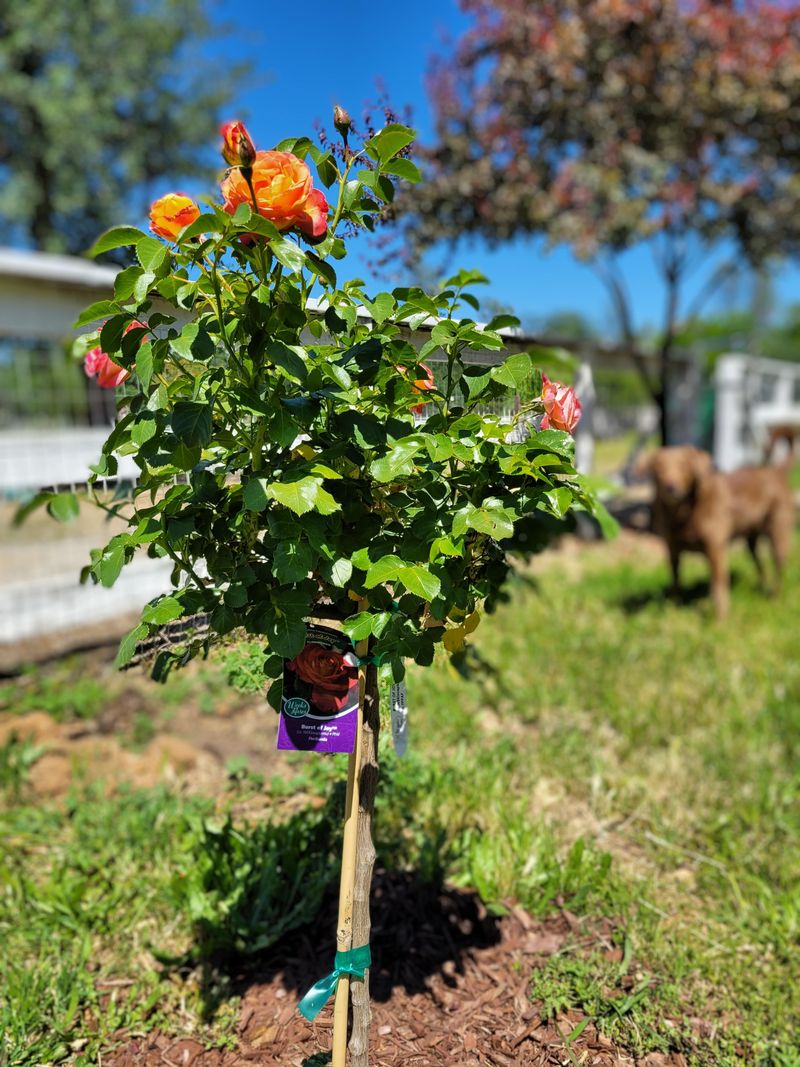
Timing really does make a big difference when it comes to planting roses in California. The best window is from late winter through early spring, roughly January to March.
Planting during this cooler period gives your rose time to build strong roots before the summer heat arrives.
If you plant too late in the season, the young rose has to deal with hot, dry conditions before it has had a chance to settle in. That kind of stress can slow growth and reduce blooms.
Early planting gives the plant a head start that pays off all season long.
In Southern California, where winters are mild, you can even plant in December or January with great results. In Northern California, wait until the last frost has passed, usually by late February or early March.
Coastal areas have more flexibility since temperatures stay moderate most of the year.
Your California Garden Changes Every Week. Your Plan Should Too.
Gardening in California changes quickly throughout the season. Every Friday you’ll receive a simple weekly plan showing exactly what to plant, prune, fertilize, harvest, and protect so you never miss the right timing.
Bare-root roses should go in the ground as soon as possible after purchase. Keep the roots moist if you need to wait a few days.
Getting them planted quickly helps prevent them from drying out and makes the transition into your California garden much smoother.
3. Choose Six Hours Of Sun
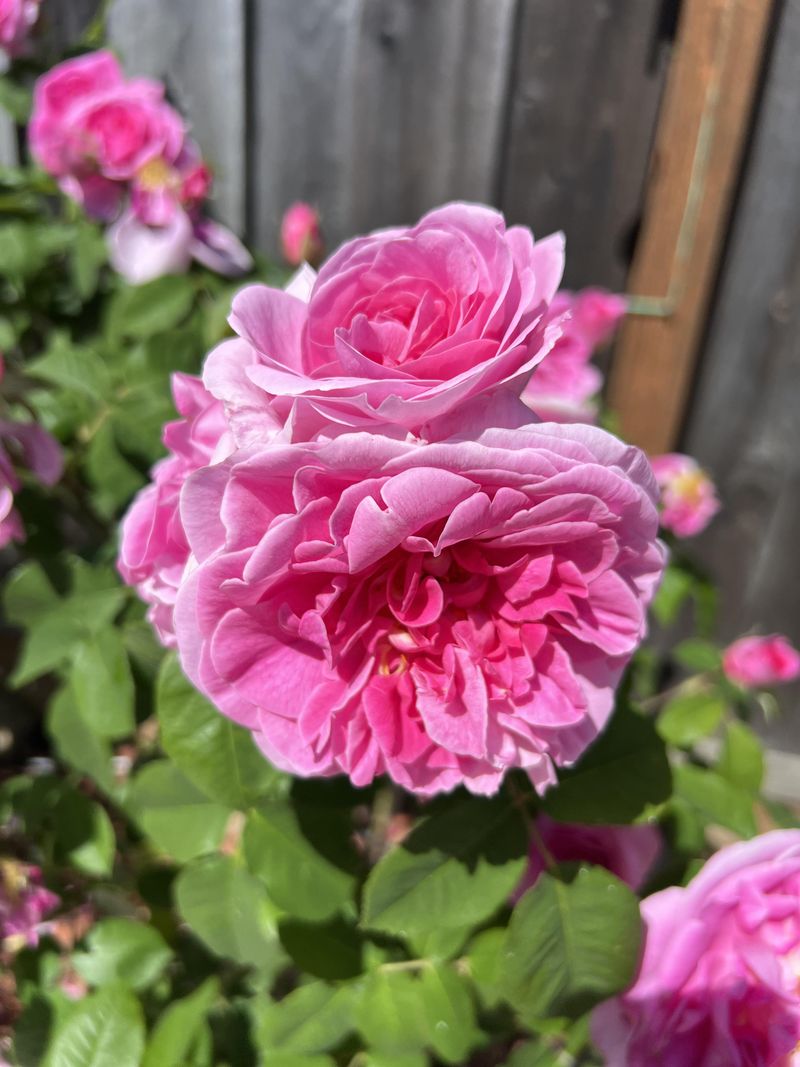
Sunlight is the fuel that powers a rose. Without enough of it, your plant will grow weak stems, produce fewer flowers, and become more likely to develop disease.
Roses need at least six hours of direct sun each day to perform at their best, and more is usually better.
When choosing a spot in your California garden, watch how the sun moves across the yard throughout the day.
Morning sun is especially valuable because it helps dry dew off the leaves, which reduces the chance of fungal problems like black spot or powdery mildew.
In hot inland areas of California like Fresno or Riverside, a little afternoon shade can actually be helpful. It protects the blooms from scorching during the hottest part of the day.
A spot that gets morning sun and light afternoon shade often works perfectly in those regions.
Avoid planting roses too close to large trees or tall shrubs that block light. Root competition is also a problem near big trees, since they pull moisture and nutrients from the soil.
A sunny, open spot with good air circulation is the sweet spot for growing healthy, long-lasting roses in California.
4. Dig A Wide Planting Hole
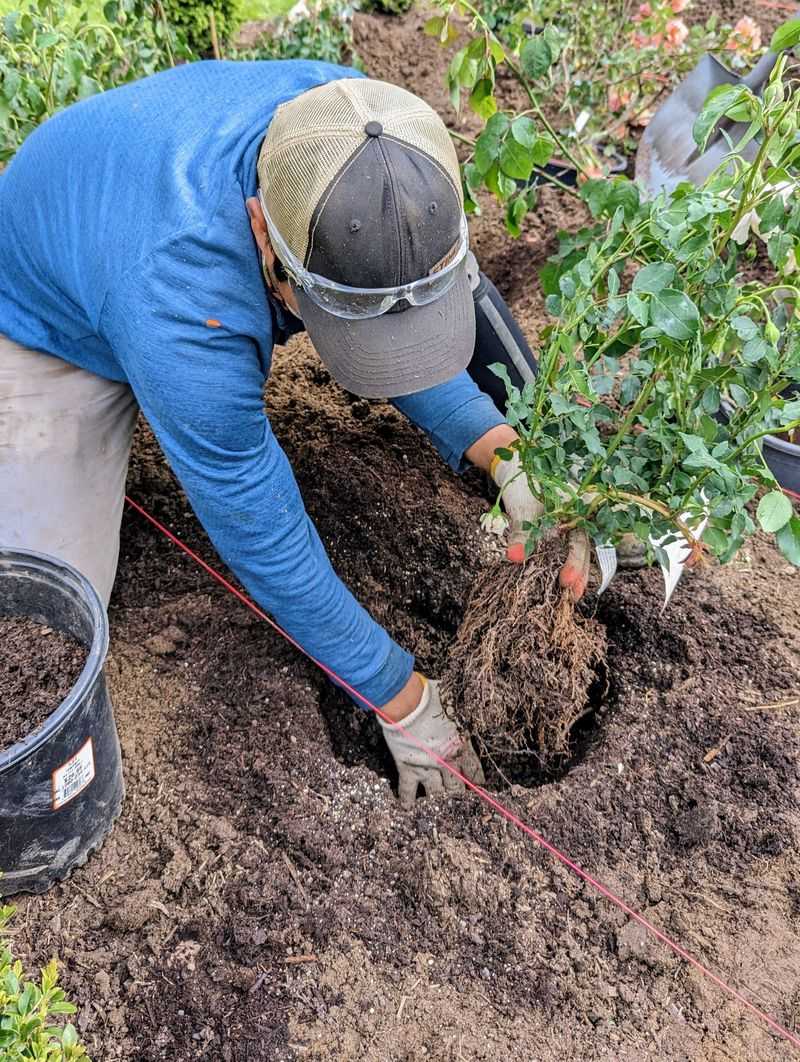
A rose is only as strong as the roots beneath it, and those roots need room to spread. One of the best things you can do for a new rose is dig a hole that is wide enough to give those roots space to grow outward without being cramped or bent.
The hole should be at least two feet wide and about eighteen inches deep. This might seem like a lot of work, but it makes a huge difference.
A wide hole lets you loosen the surrounding soil, which makes it much easier for new roots to push through and anchor the plant.
California soils can vary a lot depending on where you live. Some areas have heavy clay soil, while others have sandy or rocky ground.
If your soil is dense clay, mix in some compost or aged organic matter to improve drainage. Roses do not like sitting in soggy soil for long periods.
Before you place the rose in the hole, loosen any circling roots and spread them out naturally. Gently pressing them downward and outward mimics how they would grow in the wild.
This small step helps the plant establish faster and grow stronger throughout the California growing season.
5. Keep The Crown Level
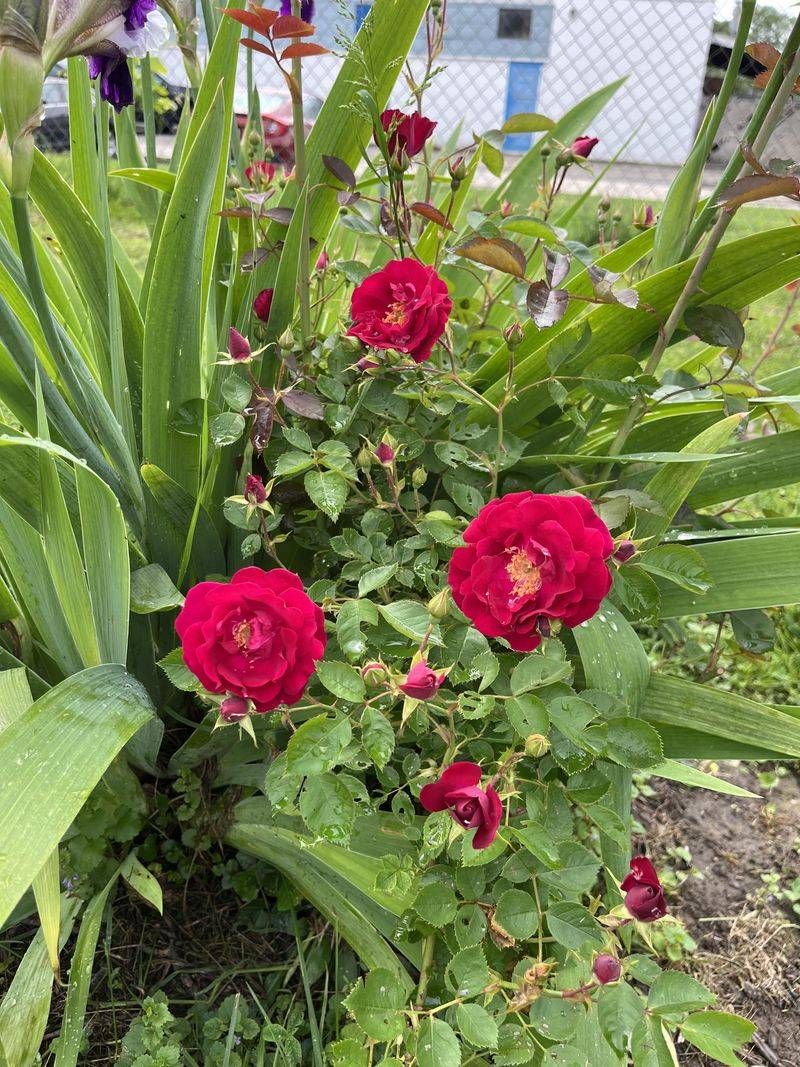
Here is something many first-time rose growers overlook: the bud union, also called the crown, needs to be at the right depth. Get this wrong and your rose may struggle to grow strong canes or produce the blooms you are hoping for.
In California, the general rule is to plant the bud union right at soil level or just slightly above it. The bud union is the swollen knob near the base of the plant where the stems branch out.
It looks like a small, rough bump just above the root system.
In colder climates, gardeners bury the bud union a few inches below the soil to protect it from frost. But California winters are mild enough that this is usually not necessary.
Planting it too deep can actually cause the crown to rot, especially in areas with heavier soils that hold moisture.
As you backfill the hole, check the depth regularly. It is easy for the rose to sink a little as you add soil.
Gently firm the soil around the base without packing it too tightly. A well-placed crown gives the rose a solid foundation and helps it grow into a healthy, productive plant for years to come.
6. Water Deep, Not Daily
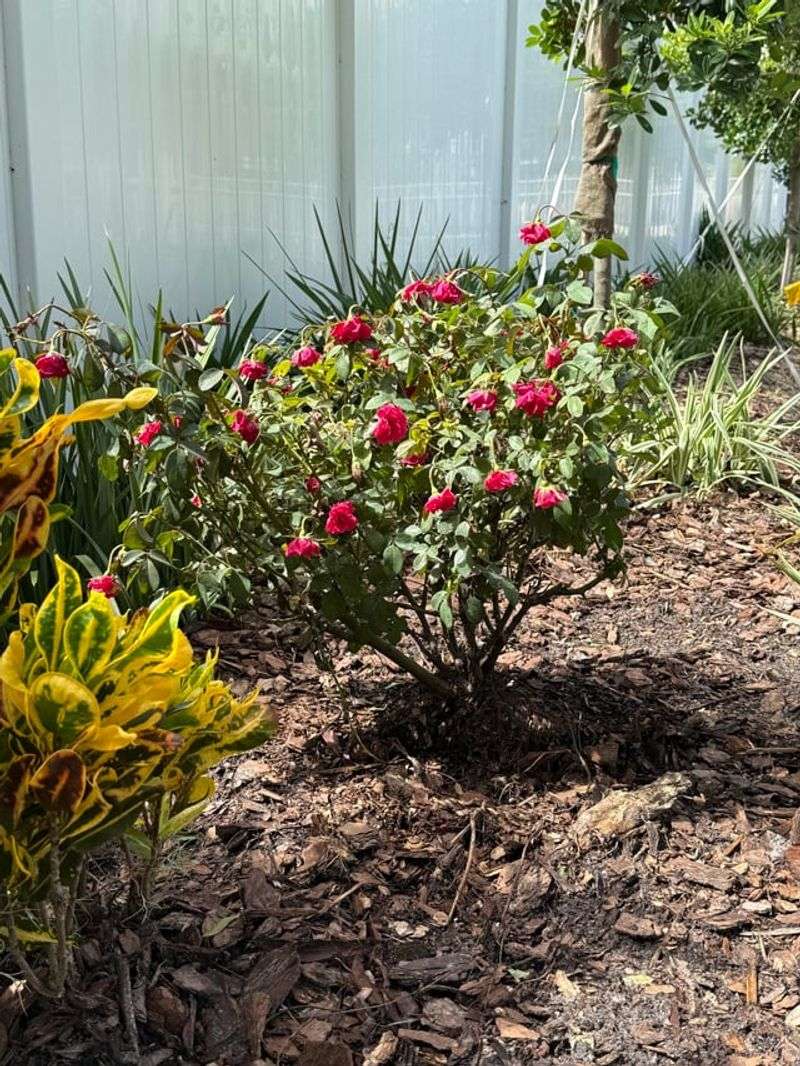
Watering roses in California takes a little strategy. The state is no stranger to drought conditions, and most experienced gardeners have learned that deep, infrequent watering is far better than a little water every single day.
When you water deeply, you encourage the roots to grow downward in search of moisture. Deep roots make a stronger, more resilient plant that can handle dry spells much better.
Shallow daily watering, on the other hand, keeps roots near the surface where they are vulnerable to heat and dryness.
A good rule of thumb in California is to water your roses about two to three times per week during the growing season. Each watering session should soak the soil to a depth of at least twelve inches.
Drip irrigation systems work especially well for this because they deliver water directly to the root zone without wetting the leaves.
Wet foliage can lead to fungal disease, which is a real concern in some parts of California, especially near the coast where humidity lingers. Water in the early morning if possible so any moisture on the leaves has time to dry before evening.
Consistent, deep watering keeps roses blooming strong all season long.
7. Mulch Without Burying Stems
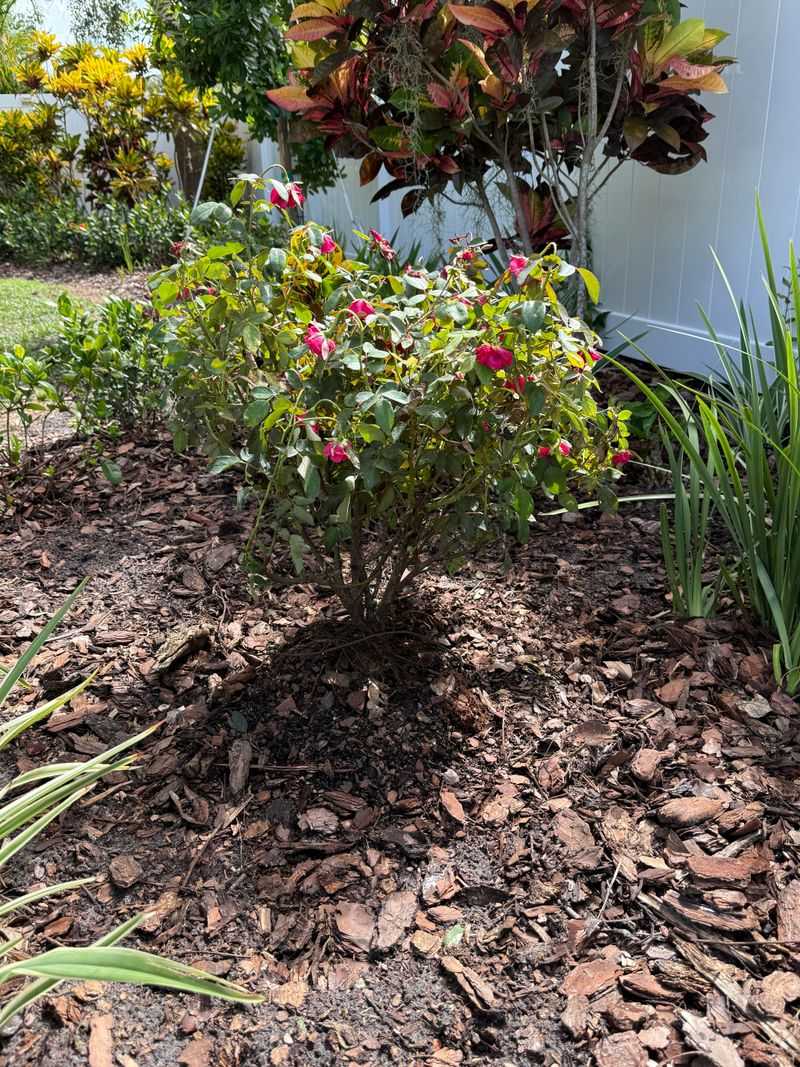
Mulch is one of the easiest ways to help your roses thrive in California, but there is one rule you absolutely need to follow: keep the mulch away from the stems.
Piling mulch directly against the canes can trap moisture and create conditions where rot and pests move in.
Spread a two to three inch layer of mulch around the base of each rose, starting a few inches away from the crown. This keeps the stem area dry and open while still giving the roots the benefits of mulch.
Wood chips, bark, or straw all work well in California gardens.
Mulch does several important things at once. It holds moisture in the soil, which reduces how often you need to water.
It also keeps soil temperatures more stable during hot California summers and helps prevent weeds from taking over the bed.
Refresh your mulch layer once or twice a year as it breaks down. Decomposing mulch actually adds nutrients back into the soil over time, which is a bonus for your roses.
In areas of California with intense summer heat, like the Sacramento Valley or the desert regions, a good mulch layer can be the difference between a struggling plant and one that blooms beautifully all season long.