The Plants California Gardeners Should Stop Fertilizing Once Heat Builds
Heat changes the way plants use energy. What helped them grow in spring can push them too hard once California days turn hot and dry.
Fertilizer may seem helpful when leaves look tired or flowers slow down, but it can create the wrong kind of growth at the worst time.
Soft new stems need more water, handle stress poorly, and can make a plant struggle when the weather is already demanding enough.
This is where many gardeners accidentally turn a small summer slump into a bigger problem. The plants that need a break are not always the obvious ones either.
Some look hungry when they are really asking for rest, shade, or deeper watering. Knowing when to stop feeding can protect your garden through the hottest stretch of the season.
1. Succulents And Cacti Usually Don’t Need Summer Feeding
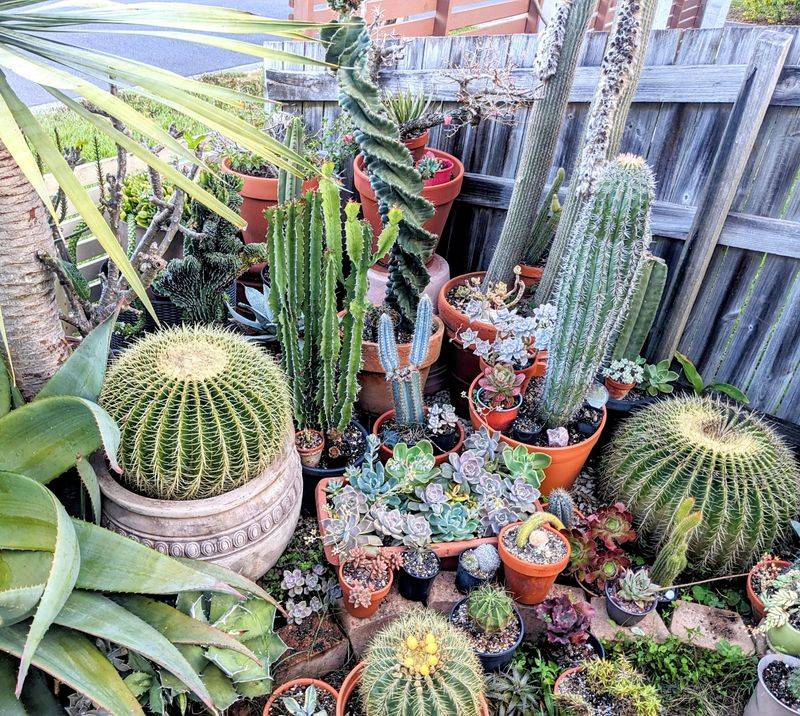
Succulents and cacti are some of the most self-sufficient plants you can grow. They store water and nutrients in their thick leaves and stems, which means they already have what they need to get through the hot months.
Adding fertilizer in summer is one of the most common mistakes new gardeners make with these plants. When temperatures soar, succulents slow down their growth on purpose.
That is their survival strategy. Feeding them during this rest period can confuse the plant and push weak, mushy new growth that cannot handle the heat.
Too much fertilizer can also build up salts in the soil, which damages the roots. Burnt roots mean the plant cannot absorb water properly, and that is a serious problem during a drought.
Most succulents and cacti only need one or two light feedings per year. Early spring, before the heat arrives, is the best time to fertilize them.
Once summer kicks in, put the fertilizer away and just focus on watering correctly.
If your succulent looks pale or stretched out, it is probably reaching for more light, not asking for food. Move it to a brighter spot before reaching for the fertilizer bag.
These plants thrive on neglect, and summer is the season to embrace that fully.
2. Lavender Can Turn Leggy With Too Much Fertilizer
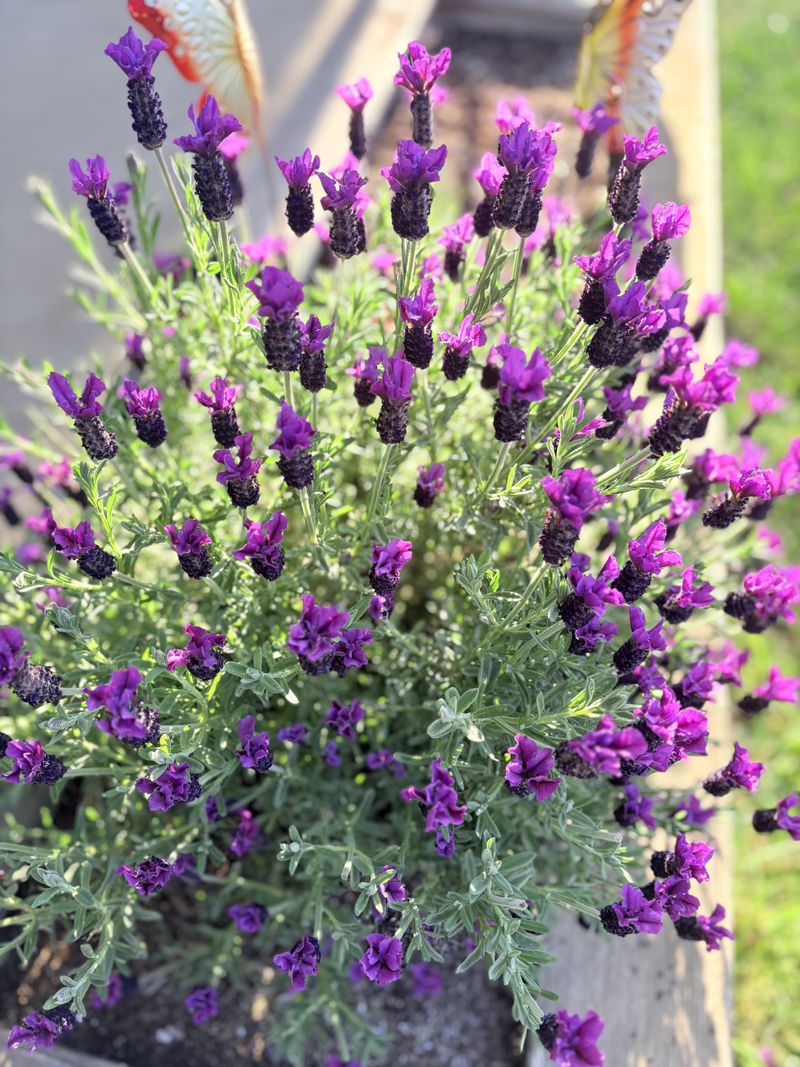
Lavender is one of those plants that practically begs you to leave it alone. It comes from the rocky, dry hillsides of the Mediterranean, where soil is poor and summers are long and hot.
That background tells you a lot about what it needs here.
When you fertilize lavender in summer, you are working against its nature. Rich feeding encourages fast, leafy growth.
But that soft new growth is weak, floppy, and more likely to attract pests. The plant starts to look messy and leggy instead of the tidy, fragrant mound you want in your garden.
Lavender that gets too much fertilizer also tends to bloom less. The plant puts its energy into leaves instead of flowers, which defeats the whole purpose of growing it.
Less really is more with this plant.
In our state, lavender does best in lean, fast-draining soil. If you feel the urge to feed it, do so once in early spring with a light, balanced fertilizer.
Your California Garden Changes Every Week. Your Plan Should Too.
Gardening in California changes quickly throughout the season. Every Friday you’ll receive a simple weekly plan showing exactly what to plant, prune, fertilize, harvest, and protect so you never miss the right timing.
After that, step back and let the summer heat do its thing.
Good drainage matters far more than fertilizer for lavender. Make sure water is not sitting around the roots, especially during hot spells.
A little gravel mulch around the base can help keep conditions just right all season long.
3. Rosemary Handles Heat Better Without Rich Feeding
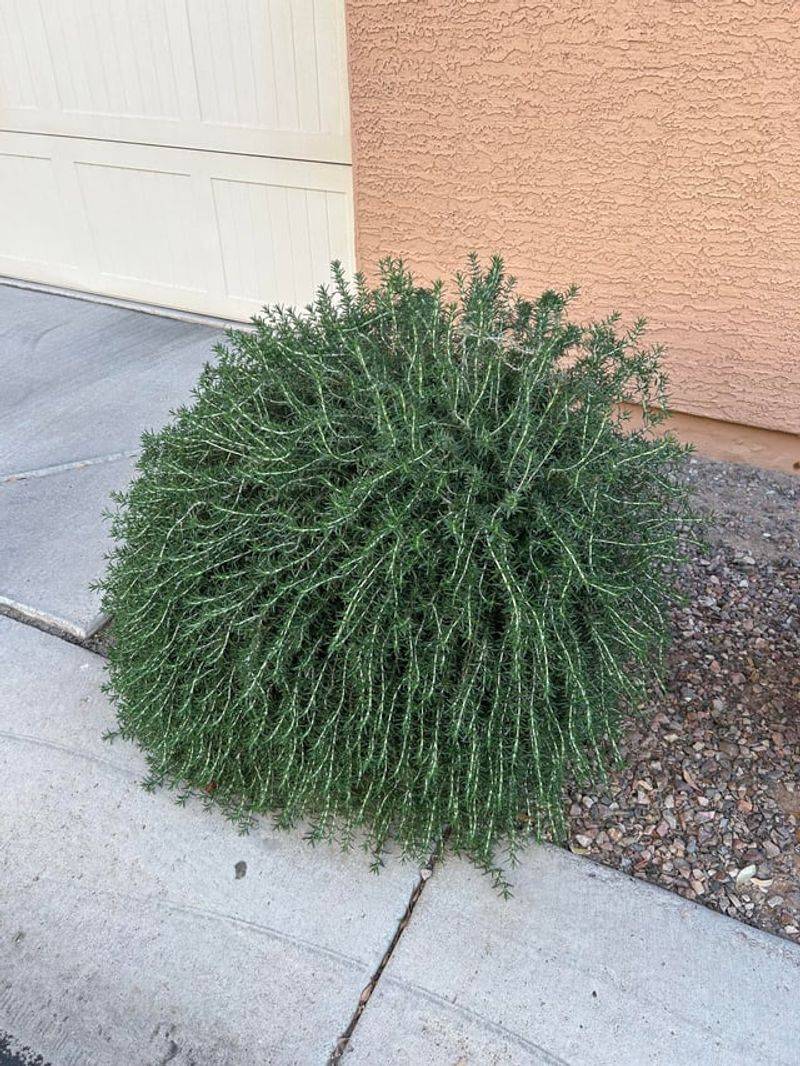
Few plants are as tough as rosemary. It grows in some of the harshest conditions along the Mediterranean coast, and it brings that same toughness to our gardens.
Once it is established, it barely needs any help from you at all.
Fertilizing rosemary in the summer is one of those things that sounds helpful but actually causes problems. Extra nutrients push soft, tender growth that wilts quickly in hot weather.
That new growth also makes the plant more attractive to aphids and other pests that love fresh, delicate leaves.
Rosemary is a woody shrub that prefers to grow slowly and steadily. Rushing that process with fertilizer during a heat wave throws off its natural rhythm.
You may end up with a plant that looks stressed and uneven instead of strong and bushy.
If you want to feed your rosemary, do it in late winter or very early spring. One light feeding with a low-nitrogen fertilizer is usually all it needs for the whole year.
After that, your main job is to make sure it has good drainage and full sun. Overwatering is actually a bigger threat to rosemary than skipping fertilizer.
Keep the soil on the dry side during summer, and your rosemary will reward you with steady, fragrant growth right through the hottest months of the year.
4. Salvia Blooms Better In Leaner Summer Conditions
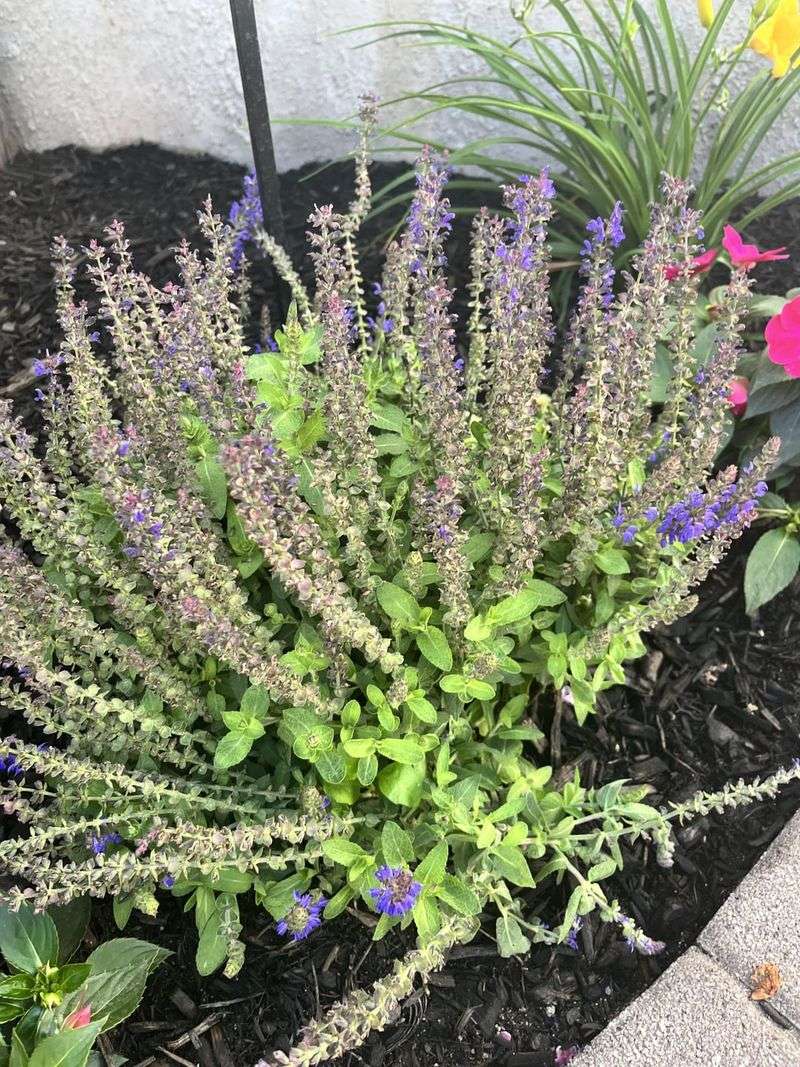
Salvia has a quiet kind of confidence. It does not need to be pampered to put on a show.
In fact, some of the most spectacular salvia displays happen in gardens where the soil is left lean and the watering is kept minimal.
When summer heat sets in, salvia naturally slows its growth and focuses its energy on flowering. That is exactly what you want.
But if you add fertilizer at this point, you shift that energy toward leaves. The result is a bushy plant with fewer blooms and more work for you to manage.
Native salvias and Mediterranean varieties are especially sensitive to overfeeding. They evolved in dry, nutrient-poor soils, so adding rich fertilizer feels like too much of a good thing.
Their root systems are not designed to handle a sudden surge of nutrients in hot conditions.
Fertilize salvia once in early spring if you feel it needs a boost. Use a low-nitrogen option to encourage flowers over foliage.
Once temperatures climb into the 80s and beyond, put the fertilizer away for the season.
Deadheading spent flowers is a much better way to keep salvia blooming through summer than feeding it. A quick trim after the first flush of flowers will encourage a second round of blooms.
That simple habit does more good than any fertilizer could during a heat wave.
5. Ceanothus Should Not Be Pushed With Fertilizer In Heat
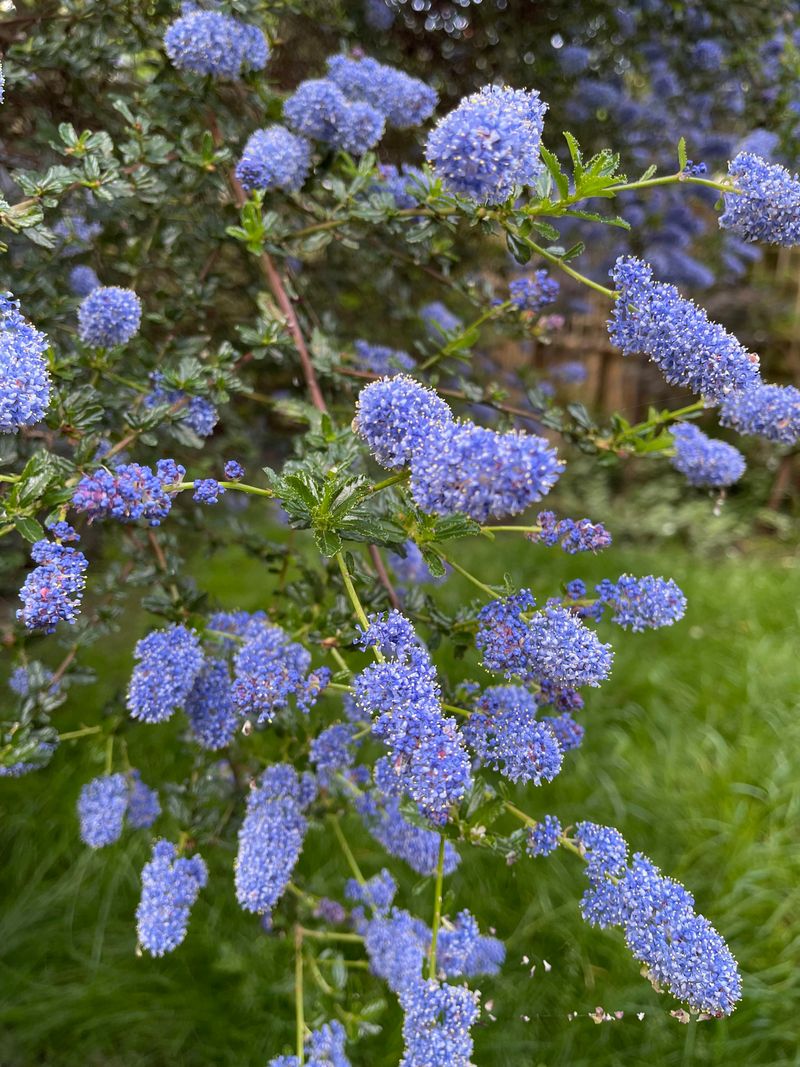
Ceanothus, also called California lilac, is one of the most beloved native shrubs in our state. It covers hillsides with stunning blue and purple flowers in spring, and then settles into a quiet, tough summer mode.
That transition is important to respect. Many gardeners make the mistake of trying to keep ceanothus growing fast all season. But this plant is not built for that.
Once the heat arrives, it goes semi-dormant. Fertilizing it during this period can cause serious problems, including root stress and even sudden decline.
Ceanothus actually fixes its own nitrogen from the air through a process involving specialized root bacteria. That means it can create some of its own food without any help from you.
Adding fertilizer on top of that can tip the balance in the wrong direction.
Rich soil and excess nutrients are among the top reasons ceanothus struggles in home gardens. These plants want fast-draining, low-fertility soil.
They are built for the dry summers of our state, not for the lush conditions that fertilizer creates.
The best thing you can do for ceanothus in summer is to water deeply but infrequently and leave the soil alone. Skip the fertilizer entirely from late spring through fall.
Let this tough native do what it does best, and it will reward you for years.
6. Manzanita Hates Being Babied In Hot Weather
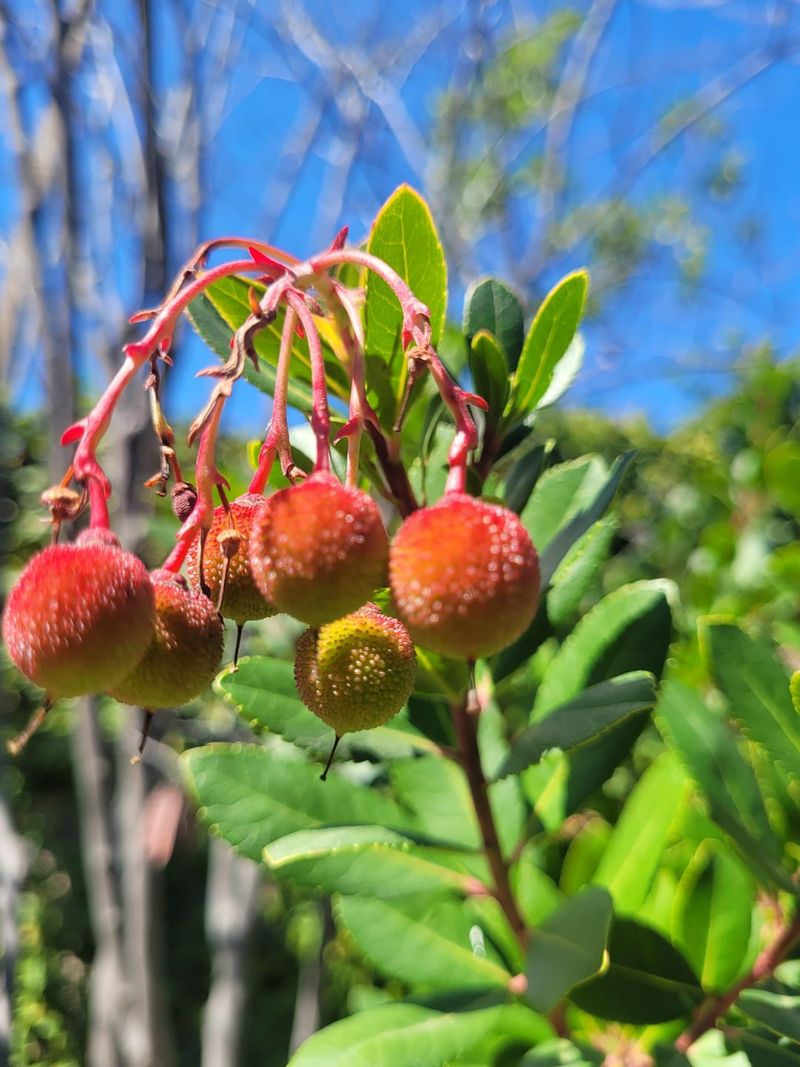
There is something almost ancient about manzanita. With its twisted red branches and small, leathery leaves, it looks like it belongs in the wild chaparral, and that is exactly where it comes from.
It is built for heat, drought, and poor soil.
Fertilizing manzanita in summer is one of the fastest ways to cause problems. This plant does not want rich soil or extra nutrients.
It evolved in conditions that most garden plants would find unbearable. When you add fertilizer, especially during hot weather, you overwhelm a root system that is not designed to handle it.
Too much nitrogen can cause rapid, weak growth that burns easily in the sun. It can also disrupt the beneficial fungi that manzanita roots depend on to absorb water and nutrients naturally.
That underground network is essential to the plant’s health.
Once manzanita is established, which usually takes one to two years, it needs almost no input from you. No fertilizer, very little water, and no fussing.
The less you interfere, the better it does.
If you are planting a new manzanita, hold off on fertilizer from the start. Use native soil or a low-amendment mix and water it in well.
After the first season, you can cut back watering significantly. Summer in our state is when manzanita proves just how tough it really is.
7. Established Citrus Should Not Be Overfed During Heat Waves
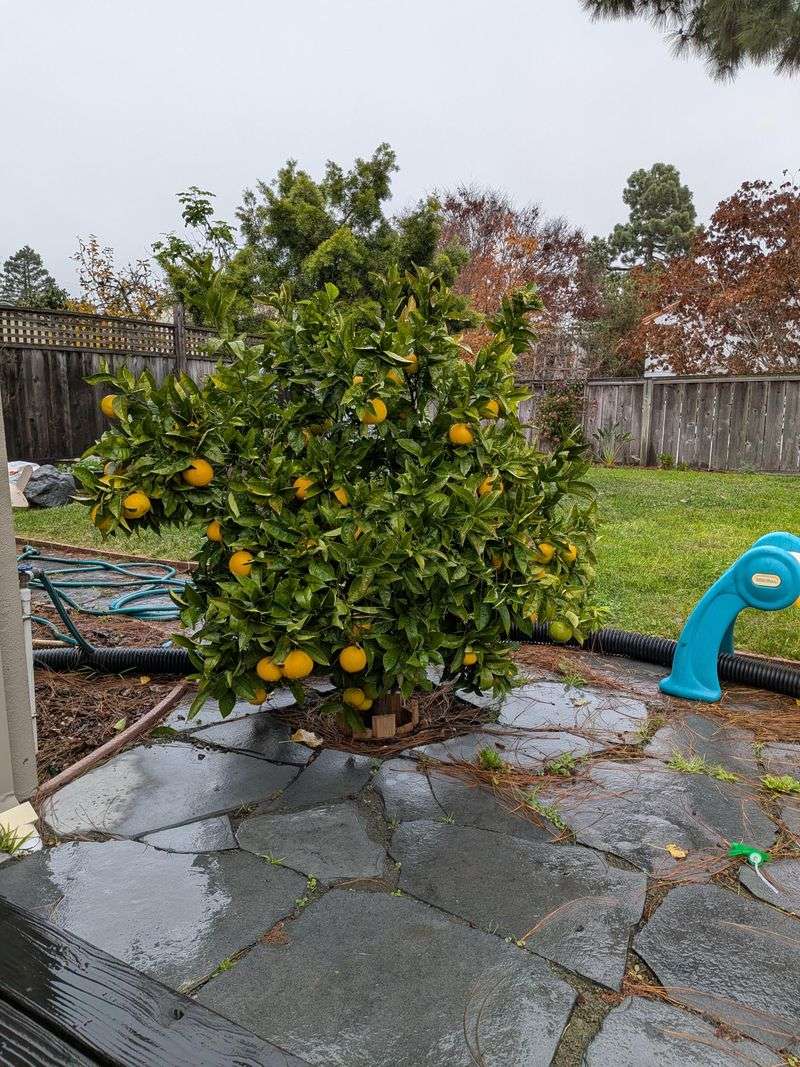
Citrus trees are a staple in backyards across this state, and for good reason. They are productive, beautiful, and relatively easy to care for when you understand their needs.
But timing matters a lot when it comes to fertilizing them.
During a heat wave, an established citrus tree is already under stress. High temperatures push the tree to conserve energy rather than grow.
Feeding it with fertilizer at this point adds more pressure to a system that is already working hard just to stay stable.
Too much nitrogen during summer heat can cause a flush of soft new growth. That tender growth is highly vulnerable to sunburn and pest damage.
It also pulls energy away from the fruit that is already developing on the tree, which can affect the quality of your harvest.
Most citrus trees do well with three feedings per year: late winter, late spring, and early fall. That late spring feeding should wrap up before the serious summer heat arrives.
Once temperatures are regularly above 95 degrees, it is time to pause.
Keep your focus on deep, consistent watering during heat waves. Mulching around the base of the tree, but not against the trunk, helps hold moisture in the soil.
A well-watered citrus tree will handle summer heat much better than one that has been overfed and underwatered.
8. Roses Need Water First, Not More Fertilizer
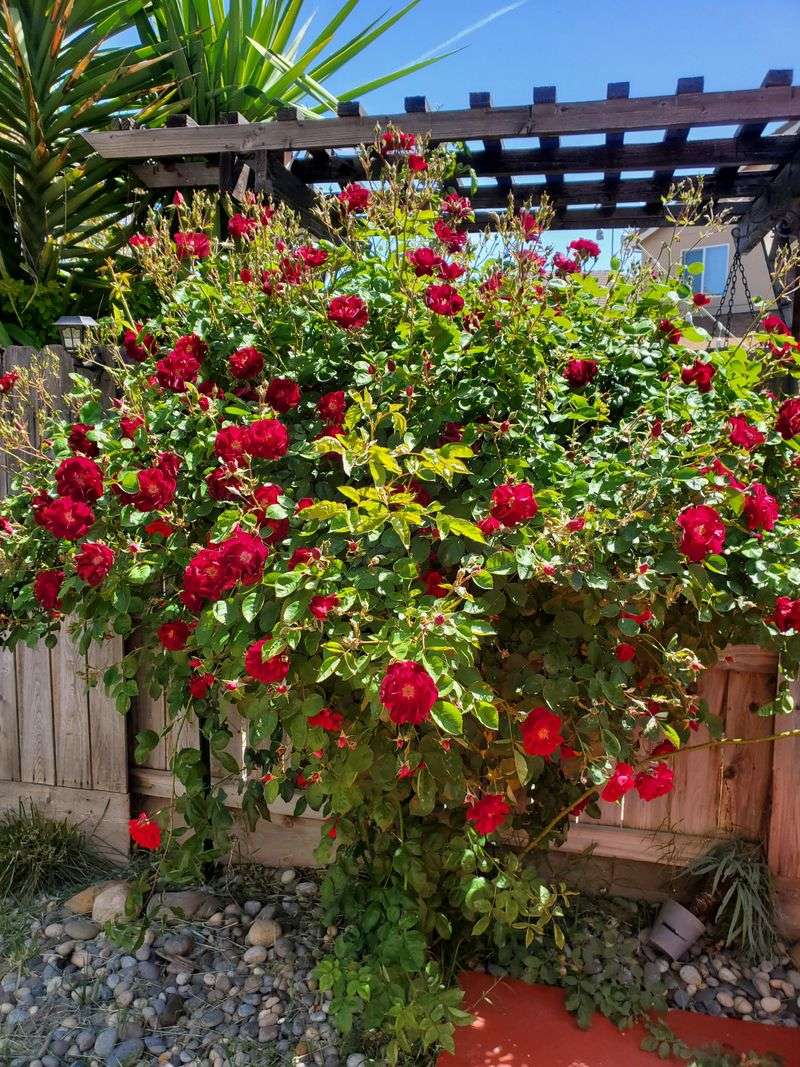
Roses have a reputation for being demanding, and that reputation is not entirely wrong. They do need attention.
But during a heat wave, the most important thing you can give them is water, not fertilizer.
When temperatures spike, roses go into a kind of protective mode. They may drop leaves, close their blooms early, or stop flowering altogether.
That is normal. The plant is protecting itself.
Adding fertilizer during this time sends mixed signals and can push growth the plant cannot support in the heat.
Fertilizing roses during extreme heat can also lead to fertilizer burn. Salts in the fertilizer build up in hot, dry soil and can damage the fine roots that the plant depends on for water uptake.
Once those roots are compromised, the whole plant suffers.
Wait until temperatures drop back into a comfortable range before feeding your roses again. A good rule of thumb is to stop fertilizing about six weeks before your hottest stretch of summer and resume once the heat breaks in early fall.
In the meantime, water deeply two to three times per week. Apply a thick layer of organic mulch around the base to keep the soil cool and moist.
Healthy, well-watered roses bounce back quickly after a heat wave and often put on a beautiful second flush of blooms in fall.
9. Container Plants Should Be Fed Lightly, If At All
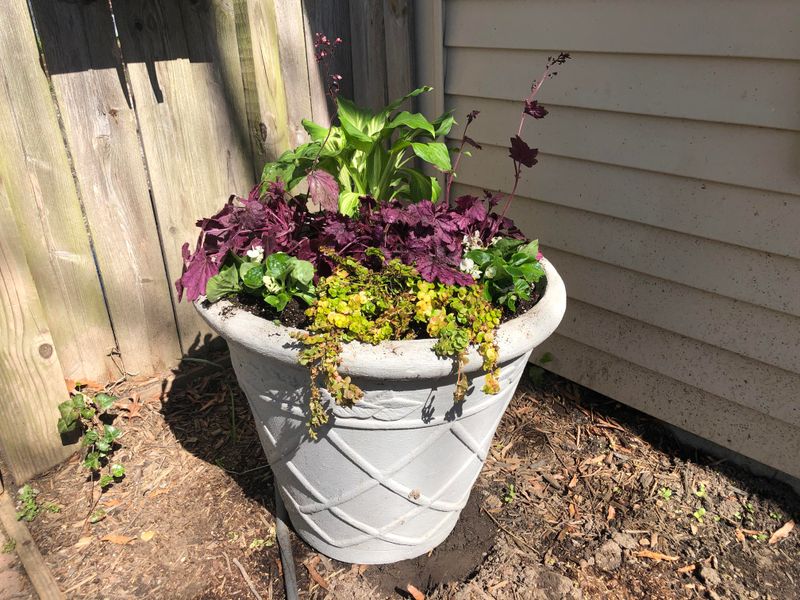
Container plants live in a tough little world. They have limited soil, limited root space, and they heat up much faster than plants in the ground.
During summer, that challenge gets even bigger, and fertilizing at the wrong time makes it worse.
Pots sitting in full sun can reach soil temperatures that are far higher than the air temperature. At those levels, roots are already stressed.
Adding fertilizer raises the salt concentration in the soil, which makes it even harder for roots to absorb water. That is the opposite of what you want during a heat wave.
Many gardeners fertilize their containers heavily because they know nutrients wash out with frequent watering. That logic makes sense in spring and fall.
But in summer, ease up. If you do feed container plants, use a very diluted liquid fertilizer at half strength or less.
Slow-release granular fertilizers applied in early spring can carry container plants through much of the summer without any extra feeding needed. Check the label to see how long each product lasts and plan accordingly.
The most important summer habit for container plants is checking soil moisture daily. Pots can dry out in hours during a heat wave.
Water thoroughly until it drains from the bottom, and move containers to a spot with afternoon shade if the heat becomes too intense. That simple shift can make a big difference in how well your plants hold up.