These Flowering Groundcovers Make California Yards Look Lush Without Mulch
Mulch can make a yard look finished, but flowering groundcovers bring the kind of charm mulch could never pull off.
In California, bare soil does not stay bare for long. Weeds move in, dust kicks up, and garden beds start looking tired faster than anyone expects.
A living carpet of blooms can change that whole mood. These low growers spread across open spaces and make the yard feel fuller without needing a fresh layer of mulch every season. Some soften the edges around paths.
Others brighten dry spots that always seem to look forgotten by July. The best part is how natural they feel once they settle in. Instead of a flat brown layer, you get color, texture, and movement right at ground level.
A California yard can look lush without feeling fussy. It just needs plants that know how to cover ground and look good doing it.
1. Roman Chamomile
Few plants are as cheerful and easygoing as Roman Chamomile.
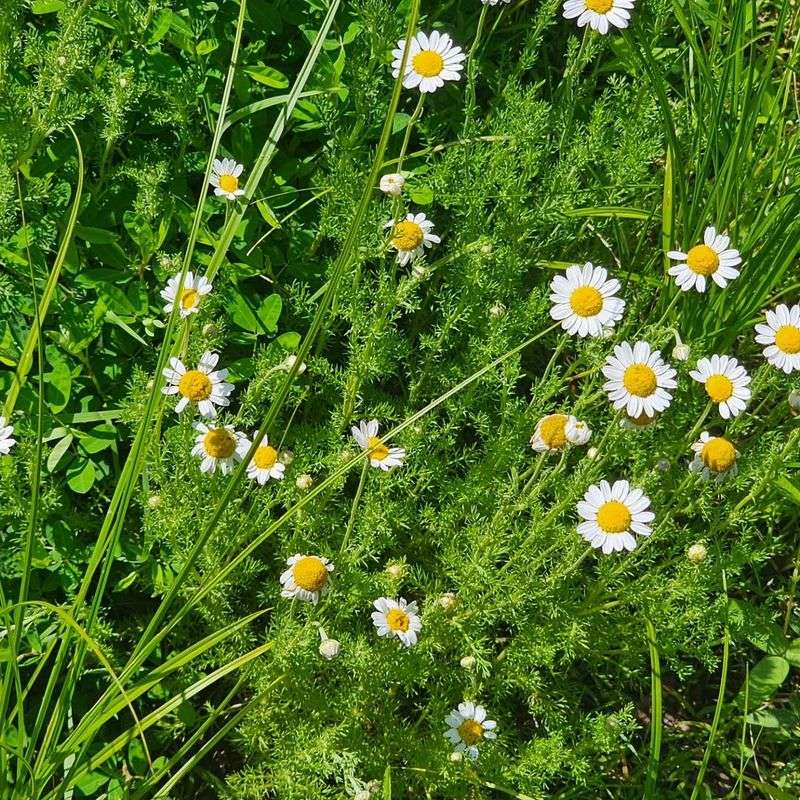
It spreads out in a low, feathery mat of bright green leaves, and when it blooms, small white daisy-like flowers pop up all over the surface.
The flowers have a soft apple-like scent that makes being in the garden feel extra pleasant. This plant works beautifully between stepping stones, along garden borders, or filling in patches where grass refuses to grow.
It handles foot traffic surprisingly well for a flowering plant. Walking on it lightly actually releases that lovely fragrance, which makes it a fun choice for pathways.
Roman Chamomile stays low, usually only reaching about three to six inches tall. It spreads steadily without becoming aggressive or taking over neighboring plants. That makes it easy to manage even in smaller yards.
Watering needs are minimal once it gets established. It prefers well-drained soil and full sun, which suits most yards in our state perfectly. Avoid overwatering, because soggy soil is its biggest weakness.
Trimming it back after the blooming season keeps it tidy and encourages fresh new growth. It also reseeds itself gently, so you may find new plants popping up in nearby spots.
This is a plant that rewards a little attention with a lot of beauty and charm year after year.
2. Prostrate Germander
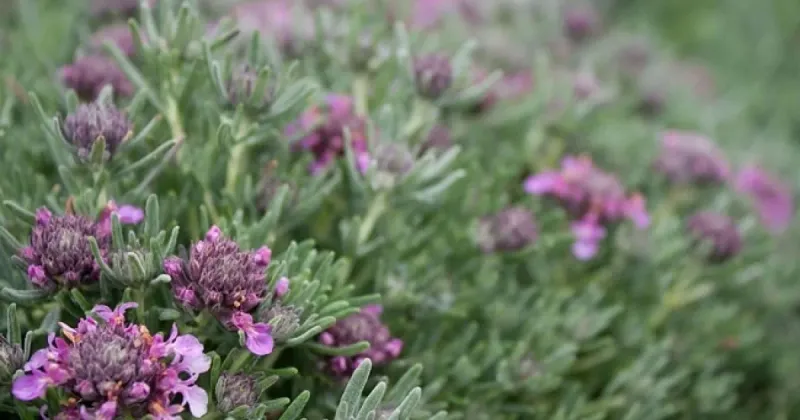
Not every groundcover gets the attention it deserves, and Prostrate Germander is one of the most underrated picks for low-water yards.
It forms a dense, spreading mat of small, glossy dark green leaves that stay attractive even when it is not in bloom. When summer arrives, clusters of soft pink to purple flowers appear and attract bees and butterflies almost immediately.
One of the best things about this plant is how well it handles heat and drought. Once established, it barely needs any extra watering in our warm climate.
It thrives in full sun and well-drained soil, making it a natural fit for slopes, borders, and dry garden beds.
The plant grows slowly but steadily, eventually reaching about one foot in height and spreading up to three feet wide.
Your California Garden Changes Every Week. Your Plan Should Too.
Gardening in California changes quickly throughout the season. Every Friday you’ll receive a simple weekly plan showing exactly what to plant, prune, fertilize, harvest, and protect so you never miss the right timing.
That spreading habit makes it useful for covering bare ground without needing constant replanting. It fills in gaps reliably over time.
Prostrate Germander also has a history as a medicinal herb in Europe, which gives it a little extra character beyond just being a pretty garden plant. It has been used for centuries in traditional herbal practices.
Pruning it lightly after flowering keeps the shape tidy and prevents it from getting woody at the base. A light trim once or twice a year is really all it needs to stay healthy and full-looking throughout the seasons.
3. Seaside Daisy
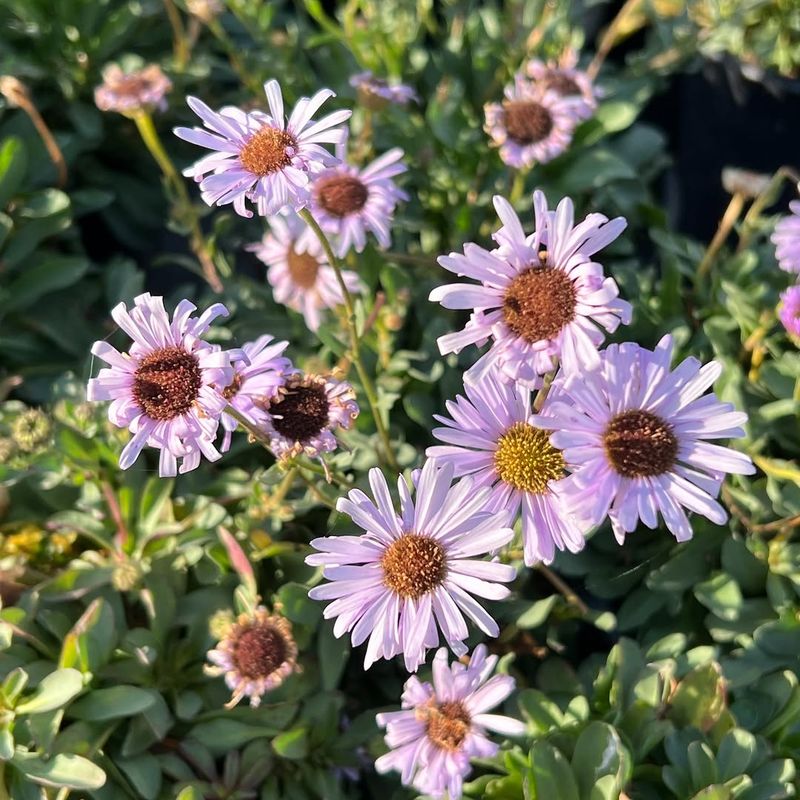
There is something effortlessly cheerful about a yard covered in Seaside Daisy blooms. This native coastal plant produces a carpet of small daisy flowers in shades of lavender, pink, and white with bright yellow centers.
It blooms for a long stretch of the year, often starting in spring and continuing well into fall. Originally found growing along the coastline of our state, Seaside Daisy has adapted to sandy, fast-draining soil and salty air.
That toughness translates well to garden settings, especially in areas with poor soil or dry conditions. It handles both coastal fog and inland heat with ease.
The plant grows low, usually staying under one foot tall, and spreads outward to form a soft, dense mat.
It works great as a lawn alternative, a border edging, or a slope stabilizer. Planting it along walkways creates a colorful, welcoming look without much maintenance.
Watering once or twice a week during the first growing season helps it get established. After that, it can survive on rainfall alone in many parts of our state.
Just make sure it has good drainage, because standing water can cause root problems. Deadheading spent flowers is not required but does encourage more blooms.
Cutting the whole plant back by about half in late summer refreshes the foliage and sets it up for another strong blooming season. It is one of the easiest flowering groundcovers to keep looking great.
4. Beach Strawberry
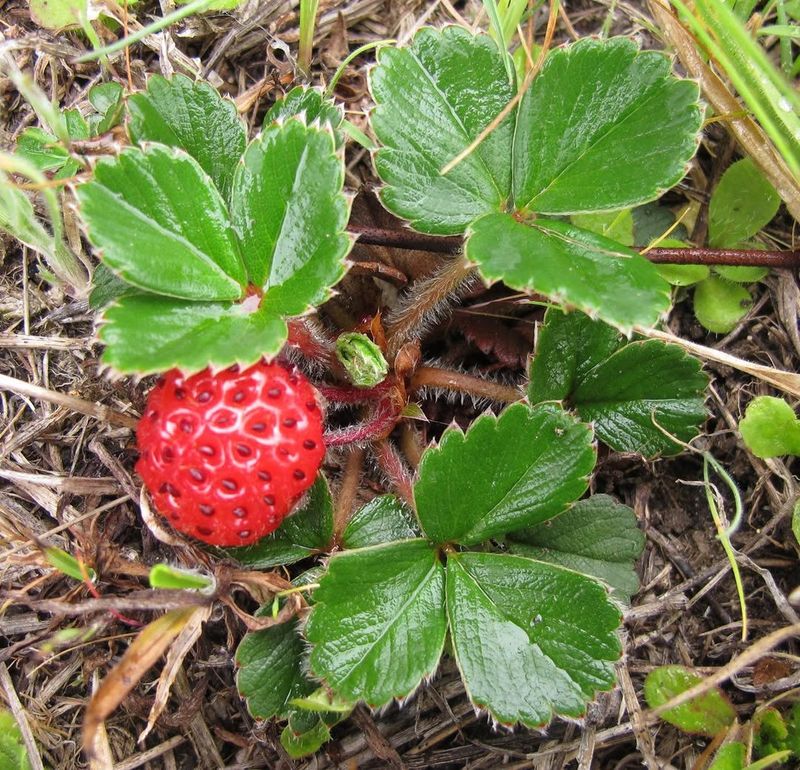
Most people love strawberries for the fruit, but Beach Strawberry earns its place in the garden for so much more.
This native groundcover spreads by runners, quickly covering bare soil with a lush carpet of dark green, three-leaflet leaves. In spring, small white flowers appear, followed by tiny red strawberries that birds and wildlife absolutely love.
As a California native, it is perfectly suited to the climate here. It handles drought conditions well once it gets going and does not need much fertilizer or fuss.
It grows happily in both full sun and partial shade, which gives it a lot of flexibility in the yard.
One of the standout qualities of Beach Strawberry is how fast it spreads. The runners root quickly and fill in bare areas in a single growing season.
That speed makes it a practical choice for anyone who wants ground coverage without a long wait.
It works especially well under trees, along slopes, and in areas where foot traffic is light to moderate.
The dense mat it creates helps prevent soil erosion and keeps weeds from getting a foothold. That means less time weeding and more time enjoying the yard.
Watering needs are low after the first year, though an occasional deep soak during dry spells keeps the foliage looking its best. Mowing it back once a year in late winter helps renew the growth and keeps it from getting too thick or tangled.
5. Common Lippia / Frogfruit
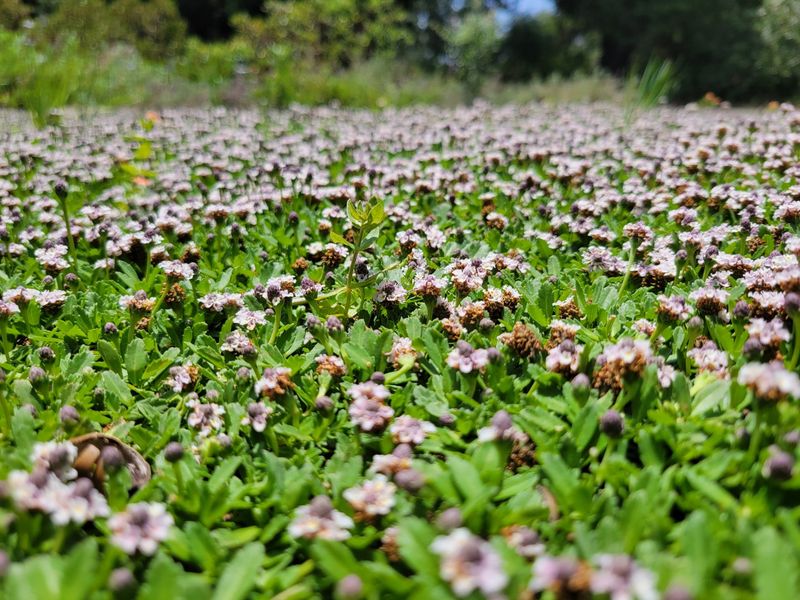
Here is a plant that practically begs to replace your thirsty lawn. Common Lippia, also called Frogfruit, forms a tight, low-growing mat that stays green with far less water than traditional grass.
It produces small clusters of tiny white and pink flowers almost year-round, which makes it a non-stop source of color and pollinator activity.
Bees, butterflies, and even hummingbirds visit the flowers regularly. That makes Lippia a great choice for anyone who wants to support local wildlife while also reducing their water bill. It is a functional and beautiful trade for a conventional lawn.
This plant handles foot traffic better than most groundcovers. It can be walked on regularly without showing signs of wear, which is why it works so well as a full lawn replacement. It even tolerates mowing if you want to keep it extra tidy.
Lippia grows best in full sun and well-drained soil. It spreads by both runners and seeds, so it covers ground quickly.
Once established, it is extremely drought-tolerant and asks for very little attention during dry months.
Some gardeners worry it might spread too aggressively, but it is easy to trim back along edges with a spade or edger.
Keeping it contained is simple with occasional maintenance. Overall, this is one of the most practical and rewarding low-water lawn alternatives available for warm-climate yards in our region.
6. Creeping Phlox
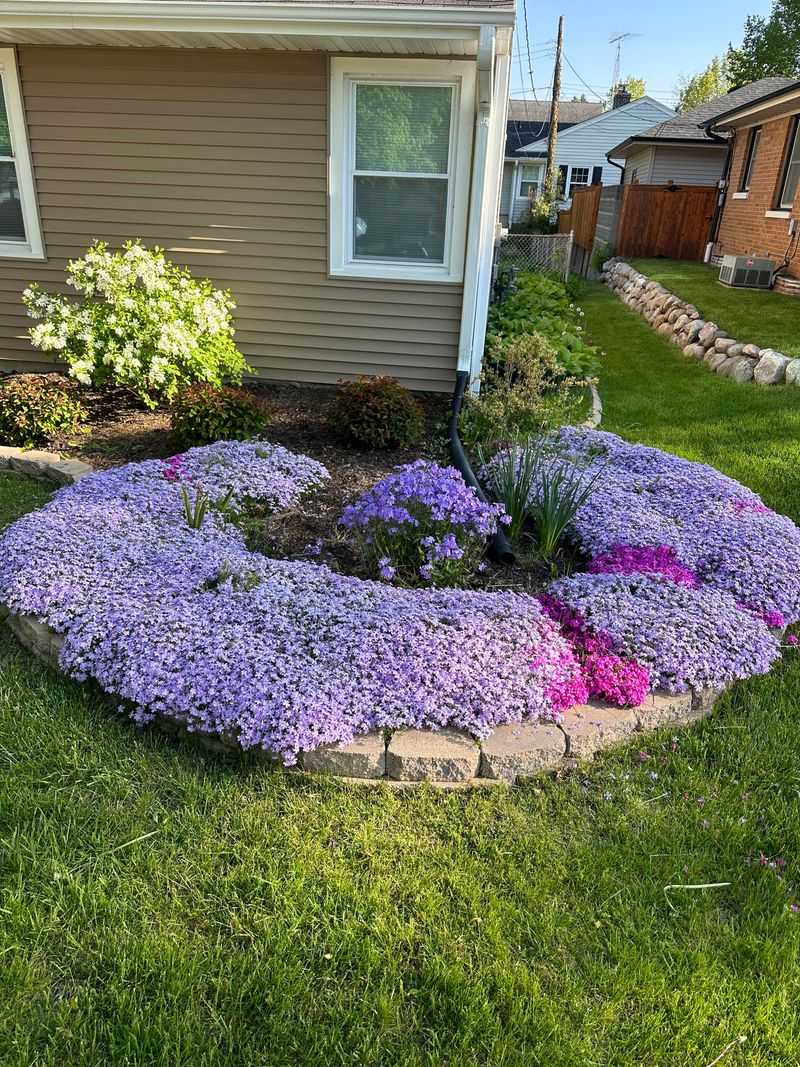
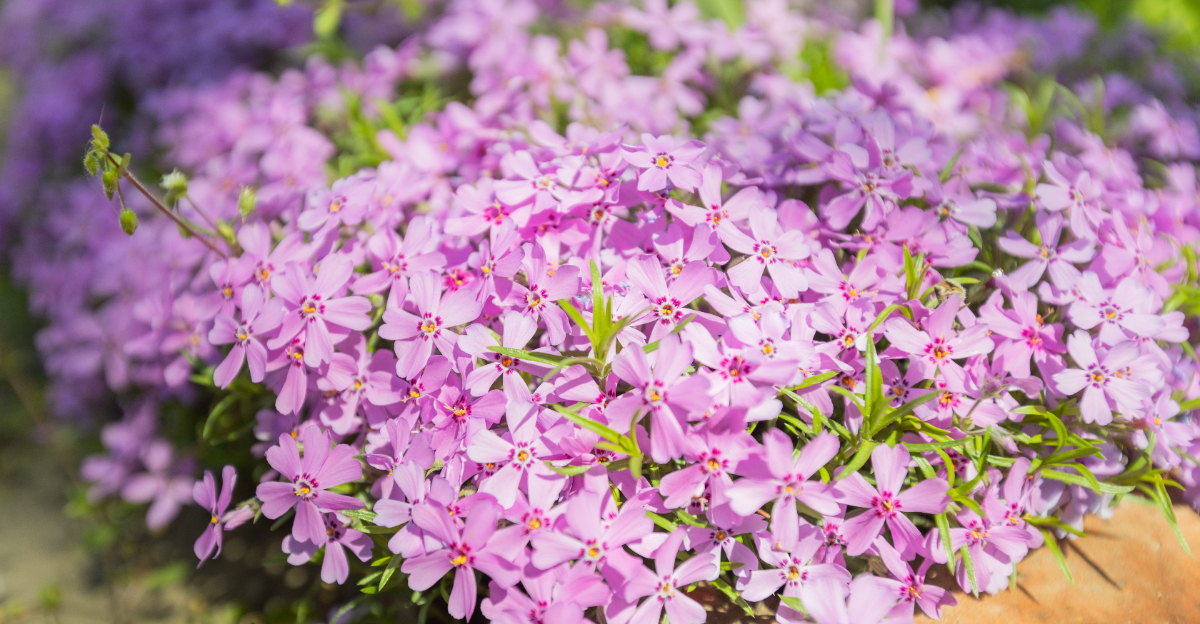
Spring in the garden hits differently when Creeping Phlox is in full bloom. This low-growing plant erupts in a thick blanket of flowers in shades of pink, purple, lavender, and white every spring.
The display is so dense that the foliage practically disappears under all that color. Beyond its stunning looks, Creeping Phlox is a genuinely tough plant.
It tolerates poor, rocky soil and does not need much water once established. That combination of beauty and resilience makes it a favorite for slopes, rock gardens, and garden borders across our state.
The evergreen needle-like foliage stays green and tidy throughout the year, even when the plant is not in bloom.
That means your garden looks neat in every season, not just during the spring flowering period. It forms a dense mat that suppresses weeds effectively.
Planting it in full sun gives you the best and most abundant bloom display. It can tolerate some light shade, but the flower production may be reduced.
Good drainage is important, so avoid low-lying areas where water tends to pool. After blooming, a light trim helps the plant maintain a compact shape and encourages new growth.
Shearing off about one-third of the plant after the flowers fade keeps it looking fresh. With minimal care, Creeping Phlox rewards you with one of the most spectacular spring flower shows any groundcover can offer in a home garden.
7. Creeping Sage
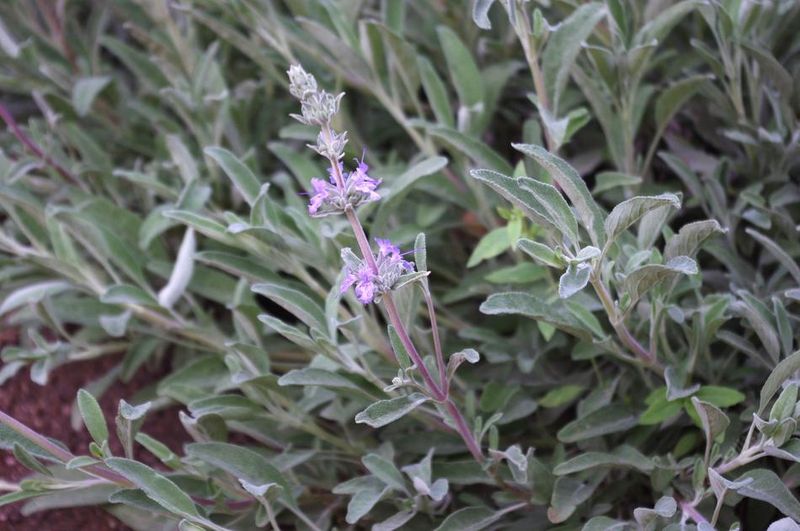
Aromatic, low-growing, and loaded with character, Creeping Sage is one of those plants that makes you stop and appreciate your garden every time you walk past it.
The silvery green foliage has a soft, fuzzy texture and releases a pleasant herbal fragrance when brushed. In late spring, small spikes of violet-blue flowers rise above the mat and attract all kinds of pollinators.
As a native plant to our state, it evolved to handle long dry summers and minimal rainfall. That built-in toughness means you can plant it and largely let it take care of itself after the first growing season. It thrives in full sun and rocky or sandy, well-drained soil.
Creeping Sage spreads slowly and gracefully, forming a soft mound that stays under one foot tall.
It works beautifully on slopes, in rock gardens, or tucked along the edges of garden paths. The low height keeps it from blocking other plants or views in the yard.
One practical bonus is that deer tend to avoid it, which is a real advantage in neighborhoods where deer browse through gardens regularly.
The strong scent seems to discourage them from snacking on it. That makes it a reliable choice for yards in foothill and rural areas.
Light pruning after flowering keeps the plant tidy and prevents it from getting too woody. It is a long-lived plant that improves with age, gradually spreading into a fuller, more beautiful display each year.
8. Emerald Carpet Manzanita
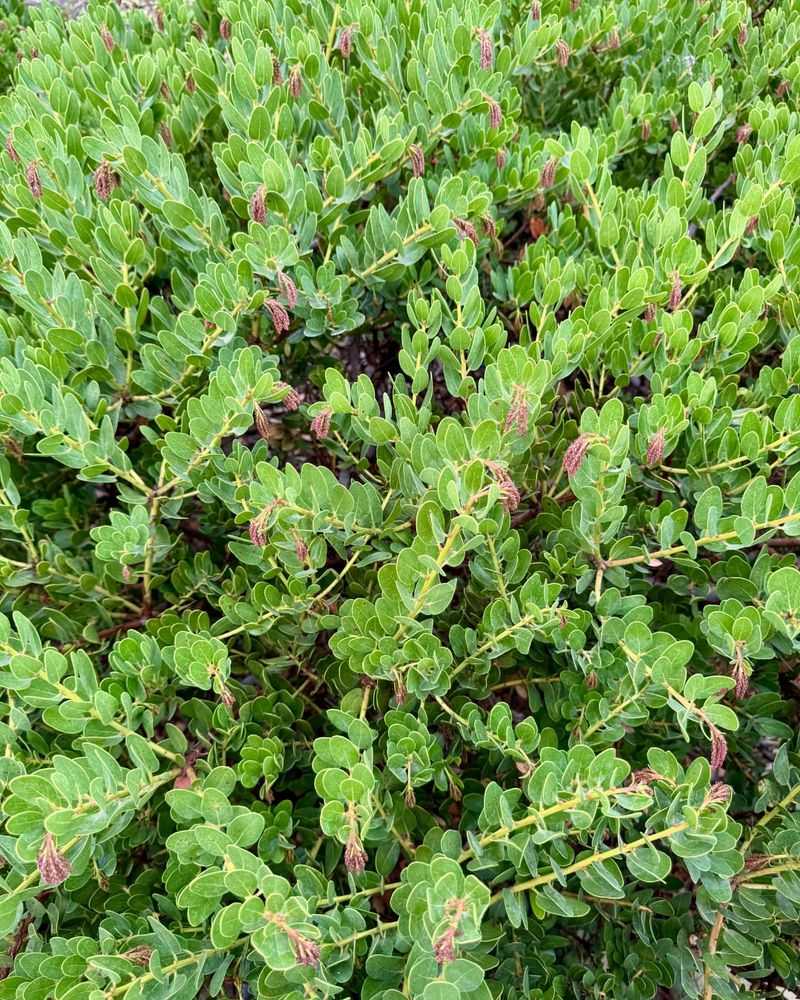
Bold, glossy, and built for the long haul, Emerald Carpet Manzanita is one of the most striking groundcovers you can grow in a low-water yard.
The leaves are a deep, rich green that almost seems to glow in sunlight. In late winter and early spring, clusters of tiny urn-shaped pink flowers appear and draw in hummingbirds before most other plants have even started to bud.
This plant is a cultivar of a native manzanita species, which means it is fully adapted to the dry, hot summers and mild winters common across much of our state.
Once it gets established, it is remarkably self-sufficient. Watering it deeply but infrequently is the best approach after the first year.
It spreads wide and low, typically reaching only one foot in height but spreading up to six feet or more across.
That wide spread makes it excellent for covering large bare areas or slopes that are difficult to plant or maintain. The dense growth prevents erosion and shades out weeds naturally.
Emerald Carpet Manzanita looks best in full sun but tolerates partial shade in hotter inland areas. Good drainage is essential, as it does not tolerate wet or heavy clay soils. Amending the soil before planting helps it get off to a strong start.
Very little pruning is needed once it settles in. Removing any withered or crossing branches once a year keeps it looking clean. It is a truly low-maintenance plant that delivers year-round beauty with minimal effort.