Pennsylvania Native Ground Covers That Make Your Yard Less Attractive To Spotted Lanternfly
Spotted lanternfly management in Pennsylvania has largely focused on what to destroy, which egg masses to scrape, which host plants to remove, and which traps to set.
That reactive approach has its place, but there is a less discussed side to the strategy that involves being intentional about what you grow across the ground.
Certain native Pennsylvania groundcovers actively avoid being useful to spotted lanternfly at any stage of its life cycle, and when they replace the bare soil, weedy patches, and non-native plants that this pest readily exploits, they make a yard genuinely less hospitable overall.
The difference is not dramatic on its own, but as part of a broader management approach, choosing groundcovers that do not support spotted lanternfly adds a passive layer of resistance that works every day without any ongoing effort.
Pennsylvania natives that accomplish this tend to be strong performers on their own merits, making the choice easy to justify entirely apart from the pest management benefit.
1. Pennsylvania Sedge
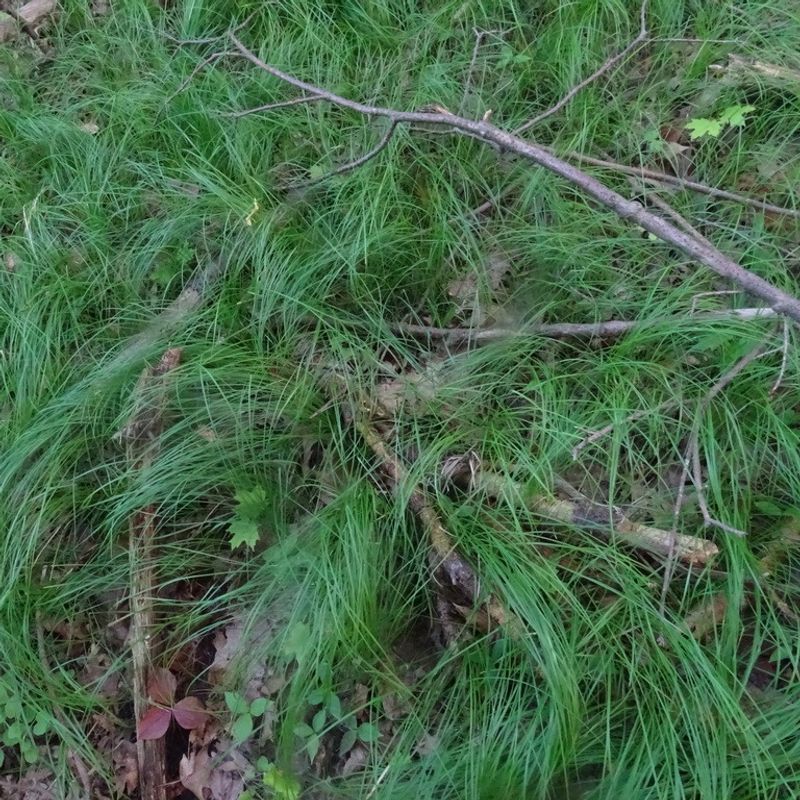
If you want a ground cover that practically takes care of itself, Pennsylvania sedge might become your new best friend. This low-growing native grass-like plant forms a soft, tidy carpet that stays green for most of the year.
It thrives in shaded spots under trees, which is exactly where many yards struggle to grow anything at all.
Pennsylvania sedge (Carex pensylvanica) grows only about six to twelve inches tall. It spreads slowly by underground stems called rhizomes, filling in bare patches without becoming pushy or invasive.
That matters a lot when you are trying to keep your yard tidy and manageable. Bare ground and weedy patches are basically a welcome mat for spotted lanternfly. Weeds like tree of heaven, one of the lanternfly’s favorite host plants, love to sprout in open, disturbed soil.
Pennsylvania sedge crowds out those weedy areas, making it harder for invasive plants and pests to get a foothold.
Maintaining a dense ground cover also means less soil disturbance overall, which reduces the chance of lanternfly egg masses going unnoticed. Egg masses are easier to spot and scrape off when your landscape is neat and organized rather than cluttered with weeds.
Pennsylvania sedge needs very little water once established and tolerates drought reasonably well. It works beautifully under oaks, maples, and other large shade trees.
For Pennsylvania homeowners looking for a low-maintenance, native solution that helps keep landscapes cleaner and less pest-friendly, this sedge is a practical and attractive starting point.
2. Wild Ginger
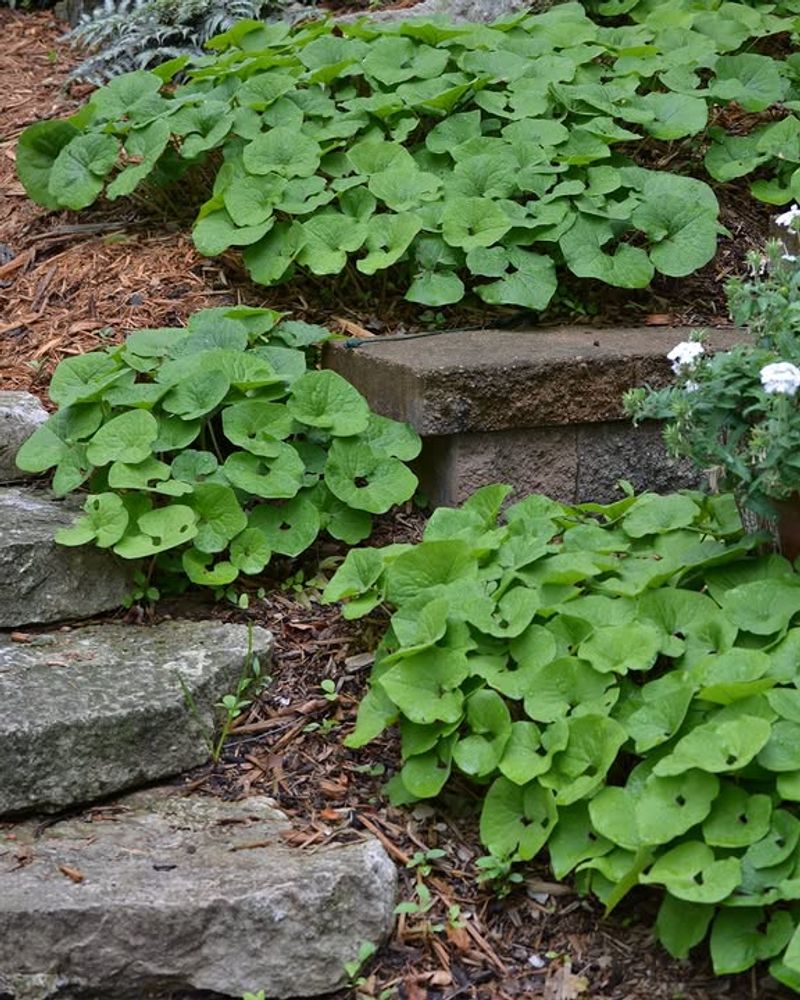
Walk through almost any Pennsylvania woodland in spring, and you might spot wild ginger hugging the ground with its big, heart-shaped leaves. It has a quiet, almost secretive charm.
Crush a leaf and you get that warm, spicy scent that gives this plant its name, even though it is not related to the ginger you cook with.
Wild ginger (Asarum canadense) is a native perennial that spreads steadily in shaded areas, forming a thick, lush mat of foliage.
It does not grow tall, usually staying under six inches, but its leaves are broad enough to shade out weeds effectively. That weed-suppressing ability is a big part of why it belongs in a pest-smart landscape plan.
Your Pennsylvania Garden Changes Every Week. Your Plan Should Too.
Gardening in Pennsylvania changes quickly throughout the season. Every Friday you’ll receive a simple weekly plan showing exactly what to plant, prune, fertilize, harvest, and protect so you never miss the right timing.
Spotted lanternfly tends to congregate where weedy, open ground gives invasive plants room to grow.
Wild ginger fills those bare spaces under trees and shrubs, leaving little room for uninvited plants to sprout. Fewer weeds mean fewer host plants for lanternfly to feed on nearby.
One thing homeowners appreciate about wild ginger is how well it handles dry shade, one of the toughest conditions in any yard.
Once established, it needs minimal watering and almost no fertilizing. It is a set-it-and-forget-it kind of plant, which is rare and genuinely useful.
Wild ginger also provides habitat for native insects and pollinators, adding ecological value beyond pest management. For shaded spots where grass refuses to grow, this native ground cover is both a practical and beautiful choice for Pennsylvania yards.
3. Allegheny Spurge
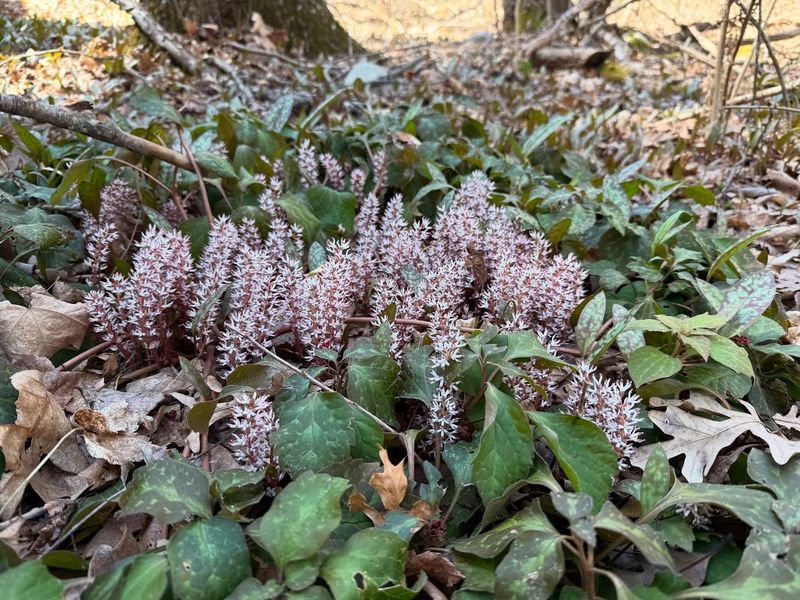
Not many ground covers can claim to be both a Pennsylvania native and a year-round performer, but Allegheny spurge pulls it off with quiet confidence.
Unlike its more commonly planted cousin, Japanese pachysandra, this native version (Pachysandra procumbens) belongs here.
It evolved alongside Pennsylvania’s native trees, insects, and wildlife, making it a much better ecological fit.
Allegheny spurge stays low, usually six to ten inches tall, and spreads gradually to form a dense mat of attractive, mottled leaves. The foliage often has silvery-gray markings that give it a decorative look even in winter.
In early spring, small white flowers appear close to the ground, adding a subtle seasonal interest most people do not expect.
From a spotted lanternfly perspective, Allegheny spurge earns its place by keeping woodland garden floors covered and weed-free.
Open, weedy soil invites invasive plants like tree of heaven, which is hands-down one of spotted lanternfly’s preferred feeding hosts. A thick layer of Allegheny spurge leaves very little room for those problem plants to sprout.
This plant thrives in part to full shade and prefers moist, well-drained soil with a slightly acidic pH, conditions that are common in many Pennsylvania yards. It pairs especially well with native trees like oaks, hickories, and tulip poplars.
Gardeners who want a genuinely native alternative to Japanese pachysandra will find Allegheny spurge refreshingly easy to grow. It rewards patience with reliable, long-lasting coverage that keeps your yard looking tidy while supporting local biodiversity at the same time.
4. Foamflower
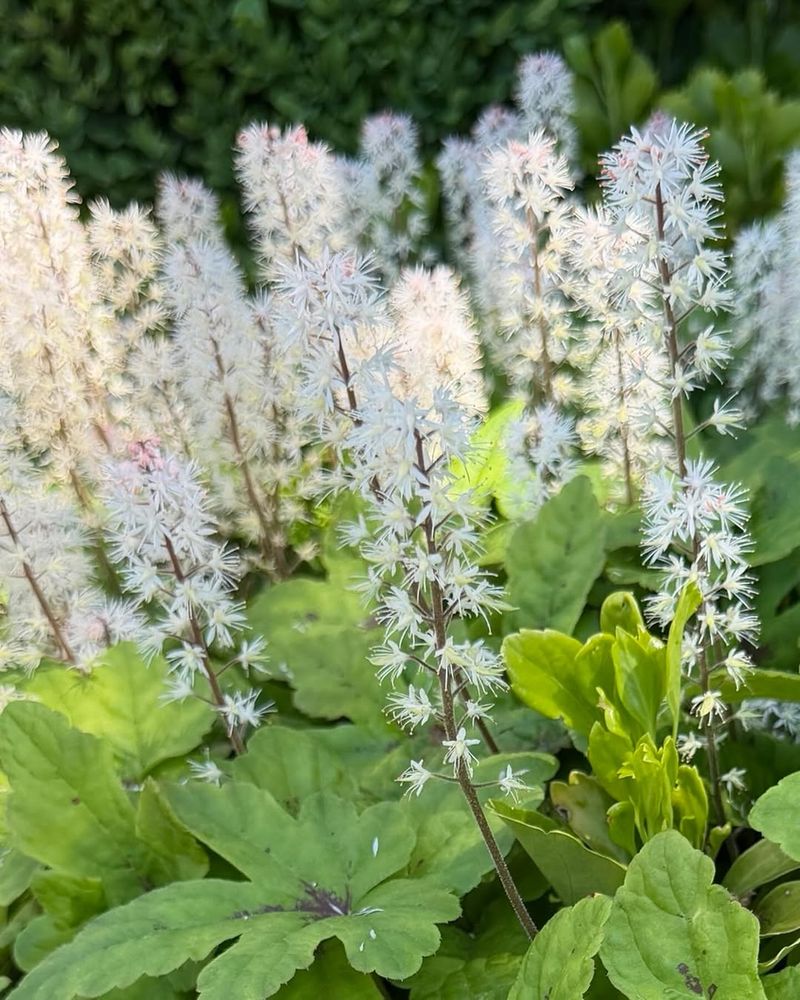
Every spring, foamflower puts on a show that stops people in their tracks. Clusters of tiny white flowers rise on slender stems above a bed of maple-like leaves, creating a foamy, cloud-like effect that earned this plant its charming name.
But foamflower (Tiarella cordifolia) is not just a pretty face in the garden. As a native Pennsylvania perennial, foamflower spreads gently by stolons, which are above-ground runners that root as they travel.
Over time, it fills in the shaded areas beneath trees and shrubs with a soft, attractive mat of foliage.
That spreading habit is exactly what you want when you are trying to eliminate the bare, weedy patches that make a yard more inviting to spotted lanternfly.
Weeds thrive in open soil, and some of those weeds, especially tree of heaven, are among spotted lanternfly’s top choices for feeding and laying eggs.
Foamflower competes directly with those weeds by taking up space, blocking sunlight from reaching the soil surface, and using available moisture and nutrients.
Beyond pest management, foamflower supports native bees and other pollinators during its spring bloom period. The leaves also provide cover for ground-dwelling insects that are part of a healthy garden ecosystem.
Healthy ecosystems tend to be more resilient against pest outbreaks in general. Foamflower grows best in moist, rich, shaded soil and is very low-maintenance once established. It is an ideal companion plant for ferns, wild ginger, and native shrubs.
For Pennsylvania gardeners who want beauty and function in one package, foamflower delivers both reliably.
5. Green-And-Gold
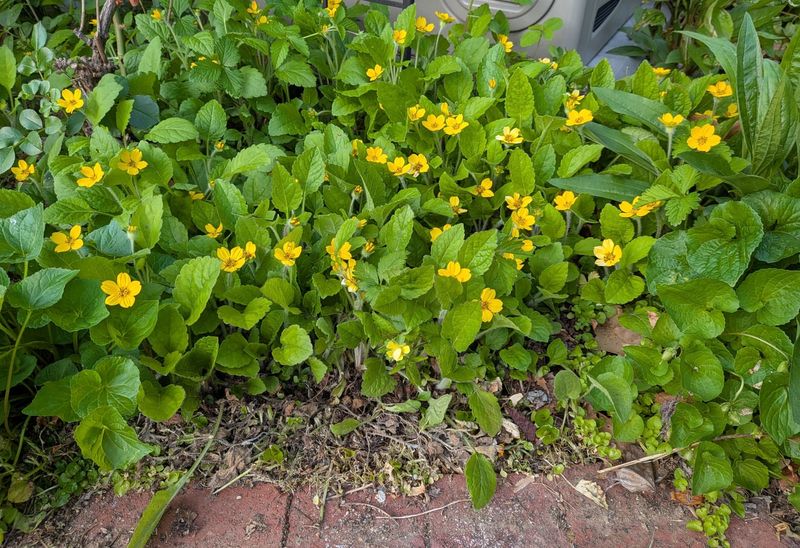
Bright yellow flowers popping up from a dense mat of dark green leaves might sound too good to be true for a ground cover, but green-and-gold (Chrysogonum virginianum) delivers exactly that.
This cheerful native perennial blooms generously in spring and often again in fall, giving your yard color during seasons when most other ground covers just sit quietly.
Green-and-gold grows four to nine inches tall and spreads at a moderate pace, forming a thick, weed-suppressing layer that works well in both sunny and partially shaded spots.
That flexibility makes it one of the more versatile native ground covers available to Pennsylvania gardeners.
Reducing open, weedy areas is one of the most effective things you can do to make your yard less attractive to spotted lanternfly. Weedy patches give invasive plants like tree of heaven the room they need to sprout and grow.
Green-and-gold crowds those spaces out, replacing them with a dense, attractive layer of native foliage that leaves little opportunity for problem plants.
Fun fact: green-and-gold is one of the few native ground covers that tolerates a range of soil conditions, from sandy to clay-heavy soils. That adaptability means it works in yards where other plants might struggle.
It also requires very little maintenance once established, needing only occasional watering during dry spells.
Native bees and butterflies visit the flowers regularly, so you get ecological benefits along with great visual appeal.
For Pennsylvania homeowners who want a hardworking, attractive ground cover that helps keep invasive pests at bay, green-and-gold is a standout choice.
6. Christmas Fern
Some plants earn their place in the garden by being dependable year after year, and Christmas fern is exactly that kind of plant.
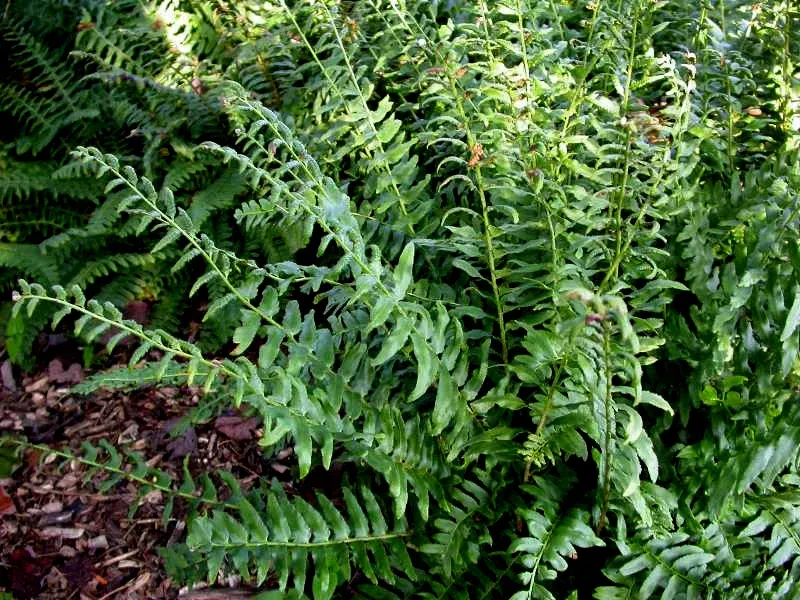
Named because its dark green fronds stay fresh and visible even through Pennsylvania winters, this native fern (Polystichum acrostichoides) offers something that many ground covers cannot: true year-round structure.
Christmas fern grows in clumping mounds, with arching fronds that reach one to two feet long. It thrives in shaded, sloped areas where erosion can be a problem and where other plants struggle to establish.
Those slopes and shaded banks are also spots where weedy plants love to move in if left unchecked.
Spotted lanternfly is more likely to linger in yards that have weedy, overgrown patches, especially where tree of heaven grows. Christmas fern helps by stabilizing shaded areas and outcompeting weeds, reducing the open ground that invasive plants need to sprout.
A stabilized, plant-covered slope is simply a less welcoming environment for pest activity. Beyond pest management, Christmas fern provides excellent wildlife habitat. Its dense fronds offer shelter for small animals and overwintering insects.
Birds have been observed using the dried fronds as nesting material in early spring, which is a small but satisfying sign of a healthy yard ecosystem.
Christmas fern is low-maintenance, drought-tolerant once established, and rarely bothered by deer. It pairs well with other native shade plants like wild ginger and foamflower.
For Pennsylvania homeowners dealing with challenging shaded slopes, this fern is a reliable, ecologically valuable solution that earns its keep every single season.
7. Creeping Phlox
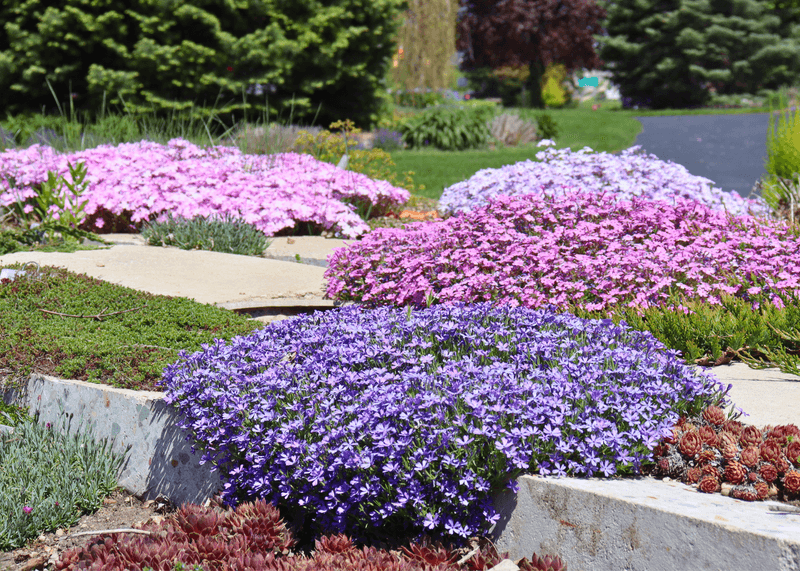
Few sights in a spring garden match the electric, carpet-like bloom of creeping phlox. When this low-growing native plant bursts into flower, it covers sunny slopes and borders in a vivid wash of pink, purple, or white that can stop traffic.
Creeping phlox (Phlox subulata) is not just beautiful, though. It is also one of the hardest-working ground covers you can plant in a Pennsylvania yard.
Creeping phlox stays low, usually three to six inches tall, and spreads steadily to form a thick, mat-like layer of needle-fine foliage. That dense mat does an excellent job of blocking weeds from germinating in sunny, open areas.
Sunny spots along slopes and borders are prime territory for invasive weeds like tree of heaven to sprout, so covering them with creeping phlox is a smart, proactive move.
Spotted lanternfly is drawn to yards where weedy, open ground gives invasive plants a chance to establish. By filling those spaces with a dense native ground cover, you reduce the habitat that supports both the weeds and the pests that feed on them.
Creeping phlox is especially effective on sunny slopes where keeping weeds out can feel like a constant battle.
After the spring bloom fades, the evergreen foliage remains attractive throughout the year. It handles heat, drought, and rocky or poor soils surprisingly well, making it a tough and adaptable choice for challenging spots.
Native pollinators absolutely love creeping phlox in bloom, visiting the flowers in impressive numbers.
For Pennsylvania gardeners who want a ground cover that combines stunning seasonal color with genuine pest-management value, creeping phlox is an outstanding option worth planting.