Native Michigan Shrubs That Give You A Boxwood Look Without The Problems
Boxwood has been the go-to choice for structured hedges and tidy borders in Michigan landscapes for a long time, and the appeal is obvious.
That dense, fine-textured evergreen look works with almost any style of home and holds its shape reliably through the season. The problems, though, are real and getting harder to ignore.
Blight has been spreading through boxwood plantings for years, and the combination of disease pressure, winter damage, and the constant maintenance they require has a lot of gardeners quietly reconsidering.
Several native Michigan shrubs can fill that same structural role in the landscape without the vulnerability. Some of them stay evergreen.
Others bring seasonal interest that boxwood never comes close to offering. The look isn’t identical, but in most cases it’s actually better once the plants settle in and start doing what they do naturally.
1. New Jersey Tea
Few people expect a native shrub to look this tidy.
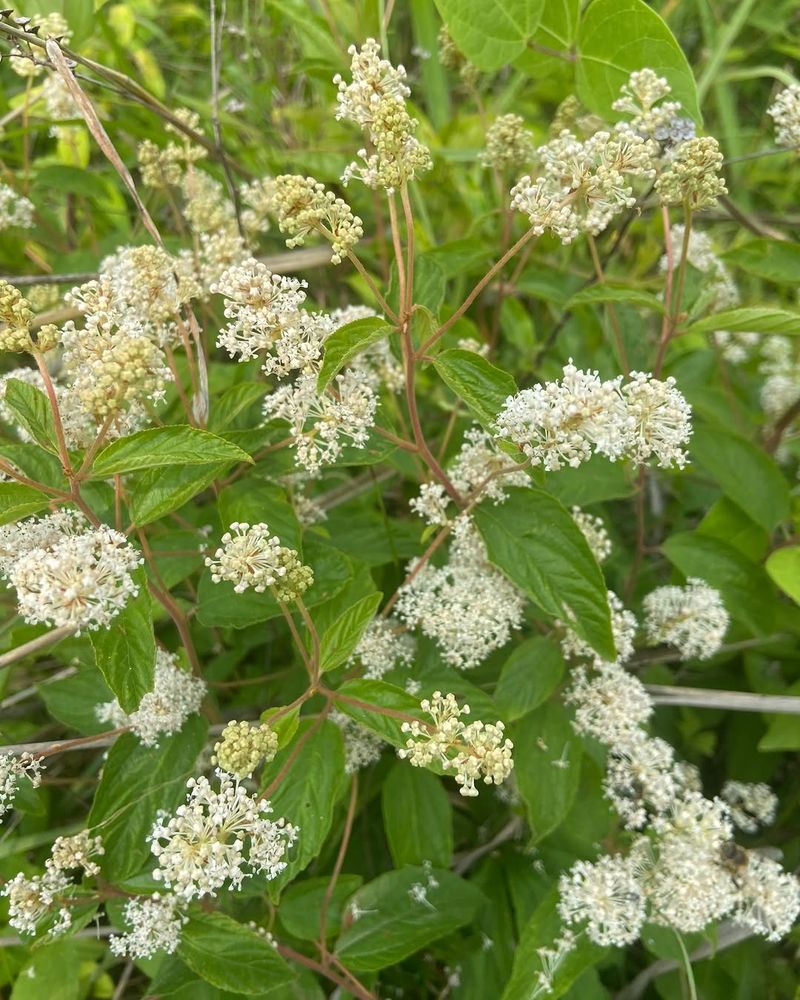
New Jersey Tea grows into a neat, rounded mound that usually stays between two and three feet tall, making it a natural fit for sunny borders and foundation plantings where you would normally reach for a low boxwood.
Its small, oval leaves give it a refined texture that reads as polished without any shearing required.
Every summer, it bursts into clusters of tiny white flowers that butterflies and native bees absolutely love. That pollinator value alone puts it miles ahead of boxwood, which offers virtually nothing to local wildlife.
The blooms are cheerful and bright, adding seasonal interest that a clipped evergreen hedge simply cannot match.
One thing to keep in mind is that New Jersey Tea is deciduous, so it will not give you the winter structure that true evergreen boxwood provides. Think of it as a warm-season native alternative rather than a year-round replacement.
It performs best in full sun and well-drained soil, and once established, it handles dry spells surprisingly well thanks to its deep, nitrogen-fixing roots.
Gardeners who want a low-maintenance, wildlife-friendly shrub with a naturally compact shape will find New Jersey Tea to be a genuinely rewarding choice for Michigan landscapes.
2. Dwarf Bush Honeysuckle
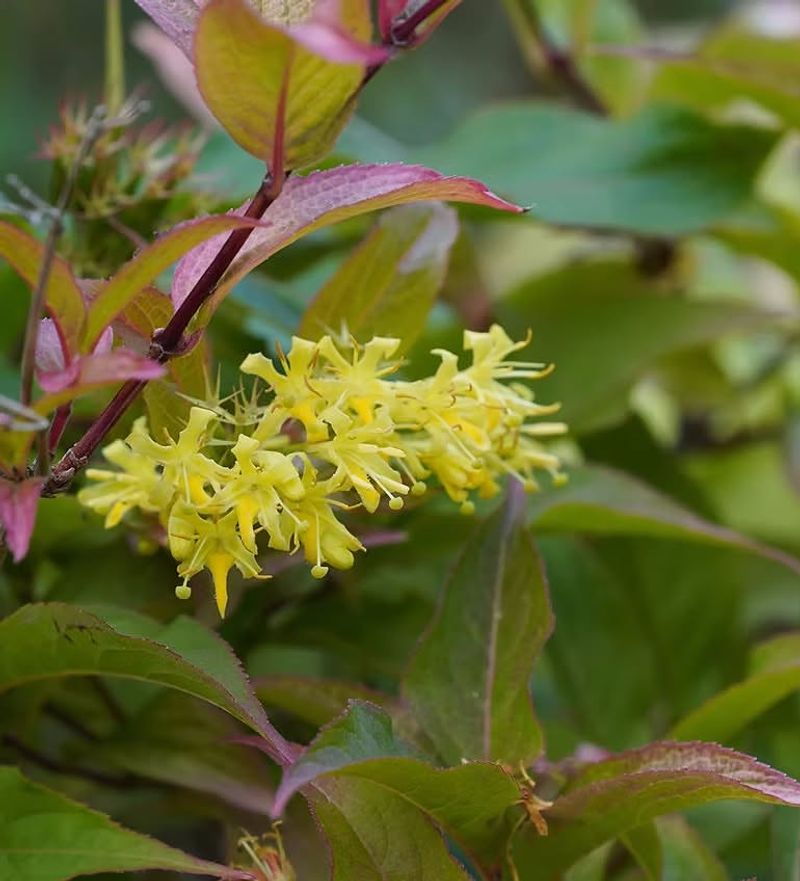
Tough sites meet their match with dwarf bush honeysuckle. This compact native shrub thrives in conditions that would stress most formal plants, including dry shade, poor soils, and spots under tree canopies where other shrubs simply refuse to cooperate.
Its dense, twiggy branching and small rounded leaves create a naturally tidy silhouette that works beautifully for low hedges, edging, and mass plantings.
The yellow tubular flowers that appear in early summer are not just pretty. They attract native bumblebees and hummingbirds, adding real ecological value to your yard.
The foliage often picks up attractive reddish tones in fall, giving the plant a second moment of visual interest before the season winds down.
Growing roughly two to four feet tall and wide, dwarf bush honeysuckle fits comfortably into spaces where you want low structure without constant trimming.
It spreads gradually by root suckers, which makes it excellent for stabilizing slopes or filling in difficult areas under mature trees.
Your Michigan Garden Changes Every Week. Your Plan Should Too.
Gardening in Michigan changes quickly throughout the season. Every Friday you’ll receive a simple weekly plan showing exactly what to plant, prune, fertilize, harvest, and protect so you never miss the right timing.
Unlike many formal hedge plants, it asks for almost nothing once it settles in. If your yard has a challenging shady corner or a dry slope that nothing seems to like, this shrub is one of the most reliable native solutions Michigan gardeners have available.
It earns its place in the landscape honestly, with zero drama.
3. Lowbush Blueberry
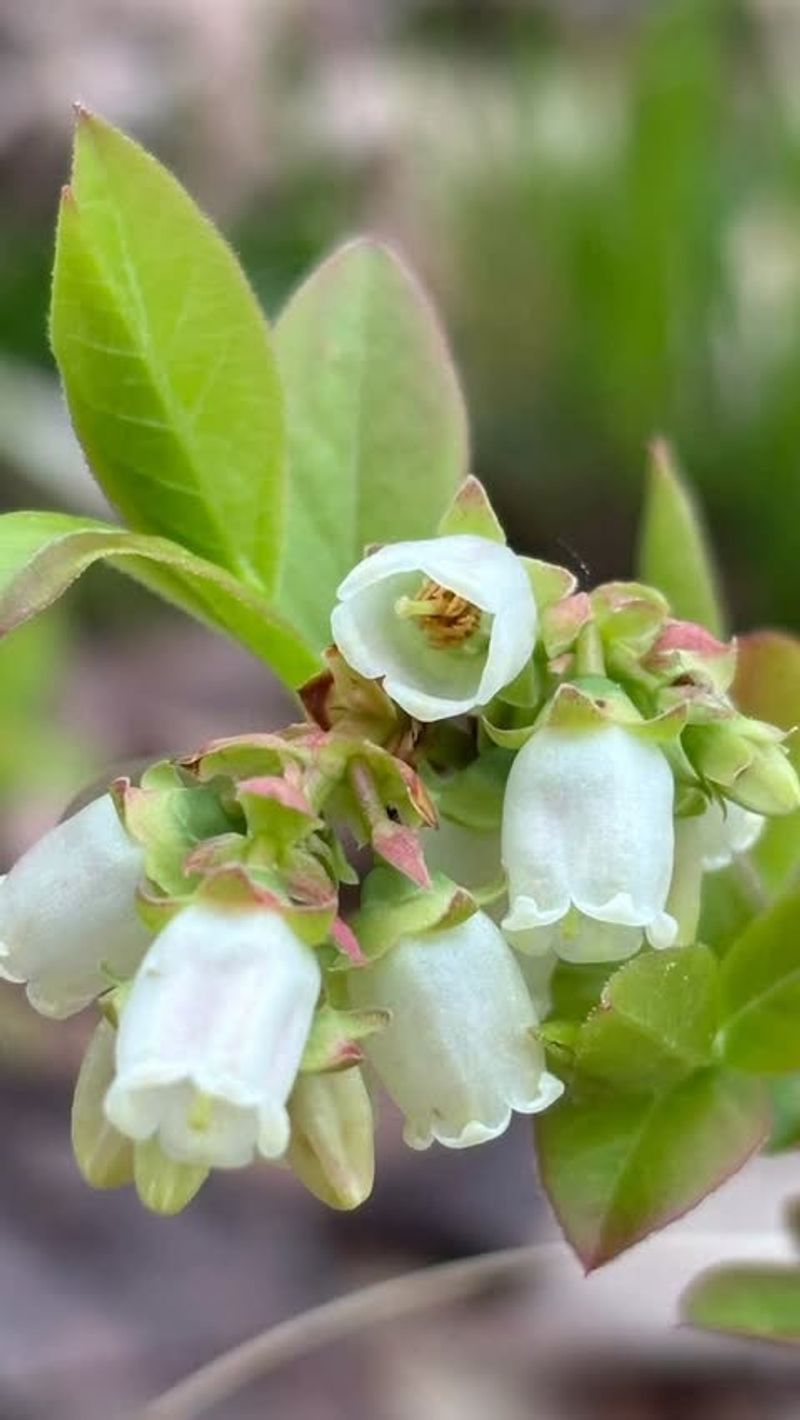
Imagine an edging plant that looks sharp, feeds wildlife, and gives you something to snack on straight from the garden. Lowbush blueberry pulls off all three effortlessly.
Its small, glossy leaves and dense low growth give it a refined, boxwood-like texture that works beautifully along garden paths, sunny borders, and naturalized beds in Michigan landscapes.
Spring brings delicate white bell-shaped flowers that are magnets for native bees, and summer delivers clusters of sweet, edible blueberries that birds and gardeners compete for equally.
Come fall, the foliage transforms into a stunning blaze of red and orange that few ornamental shrubs can rival.
For a plant that stays under two feet tall, it delivers an impressive amount of seasonal interest across the entire growing year.
The catch is soil. Lowbush blueberry is particular about where it grows. It needs acidic, well-drained soil with a pH between 4.5 and 5.5, which is common in many parts of Michigan, especially in sandy or loamy areas.
Alkaline soil, compacted ground, or poorly drained spots will cause it to struggle, so do a soil test before planting.
In the right conditions, though, it spreads slowly into a gorgeous low carpet that requires almost no maintenance. For gardeners with the right soil profile, this native shrub is one of the most rewarding edging plants available anywhere.
4. Gro-Low Fragrant Sumac
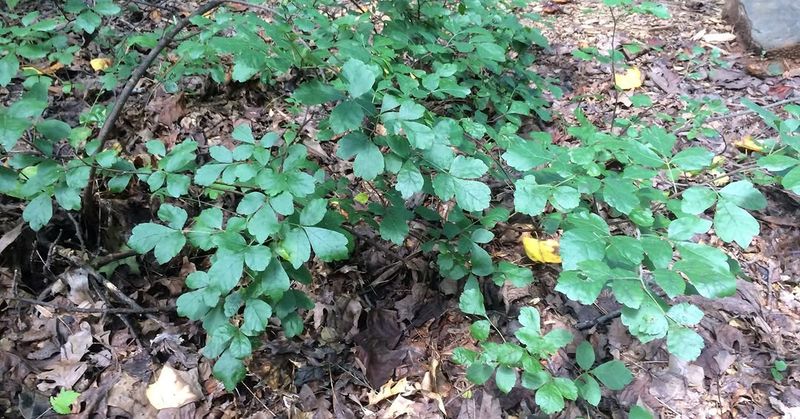
Some shrubs earn their reputation the hard way, by thriving where everything else struggles. Gro-Low fragrant sumac is exactly that kind of plant.
A cultivated selection of the native Rhus aromatica, it hugs the ground in a wide, spreading form that rarely exceeds two feet in height but can spread six feet or more across.
That low, layered silhouette makes it a standout choice for massing along dry sunny slopes, anchoring large beds, or softening the edge of a naturalized border.
Drought tolerance is one of its biggest selling points. Once established, it handles poor, rocky, or sandy soils without complaint, which makes it ideal for the kinds of spots in Michigan landscapes where irrigated formal hedges would quickly fail.
Small yellow flower clusters appear in early spring before the leaves emerge, and the red berries that follow provide food for birds through the fall and early winter months.
When autumn arrives, Gro-Low puts on a show with rich red and orange foliage that rivals any ornamental shrub in the nursery. The aromatic leaves release a pleasant citrusy scent when brushed, adding a sensory bonus to its visual appeal.
It works best in informal sweeps and naturalized borders rather than tight clipped hedges, so give it room to spread and let it do what it does naturally. For low-maintenance ground coverage, few native plants come close.
5. Shrubby Cinquefoil
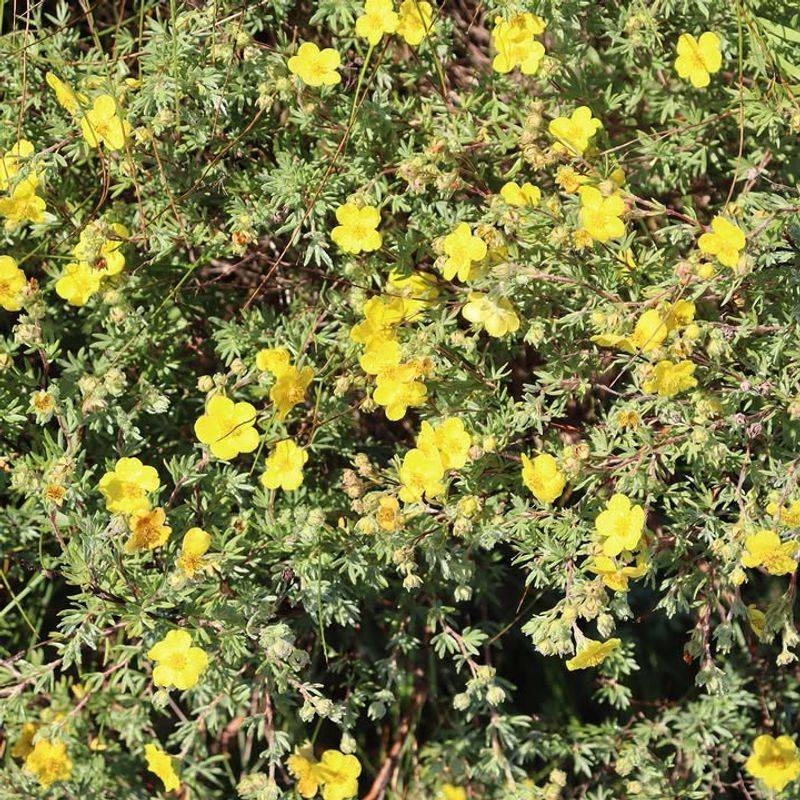
Reliability is the word that comes to mind with shrubby cinquefoil.
This cheerful native shrub has been growing across Michigan’s open meadows, rocky slopes, and streambanks for centuries, and it brings that same toughness straight into the garden.
Its naturally rounded, compact form grows two to four feet tall and wide, creating the kind of structured low presence in a sunny border that gardeners often try to achieve with boxwood.
What really sets it apart is the bloom season. Shrubby cinquefoil flowers from early summer all the way through fall, producing a continuous show of small, bright yellow blossoms that native bees and butterflies visit regularly.
Very few shrubs at this size can match that length of bloom time, and it makes the plant genuinely useful as a flowering hedge or border anchor rather than just a foliage filler.
Cold hardiness is another major plus. Shrubby cinquefoil handles Michigan winters without any protection, and it tolerates poor, gravelly soils where richer shrubs would underperform.
Full sun brings out the best flowering, though it manages light shade reasonably well. It does not need frequent shearing to stay tidy, but a light trim in late winter keeps the shape crisp and encourages fresh new growth.
For gardeners who want a low-care, long-blooming native shrub with genuine structure, shrubby cinquefoil is one of the most dependable choices in the entire Michigan native plant palette.
6. Common Snowberry
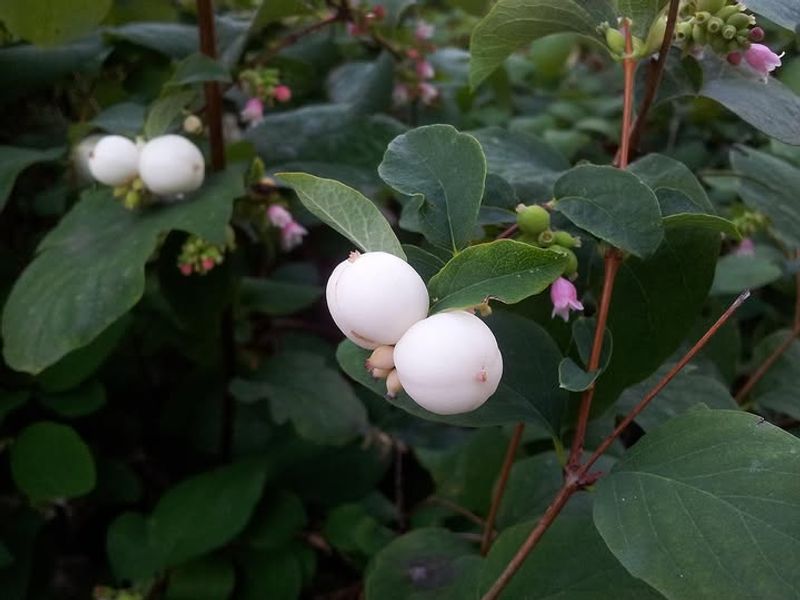
There is something quietly magical about a shrub that holds clusters of pure white berries well into winter. Common snowberry does exactly that, and it does it in shady spots and difficult soils where most other native shrubs would throw in the towel.
Its small, rounded leaves and dense, twiggy branching give it a naturally layered texture that reads as structured and intentional in the landscape without any help from pruning shears.
The white berries are a major wildlife draw. Songbirds, ruffed grouse, and small mammals rely on them as a food source during late fall and early winter when other options are scarce.
The pink summer flowers, though small, also support native bees and hummingbirds. For a shrub that asks for almost nothing in return, the ecological payoff is genuinely impressive.
Common snowberry grows three to six feet tall and spreads by root suckers, gradually forming loose thickets that work beautifully as informal screens, naturalized borders, or understory plantings beneath large trees.
That spreading habit is something to plan for in smaller yards.
It suits informal native gardens far better than tight, clipped formal hedges, so if you want something that looks sharp and geometric year-round, a compact cultivar and regular light shearing will help keep it in check.
In the right setting, though, its natural looseness is part of its charm and a real asset for low-maintenance Michigan landscapes.
7. Meadowsweet
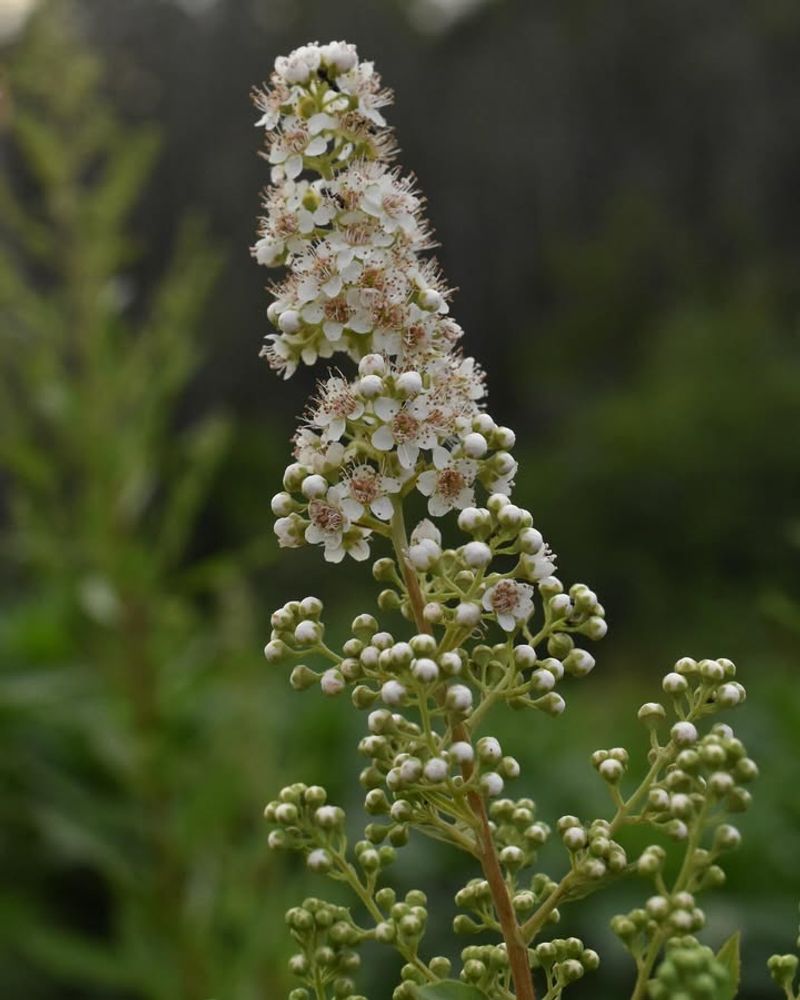
Moist corners of the yard are often the hardest spots to plant well. Meadowsweet was practically made for them.
A true Michigan native, this upright mounding shrub thrives in wet meadows, rain gardens, and low-lying borders where boxwood would rot out within a single season.
Its narrow, fine-textured leaves give it a soft, airy quality that contrasts beautifully with bolder plants in a mixed border.
Through midsummer, meadowsweet sends up tall plumes of tiny white flowers that are absolutely alive with native bees, wasps, and butterflies.
The floral display lasts for several weeks, which gives the garden a natural, cottage-like energy that formal evergreen hedges simply cannot provide.
Even after blooming, the seed heads add subtle texture through fall and early winter.
Height-wise, meadowsweet typically reaches three to five feet, giving it more presence than a true low hedge but fitting well as a soft mid-border accent or a naturalized screen along a property edge.
It prefers consistently moist soil and full to part sun, so dry foundation beds are not the right fit.
In rain gardens or along drainage swales, it actually helps manage excess moisture while looking genuinely attractive.
For Michigan gardeners dealing with low spots that stay wet after heavy rain, meadowsweet turns a problem area into one of the most dynamic and wildlife-friendly corners of the entire yard.
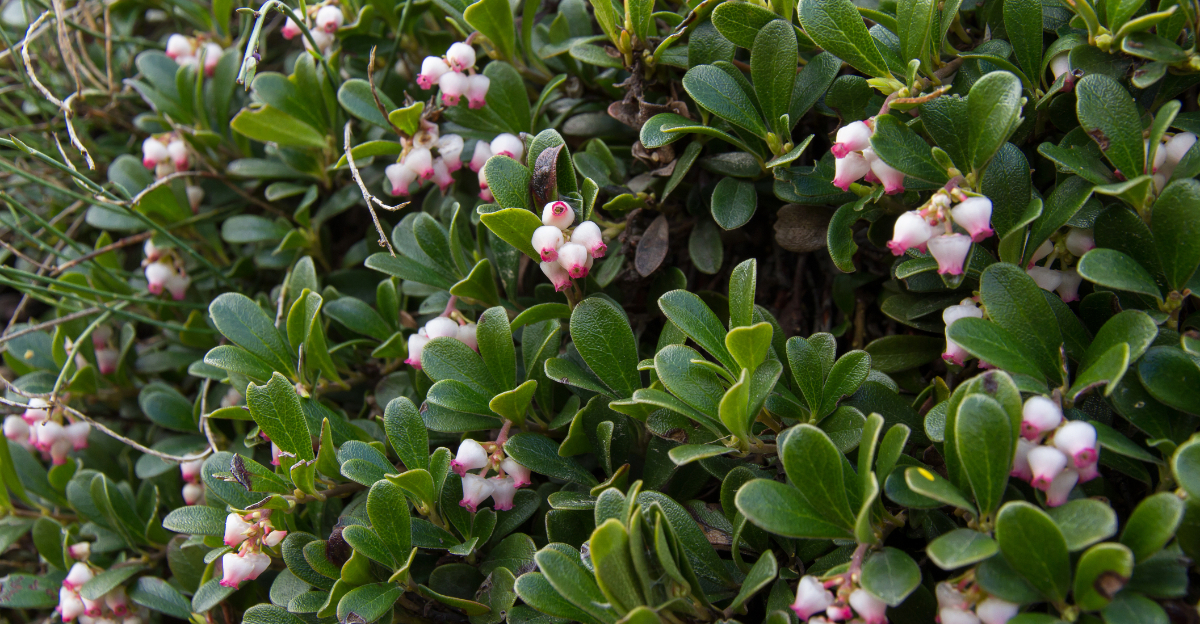
8. Bearberry
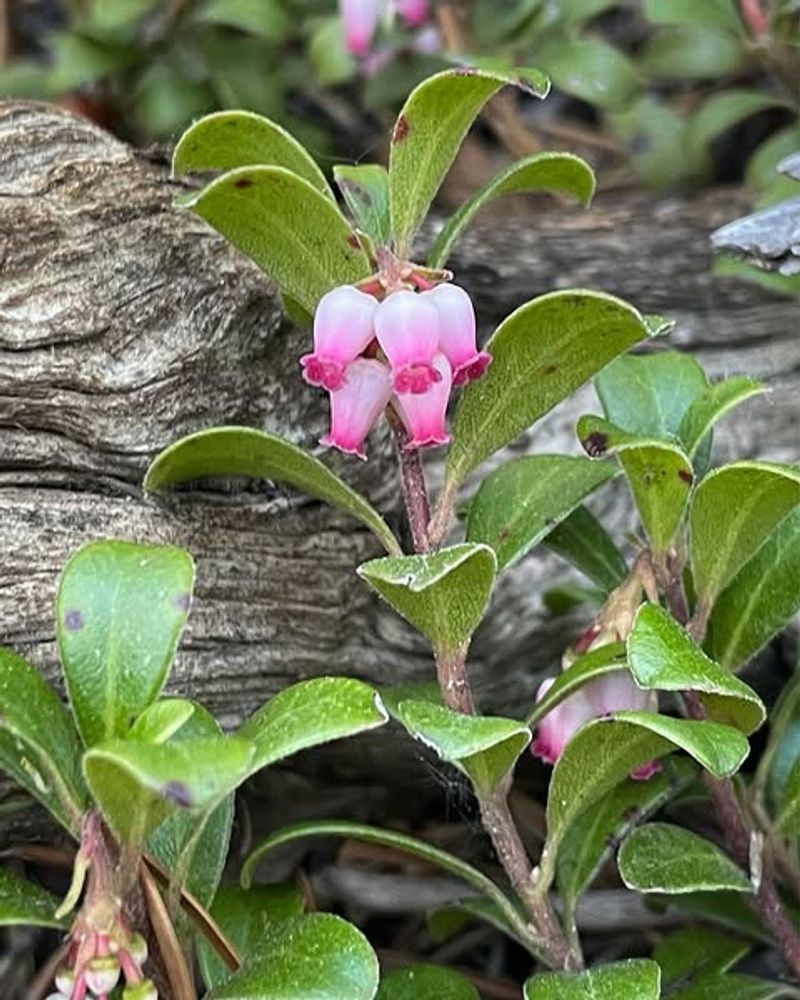
Year-round green is something most native shrubs simply cannot deliver, but bearberry breaks that rule in the best possible way.
One of the few truly evergreen native groundcover shrubs in Michigan, it forms a low, spreading carpet of small, leathery, dark green leaves that stay attractive through every season, including the coldest months of a Michigan winter.
That persistent foliage is exactly what draws boxwood lovers toward it as a native alternative.
In spring, clusters of tiny pinkish-white urn-shaped flowers appear just above the foliage, providing an early nectar source for native bees emerging after winter.
By late summer and fall, bright red berries dot the mat-forming stems, attracting grouse, bears, foxes, and songbirds.
The wildlife value packed into such a low-growing plant is genuinely remarkable.
Bearberry stays under six inches tall while spreading two to four feet wide, making it ideal for groundcover edging, sandy slopes, and low carpets in well-drained, acidic sites.
It is perfectly suited to the sandy soils found across much of northern and western Michigan. Rich, clay-heavy, or poorly drained soils are not compatible, so site selection matters.
It will not form an upright clipped hedge, but for flat, low, evergreen coverage along paths, rock gardens, or open slopes.
Bearberry delivers the small-leaved, tidy, four-season structure that gardeners love about boxwood while supporting the local ecosystem in ways that boxwood never could.
9. Black Chokeberry
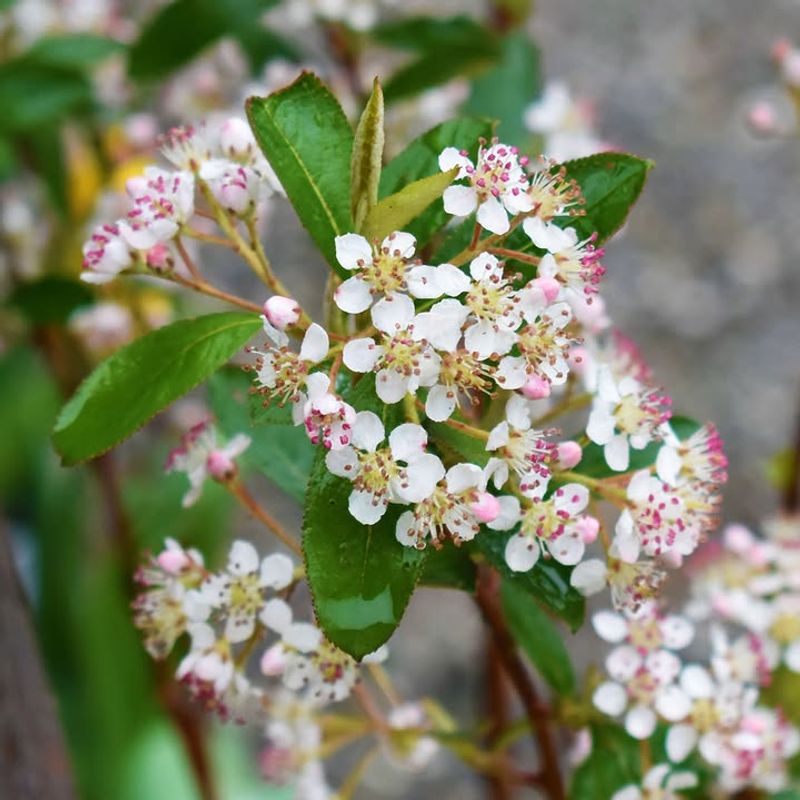
Gardeners who want a shrub that earns its keep in every single season will find a lot to love in black chokeberry.
This Michigan native brings white flower clusters in spring, glossy green foliage through summer, dark berries in late summer, and brilliant red fall color before the leaves drop.
That four-season performance puts it far ahead of boxwood in terms of sheer visual interest and ecological contribution to the yard.
Black chokeberry typically grows three to six feet tall with a rounded, upright habit that fits naturally into mixed borders, foundation plantings, and informal low screens.
The dark berries are a powerhouse food source for birds and small mammals heading into fall migration and early winter.
Pollinators work the spring flowers heavily, so the plant supports wildlife from bloom time all the way through the cold months.
One of its most underappreciated qualities is wet-soil tolerance. Black chokeberry handles seasonally wet or poorly drained spots that would stress most ornamental shrubs, making it a practical solution for low areas in Michigan yards.
It is looser and more open than a clipped evergreen hedge, especially in its straight species form, so gardeners who want a tighter silhouette should look for compact cultivars like ‘Iroquois Beauty’ or ‘Morton.’
With the right selection and placement, black chokeberry gives Michigan landscapes structure, wildlife value, and seasonal beauty that no boxwood can come close to matching.