The One Tree New York Experts Want You To Recognize Before It Reaches Your Yard
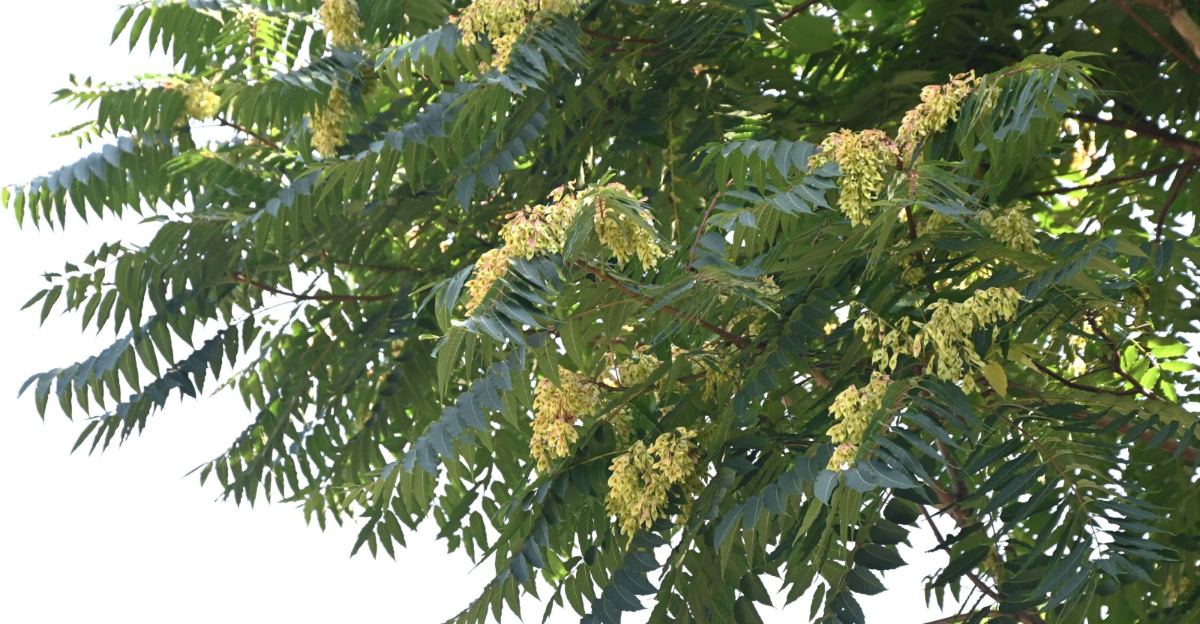
New York has a tree problem, and it might be rooting itself right through your fence line. You’ve probably walked past it a dozen times without thinking twice.
This tree blends in, grows tall, and looks convincingly harmless. The first time you notice one, the roots have already threaded through a crack in your backyard concrete before you can even name what you are looking at.
By the time you identify it, three more have quietly appeared nearby. Beautiful by name, this species works against everything growing around it.
The surrounding soil gets poisoned through a process called allelopathy, starving out the native plants your yard depends on.
It also draws in the spotted lanternfly, an invasive insect that has been cutting through New York crops and gardens at a pace that should concern you.
Take a walk around your property today. That fast-growing tree in the corner? Look closer.
Imported From China, Planted Across America
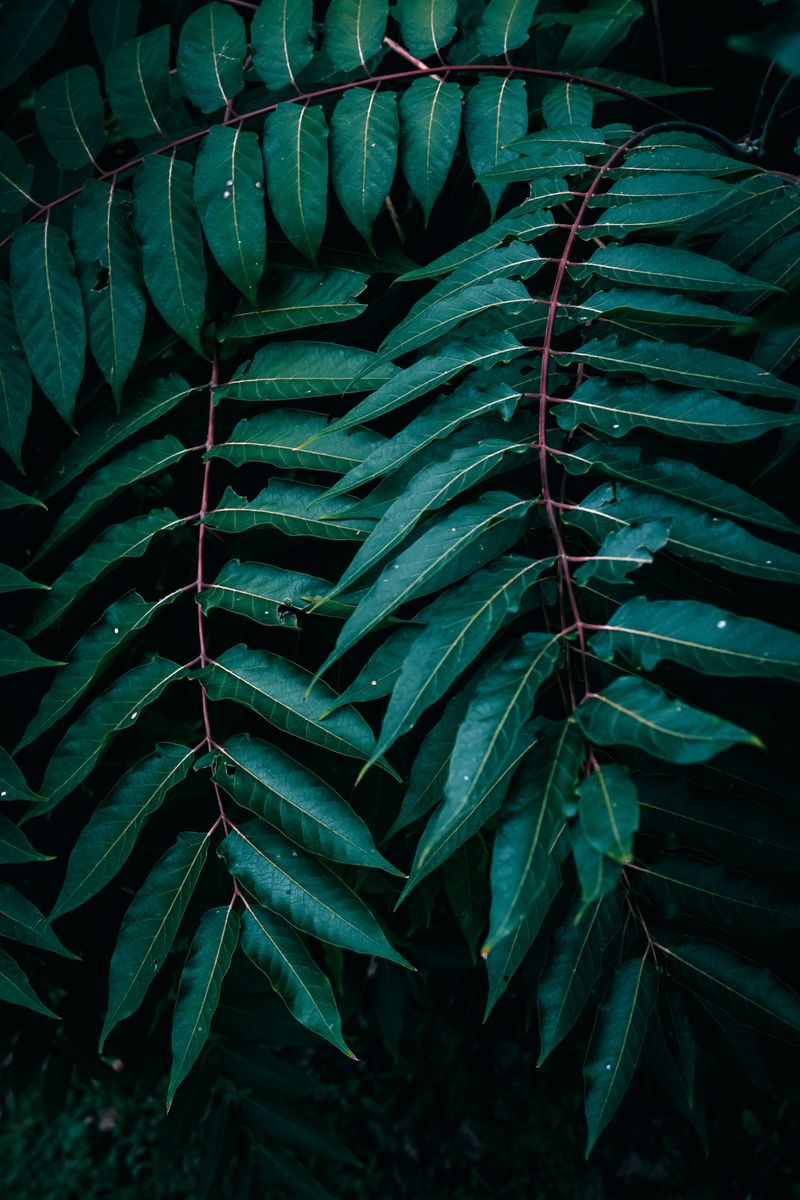
Back in 1784, a Pennsylvania plant collector named William Hamilton introduced a Chinese tree to America. That tree was Ailanthus altissima, now widely known as the Tree of Heaven.
What started as a landscaping curiosity became one of the most stubborn botanical mistakes in American history.
Brought over for its fast growth and exotic look, it was planted in cities, parks, and private gardens across the East Coast.
New York embraced it enthusiastically, and within decades, the tree had spread far beyond any garden gate. It traveled by seed, by wind, and by sheer biological stubbornness.
Today, it grows in more than 40 states and shows no signs of slowing down. The species thrives in disturbed soils, roadsides, alleyways, and yes, your backyard.
Unlike many ornamental imports that faded from fashion, this one never left. Knowing where it came from helps explain why it behaves the way it does, and why removing it is far harder than planting it ever was.
A Giant That Grows At Shocking Speed
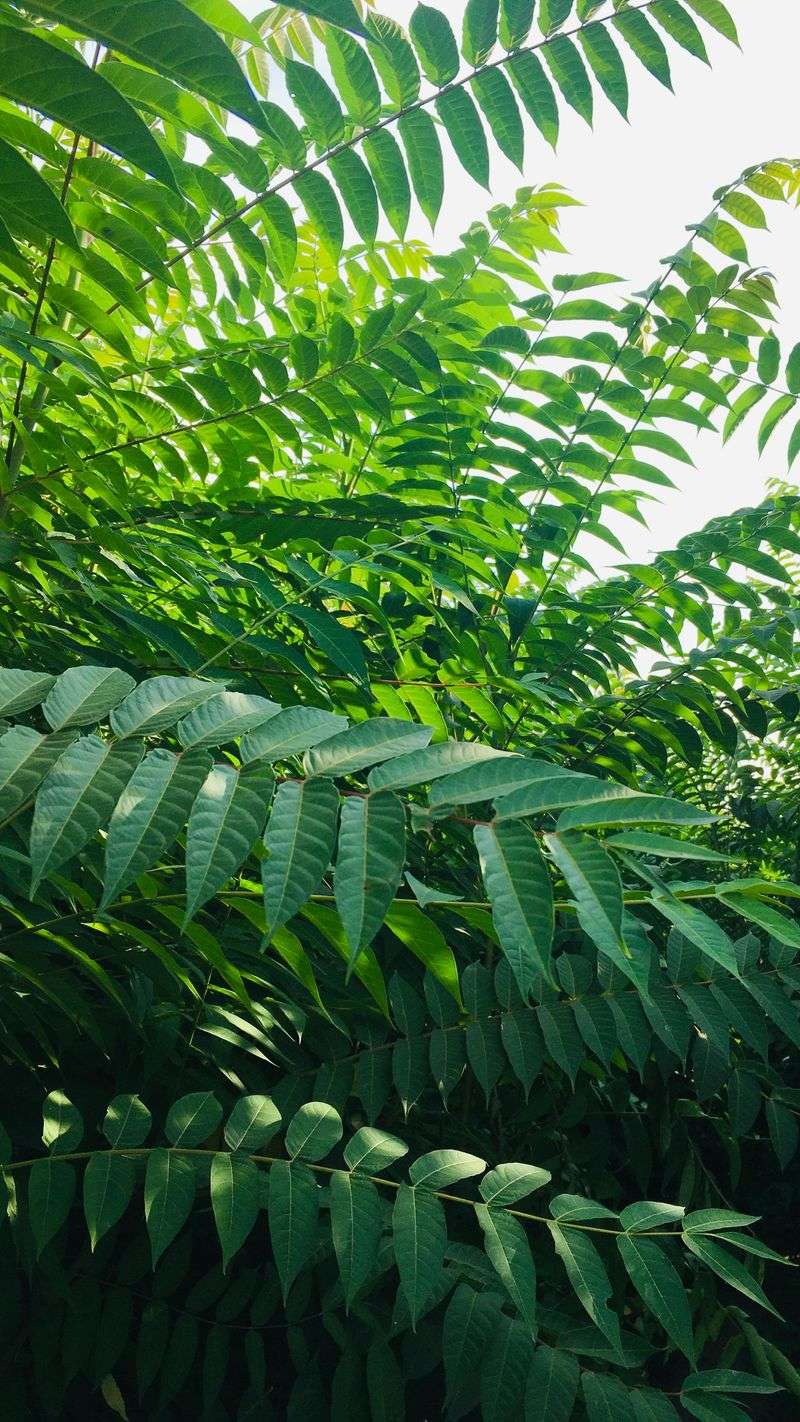
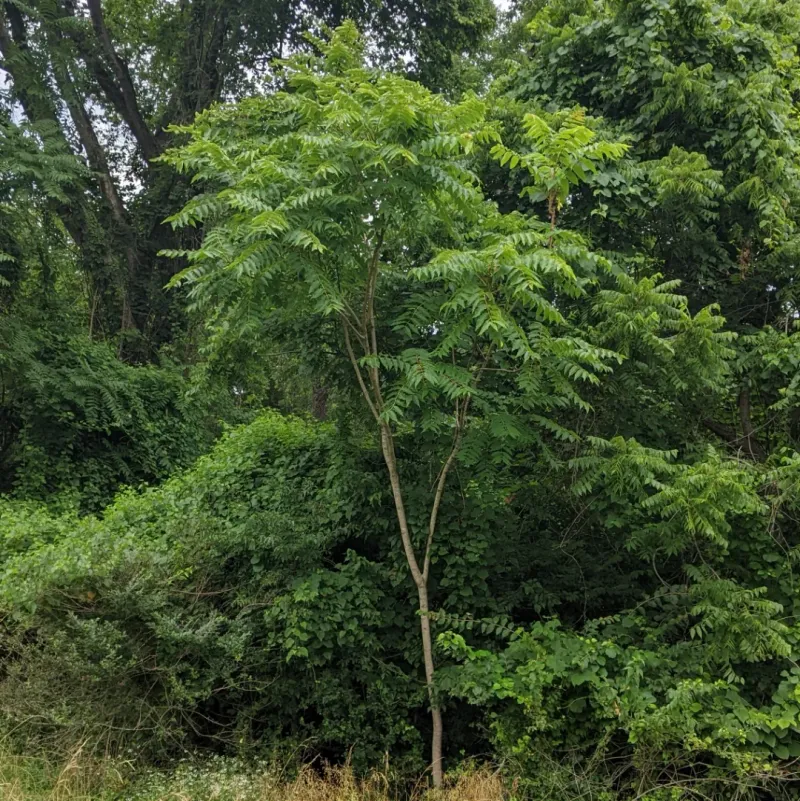
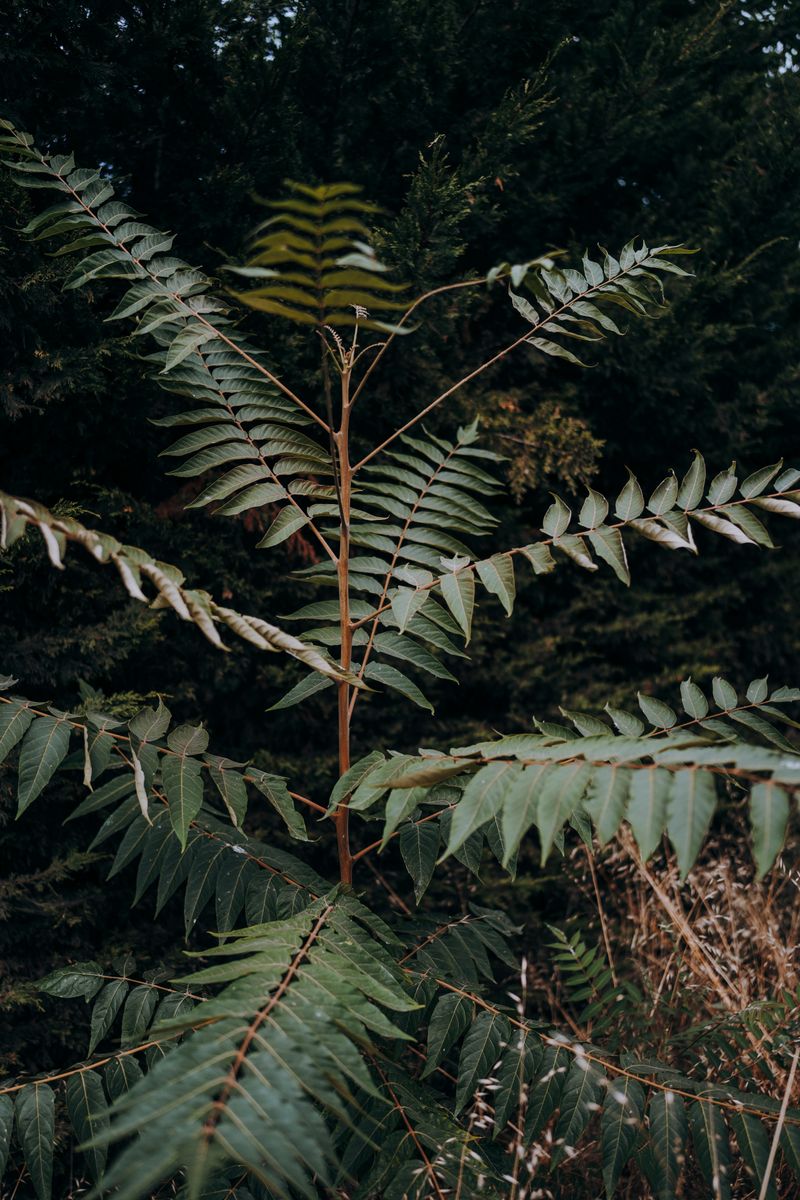
Few trees grow as outrageously fast as the Tree of Heaven. A young sapling can grow 3 to 6 feet per season.
Stump sprouts, which are new growth from a cut tree, can reach 6 to 10 feet in a single growing season.
Within just a few years, you’re looking at a towering presence that can reach 60 to 80 feet tall.
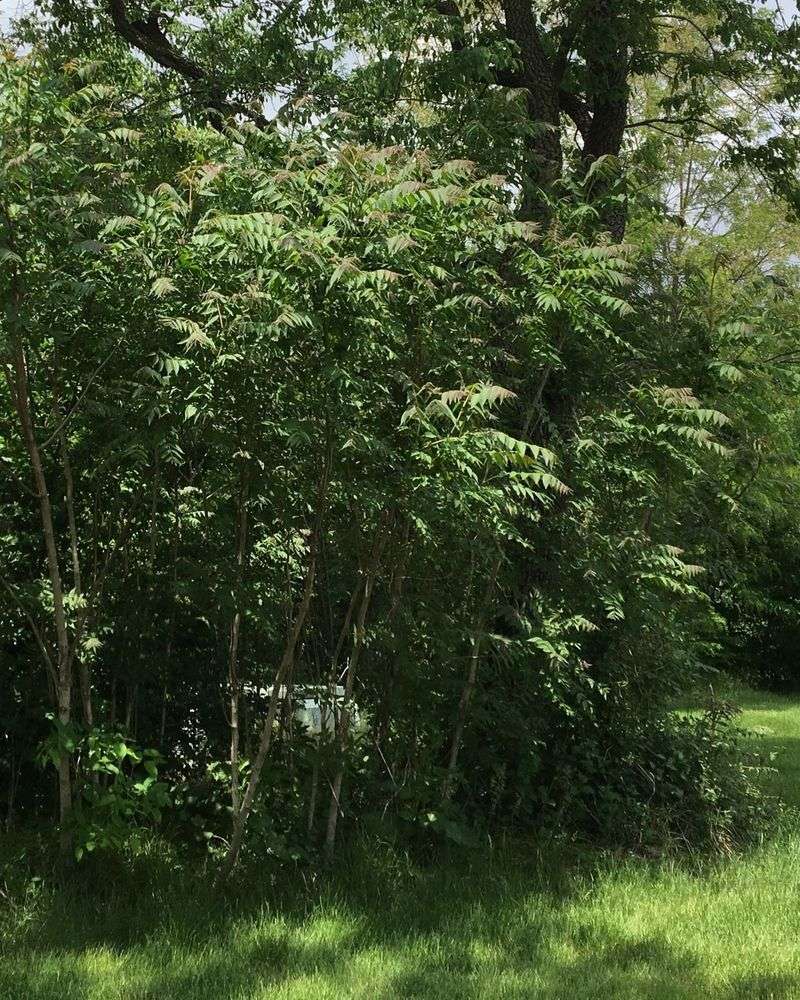
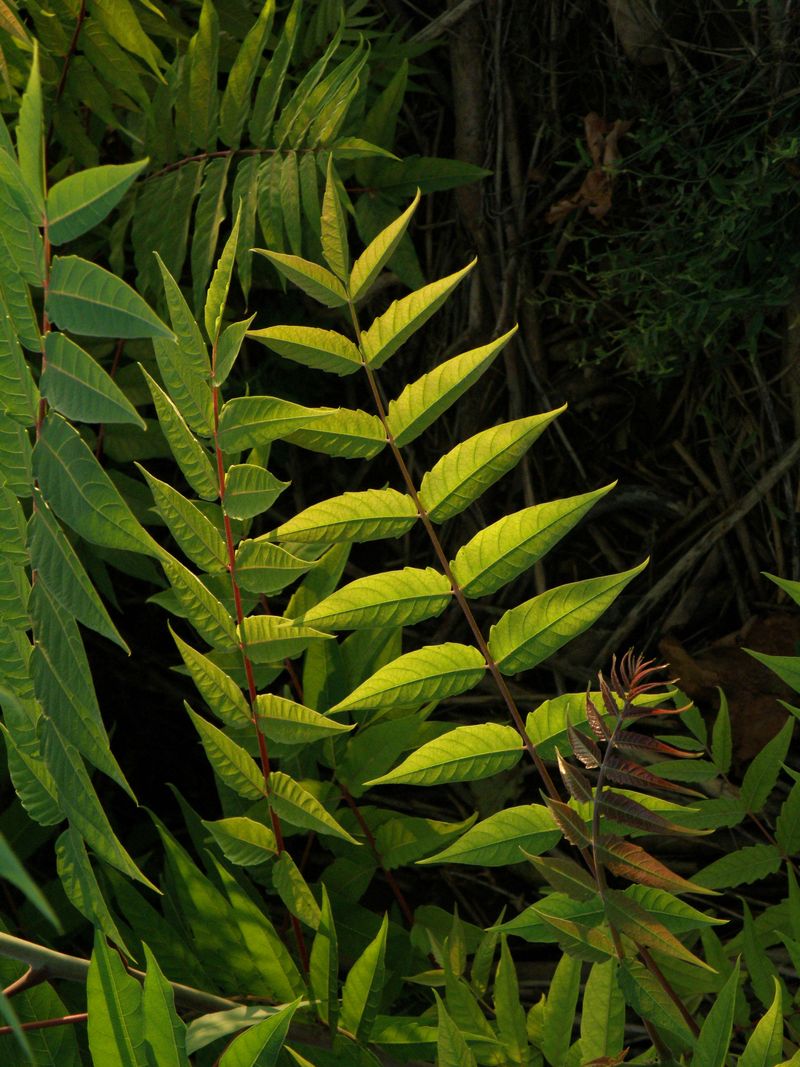
The compound leaves are another jaw-dropper, stretching anywhere from one to four feet long and made up of dozens of leaflets.
From a distance, the tree can look almost tropical, lush, and dramatic. Up close, though, the scale of it is genuinely startling for something that started as a forgotten seedling in the corner of your yard.
That rapid growth is part of what makes it so difficult to manage. By the time most homeowners notice it, the tree has already established a deep root system and significant height.
Cutting it down only triggers aggressive resprouting from the stump and roots. The tree essentially treats removal as a challenge it intends to win.
Your New York Garden Changes Every Week. Your Plan Should Too.
Gardening in New York changes quickly throughout the season. Every Friday you’ll receive a simple weekly plan showing exactly what to plant, prune, fertilize, harvest, and protect so you never miss the right timing.
Understanding its size potential is the first step toward tackling it before it reaches full, yard-dominating maturity.
That Unpleasant Smell Is Your First Warning Sign
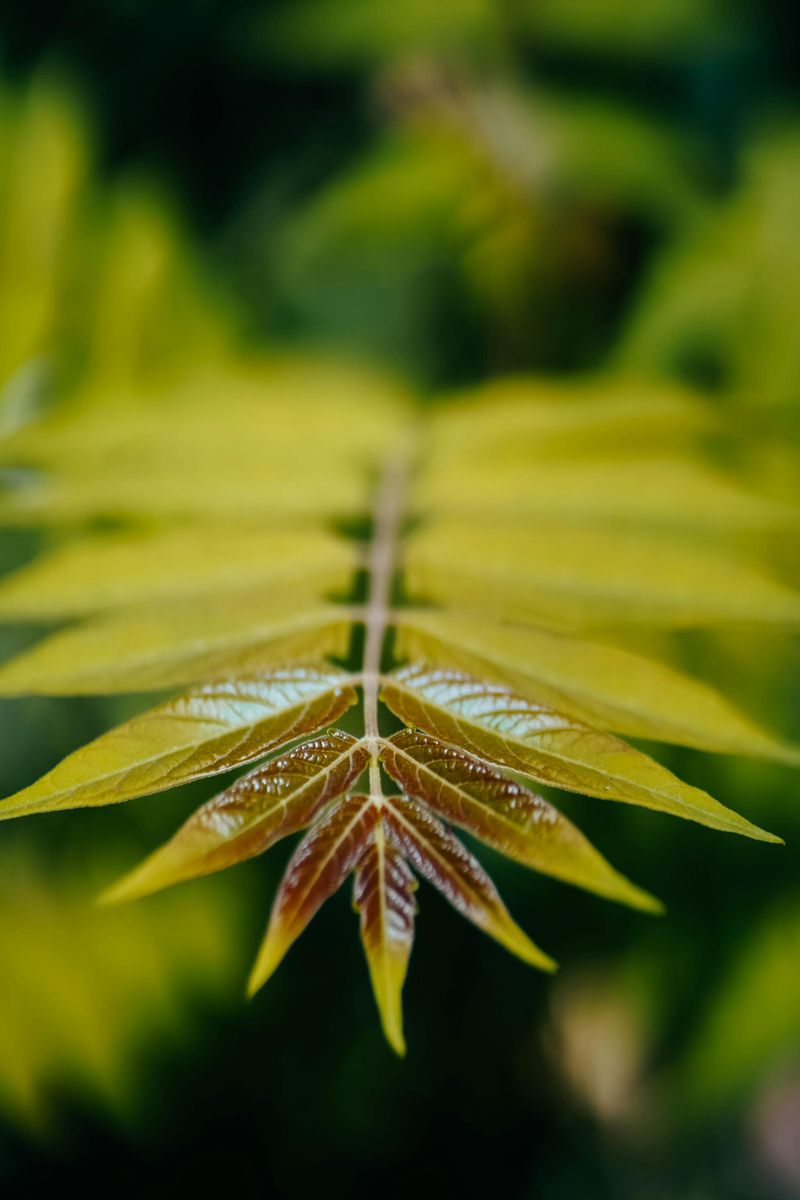
Crush a leaf from the Tree of Heaven and you’ll know immediately something is off.The smell has been described as burnt peanut butter, rancid cashews, and gym socks left in a hot car.
It’s one of the most reliable ways to identify this tree without any special tools. The odor comes from compounds in the leaves, bark, and stems that the plant produces naturally.
Even brushing against a branch on a warm day can release a faint but unmistakable whiff. Gardeners who have accidentally pruned one often say the smell lingers on their gloves and clothes for hours.
That pungent quality isn’t just unpleasant, it’s actually a clue about the tree’s chemistry.The same compounds responsible for the odor are also connected to its toxic properties and its ability to suppress other plants.
Nature packed a lot of aggression into that smell.If you’re trying to identify a suspicious tree in your yard, give a small leaf a gentle crush between your fingers.
That odor test alone can save you a lot of guesswork, and possibly a lot of expensive landscaping headaches down the road.
Every Part Of This Plant Is Toxic
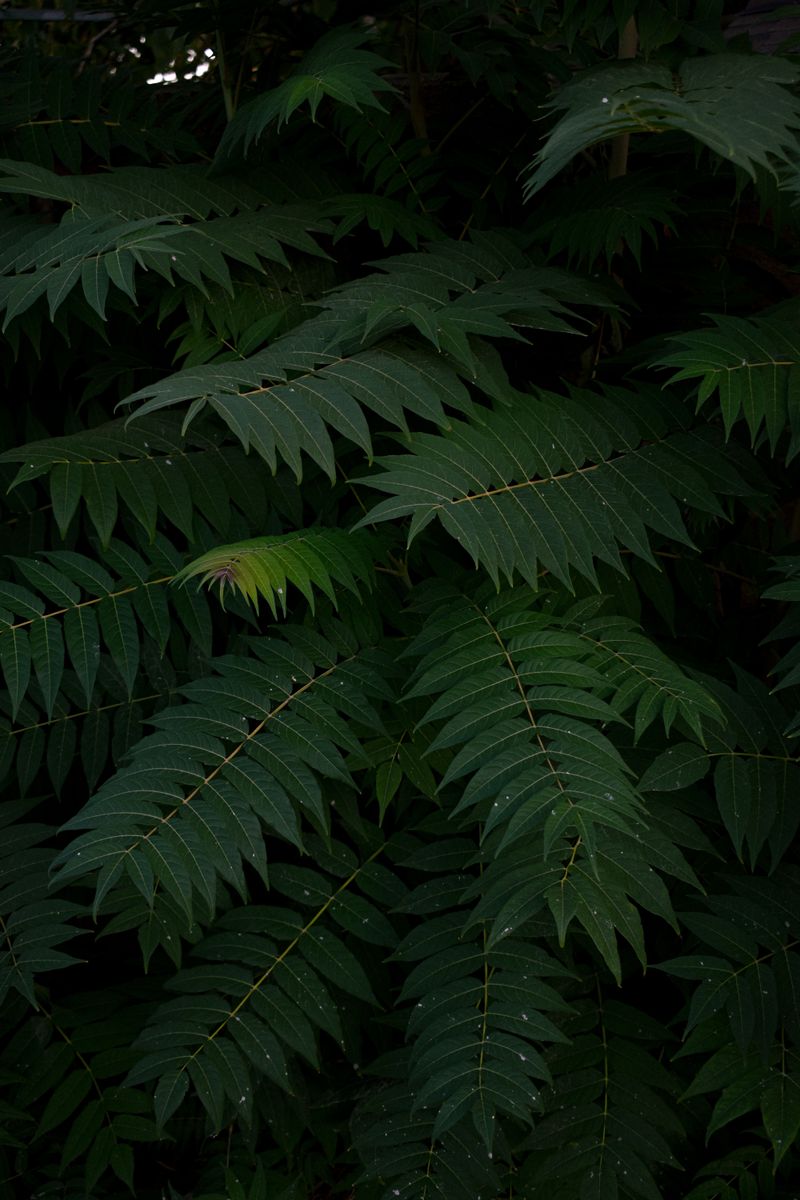
Few people think twice about the trees in their backyard. But the Tree of Heaven is different, with every part of it containing compounds that can cause irritation or harm.
This isn’t just a minor irritant. Exposure can trigger real health effects in both humans and animals, from skin rashes and allergic reactions to more serious internal symptoms.
The primary culprits are a group of compounds called quassinoids, which interfere with normal cell function.
Ingesting any part of the plant can lead to nausea, headaches, and in more serious cases, heart-related symptoms.
Children and pets who spend time near the tree are at particular risk if they handle or mouth plant material.
Gardeners who handle the tree without gloves often report skin irritation and rashes after contact.
The sap especially can trigger reactions in people with sensitive skin. Wearing long sleeves and protective gloves when working around this tree isn’t overcaution, it’s common sense.
Many homeowners are shocked to learn that a tree growing peacefully in their yard carries these kinds of risks.
The Tree of Heaven looks harmless, but its chemistry tells a very different story that every property owner deserves to know.
Wear Gloves And Avoid Sap Contact
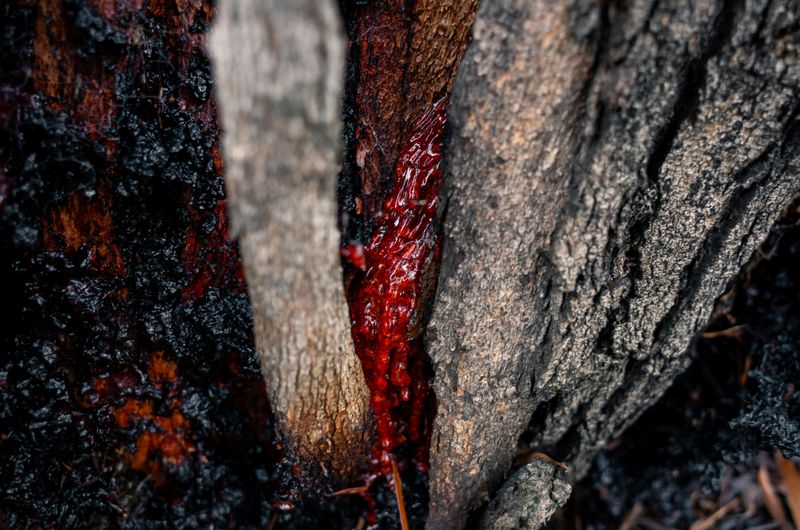
Of all the dangers packed into this tree, one stands out as especially alarming: its sap and bark have been linked to cardiac arrhythmias.
That means irregular heartbeats, a condition that can range from mildly uncomfortable to genuinely dangerous.
This isn’t folklore. At least one documented case exists, published in the Annals of Internal Medicine, linking handling of this tree to myocarditis.
The compounds responsible are found in high concentrations in the inner bark and the milky sap that seeps out when a branch or trunk is cut. Doctors and toxicologists have flagged Ailanthus as a tree that demands serious respect during removal.
Skin contact with the sap can also cause contact dermatitis, producing red, itchy, and sometimes blistering rashes.
The reaction can appear hours after exposure, which makes it easy to underestimate at first.
If you’re planning to remove this tree yourself, full protective gear is non-negotiable. Better yet, consult a professional arborist who knows how to handle Ailanthus safely.
The heart-related risks alone make this far more than a typical landscaping job.
Underground Chemical Suppression Of Native Plants
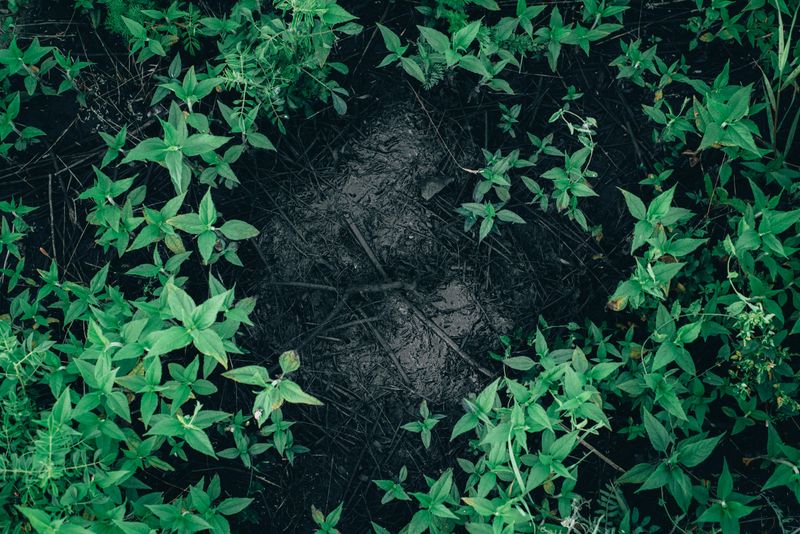
Beneath your lawn, a chemical battle may already be underway. The Tree of Heaven releases toxic substances from its roots into the surrounding soil, a process called allelopathy.
These chemicals are specifically designed by nature to suppress the growth of competing plants, and they work devastatingly well.
Native wildflowers, garden vegetables, shrubs, and even established trees can struggle or fail to thrive in soil that has been chemically altered by Ailanthus roots.
Gardeners often notice mysterious plant failures near these trees and spend money on fertilizers and amendments that never seem to fix the problem.
The real issue isn’t the soil quality. It’s the invisible chemical siege happening underground. Research has identified ailanthone as the primary compound responsible for this suppression.
It disrupts seed germination and root development in a wide range of plant species. Even after an Ailanthus tree is removed, ailanthone can persist in the soil for months, continuing to affect what you try to plant in its place.
This underground legacy is one reason why restoring a yard after Tree of Heaven removal takes patience, amended soil, and sometimes a full season before native plants regain their footing.
One Tree, 325,000 Seeds Every Single Year
Imagine a mature female tree dropping up to 325,000 seeds into your yard. That is exactly what a mature Tree of Heaven does each year, and it does it with mechanical efficiency.
The seeds are lightweight, winged, and designed to travel far on even a gentle breeze. Each seed is encased in a papery wing called a samara, similar in shape to a maple helicopter but produced in staggering quantities.
A single tree can blanket an entire neighborhood with seeds in late summer and early fall. Those seeds have a germination rate that would make most gardeners jealous, sprouting quickly in almost any soil condition.
This explosive reproductive capacity is a core reason why Ailanthus spreads so relentlessly. You can remove one tree and find a dozen new seedlings popping up the following spring from seeds that drifted in from trees blocks away.
Managing an infestation requires vigilance across multiple growing seasons, not just a single removal effort.
For New York homeowners already dealing with limited yard space, this kind of biological persistence is genuinely exhausting to manage without a clear, committed plan.
The Spotted Lanternfly’s Favorite Host Tree
If you’ve heard of the Spotted Lanternfly, you already know it’s a nightmare for farmers and gardeners across the Northeast.
What you may not know is that the Tree of Heaven is its preferred host plant, the species it gravitates toward above almost all others.
Where Ailanthus grows, Spotted Lanternflies follow. The pest feeds on the sap of the tree in enormous numbers, but the real problem is what happens next.
After feeding on Ailanthus, the insects spread to grapes, apples, hops, peaches, and dozens of other crops and ornamental plants.
A single yard with a mature Tree of Heaven can act as a staging ground for Spotted Lanternfly populations that then radiate outward into the surrounding area.
New York agricultural officials have been fighting this pest aggressively since it arrived in the state.
Removing Tree of Heaven is one of the most effective strategies recommended for reducing Spotted Lanternfly pressure in residential areas.
Keeping the tree around isn’t just a personal yard problem, it becomes a community-wide issue that affects your neighbors’ gardens and local farms.
That connection between one backyard tree and a regional pest crisis is something every homeowner should take seriously.
Roots That Crack Concrete And Damage Pipes

Concrete is no match for the Tree of Heaven’s root system. These roots grow aggressively outward and downward, seeking moisture wherever they can find it, including inside your water and sewer lines.
Homeowners across New York have faced significant repair bills traced back to a single Ailanthus tree growing too close to their home
The roots follow the path of least resistance, and old clay or PVC pipes offer very little resistance at all.
Once a root finds a small crack or joint, it grows into it, expanding over time until the pipe collapses or becomes completely blocked.
Foundation walls experience similar pressure, with roots exploiting any existing weakness and widening it season after season.
Sidewalks, driveways, and patio pavers are also common casualties. The lifting and cracking you see at the surface is just the visible portion of a much larger underground problem.
Municipalities in New York have spent significant public funds repairing sidewalks buckled by Ailanthus roots on city property.
For private homeowners, the financial exposure is real and can escalate quickly if the tree is left unchecked near structures. Addressing it early is always less expensive than dealing with the aftermath.
It’s Illegal To Plant Or Sell This Tree In New York
New York State has recognized the Tree of Heaven as an invasive species and encourages residents to limit its spread.
The law reflects just how seriously officials view this species as a threat to native ecosystems, infrastructure, and public health.
The ban was part of a broader effort to address invasive species that cause documented ecological and economic harm.
Nurseries and garden centers are prohibited from carrying it, and property owners who knowingly plant it can face penalties.
Yet despite the law, the tree continues to spread because existing trees produce seeds that travel freely and establish themselves without any human help. Knowing the legal status matters for homeowners in two important ways.
First, if you have one growing on your property, you’re not obligated to remove it under current law, but you are strongly encouraged to do so by state agencies.
Second, if you’re buying a new property and spot one during inspection, you now understand the full scope of what you’re inheriting.
The Tree of Heaven may be growing wild and free, but in New York, it has officially worn out its welcome, and the state has the paperwork to prove it.
How To Actually Get Rid Of The Tree Of Heaven
Removing the Tree of Heaven is not as simple as cutting it down and calling it a day. Cutting it down without treatment almost guarantees a worse outcome.
The stump and roots will resprout aggressively, sending up multiple new shoots for every stem removed.
Successful removal means cutting the tree and immediately treating the fresh stump with an appropriate herbicide.
Timing matters, and the treatment must happen within minutes of the cut to be absorbed before the plant seals off the wound.
For smaller saplings under two inches in diameter, careful hand-pulling when the soil is moist can remove enough of the root to prevent regrowth.
Monitoring the area for new sprouts over the following two to three growing seasons is non-negotiable.
Seedlings from neighboring trees can establish quickly, so consistent scouting keeps the problem from returning.
Hiring a certified arborist familiar with invasive species management is a smart investment, especially for large or established trees.
With patience and the right strategy, reclaiming your yard from the Tree of Heaven is absolutely achievable, and your native plants will thank you for it.