The Yard Mistakes Making Powdery Mildew Worse On Michigan Plants This Season
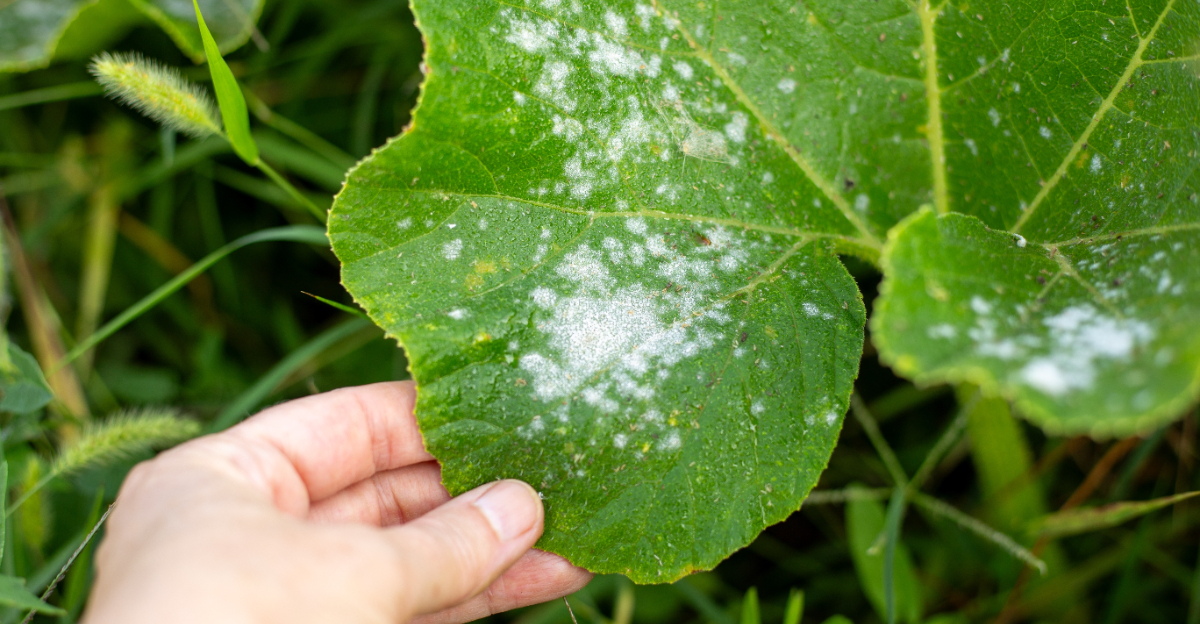
That white chalky coating showing up on your plant leaves isn’t doing anything subtle.
Powdery mildew announces itself clearly, spreading across foliage in a way that looks bad and affects the plant’s ability to function properly through the rest of the season.
Michigan’s humid summers create conditions where it moves fast, but the disease pressure in any given yard isn’t just about the weather.
Certain habits and yard conditions make powdery mildew significantly worse, and some of them are things gardeners do with genuinely good intentions.
Watering practices, plant spacing, pruning choices, and even fertilizer timing all play into how bad an outbreak gets.
Understanding which mistakes are feeding the problem is more useful than reaching for a treatment, because the same conditions that triggered it this season will bring it right back next year if nothing changes.
1. Crowding Plants Too Closely

Picture your plants packed shoulder to shoulder with barely any breathing room between them.
That tight arrangement might look lush and full, but it quietly sets the stage for powdery mildew to take hold fast.
When plants grow too close together, air cannot circulate freely around the foliage, and moisture gets trapped right where fungal spores love to settle.
Powdery mildew thrives in humid, stagnant air, and crowded gardens create exactly that environment.
Even on dry Michigan summer days, the humidity between densely packed leaves stays high enough to encourage fungal growth.
Sunlight also struggles to reach inner leaves when plants overlap, keeping those shaded areas damp for longer stretches of the day.
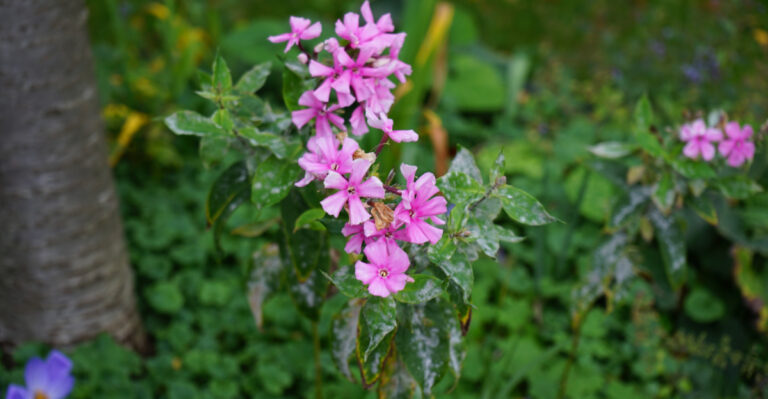
Proper spacing makes a bigger difference than most gardeners expect. Squash and pumpkins need at least 3 to 4 feet between plants, while bee balm and phlox benefit from 18 to 24 inches of open space.
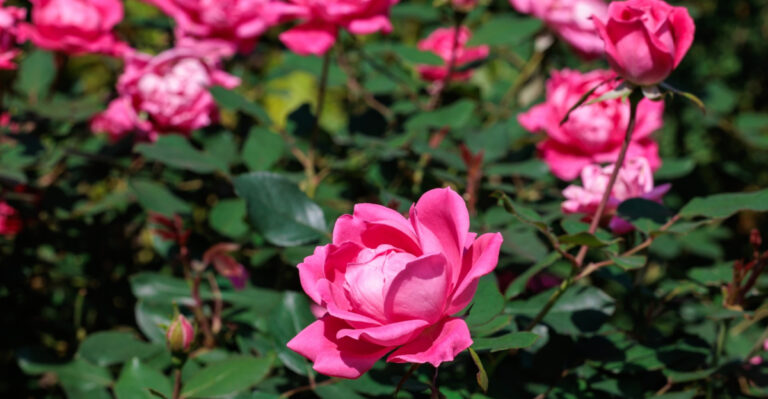
Roses do best with 2 to 3 feet between each plant to stay healthy. When you give each plant enough personal space, air moves through freely, leaves dry faster after rain or dew, and fungal spores have a much harder time gaining a foothold.
Rethinking your garden layout before planting each season is one of the simplest and most effective steps you can take against powdery mildew.
2. Overhead Watering Late In The Day
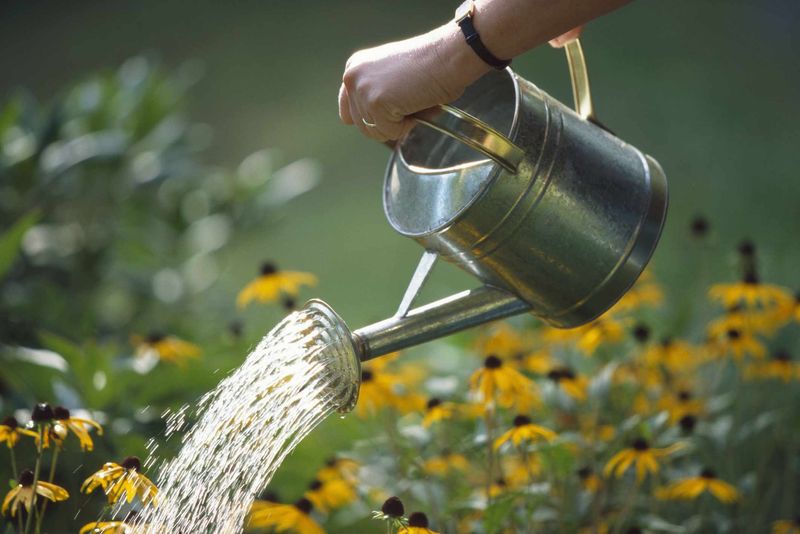
Grabbing the hose after dinner might feel convenient, but watering overhead in the evening is one of the fastest ways to make powdery mildew worse in your Michigan yard.
When water lands on leaves late in the afternoon or evening, it stays there.
Cooler overnight temperatures slow evaporation, and wet foliage through the night is practically an open invitation for fungal spores to germinate and spread.
Powdery mildew spores are always floating around in the air, just waiting for the right conditions.
Wet leaves sitting in cool, still nighttime air give those spores the moisture they need to take hold.
Even plants that are not already infected can pick up new spores when their leaves stay damp for hours on end.
Switching your watering routine to early morning makes a real difference.
Morning watering gives leaves time to dry out as temperatures rise and the sun gets to work throughout the day.
Your Michigan Garden Changes Every Week. Your Plan Should Too.
Gardening in Michigan changes quickly throughout the season. Every Friday you’ll receive a simple weekly plan showing exactly what to plant, prune, fertilize, harvest, and protect so you never miss the right timing.
If your schedule makes morning watering tough, drip irrigation is an excellent alternative because it delivers water directly to the soil around the roots and keeps foliage completely dry.
Soaker hoses are affordable and easy to set up in most Michigan garden beds. Keeping leaves as dry as possible is one of the most straightforward and effective strategies for reducing powdery mildew pressure all season long.
3. Ignoring Pruning Of Dense Foliage
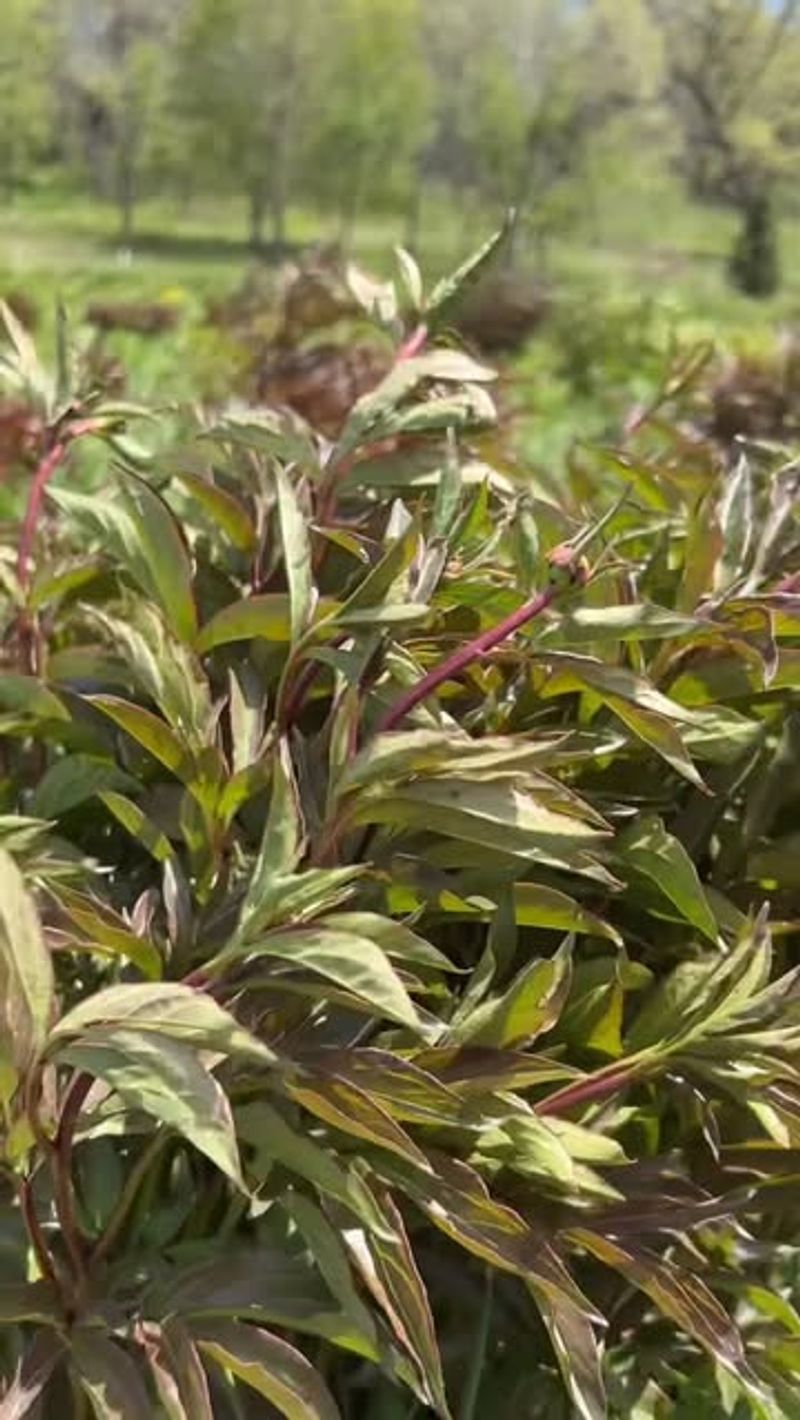
Overgrown plants might look impressive, but all that thick, tangled growth creates hidden trouble.
Dense foliage blocks sunlight from reaching inner branches and keeps air from moving through the plant, creating warm, humid pockets where powdery mildew spores settle in and multiply without much resistance.
Skipping pruning is a mistake that compounds itself over time. Regular pruning does more than shape a plant.
It opens up the canopy so sunlight can reach lower leaves, speeds up drying after rain or morning dew, and reduces the number of crowded surfaces where moisture lingers.
Plants like lilacs, roses, and garden phlox are especially prone to powdery mildew when they go unpruned and develop thick interior growth that rarely sees direct sun or airflow.
For most Michigan shrubs and perennials, a good pruning in early spring before new growth flushes out is a smart starting point.
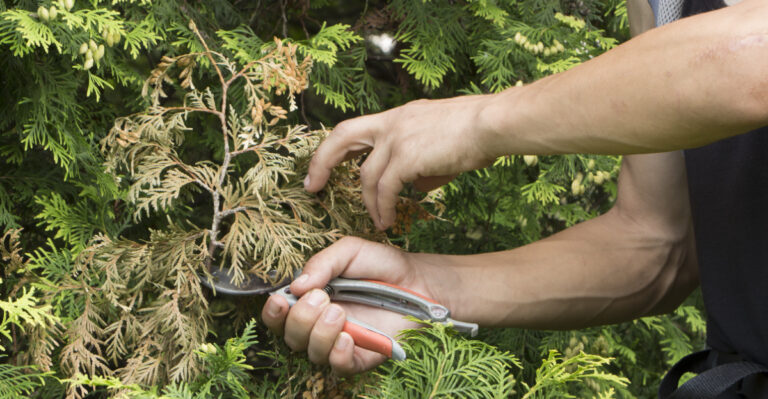
During the growing season, removing crossing branches, old woody stems, and any growth that seems to block the center of the plant keeps things open and healthy.
Always use clean, sharp pruners and wipe the blades with rubbing alcohol between cuts if you spot any infected tissue. Pruned clippings should go straight into a bag for disposal rather than left on the ground.
Consistent pruning throughout the season keeps plants looking great and significantly reduces conditions that favor powdery mildew.
4. Leaving Diseased Leaves On Plants
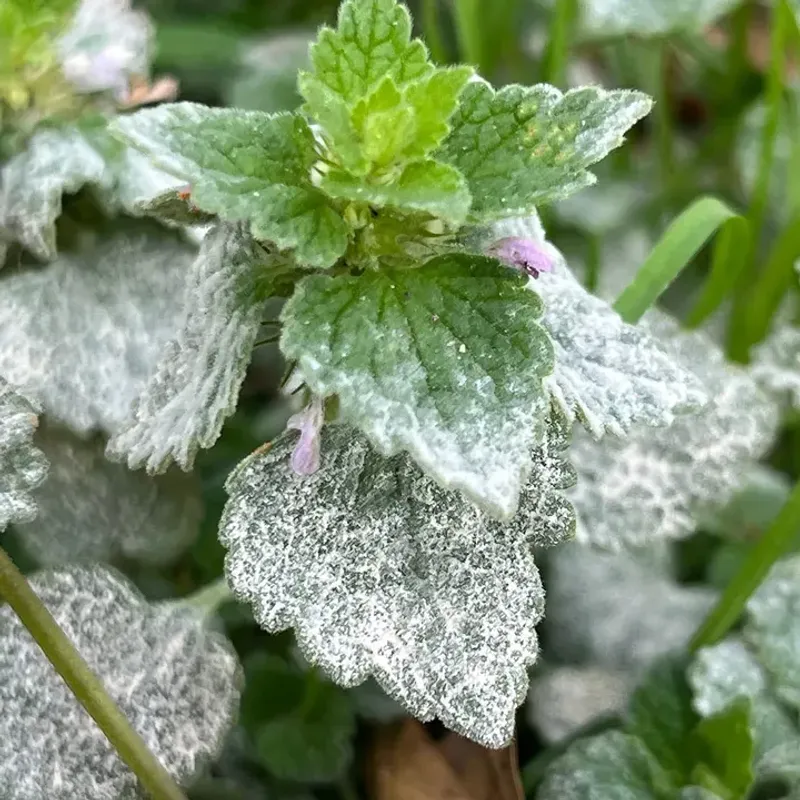
Spotting a few white-dusted leaves and deciding to deal with them later is a habit that can turn a minor problem into a full-blown outbreak.
Powdery mildew produces millions of lightweight spores on infected leaves, and every breeze or light touch sends those spores drifting onto healthy plants nearby.
Letting infected foliage stay on the plant essentially keeps the fungal factory running at full speed.
Removing affected leaves as soon as you notice them is one of the most effective ways to slow the spread of powdery mildew. You do not need special equipment or chemicals to do it.
Simply pinch or snip off the visibly infected leaves, being careful not to shake them and release a cloud of spores in the process.
Drop them directly into a sealed bag rather than adding them to your compost pile.
Composting infected plant material is a common mistake because home compost piles rarely reach temperatures high enough to fully break down fungal spores.
Those spores can survive and re-enter your garden when you spread finished compost the following season.
After removing diseased leaves, wash your hands thoroughly and wipe down any tools you used.
Keeping a close eye on susceptible plants like squash, cucumbers, and bee balm through the growing season makes it much easier to catch infections early and remove affected tissue before the fungus gets a chance to spread widely.
5. Using Nitrogen-Rich Fertilizer Excessively
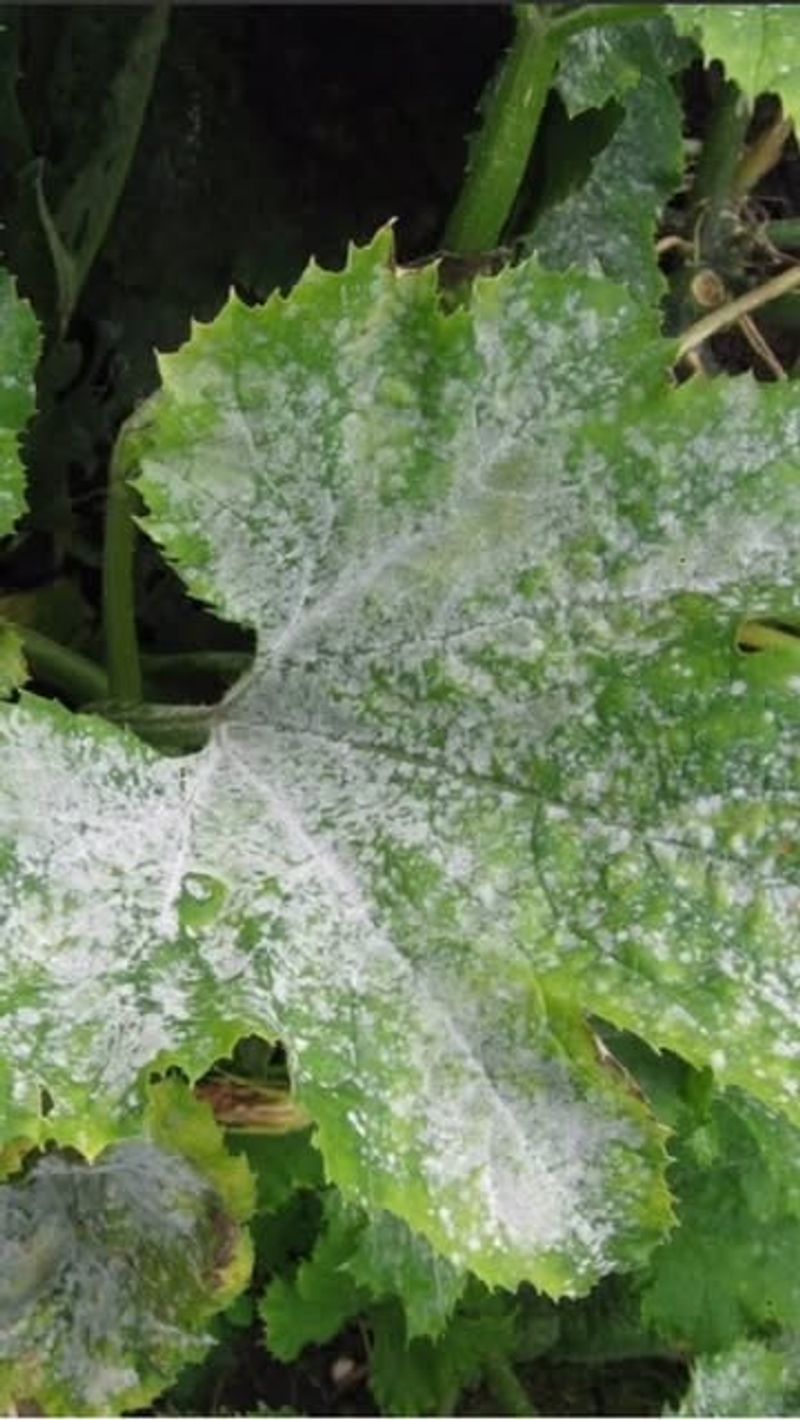
There is something satisfying about watching your garden explode with rich green growth after a good fertilizer application.
But when that growth comes from too much nitrogen, it often does more harm than good.
Excess nitrogen pushes plants to produce large amounts of soft, tender new tissue, and that succulent young growth is exactly what powdery mildew prefers to colonize first.
Soft new leaves have thinner cell walls and less structural resistance compared to mature foliage, making them far easier for fungal spores to penetrate.
Michigan gardeners who apply high-nitrogen fertilizers repeatedly through the summer often notice powdery mildew flaring up on all that lush new growth by midsummer.
The problem is especially noticeable on vegetables like squash and cucumbers, as well as ornamentals like roses and zucchini.
A balanced fertilizer with roughly equal amounts of nitrogen, phosphorus, and potassium supports steady, healthy growth without triggering that burst of weak new tissue.
Look for products labeled 10-10-10 or similar balanced ratios. Slow-release granular fertilizers are a great option because they feed plants gradually rather than all at once.
Soil testing through Michigan State University Extension is a worthwhile step that tells you exactly what your soil needs, so you are not guessing or over-applying.
Feeding your plants what they actually need, rather than what makes them grow fastest, builds stronger tissue that stands up far better against powdery mildew pressure.
6. Planting In Shady, Humid Spots
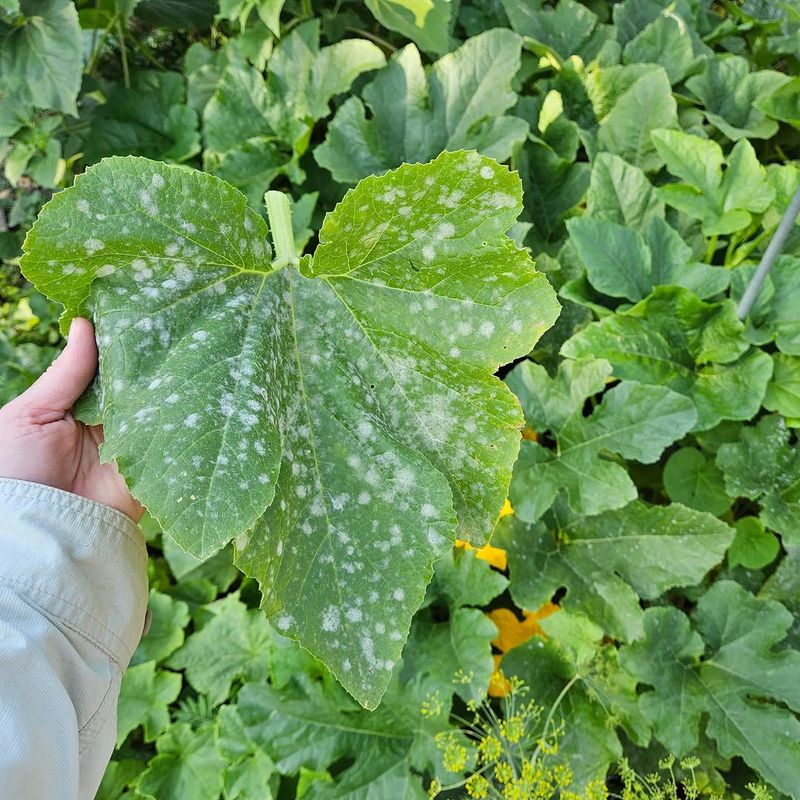
Not every corner of a Michigan yard is created equal when it comes to plant health.
Those cool, shady spots under trees or along north-facing fences might look like peaceful planting opportunities, but they often trap moisture and limit the drying effect of sunlight and airflow.
Powdery mildew genuinely loves these conditions and spreads aggressively in them. Shade reduces the rate at which leaves and soil surfaces dry out after rain or morning dew.
Combined with the naturally higher humidity that tends to settle in low-lying or sheltered spots, these areas stay damp far longer than open, sunny garden beds.
Many Michigan gardeners plant susceptible species like squash, zucchini, bee balm, or garden phlox in shady spots to give them a break from summer heat, not realizing they are actually increasing disease risk significantly.
When choosing planting locations, aim for spots that receive at least six hours of direct sunlight daily.
Good sun exposure keeps foliage dry, warms the soil, and allows natural airflow to move through the plant canopy.
If your yard has limited sunny space, choose plants that are genuinely shade-tolerant and also have strong resistance to powdery mildew, such as astilbe or hostas.
Raised beds in sunnier areas can also solve the problem by improving drainage and air circulation simultaneously.
Making thoughtful site selections before planting is far easier than fighting a persistent fungal problem all season long.
7. Failing To Rotate Crops And Plant Varieties
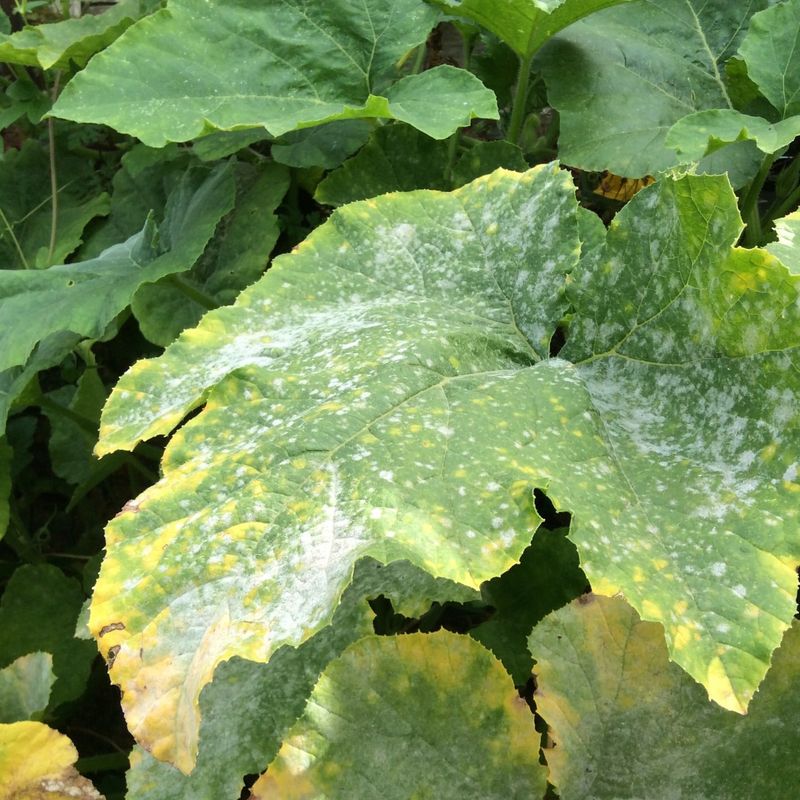
Growing the same plants in the same spot year after year feels like a natural routine, especially when a particular corner of the garden seems to suit a specific crop well.
But that repetition quietly builds up disease pressure in the soil and on surrounding surfaces.
Powdery mildew spores and other fungal pathogens can overwinter in plant debris and soil, ready to reinfect the same susceptible plants the moment they emerge the following spring. Crop rotation breaks that cycle.
Moving squash, cucumbers, melons, and other mildew-prone vegetables to a different area of the garden each season reduces the concentration of lingering spores in any one location.
A simple three-year rotation plan works well for most Michigan vegetable gardens. Group plants by family and move each family to a new bed each year, returning them to the original spot only after two seasons have passed.
Choosing resistant plant varieties is another powerful strategy that works alongside rotation.
Many seed catalogs and Michigan garden centers now carry squash, cucumber, and phlox varieties specifically bred for improved powdery mildew resistance.
Look for labels that note PMR, which stands for powdery mildew resistant, when shopping for seeds or transplants.
Combining rotation with resistant varieties creates a strong two-layer defense that dramatically reduces how often and how severely powdery mildew shows up in your garden from one season to the next.
8. Neglecting Mulch Maintenance

Mulch is one of the best tools a Michigan gardener has, but only when it is applied and maintained correctly.
Old mulch that has been sitting in place for more than a season tends to compact, hold excess moisture, and develop its own fungal activity right at the base of your plants.
When that soggy layer sits against plant crowns and lower stems, it creates a humid microclimate that encourages powdery mildew and other fungal issues to take hold.
Depth matters more than most gardeners realize. A mulch layer deeper than three inches can trap too much moisture and prevent the soil surface from drying out properly between rain events.
Piling mulch directly against plant stems, a habit sometimes called volcano mulching, keeps those stems constantly damp and weakens the plant’s natural defenses over time.
Refreshing your mulch at the start of each season is a straightforward fix.
Pull back old material, let the soil breathe for a day or two, and then apply a fresh two to three inch layer of shredded wood chips, straw, or shredded leaves.
Keep mulch pulled back at least two inches from the base of each plant to allow airflow around the crown.
Well-maintained mulch still offers all its usual benefits, including moisture retention, weed suppression, and temperature regulation.
Without creating the damp, fungus-friendly environment that neglected mulch tends to produce through a long Michigan growing season.
9. Ignoring Early Signs And Prompt Treatment
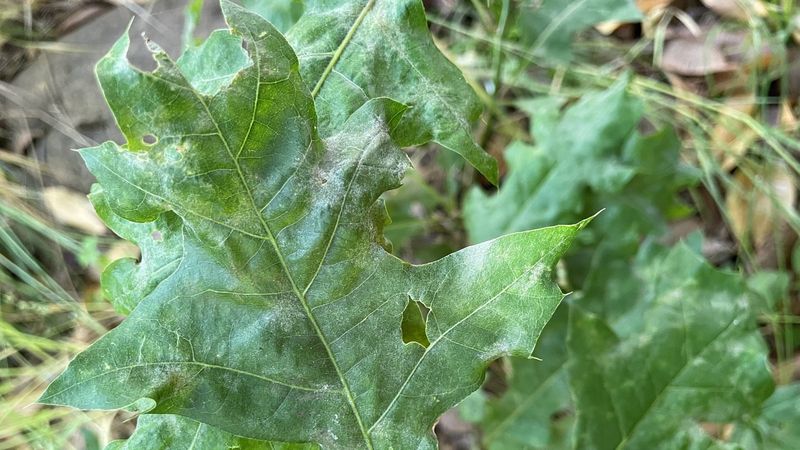
Catching powdery mildew in its earliest stage is genuinely one of the biggest advantages a Michigan gardener can have.
Those first faint white patches on a leaf or two might seem minor, easy to brush off as dust or nothing serious.
But that early stage is actually when intervention works best, before the fungus spreads across the plant and starts releasing spores onto everything nearby.
Building a simple inspection habit into your weekly garden routine pays off enormously.
Walk through your garden every seven to ten days and flip over leaves on plants that are known to be susceptible, including squash, cucumbers, zucchini, roses, bee balm, and garden phlox.
Check both the upper and lower surfaces of leaves, since early mildew often starts on upper surfaces but spreads quickly.
Catching a small patch early means you can remove the affected leaf and monitor the situation before it escalates.
When early treatment is needed, several safe and effective options work well in Michigan gardens.
A baking soda spray made with one tablespoon of baking soda, a few drops of dish soap, and a gallon of water can slow mildew spread on many ornamentals.
Neem oil is another widely used organic option that disrupts fungal growth without harming beneficial insects when applied correctly.
Potassium bicarbonate-based fungicides are also available at garden centers and offer reliable control.
Regular monitoring combined with fast action keeps powdery mildew from becoming the overwhelming seasonal problem that so many Michigan gardeners dread each summer.