These Are The Things Arizona Homeowners Do Right After Monsoon That Make Cockroach Problems Significantly Worse
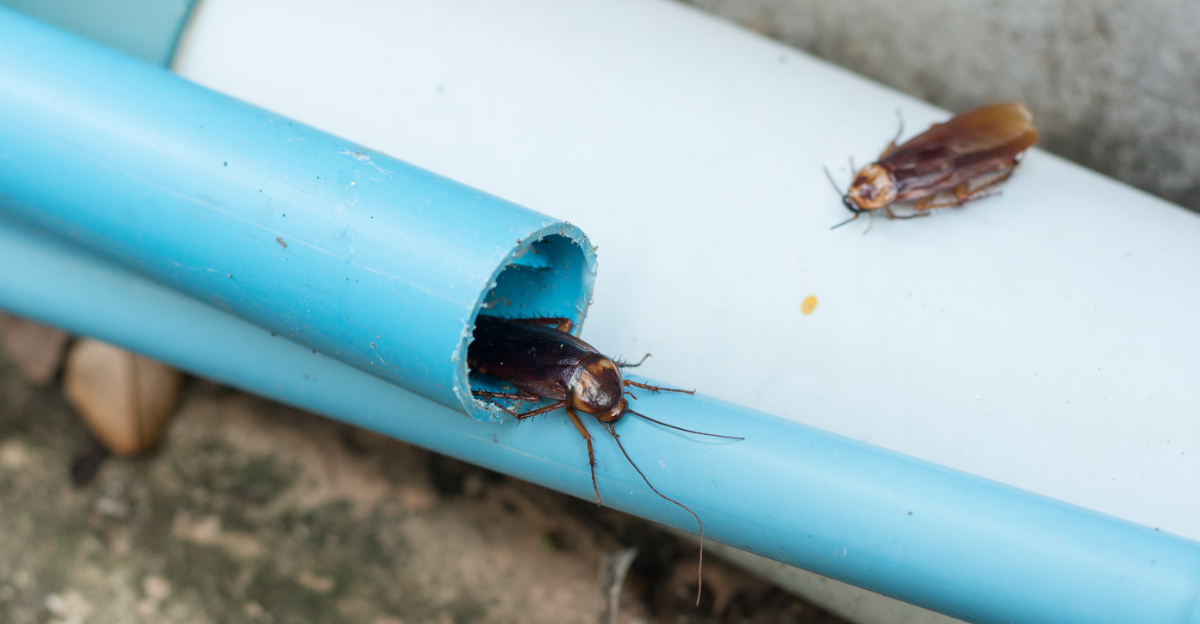
The days after a monsoon storm often feel like a chance to get everything back in order. Yards need attention, outdoor areas need cleaning, and many people head outside to deal with the mess left behind by wind and rain.
What few realize is that some of those routine cleanup habits can create conditions that pests find surprisingly attractive.
Cockroach activity often becomes more noticeable after periods of wet weather, which is why this time of year gets so much attention. Moisture, shelter, and easy access to certain areas can quickly change what is happening around a property.
Small details that seem harmless at first may end up making a bigger difference than expected.
Arizona homeowners are often focused on storm cleanup, but timing and technique matter more than many people realize. A few common post monsoon habits can unintentionally make pest problems much harder to manage in the weeks that follow.
1. Leaving Storm Debris Against Exterior Walls
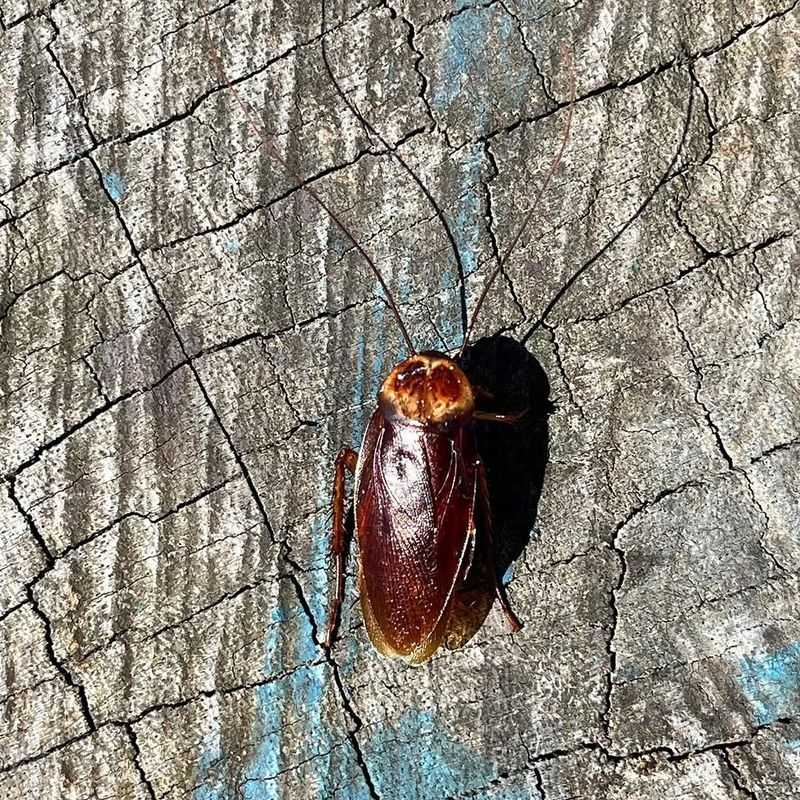
Wet debris pressed against your house is basically a welcome mat for cockroaches. After a monsoon, broken branches, soggy leaves, and windblown trash often pile up right along your foundation.
Most people plan to deal with it later, but cockroaches move faster than your weekend schedule.
That damp layer of debris traps heat and moisture against the wall. Cockroaches are drawn to exactly that combination.
They shelter inside the pile, then work their way into cracks in the stucco or gaps around utility lines.
The fix is straightforward. Clear debris away from your foundation within a few hours of the storm passing.
Bag it up and move it far from the house, not just to the edge of the yard.
Even a foot or two of clearance makes a meaningful difference. Cockroaches prefer tight, moist hiding spots.
Removing that habitat near your entry points cuts off one of their most common pathways indoors. After every storm, make foundation clearance your first cleanup priority, not your last.
Inspect areas around outdoor faucets, irrigation valves, and utility penetrations after cleanup, since moisture often lingers there longer than expected.
Check for gaps or cracks near the foundation while clearing debris, as cockroaches frequently use those openings to move indoors.
Keeping mulch pulled a few inches away from the foundation also helps reduce damp hiding spots that attract pests after storms.
2. Stacking Wet Pots Before They Dry Out
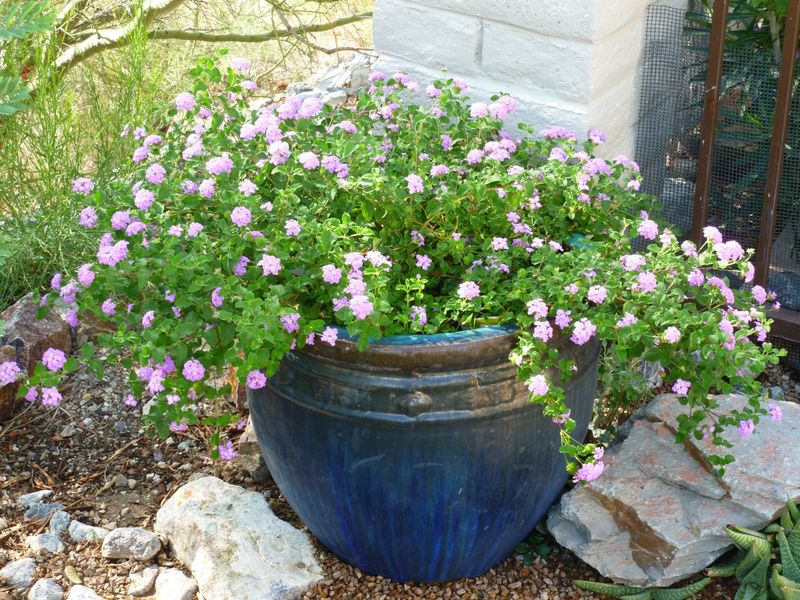
Stacked wet pots create one of the most overlooked cockroach shelters in any backyard. After a monsoon soaks everything, gardeners often gather their pots and stack them quickly to clear space.
That stacked pile stays damp inside for hours, sometimes days.
Cockroaches squeeze into the gaps between pots with ease. The darkness, humidity, and tight fit make it ideal for them to rest and reproduce.
Once they settle in, moving those pots indoors or into a garage brings the problem straight inside your home.
Before stacking, tip each pot upside down and let it drain completely. Wipe the rim and base with a dry cloth if you want to speed things up.
Your Arizona Garden Changes Every Week. Your Plan Should Too.
Gardening in Arizona changes quickly throughout the season. Every Friday you’ll receive a simple weekly plan showing exactly what to plant, prune, fertilize, harvest, and protect so you never miss the right timing.
A few extra minutes outside prevents a much bigger problem later.
If pots must be stored right away, keep them in an open, well-ventilated area rather than a closed bin or corner of the garage. Cockroaches thrive in still, humid spaces.
Airflow disrupts the conditions they need. Wet pot storage is a small habit that consistently creates big pest headaches for homeowners throughout the region.
Avoid leaving saucers nested under stored pots, since trapped water can keep the area damp long after the rain has ended.
It also helps to inspect stacked pots every few days during humid periods so any pest activity can be spotted before it spreads.
3. Ignoring Moisture Trapped Beneath Decorative Rock
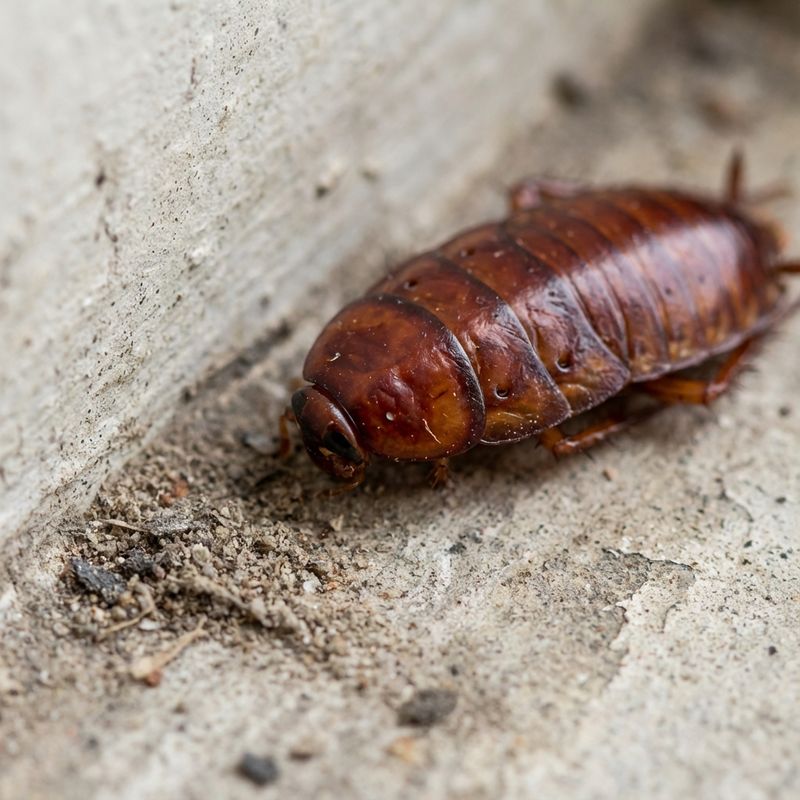
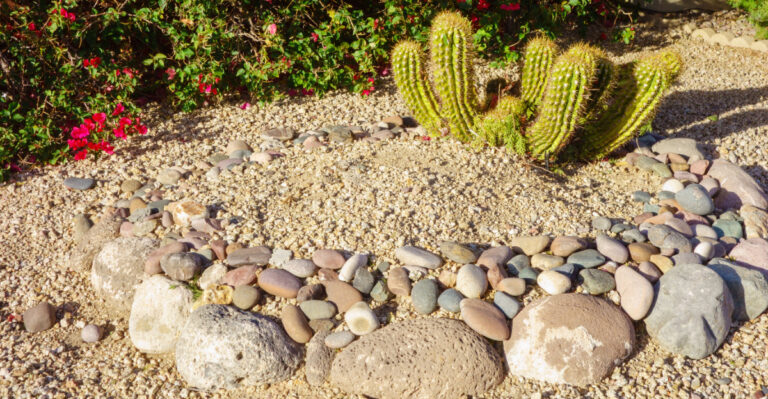
Decorative rock is everywhere in desert landscaping, and it looks great right up until a monsoon turns it into a cockroach habitat. Rain soaks into the ground beneath rock mulch and stays trapped there.
The surface dries fast, but the layer underneath stays wet for a long time.
Cockroaches burrow under that rock to access moisture and shelter. The dark, damp soil beneath is exactly the kind of environment they seek out.
When rock beds sit close to the house, cockroaches have a very short commute to your foundation.
After a storm, rake through decorative rock areas near the house to expose the soil underneath. Letting it breathe speeds up drying significantly.
You do not need to remove the rock, just disrupt the settled layer so trapped moisture can evaporate.
Also check where rock meets your foundation. Gaps between rock and stucco or concrete create ideal entry-level hiding spots.
Seal visible cracks along those edges when dry conditions return. Staying aware of what is happening under your landscaping, not just on top of it, gives you a real advantage in keeping cockroaches from settling in close to your home.
A thin layer of accumulated leaves or organic debris mixed into decorative rock can make the area even more attractive, so clear that material out after storms whenever possible.
4. Letting Fallen Citrus Sit After Heavy Rain

Rotting citrus on wet ground is one of the fastest ways to attract cockroaches after a monsoon. Citrus trees drop fruit during strong storms, and those fallen pieces absorb rainwater quickly.
Within hours, the combination of sugar, moisture, and organic decay becomes a feeding station.
Cockroaches are opportunistic feeders. Fermented fruit gives off a strong odor that draws them in from a surprising distance.
Once they are feeding in your yard, the path to your house is short.
Pick up fallen fruit the same day as the storm if possible. Do not leave it until garbage day if it is sitting near the house.
Bag it, seal it, and get it into a covered bin away from the structure.
Also rinse the area where fruit fell. Sugar residue soaks into soil and lingers even after the fruit is gone.
A quick rinse with a hose reduces that attractant significantly. Citrus trees are a beloved feature of many desert backyards, but they require active management after every major storm.
Staying on top of fallen fruit is one of the most effective and underrated steps homeowners can take to reduce cockroach pressure around their property.
Regularly harvesting ripe fruit before storms arrive can help prevent large amounts of fallen citrus from accumulating in the first place. It also makes post-storm cleanup much easier.
5. Piling Monsoon Cleanup Waste Near The House
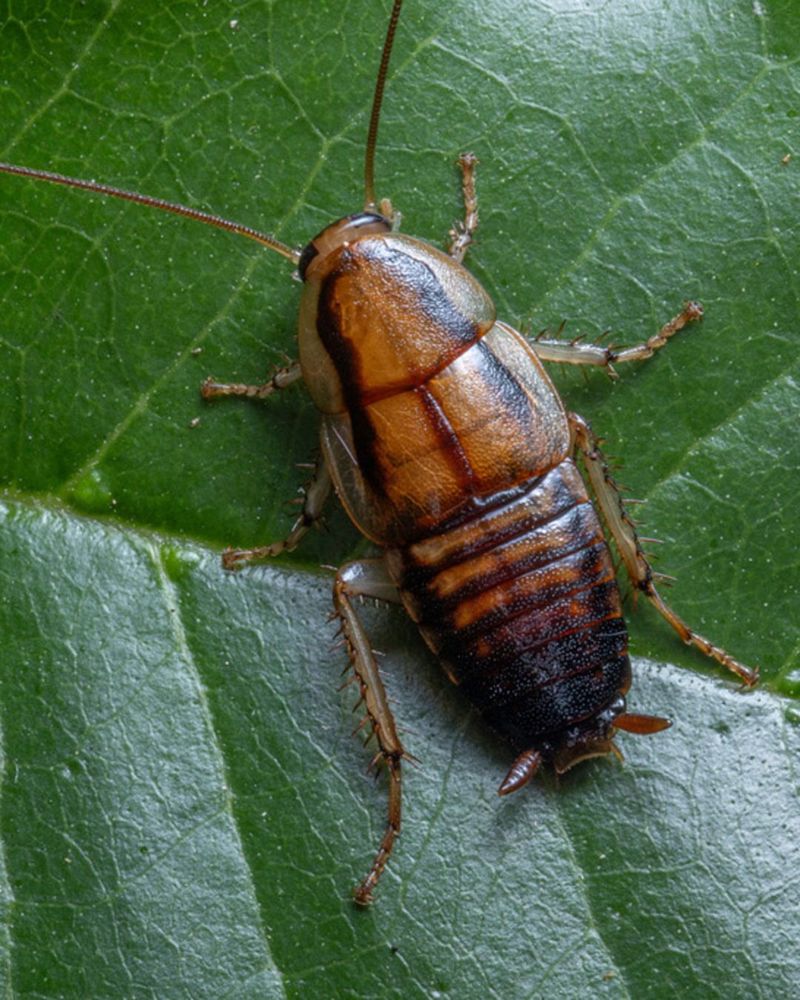
After a monsoon, most homeowners work hard to clean up fast. The problem is where that cleanup pile ends up.
A big mound of wet leaves, branches, and debris sitting five feet from your back door is a cockroach magnet with excellent location.
Decomposing organic material generates heat and holds moisture for days. Cockroaches are drawn to both.
A cleanup pile becomes a temporary colony site, and from there, your house is the logical next destination.
Move waste piles to the curb or a far corner of the property, not the side yard or near a door. Even the back fence line is better than anywhere close to your foundation.
Distance matters more than most people realize.
If bulk pickup is not scheduled for several days, cover the pile loosely with a tarp to reduce the moisture-retention effect. It will not eliminate the problem, but it slows it down.
Also avoid piling yard waste near air conditioning units or water meters where cockroaches commonly gather. Cleanup is necessary, but placement of that cleanup pile is a decision that directly affects pest pressure inside your home.
A little extra effort in hauling debris farther away pays off quickly.
Whenever possible, break large debris piles into smaller loads and remove them before wet material has time to attract pests.
6. Leaving Garage Doors Open During Humid Evenings
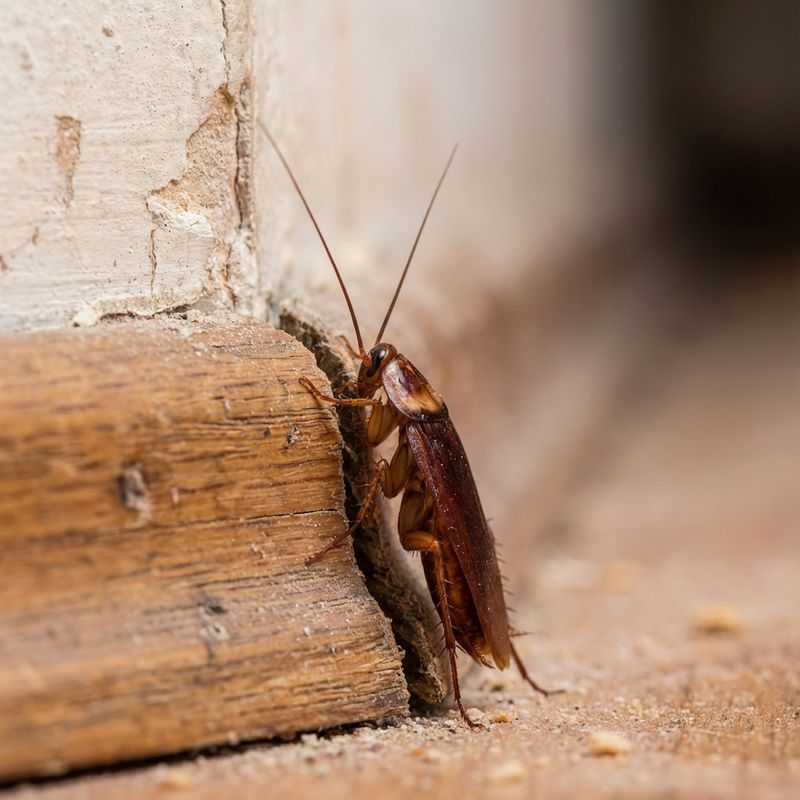
Humid post-monsoon evenings feel nice, but an open garage door during those hours is an open invitation. Cockroaches are most active at night and are strongly attracted to light and warmth.
A lit garage with an open door is visible from a long distance.
Once inside, cockroaches find cardboard boxes, stored food, pet supplies, and clutter to hide in. Garages are rarely sealed as tightly as living spaces, which means a cockroach that enters the garage has a relatively easy path deeper into the home.
Close garage doors before dusk on humid evenings following a storm. If you need ventilation, use a fan inside rather than leaving the door open.
Motion-sensor lighting outside can also reduce the attraction effect near the opening.
Check the bottom seal of your garage door regularly. After monsoon season, those rubber seals can warp or pull away, leaving gaps that cockroaches easily pass through even when the door is down.
Replacing a worn door seal is inexpensive and takes under an hour. Humidity following a monsoon typically lingers for two to three days.
Staying disciplined about the garage during that window reduces your exposure to one of the most common cockroach entry points in residential properties across the region.
Keep clutter off the garage floor whenever possible, since cockroaches are far more likely to stay where hiding spots are readily available.
7. Forgetting To Check Outdoor Storage Bins
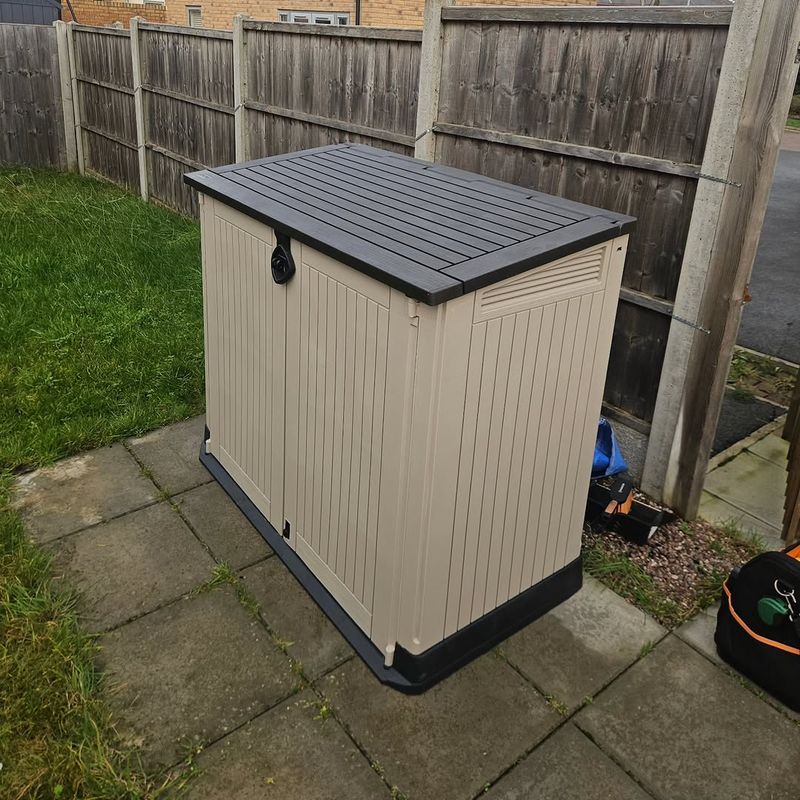
Outdoor storage bins seem harmless, but after a monsoon they become one of the sneakiest cockroach shelters in the yard. Rain pushes water into gaps around lids, seams, and hinges.
Bins that are not fully sealed hold that moisture inside for days.
Cockroaches find their way into bins through surprisingly small openings. Once inside, they have shelter, darkness, and often food sources like stored pool chemicals, pet food, fertilizer bags, or garden supplies.
That combination keeps them there and encourages breeding.
After every major storm, open each outdoor bin and inspect it. Look for moisture, egg casings, or live insects.
Wipe the interior dry if needed and leave the lid off briefly to let it air out before resealing.
Also check the area underneath bins. Flat-bottomed containers sitting on soil or concrete trap moisture below them after rain.
Cockroaches gather under bins just as readily as inside them. Elevating bins slightly on a small rack or pavers allows airflow and reduces that trapped moisture.
It sounds like a small detail, but outdoor storage bins are checked far less often than indoor spaces. In a region where monsoon season brings repeated heavy rains, that lack of attention adds up quickly and creates ongoing pest pressure.
Replacing damaged lids or cracked bins can also help, since even small openings allow moisture and pests to enter more easily after storms.
8. Waiting Too Long To Fix Weather-Stripping
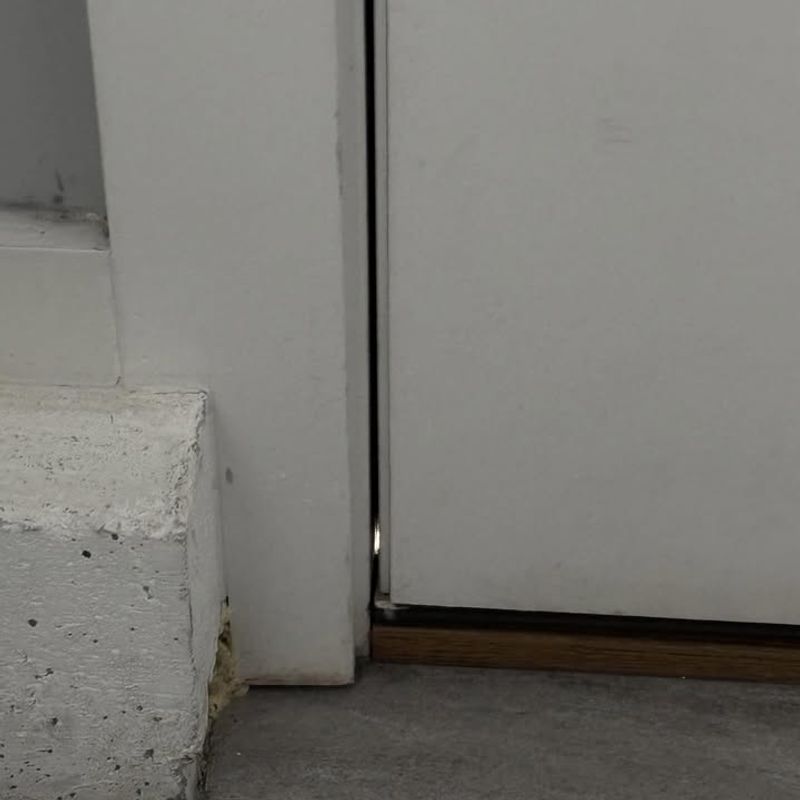
Cracked or missing weather-stripping is one of the most underestimated entry points cockroaches use. After a monsoon, doors and door frames shift slightly due to moisture absorption and temperature changes.
That shift can open up gaps that were not there before the storm.
Cockroaches do not need much space. A gap of just a few millimeters along the bottom of a door is enough for many species common in desert climates.
They move quickly and often enter undetected during the night.
Check every exterior door after a significant storm. Run your hand along the bottom seal and sides.
Feel for airflow or check with a flashlight at night to see if light passes through. Either sign means cockroaches can pass through too.
Replacing weather-stripping is a quick repair. Most hardware stores carry peel-and-stick foam or rubber door seals that take minutes to install.
The cost is minimal compared to dealing with a cockroach problem that spreads room by room. Monsoon season in Arizona puts repeated stress on door seals across multiple storms each summer.
Waiting until the season ends to make repairs means living with compromised entry points for weeks. Checking and replacing seals promptly after each storm keeps your home protected throughout the entire season.
Pay special attention to doors leading from the garage into the house, since those entry points are often overlooked during routine inspections.