The Meaning Behind Seeing A Mourning Dove In Your Pennsylvania Yard
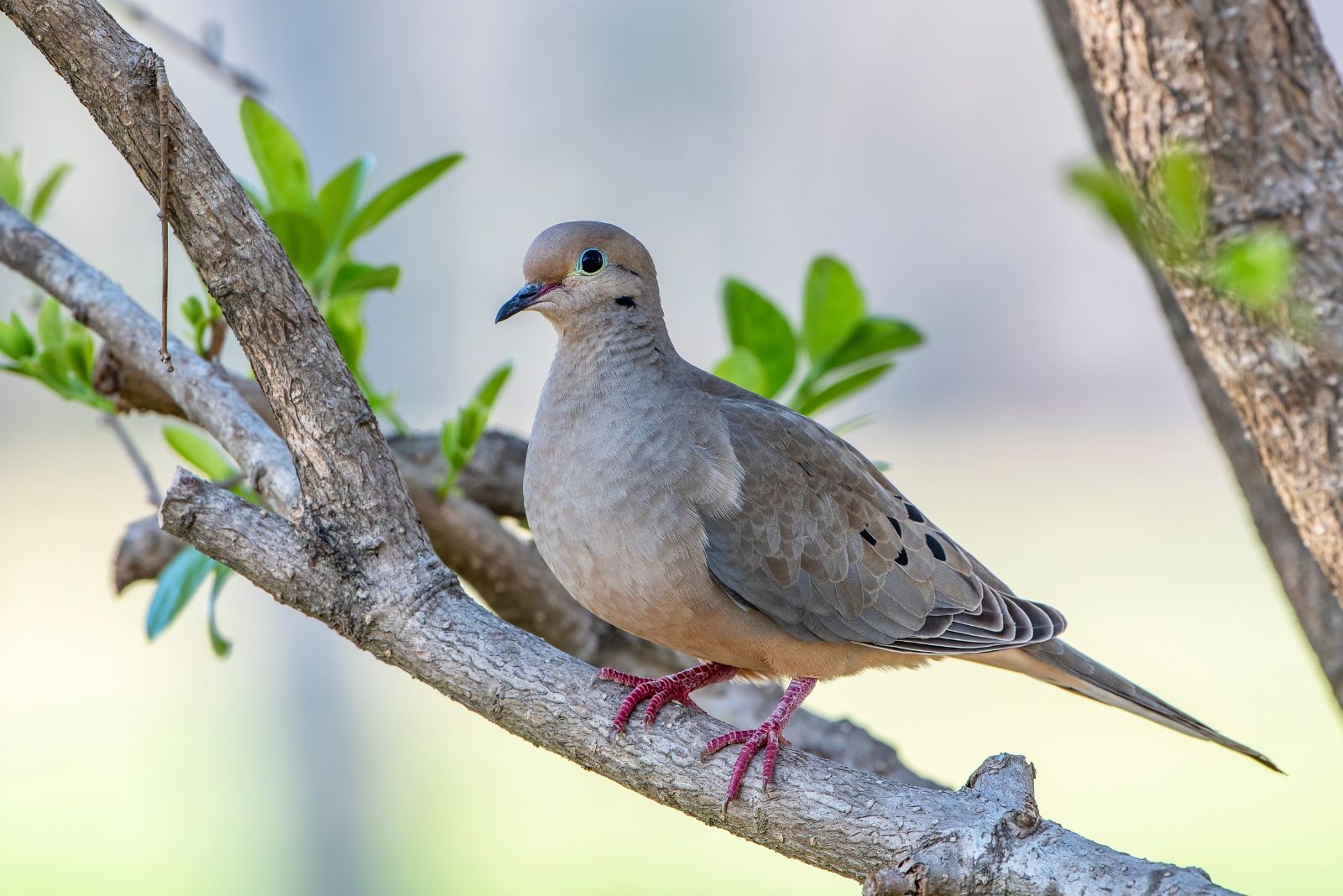
Mourning doves are one of the most familiar birds in Pennsylvania, and their soft cooing is a sound most residents have heard so many times it barely registers anymore.
Familiarity has a way of making things invisible, and the mourning dove is one of those creatures that people see regularly without ever really looking at.
When one shows up in your yard and you actually stop to notice it, there is more to take in than a plain gray bird.
Mourning doves carry a surprisingly rich set of associations across different cultures and traditions, and they also reveal practical things about your yard and the habitat it provides.
Whether you are interested in what their presence might symbolically represent, what it says about the conditions your property offers, or simply want to understand these birds better, there is more going on with a mourning dove visit than most people realize.
1. Your Yard Provides Food And Water
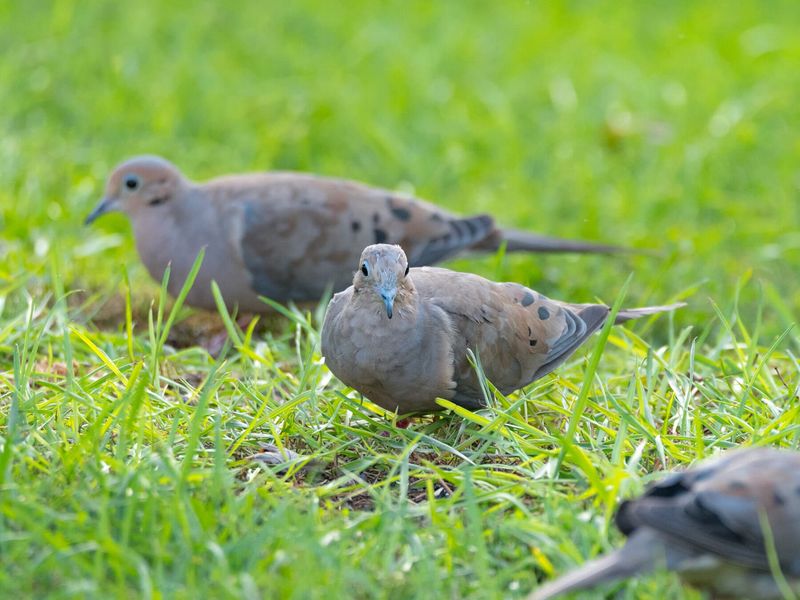
Bird feeders do more than just look nice in a yard. They send out a clear signal to local wildlife that food is available, and mourning doves pick up on that signal quickly.
If you have seeds scattered on the ground or in a low tray feeder, chances are good that a dove has already noticed.
Mourning doves are ground feeders by nature. They prefer to eat from open, flat surfaces rather than hanging feeders.
They love millet, sunflower seeds, cracked corn, and safflower seeds. Spreading seed directly on a clean patch of ground or using a platform feeder works best for attracting them.
Water is just as important as food. A birdbath or shallow dish filled with clean water can make your yard far more appealing to mourning doves and many other birds. They need water for drinking and bathing, especially during warm Pennsylvania summers.
If you want more doves to visit regularly, try keeping your feeding area consistent. Refill the feeder on the same schedule and clean the birdbath every few days.
Doves are creatures of habit and will return to reliable food and water sources again and again. Over time, you may even start recognizing the same birds coming back each day.
That steady presence can make your yard feel like a true backyard sanctuary. Providing these basics is one of the simplest ways to encourage mourning doves to stick around throughout the year.
2. Your Landscape Feels Safe To Wildlife
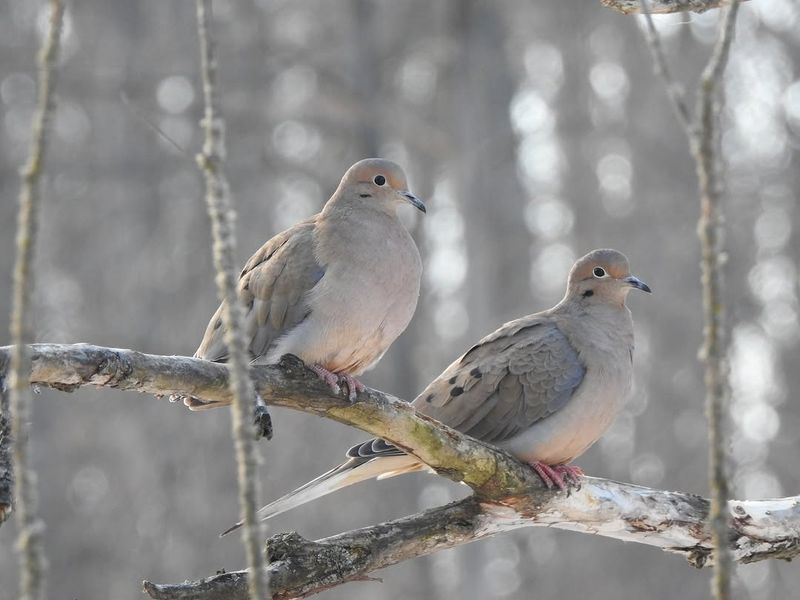
Not every yard feels welcoming to wildlife. Mourning doves are cautious birds, and they tend to avoid spaces that feel exposed, noisy, or chaotic.
When a dove settles comfortably in your yard, that is actually a quiet compliment to the environment you have created.
Mourning doves look for yards with a mix of open ground and nearby shelter. Trees, hedges, dense shrubs, and even overgrown corners give them a place to rest, hide from predators, and watch their surroundings.
Without some cover nearby, doves may pass through without stopping. Pennsylvania yards with mature trees and layered plantings tend to attract more wildlife overall. Native plants like dogwood, cedar, and wild berry bushes offer both food and cover.
Your Pennsylvania Garden Changes Every Week. Your Plan Should Too.
Gardening in Pennsylvania changes quickly throughout the season. Every Friday you’ll receive a simple weekly plan showing exactly what to plant, prune, fertilize, harvest, and protect so you never miss the right timing.
Even a simple row of shrubs along a fence line can make a big difference for visiting birds. Reducing outdoor disturbances also helps. Loud music, frequent foot traffic, or overly active pets can keep doves and other birds from feeling at ease.
If your yard tends to be quieter in the mornings, that is often when doves are most active and visible. They tend to feed and move around in the early hours, then rest during the warmer parts of the day.
A yard that offers both safety and calm is exactly the kind of habitat mourning doves seek out. Seeing one settle in without any signs of stress is a good sign that your outdoor space has the right balance of openness and natural shelter.
3. A Pair May Be Looking For A Nest Site
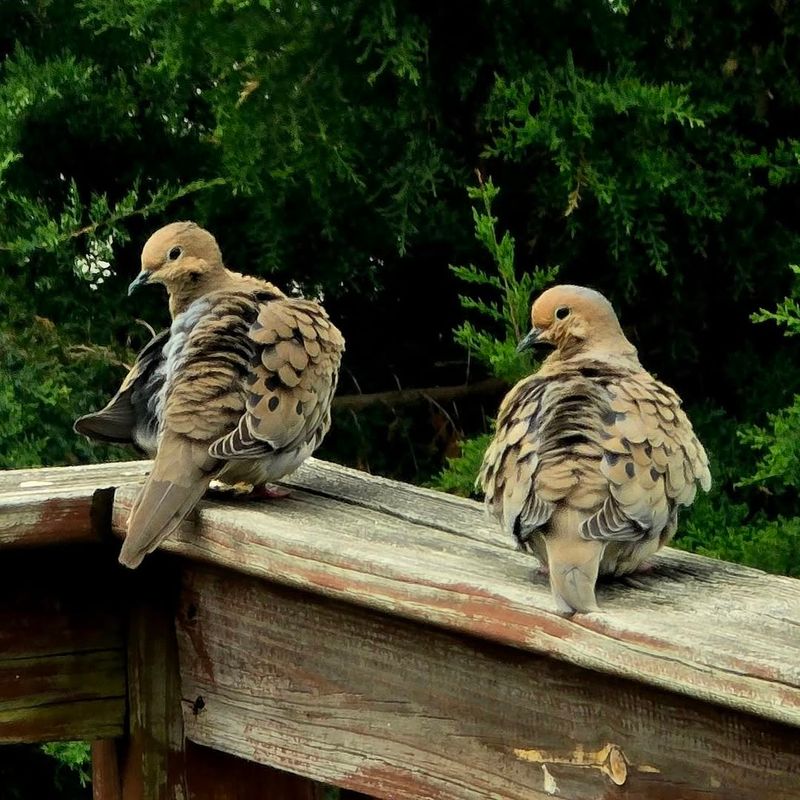
Mourning doves are known for being devoted partners. They often mate for life and spend a great deal of time together, especially during nesting season.
If you spot two doves visiting your yard repeatedly, there is a real chance they are scouting for a place to raise their young.
Nesting season in Pennsylvania typically runs from spring through late summer, sometimes even into early fall. During this time, pairs will explore trees, shrubs, vines, and ledges looking for a stable spot to build a nest.
Their nests are surprisingly simple, just a loose platform of twigs, but they are placed with care.
Common nesting spots include pine trees, evergreen shrubs, hanging flower baskets, window ledges, and even gutters. If you have any of these features in your yard, a pair of mourning doves may see your property as a promising location.
Some homeowners are surprised to find a nest tucked into a hanging planter right by the front door.
Mourning doves can raise multiple broods in a single season, sometimes two or three. Each clutch typically has just two eggs, and both parents take turns keeping them warm and feeding the young.
Watching this process up close can be a memorable experience for families, especially kids. If you do find a nest in your yard, try to keep your distance and avoid disturbing the area.
Giving the birds space is the best way to support them through the nesting process and enjoy the whole experience from a respectful distance.
4. Many People See Them As A Symbol Of Peace
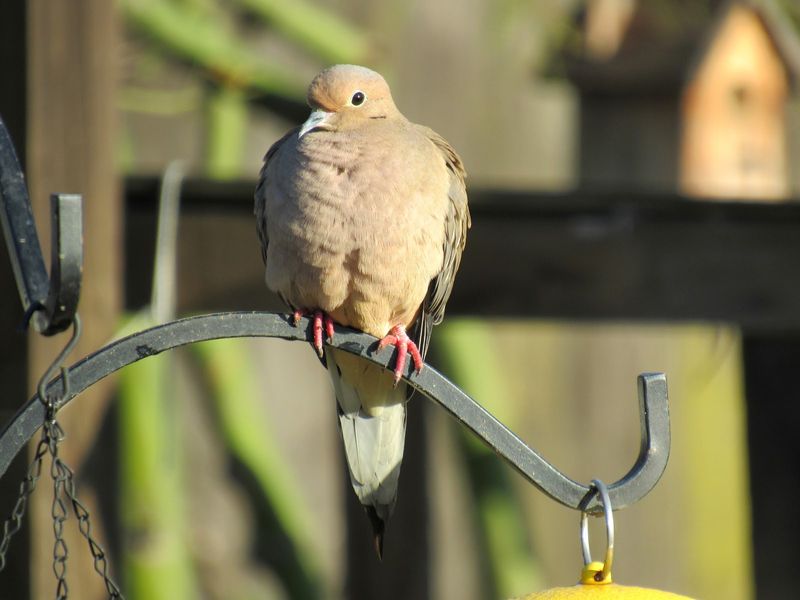
There is something unmistakably calming about a mourning dove. The way it moves slowly, holds its ground without panic, and coos softly in the background has made it one of the most recognized symbols of peace across North America and beyond.
People have connected doves to peace for thousands of years. In many religious and cultural traditions, white doves represent harmony and goodwill.
The mourning dove, though gray-brown rather than white, carries much of the same symbolism in everyday American life.
Seeing one in your yard often brings a quiet sense of comfort, like a small reminder to slow down and breathe.
This connection to peace is not just abstract. Researchers have found that watching birds in a natural setting can actually lower stress levels and improve mood.
So when a mourning dove appears in your yard, the calm feeling you get is not just in your head. There is real science behind it.
Many people in Pennsylvania and across the country have shared stories of feeling comforted by a dove’s visit during a hard time in their life. Whether you interpret that as spiritual or simply the soothing power of nature, the result is the same.
The bird brings a sense of stillness to the moment. Its soft cooing sound, often heard just after sunrise, has a meditative quality that many people find grounding.
Keeping a bird-friendly yard means you get to experience that peaceful energy on a regular basis, which is a genuinely lovely reason to welcome mourning doves into your outdoor space.
5. Some Interpret Them As A Sign Of Hope Or Encouragement
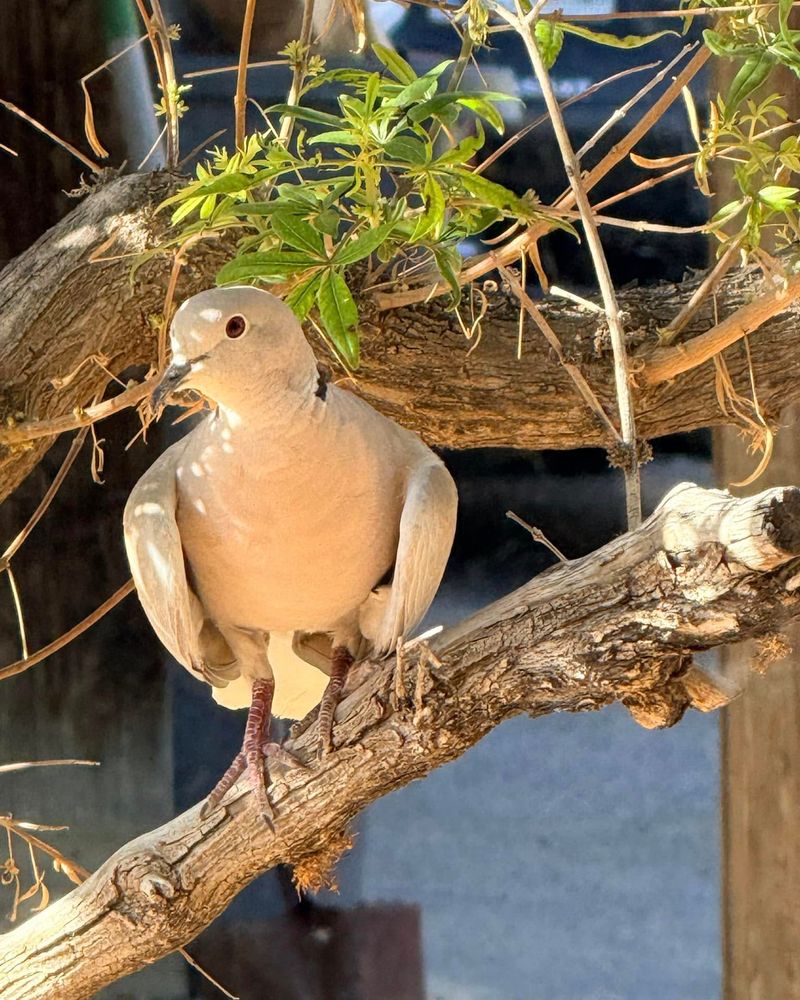
Folklore has long given birds a special role as messengers or signs. Among all backyard birds, the mourning dove holds a particularly meaningful place in popular belief.
For many people, seeing one shows up exactly when they need a boost of hope or a reminder that things will be okay.
Across different American traditions and spiritual communities, a mourning dove visit is often viewed as encouragement during a tough stretch of life.
Some people believe the bird is a gentle nudge from the universe, a loved one, or a higher power, reminding them to stay hopeful and keep going. Whether or not you hold those beliefs, the feeling the bird brings is real.
Stories like these are surprisingly common. A person going through a hard time steps outside and finds a dove sitting quietly on the porch railing.
Another spots one on a windowsill during a stressful afternoon. These moments may be coincidence, but they often feel like more than that to the people who experience them.
Even outside of spiritual interpretation, there is something genuinely encouraging about a mourning dove. Its soft call, steady presence, and unhurried pace offer a contrast to the noise and rush of everyday life.
Noticing a dove in your Pennsylvania yard can serve as a simple, natural reminder to pause. Take a breath.
Look around. Things are still growing, birds are still singing, and the world still has quiet beauty in it.
That kind of reminder, no matter where you think it comes from, is always worth welcoming. It can shift your whole perspective on a difficult day.
6. It Usually Means Mourning Doves Are Simply Common In The Area
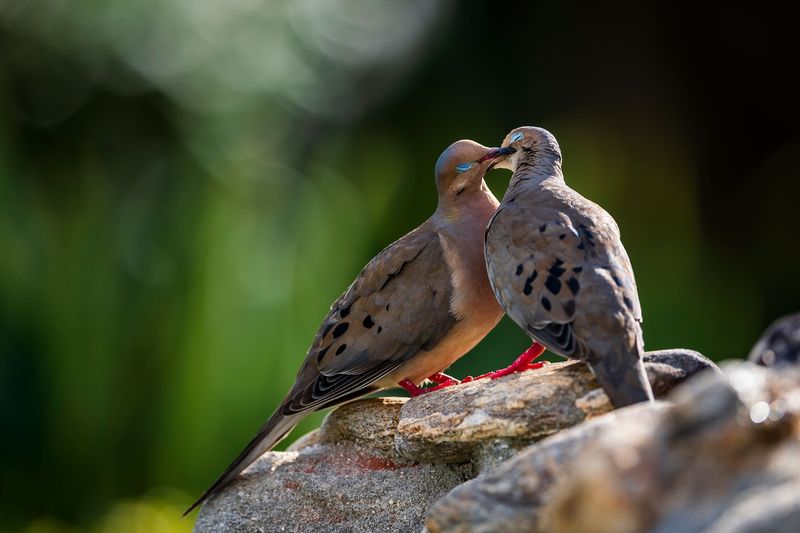
Sometimes the most straightforward explanation is also the most accurate one. Mourning doves are one of the most common and widespread birds in all of North America.
With a population estimated in the hundreds of millions, they are practically everywhere, and Pennsylvania is no exception.
The state’s mix of farmland, open fields, forest edges, and suburban neighborhoods creates ideal conditions for mourning doves to thrive year-round.
They do not migrate far in most cases, and many Pennsylvania doves stay through the winter as long as food is available. That means seeing them regularly is completely normal.
Mourning doves adapt well to human environments. They have learned to live comfortably around houses, roads, parks, and neighborhoods.
Unlike some shy woodland birds, they are not easily startled by everyday suburban activity. That comfort around people is part of why they show up in backyards so often.
If you have been noticing mourning doves more frequently, it might simply be that their local population is healthy and growing. It could also mean your yard just happens to be in a good spot along their daily route.
Birds tend to follow the same paths and visit the same reliable spots over and over. Once your yard gets on their mental map, they will keep coming back.
There is real joy in recognizing that even a common bird can bring something special to your day. Mourning doves may be everywhere, but their calm presence, soft calls, and graceful movements never really get old, no matter how often you see them.