The Small Change That Makes Oregon Plants Take Off Almost Overnight
Every Oregon gardener has had that moment. You walk out to the garden mid-season, look around, and get the distinct feeling that nothing is really happening out there.
Plants are alive, technically. They just look a little uninspired. A little stuck. Like they showed up but forgot to bring any enthusiasm.
Oregon’s growing season has a funny rhythm to it, wet and cool for months and then suddenly dry and warm in a way that catches both gardeners and plants slightly off guard.
The good news is that a few targeted adjustments at the right moment can genuinely shift things in a noticeable direction pretty quickly.
Not overnight miracle stuff, just smart, practical moves that match what Oregon soil, roots, and seasonal conditions are actually asking for right now.
1. Add Mulch Before Oregon Soil Dries Out
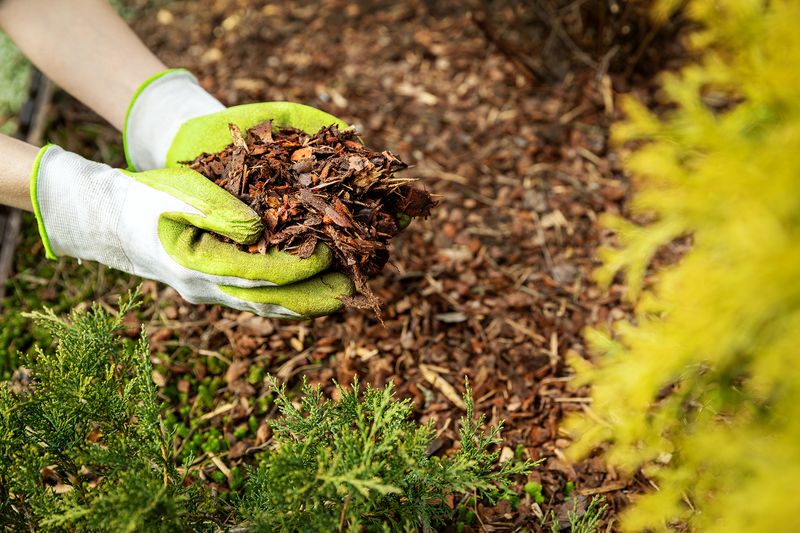
Fresh mulch applied before summer heat arrives can be one of the most practical moves a gardener makes all season. Once Oregon soil dries out and hardens, it takes much more water to bring moisture back to a useful depth.
Spreading mulch while the soil still holds spring moisture gives plants a better start heading into the drier months.
A layer of about two to three inches works well for most garden beds. Wood chips, straw, or shredded bark are all reasonable choices depending on what you are growing.
The mulch slows evaporation, keeps soil temperature more stable, and can reduce how often you need to water during warm summer stretches.
One thing worth remembering is to pull mulch back a few inches from plant stems and crowns. Mulch piled against a stem can trap moisture in the wrong spot and lead to rot or pest problems over time.
Keeping a small gap around each plant lets air circulate while the rest of the bed stays covered and protected.
Raised beds and sloped garden areas tend to lose moisture faster than flat ground, so mulching these spots early can make a real difference. Even a thin layer does more than bare soil.
Once the habit of mulching before dry weather sets in, most gardeners notice they spend less time dragging the hose around.
2. Water Deeply So Roots Can Reach Moisture
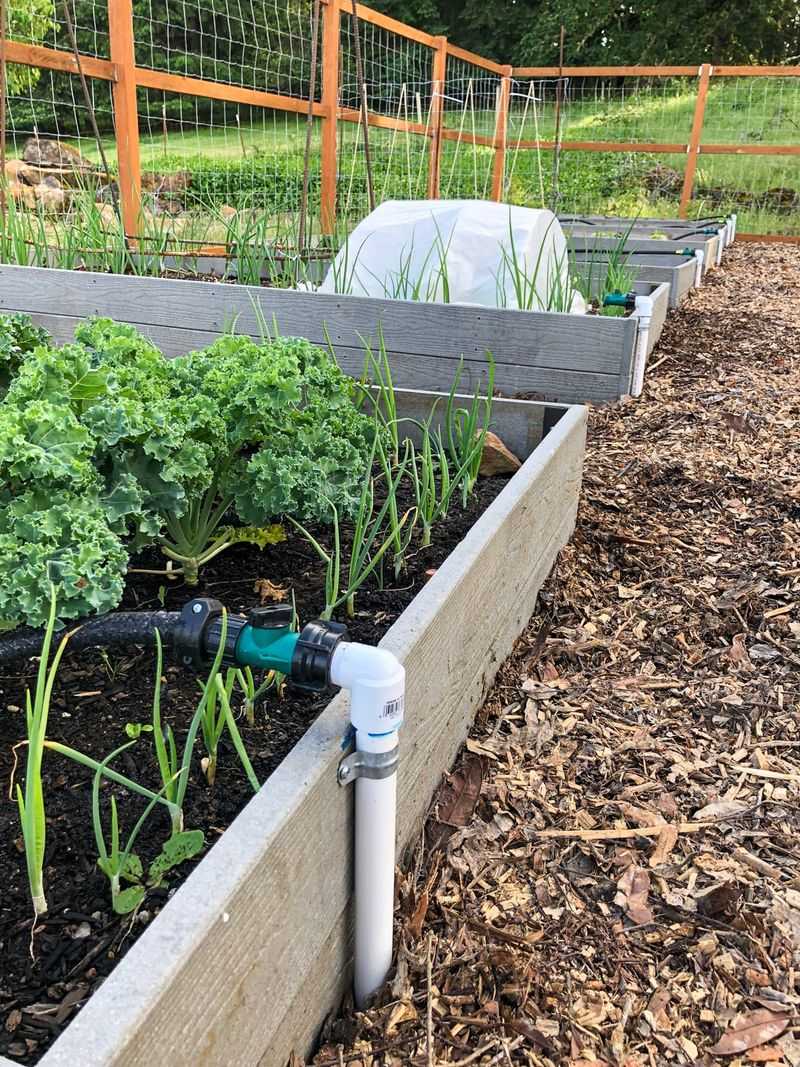
Shallow watering is one of the most common habits that quietly holds Oregon gardens back. When only the top inch or two of soil gets wet, roots have little reason to grow downward.
Shallow roots are more exposed to surface drying and temperature swings, which can stress plants during warm summer days.
Deep watering means letting moisture soak down into the root zone where plants can actually use it. For most vegetables and shrubs, that means the top six to twelve inches of soil should feel moist after watering.
Checking soil moisture a few hours after watering by pushing a finger or a thin probe a few inches down is a simple way to know if enough water reached the roots.
Watering slowly and less often tends to work better than quick daily sprinkles. Drip irrigation or a slow-running soaker hose can help moisture move deeper without running off the surface.
Your Oregon Garden Changes Every Week. Your Plan Should Too.
Gardening in Oregon changes quickly throughout the season. Every Friday you’ll receive a simple weekly plan showing exactly what to plant, prune, fertilize, harvest, and protect so you never miss the right timing.
In gardens where clay soil is common, water can move slowly through the profile, so giving it time to soak in matters.
Sandy soils found in parts of eastern Oregon drain quickly and may need more frequent deep watering to keep roots from drying out between sessions. Knowing your soil type helps set a realistic watering schedule.
When roots reach deeper moisture, plants tend to look stronger and handle dry spells without as much visible stress.
3. Feed The Soil With A Thin Compost Layer
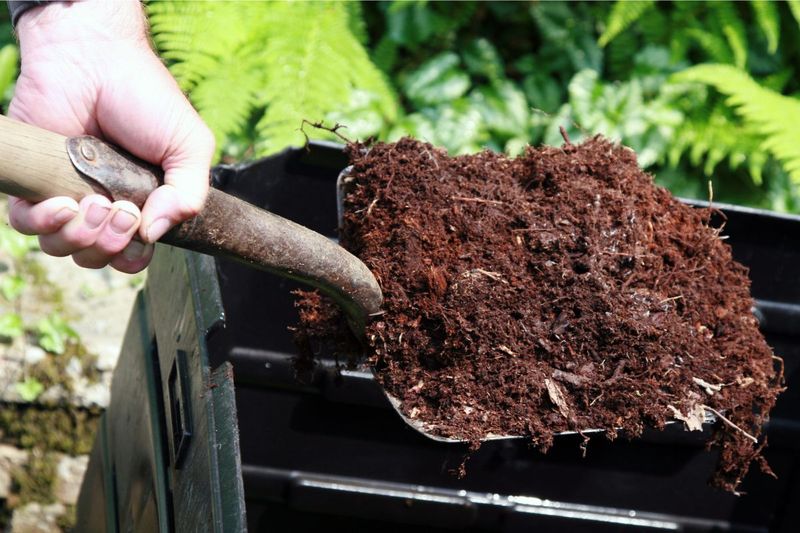
Compost added as a light top dressing can quietly improve how soil behaves over a growing season.
A thin layer spread across the surface of an existing bed, roughly a quarter to half an inch, can support soil structure, feed beneficial organisms, and help the ground hold moisture a little more consistently.
Oregon soils vary widely, and many garden beds benefit from regular small additions of organic matter.
The key word here is thin. Piling on several inches of compost at once is not necessary and can sometimes shift nutrient balance in ways that do not help plants.
A modest, consistent approach works better for most established beds. Spreading compost in early spring or after harvest gives it time to work into the soil before the next round of planting.
Finished compost, meaning fully broken down and earthy-smelling rather than chunky or steaming, is the best choice for a top dressing application.
Unfinished compost can tie up nitrogen temporarily as it continues to break down, which may slow plant growth rather than support it.
Gardeners with heavy clay soil may notice over several seasons that regular compost additions gradually improve drainage and make the ground easier to work. Sandy soils can hold moisture better with compost added over time as well.
Compost is not a quick fix, but as a steady habit, it supports healthier soil year after year without much effort or expense.
4. Test The Soil Before You Guess
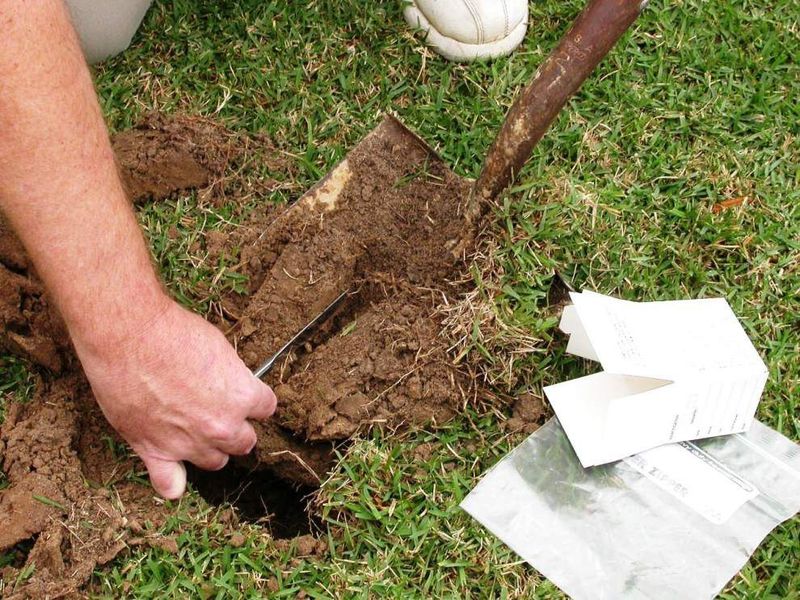
Guessing about soil nutrients, pH, or organic matter is one of the easiest ways to spend money on amendments that do not actually help.
Oregon soils range from acidic forest soils in the Coast Range to alkaline soils in parts of eastern Oregon, and what works in one garden may not translate to another.
A simple soil test takes the guesswork out of the equation before you buy anything.
Most soil tests measure pH, nitrogen, phosphorus, and potassium at a minimum. Some also check for calcium, magnesium, and organic matter levels.
Oregon State University Extension offers soil testing services, and basic home test kits are available at many garden centers. Either option gives you real numbers to work with rather than assumptions.
Soil pH has a strong effect on how well plants absorb nutrients. Oregon’s wetter western regions tend toward acidic soils, which can limit nutrient availability for some plants even when nutrients are present.
Adding lime to raise pH, or sulfur to lower it, makes more sense when a test confirms it is actually needed rather than just suspected.
Testing every few years rather than every season is usually enough for most home gardens. Once you know your baseline, small adjustments become easier to make with confidence.
Many gardeners who test their soil for the first time are surprised to find the results are better than expected, or that a specific gap explains why certain plants have been underperforming.
5. Use Fertilizer Only Where It Helps
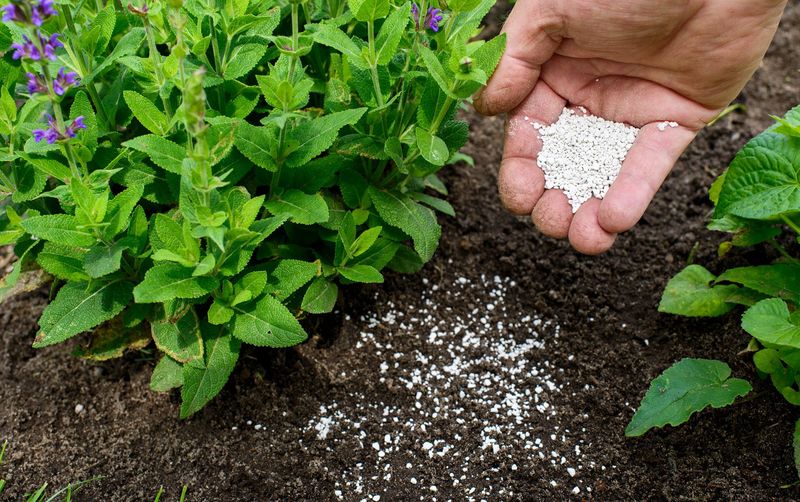
Fertilizer has a real role in Oregon gardens, but it works best when it targets an actual need rather than getting spread everywhere as a habit.
Applying fertilizer to soil that already has enough nutrients can push leafy growth at the expense of flowers or fruit, and excess nutrients can run off during rainy season and affect nearby waterways.
Nitrogen is the nutrient most gardeners reach for first, and it does support green, leafy growth in vegetables and lawns. But phosphorus and potassium matter too, and adding them without knowing whether the soil is short can create imbalances over time.
A soil test, as mentioned earlier, helps you know which nutrients actually need support before you open a bag.
Slow-release granular fertilizers tend to be a practical choice for most home gardens. They break down gradually, which reduces the risk of a sudden nutrient surge and gives plants a steadier supply over several weeks.
Liquid fertilizers work faster and can be useful for container plants or for giving seedlings a boost, but they need more careful application.
Reading the label and following the recommended rate matters more than most gardeners realize. Using less than the label suggests is often safer than using more, especially in new beds or with plants that are already growing reasonably well.
Fertilizer supports growth where nutrients are lacking, but it is not a substitute for good soil, consistent watering, and appropriate plant placement.
6. Group Plants That Like The Same Conditions
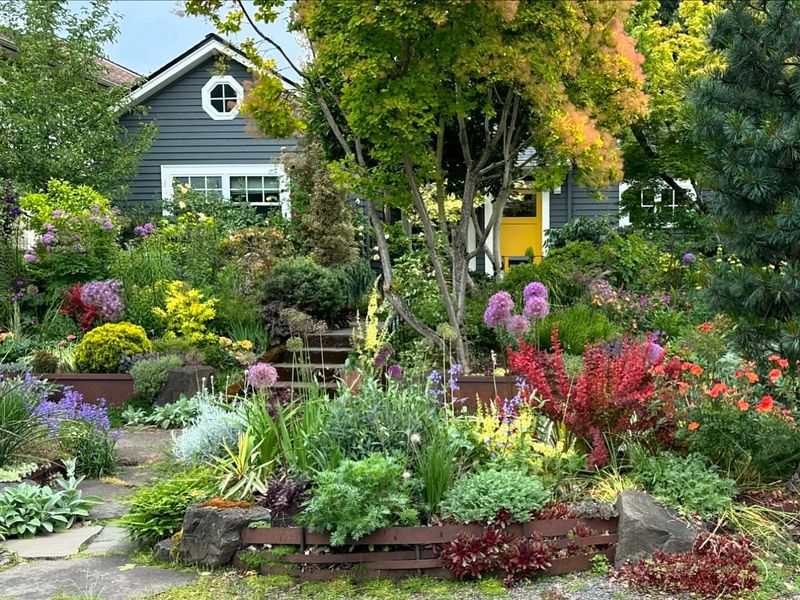
Mixing plants with very different water and light needs in the same bed sounds harmless, but it creates a quiet challenge that shows up every time you water or fertilize.
A sun-loving lavender planted next to a moisture-loving astilbe means one of them will likely receive the wrong amount of water no matter how carefully you try to balance things.
Grouping plants by their preferred conditions, sometimes called hydrozoning, makes routine care simpler and more effective.
When plants in a bed share similar light and moisture needs, you can water the whole area at the same rate without stressing some plants while overwatering others.
Oregon’s dry summers make this especially relevant because water conservation and plant health go hand in hand.
Vegetable gardens benefit from this approach too.
Thirsty crops like lettuce, celery, and cucumber can share a bed where consistent moisture is maintained, while drought-tolerant herbs like rosemary, thyme, and oregano do better with less frequent watering in a separate spot.
Rearranging an entire garden to group plants by condition is not something most people do all at once. A gradual approach works well, moving plants during fall or early spring when Oregon weather is cooler and transplanting stress is lower.
Over a season or two, thoughtful grouping tends to reduce the amount of troubleshooting needed and makes it easier to notice when a plant is not thriving in its current spot.
7. Check Containers Before They Dry Too Far
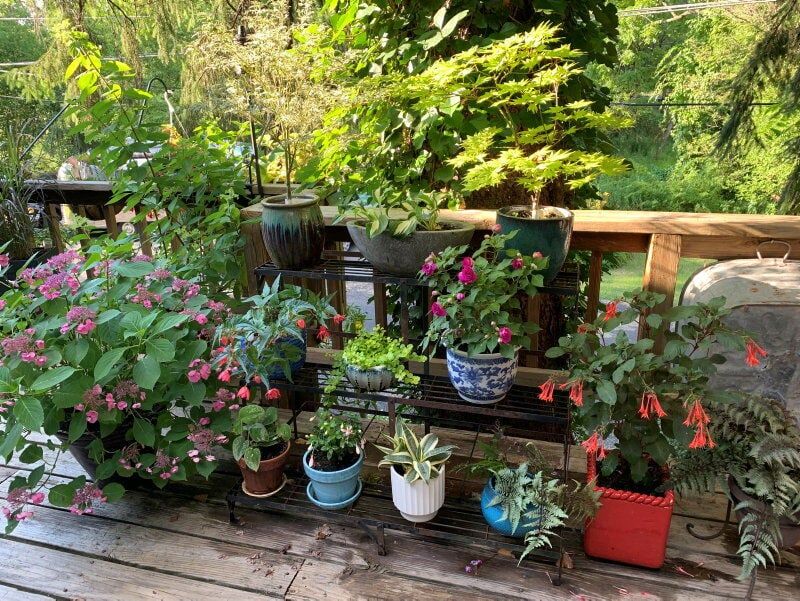
Containers can be tricky during Oregon’s warm summer spells because the soil inside a pot dries out much faster than garden beds in the ground.
A pot sitting on a sunny deck or against a south-facing wall can go from moist to bone dry within a day or two when temperatures climb.
Once container soil dries all the way through, it can shrink away from the pot edges and water runs straight down the sides without soaking in.
Checking containers every day during warm weather is a reasonable habit for most gardeners with pots on patios, porches, or balconies. Pushing a finger about an inch into the soil gives a quick read on moisture level.
Lightweight pots are another clue since a dry container feels noticeably lighter than a well-watered one.
When container soil has dried out completely, slow watering over several passes helps rehydrate it more evenly.
Setting the pot in a shallow tray of water for thirty minutes can also help the soil absorb moisture from the bottom up, which reaches dry spots that surface watering sometimes misses.
Pot size matters too. Smaller containers dry out faster than larger ones, so grouping small pots together or moving them to a shadier spot during heat waves can reduce how often they need water.
Using a quality potting mix that retains moisture without staying waterlogged helps containers stay in a better range between watering sessions.
8. Improve The Bed Before New Plants Go In
Putting new plants into unprepared soil is one of those habits that seems fine at first but often shows up later as slow growth, poor rooting, or plants that never quite settle in.
Taking a little time to improve a new bed before planting gives roots a better environment to establish from the start, which tends to show in how quickly plants respond once they are in the ground.
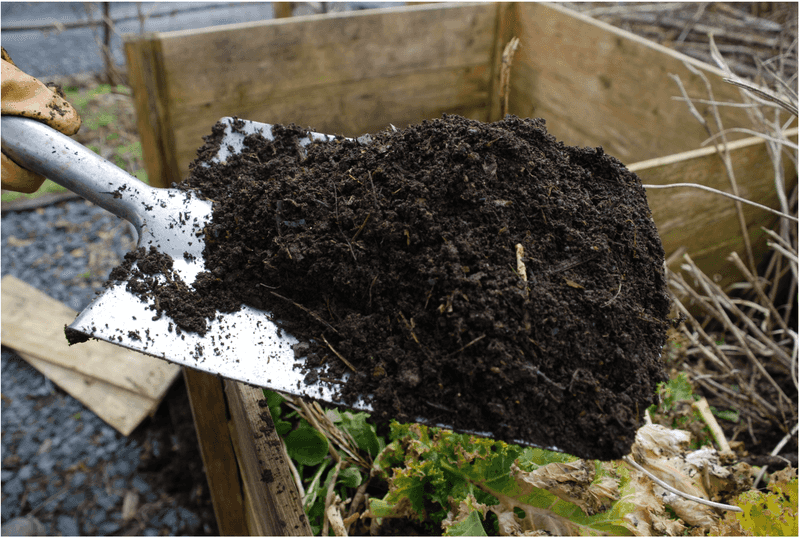
For most garden beds, working a moderate amount of compost into the top several inches of soil before planting is a reasonable starting point.
Clay-heavy soils in the Willamette Valley and other western Oregon areas benefit from organic matter that helps loosen the structure and improve drainage.
Sandy soils in drier parts of Oregon benefit from organic matter that helps retain moisture.
Soil testing before you amend a new bed is worth doing if the space has never been planted before or if you are not sure what the ground contains.
Knowing whether lime, sulfur, or specific nutrients are needed helps you add only what is useful rather than working in amendments by guesswork.
Loosening the soil to a depth of eight to ten inches before planting gives roots room to spread without hitting compacted layers. Compacted soil is common in areas that were previously lawn or construction zones.
Once the bed is prepared and the first plants go in, the effort put in before planting tends to show in how confidently new plants settle and begin to grow.