Why Carpenter Bee Problems Peak In June In North Carolina And What To Do About It
June in North Carolina is absolutely gorgeous, right up until you notice perfectly round holes appearing in your porch railings like someone went at them with a tiny drill. Sawdust looking debris piling up below the eaves.
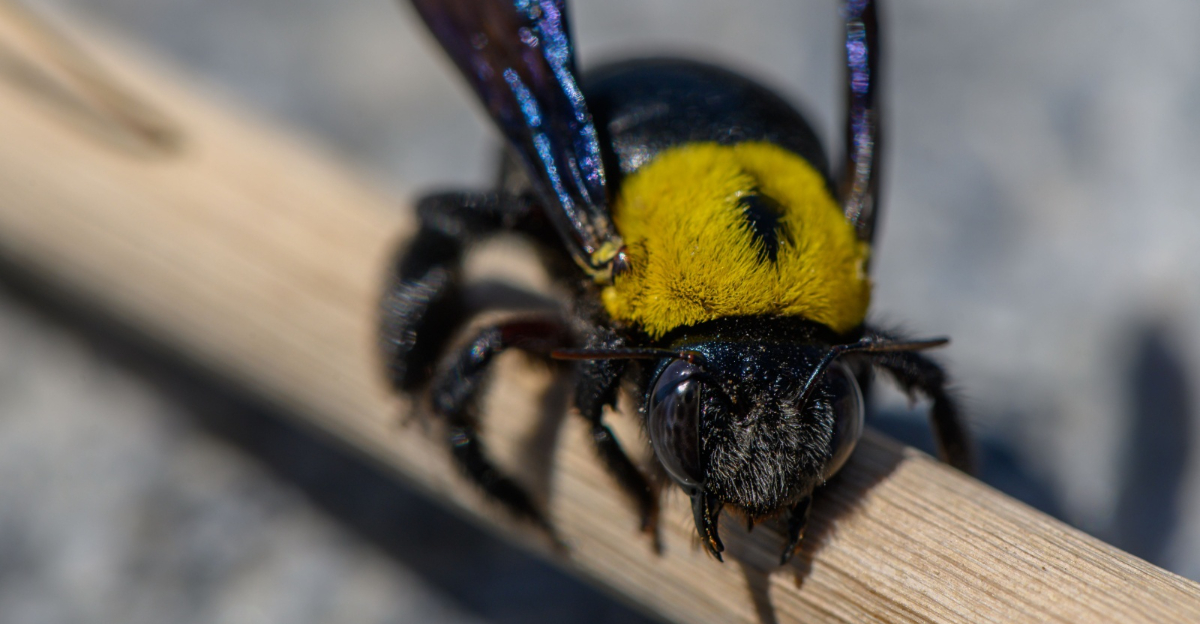
A large fuzzy bee hovering suspiciously close to your wooden trim like it pays rent. Carpenter bees are back, and June puts you right in the middle of their most active nesting season across much of North Carolina.
The good news is that understanding what is actually happening makes the whole situation a lot less stressful to deal with.
These bees have a very specific agenda and once you know what you are looking at, protecting your home and managing the situation becomes a whole lot more straightforward than it might seem right now.
1. June Falls Within Carpenter Bee Nesting Season
Warm afternoons in June are one of the clearest signs that carpenter bee season is well underway across North Carolina.
These large, shiny bees become noticeably active during late spring and early summer, which is when females are focused on nesting and laying eggs inside wooden structures around homes.
Carpenter bees typically begin emerging in early to mid-spring as temperatures rise, and by June they are often in the middle of their nesting cycle.
This timing means that homeowners checking their porches, decks, eaves, and fences in June are likely to catch activity at or near its most visible point.
Fresh holes, hovering bees, and debris below wooden surfaces all tend to show up around this time.
It is worth knowing that the exact timing can shift depending on weather patterns and the specific location within North Carolina. Coastal areas may see activity pick up slightly earlier than mountain communities.
Paying attention to what is happening on your own property gives you the best sense of when nesting is most active in your yard, so you can plan your response accordingly.
2. Females Tunnel Into Exposed Wood
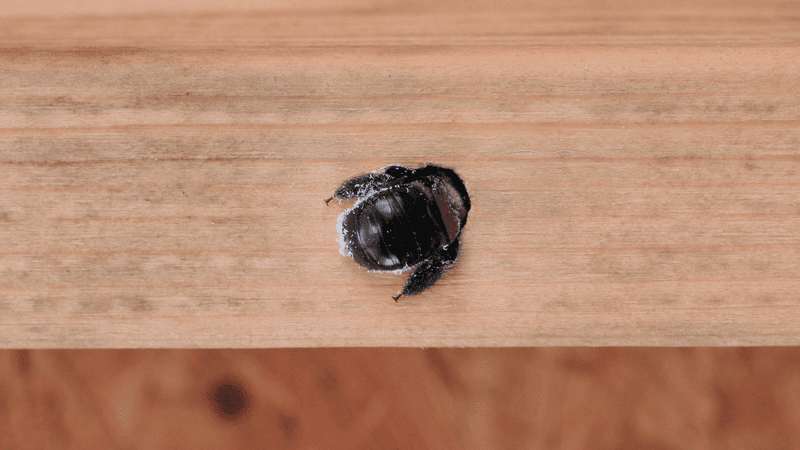
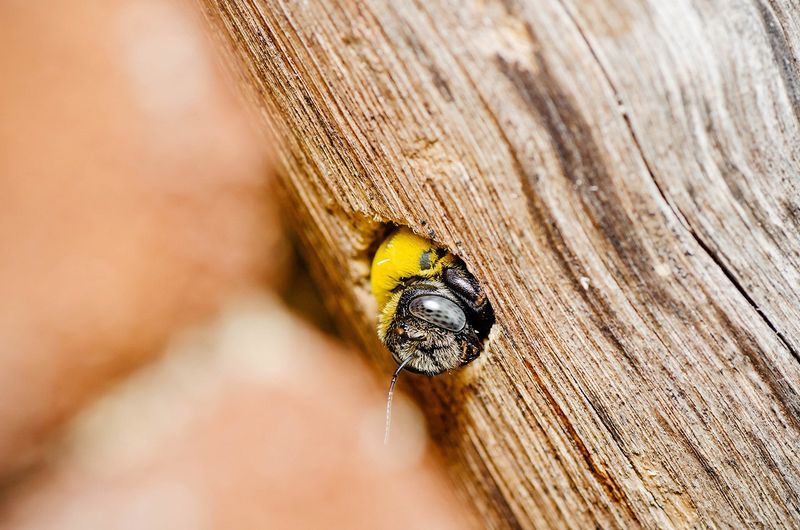
Spotting a perfectly round hole in a wooden fence post or porch beam can catch any North Carolina homeowner off guard, especially when it appears almost overnight.
Female carpenter bees are responsible for this kind of damage, using their strong jaws to bore into wood and create tunnels where they deposit eggs along with a food source for developing larvae.
Unlike termites, carpenter bees do not eat the wood they tunnel through. They excavate it, pushing the material out as they work deeper into the surface.
A single tunnel can extend several inches inward, and females may branch off in different directions to create separate chambers for individual eggs. The entry hole is typically about the width of a finger and almost perfectly circular.
Females tend to prefer softer, untreated wood for tunneling. Fascia boards, porch ceilings, wooden railings, shed walls, and outdoor furniture are all common targets.
Decks and eaves made from softer lumber varieties can be especially attractive. Knowing where to look helps homeowners catch fresh activity early and take steps before tunneling has a chance to extend further into the wood.
Your North Carolina Garden Changes Every Week. Your Plan Should Too.
Gardening in North Carolina changes quickly throughout the season. Every Friday you’ll receive a simple weekly plan showing exactly what to plant, prune, fertilize, harvest, and protect so you never miss the right timing.
3. Bare Or Weathered Wood Draws More Activity
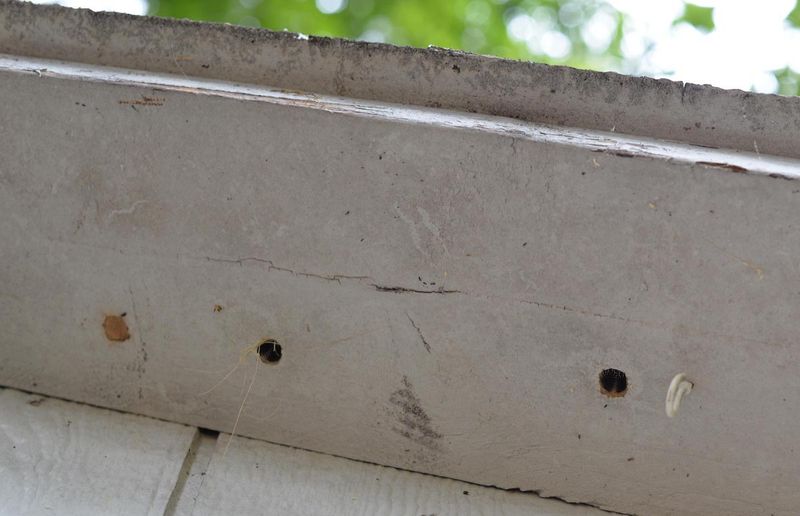
Old, gray, weathered wood on a porch or fence has a way of becoming a magnet for carpenter bees, and there is a practical reason behind it.
Bare or weathered surfaces are generally softer and easier to excavate than wood that has been properly painted or sealed, making them far more attractive to nesting females looking for a place to set up a gallery.
Across North Carolina, many older homes have wooden trim, fascia boards, deck railings, and shed walls that have gone years without a fresh coat of paint or sealant.
Sun exposure, humidity, and seasonal rain can all break down protective finishes over time, leaving wood surfaces vulnerable.
Once the surface is bare, carpenter bees can detect and assess potential nesting sites with relative ease.
Homeowners often notice that certain parts of their property get targeted repeatedly while other sections are left alone. The difference frequently comes down to the condition of the wood.
Sections with intact paint or stain tend to see less activity.
Keeping an eye on which surfaces are showing wear and addressing them before nesting season can make a meaningful difference in reducing how attractive your home is to carpenter bees looking for a place to nest.
4. Old Tunnels May Be Reused
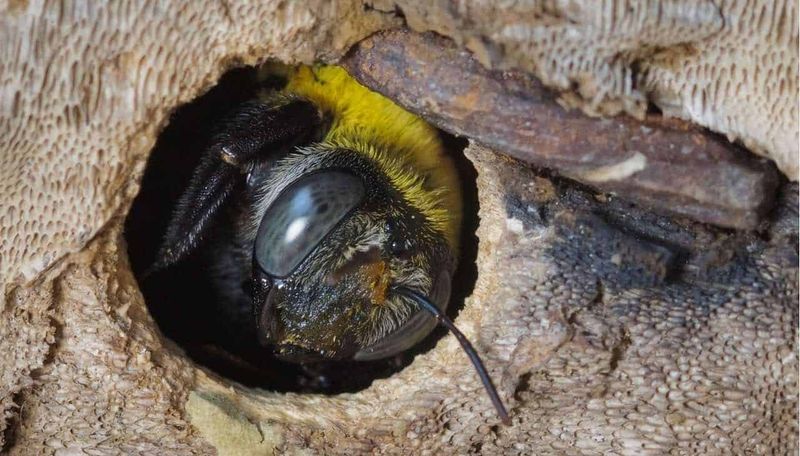
Finding a round hole in a wooden surface does not always mean a carpenter bee just created it.
Old tunnels from previous seasons are frequently reused, and this habit is one reason why the same boards, beams, or railings can show damage year after year even when North Carolina homeowners feel like they addressed the problem before.
Carpenter bees tend to return to familiar nesting sites, and both new and returning females may investigate existing galleries before deciding to extend them or start fresh nearby.
An old tunnel can save a female significant time and effort, since the excavation work has already been done.
She may clean it out, add new chambers, and begin laying eggs without needing to bore a new entry hole.
This behavior means that sealing old holes at the right time is an important part of managing carpenter bee activity over the long term. Holes left open after bees have emerged give future bees an easy way back in.
Filling and repainting or refinishing old tunnel sites can reduce the likelihood of reuse.
Checking familiar spots each spring, especially on boards or beams that have been targeted before, helps homeowners stay ahead of activity rather than reacting to it after tunneling has already resumed.
5. Sawdust And Stains Make Problems Easier To Spot
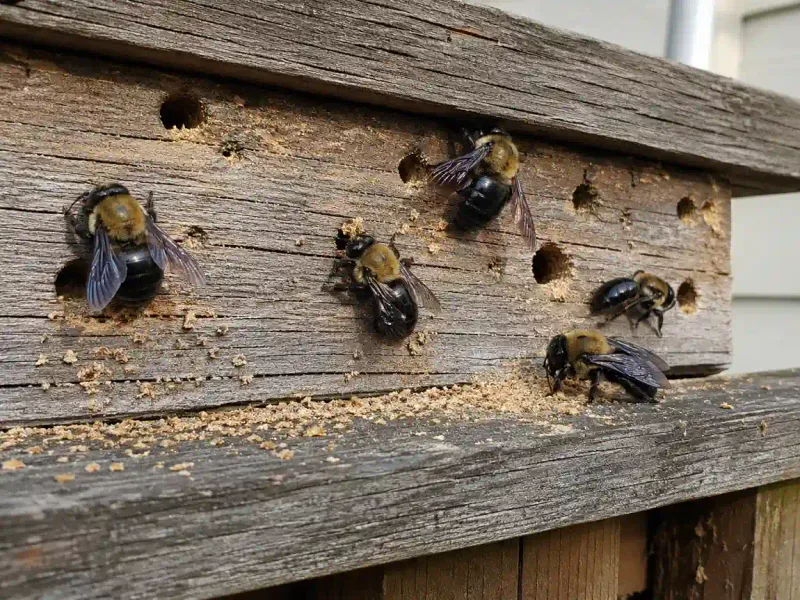
One of the most reliable ways to notice carpenter bee activity in North Carolina before you even see a bee is to look for the clues they leave behind.
Small piles of coarse, yellowish sawdust-like material below a wooden surface, often called frass, are a telltale sign that a female has been tunneling nearby.
You might also notice dark staining around or below a hole, which comes from bee waste and can leave visible marks on wood and surfaces underneath.
These signs tend to show up on horizontal surfaces below the entry point, such as decks, concrete, or painted trim below a fascia board.
Checking under eaves, along the underside of railings, and below the edges of shed rooflines can help you find activity you might otherwise overlook.
The debris is sometimes subtle, but once you know what to look for, it becomes easier to spot.
Catching these signs early gives homeowners more options for responding before tunneling goes deeper. A fresh hole with fresh frass below it suggests active nesting, while an older hole with no debris may indicate past activity that has already run its course.
Using these visual clues together helps you make a more informed decision about what kind of response makes sense for your situation.
6. Hovering Males Can Seem More Aggressive Than They Are
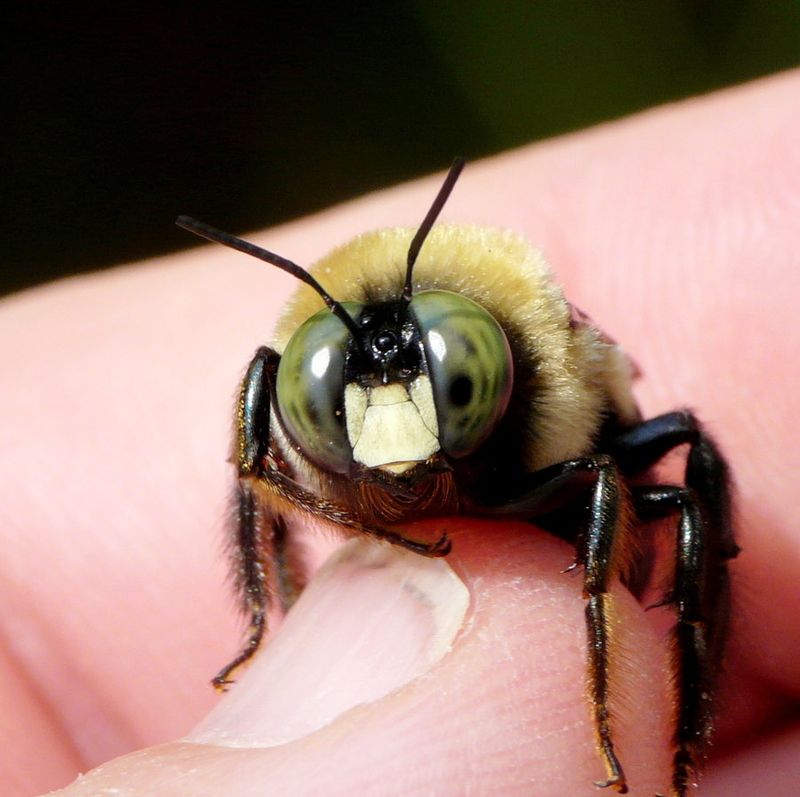
Walking out onto a porch and being met by a large bee that hovers directly in your path can feel intimidating, especially when it seems to follow your movements or dart aggressively toward you.
What many people do not realize is that the hovering bees they encounter most often are males, and male carpenter bees cannot sting.
Male carpenter bees position themselves near nesting sites to guard their territory and watch for competing males or potential mates. Their bold, face-to-face hovering behavior is purely territorial display.
As startling as it can feel, a male bee swooping toward you is not capable of stinging, even if it seems determined to make a point.
The real work of tunneling and nesting is happening nearby, carried out by females who are far less likely to engage with humans unless directly handled or trapped.
Knowing this distinction can reduce a lot of anxiety around carpenter bee activity. Female bees do have the ability to sting but rarely do so under normal circumstances.
If you are spending time on a deck or porch in North Carolina during June and a large bee keeps buzzing around you, it is most likely a male doing what comes naturally during nesting season, not posing an actual threat to you or your family.
7. Repeated Tunneling Can Damage Wood Over Time
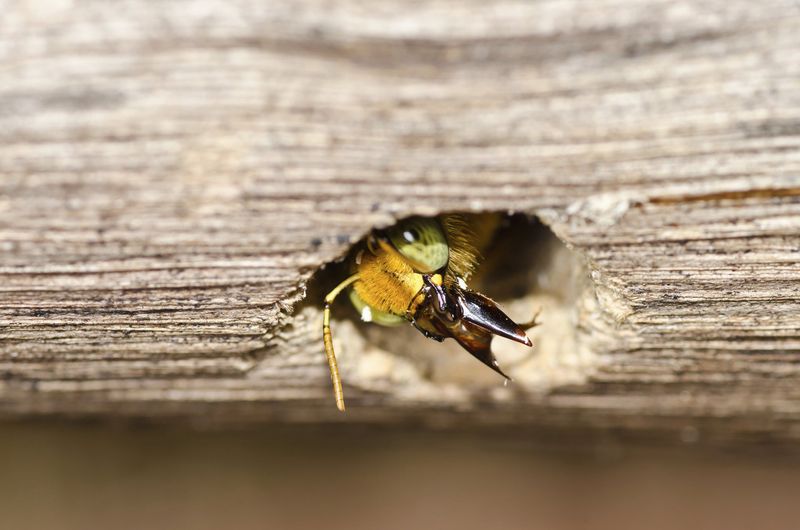
A single carpenter bee tunnel on a fence post might not seem like a serious concern at first glance.
Over several seasons, though, repeated nesting in the same boards, beams, or structural elements can add up to more significant wear than many homeowners expect when they first notice the holes.
Each tunnel can extend several inches into the wood, and when multiple females nest in the same area year after year, the interior of a board can become heavily hollowed out.
Fascia boards, porch ceilings, deck support posts, and wooden railings are among the structures most commonly affected in North Carolina homes.
Wood that has been tunneled through extensively may become more susceptible to moisture intrusion, which can contribute to rot and decay over time.
The damage is rarely dramatic after just one season, but it tends to compound.
Homeowners who address carpenter bee activity early and keep up with repairs and preventive maintenance are in a much better position than those who let it go unaddressed for years.
Filling old holes, refinishing exposed wood, and monitoring problem areas each spring are practical steps that can help limit how much structural wear accumulates over time on decks, porches, sheds, and other wooden features around the home.
8. Woodpeckers May Add To The Damage
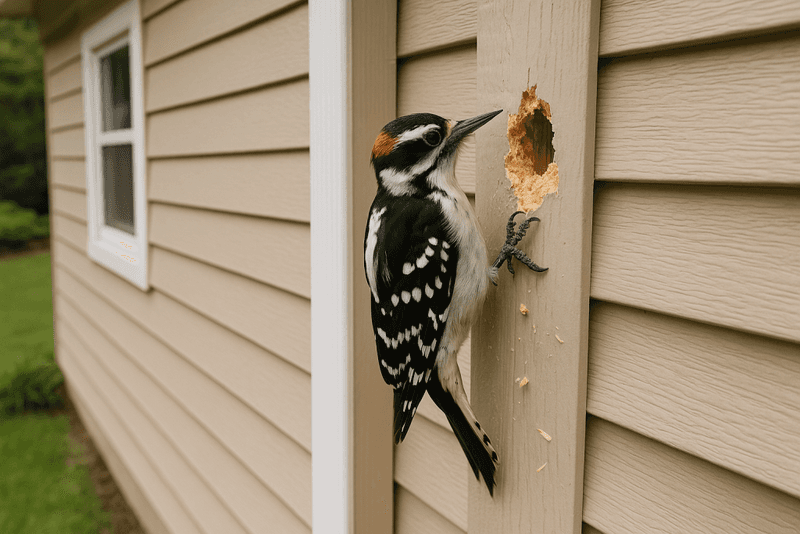
Carpenter bee tunnels do not just attract more bees. They can also draw in woodpeckers, which are well aware that bee larvae make for a nutritious meal.
If you have noticed that a small round hole has suddenly become a larger, more ragged opening with splintered wood around it, there is a good chance a woodpecker found the spot before you did.
Woodpeckers use their beaks to probe and tear into wood where they detect larvae or insects inside. A carpenter bee gallery with developing larvae inside is exactly the kind of target they look for.
The resulting damage can be far more visible and structurally disruptive than the original tunnel, since woodpeckers are not making precise holes but rather pulling apart the wood surface to access what is inside.
In North Carolina, several woodpecker species are common in suburban and rural landscapes, including areas with mature trees, wooded lots, and older homes with wooden siding or trim.
If your home has both carpenter bee activity and woodpecker visits, addressing the bee nesting is one of the most practical ways to reduce the incentive for woodpeckers to keep returning.
Fewer larvae inside the wood means fewer reasons for woodpeckers to keep working on the same spot season after season.
9. Painting Wood Can Help Reduce Future Nesting
Keeping wood surfaces properly painted or sealed is one of the most straightforward and widely recommended ways to make your home less appealing to carpenter bees looking for a nesting site.
Painted or finished wood is generally harder and less inviting to tunnel into than bare or weathered surfaces, and bees tend to seek out easier targets when they have options.
Exterior-grade paint, solid stains, and wood sealers all help protect surfaces by covering the exposed grain that carpenter bees find attractive.
Softwoods like pine, cedar, and redwood are particularly worth keeping well-finished, since they are common in decking, trim, railings, and outdoor furniture and are among the wood types carpenter bees seem to favor.
Varnishes and clear finishes may offer some protection, though solid paint coverage is often considered more effective for deterrence.
For North Carolina homeowners, late winter or very early spring is a practical time to check and refresh wood finishes before nesting season begins.
Touching up areas where paint has chipped, peeled, or worn away can close off potential nesting spots before females start searching.
Sheds, pergolas, wooden fences, and the undersides of deck boards are easy to overlook but worth including in your annual inspection and maintenance routine.
10. Active Holes Need Careful Timing Before Sealing
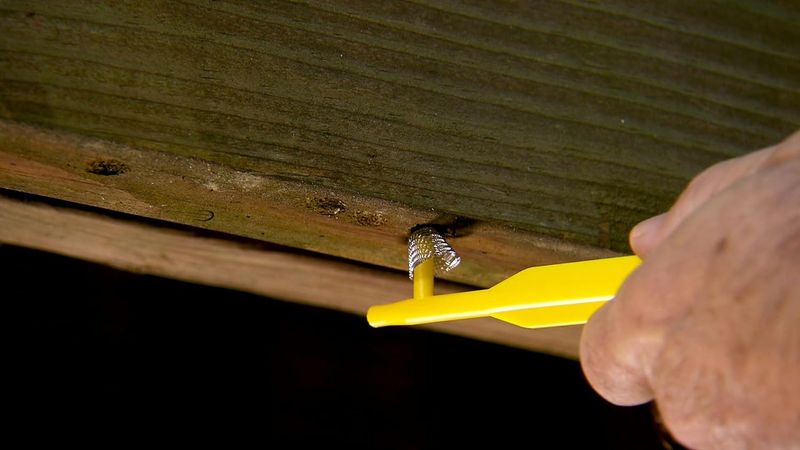
Sealing carpenter bee holes is a practical step for reducing reuse and protecting wood, but timing matters more than many homeowners initially realize.
Plugging an active hole while a female is still inside nesting, or before larvae have had a chance to emerge, can trap bees within the wood and may lead to additional damage as they attempt to find a way out.
Most pest management guidance suggests waiting until late summer or early fall to seal carpenter bee holes.
By that point in the season, adult bees that overwintered in galleries have typically completed their nesting cycle, and new adults developing from summer eggs are not yet active.
Sealing holes during this window helps prevent future use without trapping bees mid-cycle.
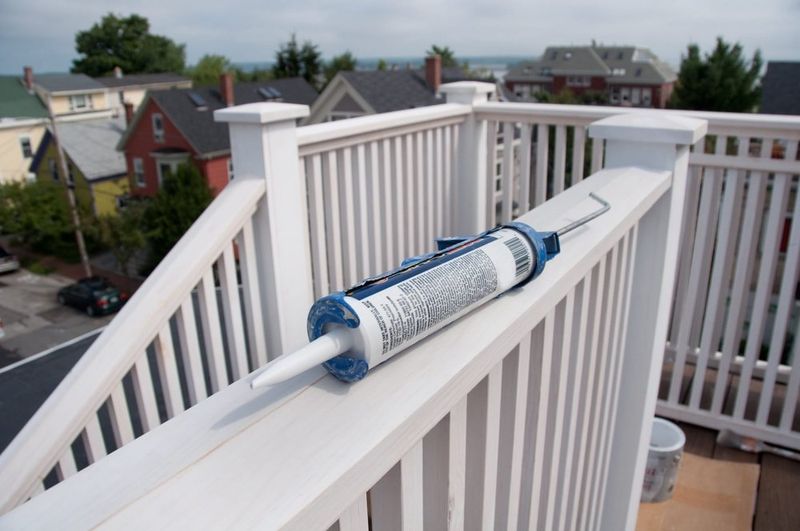
Wood filler, cork, steel wool, or caulk are all commonly used to plug entry holes before repainting or refinishing the surface. Whatever material you use, following up with paint or sealant over the filled area helps blend the repair and adds another layer of protection.
Keeping a simple record of where you found holes each year can make future inspections faster and more thorough.
Checking those same spots each spring lets you catch any new activity before it has time to expand into a larger concern across your deck, eaves, or fence.