What Lacy Leaves In Your North Carolina Garden Reveal About Which Pest Is Actually Feeding
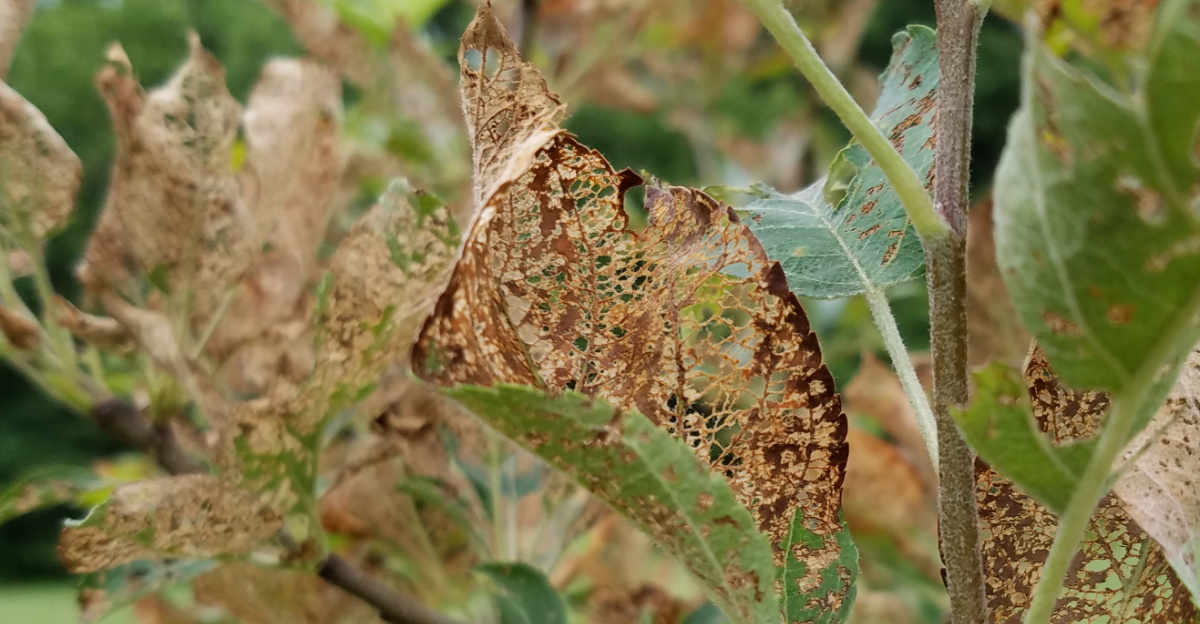
That rose bush by your porch used to be the pride of the yard. Now the leaves look like someone took a tiny hole punch to every single one, and the effect is strangely mesmerizing once the initial shock wears off.
Lace-like foliage in a North Carolina garden rarely means bad luck. It means something small and hungry has been working through the night, and the pattern it leaves behind is as distinctive as a signature.
Different leaf-munching insects have wildly different table manners. Some scrape only the surface, some chew straight through the tissue between veins, and others nibble the edges into ragged little scallops.
Once you learn to spot the difference, the mystery unravels fast. Here’s how to match the damage on your leaves to the culprit actually responsible for it.
Shiny Pest Behind Those Lacy Leaves
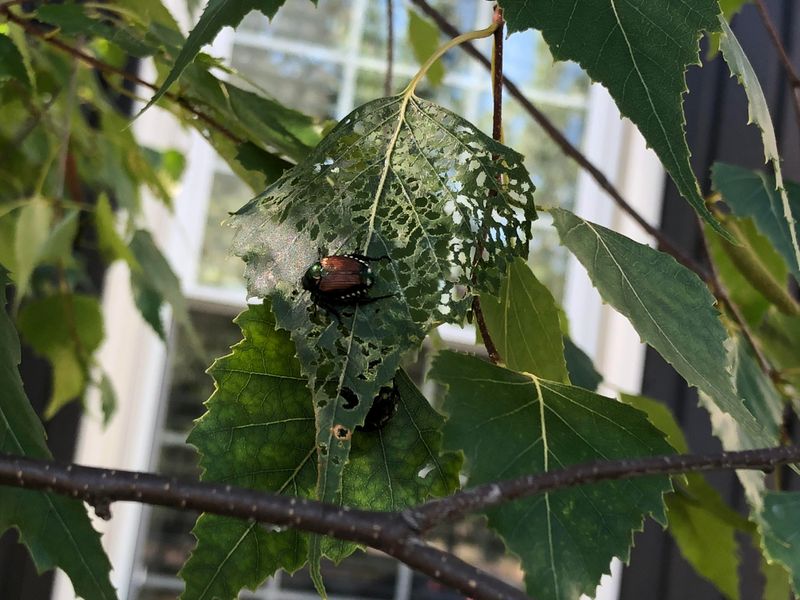
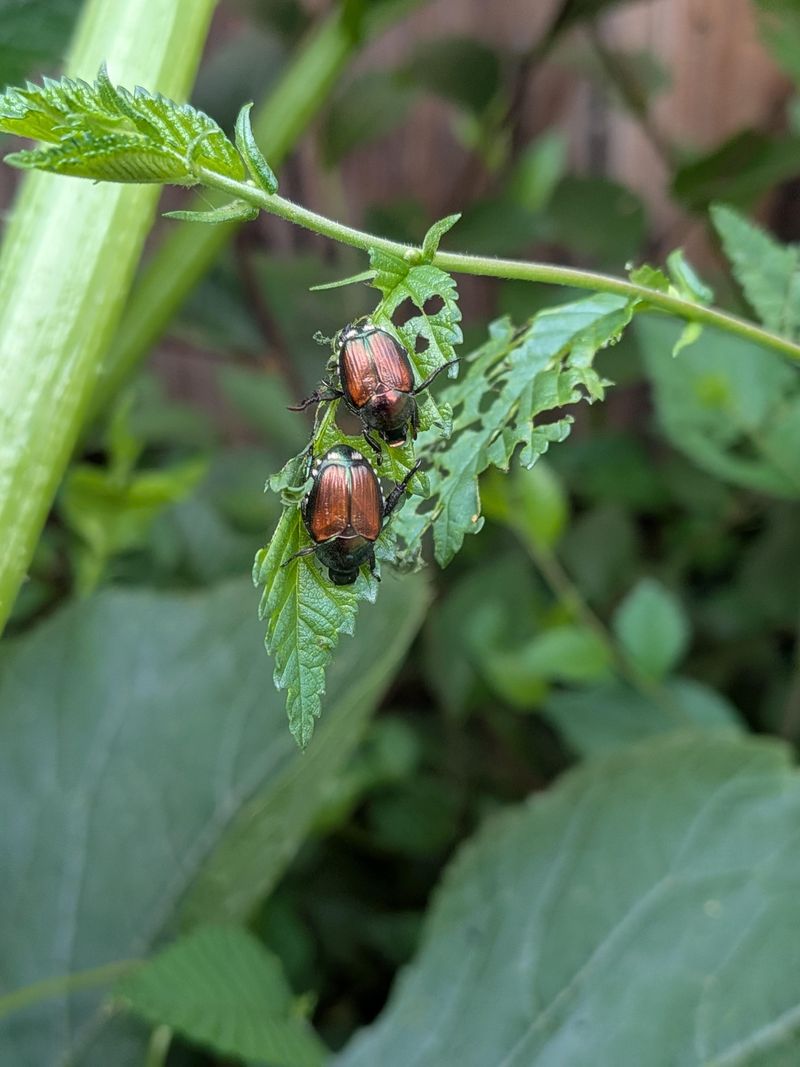
Shiny, copper-winged, and utterly shameless, Japanese beetles are often the first suspect when lacy leaves appear in a North Carolina garden.
These beetles feed in groups, which makes their damage spread fast. One beetle attracts others nearby, and feeding can spread across a branch within days.
They chew the tissue between leaf veins, leaving a lace-like skeleton behind. This pattern is their calling card. Roses, grapes, and linden trees tend to be their top targets in home gardens across the state.
Adult beetles are active from late June through August, peaking in midsummer heat. They feed during daylight hours, especially on warm, sunny days.
You will often spot clusters of them on the uppermost leaves where sunlight hits hardest. Skeletonized leaves from Japanese beetles look almost see-through when held up to light.
The veins remain intact while everything else gets eaten away. Few other pests produce this exact pattern across so many plant species.
Catching them early matters because populations build quickly. A single female can lay up to 60 eggs in a season. Those eggs hatch into grubs that damage lawn roots underground through fall and spring.
Hand-picking beetles into soapy water each morning is surprisingly effective on small plants. Doing this before 10 a.m. works best since beetles are slower in cooler temperatures.
Consistency over two to three weeks can dramatically reduce local feeding pressure on your most valued plants.
Telling Their Damage Apart From Sawfly Larvae
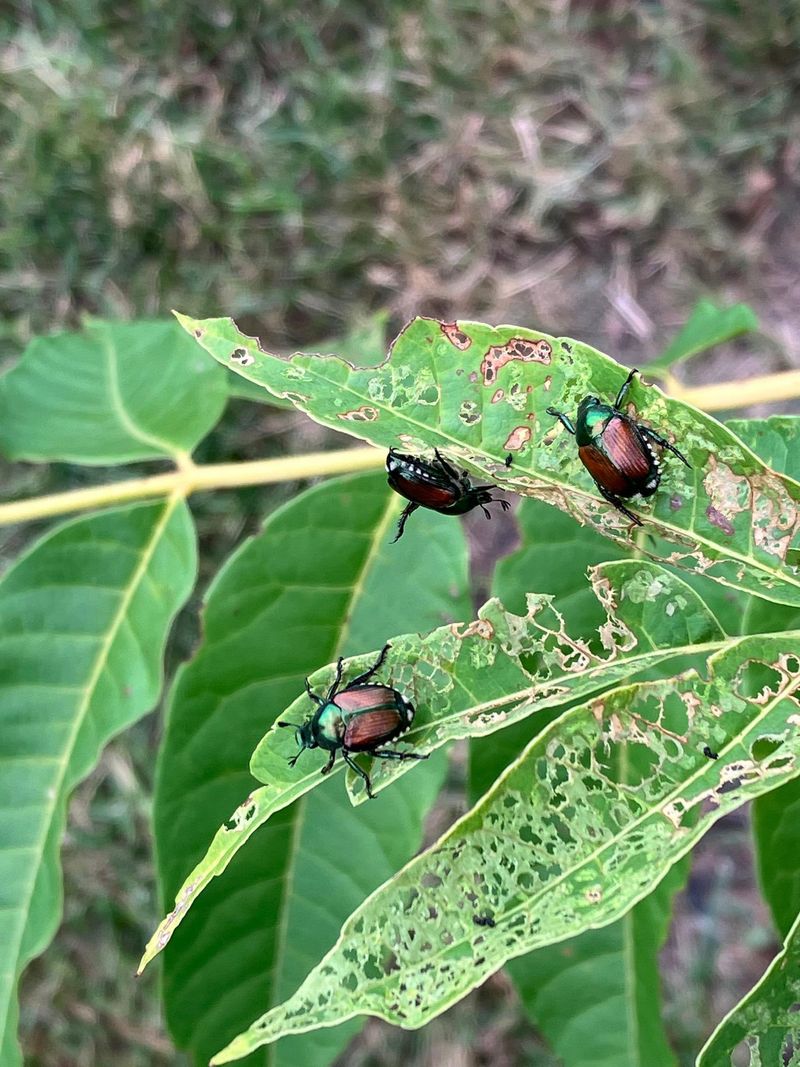
Sawfly larvae look like caterpillars but are actually related to wasps. Gardeners mix them up with Japanese beetle damage all the time, and that mistake leads to the wrong treatment. Learning the difference saves a lot of frustration.
Sawfly larvae often feed in a windowing pattern rather than full skeletonization. They scrape away one surface of the leaf while leaving the other side intact. The result looks like translucent patches or pale ghost marks on the foliage.
Japanese beetles eat straight through the leaf tissue between veins. Sawfly larvae, especially younger ones, tend to leave a thin papery layer behind. Holding the damaged leaf up to sunlight reveals which pattern you are dealing with.
Another clue is location on the plant. Sawfly larvae often feed on the undersides of leaves and stay in tight clusters when young. Beetles tend to feed on the top surfaces and spread across multiple branches quickly.
Your North Carolina Garden Changes Every Week. Your Plan Should Too.
Gardening in North Carolina changes quickly throughout the season. Every Friday you’ll receive a simple weekly plan showing exactly what to plant, prune, fertilize, harvest, and protect so you never miss the right timing.
Roseslug sawflies are among the most common species found on ornamental plants in the Southeast. Their damage appears in late spring through early summer. A second generation can appear later in the season if conditions stay mild and moist.
Sawfly damage responds well to targeted spraying on the underside of the foliage. Insecticidal soap works effectively on young larvae.
Acting early, before larvae mature and scatter, gives you the best chance of stopping damage before it spreads to neighboring plants.
Plants Most Likely To Show This Pattern First
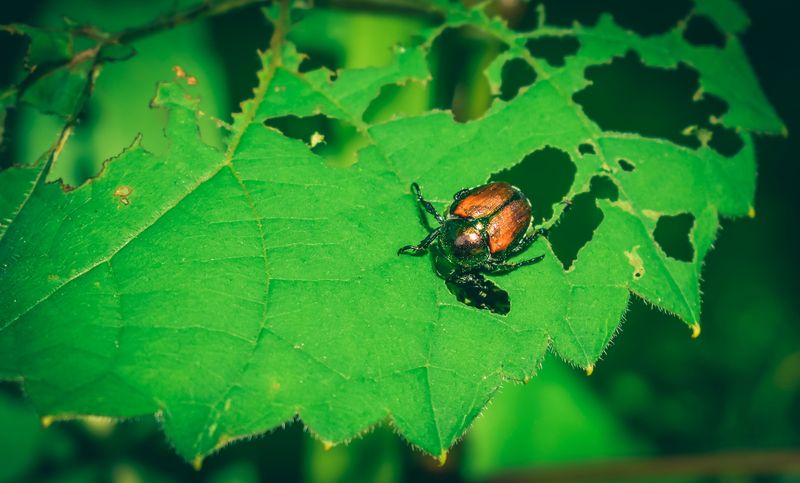
Certain plants practically send out a dinner invitation to leaf-feeding pests. Knowing which ones are highest risk helps you monitor smarter and respond faster.
Roses top almost every list when it comes to attracting multiple species of chewing insects. Linden trees, also called basswoods, are magnets for Japanese beetles throughout the Mid-Atlantic and Southeast.
A single linden in your yard can draw beetles from neighboring properties. Once they find it, pheromone signals attract others, and feeding activity picks up within days.
Grapes are another high-priority target. Both wild and cultivated varieties show skeletonized foliage early in an infestation. If you grow muscadines or table grapes in your garden, check them weekly from late June onward.
Virginia creeper, crabapple, and birch trees also rank among the most susceptible ornamentals in the region. These plants tend to show lacy damage before hardier species nearby.
Treating these early can prevent the pest population from spreading outward to the rest of your landscape. Vegetable gardens are not immune either. Beans and asparagus also attract beetle species that leave similar feeding patterns on their leaves.
Watching for early signs on these crops gives you a head start before populations peak. Planting resistant varieties when possible is one of the smartest long-term strategies.
Some rose cultivars and tree species hold up better against chewing insects. Pairing resistant plants with regular monitoring creates a layered defense that is far more effective than any single product or treatment.
Checking Leaf Undersides For Early Signs
Most gardeners only look at the tops of leaves, and that is exactly why pests get away with so much damage early on. Flipping leaves over takes two seconds and reveals an entirely different world.
Eggs, larvae, and early feeding signs almost always appear on the underside first. Sawfly eggs are tiny and laid in rows along leaf veins on the underside.
They look like small blisters or bumps if you peer closely. Spotting them before they hatch puts you ahead of the damage curve by one to two weeks.
Japanese beetle eggs are laid in soil rather than on leaves, but their larvae are found underground near grass roots. Checking the soil near heavily damaged plants can confirm grub activity.
A quick dig of four to six inches in late summer often reveals the next generation waiting to emerge. Aphids and lace bugs also cause leaf discoloration and distortion that can mimic early lacy damage.
Both species cluster on leaf undersides and leave behind sticky residue or tiny black dots. Ruling them out early prevents misidentification and wasted treatment efforts.
Skeletonized foliage is easier to trace when you build a weekly inspection habit. Mornings are the best time since insects are slower and more visible in cooler air.
Bring a small magnifying glass on your rounds for a closer look at suspicious spots. Catching problems early shrinks the amount of product you need to use.
Smaller populations are easier to manage with gentler methods. Early detection is the most powerful tool any home gardener has in their corner.
Natural Predators That Keep Populations In Check
Nature has its own pest control system, and it works well when you do not disrupt it. Encouraging beneficial insects and birds in your garden creates a self-regulating ecosystem.
The balance takes time to build, but it pays off season after season. Parasitic wasps are among the most effective natural enemies of sawfly larvae.
These tiny wasps lay their eggs inside or on sawfly larvae, stopping the feeding cycle at the source. Planting small-flowered herbs like dill, fennel, and cilantro attracts these beneficial wasps to your yard.
Ground beetles and soldier beetles both feed on Japanese beetle grubs in the soil. Keeping a layer of mulch and leaf litter near garden beds gives these predators places to shelter.
A healthy ground beetle population can significantly reduce grub numbers over a full growing season. Birds are underrated allies in the pest management world.
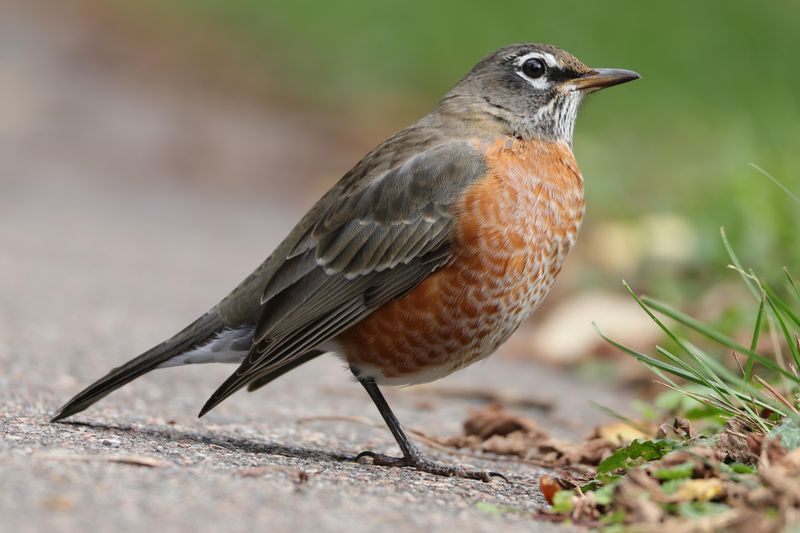
Starlings and robins actively dig for grubs in lawns and garden beds. Installing a birdbath or nesting box near your garden invites these natural helpers to stick around longer.
Tachinid flies also parasitize adult Japanese beetles and several caterpillar species. They look like stout, bristly houseflies and are often overlooked as beneficial insects.
Avoiding broad-spectrum sprays protects these flies along with other helpful predators in your garden. Building biodiversity is the foundation of a resilient garden.
The more variety you plant, the more predator species you attract. Over time, natural checks and balances reduce pest pressure without requiring constant intervention from you.
Treatment Options That Protect Pollinators Too
Reaching for the strongest pesticide on the shelf feels tempting when your plants look terrible. But many broad-spectrum products harm bees, butterflies, and other pollinators just as much as the pests you are targeting.
Choosing smarter options protects the whole garden, not just the damaged plant. Neem oil is one of the most pollinator-friendly treatments available for chewing insects.
It disrupts feeding and egg-laying without leaving long-lasting residue on flowers. Apply it in the early morning or evening when bees are least active for maximum safety.
Insecticidal soap works well against soft-bodied pests like sawfly larvae and aphids. It breaks down quickly and leaves no harmful residue once dry.
Spraying directly on larvae rather than broadcasting across the entire plant keeps collateral impact low. Spinosad is a naturally derived product that targets caterpillars and some beetle species effectively.
It has a much lower toxicity profile for bees when applied correctly. Follow label directions and avoid spraying open blooms.
Row covers and physical barriers work for vegetable gardens without any chemical risk at all. Floating row covers block adult beetles from reaching plants during peak feeding season.
Removing them during flowering periods allows pollinators to do their essential work without interruption. This kind of leaf damage doesn’t have to mean reaching for harsh products.
Targeted, timed treatments protect both your plants and the pollinators your garden depends on. A thoughtful approach keeps the whole ecosystem working in your favor all season long.