These Plants Oregon Gardeners Regret Putting Near Patios
A patio should feel like the easiest place in the yard to enjoy. That changes fast when the wrong plant starts dropping sticky mess, attracting constant pests, scratching bare arms, or pushing into every open space.
Oregon’s mild, wet seasons can make plants grow faster and fuller than expected, which sounds great until they crowd chairs or need trimming every time you want to sit outside. The tricky part is that many problem plants look beautiful at first.
They may offer flowers, fragrance, or quick privacy, then turn into a chore once they settle in. Before planting near a patio, it helps to think beyond looks.
The best choices should stay pleasant up close, not just pretty at a distance. Choose carefully, and your patio can stay clean, comfortable, and easy to use.
1. Mint Spreads Fast Through Patio Beds
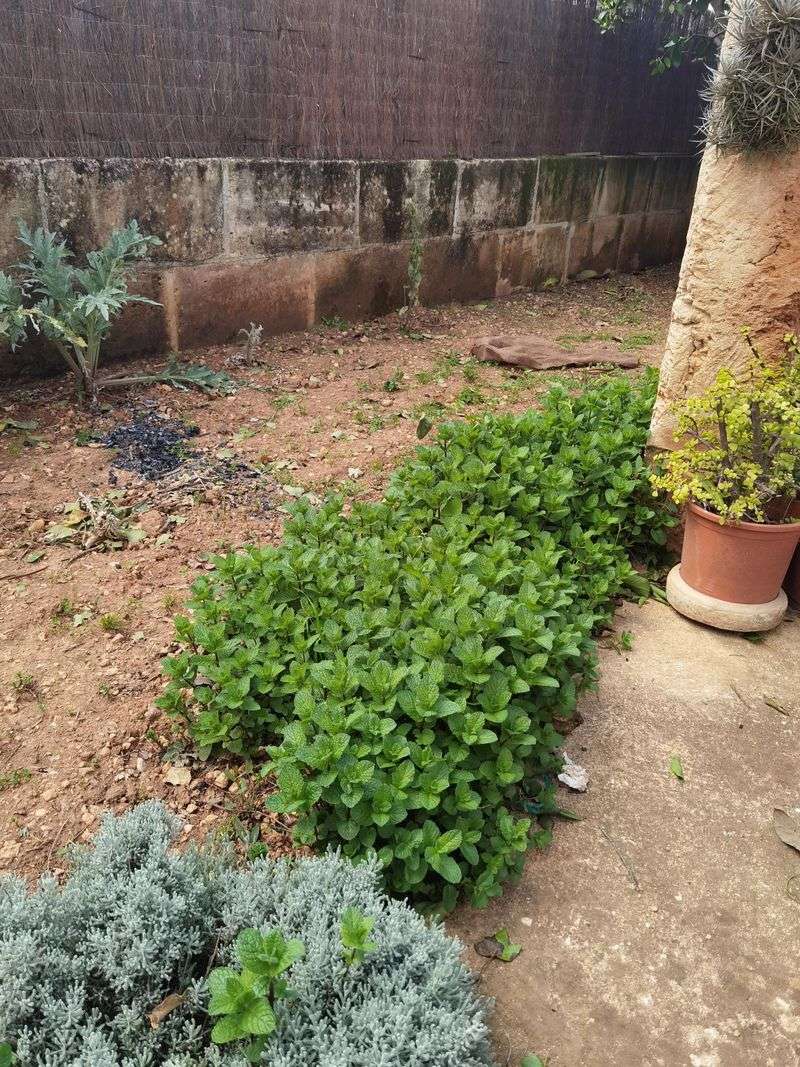
Few plants cause as much backyard regret as mint. It looks harmless in the garden center, with its fresh smell and tidy little leaves.
But once it goes in the ground near your patio, things change fast.
Mint spreads through underground runners called rhizomes. These runners move in every direction, pushing through soil, sneaking under patio edges, and popping up in spots you never planted.
One small clump can cover several feet of garden bed within a single growing season.
Oregon’s rainy spring weather gives mint exactly what it needs to spread like crazy. The moist soil lets those underground runners travel quickly and easily.
By summer, you might find mint growing between patio stones, in nearby flower beds, and even into your lawn.
Pulling it out is not simple. If you leave even a small piece of root behind, it grows right back.
Many gardeners spend hours digging up mint only to see it return within weeks.
The best way to enjoy mint near a patio is to keep it in a container with a solid bottom. A buried pot with no drainage holes can also help slow the spread.
Just check it regularly because roots can still escape over time. Mint is a wonderful herb, but it needs firm boundaries to stay manageable near any outdoor living space.
2. Lemon Balm Escapes Its Corner Just Like Mint
Most gardeners plant lemon balm thinking it will stay in one tidy spot. The lemon scent is lovely, the leaves look soft and green, and it seems easy to manage.
That opinion usually changes by the second summer.
Lemon balm belongs to the mint family, and it behaves a lot like its cousin. It spreads through both underground runners and by dropping seeds.
One plant can produce hundreds of seeds in a single season. Those seeds blow around, land in nearby soil, and sprout without any help from you.
In Oregon, the combination of rain and rich soil makes lemon balm especially pushy. It fills in gaps between other plants quickly and can crowd out smaller flowers and ground covers.
Near a patio, it often spills over edges and starts growing in cracks between stones or bricks.
Your Oregon Garden Changes Every Week. Your Plan Should Too.
Gardening in Oregon changes quickly throughout the season. Every Friday you’ll receive a simple weekly plan showing exactly what to plant, prune, fertilize, harvest, and protect so you never miss the right timing.
Cutting it back before it flowers helps reduce the seed problem. But once it is established, removing lemon balm completely takes real effort.
You need to dig out the root mass and check back often for new sprouts.
Container growing is the smartest approach if you love the smell and still want it close by. Use a large pot with a saucer underneath to catch any drainage.
That way, you get the fresh citrus scent near your seating area without watching it slowly take over your entire patio garden.
3. Rosemary Hedges Get Woody And Scratchy
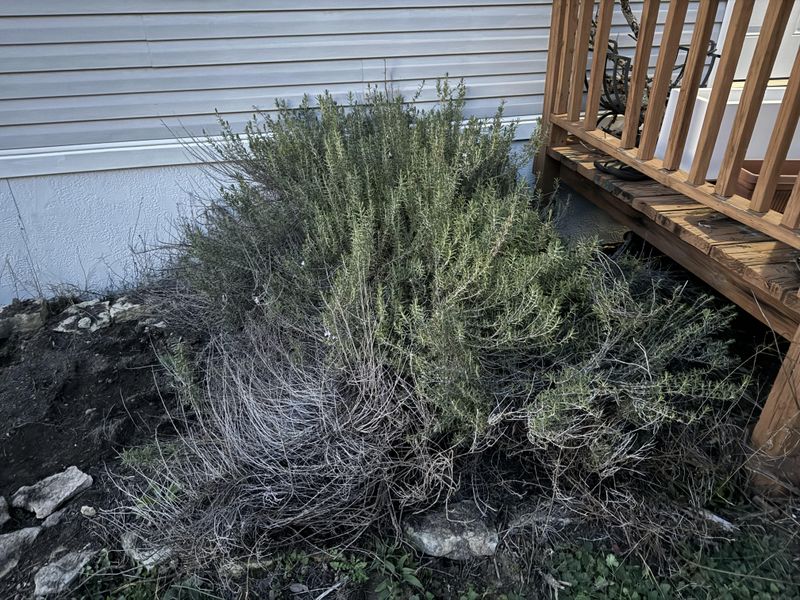
Rosemary starts out as a cute, fragrant little shrub that smells amazing every time you brush past it. Many Oregon gardeners plant it along patio edges thinking it will stay low and neat.
Over time, though, it becomes something very different.
Without regular pruning, rosemary grows tall and woody. The lower branches lose their leaves and turn into thick, stiff stems that scratch your legs when you walk by.
What was once a soft, bushy plant becomes more like a thorny obstacle near your seating area.
In Oregon’s mild climate, rosemary can grow year-round without dying back in winter like it does in colder states. That means it never gets a natural reset.
Each year it adds more woody growth, and the plant gets bigger and harder to manage.
Pruning regularly keeps it in better shape, but you have to stay on top of it. If you let it go for even one season, the woody base becomes very hard to cut back without damaging the plant.
Heavy pruning on old wood often causes bare patches that never fill back in.
Placing rosemary away from walkways and seating areas gives it room to grow without scratching anyone.
A raised bed or a spot where it has space to spread out works better than a tight patio border.
Choosing a compact variety also helps if you want it near your outdoor space.
4. Lavender Can Turn Leggy And Woody Beside Patios
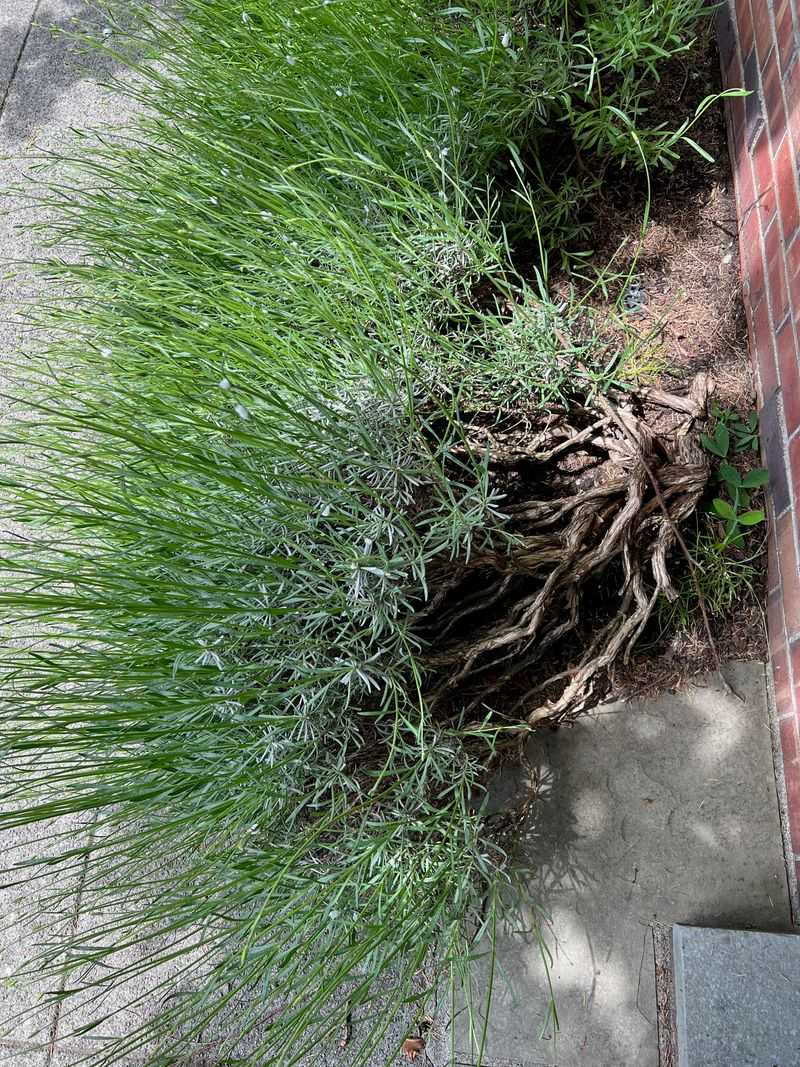
There is something magical about lavender blooming next to a patio. The purple flowers and sweet fragrance make any outdoor space feel peaceful and beautiful.
That is exactly why so many Oregon gardeners plant it right beside their seating areas.
The problem shows up after a few years. Lavender tends to get leggy and woody as it ages, especially in Oregon’s wet winters.
The base of the plant becomes thick and bare, while the top growth stretches out in different directions. It starts to look more messy than elegant.
Wet soil is one of lavender’s biggest enemies. Oregon’s rainy season can cause root problems and speed up the woody aging process.
Plants that are not in well-draining soil often look tired and patchy by their third or fourth year.
Cutting lavender back by about one-third each spring helps slow down the leggy growth. But you should never cut into the old woody part of the stem, as it usually will not regrow from that point.
Once the plant gets very woody, replacement is often the only real fix.
Planting lavender in raised beds with sandy or gravelly soil improves drainage and extends the plant’s life.
Choosing a spot slightly away from the patio also gives you the beauty and fragrance without the disappointment of watching it look scraggly right next to your chairs.
Some gardeners replant every three years to keep things looking fresh.
5. Wisteria Can Overwhelm Pergolas And Patio Covers
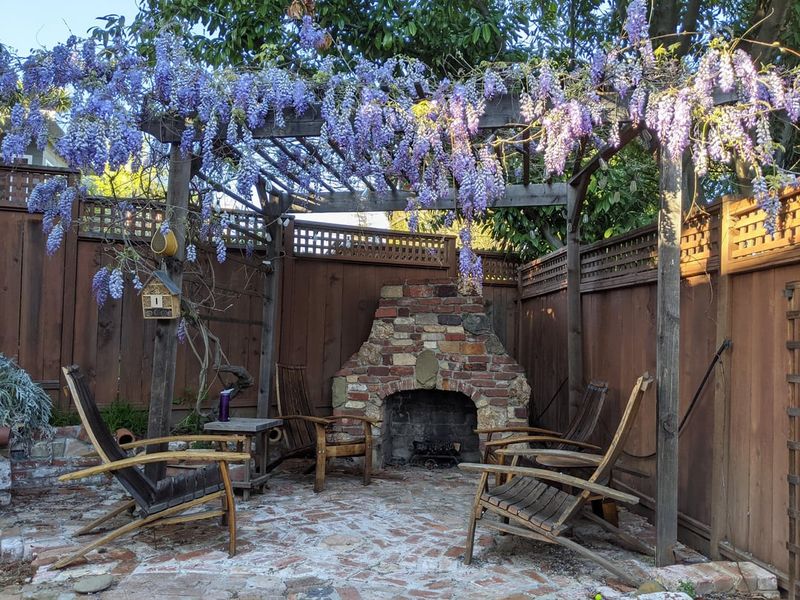
Wisteria is one of the most breathtaking flowering vines you can grow. The hanging purple blooms are stunning in spring, and the fragrance fills the whole yard.
That beauty is exactly what draws gardeners into planting it over pergolas and patio covers.
But wisteria has a serious side that not everyone expects. It is a powerfully aggressive vine that can wrap its stems around beams, gutters, and even roof edges.
Over time, the woody stems become incredibly thick and strong. They can bend metal, split wood, and pull apart structures that were not built to handle that kind of pressure.
In Oregon’s growing climate, wisteria thrives and can grow many feet in a single season. It also spreads through runners that travel underground, popping up in new spots around your patio and yard.
Getting rid of an established wisteria is a serious project that often takes years of effort.
Pruning wisteria twice a year is necessary to keep it from going completely wild. You need to cut it back hard in late winter and again in midsummer.
Even with regular pruning, it can still push into areas you do not want it to go.
If you love the look, consider growing it in a very large container where the roots stay contained. This limits its spread while still letting you enjoy the flowers.
Always check the structure it grows on to make sure it is strong enough to handle the weight.
6. Cherry Laurel Becomes A Constant Trimming Job
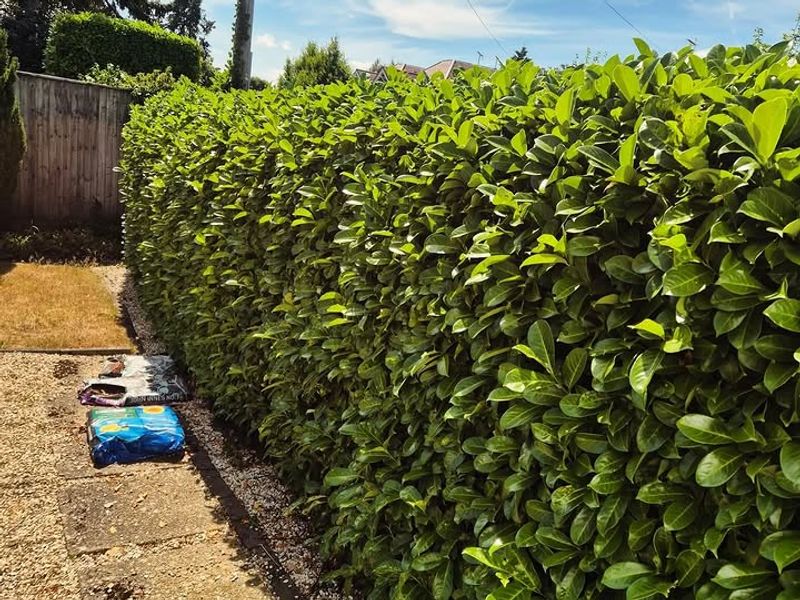
Cherry laurel is popular in Oregon because it grows fast, stays green all year, and provides good privacy. Many homeowners plant it near patios to block the view of neighbors or create a natural wall.
What they do not always expect is how much work it takes to keep it looking neat.
This shrub grows very quickly, often adding two to three feet of new growth each year. Near a patio, that means it can start blocking light, crowding furniture, and pushing against fences or walls faster than you planned.
Without regular trimming, it quickly turns into a large, dense mass.
Cherry laurel also produces berries that drop onto patios, walkways, and nearby soil. Birds eat the berries and spread seeds around the yard.
New seedlings can sprout in garden beds, between pavers, and along fence lines. Removing those seedlings adds another layer of ongoing maintenance.
The leaves are large and thick, which means they take a long time to break down when they fall. Cleaning up leaf litter near a patio becomes a regular chore, especially in fall and winter.
Wet leaves on stone or tile can also become slippery and create a safety hazard.
Keeping cherry laurel at least six to eight feet away from patio edges gives it room to grow without crowding your space. Choosing a slower-growing variety also helps reduce the trimming schedule.
Always plan ahead for how large it will eventually get before planting it close to any outdoor seating area.
7. Bamboo Can Become A Privacy Screen You Regret
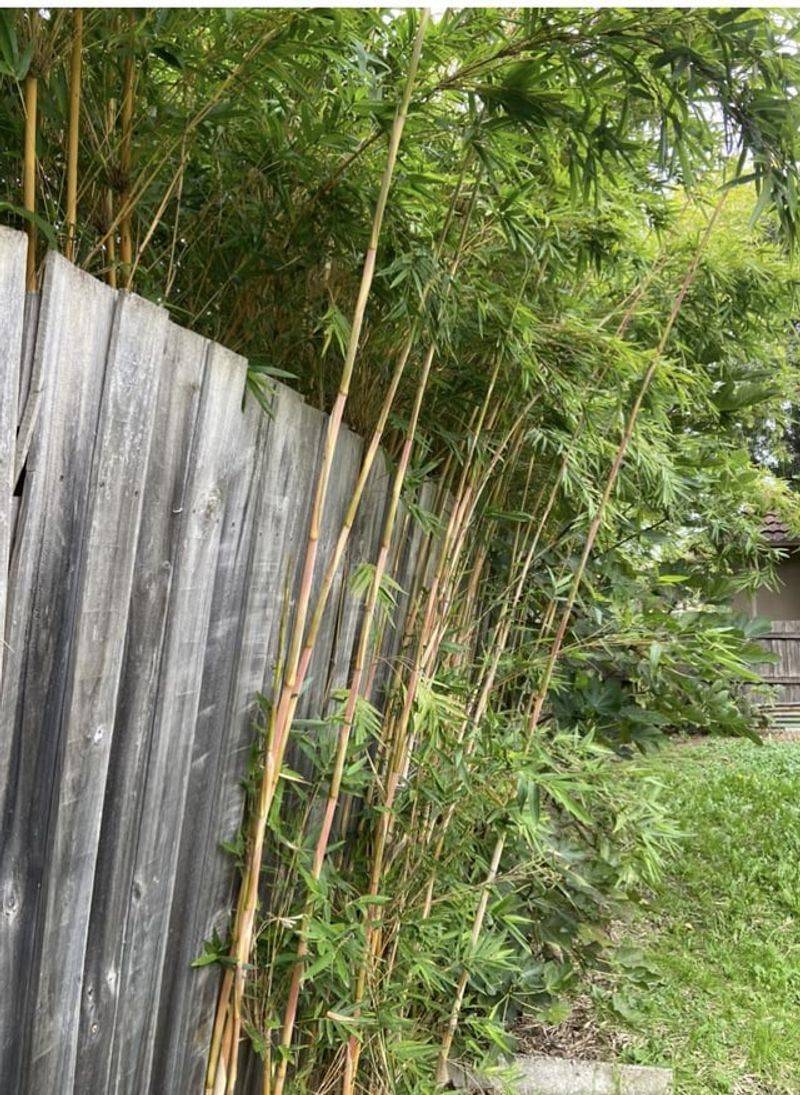
Bamboo seems like a perfect solution when you want fast privacy near a patio. It grows tall quickly, stays green year-round, and creates a lush, tropical feel even in Oregon’s mild climate.
Plenty of gardeners have planted it with high hopes, only to spend years regretting that decision.
Running bamboo is the most common type sold at garden centers, and it spreads underground through rhizomes that can travel ten feet or more in a single season.
These rhizomes push under patios, driveways, and fences with surprising strength. They crack concrete, lift pavers, and pop up in the middle of lawns and flower beds.
Once bamboo is established, removing it is a long and difficult process. You have to dig up every rhizome, and if even a small piece is left behind, new shoots will sprout.
Some homeowners have spent two or three years trying to fully remove a bamboo planting that got out of control.
Clumping bamboo is a safer choice because it spreads much more slowly and stays in a tighter area. Even clumping types should have a root barrier installed at planting to prevent any surprise spreading.
The barrier needs to go at least two feet deep to be effective.
If privacy is your main goal near a patio, consider tall ornamental grasses or evergreen shrubs instead.
They give you a similar look without the underground invasion risk that makes running bamboo such a regrettable choice for so many Oregon homeowners.
8. English Ivy Creeps Into Walls, Fences, And Patio Edges
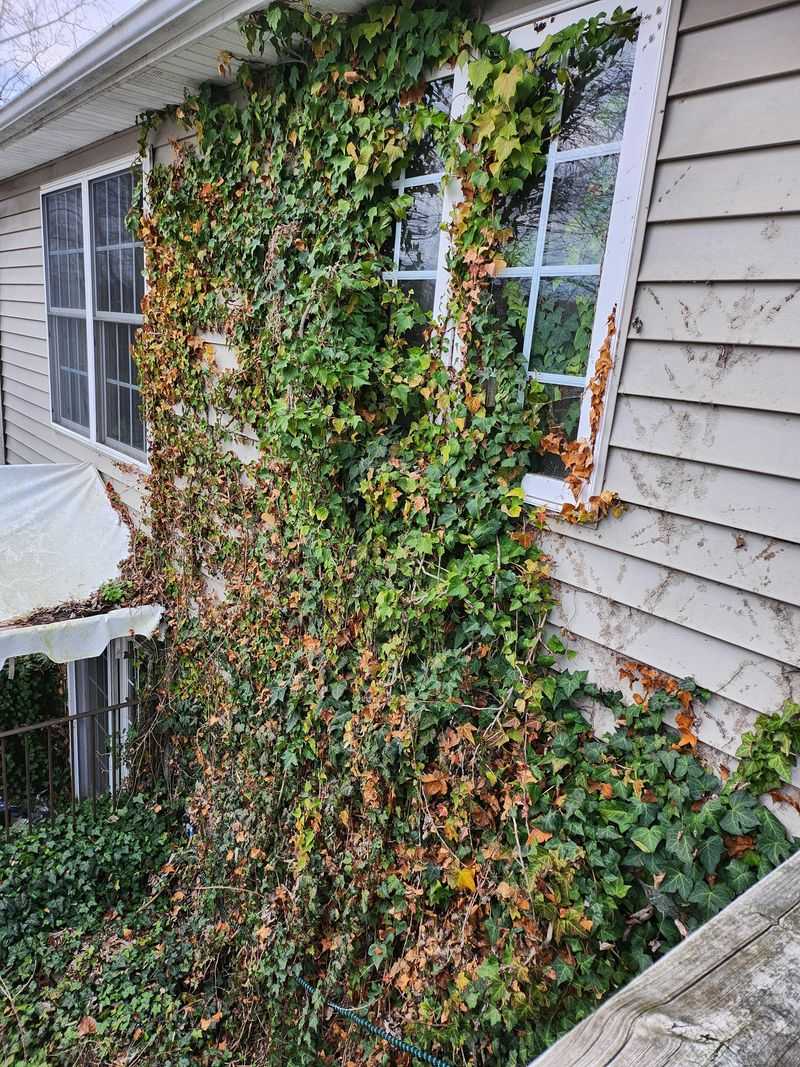
English ivy looks charming climbing up a wall or filling in a shady corner. Its dark green leaves stay fresh all year, and it seems to thrive in the kind of cool, shady spots that are hard to fill with other plants.
That reliability is exactly what makes it so appealing near patios in Oregon.
The trouble is that English ivy does not know when to stop. It climbs walls by attaching tiny rootlets directly into mortar, wood, and stone.
Over time, those rootlets break down surfaces and let moisture seep into cracks. Fences, retaining walls, and even house siding can suffer real damage from ivy that has been growing for several years.
Along patio edges, ivy creeps between pavers and under stones. It lifts surfaces, traps moisture, and creates hiding spots for slugs and other pests that Oregon gardeners already deal with in large numbers.
The damp conditions under ivy mats are a perfect environment for mold and rot.
English ivy is also considered an invasive plant in Oregon. It spreads into natural areas and can harm native plants and trees.
Some counties in our state have restrictions on planting it, so it is worth checking local rules before adding it to your yard.
Removing established ivy is hard work that takes time and patience. Cutting it back from walls and patio edges regularly is the only way to keep it from causing damage.
Many gardeners find that removing it completely and replacing it with a native ground cover is the better long-term choice.