Why Moles Take Over New York Yards Every Spring, And How To Stop Them
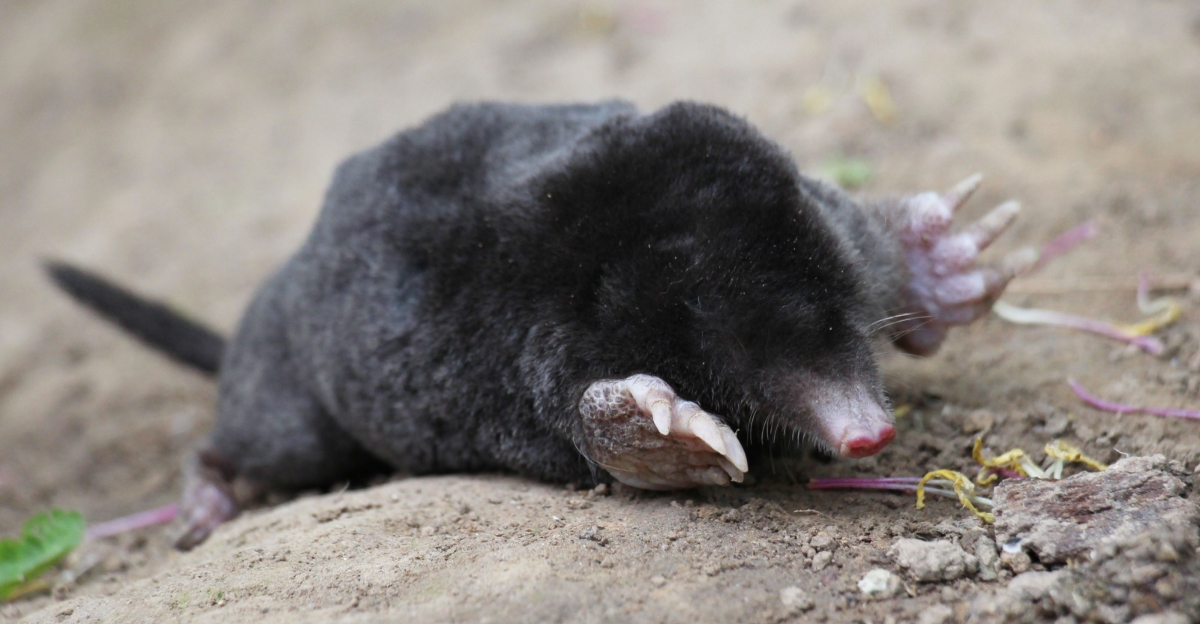
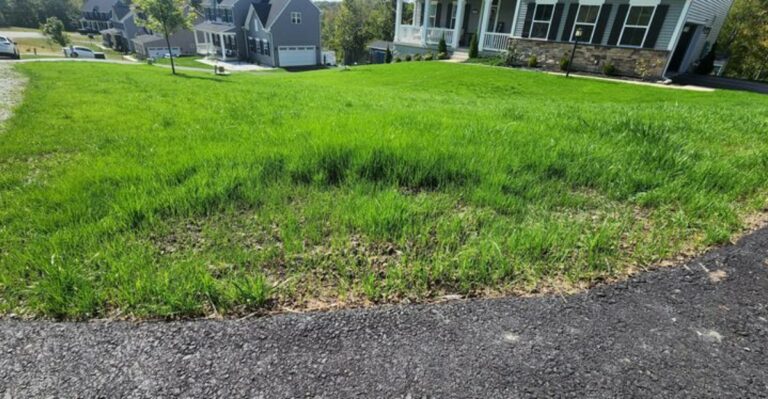
One morning your lawn looks fine. The next, something has carved a network of raised tunnels through your grass like it owns the place.
Most New York homeowners assume it happened randomly. It did not.
Moles follow food, and spring in New York delivers exactly what they are looking for. As the soil warms and softens after winter, earthworms and grubs push closer to the surface.
The frustrating part is that most common fixes do not address any of this. Repellents wash away. Ultrasonic devices get ignored. Chewing gum in the tunnels does nothing. Meanwhile, the mole keeps digging.
Find out why moles keep coming back and what actually stops them!
The Real Reason Moles Appear Every Spring In New York
Spring hits, and suddenly your lawn looks like a battlefield. Moles do not appear randomly. They follow food, and spring is when the feast begins underground.
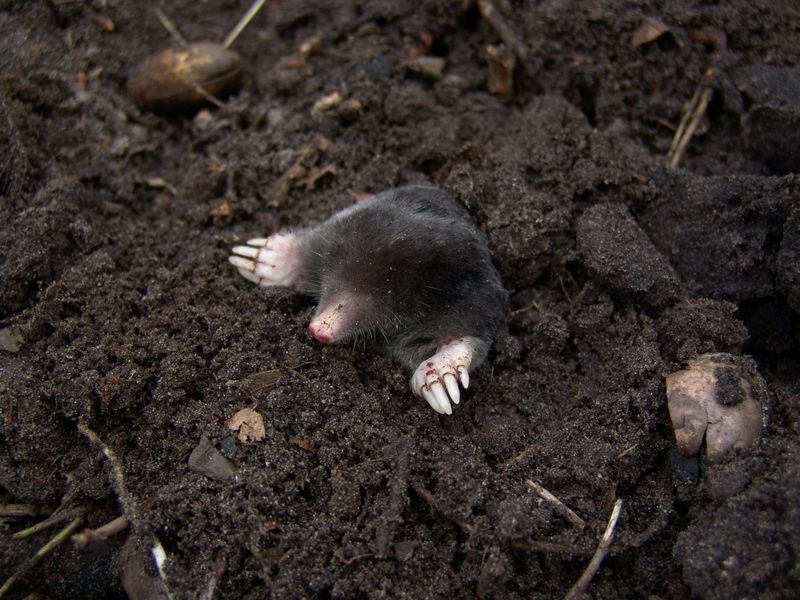
As soil temperatures rise above freezing, earthworms and grubs wake up and move toward the surface. Moles track that movement with impressive precision, using sensitive snouts to detect vibrations just inches below the grass.
New York winters push moles deep into the earth where the ground stays warmer. Once March arrives and the frost line retreats, they tunnel back toward the surface where food is most abundant.
This seasonal pattern repeats every single year. A mole that found your yard last spring is likely to return, often reusing the tunnel networks it built before.
Moles are not social animals. A single mole can create extensive tunnel systems quickly, which explains why the damage spreads so fast. One creature causes an enormous amount of disruption.
What makes New York particularly appealing is the combination of cold winters and wet springs. That moisture softens the soil just enough for easy digging.
Moles exploit that window aggressively, establishing feeding tunnels before the ground firms up again in summer. Knowing this timing helps homeowners take action before the damage spreads.
What Moles Are Actually After In Your Yard
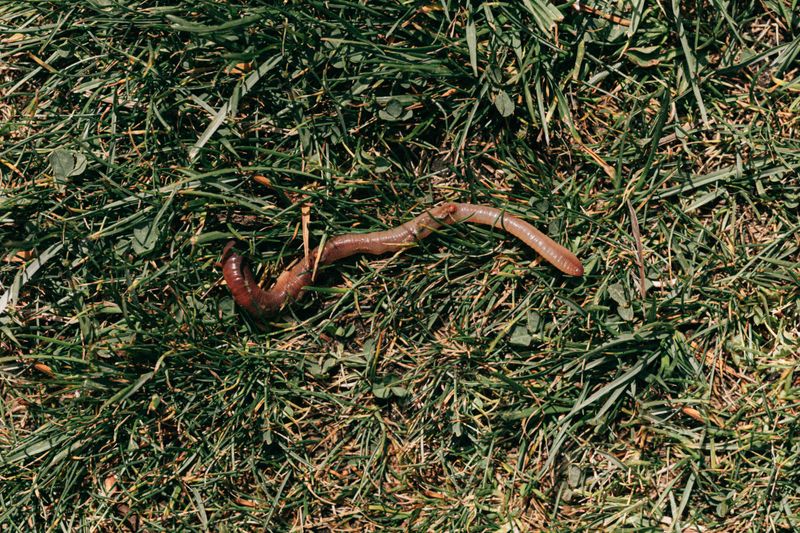
Forget the flowers. Moles do not have interest in your garden plants. What they want is the living buffet hiding beneath your lawn.
Earthworms make up the bulk of a mole’s diet. A single mole can eat close to its own body weight in earthworms every day. That is a staggering appetite for a creature that weighs less than half a pound.
Grubs are the second major target. Japanese beetle larvae and other grub species live just below the grass roots from late summer through spring. Moles follow these protein-rich snacks with surprising accuracy, leaving chaotic tunnel patterns that trace the grub population underground.
Soft-bodied insects and beetle larvae round out the menu. Moles are insectivores, not rodents, which surprises many homeowners who assume they are after seeds or roots. Your plants get damaged only because tunneling disrupts the root systems nearby.
A well-watered, fertilized lawn is exactly the kind of environment moles seek out. The richer your soil biology, the more attractive your yard becomes. Lawns with heavy thatch or frequent irrigation tend to host more worms, which directly invites more mole activity.
Your New York Garden Changes Every Week. Your Plan Should Too.
Gardening in New York changes quickly throughout the season. Every Friday you’ll receive a simple weekly plan showing exactly what to plant, prune, fertilize, harvest, and protect so you never miss the right timing.
Recognizing what draws them in changes your whole approach to control. Targeting the food source, rather than just the mole itself, often produces longer-lasting results and fewer headaches overall.
The Soil Conditions That Make New York Yards Irresistible To Moles
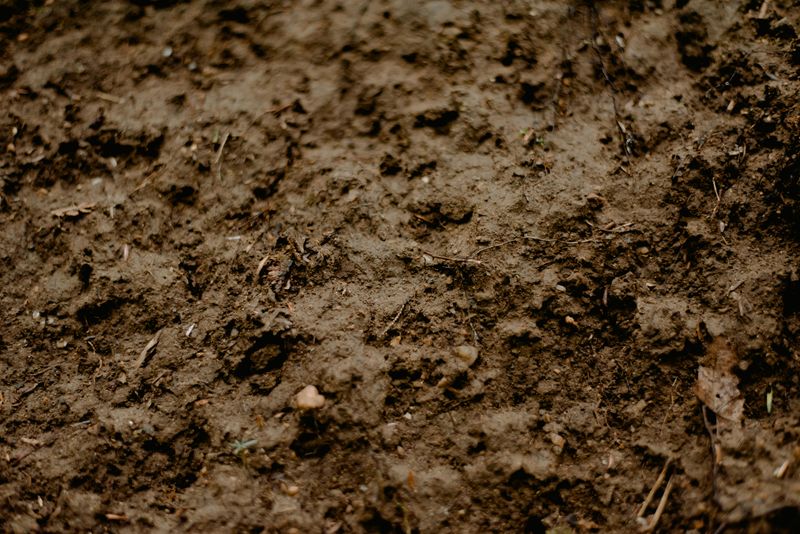
Not every yard gets hit equally. Moles pick their spots based on soil quality, and New York has plenty of it.
Loamy soil is the gold standard for moles. It holds moisture without becoming waterlogged, stays loose enough to tunnel through quickly, and supports a dense population of earthworms.
Many neighborhoods across Westchester and parts of the Hudson Valley sit on exactly this type of ground. Clay-heavy soils slow moles down, but they do not stop them.
Once clay softens after spring rains, it becomes workable enough for a motivated mole to push through. The real deterrent is dry, compacted ground, which is rarely a problem in a well-maintained New York yard.
Irrigation habits play a huge role. Homeowners who water deeply and frequently end up with moist soil year-round.
That consistent moisture keeps earthworms near the surface longer, creating an almost permanent food source that moles can rely on.
Organic matter matters too. Lawns amended with compost or thick layers of mulch tend to have richer microbial activity, which attracts more worms, which attracts more moles. That cycle starts with good gardening habits.
Shaded yards also stay cooler and moister longer into the season. If your lawn has large trees or sits in a low spot that drains slowly, expect moles to find it early and stay late into the season.
The Methods That Sound Good But Fall Flat

Hardware stores are full of mole remedies that promise big results. Most of them deliver very little.
Ultrasonic spike devices are among the most popular and least effective options available.
Manufacturers claim the vibrations disturb moles enough to drive them away. Field reports and pest control professionals consistently note that moles adapt to the noise within days and simply tunnel around the devices.
Castor oil granules are another crowd favorite. They do work temporarily on some moles, making the soil smell unappealing.
But moles often move to an adjacent section of the yard rather than leaving the property entirely. So the problem shifts rather than disappears.
Flooding tunnels with a garden hose rarely works either. Moles are strong swimmers and can navigate flooded tunnels with ease.
Flooding also over-saturates the soil, which makes it softer and more appealing for future digging once it dries out. Chewing gum placed in tunnels is a popular folk remedy with no scientific support.
The idea that moles eat the gum and suffer is simply not accurate. Moles are insectivores and do not eat sugary substances.
Mothballs, coffee grounds, and human hair are also widely suggested home remedies. None of them have demonstrated consistent results in controlled settings. Some may offer minor deterrence at best.
Wasting time and money on ineffective methods allows moles to keep expanding their tunnel networks. Skipping straight to proven strategies saves your lawn and your sanity far more quickly.
What Actually Stops Moles In New York Yards
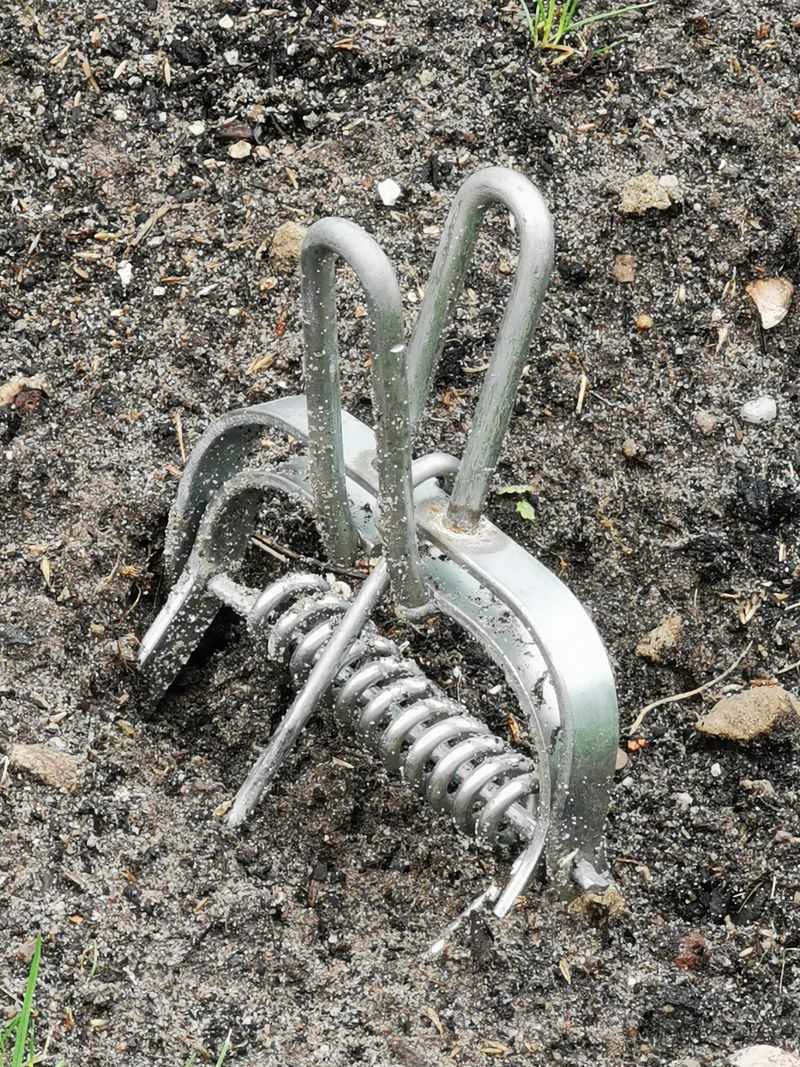
Trapping is one of the most reliable methods for controlling moles. Scissor-jaw traps and harpoon traps placed directly in active surface tunnels produce consistent results.
The key is identifying which tunnels are active by pressing them down and checking 24 hours later. Active tunnels get re-raised quickly as the mole pushes through again.
Placing traps in main tunnel runs rather than short feeding tunnels increases success significantly. Main runs tend to follow straight lines along fences, garden borders, or the edges of driveways.
These are the highways moles use repeatedly. Bait-based options have improved considerably in recent years. Only use mole bait products that are legal in New York and follow the label exactly.
These products are regulated and should be used exactly as directed on the label to avoid unintended harm to other wildlife. Grub control treatments applied in late summer reduce one of the main food sources that draws moles in spring.
Products containing milky spore or beneficial nematodes target grub populations organically. Results take a season or two to fully develop but create lasting change.
Professional pest control companies in New York combine trapping with soil treatment. For serious infestations, that often resolves the problem faster than going it alone.
Acting early in spring, before moles establish deep tunnel networks, makes every control method more effective and keeps lawn damage to a manageable level.
When To Call A Professional For Mole Control
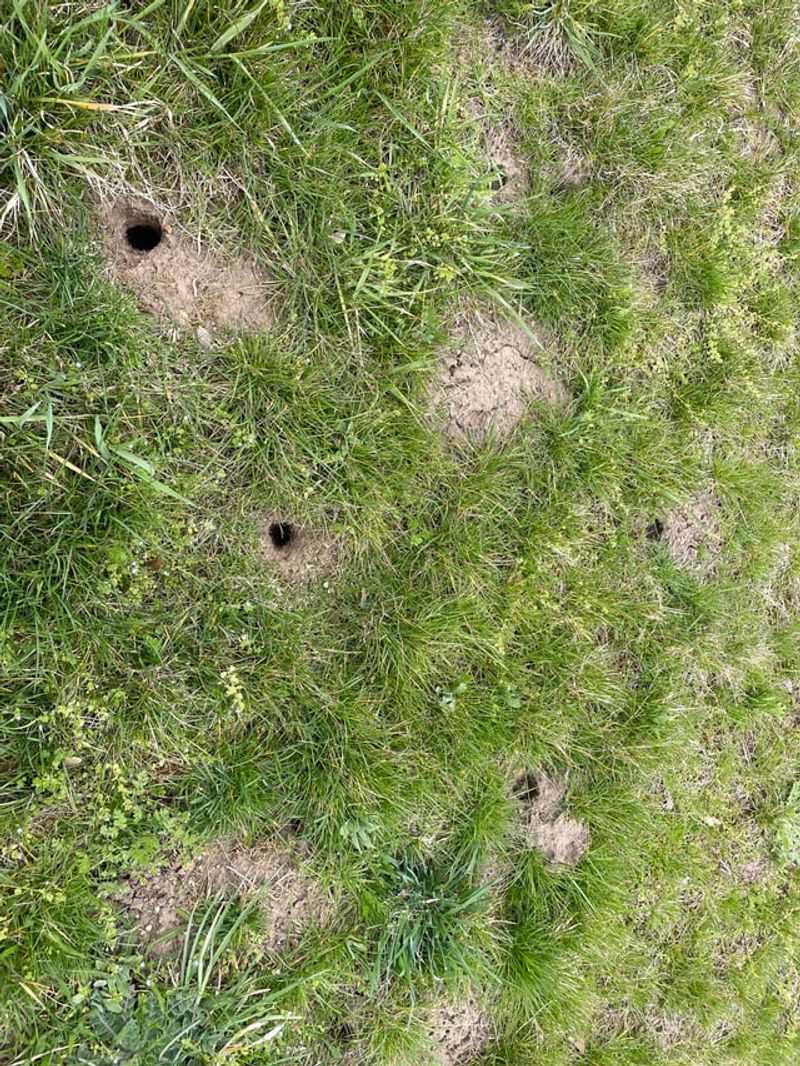
Some mole problems go beyond what a weekend project can fix. Knowing when to call in backup saves a lot of frustration.
If you have been trapping for two to three weeks without results, something is off. The tunnels may not be active, the traps may be set incorrectly, or the infestation may be too large for a solo approach.
Large properties with extensive tunnel networks often have multiple moles working simultaneously. Managing several animals at once is genuinely difficult.
A licensed pest control company can deploy multiple traps across the property. They can also monitor them on a schedule that most homeowners cannot match.
Recurring infestations year after year despite DIY efforts usually point to an underlying issue. A professional can assess soil conditions, drainage patterns, and food source density to identify why the property keeps attracting moles.
Addressing root causes produces better results than repeated trapping alone. Some New York municipalities have regulations around certain trapping methods or bait products.
A licensed operator understands local rules and carries the appropriate permits. Professional treatment also often proves more economical than multiple rounds of store-bought products that fail.
Getting a quote from two or three local companies gives a realistic sense of what control will actually cost. The right professional turns a season-long struggle against moles in New York yards into a resolved problem with a clear plan going forward.