Things Scaring Hummingbirds Away From Your Oregon Garden
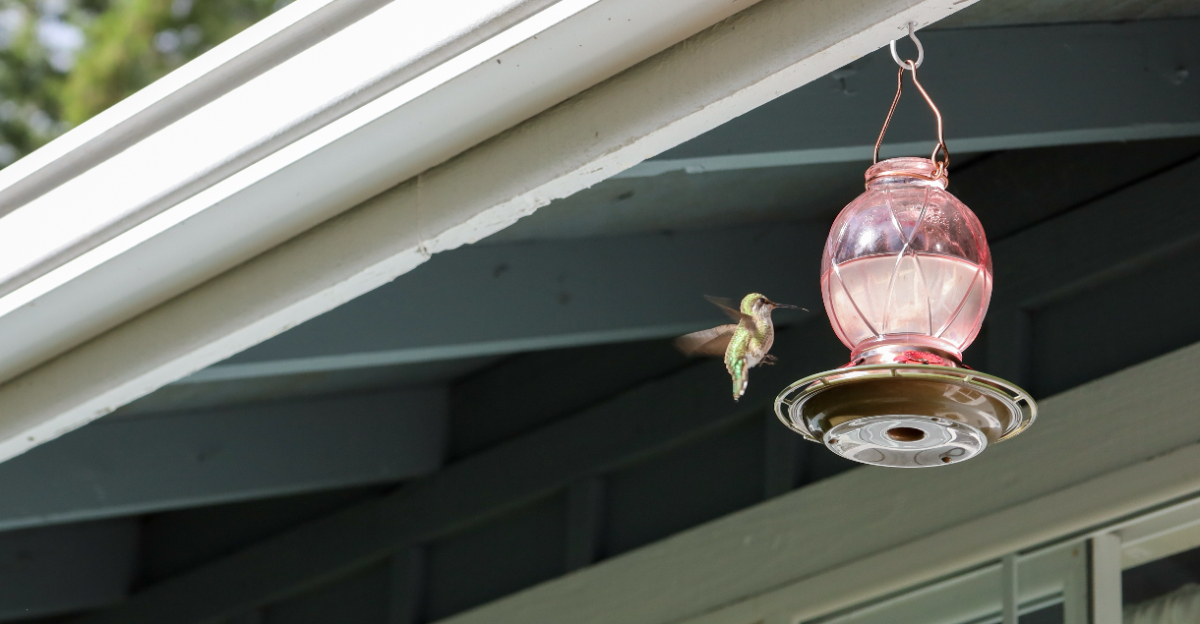
Hummingbirds can make an Oregon garden feel magical, so it is frustrating when they zip in once and never seem to return. The reason may be hiding in plain sight.
A feeder in the wrong spot, flowers with little nectar, too much open space, or sudden movement near their favorite perch can all make your yard less inviting.
These tiny birds are bold, but they still choose spaces that feel safe, steady, and worth the energy.
Small details matter more than most gardeners realize. A messy feeder, a poorly timed trim, or one pushy outdoor cat can change their routine fast.
Once you know what sends hummingbirds away, it becomes much easier to turn your garden into a place they want to visit again and again.
1. Wind Chimes Can Make The Feeding Area Feel Too Busy
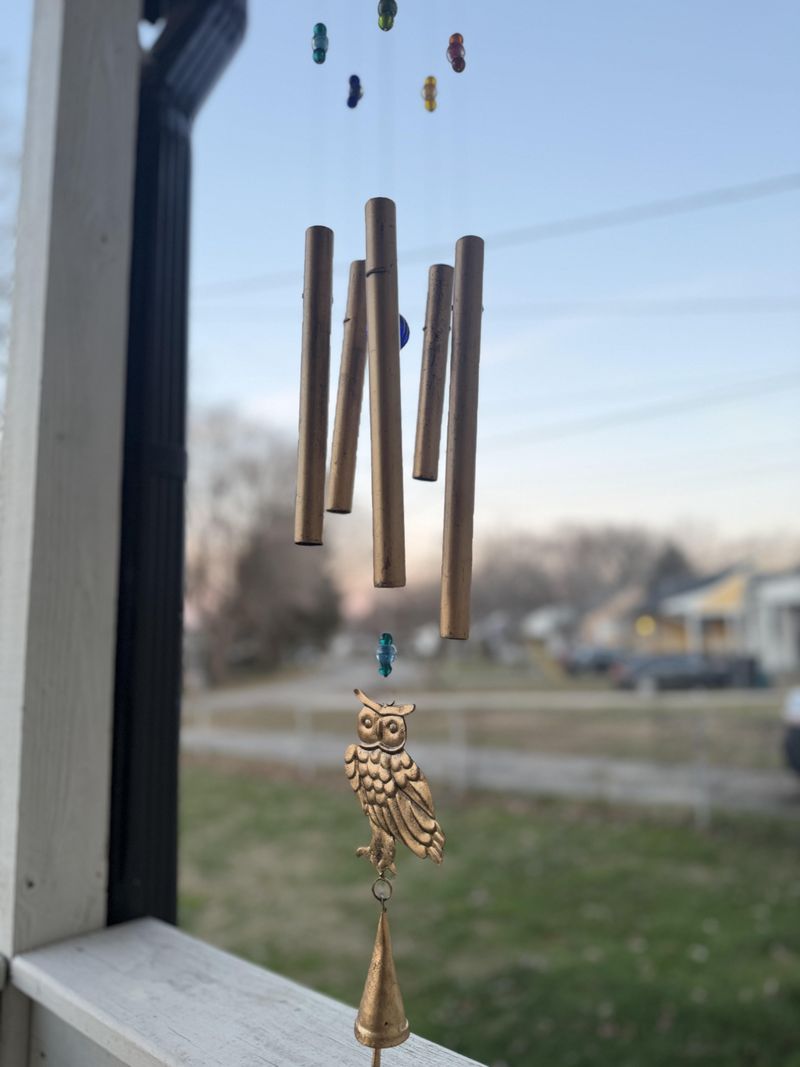
Most people hang wind chimes because they love the soothing sound. But to a hummingbird, that constant clinking and clanging can feel like a warning signal.
These birds are wired to stay alert. Any repeated or unpredictable noise near their feeding spot can make them feel like danger is close.
Hummingbirds rely heavily on their senses when they feed. They hover in one place, which already takes a lot of energy.
If something nearby is making noise and moving at the same time, it doubles the stress. Wind chimes do both.
The sound travels, and the visual movement adds to the confusion.
You do not have to get rid of your wind chimes entirely. Just move them farther away from the feeder.
A good rule of thumb is to keep chimes at least ten to fifteen feet away from any feeding station. That gives hummingbirds a quiet zone where they can feed without feeling on edge.
Soft, natural sounds like rustling leaves or a gentle water feature are much less likely to bother them. If you want to add sound to your garden, choose something steady and calm rather than random and clanging.
Over time, hummingbirds will learn which spots are safe and peaceful. Give them a quiet corner, and they will reward you with regular visits all season long.
2. Reflective Garden Decor Can Startle Hummingbirds Mid-Flight
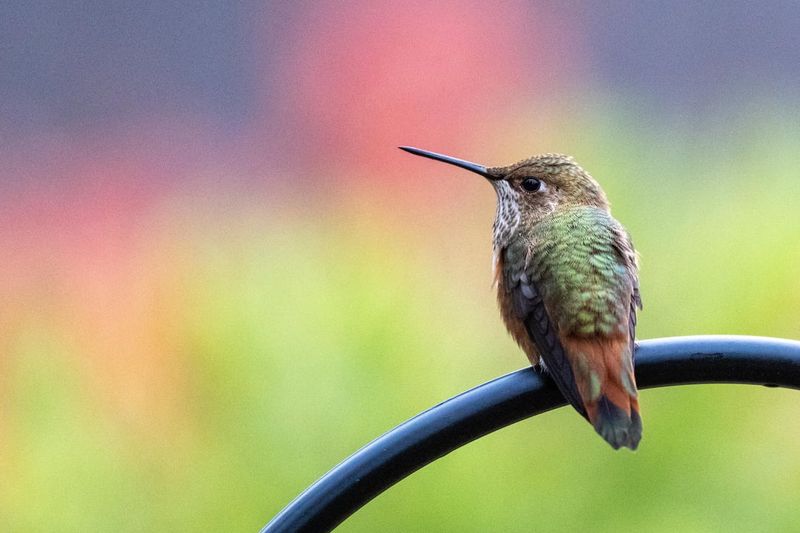
Shiny objects in the garden might look beautiful to us, but they can be genuinely alarming to a small bird traveling at high speed.
Reflective garden balls, metallic sculptures, and mirror-finish wind spinners all catch sunlight and throw it around unpredictably.
For a hummingbird flying toward a feeder, a sudden flash of light can feel like a threat.
In the wild, unexpected flashes of light sometimes signal movement from a predator. Hummingbirds are hardwired to react fast.
When something shiny suddenly catches their eye mid-flight, their instinct is to veer away. Over time, if that flash keeps happening near the feeder, they may stop visiting that area altogether.
Many gardeners do not realize their decorative items are causing this problem. A simple glass ornament or a metallic garden stake can be enough to keep hummingbirds at a distance.
Your Oregon Garden Changes Every Week. Your Plan Should Too.
Gardening in Oregon changes quickly throughout the season. Every Friday you’ll receive a simple weekly plan showing exactly what to plant, prune, fertilize, harvest, and protect so you never miss the right timing.
Moving these items away from feeding zones can make a noticeable difference pretty quickly.
Try placing reflective decor on the opposite side of the yard from your feeders. Natural materials like wood, clay, or stone are much more hummingbird-friendly.
If you love the look of shiny garden art, just be thoughtful about placement.
Keeping the area around feeders calm and visually simple gives hummingbirds the confidence to come in close and stay awhile.
3. Sprinklers Hitting The Feeder Can Keep Them Away
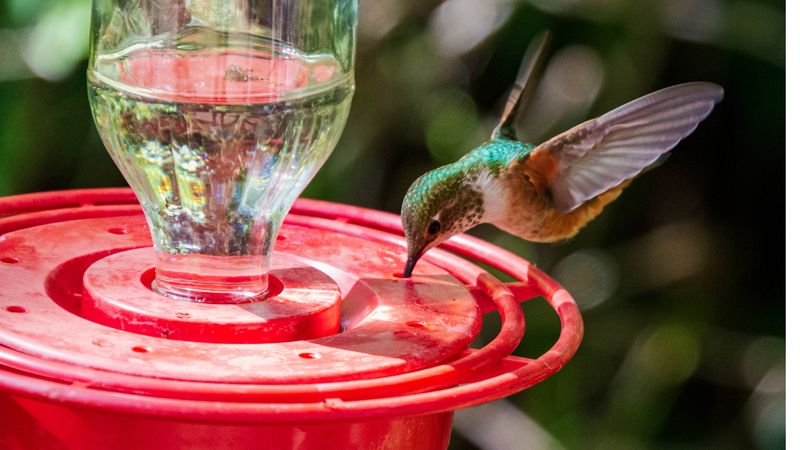
Watering your garden is important, especially during dry stretches in our state. But if your sprinkler system is hitting your hummingbird feeder, you might be unintentionally chasing your visitors away.
Hummingbirds do enjoy bathing in light mist, but they do not like being drenched while trying to eat.
When water hits the feeder repeatedly, it also dilutes the nectar inside. Watered-down nectar loses its sweetness, and hummingbirds can tell the difference.
They have excellent memory and will quickly learn that a feeder tastes off. Once that happens, they may skip it entirely and look for a better food source nearby.
There is also a physical comfort issue. Wet feathers make flying harder.
A hummingbird that gets soaked at your feeder has to work harder to fly away safely. That kind of stress adds up, and eventually, the bird will choose a drier, safer spot to feed.
Check your sprinkler coverage and adjust the heads so they do not reach your feeder. If you cannot move the sprinkler, try relocating the feeder to a drier part of the yard.
Covered spots like a porch overhang or a spot under a tree canopy can work well.
Keeping the feeder dry and the nectar fresh is one of the easiest ways to keep hummingbirds coming back consistently throughout the season.
4. Motion Lights Can Spook Evening Visitors
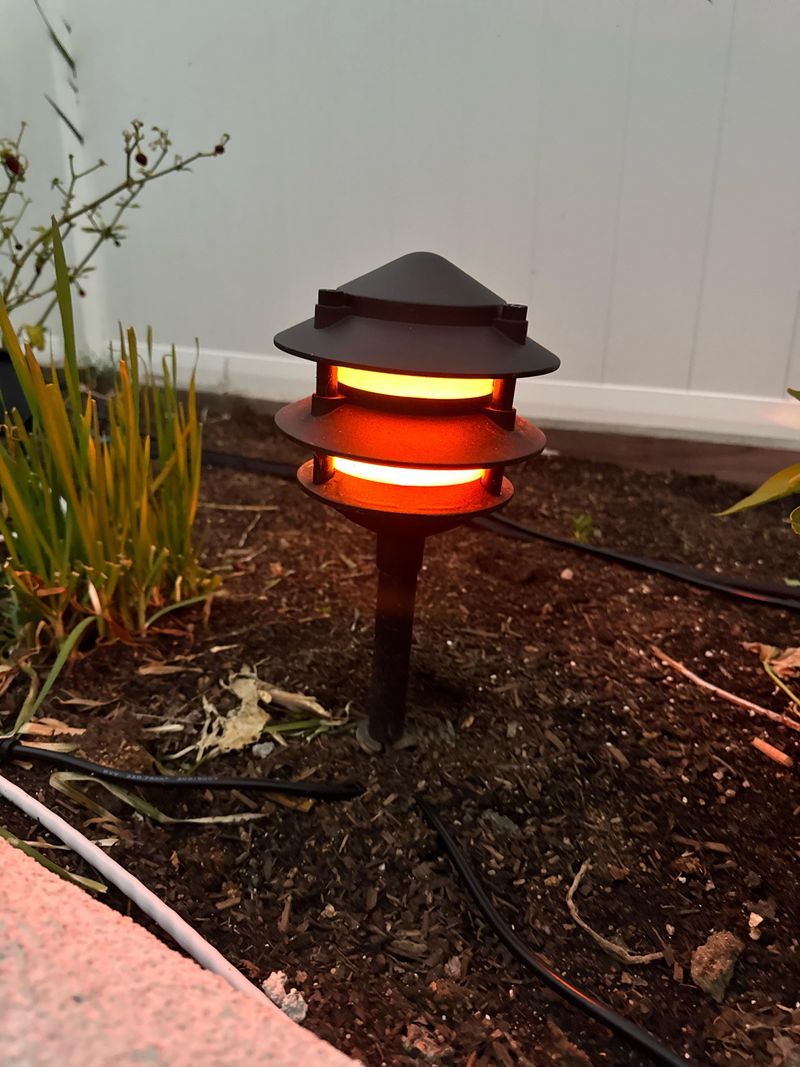
Not everyone knows this, but some hummingbirds do feed in the early evening. Anna’s hummingbirds, which are common in our state year-round, are especially known to visit feeders right around dusk.
That means motion-activated lights can be a real problem if they are pointed near the feeder.
When a motion light suddenly flips on, the burst of bright light can startle any bird mid-flight. For a hummingbird hovering at a feeder, that sudden change from dim to bright is jarring.
The bird may dart away instantly. If this keeps happening every evening, the hummingbird will learn to avoid that spot during low-light hours.
The fix does not have to be complicated. Try angling your motion lights away from the feeder so the beam does not directly hit it.
Some motion lights have adjustable sensitivity settings, so you can reduce how easily they trigger. This small change can make a big difference for evening visitors.
You can also use lower-wattage bulbs in lights near the feeder area. Softer, warmer light is less shocking than a bright white flood light.
The goal is to keep the space calm and predictable. Hummingbirds are more likely to return to spots where nothing surprises them.
A little adjustment to your lighting setup could open up a whole new window of hummingbird activity you have been missing.
5. Busy Patio Traffic Can Make Feeders Feel Unsafe
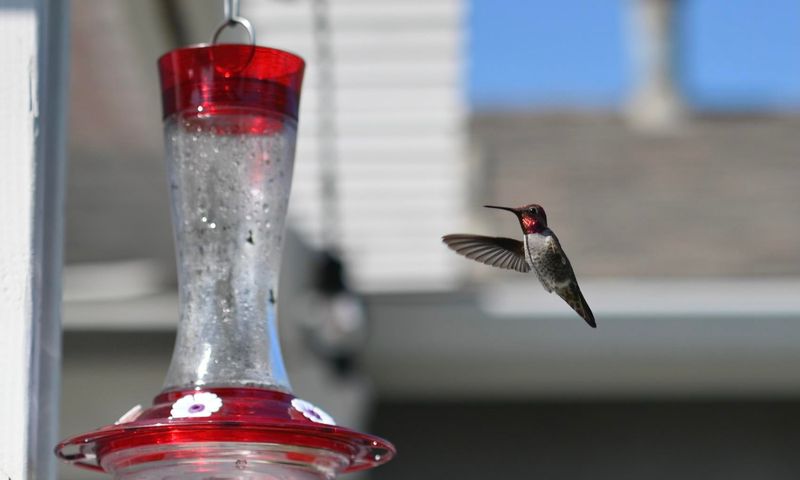
Hummingbirds are bold for their size, but they are not reckless. When there is a lot of human activity near a feeder, they tend to hang back and wait.
If the traffic never slows down, they may give up entirely. A feeder placed right next to a busy patio table or a sliding glass door that opens and closes constantly is not going to attract many birds.
Think about it from the bird’s perspective. Every time someone walks past, reaches for a drink, or pulls out a chair, it registers as a potential threat.
Hummingbirds process movement very quickly. Even calm, slow human movement can be enough to keep them at a distance when they are not used to it.
Placing the feeder slightly away from your main hangout area is one of the simplest fixes. Even moving it ten or fifteen feet can help.
You want the bird to feel like it has its own space. Over time, hummingbirds can get used to human presence, but that takes patience and consistency.
If you really want to watch them up close, try sitting quietly near the feeder for a few days without making sudden movements. Hummingbirds are curious and will eventually warm up.
But they need to feel safe first. Give them a little breathing room, and they will start treating your yard like home before you know it.
6. Hanging Feeders Too Close To Doors Can Backfire
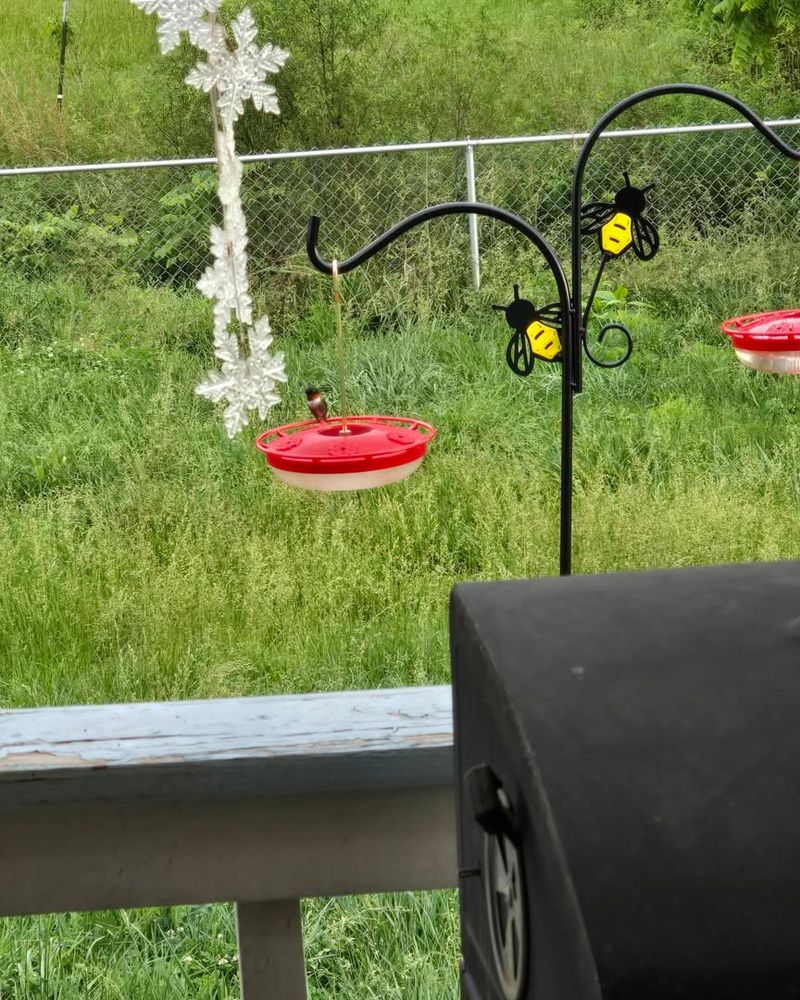
Hanging a feeder right next to your back door seems like a great idea at first. You get to watch hummingbirds up close every time you step outside.
But the door itself can be the problem. Every time it opens and closes, it creates a rush of air, a flash of movement, and sometimes a loud noise.
For a hummingbird mid-hover, that is a lot to deal with.
Screen doors are especially tricky because they often bang shut. That sharp sound can scatter birds instantly.
Even a slow-closing door creates visual movement that puts hummingbirds on high alert. If the feeder is right there, the bird associates that spot with repeated disruptions and eventually stops coming back.
A better placement is somewhere visible from your door but not directly beside it. Try hanging the feeder off a shepherd’s hook in the yard or from a tree branch that gives you a clear sightline from inside.
You still get the view, but the bird gets the peace and quiet it needs to feed comfortably.
Windows can also be a factor near doors. Hummingbirds sometimes fly into glass they cannot see.
Adding window clings or decals near feeder areas helps prevent collisions. The goal is to make the whole zone feel open, safe, and predictable.
Small changes in feeder placement can completely transform how often hummingbirds visit your yard.
7. Predator Hiding Spots Near Feeders Make Them Nervous
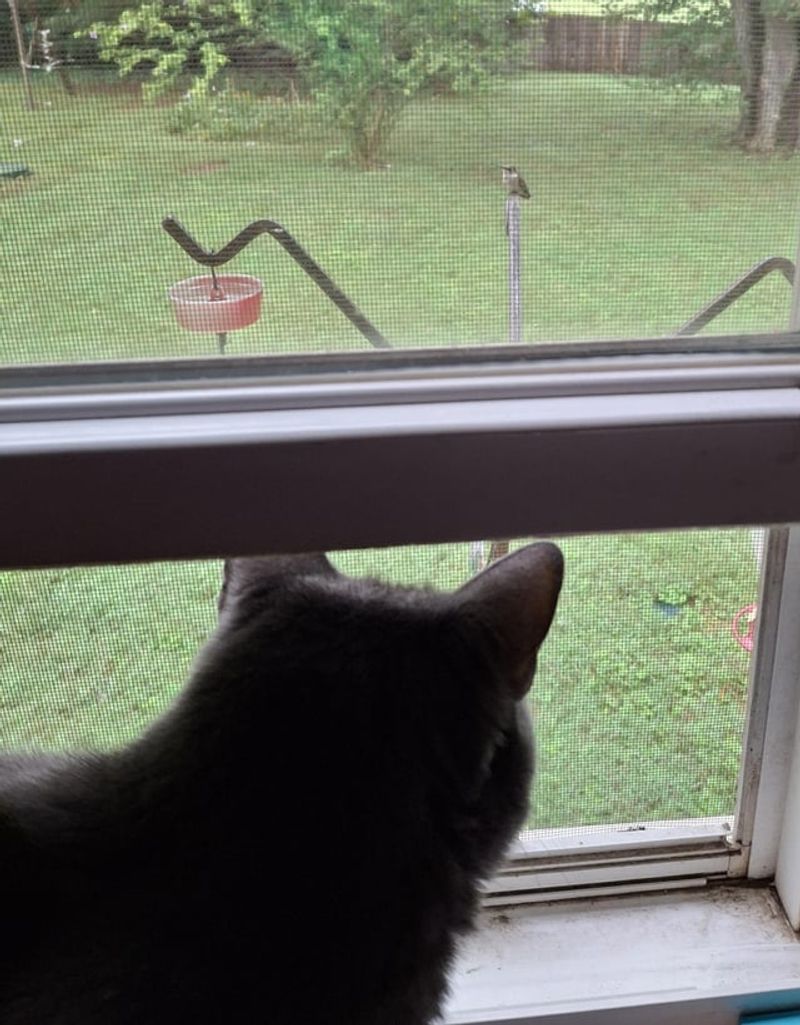
Cats are one of the biggest threats to backyard birds, and hummingbirds know it. Even if your cat never actually catches a hummingbird, its presence near the feeder is enough to keep birds away.
Hummingbirds have excellent eyesight and can spot a crouching cat from a surprising distance. Once they see that threat, they will not come back until they feel the coast is clear.
But cats are not the only issue. Dense shrubs, tall ornamental grasses, and thick ground cover planted too close to a feeder can all serve as hiding spots for predators.
Even if nothing is actually hiding there, hummingbirds are cautious by nature. Anything that blocks their view of the surrounding area makes them feel exposed and trapped.
Try to keep a clear zone of a few feet around your feeder. Trim back any heavy vegetation that could hide a cat or other animal.
Placing feeders on tall poles or hanging them from high branches also helps, since it puts the feeder out of easy reach for ground-based predators.
If you have outdoor cats, consider keeping them inside during peak hummingbird feeding times, which are usually early morning and late afternoon. It is a small sacrifice that makes a big difference for your feathered visitors.
A feeder that feels exposed and dangerous will never attract the steady stream of hummingbirds you are hoping for.
8. Open, Exposed Feeders Leave Them Feeling Vulnerable
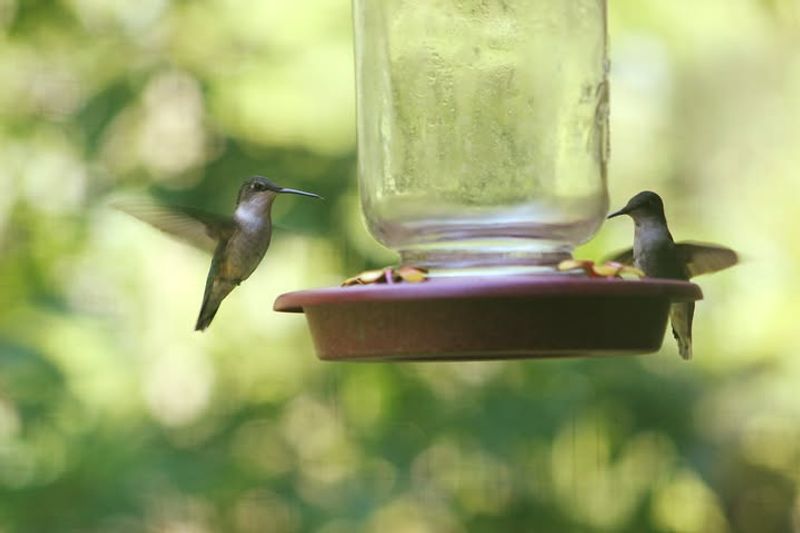
You might think an open, sunny spot is ideal for a hummingbird feeder. And while hummingbirds do like warmth and visibility, being completely out in the open without any nearby cover can actually make them feel unsafe.
When a bird has nowhere to retreat to quickly, it stays on high alert the entire time it feeds.
Hummingbirds prefer to have a nearby perch where they can rest between feeding sessions. They also like to survey the area before flying in.
If there are no trees, shrubs, or structures nearby, the feeder might get skipped in favor of one that feels more sheltered. It is not just about food.
It is about feeling secure while eating.
Adding a small tree or tall shrub within ten to fifteen feet of the feeder gives hummingbirds a place to land, rest, and watch. Native plants like red flowering currant or salal are great choices for our region.
They provide both shelter and natural food sources, which makes the whole area more attractive.
You do not need a big yard to make this work. Even a potted shrub or a trellis with climbing vines can offer enough cover to make a hummingbird feel at home.
Think of it like creating a little neighborhood for them. The feeder is the restaurant, and the nearby plants are the safe streets they walk to get there.
9. Too Many Feeders In One Tight Spot Can Trigger Fights
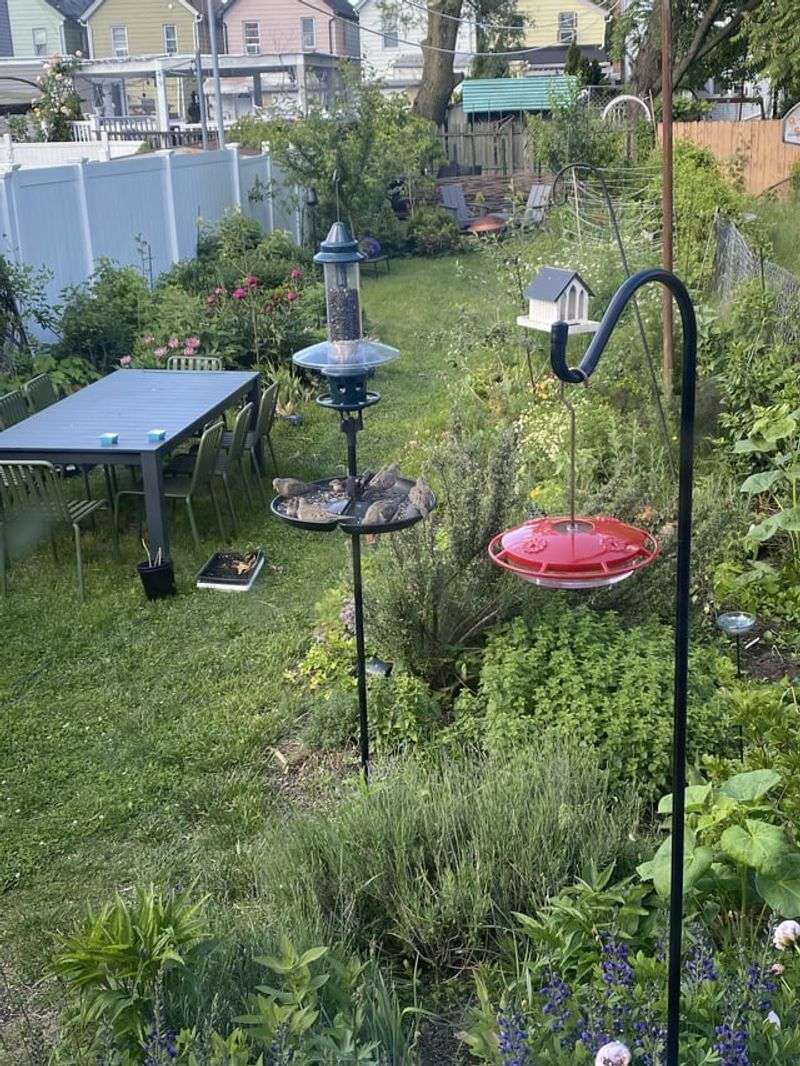
More feeders should mean more hummingbirds, right? Not always.
When you cluster several feeders too close together, you actually create a hotspot for territorial behavior. Male hummingbirds in particular are fiercely protective of food sources.
One dominant bird will often chase all the others away, turning what should be a peaceful feeding station into a constant battle zone.
Hummingbirds are surprisingly aggressive for their size. A single male can spend more energy chasing rivals than actually feeding.
When feeders are grouped tightly, that one aggressive bird can guard them all at once. The result is that fewer birds actually get to eat, and many stop trying altogether.
Spreading feeders out across different parts of the yard is a much better approach. Try placing them around corners or behind visual barriers like hedges so that one bird cannot see all the feeders at the same time.
This way, multiple hummingbirds can feed without constantly triggering each other.
In our state, late summer brings a surge of Rufous hummingbirds migrating through, and competition gets fierce during that time. Having well-spaced feeders during migration season can make a huge difference.
Aim for at least ten to fifteen feet between feeders, and try to place them at slightly different heights too.
A little strategic thinking about feeder layout can turn your yard into a place where many hummingbirds feel welcome at the same time.