Oregon Gardeners Are Using These Simple Tricks To Double Their Cucumber Harvest
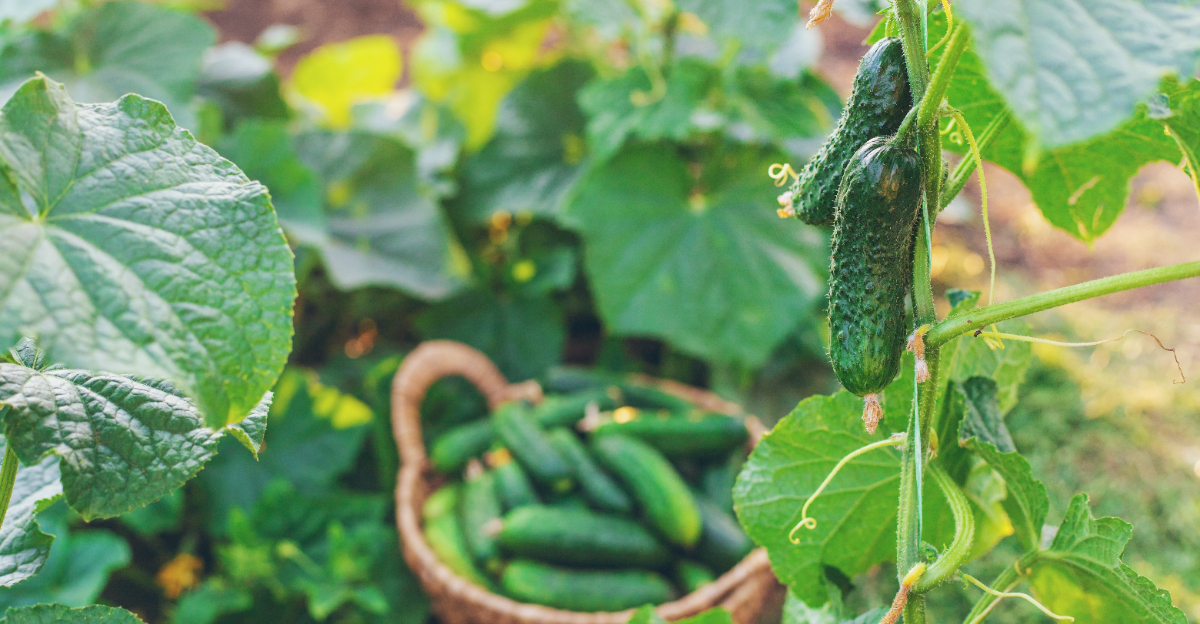
Cucumbers are either the most generous plant in your garden or the most aggravating, and the difference usually comes down to a few decisions most people never think about.
Oregon’s short warm season does not leave much room for a cucumber to underperform, so when a vine looks healthy but produces almost nothing, it stings.
The good news is that fixing it does not take more work. It actually takes less, but just smarter.
The gardeners in Oregon pulling armfuls of cucumbers off their vines every few days are not doing anything exotic or expensive. They figured out a handful of simple tricks that flip the whole dynamic.
Vertical growing, pinching at the right moment, timing the watering just so. Small moves that stack up fast.
Try even one of them and your harvest changes noticeably. Try all of them and you will be looking for people to give cucumbers to before August is halfway done.
1. Warm Soil Makes Cucumbers Take Off
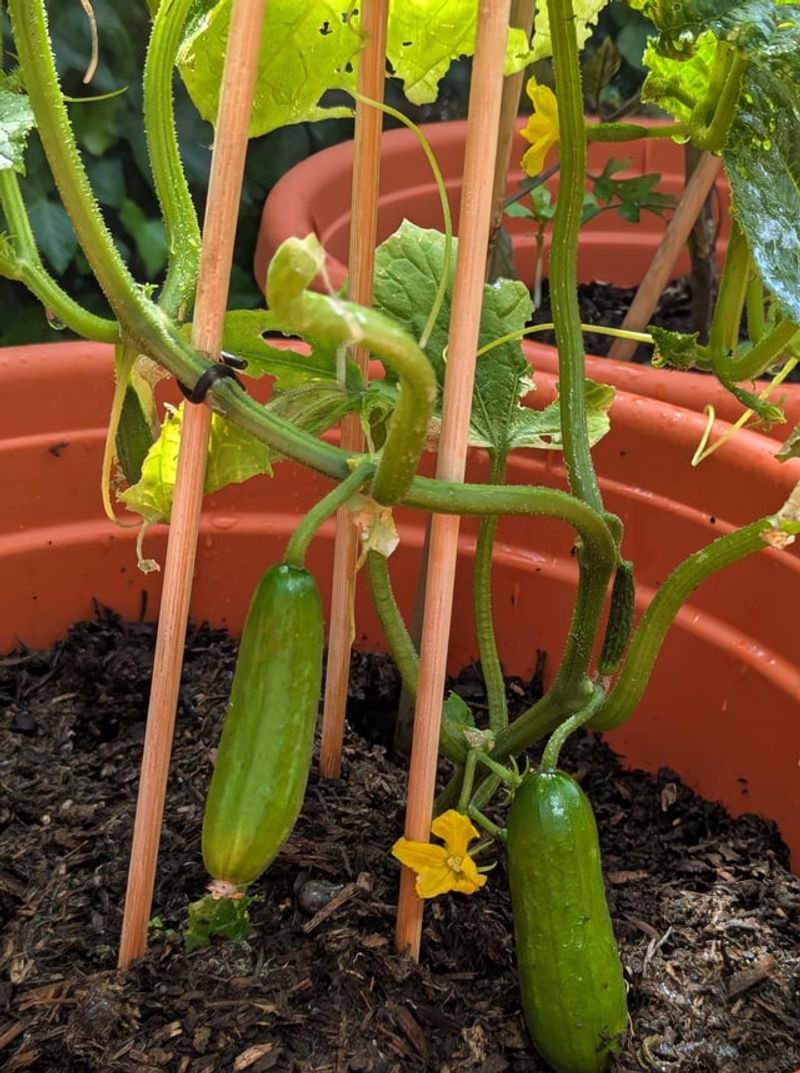
Cold soil is one of the biggest reasons cucumber plants struggle in the early season. Cucumbers love warmth, and their roots simply will not grow well when the ground is too chilly.
In northern regions like ours, the soil can stay cold well into late spring, which delays planting and shortens the growing season.
A simple fix is to lay black plastic sheeting or dark-colored landscape fabric over your garden bed about two weeks before you plan to plant. The dark material absorbs sunlight and traps heat in the soil underneath.
Even a few extra degrees of warmth can make a big difference in how fast your seeds sprout or how quickly transplants get established.
Some gardeners also use clear plastic, which warms the soil even faster because it acts like a mini greenhouse. Just be aware that clear plastic can also encourage weeds to sprout underneath it.
Black plastic blocks the light and keeps weeds down at the same time, making it a popular choice for busy gardeners.
Once your cucumber plants are a few inches tall and the outdoor temperatures are staying warm, you can cut holes in the plastic and plant right through it. The plastic stays in place all season, continuing to hold heat and moisture around the roots.
Gardeners who use this trick often report that their plants look healthier and start producing cucumbers noticeably sooner than those planted in untreated soil.
2. Row Covers Give Young Plants A Head Start
Spring weather in this state can be unpredictable. One day it is sunny and warm, and the next brings chilly winds or unexpected rain.
Young cucumber plants are especially sensitive to cold snaps, and a surprise drop in temperature can set them back by weeks.
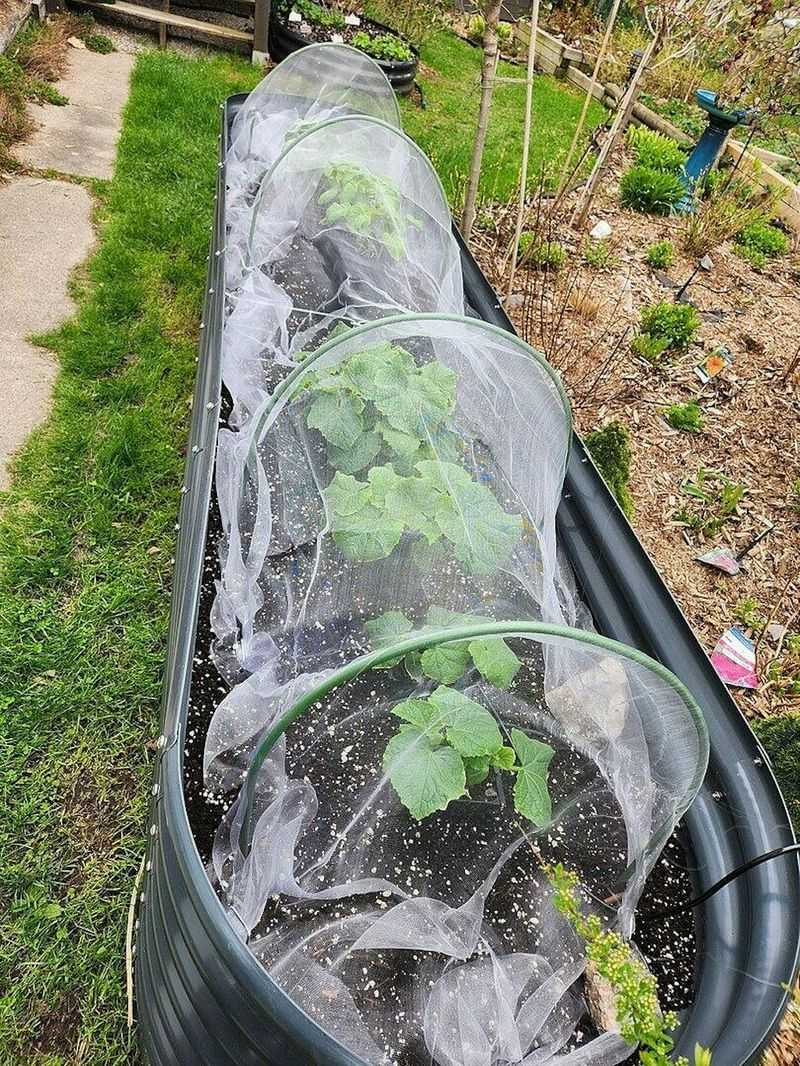
Floating row covers are a simple and affordable solution that many local gardeners swear by. These lightweight, white fabric covers let sunlight and water pass through while trapping warmth around your plants.
They act like a cozy blanket that keeps temperatures a few degrees higher than the open air outside.
Your Oregon Garden Changes Every Week. Your Plan Should Too.
Gardening in Oregon changes quickly throughout the season. Every Friday you’ll receive a simple weekly plan showing exactly what to plant, prune, fertilize, harvest, and protect so you never miss the right timing.
You can drape row covers directly over your plants or use wire hoops to create a small tunnel above the bed. Either way, the effect is the same.
Your plants stay warmer, grow faster, and are protected from wind, light frost, and even some insects that might otherwise chew on tender young leaves.
Many gardeners in cooler parts of the state start using row covers the moment they set transplants in the ground. This gives plants a protected environment right from the start, letting roots settle in without the stress of cold nights.
The covers are reusable and can last for several seasons if stored properly. Just make sure to check under them regularly so you can catch any pest problems early.
Used alongside warm soil preparation, row covers can dramatically speed up the start of your cucumber season.
3. Take The Covers Off Before Bees Show Up
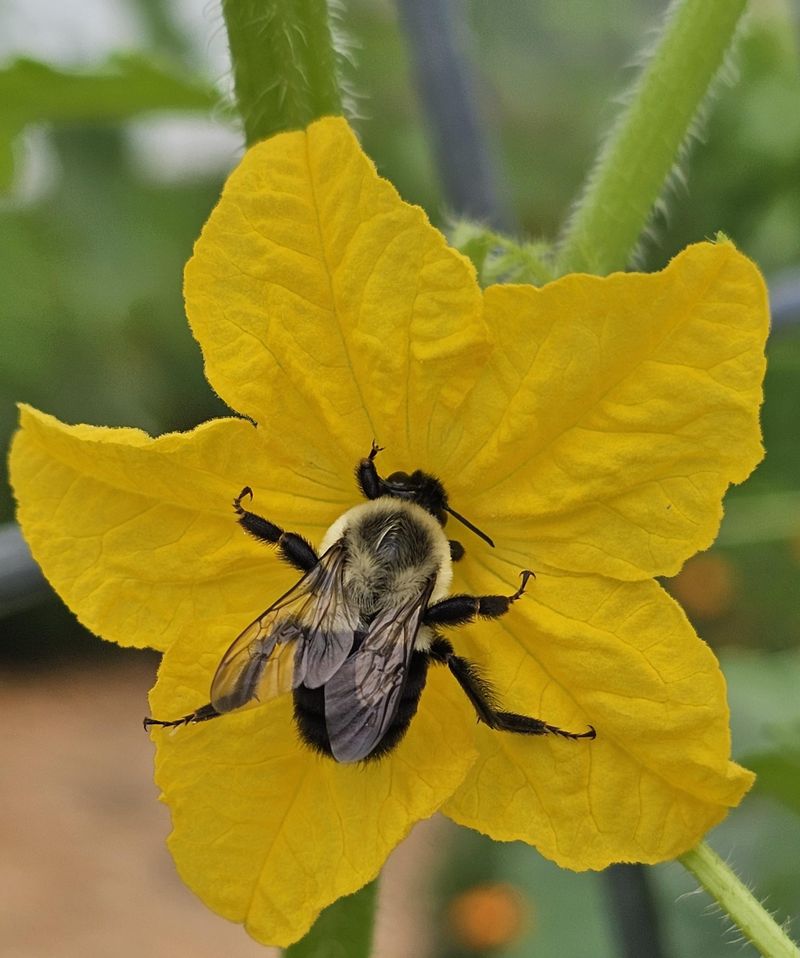
Row covers do a fantastic job of protecting young cucumber plants, but there is one important thing to remember. Cucumbers need bees and other pollinators to produce fruit.
If the covers stay on too long, bees cannot reach the flowers, and you will end up with lots of vines but very few cucumbers.
Cucumber plants produce two types of flowers. Male flowers appear first and do not produce fruit on their own.
Female flowers come later and have a tiny cucumber shape at their base. For those female flowers to develop into full cucumbers, pollen from the male flowers must be carried over by bees or other insects.
The right time to remove your row covers is when you start seeing flowers opening on your plants. At that point, the weather has usually warmed up enough that the covers are no longer needed for frost protection anyway.
Pull them off on a calm, dry morning so pollinators can get easy access to the blooms throughout the day.
If you are worried about pests returning after you remove the covers, try planting flowers like marigolds or borage nearby. These plants attract beneficial insects, including pollinators and predators that naturally keep pest populations in check.
Some gardeners even hand-pollinate their cucumbers using a small paintbrush, transferring pollen from male to female flowers themselves. But for most home gardeners, simply removing the covers at the right time is enough to get a great harvest going.
4. Trellises Turn One Plant Into A Bigger Harvest
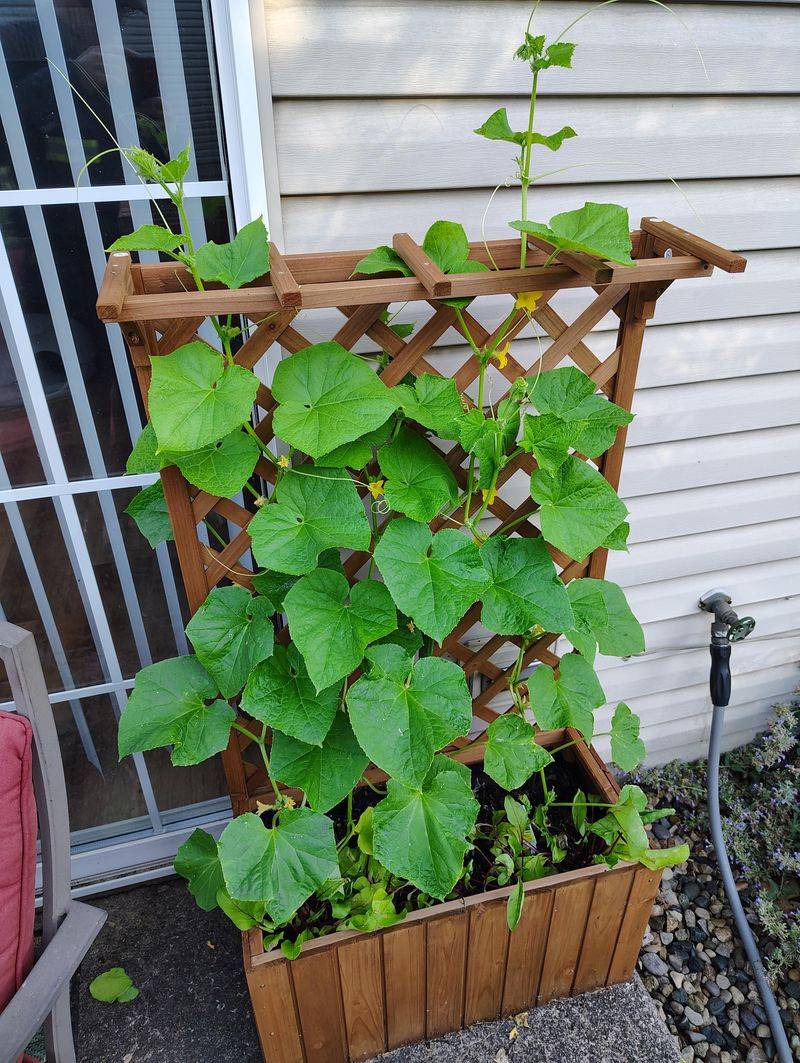
Most people let cucumbers sprawl across the ground, but that approach takes up a lot of space and can actually reduce your harvest. When vines spread out flat, leaves overlap and block sunlight from reaching the lower parts of the plant.
Fruit can also get hidden under leaves, where it grows too large and signals the plant to slow down production.
Training cucumbers to grow up a trellis changes everything. Vertical growing means better airflow between the leaves, which lowers the risk of fungal diseases that thrive in damp, crowded conditions.
More importantly, every cucumber hangs in plain sight, making it easy to spot and pick them at just the right size.
You do not need a fancy setup to make this work. A simple cattle panel, a section of wire fencing, or even a few wooden stakes with twine stretched between them can support a full-grown cucumber vine.
Set your trellis up before planting so you do not disturb the roots later. As the vines grow, gently guide the tendrils toward the trellis and they will grab on naturally.
Vertical growing also makes watering easier because you can direct water right to the base of the plant without wetting the leaves. Wet leaves can lead to powdery mildew, which is a common problem in the mild, moist climate of this region.
Gardeners who switch to trellises almost always say they wish they had started sooner. The results really do speak for themselves when harvest time rolls around.
5. Bush Cucumbers Are Perfect For Small Oregon Gardens
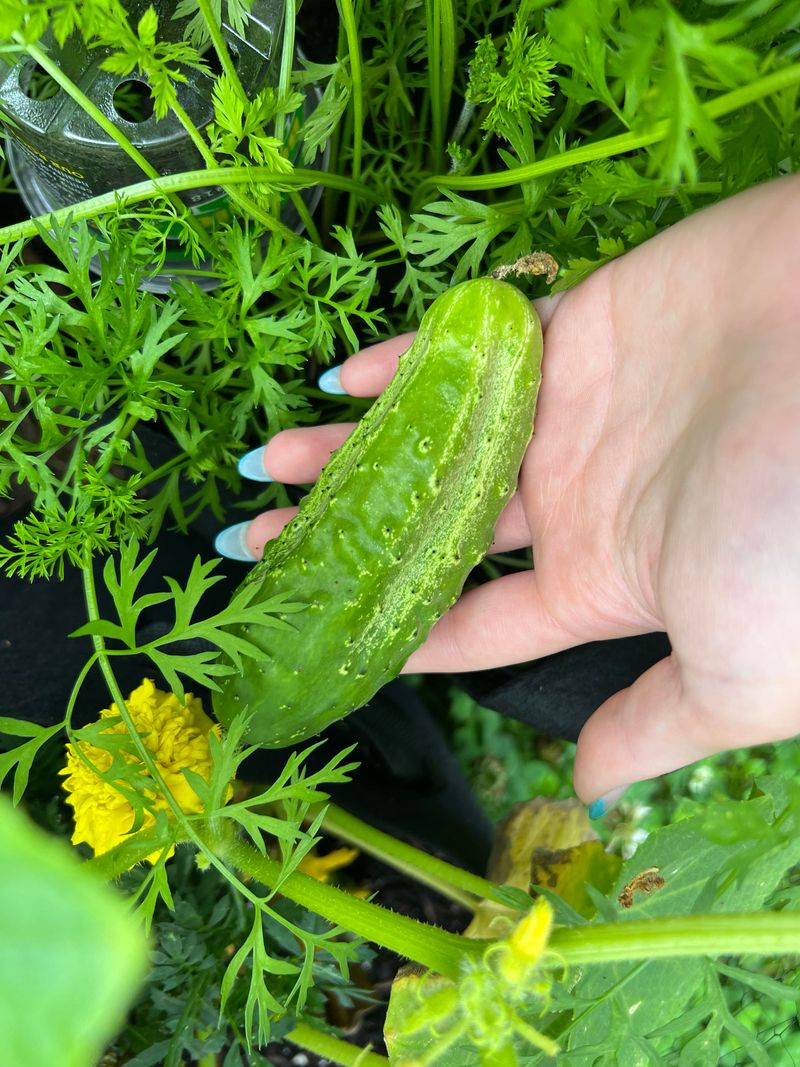
Not everyone has a sprawling backyard to work with, and that is perfectly fine. Bush cucumber varieties were developed specifically for smaller spaces, and they have become incredibly popular among gardeners who grow in raised beds, containers, or compact urban plots.
Unlike traditional vining cucumbers that can spread six feet or more in every direction, bush varieties stay compact and tidy. Most bush cucumbers grow to about two or three feet wide, making them easy to manage without a trellis.
They still produce plenty of full-sized cucumbers, just on a much smaller plant.
Popular bush varieties like Spacemaster and Bush Pickle have proven themselves in the cool, moist conditions common in western parts of this state. They tend to mature faster than vining types, which is a big advantage when the growing season feels short.
Getting cucumbers on the table before the summer warmth fades is a real win for home gardeners here.
Container growing is another option that bush cucumbers handle well. A large pot or half-barrel planter filled with rich potting mix and placed in a sunny spot can produce a surprisingly generous harvest.
Just make sure the container has good drainage and that you water consistently, since pots dry out faster than garden beds. Whether you are working with a tiny balcony or a modest raised bed, bush cucumbers make it possible to grow a real, satisfying crop without needing a lot of room to spread out.
6. Mulch Keeps Cucumber Roots Happy
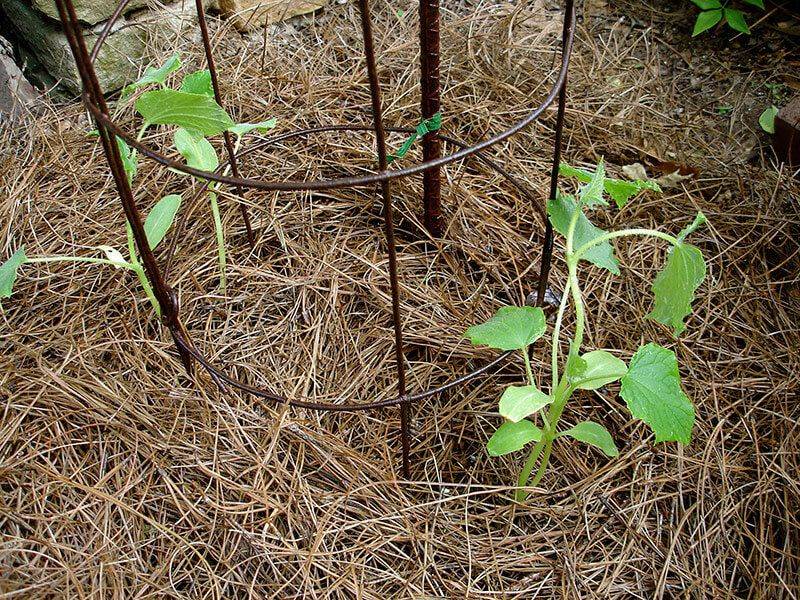
Cucumber roots are surprisingly sensitive. They like consistent moisture and steady temperatures, and they do not respond well when the soil swings from soaking wet to bone dry and back again.
In a region where summer days can be warm but nights stay cool, keeping the root zone stable is really important.
Mulching is one of the easiest ways to protect cucumber roots all season long. A thick layer of straw, shredded leaves, or wood chips spread around the base of each plant does several helpful things at once.
It holds moisture in the soil, which means you water less often. It also keeps the soil temperature more even, buffering roots from sudden changes in weather.
Mulch also plays a big role in keeping weeds down. Weeds compete with cucumbers for water and nutrients, and pulling them by hand near cucumber roots can accidentally disturb the shallow feeder roots that plants depend on.
A good layer of mulch smothers most weeds before they even get a chance to grow.
Apply mulch after your soil has warmed up in late spring. Putting it down too early can trap cold temperatures in the ground and actually slow your plants down.
Aim for a layer about two to three inches thick, keeping it a couple of inches away from the plant stem to prevent rot. Refresh the mulch mid-season if it breaks down or gets thin.
Gardeners who mulch consistently tend to have healthier, more productive cucumber plants with far less effort overall.
7. Steady Water Keeps Bitter Cucumbers Away
Biting into a bitter cucumber is a real disappointment, especially after all the work it takes to grow one. The good news is that bitterness in cucumbers is almost always caused by stress, and the most common stressor is uneven watering.
When plants swing between too wet and too dry, they produce a compound called cucurbitacin, which gives cucumbers that sharp, unpleasant taste.
Keeping your watering schedule consistent is the best way to prevent this problem. Cucumbers need about one inch of water per week, either from rain or from you.
During dry stretches, that means watering deeply every few days rather than giving plants a light sprinkle every day. Deep watering encourages roots to grow downward, making plants more resilient during brief dry spells.
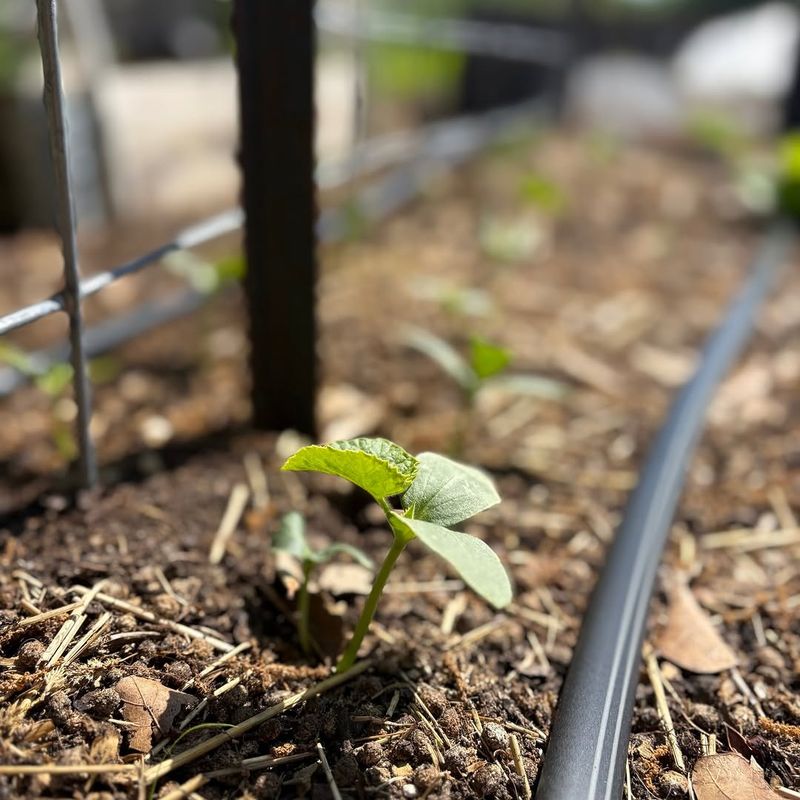
Drip irrigation is a popular choice among experienced gardeners because it delivers water slowly and directly to the root zone. This reduces evaporation and keeps the leaves dry, which lowers the risk of fungal diseases.
A simple drip system can be set up with basic supplies from any garden center and put on a timer for hands-free watering.
Checking soil moisture before watering is a smart habit to build. Stick your finger about an inch into the soil near the base of the plant.
If it feels dry at that depth, it is time to water. If it still feels moist, wait another day.
Paying attention to what your plants actually need, rather than watering on a rigid schedule, leads to better-tasting and more productive cucumbers every time.
8. Pick Often So The Vines Keep Producing
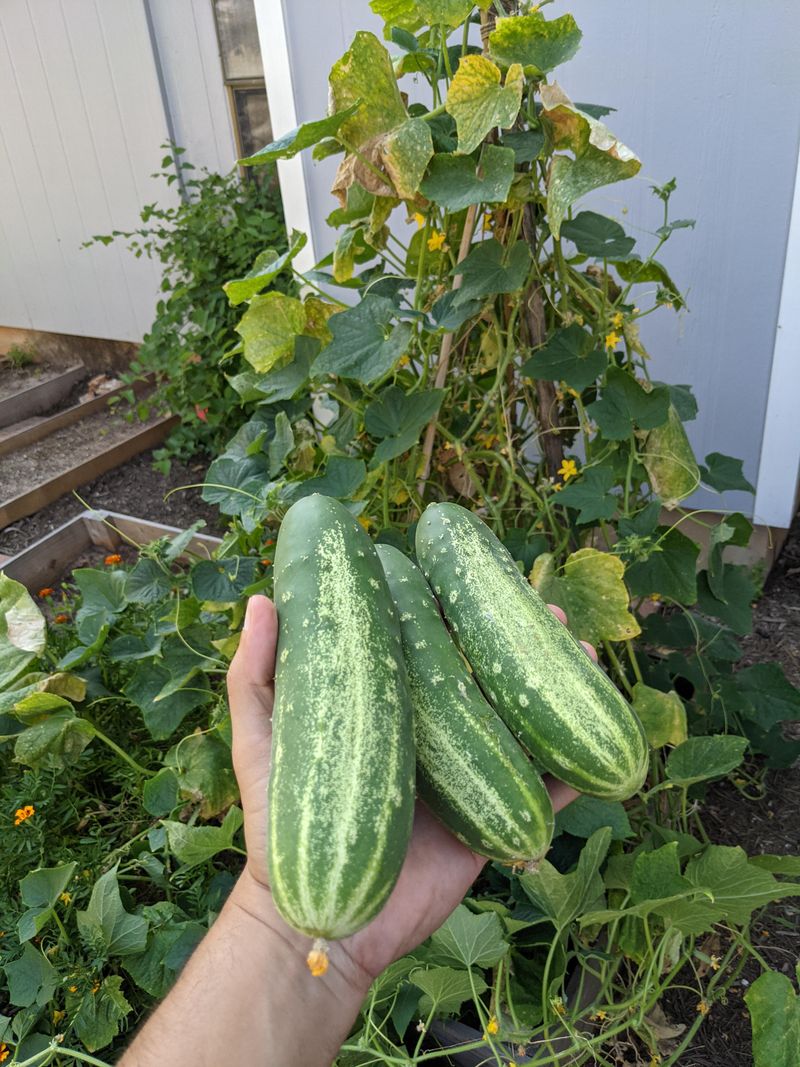
Here is something many first-time cucumber growers do not realize. The more you pick, the more your plant produces.
Cucumbers are programmed to keep making fruit until they successfully produce seeds. Once a cucumber is left on the vine long enough to turn yellow and get seedy, the plant thinks its job is done and slows down dramatically.
Harvesting cucumbers while they are still firm, green, and at their peak size sends the plant a clear message to keep growing more. Slicing cucumbers are usually best picked at six to eight inches long.
Pickling cucumbers are better harvested even smaller, around two to four inches. Check your plants every single day during peak season because cucumbers can go from perfect to overripe surprisingly fast.
Getting into a daily picking routine also helps you spot problems early. You will notice if a cucumber has a soft spot, if leaves look discolored, or if pests have moved in.
Catching issues quickly means you can deal with them before they spread and affect the whole plant.
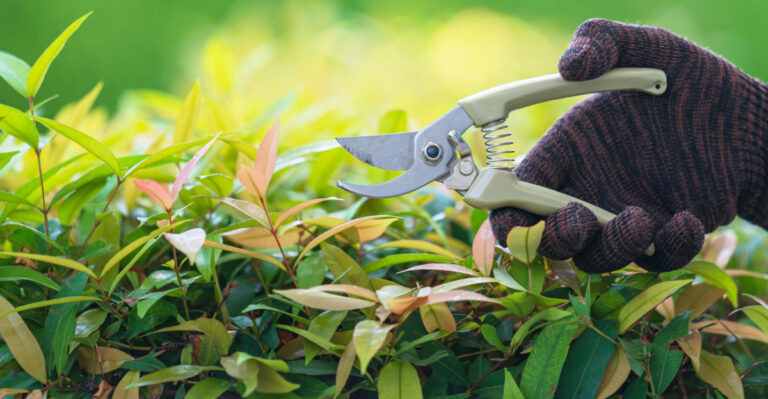
Carry a small pair of garden scissors or pruning snips when you harvest. Pulling cucumbers off by hand can damage the vine or accidentally knock off nearby blossoms.
A clean cut leaves the plant undisturbed and ready to keep growing. Gardeners who harvest daily during the peak summer weeks often end up with twice as many cucumbers as those who only check their plants every few days.
Staying consistent really pays off at the end of the season.