What Georgia Camellias Need In June So They Bloom Better This Winter
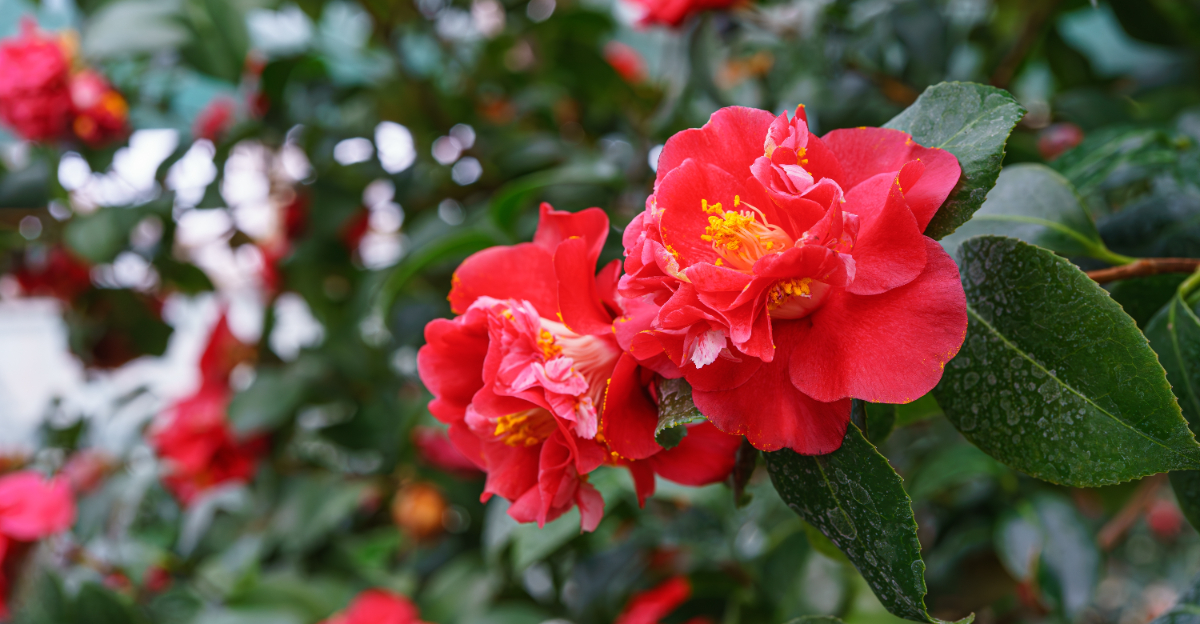
Winter flowers may feel a long way off when June arrives, but camellias are already making important decisions about the months ahead.
What happens now can influence how many buds develop and how impressive the display will be once cooler weather returns.
That timing catches many gardeners off guard. Summer usually feels like the season for enjoying growth and blooms, not preparing for flowers that will not appear until much later.
Camellias work a little differently, which is one reason they sometimes reward one yard with a spectacular show while another produces far fewer blooms.
In Georgia, June brings rising temperatures, longer days, and changing moisture levels that can all affect how these shrubs perform. Small details that seem unimportant now may have a noticeable impact by winter.
The best part is that supporting healthy bloom development does not require complicated care. A few timely actions can help set the stage for a much stronger flowering season ahead.
1. Finish Pruning Before Flower Buds Begin Developing
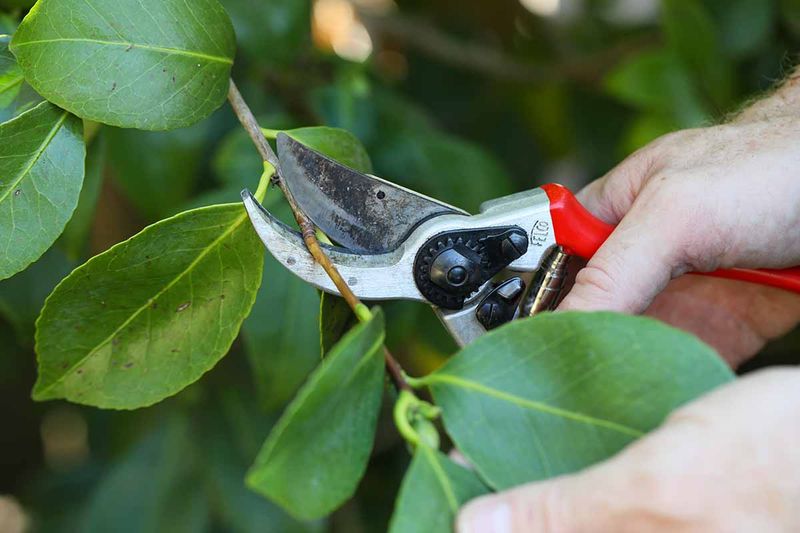
Pruning a camellia too late is one of the most common mistakes backyard gardeners make. Once summer flower buds start forming, any cuts you make will remove blooms before they ever open.
June is your last real window to shape these plants without sacrificing a single winter flower.
Focus on removing dried wood, crossing branches, and any stems that make the shrub look crowded or lopsided. You are not trying to drastically reshape the plant.
Light, purposeful cuts are all that is needed at this stage of the season.
Sharp, clean pruners matter more than most people realize. Ragged cuts invite disease and slow healing during hot weather.
Clean your pruning blades between plants to help prevent fungal issues from spreading from one shrub to another.
After pruning, step back and look at the overall shape. Good airflow through the canopy helps reduce humidity-related problems during Georgia summers.
A well-opened canopy also lets sunlight reach inner branches, which supports stronger bud development later in the season.
Do not compost pruned material if you notice any discolored or spotted leaves. Bag it and toss it instead.
2. Water Deeply During Dry Early-Summer Weather
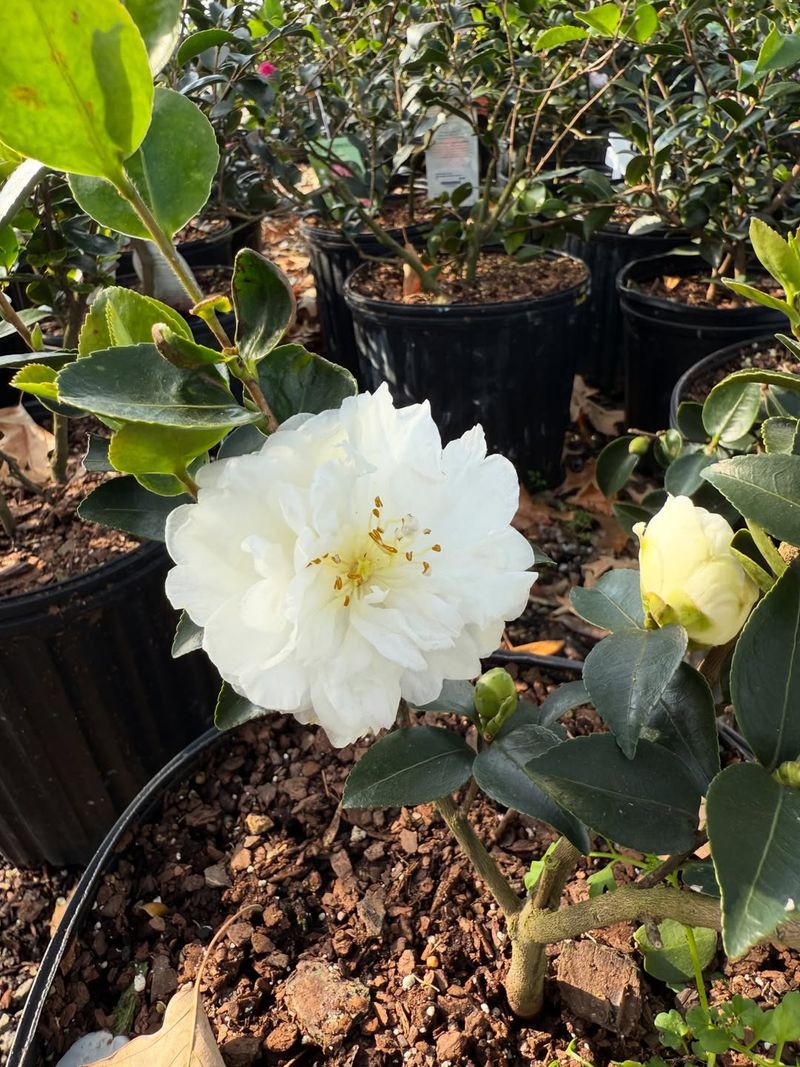
Shallow watering is almost worse than no watering at all for camellias. When water only wets the top inch or two of soil, roots stay near the surface and become vulnerable to summer heat stress.
Deep watering pushes moisture down where roots actually live.
Aim for slow, deep sessions rather than quick daily sprinkles. A soaker hose left running for thirty to forty-five minutes does more good than a five-minute blast from a garden hose.
Frequency depends on your soil type and recent rainfall, so check before you water.
Sandy soils drain fast and may need water every few days during a dry stretch. Clay-heavy soils hold moisture longer but can become waterlogged if overwatered.
Push a finger or a small trowel into the soil near the root zone to gauge actual moisture before turning on the hose.
Early morning is the best time to water. Moisture on leaves overnight can encourage fungal problems, especially in humid Southern summers.
Your Georgia Garden Changes Every Week. Your Plan Should Too.
Gardening in Georgia changes quickly throughout the season. Every Friday you’ll receive a simple weekly plan showing exactly what to plant, prune, fertilize, harvest, and protect so you never miss the right timing.
Watering at the base of the plant, rather than overhead, keeps foliage dry and reduces that risk significantly.
Consistent moisture during June helps camellias set healthy buds without stress interruptions.
3. Refresh Mulch Before Summer Heat Arrives
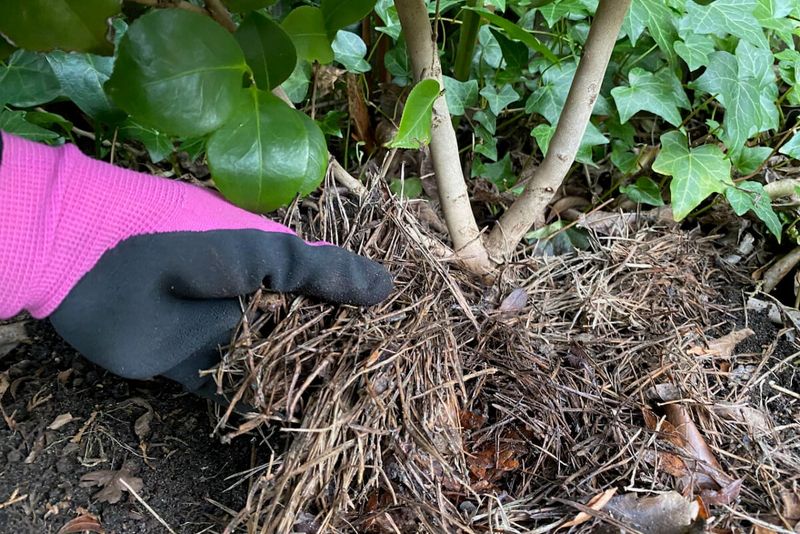
Mulch does more work than most gardeners give it credit for. Around camellias, a fresh layer in early June helps regulate soil temperature, slow moisture evaporation, and suppress weeds that compete for nutrients.
Old, compacted mulch from last season loses most of those benefits over time.
Pine straw is a popular and practical choice for camellias in the South. It breaks down slowly, stays in place during heavy rain, and naturally acidifies the soil as it decomposes.
Camellias prefer slightly acidic conditions, so pine straw is a good fit both functionally and chemically.
Apply a layer about three to four inches deep. Spread it out to the drip line of the shrub rather than piling it only near the trunk.
A wide mulch ring covers more of the root zone, which is where moisture retention actually matters.
Keep mulch a few inches away from the main stem. Piling it directly against the trunk traps moisture and creates conditions where rot and pest problems can develop.
A small gap between the mulch and the stem is a simple habit that protects plant health over time.
Refresh mulch again in fall if it breaks down significantly over summer.
4. Check Soil Moisture Before Stress Sets In
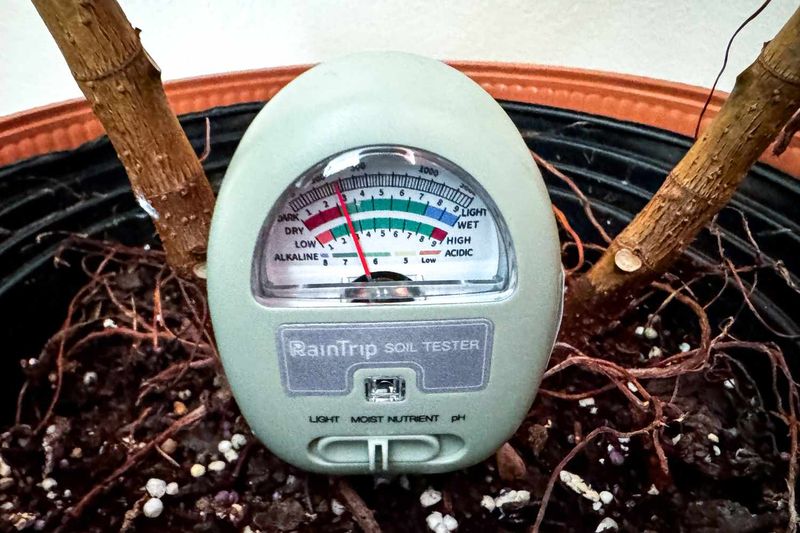
Soil can look fine on the surface and be bone dry just a few inches down. Camellias do not show visible stress right away, so by the time leaves start wilting or yellowing, the root zone may have been dry for days.
Checking soil moisture regularly prevents problems before they show up above ground.
A basic soil moisture meter costs very little and removes the guesswork entirely. Push the probe down four to six inches near the root zone, not directly against the stem.
Read the result and water only when the meter confirms dryness rather than watering on a fixed schedule.
Overwatering is a real problem, not just underwatering. Soggy soil deprives roots of oxygen and creates conditions where root rot can develop.
Camellias in clay-heavy soils are especially vulnerable because water drains slowly and can pool around roots without obvious signs at the surface.
Raised beds or slopes drain better and tend to stay in a healthier moisture range. If your camellias sit in a low spot that collects water after rain, improving drainage is worth the effort.
Amending the soil with organic matter can help, though severe drainage problems may need a more structural fix.
Checking moisture twice a week during dry June stretches builds a reliable picture of how your specific soil behaves.
5. Use A Camellia Fertilizer Before Summer Progresses Too Far
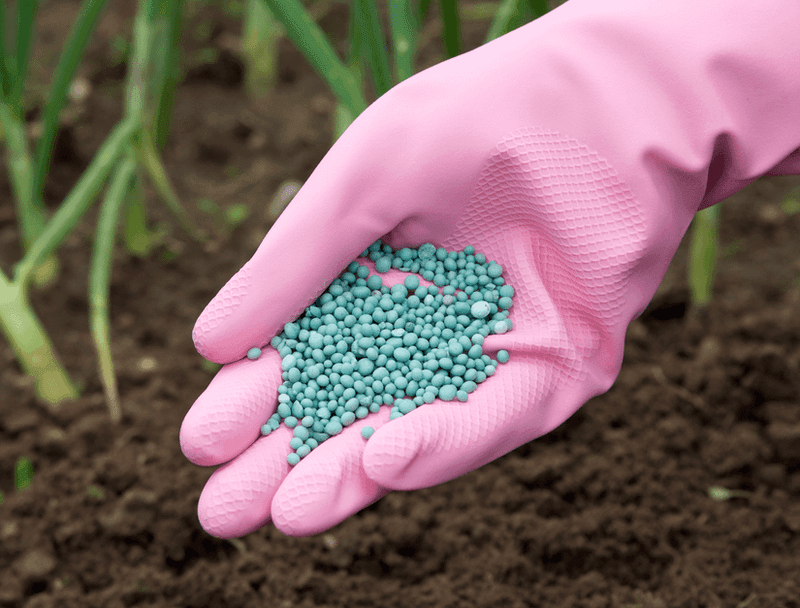
Fertilizing camellias at the right time is one of the most impactful things you can do for winter blooms. Early June is the sweet spot.
Buds have not yet started forming, so the plant can use that nutrient boost to build strong stems and healthy foliage before shifting energy into flower development.
Use a fertilizer specifically formulated for camellias or acid-loving plants. These blends are balanced to support the slightly acidic soil conditions camellias prefer.
A general-purpose fertilizer with high nitrogen levels can push leafy growth at the expense of flowers, so choosing the right product matters.
Granular slow-release fertilizers work well for most home gardeners. Sprinkle the recommended amount around the drip line and water it in thoroughly.
Avoid heaping fertilizer near the base of the trunk since concentrated salts close to the stem can cause damage.
Do not fertilize after mid-summer. Late feeding encourages soft new growth that is vulnerable to cold snaps in fall and early winter.
In many parts of the South, an unexpected cool night in October can set back tender new growth quickly. Timing the last application correctly protects the plant heading into cooler months.
6. Watch For Tea Scale And Other Common Pests
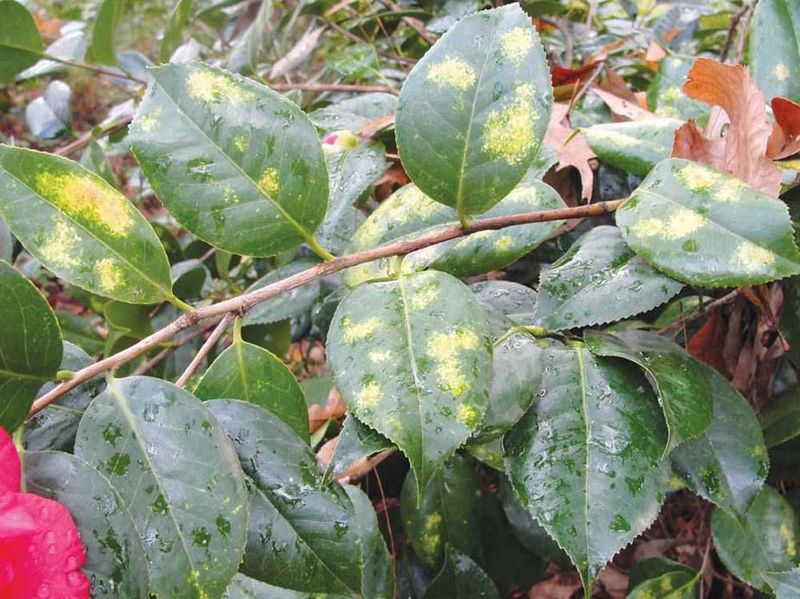
Tea scale is sneaky. Most gardeners do not notice it until the infestation has been building for weeks.
Look at the undersides of leaves, not just the tops. Small white or brownish crusty bumps clustered along the midrib and veins are a clear sign that tea scale has moved in.
Heavily infested plants look dull and yellowish from above. Leaves may drop prematurely.
A plant dealing with a serious scale problem puts energy into surviving rather than developing flower buds, which directly reduces winter bloom quality and quantity.
Horticultural oil sprays are effective against tea scale when applied correctly. Coat both sides of the leaves thoroughly since the oil works by suffocating the insects on contact.
Follow label directions carefully and avoid spraying during the hottest part of the day to prevent leaf burn.
Repeat applications are usually necessary. One treatment rarely clears a full infestation.
Check treated plants again after two weeks and reapply if live insects are still visible. Patience and consistency matter more than using aggressive products.
Beyond scale, watch for aphids on new growth and spider mites during hot, dry stretches. Both are manageable with a strong water spray or insecticidal soap.
7. Protect Developing Buds From Extended Drought
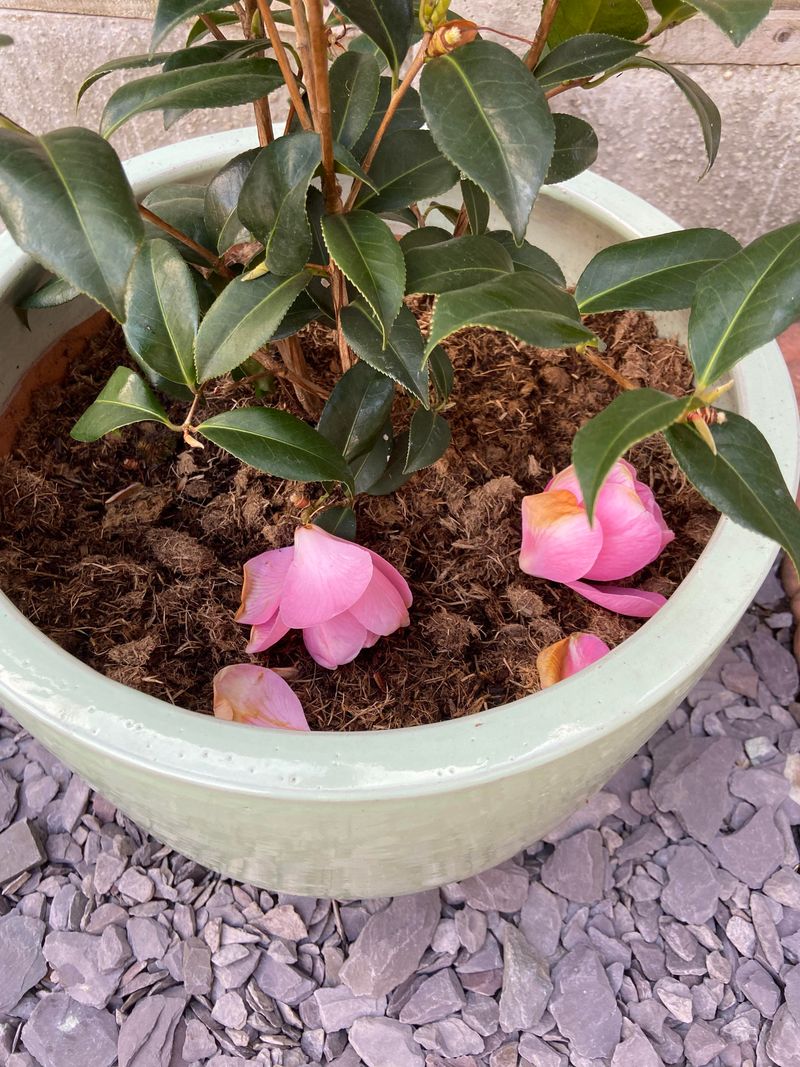
Bud drop is one of the most frustrating things camellia growers deal with. Buds that form during summer and then fall off before winter arrives are often a sign of drought stress that happened weeks or even months earlier.
By the time you see the problem, the damage is already done.
Extended dry periods in July and August are common across much of the South. If June ends without much rain, that pattern often continues.
Planning ahead with deep watering and fresh mulch before the dry stretch hits gives buds the best chance of holding on through the season.
Camellias in containers are especially vulnerable. Pots dry out far faster than in-ground soil and may need watering every day or two during a heat wave.
Check container soil daily during dry stretches rather than relying on a weekly schedule.
Shade matters too. Camellias planted in full afternoon sun experience more heat and moisture stress than those with some overhead protection.
If a plant is in a hot exposed spot, a shade cloth during the worst summer weeks can reduce stress without requiring a full transplant.
Bud development runs quietly beneath the surface all summer long. Protecting that process from drought stress is the core goal of all June care.