Why Pulling Poison Ivy This Way Backfires For Georgia Homeowners
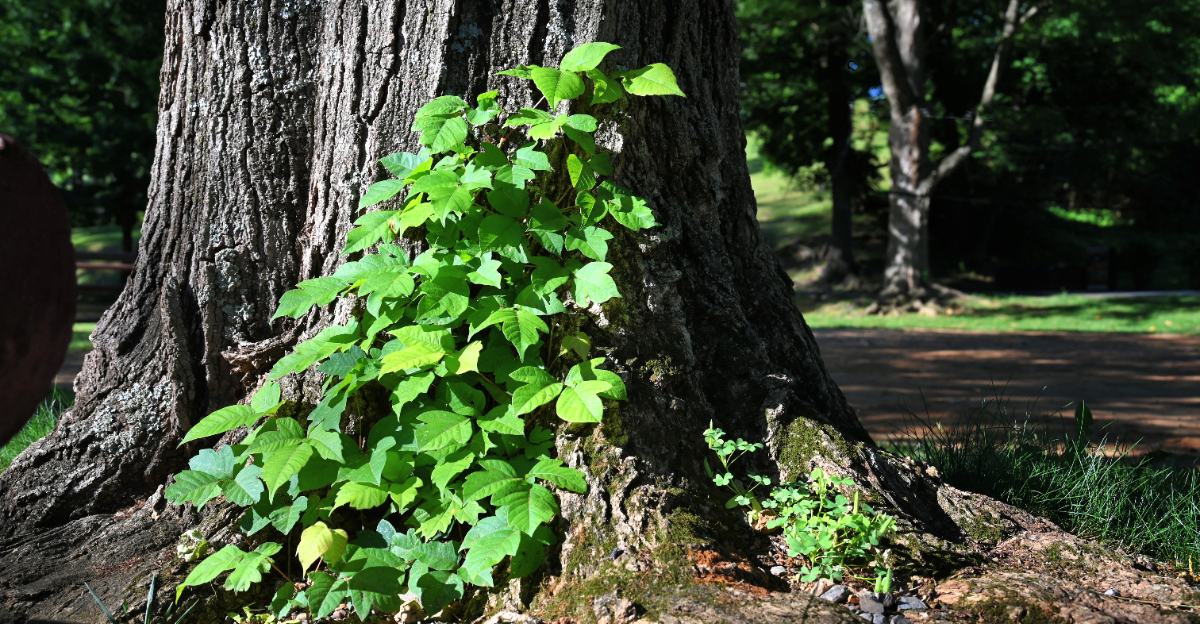
Trying to get rid of poison ivy as quickly as possible can lead to an unpleasant surprise. Many gardeners assume pulling it by hand is the fastest solution, only to discover that one wrong approach makes the job much harder.
A little extra caution at the beginning can spare you plenty of frustration later.
Don’t let urgency push you into a mistake that spreads the problem or increases your chance of contacting the plant. Learn how poison ivy grows before deciding the best way to remove it.
Georgia provides ideal conditions for this vine to thrive, so it often returns when part of the root system is left behind.
A smarter approach protects both your yard and the time you spend caring for it.
1. Pulling Large Vines By Hand Leaves Roots Behind
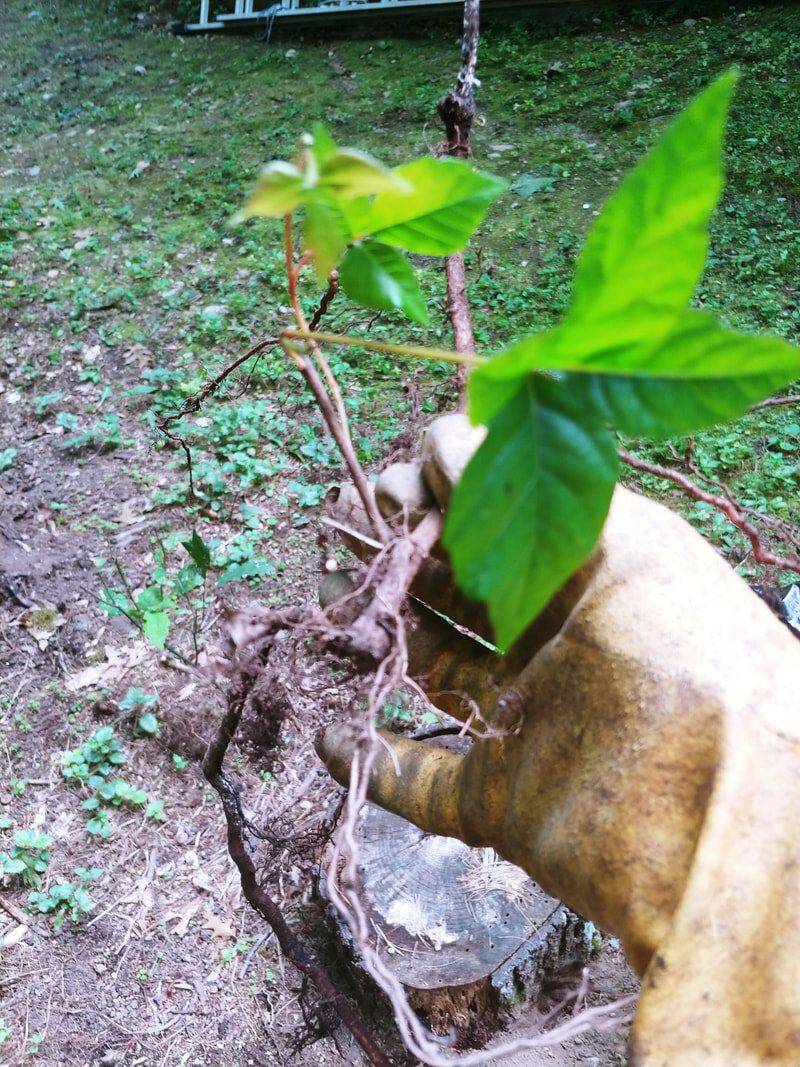
Grabbing a thick vine and yanking it out feels satisfying, but it rarely solves the problem. Poison ivy roots run deep, and hand-pulling almost always leaves the root system intact underground.
When roots stay in the ground, the plant regrows. It can send up new shoots within a few weeks, sometimes even faster during Georgia’s warm growing season.
Larger vines have woody stems that break before the root pulls free. That broken stem tricks you into thinking the job is done, but the plant is still very much alive below the surface.
Roots left behind can spread laterally too. Over time, they push outward and sprout new growth in spots you never expected, turning one vine into several scattered plants across your yard.
A better approach is to loosen the soil around the base first. Use a garden fork or trowel to dig around the root zone before attempting to pull.
Going slow and working the soil gives you a much better chance of getting the full root out in one piece.
Wear thick gloves rated for chemical resistance, not just regular garden gloves. Urushiol, the oil in poison ivy, can seep through thin materials quickly.
2. Urushiol Oil Spreads Easily To Clothing And Tools
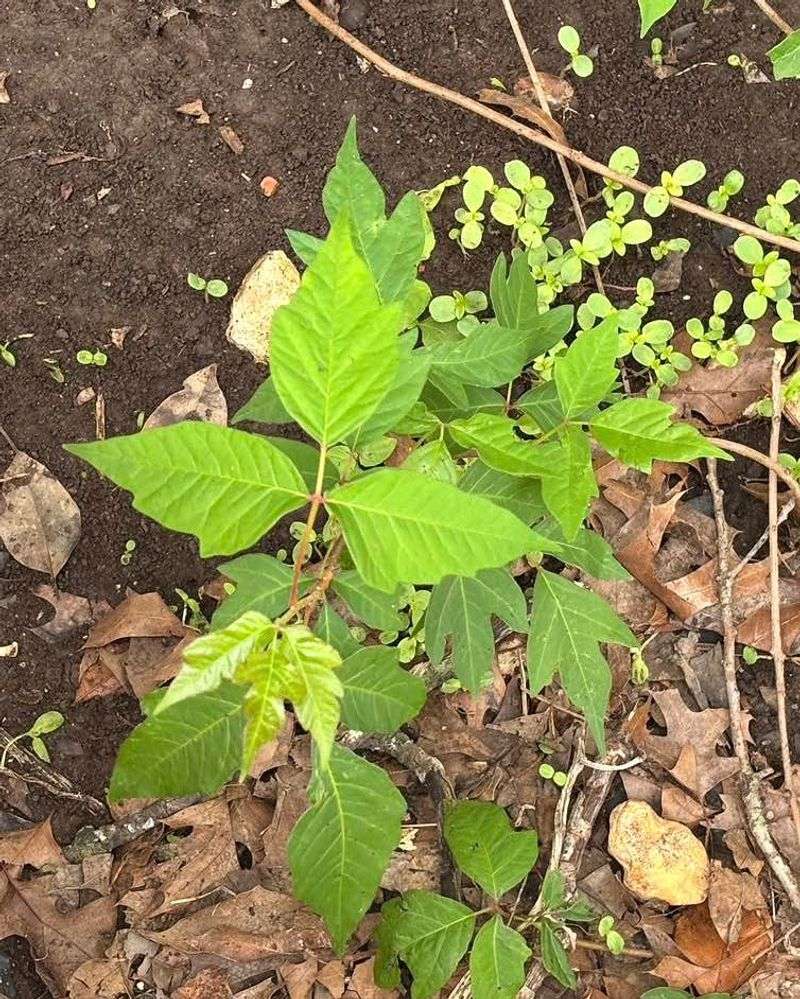
Urushiol is sneaky. It transfers from the plant to your gloves, your tools, your boots, and even your pants without you noticing it happening.
Once urushiol is on a surface, it can stay active for a surprisingly long time. It can remain on objects for months, especially if they are stored in a dry place.
A lot of people get their worst rashes not from touching the plant directly, but from touching contaminated gear afterward. You might handle your tools days later without thinking about it, and that contact is enough to trigger a reaction.
Clothing is just as much of a risk. Tossing a contaminated shirt into a laundry hamper can transfer the oil to other clothes nearby.
Wash any clothing worn during removal separately and promptly using hot water.
Tools need to be cleaned right after use. Wash metal surfaces like pruning shears or shovels thoroughly with dish soap and warm water.
Make sure to let the tool dry completely before storing it with other equipment.
Your Georgia Garden Changes Every Week. Your Plan Should Too.
Gardening in Georgia changes quickly throughout the season. Every Friday you’ll receive a simple weekly plan showing exactly what to plant, prune, fertilize, harvest, and protect so you never miss the right timing.
Leather items like boots or gloves are harder to decontaminate because urushiol can bind to leather fibers. Replacing them may be more practical than trying to clean them thoroughly.
3. Cover Every Area Of Exposed Skin
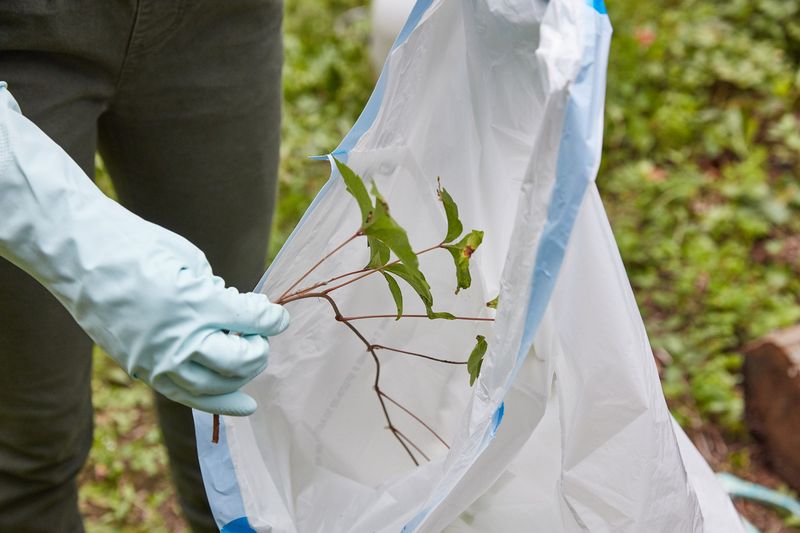
Skipping protective gear is the fastest way to end up with a miserable rash that lasts for weeks. Even a small patch of exposed skin is enough for urushiol to cause a reaction.
Long sleeves and long pants are a good starting point, but fabric alone is not enough. Urushiol can transfer through lightweight materials, especially if you brush against the plant repeatedly during removal work.
Your face and neck are easy to forget. Wearing safety goggles protects your eyes, and a bandana or face covering adds a layer of protection for your lower face and neck where skin is often left bare during yard work.
Rubber or nitrile gloves offer better protection than standard garden gloves. Make sure the gloves extend past your wrists so there is no gap between the glove and your sleeve.
That gap is where most wrist exposures happen.
Closed-toe shoes with rubber soles are safer than sneakers or sandals. Poison ivy often grows low to the ground, and brushing against it with an open shoe is a common way people get rashes on their feet and ankles without realizing what happened.
Once the work is finished, remove your protective gear carefully. Pull gloves off inside-out to avoid touching the outer surface.
4. Loosen The Soil Before Pulling The Roots
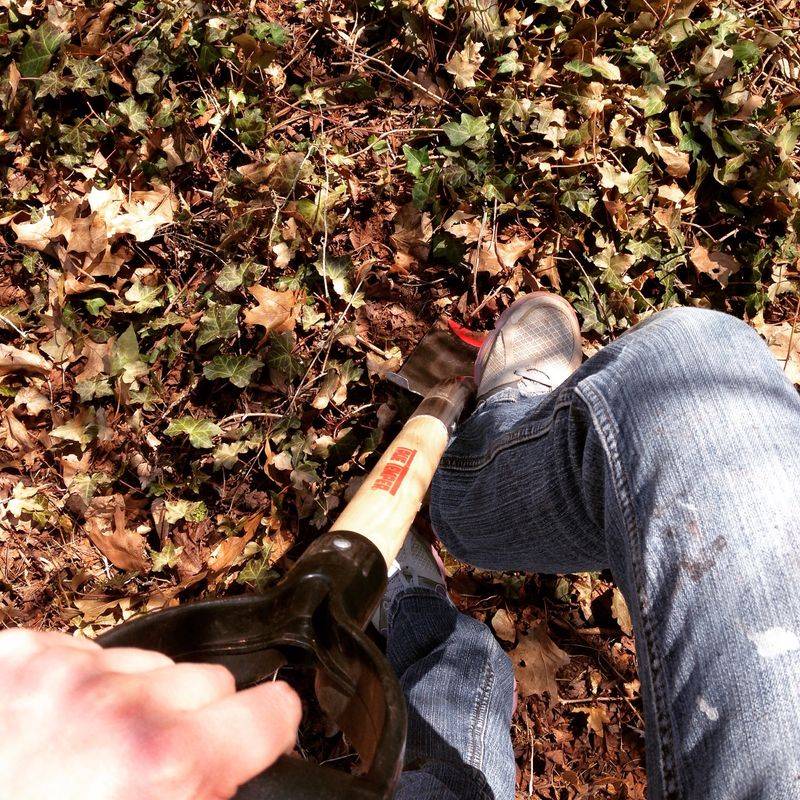
Hard, dry soil is one of the main reasons root removal fails. When ground is compacted, roots grip tightly and snap off below the surface instead of coming out whole.
Georgia clay soil is especially dense. It holds roots in place like concrete when dry, making hand-pulling almost pointless unless you prepare the soil first.
Watering the area the day before you plan to remove poison ivy makes a real difference. Moist soil is softer and more flexible, which lets roots slide out more cleanly without breaking midway.
A garden fork works better than a shovel for this task. Push it into the ground about six inches away from the plant’s base, then gently rock it back and forth to open up the soil.
Repeat this on multiple sides before attempting to pull.
Work slowly and avoid jerking the vine upward. Steady, even pressure is more effective than a sharp tug.
Pull at a low angle rather than straight up, which reduces the chance of snapping the root just below the soil surface.
Deeper roots may require more digging. Some established poison ivy plants have root systems that extend a foot or more underground, particularly in older growth areas.
5. Seal Every Vine Inside Heavy Duty Trash Bags
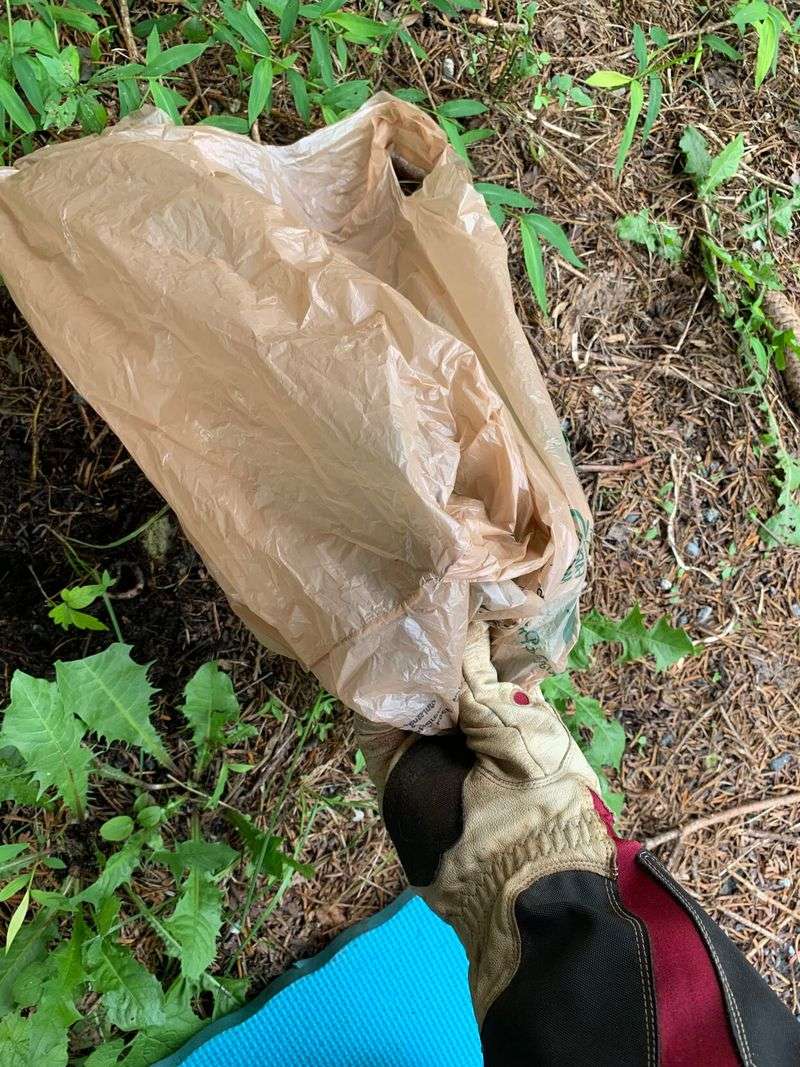
Tossing pulled vines into a pile is a setup for more exposure. Loose plant material can dry out and still carry active urushiol oil, putting anyone nearby at risk.
A yard waste pile also gives the plant a chance to reroot if conditions are right. Poison ivy stems can make contact with moist soil and begin growing again, so leaving cuttings on the ground is not a safe disposal method.
Heavy-duty trash bags are the right tool here. Standard thin bags can tear easily when handling thorny or woody vines, which defeats the purpose of containing the material safely.
Seal each bag tightly after filling it. Double-bagging is a smart move for large loads or particularly thick vines.
Once sealed, label the bags clearly so anyone handling them later knows what is inside.
Check with your local waste management service before putting the bags out. Some areas in Georgia have specific rules about disposing of invasive or hazardous plant material.
Certain counties may require special pickup requests or specific bag types for yard waste containing noxious plants.
Avoid compressing the bags too aggressively. Pressing down on filled bags can cause them to split at the seams, releasing plant material you worked hard to contain.
6. Clean Every Tool Before Using It Again
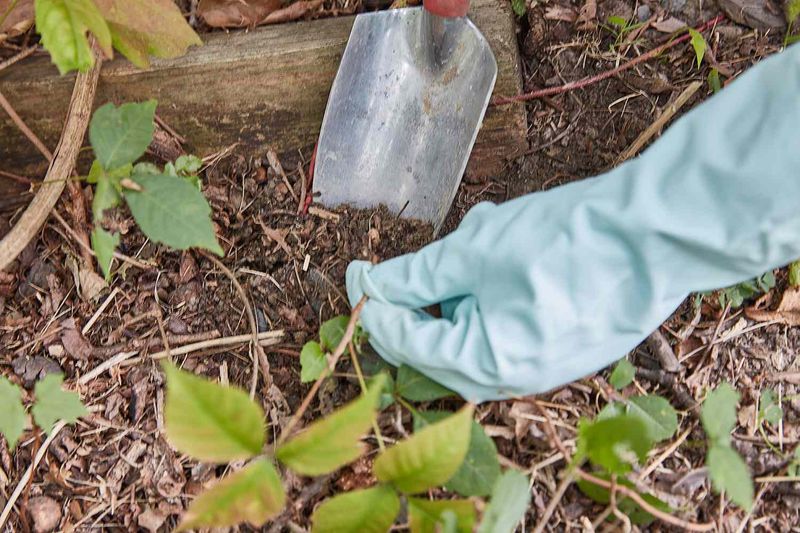
Dirty tools are a hidden hazard most people overlook completely. Urushiol clings to metal, plastic, and wood handles, and it does not just disappear on its own after a few days.
Reaching into a shed and grabbing a shovel you used last weekend during poison ivy removal can expose you all over again. The oil transfers on contact, and it does not take much to trigger a rash in sensitive individuals.
Clean tools as soon as you finish the job. Wash metal, plastic, and rubber surfaces thoroughly with dish soap and warm water, then rinse and dry them before putting them away.
Wooden handles are trickier because the material is porous. Urushiol can absorb into unfinished wood over time.
Wrapping wooden handles with tape before use, or replacing bare-wood handles with rubber-grip versions, makes future cleaning much easier.
Do not rely on water alone. Water does not remove urushiol effectively, so always use soap when cleaning contaminated tools.
After cleaning, set tools aside to dry completely before returning them to storage. Keeping recently cleaned tools separate until they are dry helps prevent accidental contamination.
Inspect your tools before using them again, especially if they have been stored since the last cleanup.
7. Never Burn Poison Ivy Debris
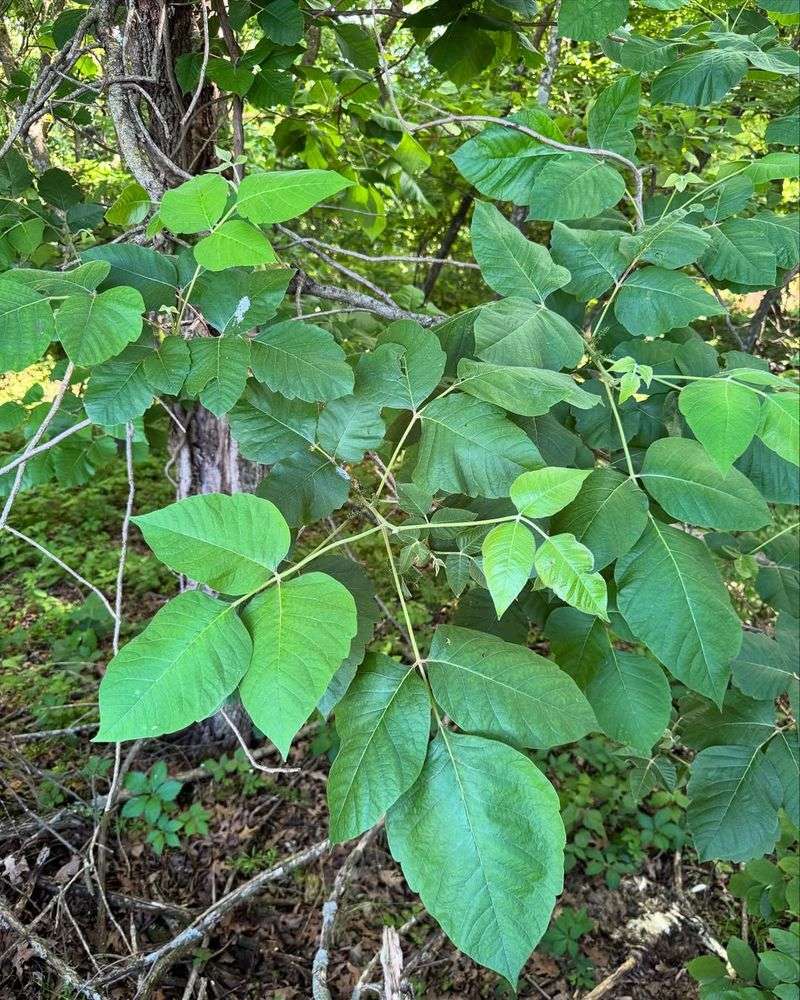
Burning poison ivy might seem like a quick way to get rid of it, but it creates a danger that is far worse than a skin rash. Urushiol does not break down in fire.
It becomes airborne in the smoke.
Breathing in smoke from burning poison ivy can cause severe reactions inside the lungs and airways. Symptoms can include intense swelling, difficulty breathing, and serious respiratory distress that may require emergency medical care.
Outdoor burning of yard waste is also restricted or prohibited in many parts of Georgia depending on the county and the current fire danger level.
Checking local regulations before burning anything is a smart first step, regardless of what plant material is involved.
Wind carries smoke unpredictably. Even if you are standing upwind, a shift in direction can send contaminated smoke directly into your face or toward neighbors, bystanders, or pets nearby.
Composting is not a safe alternative either. Urushiol can remain active in compost piles, and turning or handling the compost later brings the risk of exposure right back.
Sealed trash bags set out for regular garbage pickup is the safest and most practical disposal method for most homeowners.
If your area offers hazardous yard waste collection days, those events are ideal for disposing of large amounts of poison ivy debris.