The Michigan Perennial That Takes Over Your Worst Soil (But In A Good Way)
Every Michigan yard has that one spot where nothing seems to want to grow. Compacted soil, poor drainage, too much shade, too much sun, or just a strange patch of ground that defeats every attempt at establishing something decent looking.
Most gardeners either ignore these areas or keep throwing plants at them hoping something eventually sticks.
One native perennial has a particular talent for exactly these situations, moving into difficult soil with genuine enthusiasm and gradually improving the conditions around it as it spreads.
It’s not aggressive in a way that creates new problems. It’s aggressive in the way you actually want a plant to be, filling in the difficult areas, building organic matter, and making the ground more hospitable for everything planted nearby.
Michigan gardeners who stopped fighting their worst spots and started working with this plant found the problem largely resolved itself.
1. Eastern Coneflower
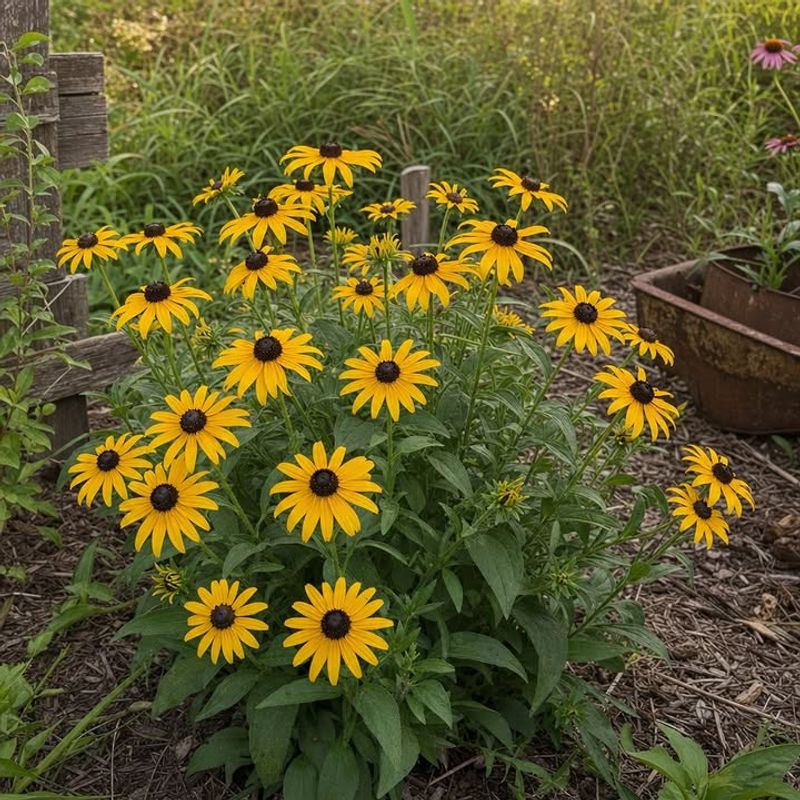
Most gardeners spend years searching for a plant that looks gorgeous without demanding constant attention. Rudbeckia fulgida, or Eastern Coneflower, is exactly that plant.
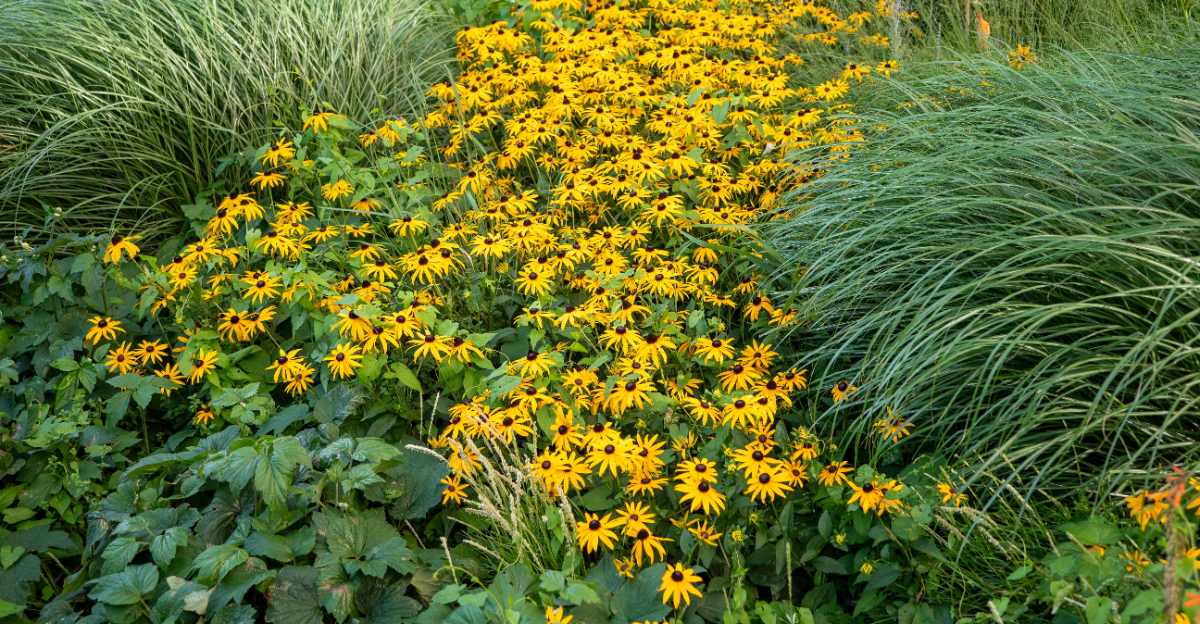
Native to the eastern United States and widely adapted across Michigan, it produces bold, golden-yellow flowers with dark brown centers that make any yard look professionally landscaped.
What makes this perennial so special is its natural toughness. It grows in full sun to partial shade, handles poor soils without complaint, and spreads steadily to fill empty or difficult areas of your yard.
For homeowners dealing with clay-heavy ground, shaded slopes, or low-fertility patches, this plant is a genuine solution rather than a gamble.
Planting is straightforward. Space plants about 18 to 24 inches apart in a sunny spot, and they will fill in naturally over two to three seasons.
Start with transplants in spring for the fastest results, or sow seeds in fall and let Michigan winters do the stratification work for you. The plant reaches 18 to 30 inches tall, forming dense, weed-suppressing clumps that look intentional and polished.
Few native perennials offer this combination of beauty, resilience, and practicality all in one easy package.
2. Heavy Clay Soil Is No Match For This Plant
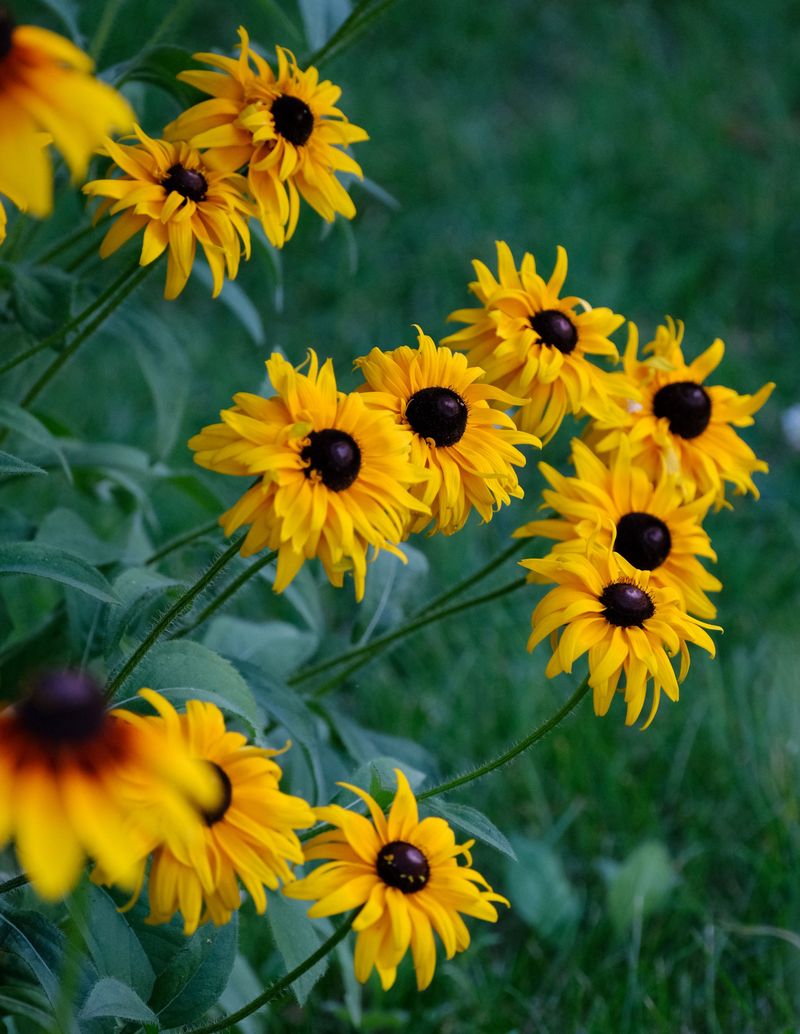
Michigan gardeners know the frustration of heavy clay soil. Water pools on the surface, roots struggle to penetrate, and most plants simply refuse to cooperate.
Rudbeckia fulgida, however, treats clay like an opportunity rather than an obstacle.
The secret lies in its deep, fibrous root system. Unlike shallow-rooted annuals that sit near the surface, Eastern Coneflower sends roots down through compacted layers, slowly breaking up the soil structure as it grows.
Over time, the plant actually improves the ground around it, making clay areas more workable season after season. That is a benefit very few ornamental plants can claim.
In poorly drained spots where water tends to sit after heavy Michigan rains, Rudbeckia fulgida still manages to establish itself without rotting or struggling.
It prefers moist, well-drained conditions but tolerates soggy clay far better than most perennials.
Once rooted, it creates a dense mat of foliage and flowers that transforms what used to be a muddy eyesore into a vibrant, colorful bed.
Your Michigan Garden Changes Every Week. Your Plan Should Too.
Gardening in Michigan changes quickly throughout the season. Every Friday you’ll receive a simple weekly plan showing exactly what to plant, prune, fertilize, harvest, and protect so you never miss the right timing.
Gardeners who have tried hostas, daylilies, or ornamental grasses in tough clay spots and been disappointed often find that switching to Eastern Coneflower finally gives them the results they were hoping for all along.
3. Summer Heat And Dry Spells Cannot Slow It Down
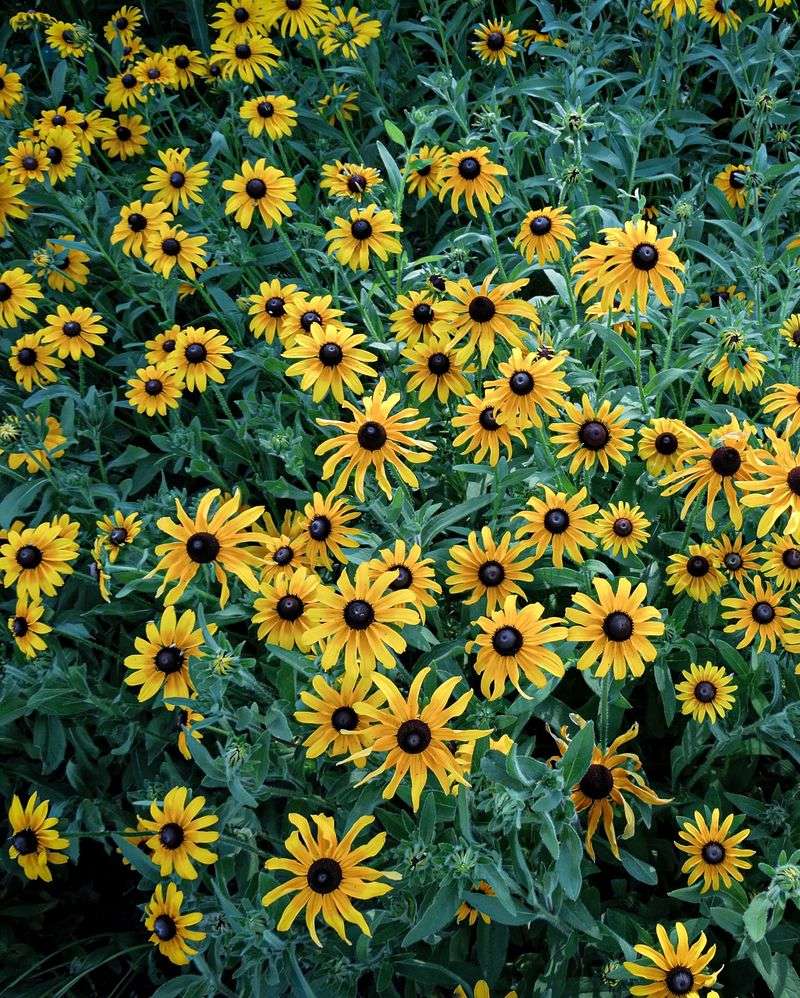
Michigan summers can swing from soaking wet to scorching dry within the same month, and most plants struggle to keep up with those swings. Rudbeckia fulgida barely notices.
Once established, it handles drought and summer heat with the kind of calm resilience that makes it a standout choice for low-maintenance landscaping.
During the first growing season, some watering helps the plant develop a strong root system. A deep soak once or twice a week is enough, especially during dry stretches in June and July.
After that first year, supplemental watering becomes almost unnecessary. The deep roots tap into moisture reserves that shallow-rooted plants simply cannot reach, keeping the plant healthy and blooming even when rain is scarce.
Hot afternoons that leave other perennials wilting do not faze Eastern Coneflower. The thick, slightly rough leaves are naturally adapted to reduce moisture loss, which is a smart evolutionary trick for surviving the unpredictable Michigan summer climate.
Gardeners who travel frequently or simply prefer a yard that takes care of itself will appreciate this quality deeply.
Rather than coming home to a withered garden after a vacation, they return to find cheerful golden blooms still going strong.
That kind of reliability is genuinely hard to find in any ornamental perennial, native or otherwise.
4. Fertilizer Optional: This Plant Feeds Itself
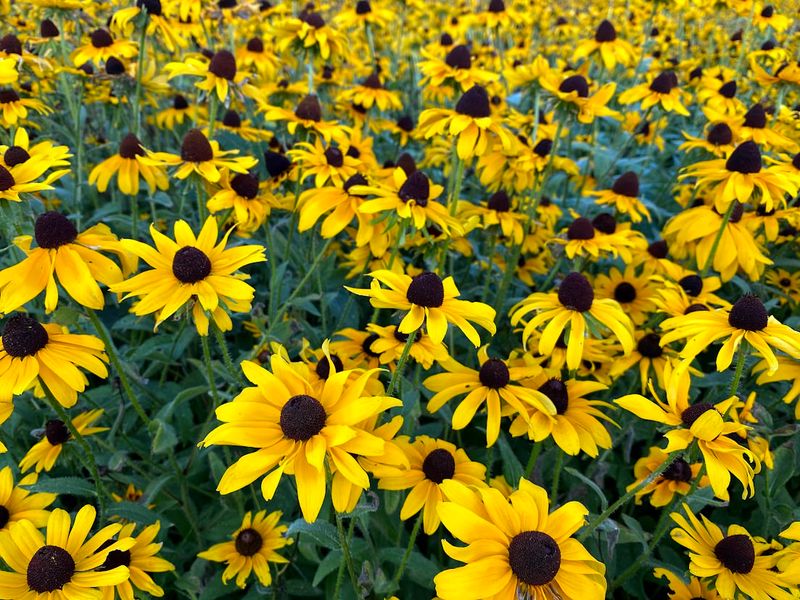
Plenty of gardeners assume that more fertilizer equals better plants. With Rudbeckia fulgida, that logic gets turned completely upside down.
Eastern Coneflower actually performs better in low-nutrient soils, and adding too much fertilizer can cause the plant to produce excessive leafy growth at the expense of flowers.
Native plants like this one evolved over thousands of years in conditions without commercial fertilizers.
They developed efficient systems for extracting the nutrients they need from whatever soil they grow in, which makes them perfectly suited for the stripped, compacted, or nutrient-depleted areas common in Michigan yards.
New construction sites, areas near driveways, or spots where topsoil was removed during building projects are all prime candidates for Eastern Coneflower.
Skipping fertilizer also means less work and less money spent on garden supplies each season. A light top-dressing of compost in early spring is more than enough to keep plants thriving year after year.
That small step improves soil texture without overloading the plant with nitrogen.
For homeowners tired of expensive fertilizing routines that still produce mediocre results, switching to native plants like Rudbeckia fulgida represents a real shift in how effortless gardening can actually be.
The results speak for themselves every summer when those bright golden blooms show up without any extra coaxing.
5. Blooms That Keep Going From July Through October
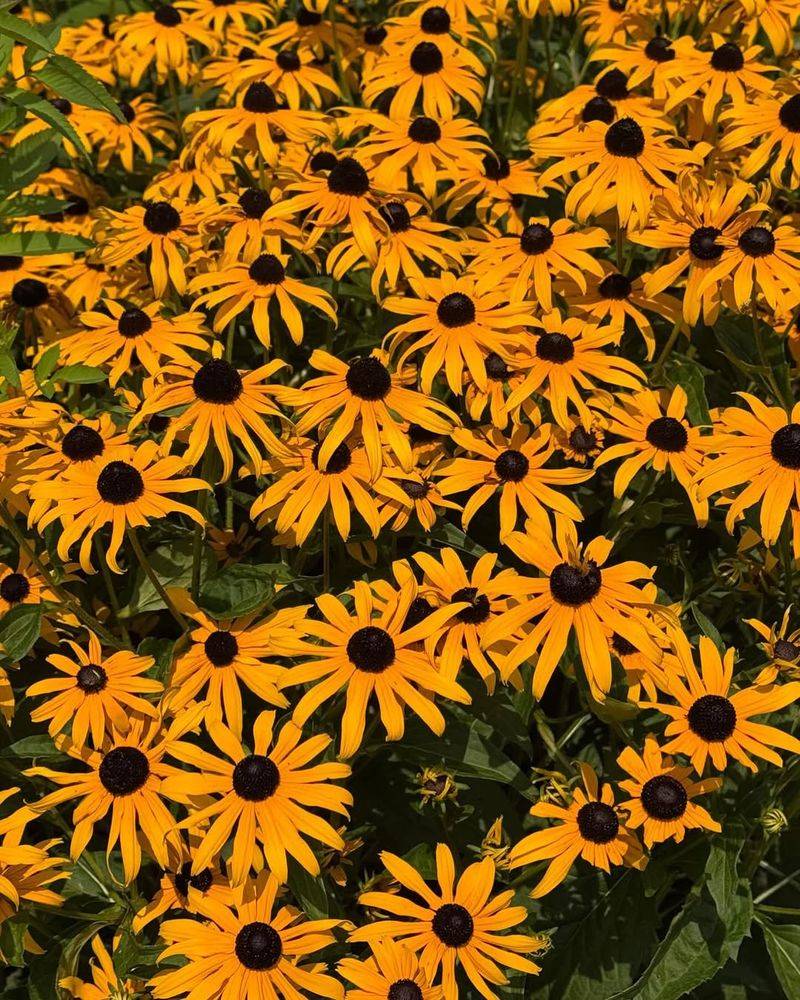
Most perennials offer a brief, beautiful window of bloom before fading back into plain greenery. Rudbeckia fulgida refuses to follow that pattern.
Starting in mid-July and stretching well into October, this plant delivers a continuous parade of golden flowers that keep your garden looking vibrant long after many summer perennials have finished.
Deadheading, or removing spent blooms, encourages the plant to push out fresh flowers rather than putting energy into seed production.
Pinch or snip off faded flower heads every week or two during peak bloom season, and the plant responds with new buds almost immediately.
It is a small effort that pays off with noticeably more flowers over the entire growing season.
As fall arrives and temperatures cool across Michigan, Rudbeckia fulgida often intensifies rather than fades.
The golden color seems to deepen against autumn skies, and the dark seed heads that form after blooming add textural interest through late fall and even into early winter.
Leaving some seed heads in place also provides food for birds, which adds another layer of seasonal enjoyment.
For gardeners who love a yard that looks alive and colorful from summer clear through the first frost, few plants match the long-season performance that Eastern Coneflower brings to Michigan landscapes year after reliable year.
6. Bees, Butterflies, And Birds All Show Up
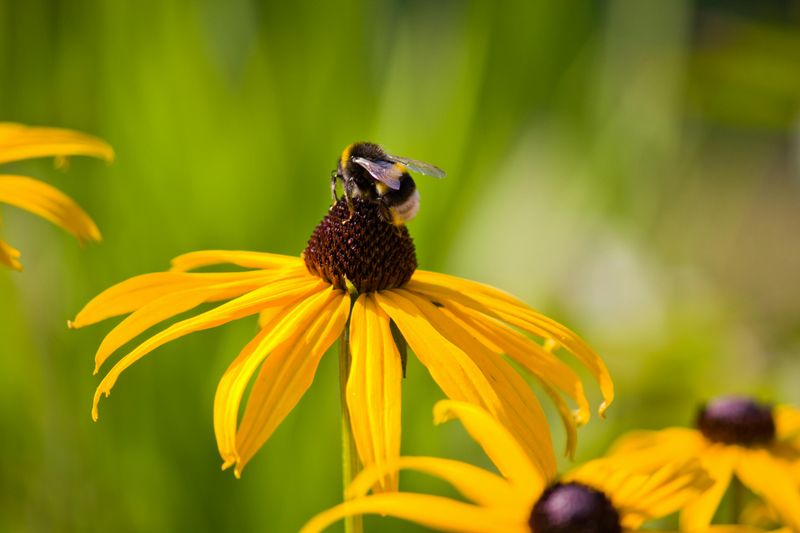
A garden that buzzes and flutters with activity feels alive in a way that a purely decorative planting simply cannot match.
Rudbeckia fulgida turns any yard into a wildlife hub, attracting bees, butterflies, and seed-eating birds throughout the entire growing season and beyond.
Bees are drawn to the open, accessible flower structure of Eastern Coneflower, which makes it easy for both native bees and honeybees to collect pollen and nectar.
Monarch butterflies, swallowtails, and skippers frequently visit the blooms as well, especially during late summer when many other nectar sources have faded.
Planting Rudbeckia fulgida in a tough soil area does not just improve the look of your yard; it actively supports local pollinator populations that are under pressure across Michigan.
Once blooming slows in fall, the seed heads become a buffet for American goldfinches, chickadees, and sparrows.
Leaving the seed heads standing through winter rather than cutting everything back creates a natural food source during the coldest months. It also adds visual structure to an otherwise bare garden bed.
For homeowners who want their landscaping to do more than just look pretty, Eastern Coneflower delivers real ecological value on even the most challenging patches of ground in your yard.
7. It Spreads On Its Own And Fills The Gaps
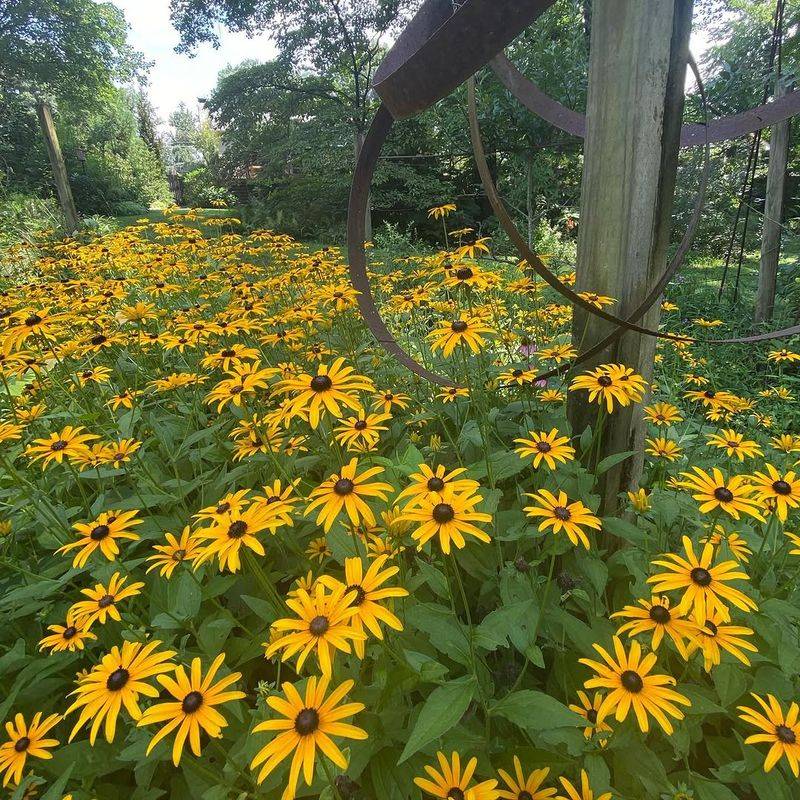
Bare patches in a garden always seem to invite weeds, and fighting them season after season gets old fast. Rudbeckia fulgida takes a smarter approach by simply filling those gaps itself.
Through a combination of rhizome spreading and self-seeding, Eastern Coneflower gradually covers open ground with dense, flowering clumps that leave no room for weeds to move in.
The spreading happens at a pace that is noticeable but not alarming. In the first year, the plant focuses on root development.
By year two, clumps begin to widen noticeably. By year three and beyond, you will see new seedlings popping up nearby, filling in the surrounding area with fresh plants.
This natural progression makes it ideal for covering large problem areas without repeated replanting or ongoing investment.
Managing the spread is easy if you want to keep it contained. Simply dig up and remove outer clumps every few years, or pull seedlings that stray outside your intended planting zone.
Divided clumps can be transplanted to other bare spots in your yard or shared with neighbors, which makes this plant a genuinely generous addition to any garden.
For Michigan homeowners tackling a large, difficult area with minimal budget, few plants offer the reliable, self-sufficient coverage that Rudbeckia fulgida provides over time.
8. Almost Zero Upkeep After The First Season
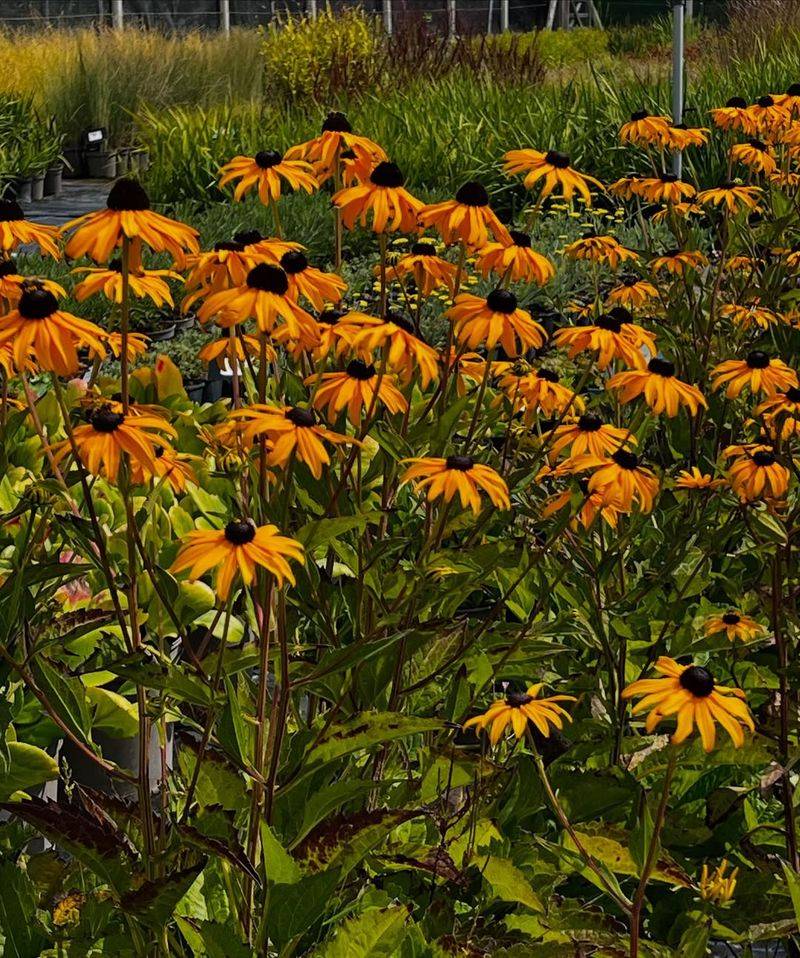
Busy homeowners often dream of a garden that practically runs itself. After Rudbeckia fulgida gets through its first growing season, that dream becomes surprisingly close to reality.
Once the root system is established, the plant needs very little from you to thrive season after season.
Watering becomes minimal after year one. Weeding is reduced naturally as the dense clumps shade out competing plants. Fertilizing is unnecessary in most Michigan soils, and pest control is rarely needed.
The main maintenance task is a late-fall or early-spring cleanup, cutting stems back to a few inches above the ground before new growth emerges. That single annual task takes maybe 20 minutes for a good-sized planting.
Dividing clumps every three to four years helps keep plants vigorous and prevents the center from becoming woody or sparse. This is a quick job with a sharp spade and produces free plants you can use elsewhere in your yard.
Some gardeners also do a light midsummer trim to encourage a second flush of blooms, though this step is entirely optional rather than essential.
For people who want beautiful landscaping without dedicating every weekend to yard work, Eastern Coneflower represents one of the best low-effort investments available for Michigan gardens, delivering season after season without demanding much in return.
9. Pests And Fungal Problems Rarely Stand A Chance
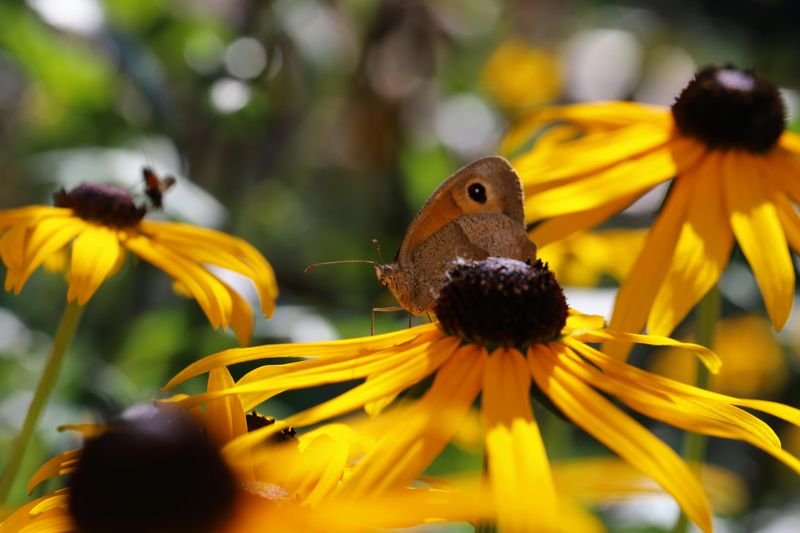
Gardeners who have battled aphids, mildew, or fungal rot on other perennials will find Eastern Coneflower refreshingly resistant to most of those common headaches.
Rudbeckia fulgida has a natural toughness that keeps it healthy even in the challenging conditions where other plants struggle most.
The slightly rough, hairy texture of the leaves deters many soft-bodied insects that would otherwise feast on smoother-leafed plants.
Aphids occasionally appear on young growth in early spring but rarely cause significant damage, and a strong spray of water from the garden hose is usually enough to handle them.
No chemical sprays are needed in most situations, which is great news for gardeners trying to reduce pesticide use.
Powdery mildew, a common fungal issue in humid Michigan summers, can occasionally affect Rudbeckia fulgida in areas with poor air circulation.
Planting at the recommended spacing of 18 to 24 inches apart allows air to flow freely between plants, which dramatically reduces the risk.
Choosing a full-sun location also helps, since foliage dries more quickly after rain or morning dew. In tough soil spots where drainage is already imperfect, these simple precautions make a real difference.
Overall, Eastern Coneflower is one of the most problem-free perennials available for gardeners who want reliable beauty without constant troubleshooting.
10. Use It Everywhere From Borders To Erosion Control
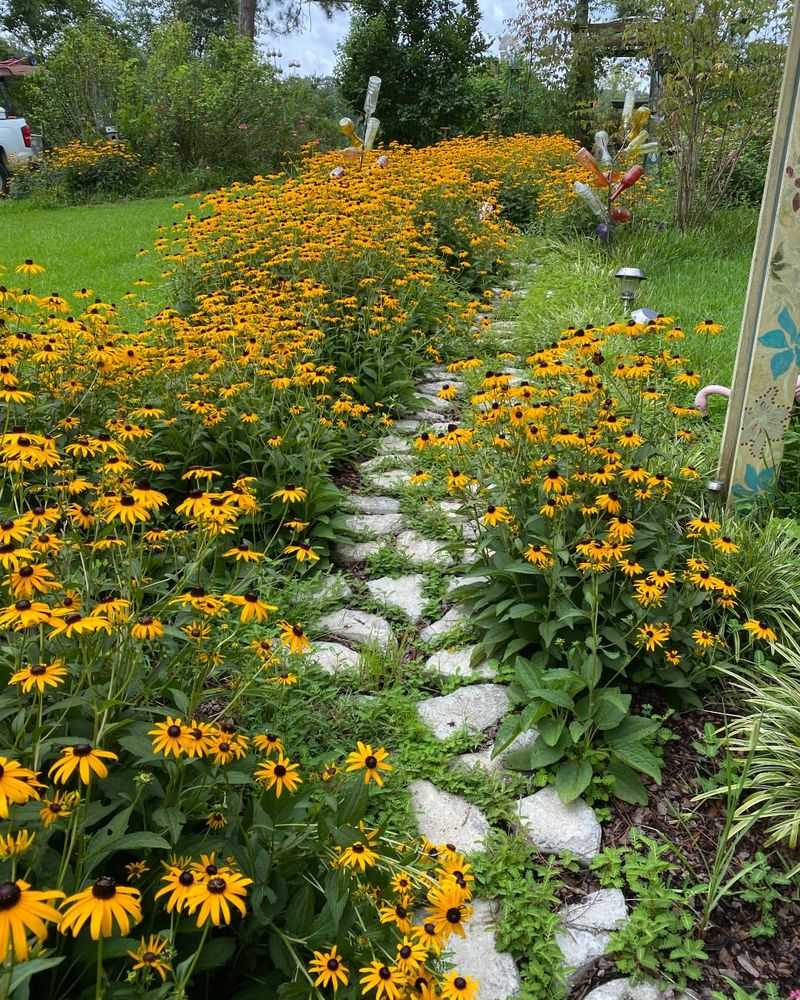
One of the most underrated qualities of Rudbeckia fulgida is how many different roles it can play in a Michigan landscape.
Far from being a one-trick plant, Eastern Coneflower adapts beautifully to formal garden borders, relaxed naturalized beds, pollinator gardens, and even steep slopes where erosion is a genuine concern.
In a traditional border, it pairs wonderfully with purple coneflower, black-eyed Susan relatives, ornamental grasses, and native asters.
The golden blooms provide warm contrast against purple and blue-toned flowers, creating a color palette that looks rich and intentional.
For a wilder, meadow-style planting, simply let it spread freely among grasses and other natives for a naturalistic effect that requires almost no design intervention.
On slopes or embankments where soil erosion is a problem, the deep root system of Eastern Coneflower anchors the ground effectively, reducing runoff and stabilizing loose or compacted soil over time.
This makes it a smart, attractive alternative to erosion control fabrics or non-native ground covers.
Combining it with native plants like wild bergamot, prairie dropseed, or little bluestem grass creates a layered, multi-season display that supports wildlife and looks stunning from spring through late fall.
Whether your goal is visual impact, ecological benefit, or practical ground stabilization, Rudbeckia fulgida brings all three to the table in one remarkably versatile package.