The Most Underrated Michigan Native That Blooms All Summer And Never Needs Dividing
Most summer blooming perennials in Michigan eventually demand attention. The clump gets too large, the center starts looking hollow, and the gardening advice is always the same: divide it, reset it, start the cycle over.
It’s not bad advice for most plants, but it does mean ongoing work that adds up over the years.
This native perennial sits completely outside that pattern, blooming consistently from early summer through fall, improving in performance as the clump matures, and never requiring division to stay healthy and floriferous.
It handles Michigan winters without any protection, tolerates a range of soil conditions, and supports native bees through the entire length of its bloom season.
Gardeners who’ve grown it for five or ten years have better plants than they started with, which is the kind of return on a single investment that makes it hard to understand why it isn’t in every Michigan garden already.
1. Eastern Coneflower
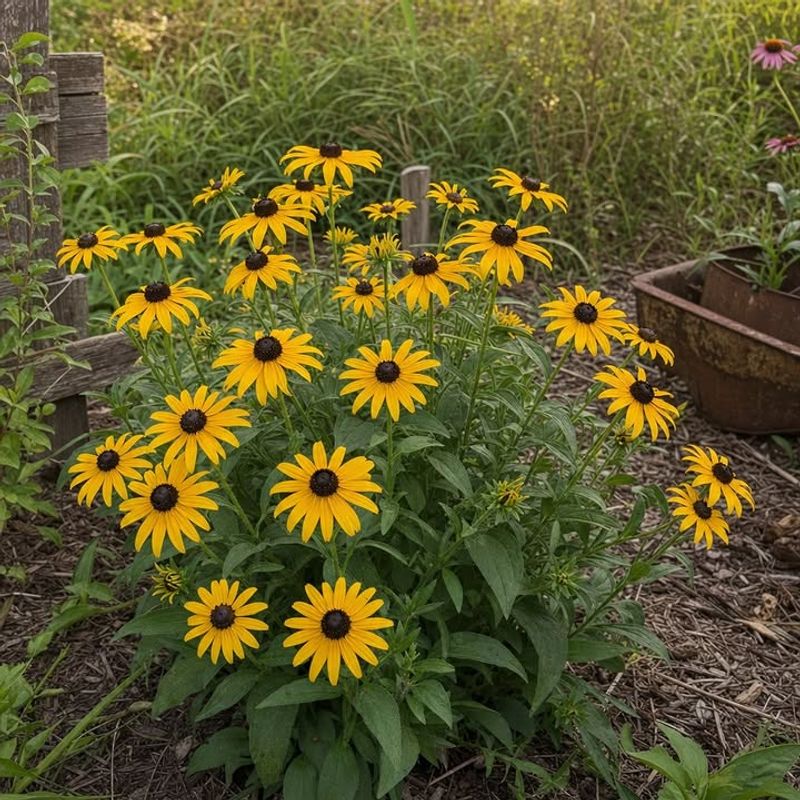
Few plants earn their spot in a Michigan garden quite like Rudbeckia fulgida. Commonly called Eastern Coneflower, this native perennial has been growing across the Midwest for centuries, thriving in conditions that would stress out most ornamental plants.
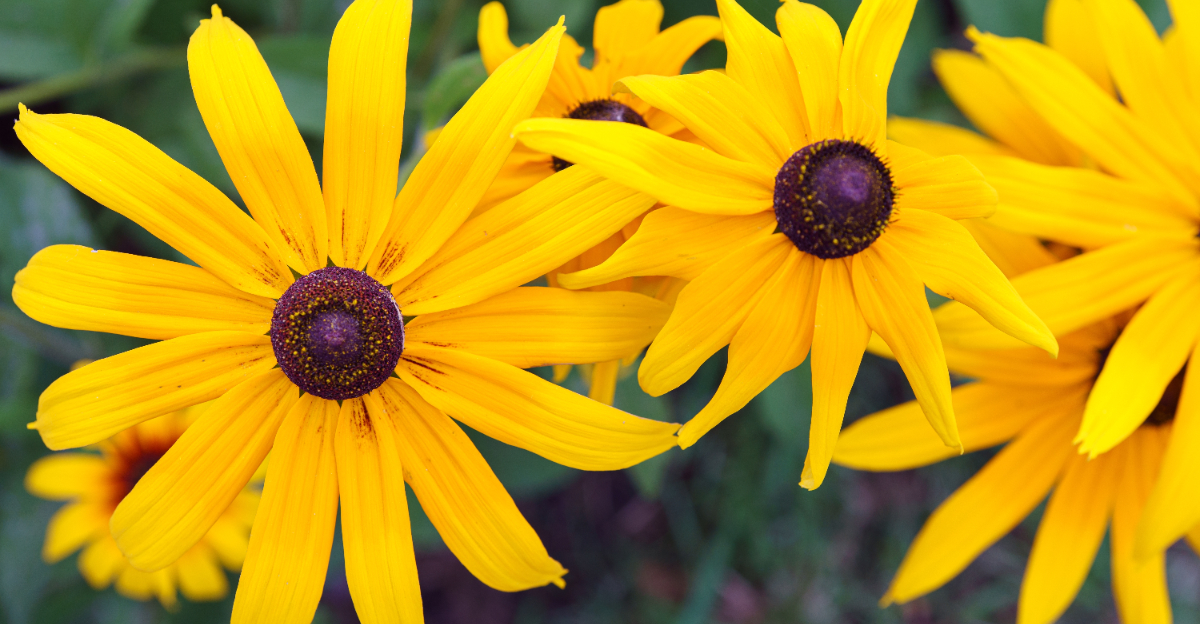
Its bold yellow petals surrounding a rich dark brown center cone make it instantly recognizable and genuinely beautiful in any landscape.
Michigan gardeners often overlook this plant in favor of showier imports, but that is a mistake worth correcting.
Eastern Coneflower grows naturally in open woodlands, meadows, and roadsides across the state, which means it is already adapted to local rainfall patterns, temperature swings, and soil types.
You are not fighting nature when you plant it. You are working with it.
For planting, choose a spot with full sun to light shade and give each plant about 18 to 24 inches of space. It grows 2 to 3 feet tall and spreads gradually into a full, bushy clump.
Spring planting works well, but fall planting also gives roots time to settle before the growing season. Once established after the first year, this plant handles itself beautifully with very little help from you.
2. Continuous Summer Blooms That Last For Months
Most flowering perennials put on a two-week show and then call it a season. Eastern Coneflower plays by completely different rules.
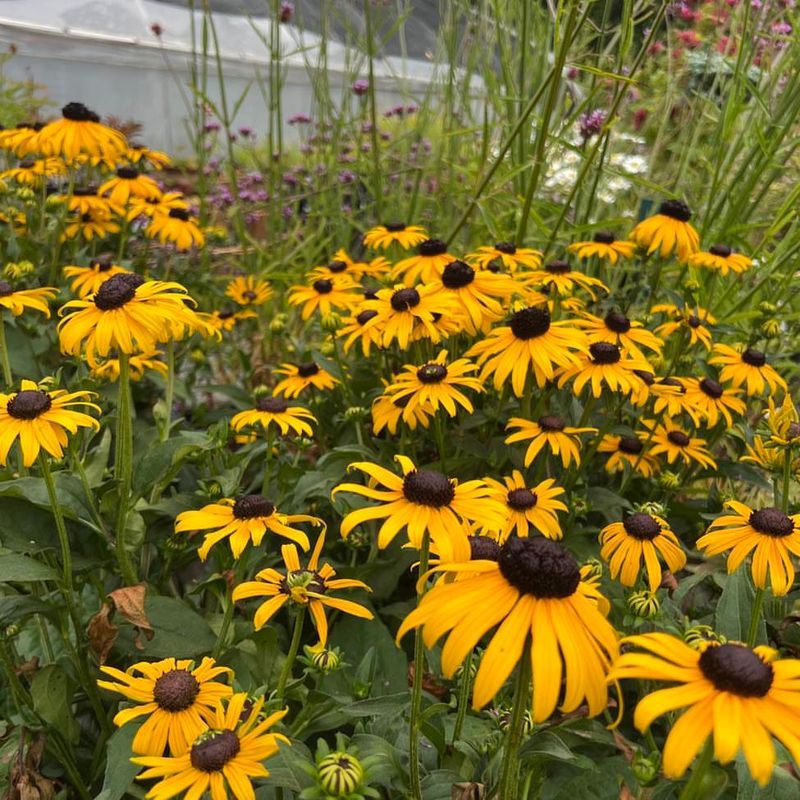
Starting in early summer, usually around late June in Michigan, this plant opens its first bright yellow flowers and simply keeps going. By the time August rolls around, the garden is still packed with color, and blooms often continue well into October.
What makes this possible is the plant’s robust perennial habit and its ability to produce new flower buds continuously along branching stems. Unlike plants that bloom all at once and exhaust themselves, Rudbeckia fulgida staggers its flowering naturally.
You get fresh blooms opening regularly throughout the whole season without doing anything extra to encourage them.
This extended bloom period also means your garden stays alive with color during the hottest, driest stretch of Michigan summer, when many other plants look worn out.
Pollinators benefit enormously from this reliable food source, and your yard benefits from the steady visual impact. You never have to worry about a midsummer lull in the flower beds.
Your Michigan Garden Changes Every Week. Your Plan Should Too.
Gardening in Michigan changes quickly throughout the season. Every Friday you’ll receive a simple weekly plan showing exactly what to plant, prune, fertilize, harvest, and protect so you never miss the right timing.
If you want consistent color from June through frost, Eastern Coneflower delivers that promise every single year without fail, making it one of the smartest long-season bloomers you can choose for a Michigan landscape.
3. Thrives In Various Soil Conditions Across Michigan
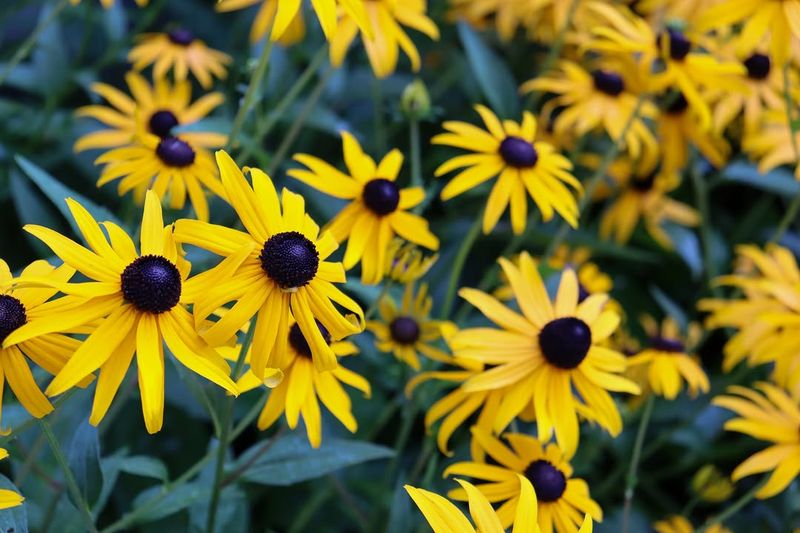
Soil anxiety is real for Michigan gardeners. The state has an incredible range of soil types, from heavy clay in the southern Lower Peninsula to sandy, fast-draining soils near the Great Lakes shoreline.
Most plants have strong preferences and will struggle if conditions are not just right. Eastern Coneflower is refreshingly flexible about where it puts down roots.
This plant handles clay soils better than almost any other flowering perennial. It tolerates the compaction and poor drainage that come with heavier ground, though it does appreciate some organic matter worked into the top few inches before planting.
In sandy soils, adding compost helps retain just enough moisture to get the plant through its first summer. Once established, it draws on deeper soil reserves and manages dry spells on its own.
For site preparation, loosen the soil about 12 inches deep and mix in two to three inches of compost before planting. Avoid spots where water pools for more than a day after rain, since consistently waterlogged roots can cause problems over time.
A slightly acidic to neutral pH between 6.0 and 7.0 is ideal, but Eastern Coneflower is forgiving of minor variations.
Mulching around the base with two inches of shredded wood or leaf mulch conserves moisture, moderates soil temperature, and keeps the planting area tidy throughout the growing season.
4. Low Maintenance Requirements Make It A Gardener’s Dream
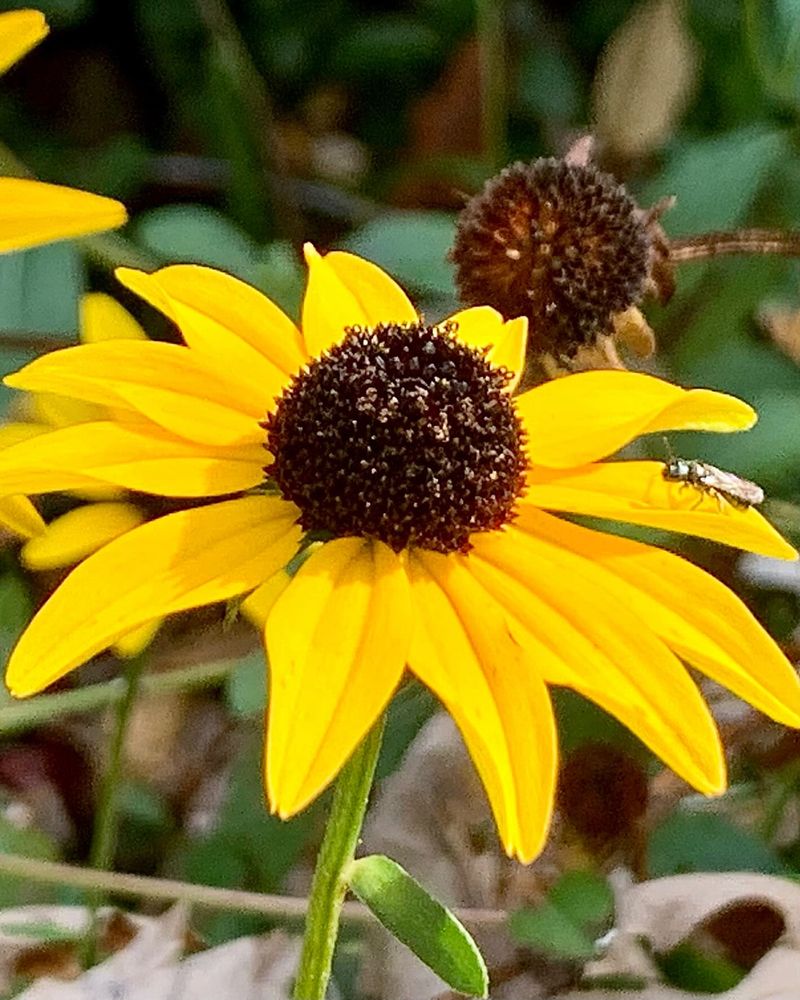
Gardening should bring joy, not stress. Eastern Coneflower seems to understand that completely.
Once it is settled into your garden after its first growing season, the care routine becomes almost embarrassingly simple. Water it during dry stretches, give it a little deadheading now and then, and step back to enjoy the show.
That is genuinely all it takes. Watering during the first year matters most, since young plants need consistent moisture to build strong root systems. Aim for about one inch of water per week through rainfall or supplemental irrigation.
After that first season, established clumps handle Michigan summers with far less attention. During prolonged droughts, a deep watering every ten to fourteen days keeps plants looking their best without overwatering.
Snipping off spent flower heads encourages the plant to push out fresh blooms faster and keeps the planting looking neat and full. You do not have to be perfect about it.
Even removing spent flowers every couple of weeks makes a noticeable difference in bloom production and overall appearance. Fertilizing is rarely necessary if your soil has decent organic content.
A light top dressing of compost in early spring gives plants a gentle nutritional boost without encouraging the floppy, overly lush growth that heavy fertilizers can cause. Eastern Coneflower genuinely rewards a hands-off approach.
5. Deer-Resistant Foliage Stands Strong In Michigan Yards
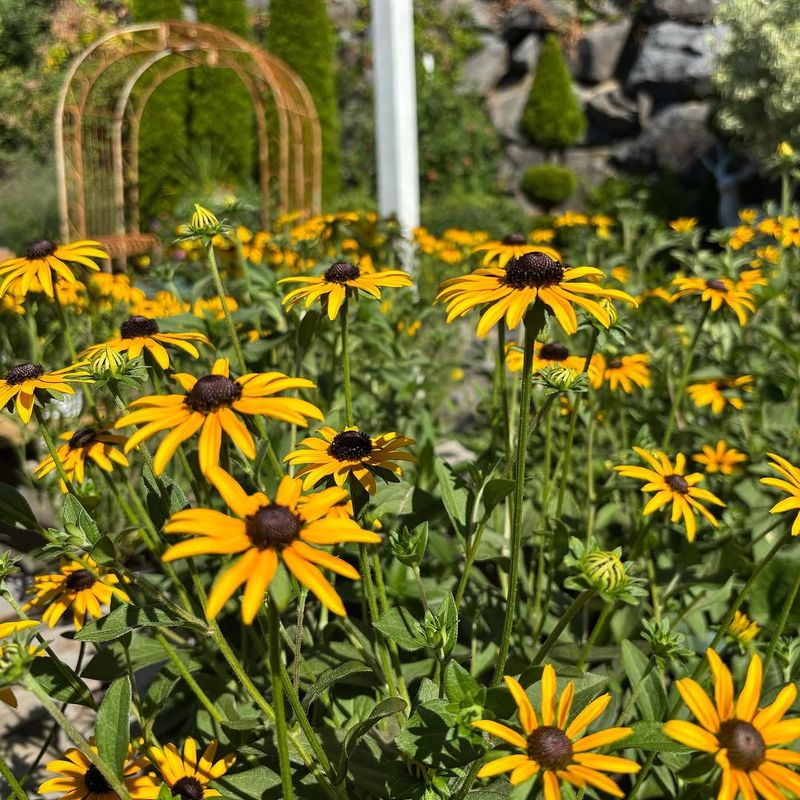
Anyone who gardens in Michigan knows the frustration of watching deer browse through a carefully planted flower bed overnight.
It is one of the most common complaints among homeowners near wooded areas, subdivisions backing up to fields, and rural properties.
Eastern Coneflower gives you a strong, beautiful option that deer consistently pass over in favor of more palatable plants nearby.
The foliage of Rudbeckia fulgida has a rough, slightly scratchy texture and a mild scent that deer find unappealing.
While no plant is completely deer-proof in every situation, especially during harsh winters when food is scarce, Eastern Coneflower holds up remarkably well compared to softer-leafed perennials.
Gardeners across Michigan regularly report that deer walk right past established clumps without touching them.
Smart placement amplifies this natural resistance. Planting Eastern Coneflower along garden borders, near entry points where deer typically enter a yard, or as a front layer in mixed perennial beds creates a natural buffer.
Pairing it with other deer-resistant natives like wild bergamot, black-eyed Susan, or prairie dropseed strengthens that boundary further.
For yards with heavy deer pressure, combining plant selection with basic fencing around the most vulnerable areas gives you the best protection overall.
Eastern Coneflower holds its ground beautifully and keeps your garden looking full and vibrant even when the neighborhood deer population is active and hungry.
6. Attracts Pollinators All Season Long
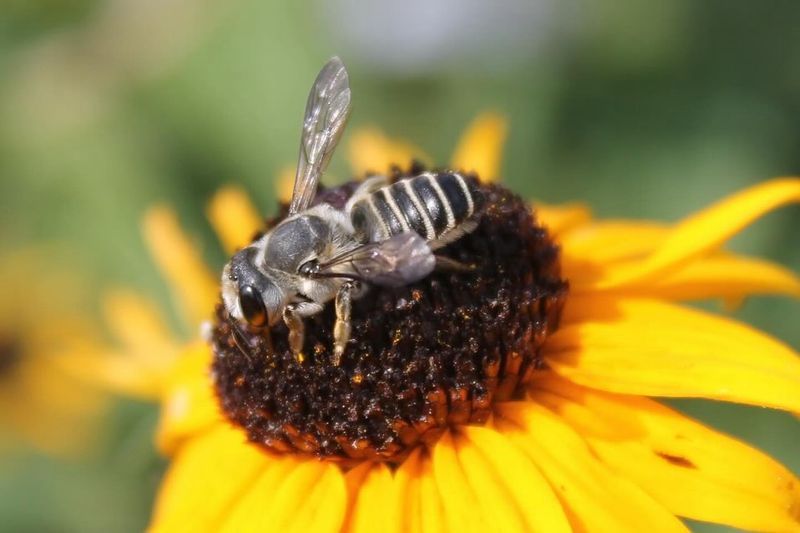
Walk past a patch of Eastern Coneflower on a warm summer afternoon and you will notice the constant activity. Bees, butterflies, and a whole range of beneficial insects treat these flowers like an all-you-can-eat buffet.
The broad, open flower structure of Rudbeckia fulgida makes it incredibly easy for pollinators to access both pollen and nectar, which is exactly why so many species are drawn to it repeatedly throughout the season.
Bumblebees are especially fond of Eastern Coneflower and can be spotted working the blooms from morning to evening during peak summer.
Monarch butterflies, whose populations have declined significantly in recent decades, regularly use coneflowers as a refueling stop during their late summer migration.
Swallowtails, skippers, and native sweat bees round out the visitor list, turning your garden into a living ecosystem rather than just a pretty space.
From a gardening perspective, all this pollinator activity benefits everything else growing nearby. Better pollination leads to healthier fruits, vegetables, and other flowering plants in your yard.
Planting Eastern Coneflower in clusters of five or more creates the most visible impact for pollinators, since larger patches are easier for insects to locate from a distance.
Mixing it with other native bloomers that flower at different times extends the support window even further.
Your garden becomes a genuine habitat, not just a decoration, and that matters more than ever right now for Michigan’s native insect communities.
7. Self-Supporting Growth Means No Staking Needed
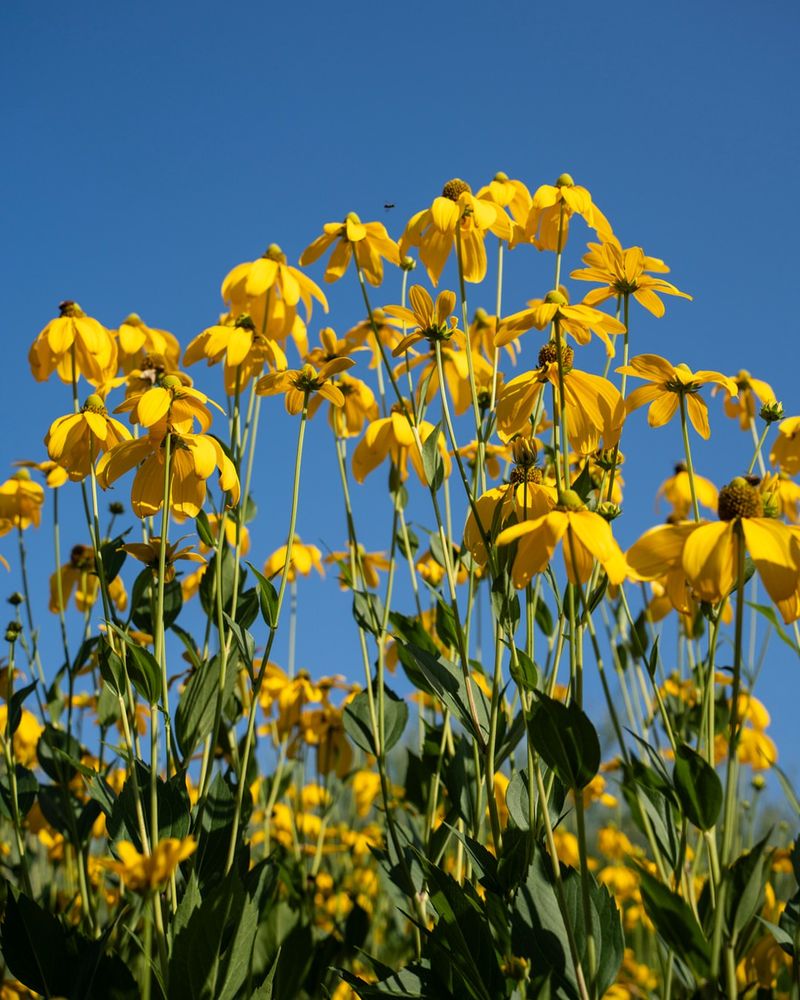
Staking perennials is one of those garden chores that sneaks up on you fast. One week your plants look fine, and the next they are flopping over the path or leaning into neighboring plants.
Eastern Coneflower saves you from all of that. Its stems are naturally sturdy, fibrous, and upright, standing firm through summer rainstorms, wind, and the weight of dozens of open blooms at once.
This self-supporting growth habit comes from the plant’s native origins. Rudbeckia fulgida evolved in open meadows and woodland edges where wind and weather are constant factors.
Over generations, it developed strong, flexible stems that bend slightly in strong gusts but spring right back upright without snapping or collapsing. That resilience translates directly into a neater, lower-effort garden.
Proper spacing plays a big role in keeping plants upright and healthy over time. Planting each clump 18 to 24 inches apart allows good air circulation between plants, which reduces the risk of fungal issues like powdery mildew during humid Michigan summers.
Overcrowding forces stems to compete for light, which leads to weaker, leggier growth that is more prone to flopping. If you are planting in a shadier spot, give plants even more room to stretch toward available light without tipping.
Cutting stems back by about one-third in late spring, a technique sometimes called the Chelsea chop, can also encourage bushier, more compact growth and even more flowers through summer.
8. Natural Spread Without Ever Needing To Divide
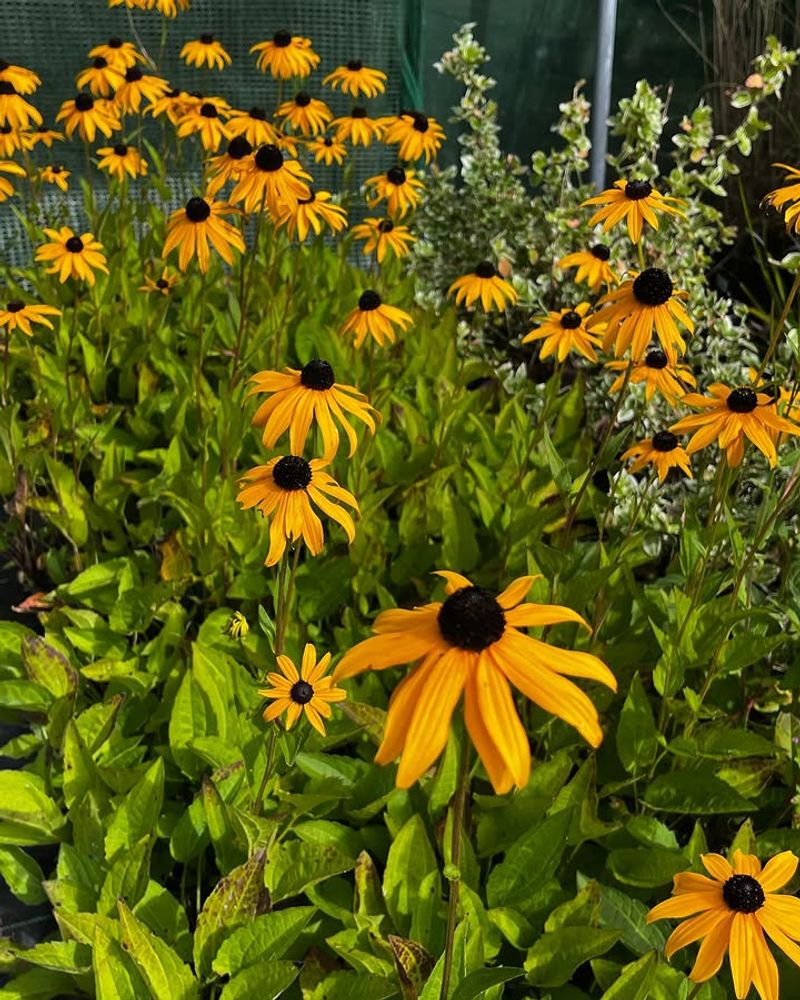
Here is something that makes Eastern Coneflower genuinely stand out from most perennials: you will never need to dig it up and divide it to keep it healthy.
Many popular garden perennials, like hostas, daylilies, and ornamental grasses, eventually become crowded and need splitting every few years to stay vigorous. Rudbeckia fulgida takes a completely different approach to filling space.
This plant spreads through two natural methods. First, established clumps gradually expand outward each year as the root system grows, creating a fuller, denser mound over time.
Second, it self-sows lightly, dropping seeds near the parent plant that germinate the following spring and fill in gaps around the original clump.
Neither method is aggressive or invasive, so the spread stays manageable and actually works in your favor.
Over five to seven years, a single plant can expand into a generous colony that covers a significant section of a garden bed with almost no effort from you. If seedlings pop up somewhere inconvenient, they are easy to relocate or remove when young.
For low-maintenance perennial borders, this gradual, organic spread is exactly what you want. The bed fills in beautifully, bare spots disappear on their own, and the garden looks more established and lush every passing season.
You get a fuller garden for free, powered entirely by the plant’s own natural energy and rhythm.
9. Fall Seed Heads Feed Birds And Add Winter Interest
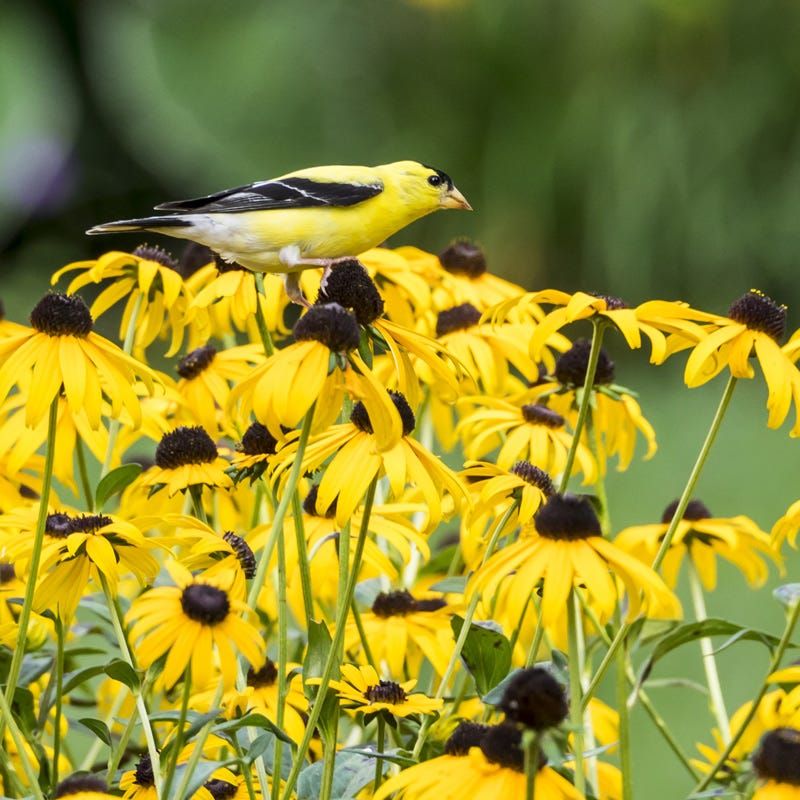
Most gardeners think the show ends when the last petals fall, but Eastern Coneflower has one more season of value to offer. After the blooms fade in late fall, the dark, cone-shaped seed heads remain standing on firm stems throughout winter.
These seed heads are not just visually interesting against a snowy Michigan landscape. They are a genuine food source for birds at one of the most important times of year.
American goldfinches are the biggest fans of Rudbeckia fulgida seeds and will visit the seed heads repeatedly through late fall and into winter, clinging to the stems and extracting seeds one by one.
Chickadees, nuthatches, and house finches also take advantage of this natural pantry. Leaving the seed heads standing instead of cutting everything back in fall turns your garden into a winter feeding station without buying a single bag of birdseed.
From a design standpoint, the upright, textured seed heads add structure and visual interest to a garden that might otherwise look bare and flat in winter.
They catch snow beautifully and create a naturalistic, layered look that many gardeners find genuinely appealing.
If you prefer a cleaner look, wait until late February or early March to cut stems back to about four inches above ground. This timing lets birds feed all winter and still gives you a tidy start before new spring growth emerges from the base of the plant.