7 Common Habits That Are Actually Slowing Down Your Tomato Plants
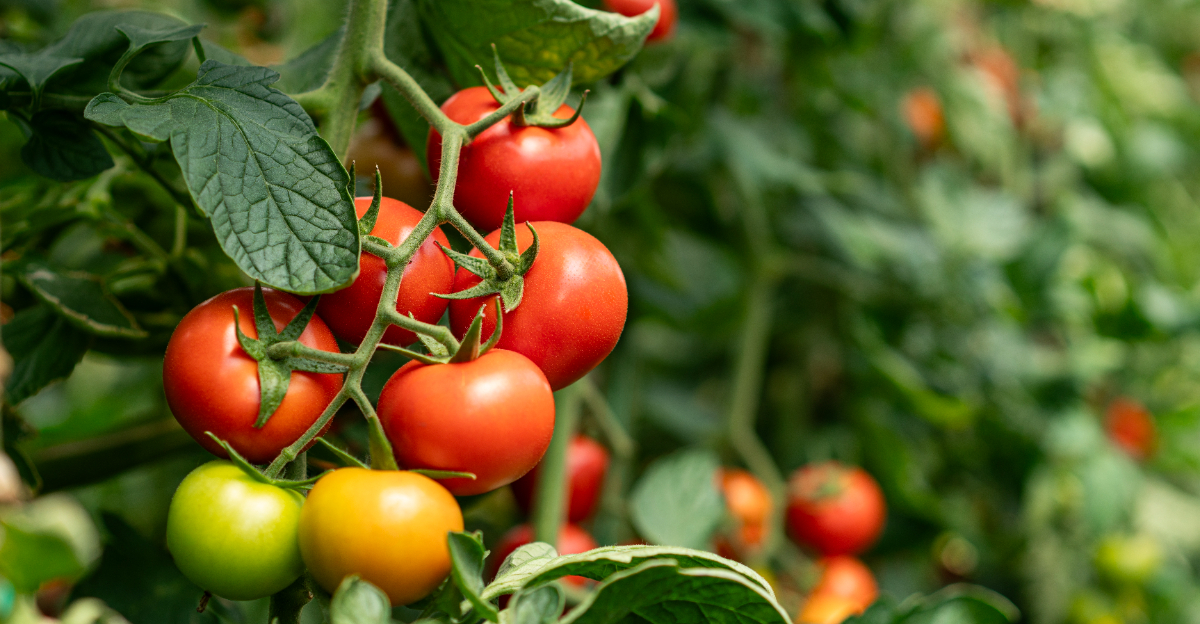
Every summer, the same story plays out in backyards across the country. You plant your tomatoes with care, water them faithfully, and wait.
Then August arrives, and instead of heavy clusters of fruit, you get a handful of sad, slow-ripening tomatoes that barely justify the effort.
Here’s the thing: it’s probably not your soil, your seeds, or your luck. It’s your habits.
Most tomato mistakes aren’t dramatic. They’re quiet, well-meaning routines that seem logical but quietly work against your plants. Watering too often. Pruning too little. Planting before the ground is truly ready.
These aren’t rookie errors, even seasoned gardeners fall into them. A few honest adjustments can turn a struggling plant into something that produces more than you can eat.
1. Overwatering Does More Harm Than You Think
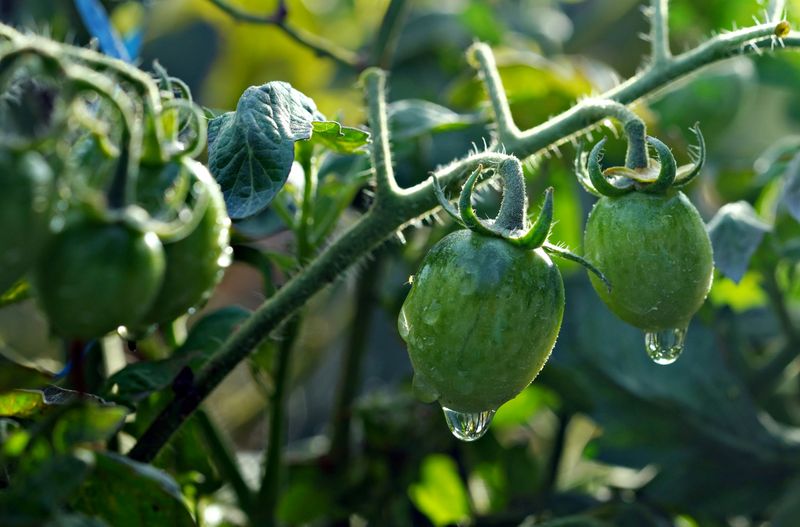
Too much love can be a bad thing. When gardeners see their tomato plants looking a little droopy, the instinct is to grab the hose and water generously.
Unfortunately, that habit is one of the most common ways people accidentally slow down their tomato plants. Tomato roots need oxygen just as much as they need moisture.
Soggy soil cuts off that oxygen supply, causing roots to lose access to oxygen and the plant to slowly weaken. Over time, the plant becomes weak, leaves turn yellow, and fruit development stalls completely.
Overwatered tomatoes also become magnets for fungal diseases like root rot and fusarium wilt. These conditions spread quickly and are hard to reverse once they take hold.
A struggling plant spends all its energy fighting infection instead of producing fruit. The fix is simpler than you might expect. Stick your finger about two inches into the soil before reaching for the watering can.
If the soil feels moist at that depth, your plant is fine and does not need more water yet. Most tomato plants in garden beds need watering about two to three times per week during hot weather.
Container-grown tomatoes dry out faster and may need daily attention. Always check before you water rather than following a rigid schedule.
Consistency matters more than volume. A steady, moderate watering routine encourages roots to grow deeper in search of moisture, which actually makes the plant stronger and more resilient over the long haul.
Healthy roots equal a healthy harvest.
2. Planting Too Early Sets Your Tomatoes Back
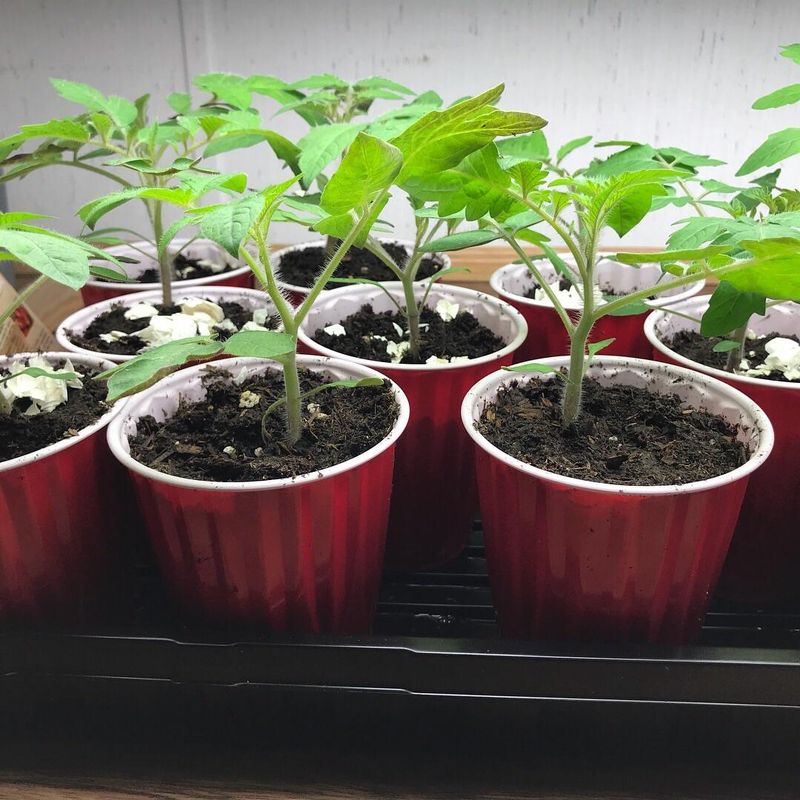
Patience is genuinely hard when seed catalogs arrive in January. By March, most gardeners are itching to plant, but rushing the season quietly slows tomato plants down before they even get started.
Tomatoes are warm-weather plants through and through. Cold soil temperatures below 60 degrees Fahrenheit cause the roots to go almost dormant, making it impossible for the plant to absorb nutrients properly.
Even if the seedling survives a cold snap, it often stalls for weeks rather than putting on any real growth. Transplanting too early also exposes young plants to temperature swings that stress them significantly.
A sudden cold night can damage tender tissue and set back growth by two weeks or more. That early head start you hoped for can quickly turn into a frustrating delay.
Soil temperature matters far more than air temperature when it comes to tomatoes. Use an inexpensive soil thermometer to check that your garden bed has reached at least 60 degrees consistently before planting.
Waiting even one extra week can mean the difference between a plant that thrives and one that merely survives. Hardening off your seedlings before transplanting also plays a big role.
Gradually expose indoor-grown plants to outdoor conditions over seven to ten days. This process toughens them up so they handle the transition without shock.
A tomato planted at the right time in warm soil will almost always outpace one planted weeks earlier in cold ground. Timing your tomato plants correctly is one of the smartest moves a home gardener can make.
3. Skipping Pruning Costs You Yield
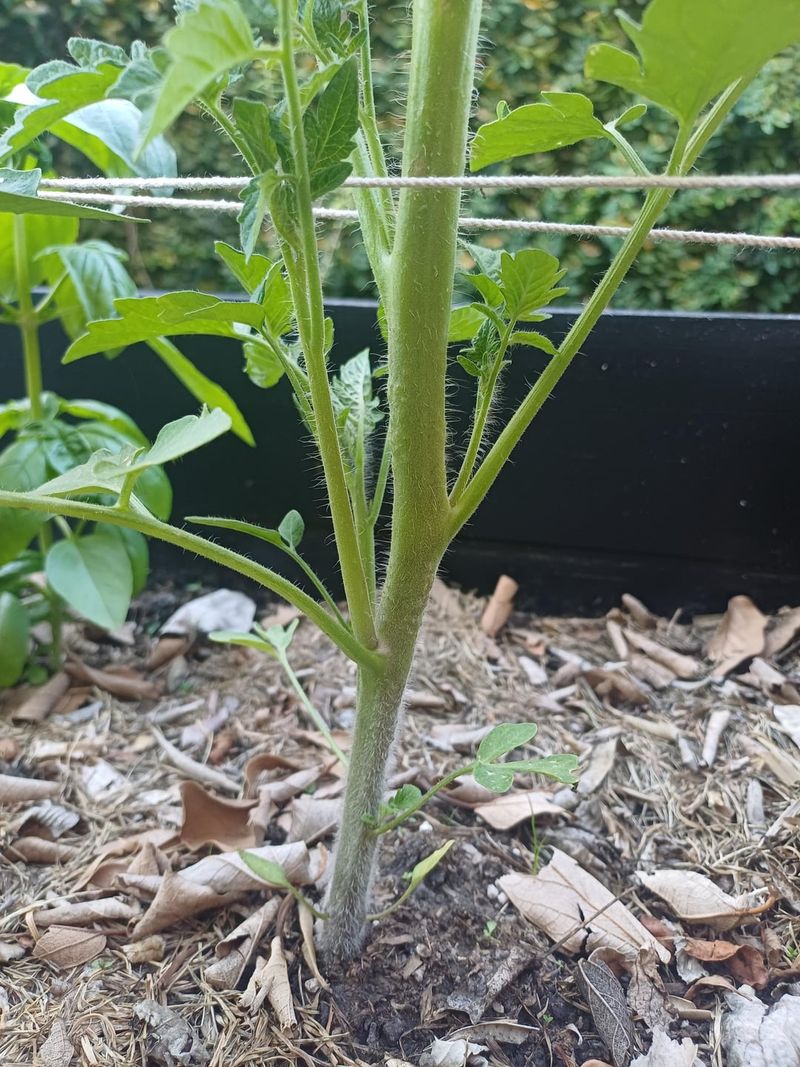
Suckers are sneaky little thieves. Those small shoots look harmless, but leaving them unchecked robs your tomato plants of their best fruit all season.
When a tomato plant puts energy into dozens of branches and leaves, that energy gets spread thin. The plant focuses on growing bigger and bushier rather than channeling its resources into developing plump, flavorful fruit.
Pruning redirects that energy exactly where you want it to go. For indeterminate tomato varieties like Beefsteak, Cherokee Purple, or Sun Gold, regular pruning is especially important.
These plants will keep growing and producing indefinitely if given support. Without pruning, they become a tangled mess that is harder to manage and far less productive per square foot.
Removing suckers when they are small, about the size of your pinky finger, is the easiest approach. At that size, you can snap them off cleanly with your fingers.
Larger suckers require clean pruning shears to avoid tearing the stem and inviting disease. Pruning also improves airflow around the plant.
Better airflow means less humidity trapped in the foliage, which significantly reduces the risk of fungal issues like blight. A well-pruned plant simply stays healthier throughout the season.
Consistent pruning also makes it easier to spot problems early. When the plant is open and manageable, pest damage and disease show up before they have a chance to spread.
Determinate varieties, which grow to a set size and produce all at once, need much less pruning. Knowing your variety before you start snipping is key.
Prune with purpose, and your tomato plants will reward you with a noticeably bigger, better harvest.
4. Fertilizing Too Much Feeds The Leaves, Not The Fruit
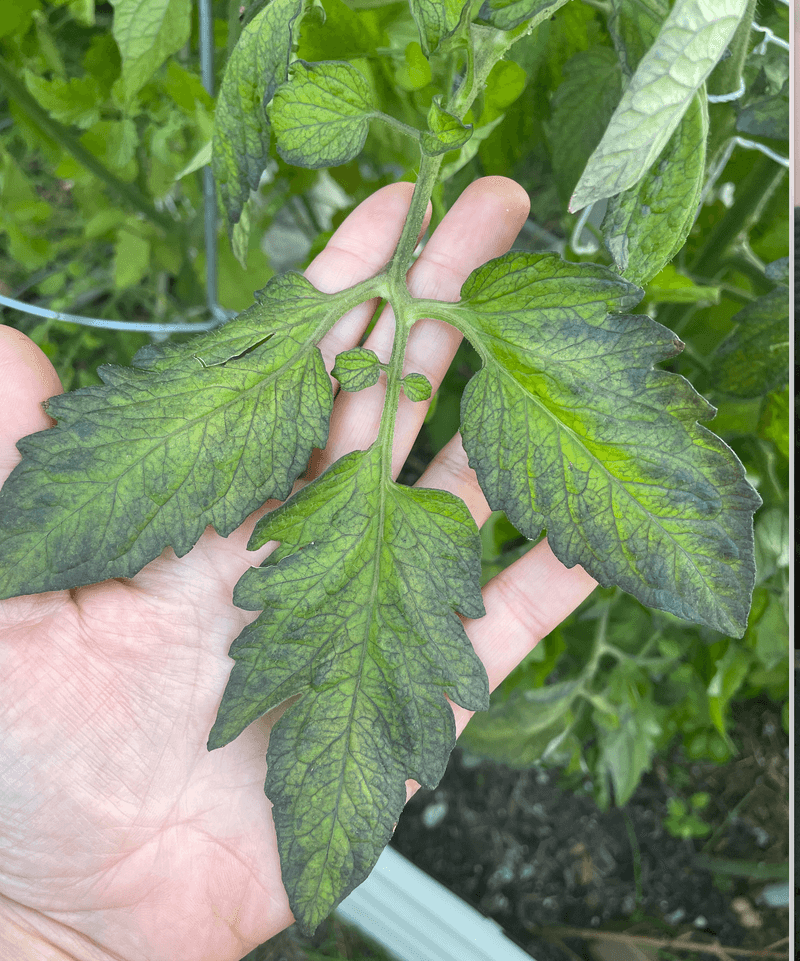
More fertilizer does not always mean more tomatoes. This is one of those gardening myths that trips up enthusiastic growers season after season.
Pouring on extra nutrients, especially nitrogen-heavy formulas, can actually push your tomato plants in exactly the wrong direction. Nitrogen is the nutrient responsible for lush, green leaf growth. Plants love it, and they respond to it fast.
But when tomatoes get too much nitrogen, they put all their effort into producing big, beautiful foliage while completely neglecting the fruit you actually want. Gardeners call this going vegetative.
The plant looks thriving from the outside, but it is essentially all show.
The stems are thick, the leaves are enormous and dark green, but the flowers drop off or never develop properly. Fruit set suffers dramatically, and the growing season slips by without much to show for it.
Balance is the key to feeding tomatoes well. During the early stages of growth, a modest amount of nitrogen helps the plant establish itself.
Once flowers appear, shift to a fertilizer with lower nitrogen and higher phosphorus and potassium levels to support blooming and fruit development.
Reading the label on your fertilizer bag matters more than most people realize. A balanced formula like 10-10-10 works well early in the season.
As the plant matures and sets fruit, look for something labeled specifically for tomatoes or vegetables in the fruiting stage. Soil testing every year or two also gives you a clear picture of what your garden actually needs.
Feeding your tomato plants based on real data rather than guesswork leads to far better results and a genuinely satisfying harvest.
5. Planting In The Wrong Spot Limits Growth From Day One
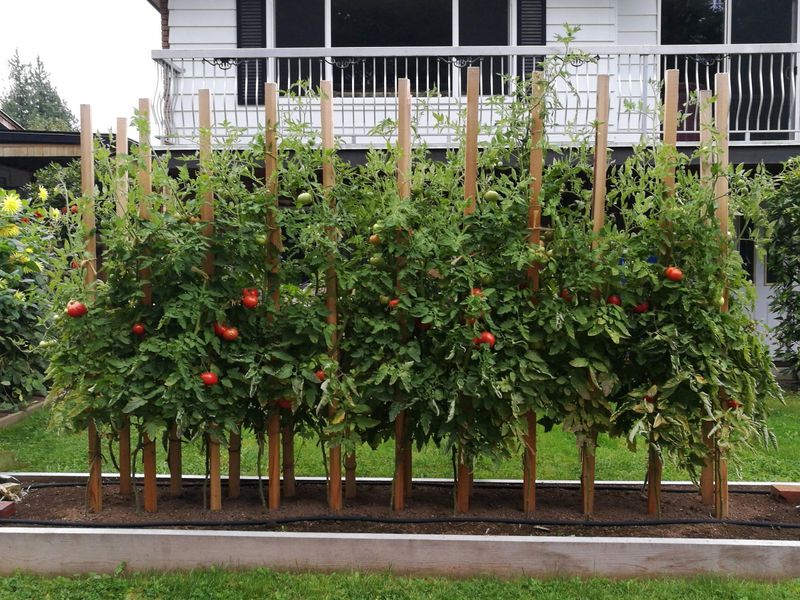
Location is everything in gardening. You can do everything else right, but the wrong spot will hold your plants back.
Tomatoes need full sun to thrive, and that means at least six to eight hours of direct sunlight every day.
Anything less and the plant can’t produce enough energy to fuel strong growth and steady fruit development. Shady spots that seem fine in spring often become a problem once nearby trees leaf out fully.
Poor drainage is another location mistake that causes big problems. Planting in low spots where water collects after rain keeps roots wet for too long, which circles right back to the same issues caused by overwatering.
Always choose a spot where water drains away naturally within an hour of rainfall. Soil quality in your chosen spot also plays a major role. Compacted clay soil restricts root expansion and holds water in all the wrong ways.
Sandy soil drains too fast and struggles to hold nutrients long enough for roots to absorb them. Amending your soil with compost before planting creates a middle ground that tomatoes absolutely thrive in.
Wind exposure is worth considering as well. A spot that gets battered by strong afternoon winds can stress plants, damage stems, and cause flowers to drop before they set fruit. A gentle breeze is beneficial, but a wind tunnel is not.
Scouting your yard at different times of day before you plant helps identify the best location. Give your tomato plants the right home from day one, and they will grow with purpose all season long.
6. Ignoring Pests Until It’s Too Late
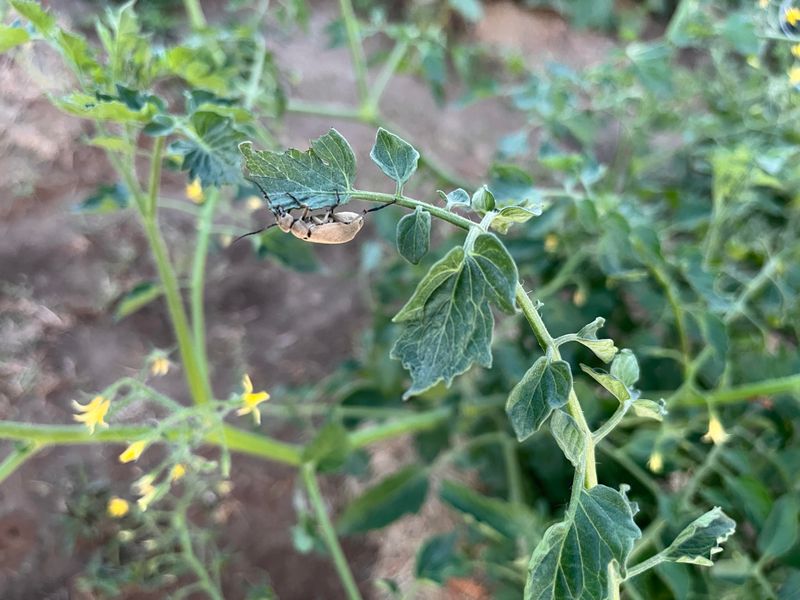
A few hornworms can do serious damage in just a couple of days. These chunky green caterpillars are masters of camouflage, blending in perfectly with the stems and foliage until the damage becomes impossible to miss.
Waiting too long to check your plants for pests is a habit that costs gardeners dearly every season. Early detection is the single most effective pest management strategy available to home gardeners.
Catching an infestation when it is small means you have options. A few aphids can be knocked off with a strong stream of water.
A handful of hornworms can be handpicked. A full-blown infestation requires much more aggressive intervention. Tomato plants also attract spider mites, whiteflies, and stink bugs, among others.
Each pest damages plants in different ways, from sucking sap to spreading disease. The common thread is that they all slow down growth, reduce fruit quality, and weaken the plant over time.
Building a habit of checking your plants two or three times per week makes a huge difference. Flip leaves over and look at the undersides, where many pests prefer to hide and lay eggs.
Check along stems and near the soil line as well. Spend just five minutes, and you will catch problems early.
Encouraging beneficial insects like ladybugs and parasitic wasps helps control pest populations naturally. Planting companion flowers like marigolds and nasturtiums nearby attracts these helpful allies.
A biodiverse garden is a more balanced and resilient one. Staying proactive rather than reactive keeps your tomato plants strong and productive.
Pests will always show up, but they do not have to win.
7. Watering At The Wrong Time Of Day
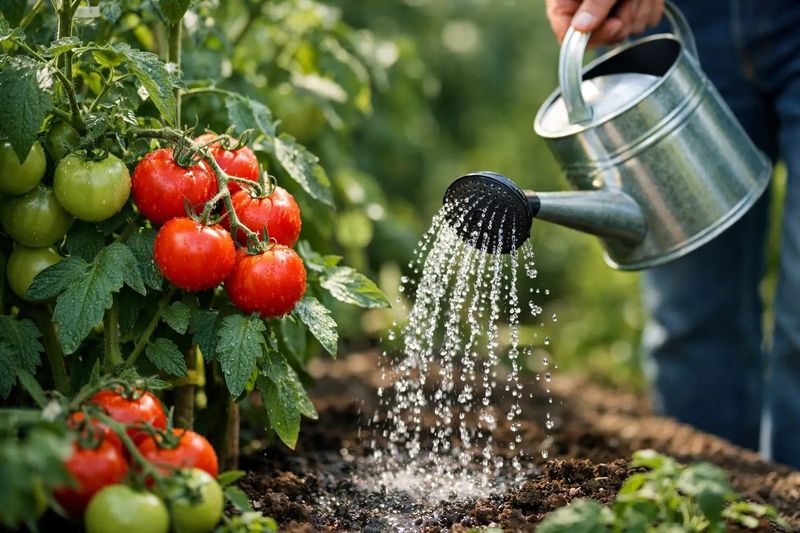
Timing your watering matters just as much as the amount. Grabbing the hose at noon on a blazing summer day seems convenient.
But that habit quietly undermines your tomato plants’ health. Most gardeners never realize it’s happening.
Watering during the hottest part of the day causes moisture to evaporate from the soil much faster than roots can absorb it. The roots barely get a chance to absorb what they need before it is gone.
You end up using far more water than necessary while your plants remain thirsty and stressed in the afternoon heat. Wet foliage is another concern when watering at the wrong time.
If you use an overhead sprinkler or splash water onto leaves during the evening, that moisture sits on the plant through the night. Damp conditions after dark create the perfect environment for fungal diseases like early blight and septoria leaf spot to take hold.
Morning watering is the gold standard for tomatoes. Watering early, ideally before 10 a.m., gives the soil time to absorb moisture deeply before the sun gets intense.
Any water that splashes on leaves dries quickly in the morning warmth, reducing disease pressure significantly. Drip irrigation or a soaker hose is even better because it delivers water directly to the root zone without wetting the foliage at all.
These systems also reduce overall water use, which is good for your garden and your water bill. Setup is straightforward and affordable for most home gardens.
Small adjustments to your watering routine can dramatically improve the way your tomato plants grow and produce. Smarter watering habits lead to stronger plants and a harvest worth celebrating.