The Natives More Michigan Gardeners Are Using To Replace Struggling Grass In Deep Shade
The big mature tree in the backyard is one of the best things a Michigan yard can have. Shade in summer, structure year-round, and the kind of presence that takes decades to build.
The lawn underneath it, on the other hand, has basically given up. Thin, patchy, and mysteriously worse every year despite the reseeding, the watering, and the optimism.
The tree is winning, and honestly, it always was. Native shade plants are the smarter response to that situation.
Instead of fighting a losing battle with turf that was never going to thrive under a dense canopy, these plants work with the conditions that already exist. The right match for the right spot makes the whole area look intentional rather than defeated.
1. Wild Ginger Fills Deep Shade With Big Leaves
Bare soil under a big maple or oak is one of the most familiar frustrations Michigan homeowners face. Grass thins out, weeds creep in, and nothing seems to hold the ground.
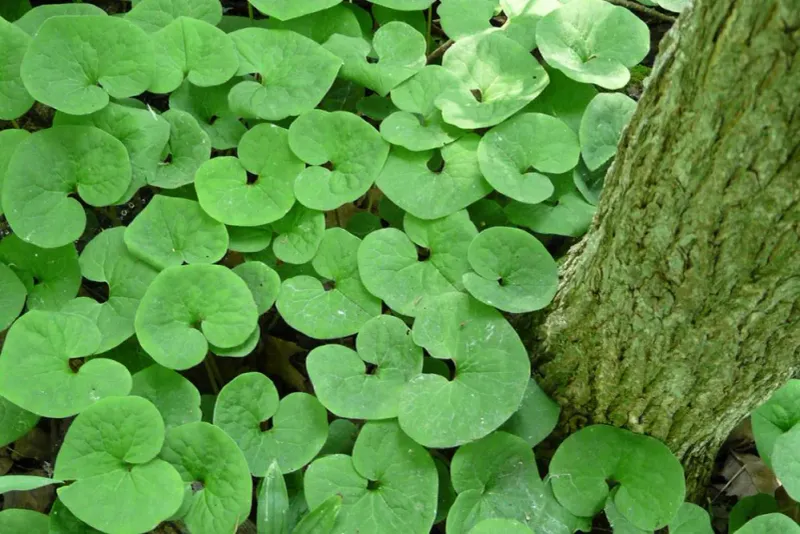
Wild ginger, known botanically as Asarum canadense, is a low-growing native that handles exactly these conditions with quiet reliability.
The leaves are broad, heart-shaped, and a rich medium green that holds its color well through summer. Plants spread slowly by underground rhizomes, gradually knitting together into a dense, weed-suppressing layer that looks tidy without much effort.
It typically reaches about six to eight inches tall, which keeps it well below the canopy without looking scraggly.
Wild ginger handles dry to medium shade soils reasonably well, making it a solid candidate for spots under mature trees where root competition leaves the ground on the drier side.
It tends to do best in humus-rich soil, so mixing in some compost before planting can give it a better start.
In Michigan, it leafs out in spring and stays green through summer before going dormant in fall.
One thing worth knowing is that wild ginger is not a walkable ground cover. It works best in areas where foot traffic is minimal, such as tree beds, shaded side yards, or naturalized woodland edges.
Once established, it asks for very little maintenance. For gardeners tired of fighting thin turf under heavy shade, wild ginger is a low-fuss native worth a closer look.
2. Pennsylvania Sedge Gives Shade A Softer Lawn Look
Of all the native plants gardeners reach for when grass starts giving up under trees, Pennsylvania sedge tends to get the most attention from people who still want something that resembles a lawn.
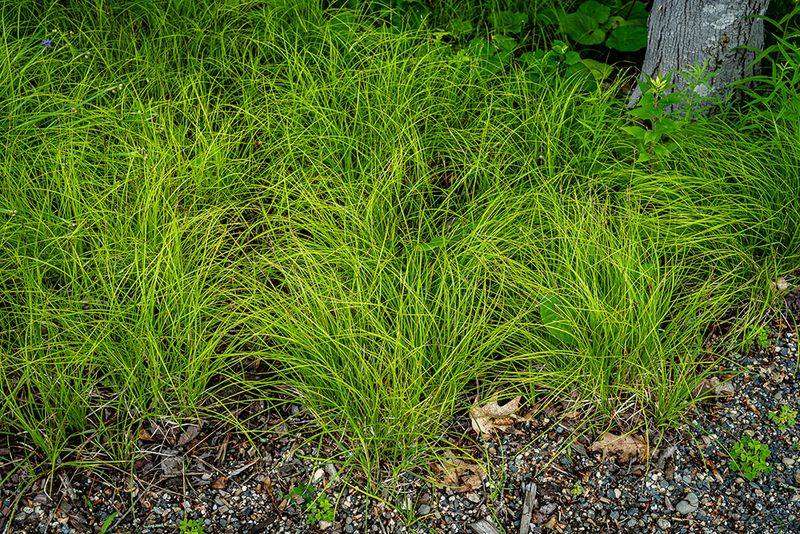
Carex pensylvanica has a fine, arching texture that reads as grass-like from a distance, which makes the transition from turf feel a little less dramatic.
It grows about six to twelve inches tall and spreads slowly by rhizomes to form loose, informal colonies. The soft green blades have a slight droop that gives shaded areas a relaxed, natural appearance rather than a manicured one.
For homeowners who appreciate a tidier look, it can be mowed lightly once a year in early spring before new growth emerges.
Your Michigan Garden Changes Every Week. Your Plan Should Too.
Gardening in Michigan changes quickly throughout the season. Every Friday you’ll receive a simple weekly plan showing exactly what to plant, prune, fertilize, harvest, and protect so you never miss the right timing.
Pennsylvania sedge handles dry to medium shade well, which is a meaningful trait in Michigan yards where tree roots pull a lot of moisture from the upper soil layer.
It tends to perform better once established, so the first season may look a little uneven while plants settle in.
Patience pays off here.
Foot traffic tolerance is limited, so this sedge works best in areas that are looked at more than walked through. Think tree beds, shaded slopes, or the edges of woodland gardens rather than a path between the garage and the back door.
Planting in small plugs spaced about a foot apart tends to give good coverage within a couple of growing seasons in Michigan conditions.
3. Foamflower Brightens Cool Moist Shade
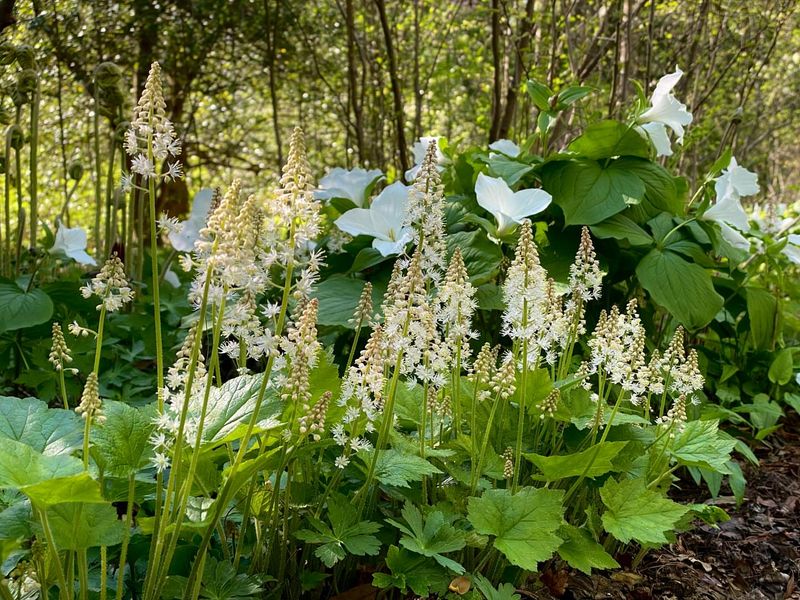
Few native plants pull double duty in a shaded Michigan garden the way foamflower does.
Tiarella cordifolia offers attractive, lobed foliage that stays low and spreads steadily, and in spring it sends up airy spikes of small white to pale pink flowers that genuinely brighten the shadiest corners of the yard.
The blooms appear in May in most of Michigan, right when the garden could use a lift after a long winter. After flowering, the plant settles into a tidy ground layer that holds moisture and shades out weeds through the rest of the growing season.
Leaves often develop attractive reddish markings as temperatures cool in fall.
Foamflower prefers consistently moist, humus-rich soil and does best in medium to deep shade. It is a better fit for areas that stay reasonably moist, such as spots near downspouts, shaded low areas, or north-facing beds under dense canopy.
In drier shade beneath shallow-rooted trees, it may struggle to establish without supplemental watering during dry spells.
Spreading happens gradually by stolons, and plants can form attractive colonies over time without becoming aggressive or difficult to manage. It reaches about six to nine inches tall in foliage and a bit taller in bloom.
For homeowners with moist, shaded spots where grass has simply given up, foamflower adds real visual interest without demanding much in return. It also supports early pollinators, which is a genuine bonus in any home landscape.
4. Maidenhair Fern Adds Airy Texture Under Trees
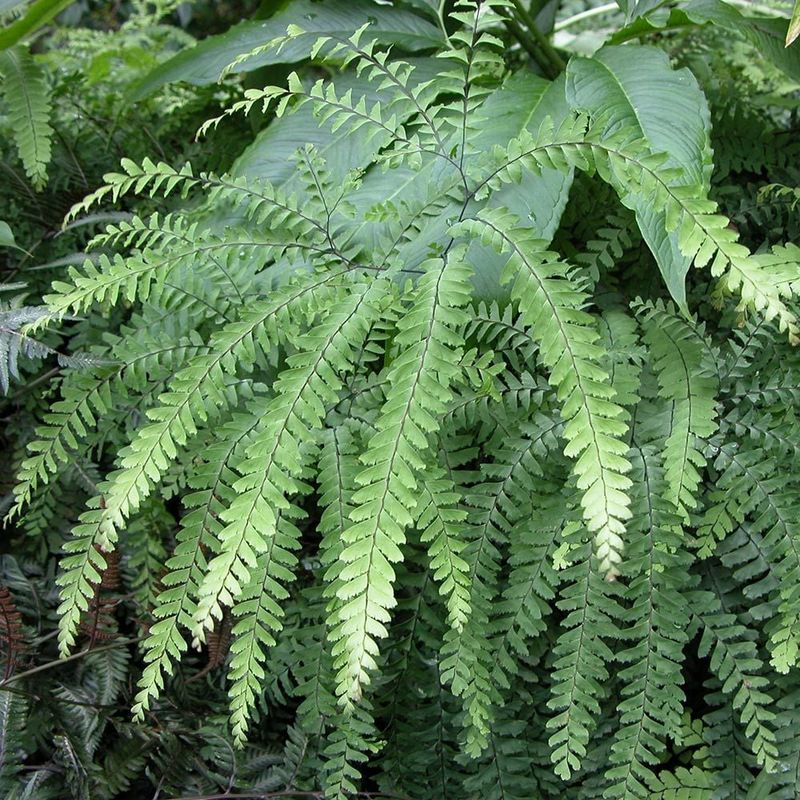
There is something genuinely striking about a maidenhair fern growing in the shade of a mature Michigan tree. The fan-shaped, bright green fronds sit on dark, wiry stems that give the plant an elegant, almost lacy appearance that stands out even in low light.
Adiantum pedatum is the native species found across Michigan, and it earns its place in shaded home landscapes.
It typically grows twelve to twenty inches tall and forms loose, graceful clumps rather than a solid mat. That open habit makes it a nice complement to lower, denser ground covers like wild ginger or Pennsylvania sedge when layering a shaded area.
The visual contrast between textures keeps a shaded bed from looking flat or monotonous.
Maidenhair fern prefers moist, well-drained soil rich in organic matter and does best in medium to deep shade. It is not especially tolerant of drought, so spots that dry out significantly during summers may not suit it as well.
Near rain gardens, shaded stream edges, or moist woodland corners tend to be where it looks and performs best.
Foot traffic will damage the fronds, so this fern is better suited to areas that are admired rather than walked through. It is also not a fast spreader, which means it holds its position without taking over neighboring plants.
For gardeners looking to add refined texture to a shaded tree bed or backyard woodland edge, maidenhair fern brings a quiet elegance that is hard to match with any other native plant.
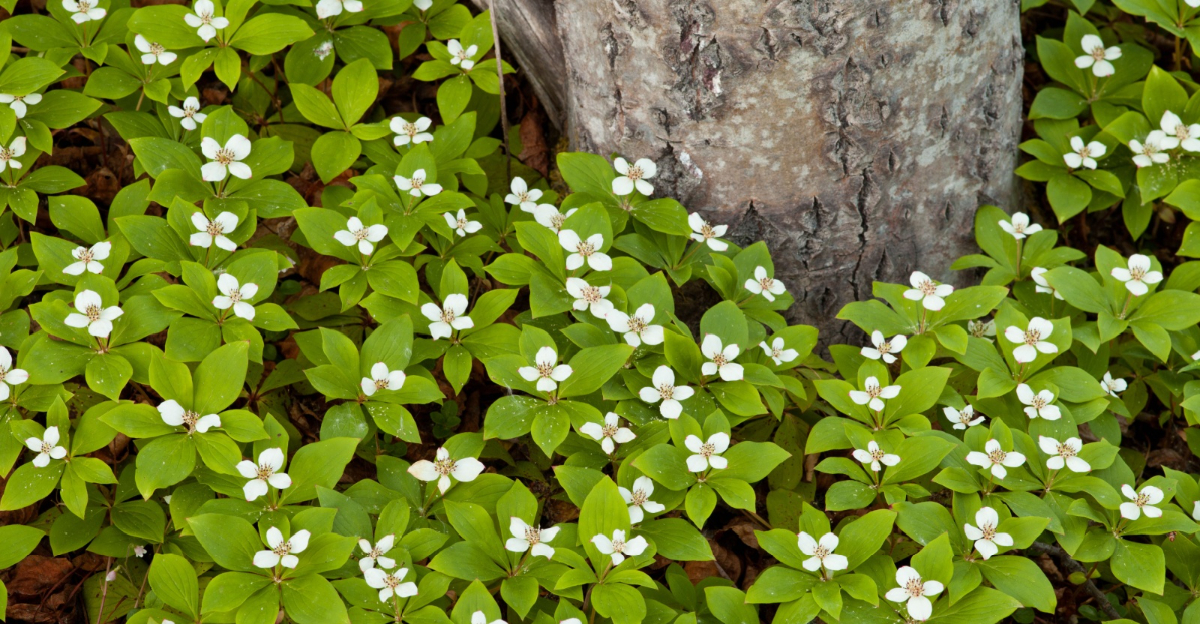
5. Bunchberry Covers Cool Woodland Corners
Growing grass in the cool, shaded corners of a Michigan yard near the woods is a battle most homeowners quietly lose every few years.
Bunchberry, or Cornus canadensis, is a native woodland plant that genuinely belongs in those spots, and it brings a charm that turf grass never could.
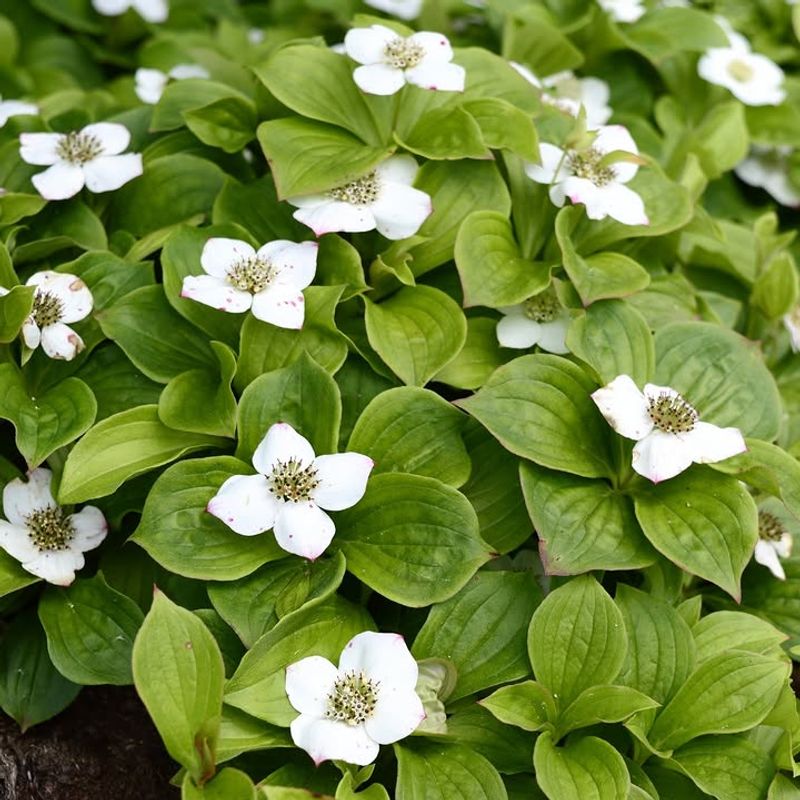
Low-growing and spreading by underground rhizomes, bunchberry forms a carpet of whorled leaves that stays close to the ground, typically under six inches tall.
In late spring, small white flower clusters appear that look like miniature dogwood blossoms, which makes sense given that bunchberry is actually a member of the dogwood family.
Bright red berries follow in late summer and attract birds and small wildlife.
The growing requirements for bunchberry are specific enough that it is worth being honest about them.
It prefers cool, moist, acidic soil with good organic content and tends to perform best in the cooler parts of Michigan, particularly in the Upper Peninsula and northern Lower Michigan.
In warmer southern Michigan landscapes, it can be more challenging to establish, especially during hot, dry summers.
It does not handle foot traffic well and needs consistent moisture, so it works best in low-traffic, naturally moist shaded areas rather than general lawn replacement zones.
When conditions are right, though, bunchberry creates one of the most beautiful native ground layers a Michigan woodland garden can have.
Matching it carefully to the right site is the key to getting the most from this distinctive native plant.
6. Golden Ragwort Brings Color To Moist Shade
Moist, shaded areas under Michigan trees can feel like a design challenge, but golden ragwort turns them into something genuinely worth looking at.
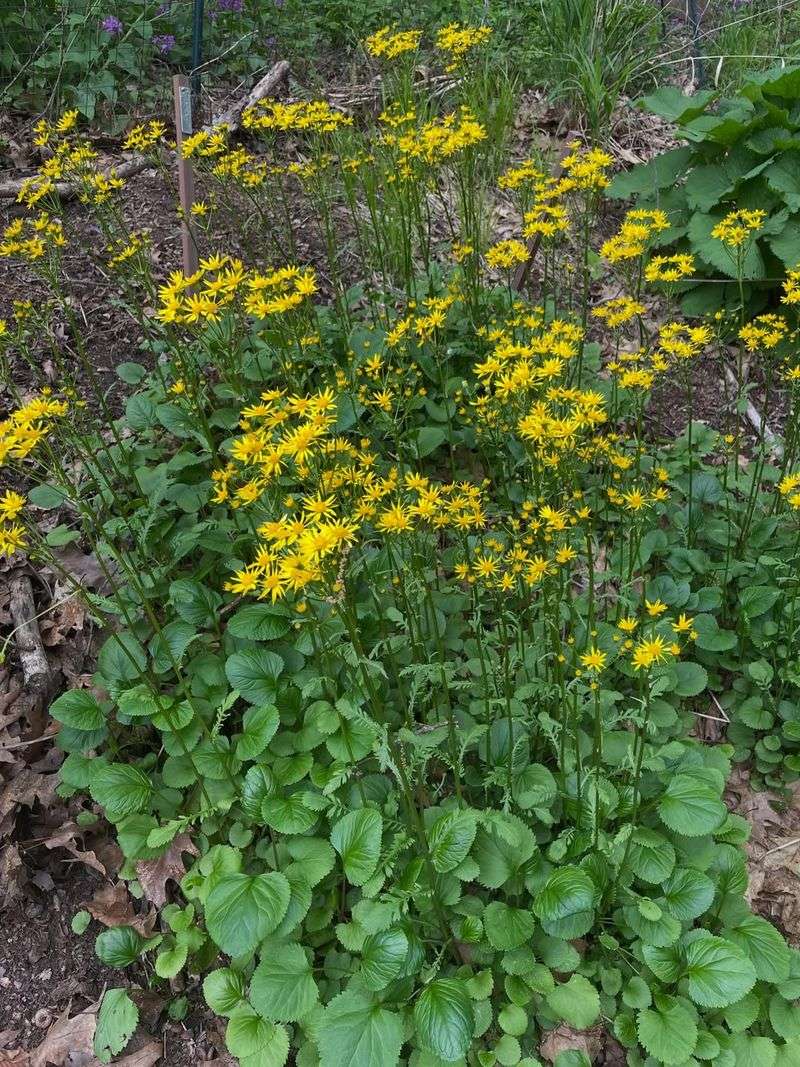
Packera aurea is a native wildflower that produces cheerful clusters of small yellow, daisy-like blooms in spring, typically from April through June depending on location and weather.
The basal foliage is rounded and stays relatively low to the ground, while flowering stems reach about one to two feet tall.
After blooming, the foliage spreads steadily by stolons and forms a dense, weed-suppressing mat that fills in shaded areas with reliable green coverage through summer.
It is one of the more vigorous native ground covers for moist shade, which works in its favor for larger problem areas.
Golden ragwort does best in consistently moist to wet soil and handles a range of shade levels from part shade to fairly deep shade. It is a reasonable fit for low spots in shaded Michigan yards, areas near water features, or shaded beds that collect runoff.
In drier shade, it tends to be less vigorous and may need supplemental watering to get established.
Early pollinators appreciate the spring flowers, which is an added benefit for gardeners interested in supporting native bees and other beneficial insects.
Foot traffic is not something this plant handles well, so it fits best in areas meant for viewing rather than crossing.
For shaded, moist corners where grass has never really worked, golden ragwort offers color, coverage, and low-maintenance appeal all in one native plant.