What Georgia Gardeners Should Trim Right Now Before Summer Blooming Peaks
Spring in Georgia makes every gardener look talented. Then summer arrives, and the garden starts telling a different story.
Blooms fade faster. Plants get leggy. Beds that were the highlight of the yard start looking like they need a serious intervention.
Many gardeners respond by watering more, fertilizing more, and hoping for the best. But the gardeners with yards that stay vibrant and full from June through September are usually doing something else entirely.
Do you know what the difference actually is?
It is not a special product. It is not a complicated technique. It comes down to knowing exactly which plants to trim, when to do it, and how much to take off before summer heat peaks.
A few well-timed cuts made right now can extend your bloom season by weeks, keep plants healthier through the worst of the heat, and prevent the tired, overgrown look.
The window for making those cuts is open right now. Here is where to start.
1. Daylilies
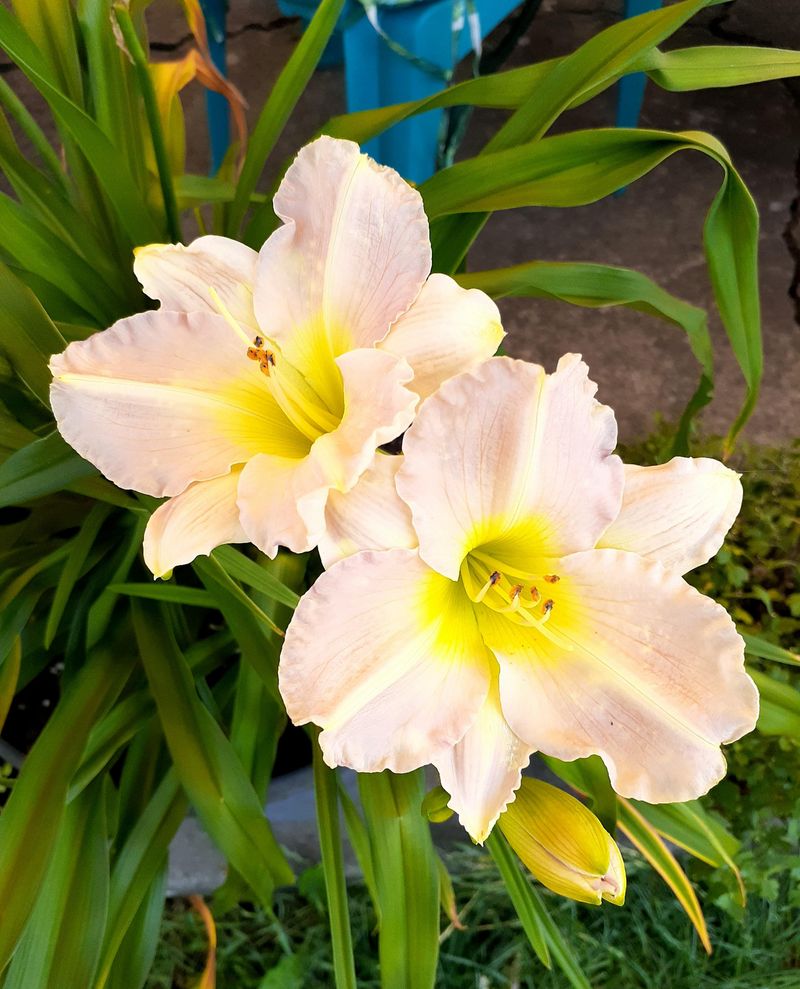
A row of daylilies along a Georgia fence line is one of summer’s better sights. But once a bloom fades, it starts pulling energy away from buds that have not opened yet.
That is the part many gardeners miss.
Trimming redirects that energy back into producing new blooms instead of maintaining spent ones. Daylilies respond noticeably fast to this.
New buds can open within a day or two of removing finished flowers, which makes the effort feel immediately rewarding.
Each daylily scape, the tall stem that holds the flowers, can carry up to 20 buds on a single stalk. Working through them systematically keeps that production moving rather than stalling out.
To trim properly, snap or snip each faded bloom right at its base where it meets the scape. Do not remove the entire stalk until every bud on it has bloomed and finished. Once the whole scape is done, cut it down to the base of the foliage.
Aim to trim every two to three days during peak bloom season. That rhythm keeps energy flowing toward new buds consistently rather than letting spent flowers accumulate.
One note worth knowing: daylilies are harmful to cats. Wear gloves and keep curious pets away from the bed while you work.
Daylilies are already generous bloomers. Trimming just asks them to be slightly more ambitious about it, and they almost always say yes.
2. Coneflowers
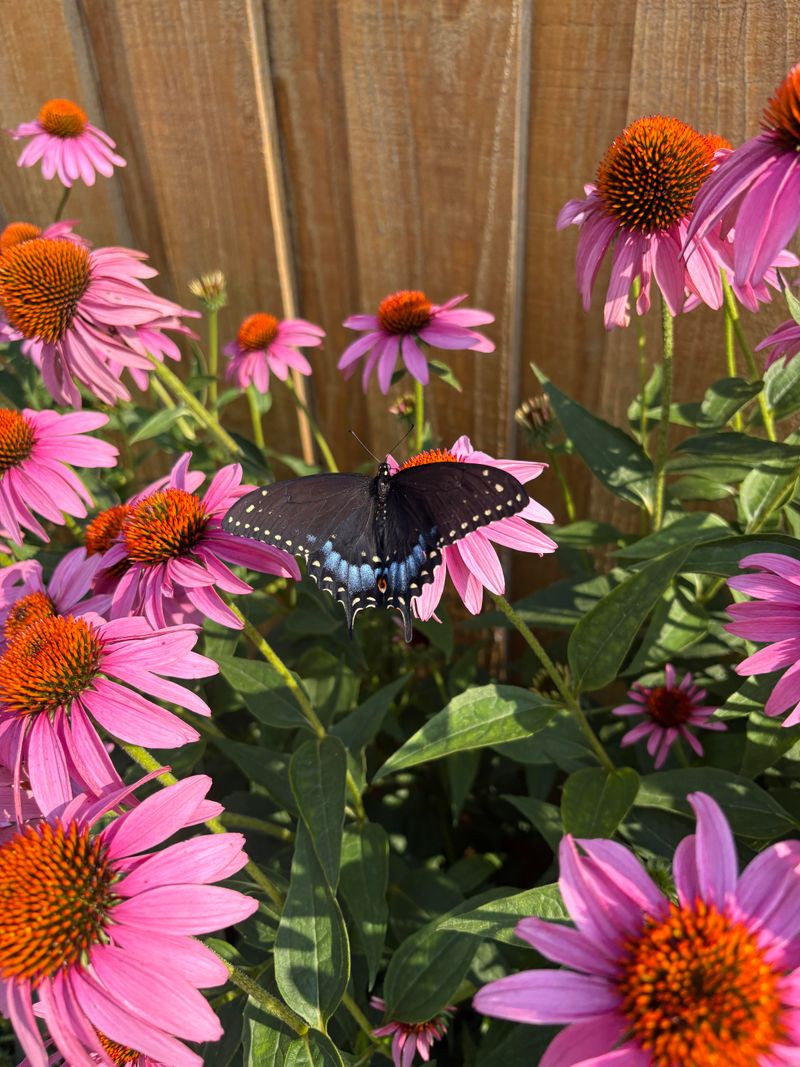
Coneflowers are workhorses in a Georgia summer garden. Bold, heat-tolerant, and reliable in a way that earns genuine loyalty from gardeners who grow them.
But clipping the spent blooms at the right moment can significantly extend the number of flowers you get across the season.
When you remove a finished bloom, the plant stops channeling energy into seed production and redirects it toward new flower buds. That trade-off is exactly what you want before summer heat fully locks in.
Use clean, sharp pruning shears and cut the stem back to just above a set of healthy leaves or a lateral bud.
Avoid cutting all the way to the ground unless the whole stem looks unhealthy. Leaving some stem intact encourages branching, which creates more flowering points later in the season.
Your Georgia Garden Changes Every Week. Your Plan Should Too.
Gardening in Georgia changes quickly throughout the season. Every Friday you’ll receive a simple weekly plan showing exactly what to plant, prune, fertilize, harvest, and protect so you never miss the right timing.
Check your coneflowers every four to five days and remove anything that looks droopy, brown, or fully faded. Consistent attention over a few weeks produces a noticeably longer and more vibrant bloom period than occasional cleanup.
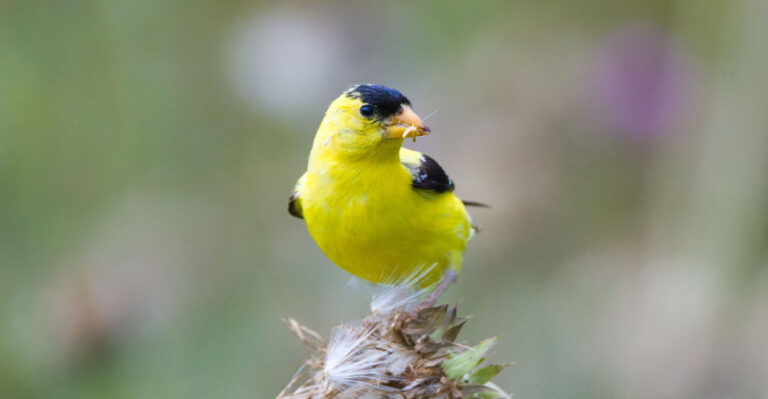
One thing worth planning for at the end of the season: leaving a few seed heads standing will bring goldfinches to your yard in impressive numbers. Right now though, before summer peaks, regular clipping is the move.
Coneflowers basically reward you for paying attention. The question is whether you are actually paying attention.
3. Salvia
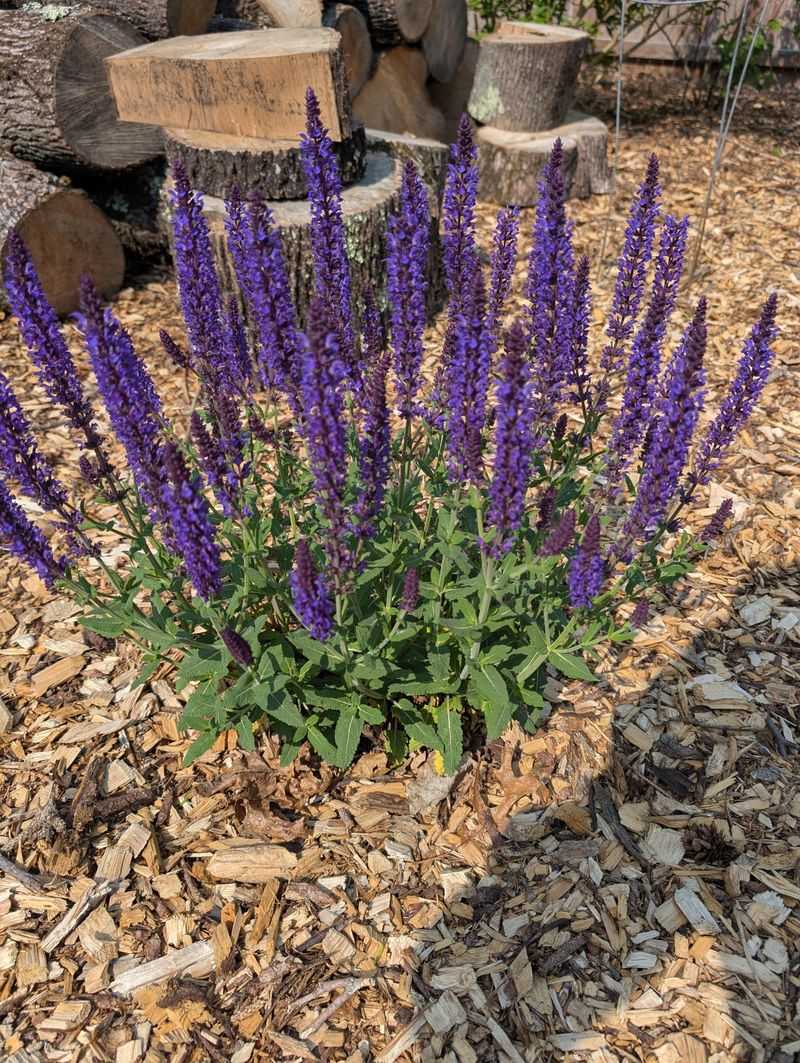
Salvia is the overachiever of the Georgia summer garden. It blooms early, handles heat without complaint, and pulls in pollinators consistently.
The trick to keeping it performing all summer is a technique called pinching, and it is simpler than it sounds.
Pinching back means removing the top inch or two of new growth just above a leaf node. You can use your fingers or small scissors.
The process encourages salvia to branch outward rather than grow straight up, which produces a fuller plant with considerably more blooms over time.
The timing matters. Pinch when the plant has put on several inches of new green growth but before the new flower spikes have fully opened.
Catching it at that moment signals the plant to produce two new stems where one was growing. More stems mean more flower spikes.
Annual salvias like Salvia splendens and perennial types like Salvia greggii both respond well to pinching throughout the season.
Do this every three to four weeks and your plants stay bushy, compact, and loaded with color. Georgia summers run long and hot, which means salvia has months of potential ahead of it.
Regular pinching is what converts that potential into actual blooms rather than a tall, leggy plant that peaked in May.
Pinching salvia feels slightly counterintuitive the first time. Removing growth to get more growth seems like bad math. The plant, however, is very good at math.
4. Coreopsis
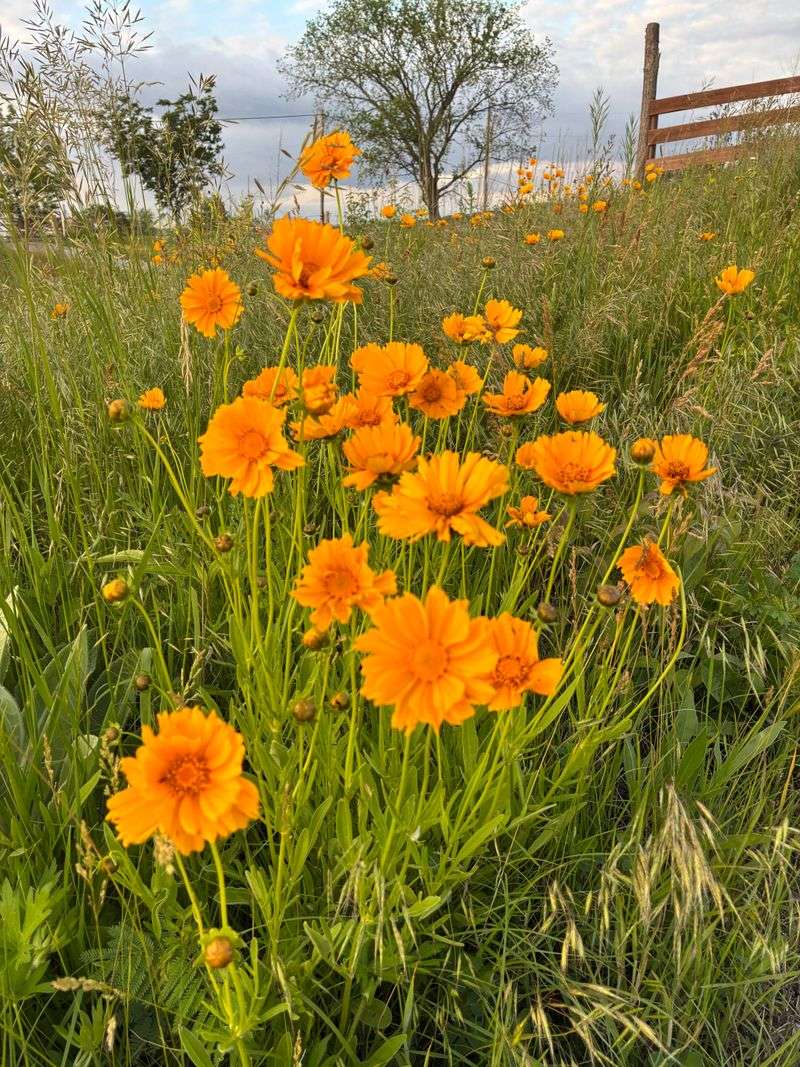
Coreopsis is one of Georgia’s most dependable native perennials. Cheerful yellow and gold flowers, drought tolerance, and a long bloom season make it a fixture in summer garden beds across the state.
But when those bright blooms start fading and turning brown, prompt action makes a real difference in what comes next.
Trimming fading coreopsis back by about one-third of its total height reinvigorates the plant noticeably. Rather than trimming one flower at a time, garden shears across the whole plant gives a faster reset.
After cutting back, give the plant a light feeding with a balanced, slow-release fertilizer and water it in well.
That combination of trimming and light nutrition gives coreopsis the push it needs to produce a second or even third flush of blooms before fall arrives.
Avoid heavy fertilizing. Excess nitrogen encourages leafy growth at the expense of flowers, which is the opposite of what you want from a plant you are growing specifically for its blooms.
Georgia’s humid summers also bring powdery mildew pressure. Trimming back improves airflow around the plant, which reduces the chance of fungal problems developing in the foliage.
Wipe shear blades with rubbing alcohol between plants to avoid spreading anything from one bed to the next.
Coreopsis is one of those plants that looks like it needs a vacation. A hard trim is actually the vacation it needs.
5. Hydrangea
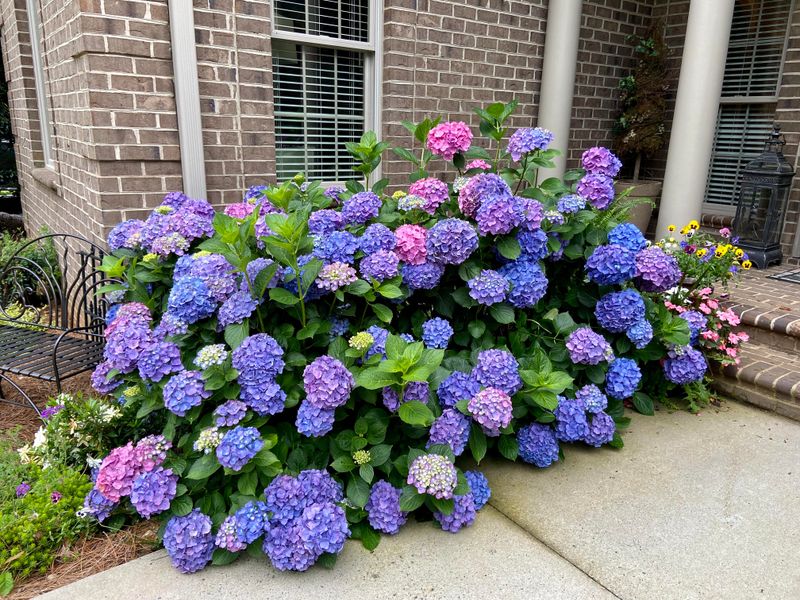
Hydrangeas are a fixture in Georgia yards, and for good reason. From classic bigleaf varieties to heat-tough Annabelle types, they put on a bloom display that is hard to match.
Knowing how to handle spent blooms without cutting off next season’s buds is what separates a thriving hydrangea from one that seems to bloom less every year.
The timing of hydrangea pruning depends entirely on the variety you are growing.
Bigleaf hydrangeas bloom on old wood. For these, only remove faded flower heads right now and avoid cutting back stems aggressively. Cutting into the old wood removes the buds that were already set for next season.
Panicle and smooth hydrangeas, like Annabelle, bloom on new wood and handle more thorough trimming in late winter or early spring. Right now, the same guidance applies: remove spent blooms only.
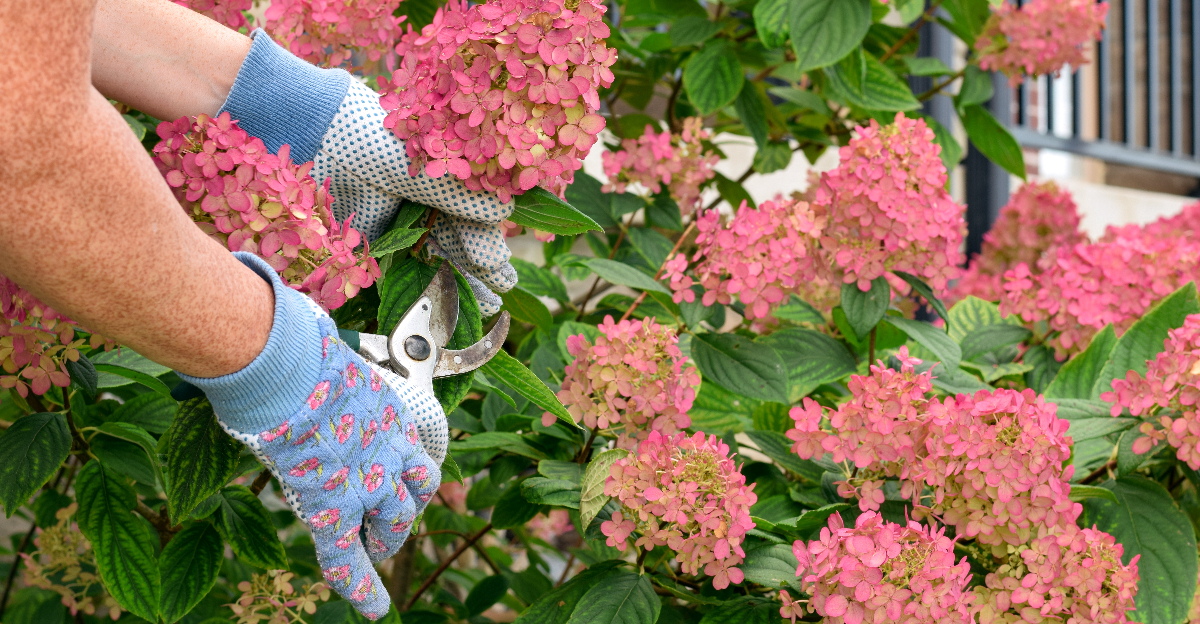
For any variety, cut just below the spent bloom cluster, leaving the healthy stem and foliage below intact.
This keeps the shrub looking tidy and redirects energy toward developing fuller structure rather than maintaining old material.
Hydrangeas in Georgia often struggle in full afternoon sun. If yours look stressed even after a tidy-up, check whether they are getting enough shade during the hottest hours of the day.
Good trimming habits combined with appropriate sun exposure give you those full, iconic blooms that Georgia gardeners plan around every single year.
6. Butterfly Bush
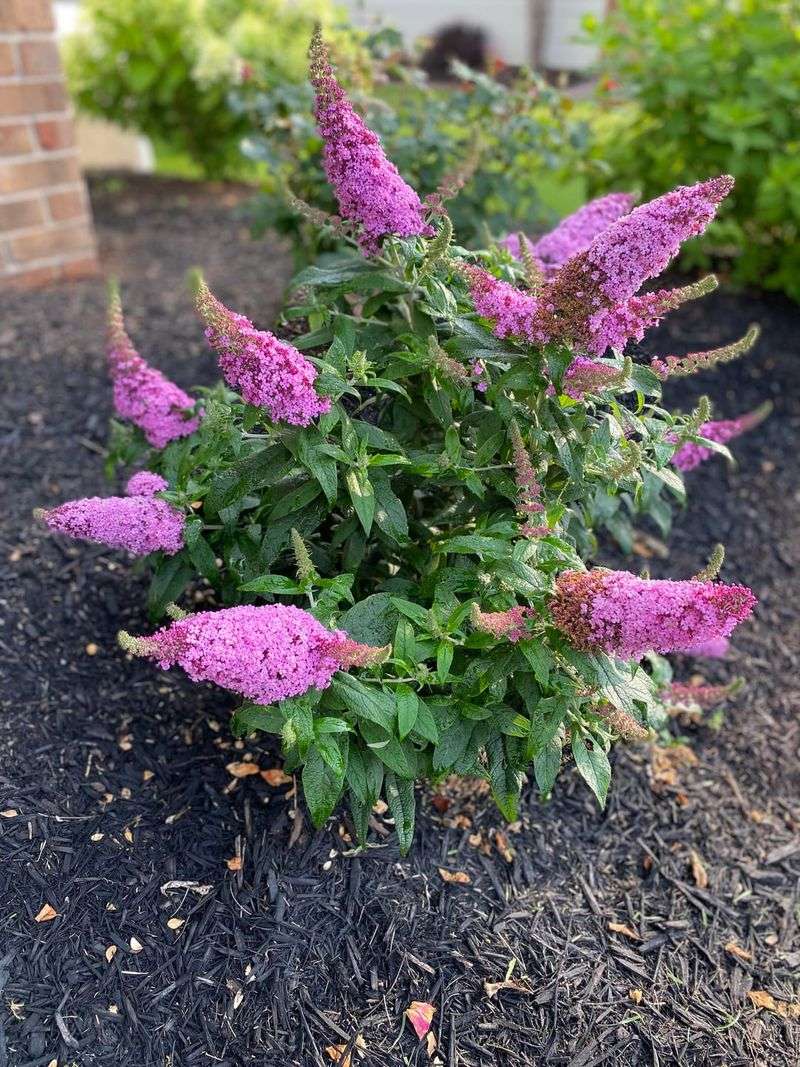
Walk past a butterfly bush in mid-spring and the woody, brown stems can look genuinely discouraging. This plant is more resilient than it appears. Clearing out those stems now is exactly what it needs to push into full summer color.
The scratch test tells you what to remove. Drag a fingernail lightly across any stem that looks questionable. Green, moist tissue underneath means it is still active. Brown and dry all the way through means it can go.
Cut those stems back to just above where you see green growth emerging from the base. The goal is opening up the center of the plant so air circulates freely and light reaches all the new growth pushing up from the roots.
Butterfly bushes left cluttered with old wood tend to produce fewer flower spikes and become more hospitable to pest pressure over time. A clean center changes both of those outcomes.
After removing the old material, a light trim shapes the shrub and encourages branching. Georgia gardeners benefit from doing this once in early summer and again in midsummer if the plant gets leggy.
Butterfly bushes can put on several feet of growth in a single season. Staying ahead of that with regular trimming keeps them productive, compact, and thoroughly covered in pollinators through the hottest months.
One note worth keeping in mind: where possible, choose sterile cultivars or native alternatives, since standard butterfly bush can spread aggressively in some regions.
The butterfly bush spent all winter looking rough. It is ready to make up for it, and a good trim is the invitation it needs.
7. Lamb’s Ear
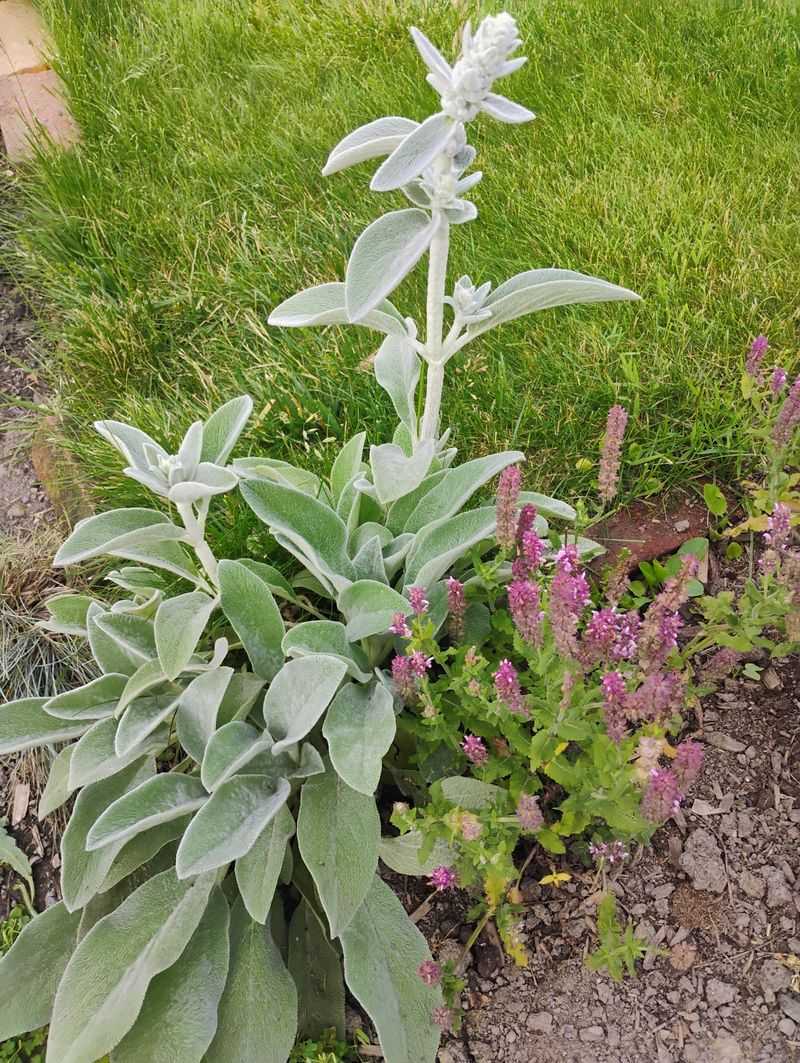
Lamb’s ear is one of those plants that earns genuine affection. Those soft, silvery leaves feel like velvet, and the low-growing mounds add texture and contrast to Georgia garden beds throughout the season.
Left unchecked in Georgia’s heat and humidity, though, it can shift from charming to a floppy, tangled situation remarkably fast.
The flower spikes that appear in late spring and early summer are the first thing to address. Once those spikes finish blooming and start looking brown and tired, cut them off at the base.
Removing spent flower stalks helps prevent the center of the plant from developing the rot issues that are common in Georgia’s wet summer conditions.
Beyond the stalks, check the center of the clump for leaves that have turned brown or soft. Pull or snip those away. Good airflow through the foliage is critical when temperatures and humidity both climb at the same time.
If the plant has spread into a large, overcrowded clump, now is also a reasonable time to divide it. Dig up the clump, separate it into smaller sections, and replant with slightly more space between each one.
Lamb’s ear works beautifully as a border edging plant. A little attention right now keeps it doing that job well through the rest of the season.
Lamb’s ear is soft and forgiving by nature. It just needs someone to occasionally remind it to stay tidy.
8. Black-Eyed Susans
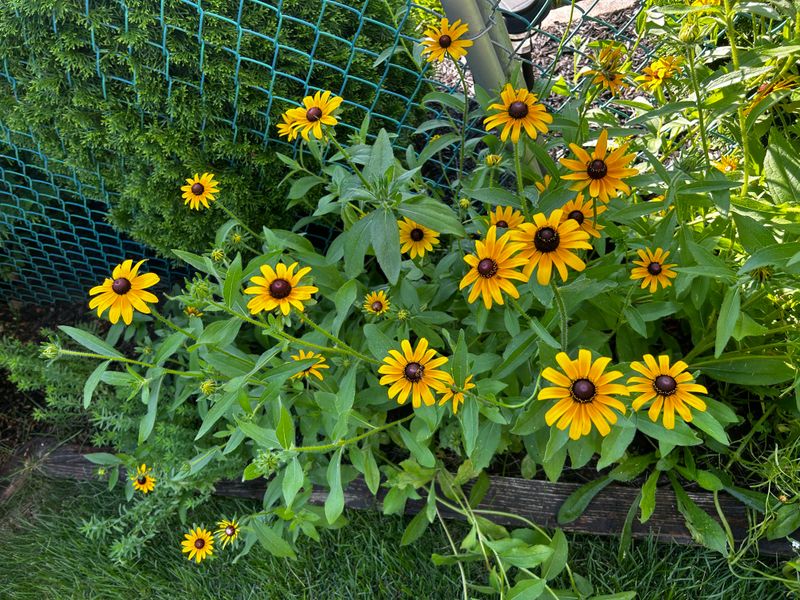
Black-eyed Susans are practically synonymous with Georgia summers.
Golden-yellow petals, dark centers, and a willingness to spread themselves generously across roadsides and garden beds make them a reliable presence from June through September.
When the first wave of blooms fades, a quick tidy-up sets up everything that comes next. The approach depends on what you are looking at in your specific bed right now.
Old stems from last season that are still standing and look brown and hollow can be cut to the ground. Clearing those out gives the fresh basal rosettes growing at soil level more light and air, which noticeably speeds up their development.
For plants currently in bloom but showing some finished stems alongside fresh ones, be more selective.
Remove only the spent stalks and leave the healthy, flowering ones in place. That keeps the plant looking full while encouraging new growth from the base at the same time.
Rudbeckia self-seeds prolifically, which is a significant part of why it shows up reliably year after year in Georgia gardens.
To manage where it spreads, remove seed heads before they fully dry out and drop. For a naturalized look, leave a few in place and let the plant fill in on its own schedule.
A tidy-up right now sets the stage for a strong late-summer bloom display that carries the garden through to September.
Rudbeckia spreads generously and blooms reliably. It basically does all the hard work. The least you can do is remove the spent parts so the new ones can shine.