Why Toads In Your Georgia Garden Are Worth Protecting
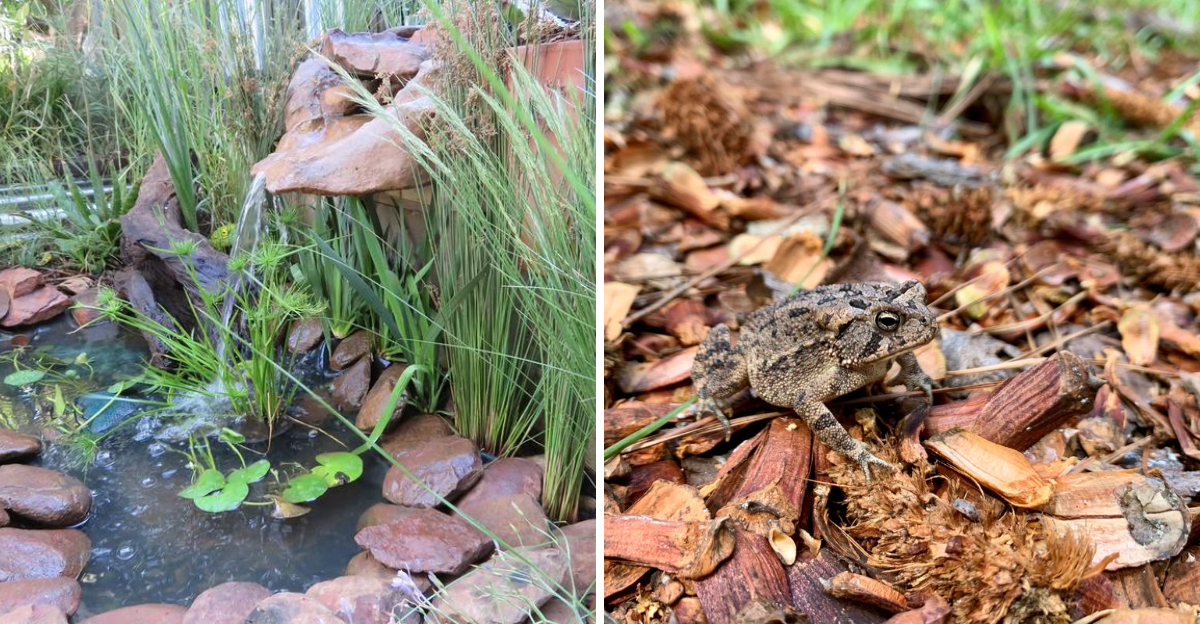
Finding a toad in the garden is not always the first thing that gets a gardener excited. Some people walk past without giving it much thought, while others wonder if it is helping or causing a problem.
These small visitors often go unnoticed, even though they spend their time quietly moving through the landscape.
Gardens are full of activity that happens after dark. While you are inside, many creatures are searching for food and moving through plants, soil, and shaded areas.
Toads are part of that hidden world, and their presence can tell you something about the environment around your home.
Georgia gardens often provide the kind of conditions these amphibians enjoy. Moist areas, shelter, and plenty of natural spaces can encourage them to stay nearby.
Instead of seeing a toad as just another backyard creature, it may be worth understanding the role it plays in keeping your garden ecosystem balanced.
1. Toads Help Control Common Garden Pests
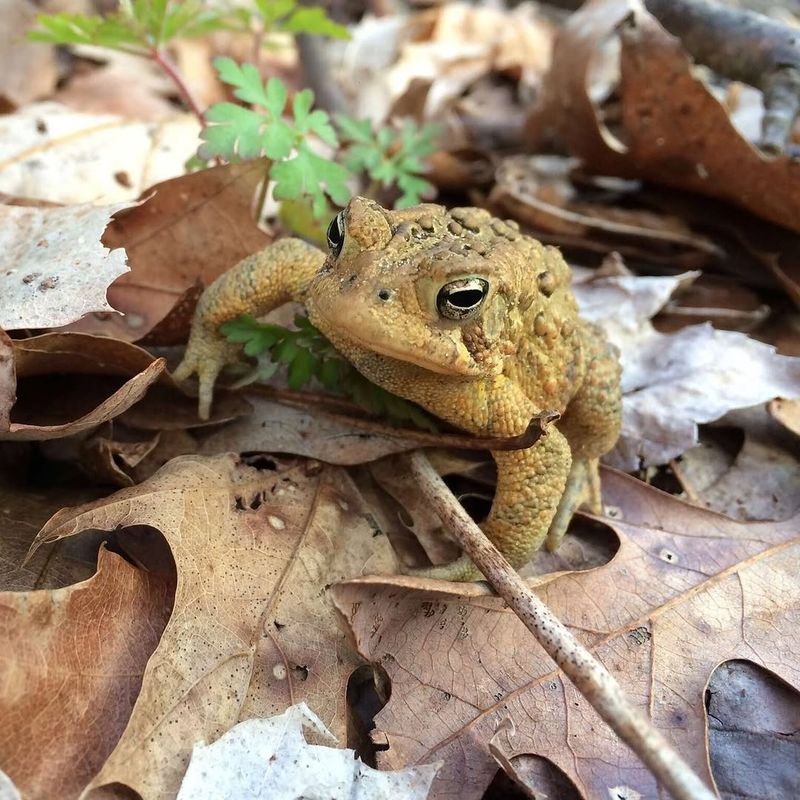
Forget expensive pest sprays. A single toad can eat many insects during a night of feeding.
Slugs, cutworms, beetles, and mosquitoes are all fair game. Toads are not picky eaters.
Anything small enough to fit in their mouth is a target, and that covers most of the bugs causing real damage in your garden beds.
Pest pressure tends to drop noticeably when toads are present. Gardeners who actively protect toad habitats often report fewer holes in their leaves and less root damage over time.
Toads hunt mostly at dusk and through the night. That timing lines up perfectly with when many destructive insects are most active, so the coverage is actually better than most people expect.
Chemical sprays can leave residue on edible plants and require repeated applications. A resident toad population keeps working without any extra input from you.
No mixing, no measuring, no protective gear needed.
Encouraging even two or three toads to settle in your garden can create a noticeable shift in pest levels by midsummer. Start by reducing pesticide use and giving toads a reason to stay, and the results tend to follow naturally.
2. Leaf Litter Makes A Safe Hiding Spot
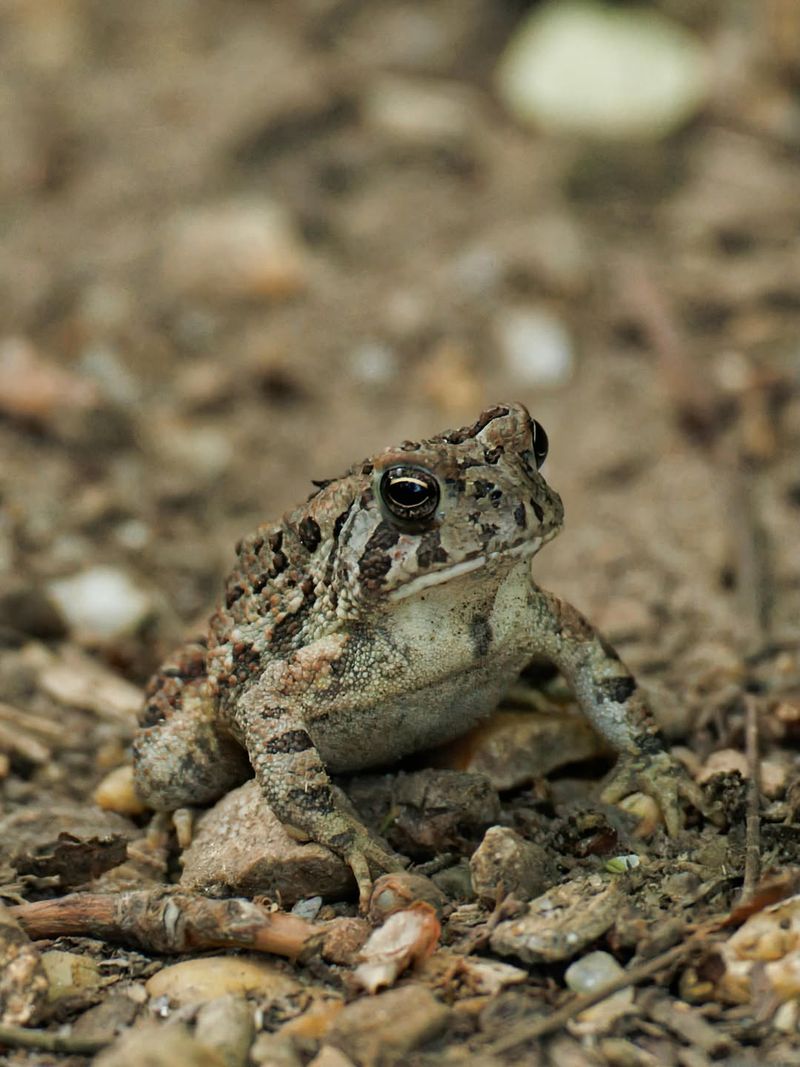
Leaf litter is not garden waste. For toads, it is shelter, insulation, and a hunting ground all at once.
Toads spend their days buried in cool, moist material to avoid heat and predators. A thick layer of fallen leaves gives them exactly that.
Raking everything bare might look tidy, but it removes the exact habitat toads depend on to survive the warm months.
Piles of leaves near garden borders or under shrubs are ideal. Toads wedge themselves into these spots during daylight hours and emerge after sundown to feed.
Keeping some natural leaf cover in low-traffic areas costs nothing and makes a real difference.
Mulched garden beds work well too. Shredded wood mulch or pine straw holds moisture and stays cool even during hot stretches.
Toads will often burrow just beneath the surface layer where conditions stay comfortable.
Avoid blowing or bagging every leaf in fall. Leave patches of natural ground cover in corners, along fences, or under established trees.
Your Georgia Garden Changes Every Week. Your Plan Should Too.
Gardening in Georgia changes quickly throughout the season. Every Friday you’ll receive a simple weekly plan showing exactly what to plant, prune, fertilize, harvest, and protect so you never miss the right timing.
Those areas become prime real estate for toads looking to overwinter safely.
A garden that retains some natural messiness in the right places supports far more wildlife than one kept completely clean. Toads are just one example of the beneficial creatures that thrive when leaf litter is left where it falls.
3. Porch Lights Attract More Insects At Night
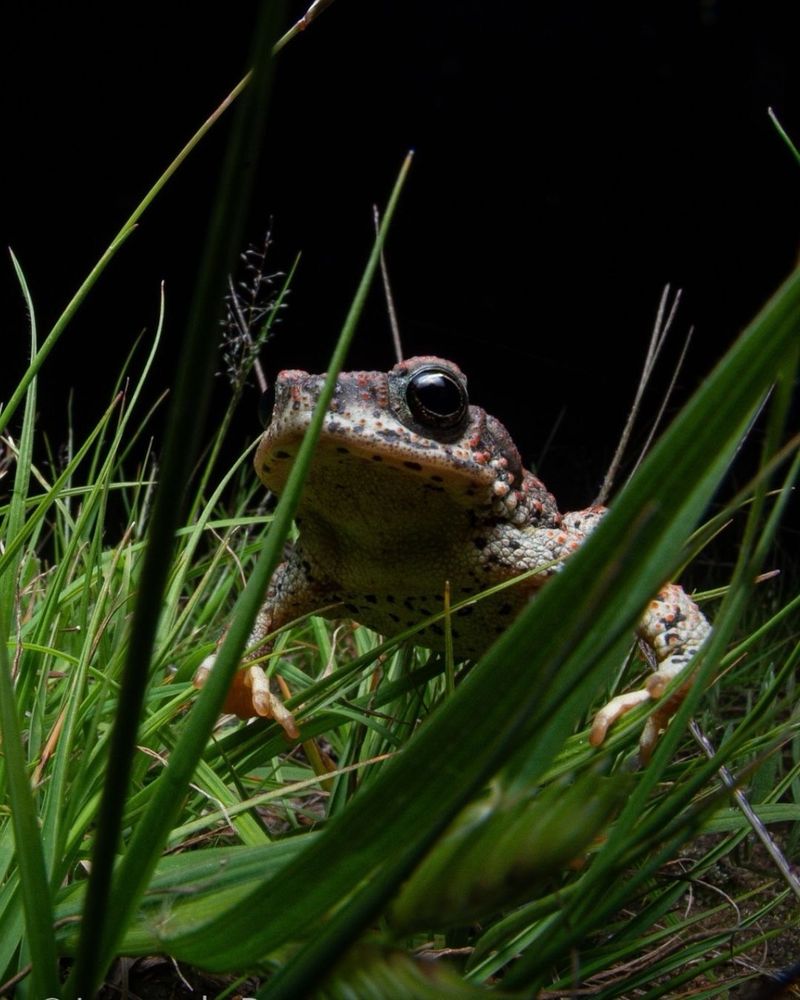
Porch lights do more than light up your steps at night. They quietly turn your yard into an all-you-can-eat buffet for toads.
Insects are drawn to artificial light, especially warm-toned bulbs. Moths, beetles, gnats, and other small bugs gather around light sources after dark.
Toads figure this out fast. Once a toad discovers that a lit area reliably produces insects, it will return to that same spot night after night.
Positioning matters. A porch light that shines down onto a patio or garden path creates a lit ground zone where toads can sit and wait.
They are ambush hunters, so a predictable gathering point for insects works perfectly with their natural feeding style.
Switching to warm LED bulbs can increase insect attraction compared to cool white lights. Warm tones in the yellow and orange range pull in more moth species and flying beetles, which adds up to more food landing near your toad.
Some gardeners deliberately place a small lamp or solar light near a garden bed to concentrate insect activity in one area.
It is a simple, low-cost way to encourage toads to patrol a specific zone where pest pressure is highest.
Toads near light sources tend to feed heavily during the first few hours after dark. That window of activity covers the same period when many plant-damaging insects are most mobile and vulnerable.
4. Moist Soil Helps Toads Stay Cool
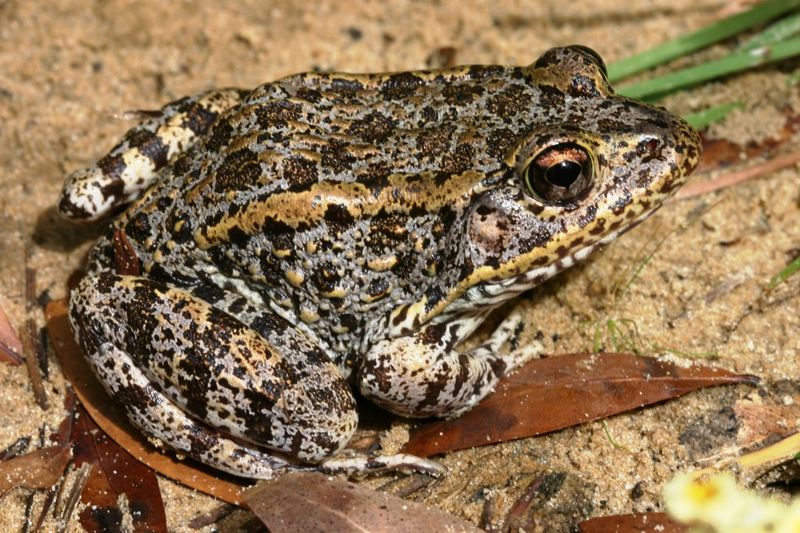
Hot, dry soil is basically hostile territory for a toad. Moisture is not a preference for them.
It is a survival requirement.
Toads regulate their body temperature through contact with their surroundings. When soil dries out completely, toads lose moisture rapidly and become sluggish.
Consistently moist garden beds give them a stable environment to rest, hide, and recover between nightly feeding sessions.
Drip irrigation and soaker hoses are particularly helpful. They keep soil moist at ground level without wetting foliage, which also reduces fungal issues in the garden.
Toads benefit directly from the cooler, damp conditions those systems create.
Shaded garden areas hold moisture longer than sun-exposed spots. Planting taller shrubs or ground covers that shade the soil surface helps maintain the cool, damp conditions toads prefer during the hottest parts of the day.
Watering in the evening rather than midday keeps the soil surface cooler overnight, which is exactly when toads are most active. That simple timing adjustment can make garden beds more hospitable without any extra effort.
Mulching garden beds with two to three inches of organic material slows evaporation significantly. Compost, shredded bark, or pine straw all work well.
Consistent soil moisture is one of the easiest habitat improvements a gardener can make, and toads will take full advantage of it.
5. Garden Ponds Give Toads A Place To Breed
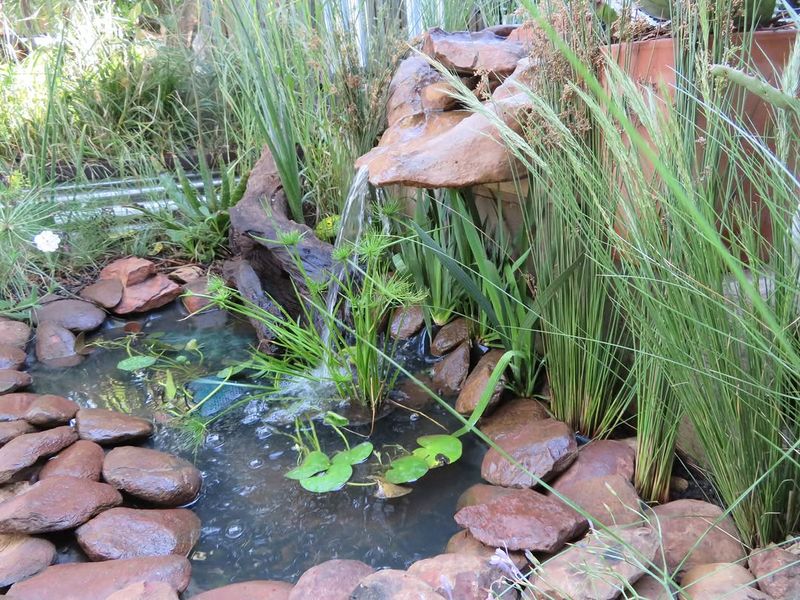
Water is non-negotiable for toads. Without a reliable breeding spot nearby, even the most toad-friendly garden will stay empty.
A small garden pond does not need to be elaborate. Even a shallow container or a low-lying area that holds water during spring can be enough for toads to deposit their eggs.
Toad eggs appear in long, jelly-like strings, which is different from frog eggs that cluster in clumps.
Shallow edges matter most. Toads need to enter and exit the water easily, especially young toadlets that are still small and developing.
Steep-sided ponds with no gradual slope can actually prevent successful breeding.
Spring is prime breeding season. Toads typically move toward water between March and May, depending on temperature and rainfall patterns.
A pond that is ready and accessible during that window gives them exactly what they need.
Adding native aquatic plants around the edge provides cover and keeps the water healthier. Avoid stocking the pond with fish, since many fish species eat toad eggs and tadpoles before they have a chance to mature.
Once a toad finds a reliable water source, it tends to return to the same spot year after year. Building a small pond is a one-time investment that can support multiple generations of garden toads over many years.
6. Pesticides Can Harm Native Toads
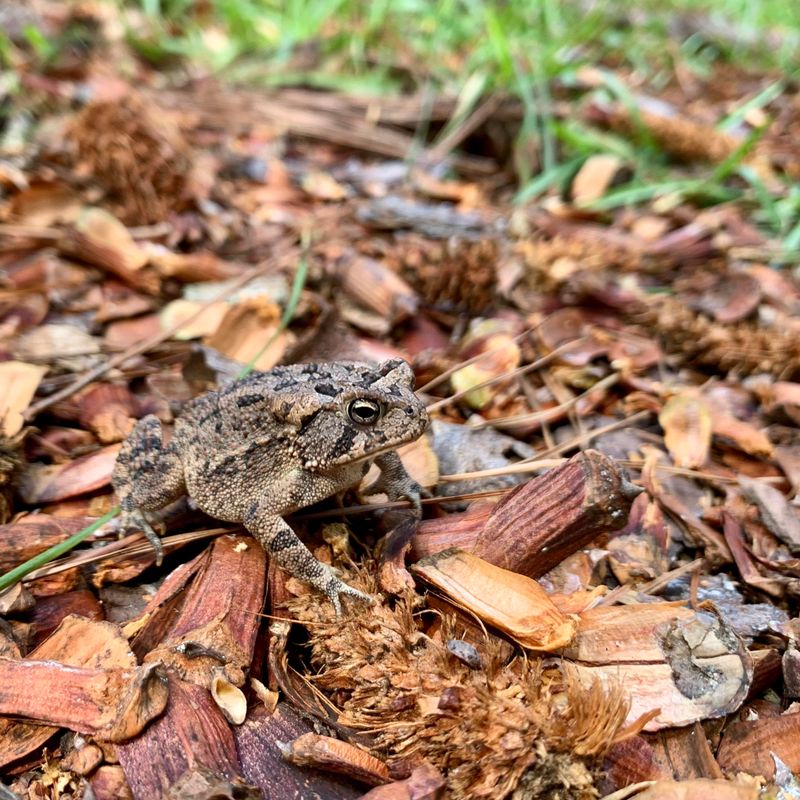
Toads absorb everything through their skin. That is not a metaphor.
It is a biological fact that makes them extremely sensitive to chemicals in the environment.
Pesticides, herbicides, and synthetic fertilizers can all enter a toad’s body simply through contact with treated soil or grass. Unlike insects, toads cannot fly away from a freshly sprayed area.
They sit in it, burrow into it, and walk through it repeatedly.
Even products labeled as safe for use around pets can affect amphibians differently. Toads have permeable skin that allows moisture and dissolved substances to pass through.
Residual chemicals left on soil surfaces after spraying can remain active for days or longer.
Reducing chemical use in garden areas where toads are present is one of the most direct ways to protect them. Spot-treating specific problem areas rather than blanket-spraying entire beds limits overall exposure significantly.
Organic pest management options like neem oil, insecticidal soap, and diatomaceous earth are generally less harmful to amphibians than synthetic alternatives.
That said, even organic products should be applied carefully and kept away from known toad habitat areas.
Across Georgia, native toad populations have faced pressure from habitat loss and chemical exposure over recent decades.
Cutting back on pesticide use in your own yard is one of the most practical steps a home gardener can take to reverse that trend locally.
7. Native Toads Support A Healthier Backyard
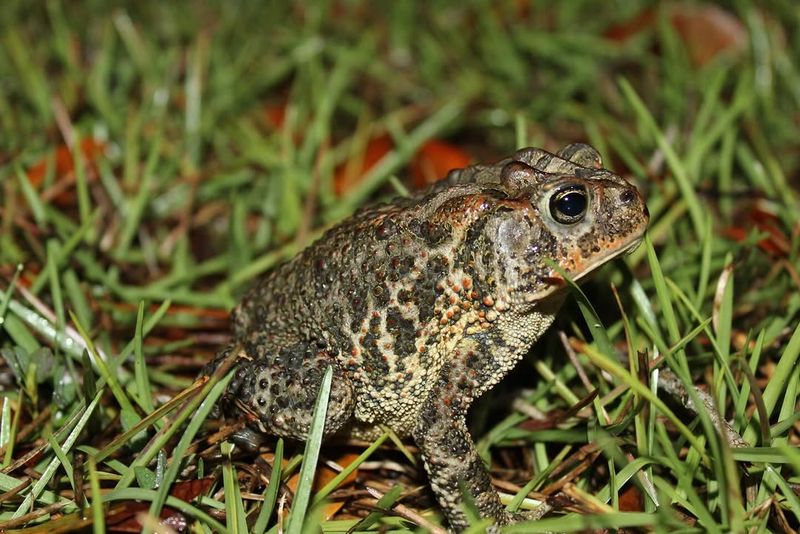
A backyard with native toads is doing something right. Their presence signals a balanced, functioning ecosystem rather than a sterile, over-managed space.
Native species like the Southern toad, Fowler’s toad, and American toad are adapted to local conditions. They are adapted to the soil, seasonal rhythms, and insect populations found throughout the region.
Introduced or non-native species rarely fill the same role as effectively.
Toads also serve as prey. Hawks, snakes, and raccoons all feed on toads at various life stages.
Supporting a healthy toad population contributes to the broader food web that keeps a backyard ecosystem balanced and functioning.
Gardens that attract toads tend to attract other beneficial wildlife too. Native bees, predatory beetles, and insect-eating birds are often found in the same environments that support toad populations.
Healthy habitat tends to be contagious in the best way.
Backyard biodiversity is not just an ecological concept. It has practical value for gardeners.
More species interacting in a garden means more natural checks on pest populations and less reliance on outside intervention to keep plants healthy.
Across a full growing season in Georgia, a small group of resident toads can consume thousands of insects, many of which are common garden pests.
No other pest management strategy delivers that kind of consistent, cost-free coverage without any ongoing maintenance or risk to surrounding plants and soil.