Pennsylvania Is Cracking Down On These Popular Ornamental Grasses And Here’s Why
Ornamental grasses have been a staple of Pennsylvania landscaping for years, valued for their movement, texture, and the low-maintenance reputation that made them a popular choice for borders, slopes, and difficult areas where other plants struggle.
What the plant tags rarely mentioned is that several of the most widely used ornamental grasses have been spreading well beyond the yards they were planted in, moving into natural areas and wild spaces where they crowd out native vegetation and disrupt the ecosystems those plants support.
Pennsylvania has been tightening its stance on invasive plants across the board, and certain ornamental grasses are now firmly in that conversation.
Some are already restricted, and others are under increasing scrutiny as their spread becomes harder to ignore.
A few of the grasses on this list are familiar enough that finding out they are part of Pennsylvania’s invasive plant problem will catch a lot of homeowners off guard.
1. Miscanthus
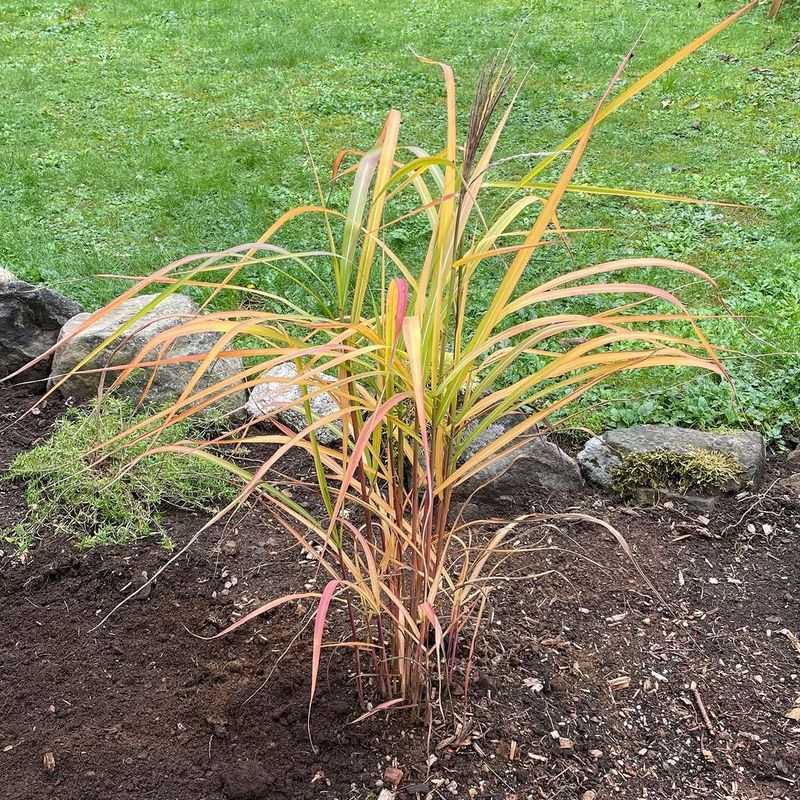
Walk past almost any suburban garden in Pennsylvania and you have probably spotted Miscanthus sinensis waving its feathery plumes in the breeze. It looks stunning, no doubt about it. But underneath that graceful appearance is a plant with a serious problem.
Miscanthus sinensis is one of the most invasive ornamental grasses spreading across the eastern United States. A single plant can produce thousands of lightweight seeds each year.
Those seeds travel easily on the wind, landing in meadows, forest edges, and roadsides far from your backyard.
Once it takes root in a natural area, Miscanthus grows in thick, dense clumps that crowd out native wildflowers and grasses. Native plants like little bluestem and wild bergamot simply cannot compete with it.
This loss of native plants also means less food and shelter for local insects, birds, and other wildlife that depend on those plants to survive.
Pennsylvania has listed Miscanthus sinensis as a plant of concern, and several counties are already restricting its sale and planting. Gardeners who currently have it in their yards are encouraged to remove it carefully before it sets seed.
Bag the plant material and dispose of it properly rather than composting it, since seeds can remain viable even in compost piles.
Luckily, there are some great native alternatives. Switchgrass (Panicum virgatum) and big bluestem (Andropogon gerardii) offer similar visual appeal without the ecological risk.
Making the switch helps protect Pennsylvania’s wild spaces while still keeping your garden looking beautiful and full of life.
2. Fountain Grass
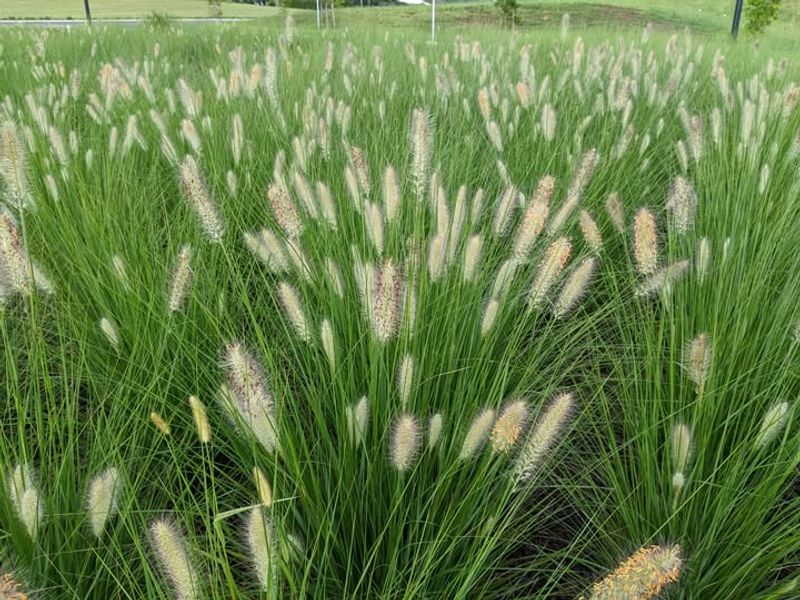
Fountain grass has earned its name honestly. Those soft, arching seed heads really do look like a gentle cascade of water frozen in time.
Homeowners across Pennsylvania have planted it for decades, loving how low-maintenance and elegant it appears in landscapes.
But here is what most gardeners do not realize: Pennisetum alopecuroides can escape cultivated gardens with surprising ease. Its fluffy seed heads are built for travel.
Wind, birds, and even passing foot traffic can carry seeds into nearby natural areas, where the grass quickly establishes itself and begins spreading.
When fountain grass moves into natural meadows or woodland edges, it starts competing directly with native grasses and wildflowers. Native species that local pollinators and birds have relied on for generations can be pushed aside.
Your Pennsylvania Garden Changes Every Week. Your Plan Should Too.
Gardening in Pennsylvania changes quickly throughout the season. Every Friday you’ll receive a simple weekly plan showing exactly what to plant, prune, fertilize, harvest, and protect so you never miss the right timing.
Over time, entire plant communities can shift, reducing the biodiversity that makes Pennsylvania’s natural landscapes so rich and valuable.
Pennsylvania environmental agencies are paying closer attention to fountain grass now. Gardeners are being advised to choose sterile cultivars if they want to keep this plant in their yards.
Sterile varieties produce little to no viable seed, which dramatically reduces the risk of unwanted spreading into wild areas.
Even better, consider replacing fountain grass with native ornamental options. Pennsylvania sedge (Carex pensylvanica) is a wonderful low-growing alternative that supports native insects.
Prairie dropseed (Sporobolus heterolepis) is another beautiful option with a similar graceful appearance. Choosing native plants means your garden can still look polished and stylish while actively supporting the local ecosystem rather than threatening it.
3. Japanese Blood Grass
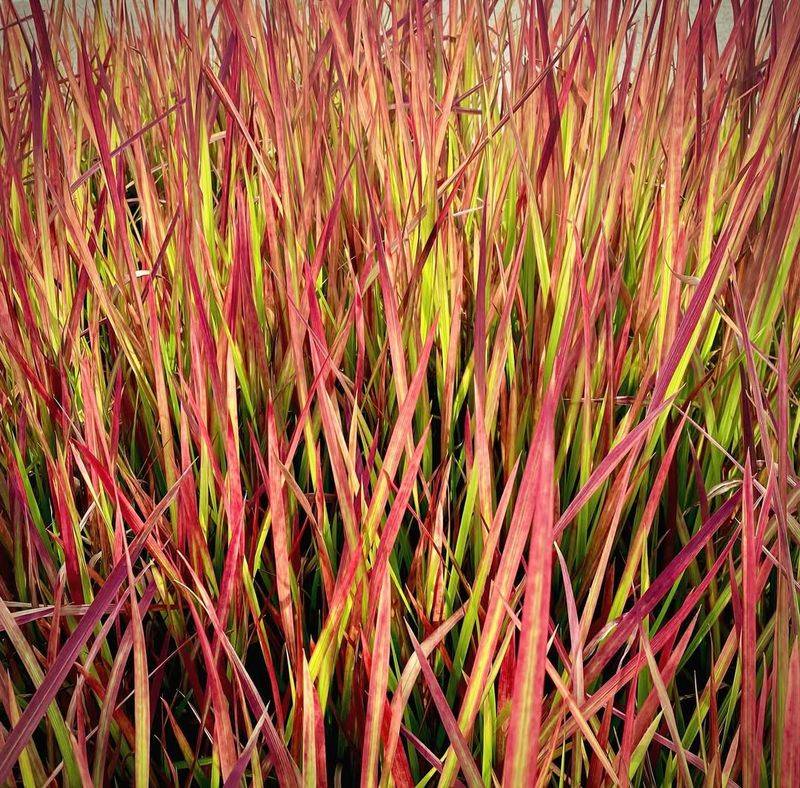
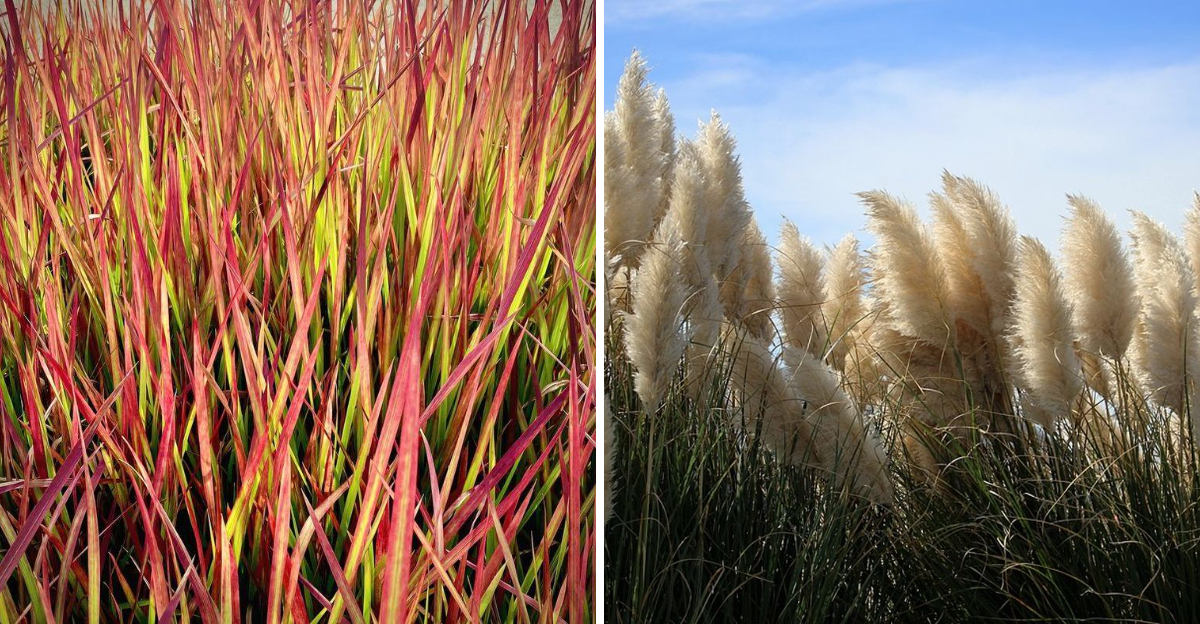
Few plants catch the eye quite like Japanese blood grass. Those vivid crimson-tipped blades look almost like something out of a fantasy garden, and it is easy to understand why so many people have planted it.
But behind that striking color is one of the most aggressive grass species in the world. Imperata cylindrica, commonly called cogon grass in its wild form, is considered one of the top ten worst weeds globally.
The ornamental variety sold in garden centers can revert back to its invasive green form over time. Once it does, it spreads rapidly through underground rhizomes as well as airborne seeds, making it extremely difficult to manage.
In natural areas, this grass forms dense mats that block sunlight and prevent other plants from growing. It releases chemicals into the soil that actively suppress surrounding vegetation.
Native grasses, wildflowers, and even young trees can struggle to establish themselves anywhere near a cogon grass infestation.
Pennsylvania takes this plant seriously. Several states have already banned it outright, and Pennsylvania is moving in the same direction.
If you have Japanese blood grass in your garden, experts recommend removing it promptly. Dig out as much of the root system as possible, since even small root fragments left in the ground can regrow.
For gardeners who love that bold, colorful look, native alternatives like little bluestem (Schizachyrium scoparium) offer beautiful reddish fall color without any of the ecological risks. It is a win for your garden and for Pennsylvania’s natural landscapes at the same time.
4. Giant Reed
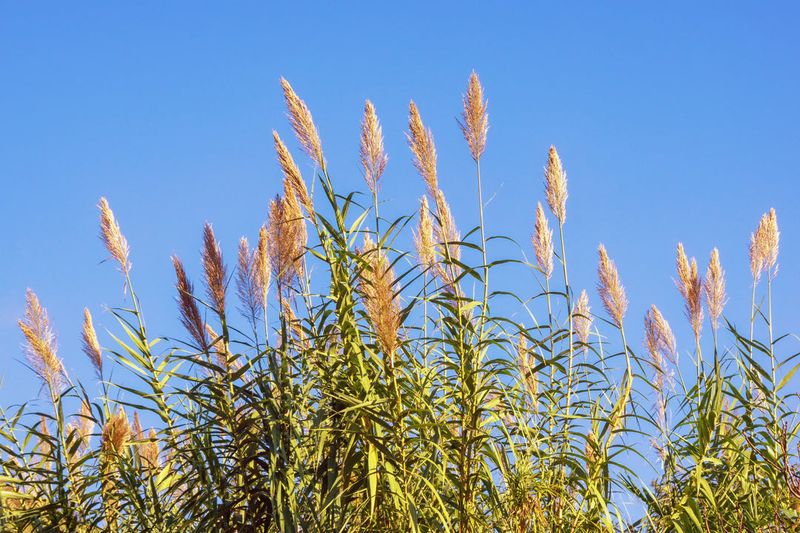
Standing up to 30 feet tall, giant reed is hard to miss. Arundo donax looks impressive along waterways and in large landscape settings, but this towering grass is causing real damage to Pennsylvania’s rivers, streams, and wetlands.
Its size is part of what makes it so destructive. Giant reed grows at a staggering speed, sometimes adding several inches per day during the growing season.
It spreads aggressively along riverbanks and floodplains, forming dense, nearly impenetrable stands.
These thick colonies push out native riparian plants like willows, sedges, and native wildflowers that fish, birds, and other wildlife depend on for food and nesting.
One of the biggest concerns with giant reed is its enormous appetite for water. Studies have shown that it consumes significantly more water than native riparian plants.
In areas already dealing with water stress, this can put serious pressure on local water resources and reduce the amount of water available for both wildlife and people downstream.
Giant reed also creates fire hazards. Its dry stalks accumulate quickly and burn intensely, which is especially dangerous in areas near homes and communities.
Pennsylvania land managers are actively working to control existing populations, but removal is costly and labor-intensive because the root system is incredibly tough and persistent.
If you are looking for a tall, dramatic plant for a wet or waterside area of your yard, native alternatives like river oats (Chasmanthium latifolium) or native Joe-pye weed (Eutrochium purpureum) can offer height and visual interest without the serious ecological risks that giant reed brings to Pennsylvania’s waterways.
5. Pampas Grass
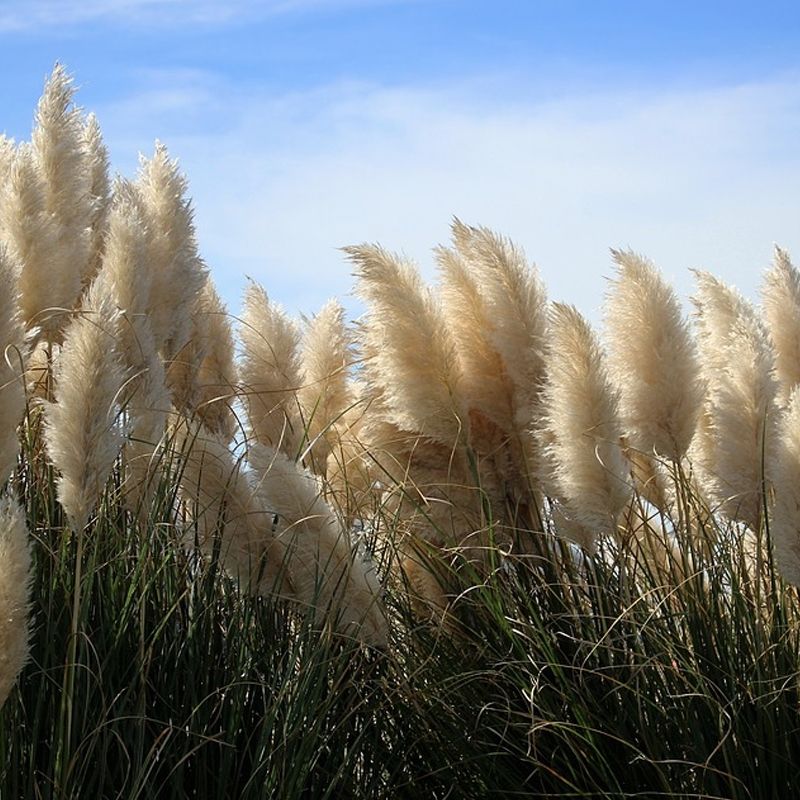
Pampas grass is one of those plants that photographs beautifully. Those enormous, fluffy white plumes have made it a social media favorite and a popular choice for dramatic garden displays.
But what looks gorgeous in a photo can be genuinely harmful in the real world, especially in Pennsylvania’s natural ecosystems.
Cortaderia selloana is a prolific seed producer. A single mature plant can release up to 100,000 seeds per year, and those seeds are lightweight enough to travel long distances on the wind.
Once they land in open fields, roadsides, or natural areas, they germinate quickly and establish dense colonies that are very hard to remove.
Pampas grass grows in large, sharp-edged clumps that are physically difficult and even dangerous to handle without proper protective gear. The leaves have serrated edges that can cause cuts.
When it spreads into natural habitats, it forms thick stands that block out native vegetation and reduce habitat quality for local wildlife, including ground-nesting birds and native pollinators.
Pennsylvania has flagged pampas grass as a plant that poses a growing ecological threat. While it has not been formally banned statewide yet, removal is being strongly encouraged in many areas, particularly near natural lands, parks, and preserves.
Homeowners who remove it should cut it back and bag all plant material carefully to prevent seeds from scattering during the process.
Native grasses like northern sea oats (Chasmanthium latifolium) or tall prairie plants like cup plant (Silphium perfoliatum) can give your garden that bold, statement look without sending thousands of seeds drifting into Pennsylvania’s wild spaces.
6. Blue Fescue
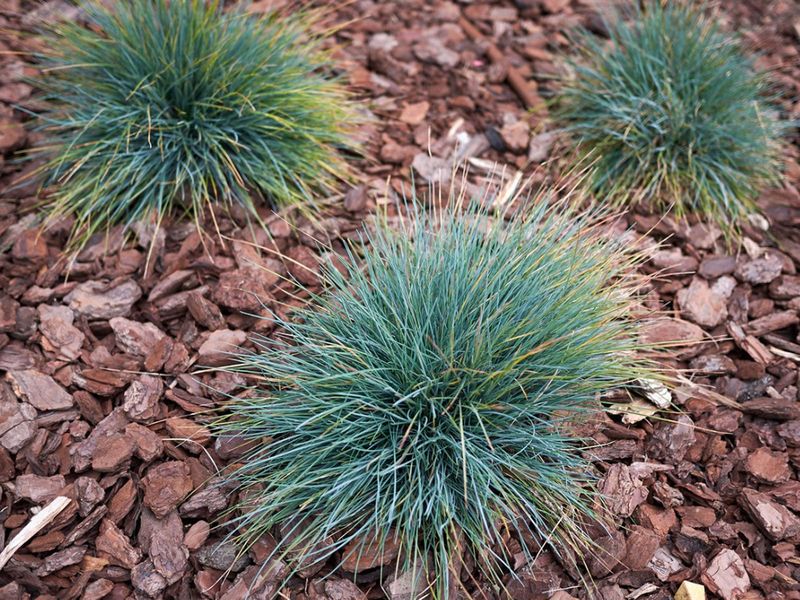
Blue fescue might surprise you on this list. It is small, tidy, and looks almost too delicate to cause any trouble.
Many gardeners use it as a low-maintenance border plant or ground cover, appreciating its cool blue-gray color and compact shape. But even small plants can have a big impact when they start spreading where they should not be.
Festuca glauca may not be as aggressively invasive as some of the other grasses on this list, but it has shown a consistent ability to escape cultivated areas and establish itself in natural spaces.
In rocky meadows, dry hillsides, and open woodland edges, it can gradually outcompete native low-growing plants that are already struggling in disturbed environments.
Pennsylvania’s native plant communities in dry, open habitats are particularly vulnerable. Plants like poverty oat grass (Danthonia spicata) and native fescues fill important ecological roles in these areas.
When non-native fescue moves in, it can shift the composition of these plant communities in ways that ripple through the food web, affecting the insects and small animals that depend on specific native plants.
Experts recommend replacing blue fescue with native alternatives that offer similar aesthetic appeal. Pennsylvania sedge (Carex pensylvanica) is a fantastic option for shady or semi-shady spots.
For sunny, dry areas, buffalo grass (Bouteloua dactyloides) or native blue grama grass (Bouteloua gracilis) provide that same low, ornamental look with real ecological benefits.
Swapping out blue fescue for native options is one of the simplest changes a Pennsylvania gardener can make. Small choices in your own yard truly can add up to meaningful protection for the state’s natural landscapes.