These Are The Pennsylvania Native Plants That Make Your Yard Less Attractive To Spotted Lanternfly Adults
Spotted lanternfly has become one of the most frustrating pest challenges Pennsylvania homeowners deal with, and the pressure doesn’t let up through the warm months.
Most people focus on scraping egg masses, swatting adults, and treating the trees that spotted lanternflies seem to prefer. All of that matters. But there’s another angle that doesn’t get nearly enough attention.
What you plant can make your yard significantly less attractive to spotted lanternfly adults in the first place. Spotted lanternflies are selective feeders.
They have clear preferences and plants they actively seek out. They also have plants they tend to avoid, and understanding that distinction gives Pennsylvania gardeners a real, practical tool for reducing the pressure in their own yards.
Native Pennsylvania plants tend to be far less appealing to spotted lanternfly than many common ornamentals, and some actively discourage them from settling in.
1. Spicebush
Walk past a spicebush on a warm day and give one of its leaves a gentle crush between your fingers. That spicy, citrusy smell is one of the things that makes this native shrub so memorable.
Spicebush (Lindera benzoin) is a Pennsylvania native that has been growing in woodland edges and stream banks here for centuries, long before spotted lanternflies ever arrived.
What makes spicebush a smart yard choice right now is what it is not. It is not a tree of heaven. It is not a wild grape. It is not on the spotted lanternfly’s list of preferred feeding plants.
That matters a lot when you are trying to make your yard less of a destination for these invasive insects.
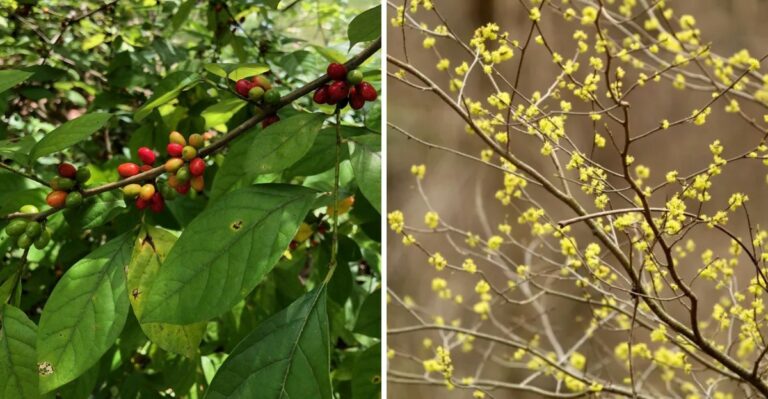
Spicebush grows as a rounded shrub, usually reaching six to twelve feet tall. It blooms in early spring with clusters of tiny yellow flowers before the leaves even open, which is a cheerful sight after a long Pennsylvania winter.
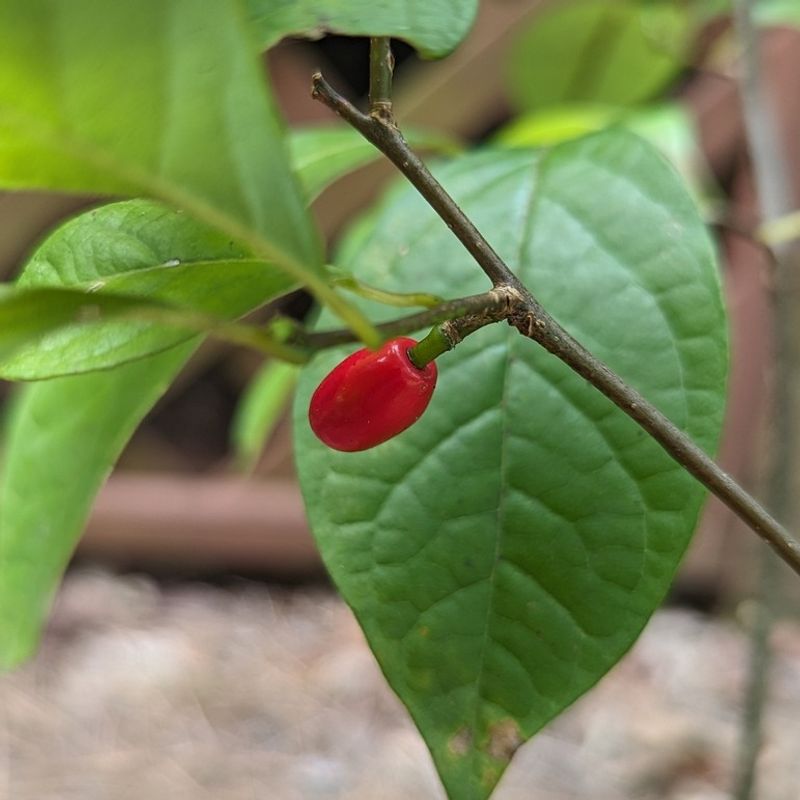
Female plants produce glossy red berries in late summer and fall that birds absolutely love. It grows best in part shade with moist, well-drained soil, making it ideal for spots under trees or near rain gardens.
It also handles full shade better than many other shrubs, which gives you more planting options in tricky spots.
As a bonus, spicebush is the host plant for the spicebush swallowtail butterfly, one of Pennsylvania’s most striking native butterflies.
Planting spicebush means you are supporting local wildlife in a meaningful way while also quietly making your yard less appealing to spotted lanternfly adults.
2. Inkberry Holly
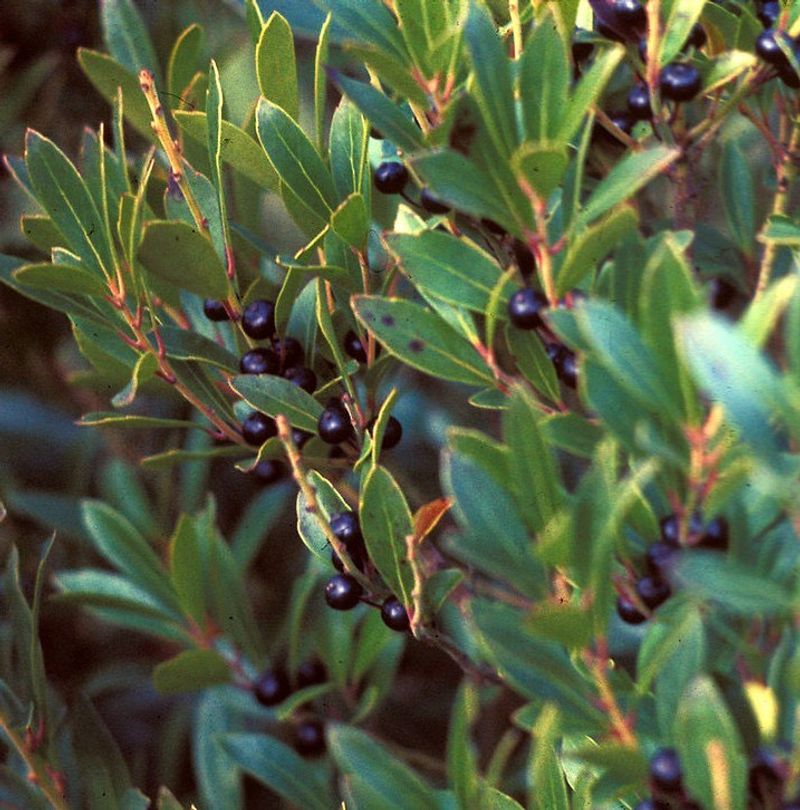
Not every yard hero looks flashy, and inkberry holly is proof of that. Ilex glabra is a quiet, dependable native evergreen shrub that earns its place in Pennsylvania yards through reliability rather than showiness.
It keeps its dark green leaves all year long, gives structure to foundation beds and borders, and asks for very little in return.
Spotted lanternflies are not known to seek out inkberry holly as a preferred feeding host. That makes it a genuinely useful plant to work into your landscape if you are trying to shift the balance away from plants these insects love.
Your Pennsylvania Garden Changes Every Week. Your Plan Should Too.
Gardening in Pennsylvania changes quickly throughout the season. Every Friday you’ll receive a simple weekly plan showing exactly what to plant, prune, fertilize, harvest, and protect so you never miss the right timing.
Replacing overgrown or invasive shrubs with inkberry holly is a practical, low-effort move that pays off over time.
Inkberry grows naturally in moist to wet areas, including pond edges and low spots in the yard where other shrubs might struggle.
It tolerates clay soil reasonably well, which is a real advantage for many Pennsylvania homeowners dealing with heavy, compacted ground. It grows slowly to about five to eight feet tall and wide.
The small black berries that appear in fall are a food source for birds, including bluebirds, catbirds, and cedar waxwings.
Since inkberry is a holly, you will need both a male and female plant nearby to get berry production on the female. Many nurseries sell them together or in groups.
For homeowners who want a neat, evergreen native shrub that fits into almost any planting style without drawing spotted lanternfly adults, inkberry holly is one of the most reliable options available in Pennsylvania right now.
3. Winterberry Holly
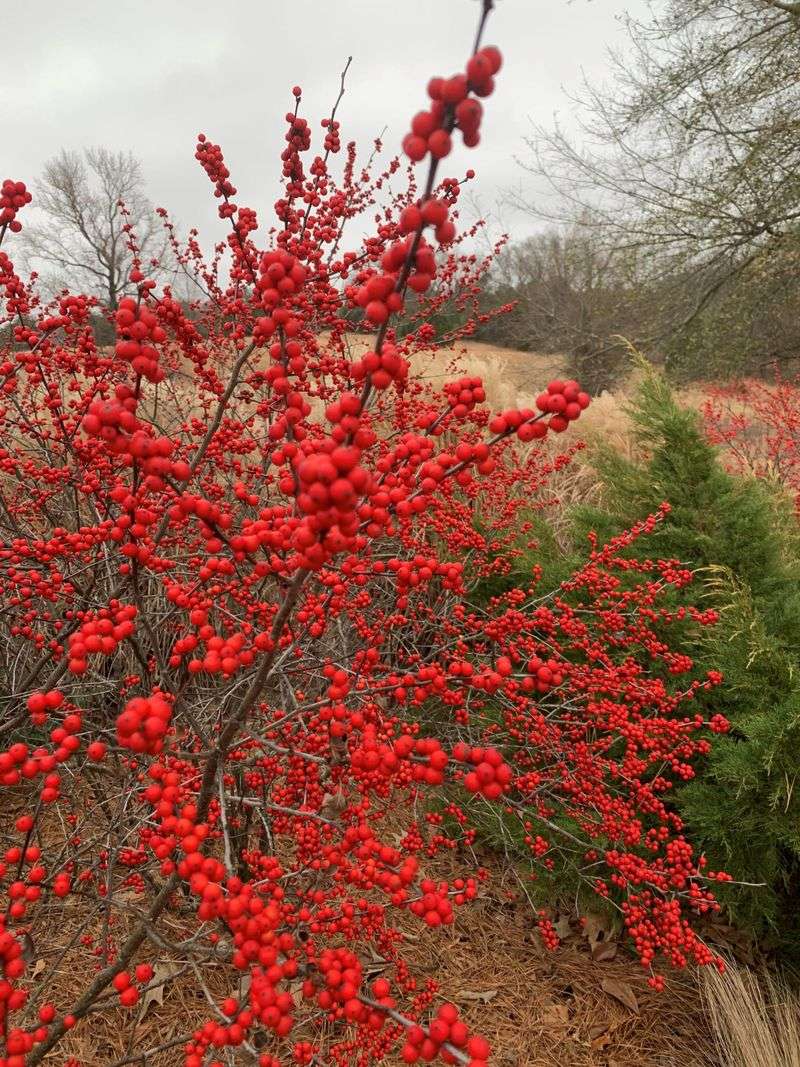
Few native plants put on a winter show quite like winterberry holly. Once the leaves drop in autumn, the bare branches of Ilex verticillata become absolutely loaded with clusters of bright red berries that practically glow against a gray Pennsylvania sky.
It is the kind of plant that makes neighbors stop and ask what it is. Beyond its good looks, winterberry earns serious practical points right now.
It is a deciduous native holly, not a tree of heaven, not a wild grape vine, and not a plant that spotted lanternfly adults are known to prefer.
Working it into a wet or low-lying area of your yard gives you something beautiful in a spot where options can feel limited.
Winterberry thrives in moist to wet soil and full to part sun. It is one of the best native shrubs for rain gardens, pond edges, and areas that stay soggy after heavy rain.
In Pennsylvania, those kinds of spots are common, and finding the right plant for them can be a real challenge.
Like inkberry, you need a male pollinator plant nearby to get berry production on female plants. Most garden centers that carry winterberry also carry the compatible male varieties. Planting them together is straightforward and worth the small extra effort.
Birds go wild for winterberry berries in late fall and winter when food sources get scarce. Robins, bluebirds, and mockingbirds are among the regular visitors.
Choosing winterberry means you are feeding local wildlife through the toughest season of the year while keeping spotted lanternfly adults less interested in your yard overall.
4. Mountain Laurel
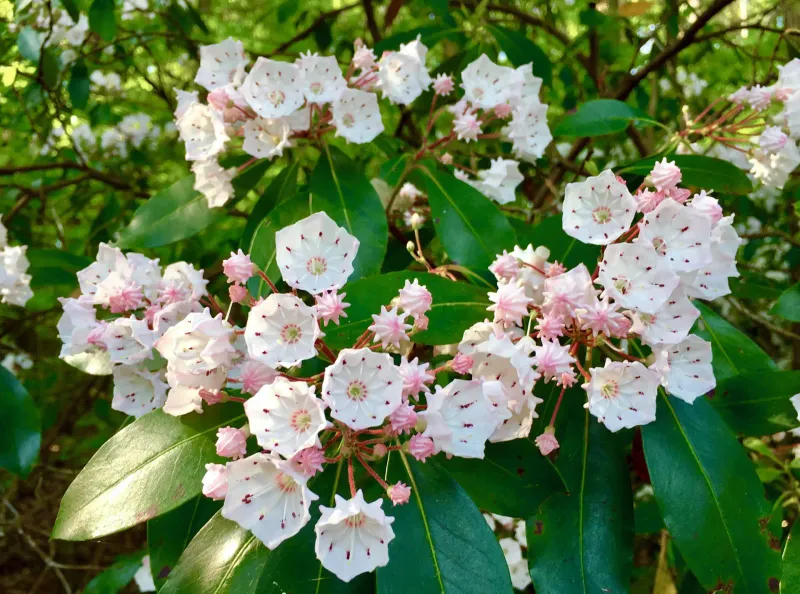
Pennsylvania picked a winner when it named mountain laurel its official state flower back in 1933.
Kalmia latifolia is one of the most stunning native evergreen shrubs in the eastern United States, and it happens to grow beautifully across much of Pennsylvania in the acidic, partly shaded conditions found under oak and pine trees.
Mountain laurel blooms in late spring, usually May into June, with clusters of intricate pink and white flowers that look almost too detailed to be real. The buds are especially beautiful, shaped like tiny ribbed cups before they open.
Once you have seen a hillside covered in blooming mountain laurel, it is hard to forget. From a spotted lanternfly standpoint, mountain laurel is not one of the plants these insects are drawn to as a feeding host.
Its leathery, thick foliage and shrub form make it a very different kind of plant from the trees and vines that spotted lanternflies tend to crowd around. Planting it as a replacement for less helpful ornamentals is a smart strategy.
It grows best in acidic soil with good drainage and dappled shade. It does not like heavy clay or standing water, so proper site selection matters.
Once established, it is a tough, long-lived shrub that needs very little maintenance beyond occasional light pruning after flowering.
Mountain laurel also provides year-round structure in the landscape since it keeps its leaves through winter.
For homeowners in Pennsylvania wanting a native, low-maintenance evergreen that looks spectacular in bloom and does not attract spotted lanternfly adults, mountain laurel is hard to beat.
5. New Jersey Tea
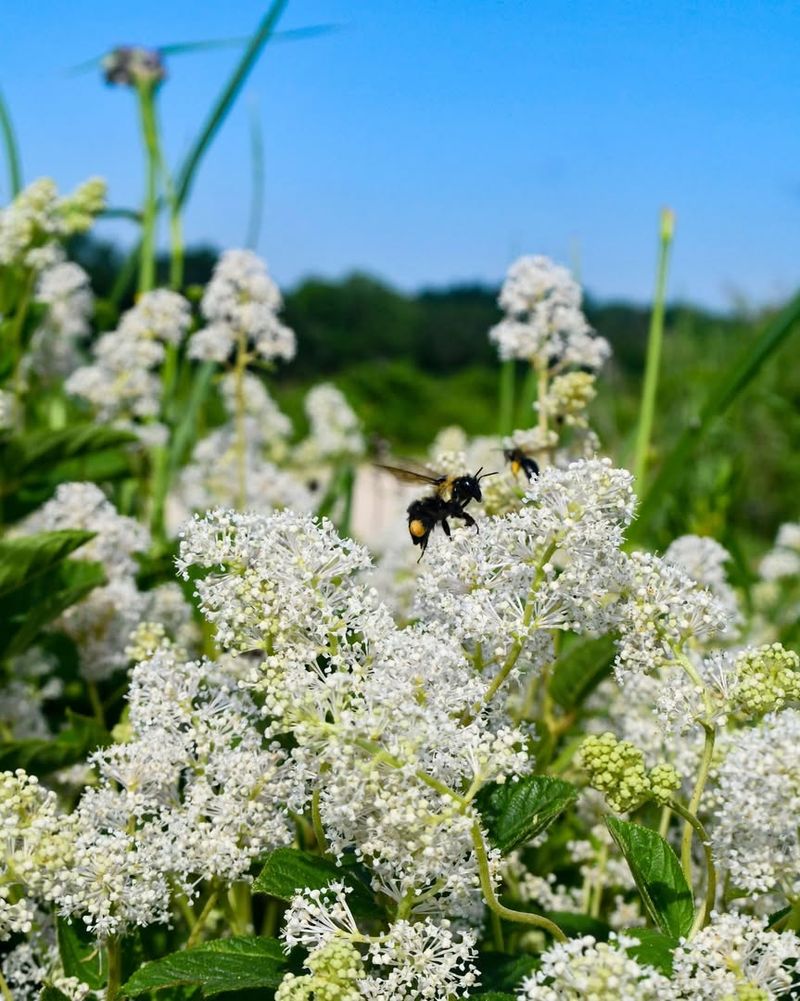
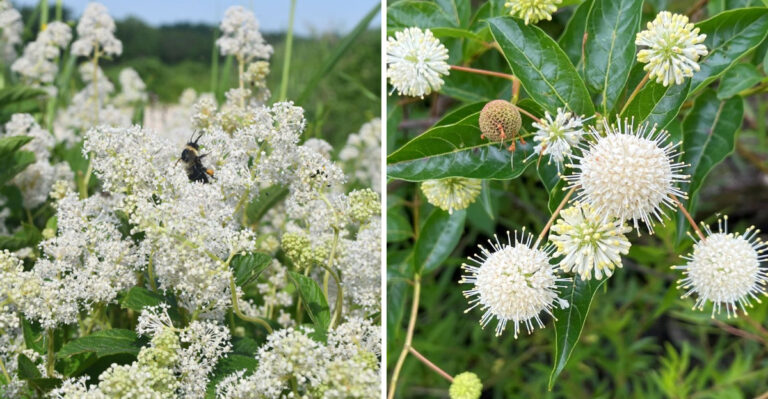
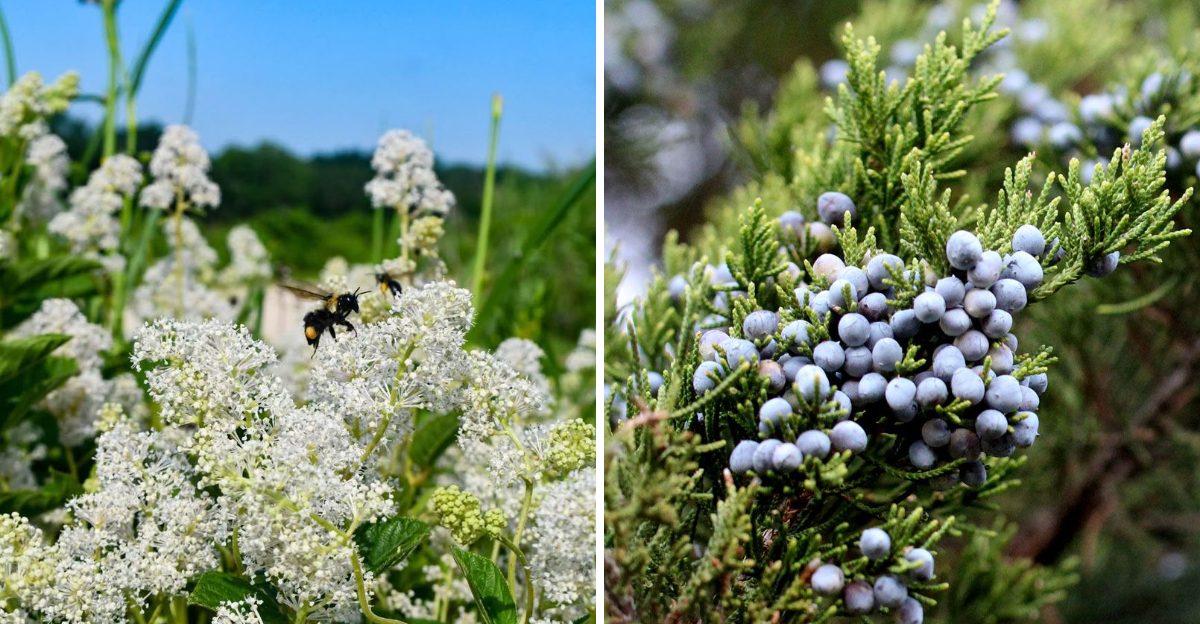
Here is a native shrub that most Pennsylvania gardeners have never tried but absolutely should. New Jersey tea, known botanically as Ceanothus americanus, is a compact, low-growing native shrub that tops out at around three to four feet tall.
It fits easily into sunny borders, dry slopes, and tricky spots where larger shrubs would take over.
During the summer months, it covers itself in fluffy clusters of tiny white flowers that pollinators cannot resist. Native bees, butterflies, and other beneficial insects flock to it.
If you are trying to build a yard that supports local wildlife while also making things harder for spotted lanternfly adults, New Jersey tea checks both boxes at once.
Spotted lanternflies have a well-documented preference for certain plants, and New Jersey tea is not among their favorites.
Placing it around areas where you are trying to reduce lanternfly-friendly vines and trees gives you a useful native buffer that is also genuinely beautiful during its long summer bloom period.
One of the best things about New Jersey tea is how well it handles dry conditions. Once established, it is quite drought-tolerant, which makes it a strong choice for slopes, hellstrips, and any spot where the soil tends to dry out fast.
It prefers full sun to light shade and well-drained soil. Fun fact: during the American Revolution, colonists actually brewed the dried leaves of this plant as a substitute for imported tea.
That bit of history makes it an interesting conversation piece in addition to being a genuinely useful native plant for modern Pennsylvania yards trying to manage spotted lanternfly pressure.
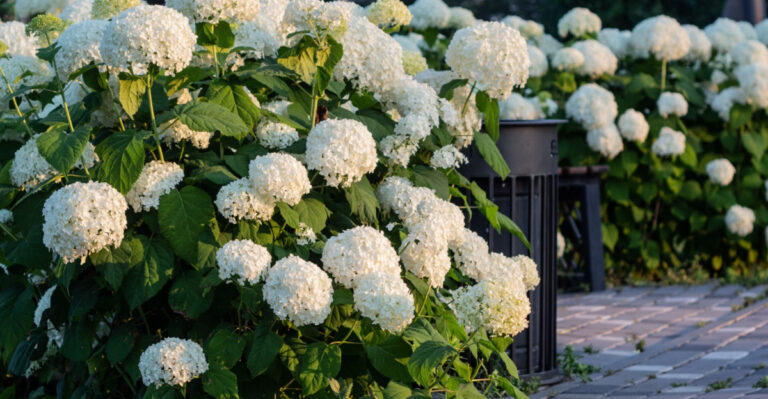
6. Wild Hydrangea
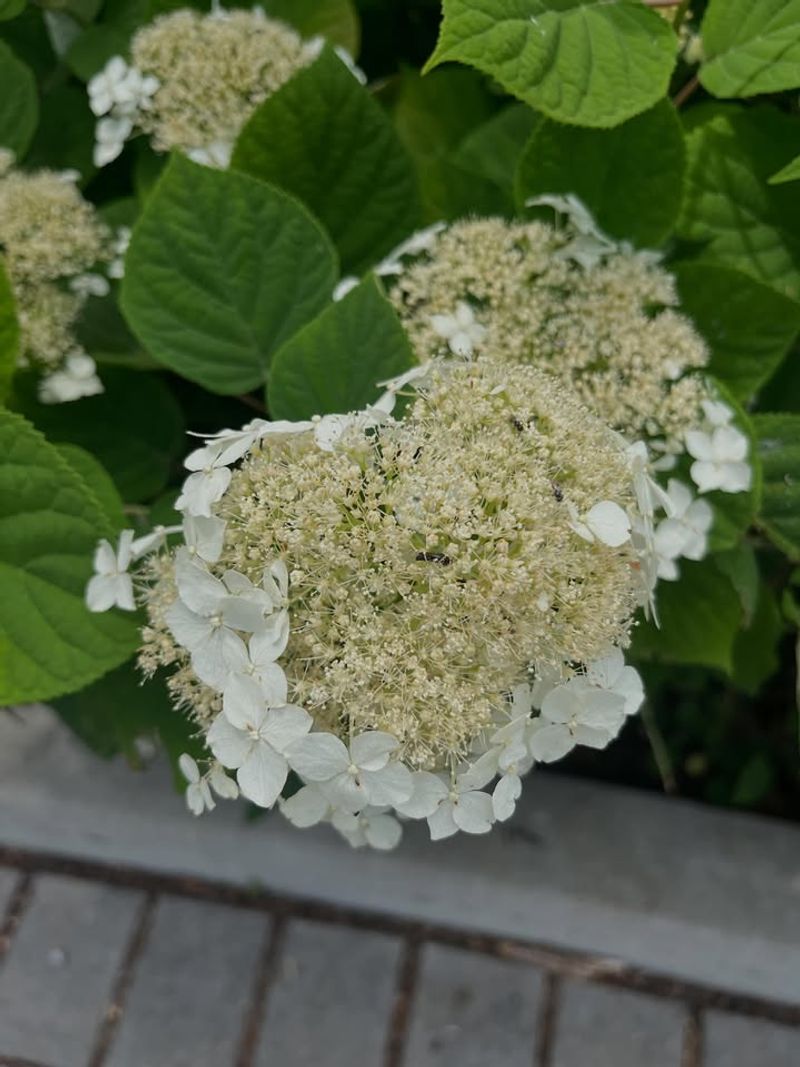
Soft, airy, and completely at home in the shade, wild hydrangea brings a relaxed woodland charm to Pennsylvania yards that is hard to replicate with non-native plants.
Hydrangea arborescens is the native species behind the popular cultivar Annabelle, and the straight species is just as lovely in a more natural, easygoing way.
Wild hydrangea produces large, rounded clusters of creamy white flowers from early to midsummer. The blooms start out green, shift to white at peak, and then fade back to a papery tan that holds up beautifully into fall and even winter.
Many gardeners leave the dried flower heads standing through the cold months for structure and texture.
From a spotted lanternfly perspective, wild hydrangea does not function like one of the preferred host plants these insects seek out.
Adding it to shaded borders and woodland garden areas gives you a native ornamental that fills space attractively without offering the kind of feeding opportunities that trees of heaven, grapes, and other favored hosts provide.
It grows best in part shade to full shade with moist, well-drained soil. It handles the kind of dry shade found under mature trees better than many other shade-loving shrubs.
In Pennsylvania, where mature tree canopy is common in older neighborhoods, that adaptability is genuinely valuable.
Wild hydrangea spreads slowly by root suckers, which means it can fill in an area over time without becoming aggressive. Cutting it back hard in late winter or early spring encourages the biggest, most impressive flower clusters.
It is a forgiving, rewarding native shrub that earns its place in any thoughtful Pennsylvania landscape.
7. Eastern Red Cedar
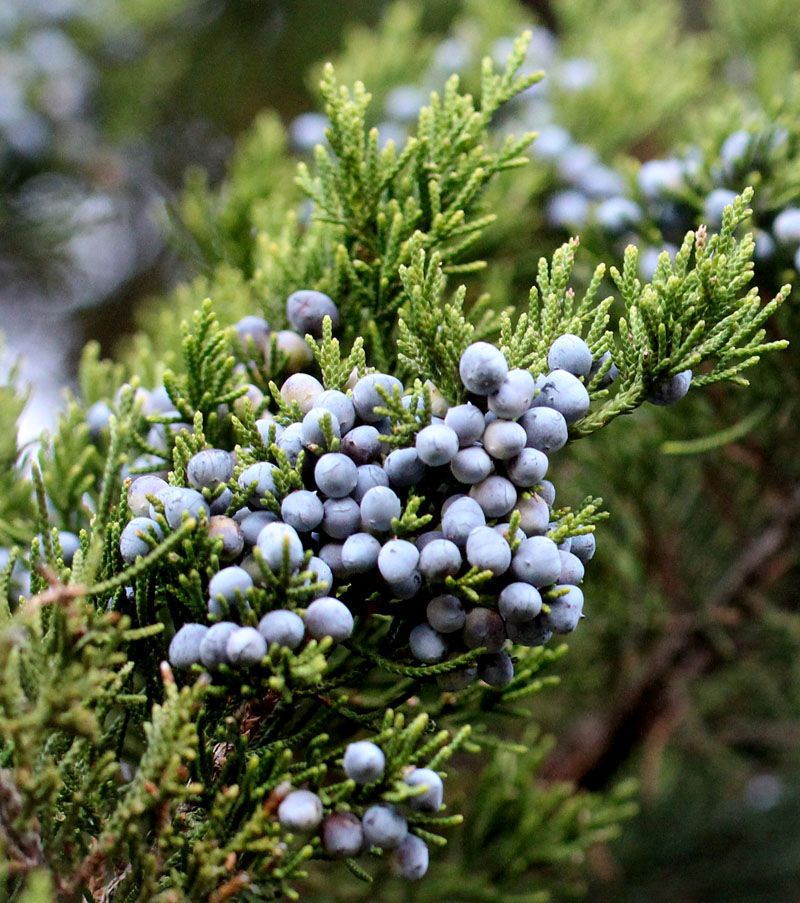
Eastern red cedar is the kind of native plant that has been quietly holding Pennsylvania landscapes together for generations. Juniperus virginiana is technically a juniper, not a true cedar, but its role in the landscape is unmistakable.
It is tough, adaptable, and one of the most useful native evergreens available to Pennsylvania homeowners right now.
When people want year-round screening, windbreaks, or privacy hedges, the temptation is often to reach for arborvitae or other non-native conifers.
Eastern red cedar gives you all of that structure and function while being native to the region and not serving as a preferred spotted lanternfly host. That is a combination worth paying attention to.
It grows in a wide range of soil types, including rocky, dry, and poor soils where other trees struggle. Full sun is ideal.
Eastern red cedar is also highly drought-tolerant once established, which makes it a strong candidate for exposed, sunny spots that can be brutal during Pennsylvania summers.
The small, blue, berry-like cones it produces are a critical food source for cedar waxwings, which are named after this very tree.
Bluebirds, mockingbirds, and other wildlife also rely on eastern red cedar for food and shelter through the winter. Planting a row of them creates a wildlife corridor as well as a privacy screen.
Eastern red cedar can grow quite tall over time, reaching 40 to 50 feet in some cases, so placement matters.
Used thoughtfully, it replaces the need for lanternfly-attractive trees in areas where you want height and structure. It is a genuinely hardworking native plant with a long track record in Pennsylvania.